We unleash your business potential by maximize the business innovation.
Send EmailAmino Trimethylene Phoshonic Acid, Nitrilo Trimethylene Triphosphonic Acid, Dequest 2000, ATMP ,6419-19-8
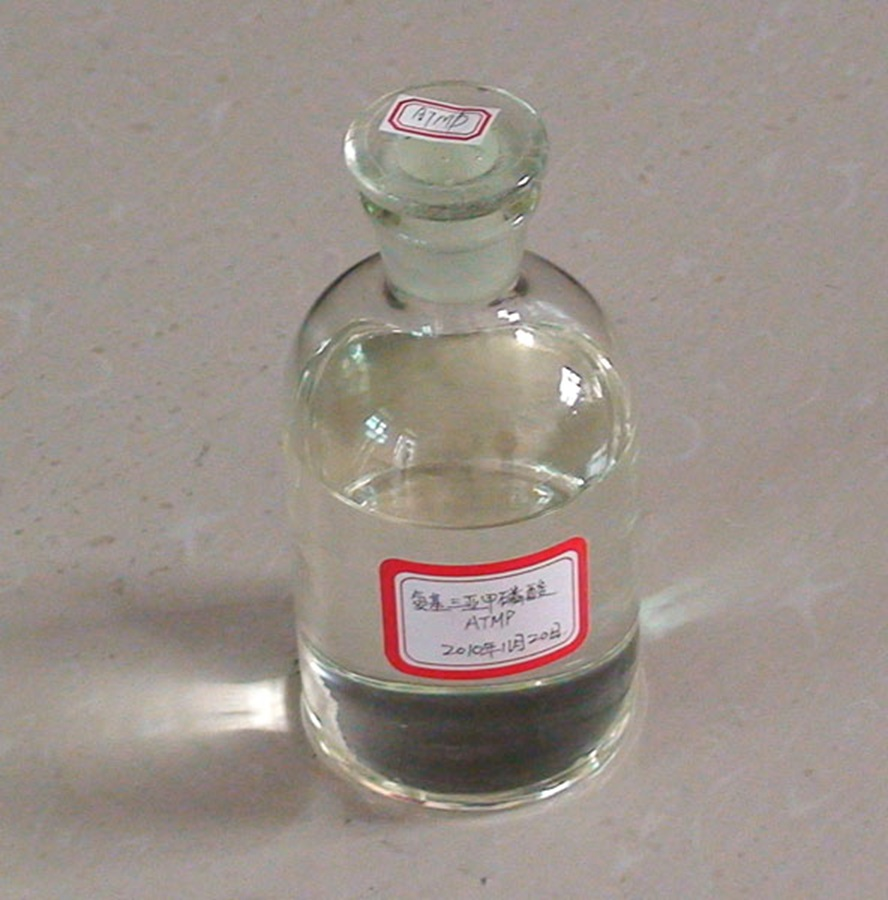
Amino Trimethylene Phosphonic Acid (ATMP)
Chemical Identity:
-
Formula: C₃H₁₂NO₉P₃
-
Molecular Weight: 299.05 g/mol
-
CAS Number: 6419-19-8
-
Physical Form: Available both as a liquid and as a crystalline powder. The solid form is highly soluble in water and suitable for use in cold climates or freezing conditions.
-
Packaging: Typically supplied in barrels.
Key Properties:
-
Strong chelating ability – binds metal ions effectively.
-
Excellent scale inhibition – prevents calcium carbonate (CaCO₃) deposits in water systems.
-
Functions as a corrosion inhibitor – protects pipelines and metal equipment.
-
High chemical stability – resistant to hydrolysis, making it durable in water treatment applications.
-
Exhibits threshold inhibition and lattice distortion properties, enhancing its effectiveness in preventing scale formation.
Industrial Applications:
-
Water Treatment Systems:
-
Used in circulating cooling water systems in thermal power plants and petroleum refineries.
-
Applied in oilfield water pipelines to prevent scale and corrosion.
-
-
Petroleum Industry:
-
Helps reduce erosion around oil wells.
-
-
Textile Industry:
-
Acts as a sequestering agent in dyeing and bleaching processes.
-
-
Metal Processing:
-
Serves as a rust inhibitor and surface treatment agent.
-
-
Detergents:
-
Functions as a cleaning agent.
-
-
Paper and Pulp Industry:
-
Used as a precipitation inhibitor and pH regulator.
-
Production Process:
-
Oxidation of Formaldehyde: Formaldehyde reacts with hydrogen peroxide to form formic acid.
-
Reaction with Phosphoric Acid: Formic acid reacts with phosphoric acid under controlled conditions (high temperature, low pH), producing Trimethylene Phosphonic Acid (TMPO) as an intermediate.
-
Amidation with Ammonia: TMPO reacts with ammonia, replacing a hydrogen atom and yielding the final product, ATMP.
Alternative route: Direct reaction of phosphoric acid with ammonia, though less commonly used.
Advantages:
-
Versatile applications across multiple industries (water treatment, petroleum, textiles, metals, detergents, paper).
-
Environmentally safe – does not pose significant harm when used in water systems.
-
Improves water quality by preventing precipitation of calcium and magnesium salts.
-
Solid crystalline form offers logistical and seasonal advantages.
In summary: ATMP is a phosphonic acid derivative widely recognized for its chelating, scale-inhibiting, and corrosion-preventing properties. Its stability and versatility make it indispensable in industrial water treatment, petroleum refining, textiles, metal processing, detergents, and pulp & paper production.
🔹 Chemical Identity
-
Name: Amino Trimethylene Phosphonic Acid (ATMP)
-
Formula: C₃H₁₂NO₉P₃
-
Molecular Weight: 299.05 g/mol
-
CAS Number: 6419-19-8
-
EINECS Number: 229-146-5
-
MDL Number: MFCD00002138
🔹 Synonyms & Trade Names
-
ATMP
-
ATMPA
-
AMP
-
AminoTri (Methylene Phosphonic Acid)
-
Tris (Methylene Phosphonic Acid) Amine
-
Nitrilotrimethylphosphonic Acid (NTP)
-
Nitrilotris (methylene) triphosphonic acid
-
Aminotris (methylenephosphonic acid)
-
Dequest 2000 / Dequest 2001 (commercial names)
-
Ferrofos 509 / Ferrofos 59
-
Dowell L-37
-
Briquest 301-50A
-
UNII-1Y702GD0FG
🔹 Sectoral Suitability Table
| Industry | Application |
|---|---|
| Water Treatment | Scale inhibitor, corrosion inhibitor in cooling water systems, boilers, pipelines |
| Petroleum Industry | Prevents scale and corrosion in oilfield water pipelines, reduces erosion around wells |
| Textile Industry | Sequestering agent in dyeing and bleaching processes |
| Metal Processing | Rust inhibitor, surface treatment agent |
| Detergents | Cleaning agent, improves washing performance |
| Paper & Pulp Industry | Precipitation inhibitor, pH regulator |
🔹 Alternatives to ATMP
-
EDTA (Ethylenediaminetetraacetic Acid): Strong chelating agent, widely used in detergents and water treatment.
-
DTPA (Diethylenetriaminepentaacetic Acid): More powerful chelator than EDTA, used in pulp & paper and textile industries.
-
HEDP (1-Hydroxyethylidene-1,1-Diphosphonic Acid): Common phosphonate alternative, effective scale inhibitor with good stability.
-
PBTC (Phosphonobutane Tricarboxylic Acid): Excellent threshold scale inhibitor, often used in cooling water systems.
-
Polyacrylic Acid & Copolymers: Used as dispersants and scale inhibitors in water treatment.
Summary: ATMP is a versatile organophosphonic acid derivative with strong chelating, scale-inhibiting, and corrosion-preventing properties. It is widely applied across water treatment, petroleum refining, textiles, metal processing, detergents, and pulp & paper industries. Its commercial synonyms (Dequest, Ferrofos, Briquest) and alternatives (EDTA, DTPA, HEDP, PBTC) make it a central chemical in industrial water management and cleaning formulations.

 ,6419-19-8.jpg)
