We unleash your business potential by maximize the business innovation.
Send EmailSodium Hypochlorite, Sodium Oxychloride, Disinfectant Solution, Hypo, Javel Water, 7681-52-9
SODIUM HYPOCHLORITE (NaOCl)
Sodium Oxychloride / Bleach / Hypo
CAS Number: 7681-52-9
EC Number: 231-668-3
GTIP: 282890001011
HS Kod: 282890
Sodyum hipoklorit (Javel suyu)
1. IDENTIFICATION
| Property | Information |
|---|---|
| Chemical Name | Sodium Hypochlorite |
| Synonyms | Sodium oxychloride, Bleach, Hypo, Chlorine bleach, Soda bleach |
| Chemical Formula | NaOCl |
| Molecular Weight | 74.44 g/mol |
| CAS Number | 7681-52-9 |
| EC Number (EINECS) | 231-668-3 |
| Appearance | Colorless to slightly yellow-green clear liquid |
| Odor | Sharp, characteristic chlorine odor |
2. PHYSICAL PROPERTIES
| Property | Value (Commercial Solution – Typical) |
|---|---|
| Physical State (20°C) | Liquid |
| Appearance | Colorless to pale yellow-green clear liquid |
| Odor | Sharp, characteristic chlorine odor |
| Molecular Weight | 74.44 g/mol |
| Density (20°C) | ~1.11 – 1.21 g/cm³ (depends on concentration) |
| Melting Point | -16 °C to -6 °C (solution dependent) |
| Boiling Point | ~100 °C (water evaporation) |
| Solubility in Water | Completely miscible |
| pH (as is) | 11 – 13 (strongly alkaline) |
| Vapor Pressure | Similar to water |
Typical Commercial Concentrations:
| Grade | Available Chlorine (Cl₂) | NaOCl Equivalent | Density (g/cm³) | Application |
|---|---|---|---|---|
| Household Bleach | 3 – 6% | 3 – 6% | ~1.05 – 1.09 | Laundry, household disinfection |
| Industrial Disinfectant | 10 – 12% | 10 – 12% | ~1.11 – 1.16 | Water treatment, surface disinfection |
| High Strength Industrial | 15% | 15% | ~1.21 | Textile bleaching, industrial oxidation |
3. CHEMICAL PROPERTIES
| Property | Information |
|---|---|
| Chemical Formula | NaOCl |
| Molecular Weight | 74.44 g/mol |
| Chemical Structure | Na⁺ OCl⁻ (sodium cation + hypochlorite anion) |
| Chemical Class | Hypochlorite salt (chlorine oxyanion) |
| Active Chlorine | Equivalent to Cl₂ content (typically 3-15% w/w) |
| Oxidizing Properties | Very strong oxidizer |
| Stability | Unstable; decomposes over time, especially with heat, light, and impurities |
| pH (solution) | 11 – 13 (strongly alkaline – stabilizes the product) |
| Decomposition Products | Oxygen (O₂), chlorates (ClO₃⁻), chloride (Cl⁻) |
| Incompatible Materials | Acids (releases toxic Cl₂), ammonia (forms chloramines), organic materials, reducing agents, metals |
Decomposition Reactions:
2 NaOCl → 2 NaCl + O₂↑ (slow, accelerated by heat/light)
3 NaOCl → NaClO₃ + 2 NaCl (chlorate formation at high temperatures)
NaOCl + 2 HCl → NaCl + Cl₂↑ + H₂O (acid addition – DANGEROUS – releases toxic chlorine gas)
NaOCl + 2 NH₃ → NH₂Cl + NaCl + H₂O (monochloramine formation)
4. PRODUCTION PROCESS
| Stage | Description |
|---|---|
| 1. Raw Materials | Chlorine gas (Cl₂) and sodium hydroxide (NaOH) |
| 2. Chlorination | Chlorine gas is bubbled through cold sodium hydroxide solution (0-5°C) |
| 3. Reaction | Cl₂ + 2 NaOH → NaOCl + NaCl + H₂O |
| 4. Cooling | Reaction is exothermic; continuous cooling is required to prevent decomposition |
| 5. Filtration | Sodium chloride (NaCl) by-product may be removed for high-purity grades |
| 6. Concentration | Solution is adjusted to desired active chlorine concentration |
| 7. Stabilization | Small amounts of stabilizers (e.g., sodium silicate, sodium carbonate) may be added |
Reaction Equation:
Cl₂ + 2 NaOH → NaOCl + NaCl + H₂O
Note: The reaction produces approximately equimolar amounts of NaOCl and NaCl. Commercial solutions contain significant salt (NaCl) content.
5. APPLICATIONS
5.1. Water Treatment (Primary Use – Most Important)
| Application | Typical Dose (as Cl₂) | Function |
|---|---|---|
| Drinking Water Disinfection | 1 – 5 mg/L | Kills bacteria, viruses, protozoa; residual disinfection in distribution system |
| Industrial Cooling Water | 5 – 15 mg/L | Microorganism control, biofilm prevention, slime control |
| Wastewater Treatment | 5 – 20 mg/L | Pathogen reduction, odor control (H₂S oxidation), effluent disinfection |
| Iron & Manganese Removal | 1 – 10 mg/L | Oxidizes dissolved Fe²⁺ and Mn²⁺ for precipitation and filtration |
Chlorine Dose for Drinking Water:
Required Cl₂ (mg/L) = Demand (mg/L) + Residual (mg/L)
Typical residual: 0.2 – 0.5 mg/L free chlorine
5.2. Surface Disinfection & Sanitization
| Application | Typical Concentration | Function |
|---|---|---|
| Household Cleaning | 0.1 – 0.5% NaOCl (1:10 to 1:50 dilution) | General disinfection, mold/mildew removal, stain removal |
| Industrial Sanitization | 1 – 2% NaOCl | Food processing equipment, brewery/dairy sanitation |
| Healthcare (Hospitals, Labs) | 0.5 – 1% NaOCl | Surface disinfection (WHO recommendation for Ebola, COVID-19) |
| Blood Spills | 5% NaOCl (or 1:10 dilution of 5% bleach) | Decontamination of blood/body fluid spills |
| Gastrointestinal Pathogens | 0.1 – 0.5% NaOCl | C. difficile, norovirus disinfection |
WHO Recommended Concentrations:
-
General surface disinfection: 0.5% NaOCl (5,000 ppm)
-
Blood/body fluid spills: 5% NaOCl (50,000 ppm) – 1:10 dilution of household bleach
-
Low-level disinfection: 0.05% NaOCl (500 ppm) – 1:100 dilution
5.3. Swimming Pool & Spa Treatment
| Application | Typical Concentration | Function |
|---|---|---|
| Continuous Disinfection | 2 – 4 mg/L (as free Cl₂) | Kills algae, bacteria, viruses |
| Shock Treatment | 5 – 10 mg/L (as free Cl₂) | Oxidizes organic contaminants, eliminates chloramines |
5.4. Textile Industry (Bleaching)
| Application | Typical Concentration | Function |
|---|---|---|
| Cotton Bleaching | 1 – 5 g/L NaOCl | Whitening of cellulosic fibers |
| Linen Bleaching | 1 – 3 g/L NaOCl | Whitening |
| Desizing | 0.5 – 2 g/L NaOCl | Oxidative removal of starch-based sizing agents |
Note: Bleaching must be followed by antichlor treatment (sodium bisulfite, sodium thiosulfate) to remove residual chlorine and prevent fiber damage.
5.5. Paper & Pulp Industry
| Application | Typical Concentration | Function |
|---|---|---|
| Pulp Bleaching | 0.5 – 2% NaOCl solution | Whitening of chemical and mechanical pulps |
| Multistage Bleaching | Part of C-E-H-D sequences | Chlorine-based bleaching stage |
5.6. Food Industry
| Application | Typical Concentration | Function |
|---|---|---|
| Equipment Sanitization (CIP) | 50 – 200 ppm active chlorine | Sanitizes food contact surfaces |
| Fruit & Vegetable Washing | 50 – 150 ppm active chlorine | Reduces microbial contamination |
| Poultry Processing | 20 – 50 ppm active chlorine | Carcass washing and disinfection |
Important: Rinsing with potable water is required after sanitization of food contact surfaces (varies by regulation).
5.7. Agriculture
| Application | Typical Concentration | Function |
|---|---|---|
| Irrigation Water Treatment | 1 – 10 mg/L | Prevents clogging of drip irrigation systems (algae, biofilm) |
| Post-harvest Wash | 50 – 150 ppm active chlorine | Reduces pathogens on fresh produce |
| Greenhouse Surface Disinfection | 0.1 – 0.5% | Sanitizes benches, pots, tools |
5.8. Healthcare & Laboratory
| Application | Typical Concentration | Function |
|---|---|---|
| Surface Disinfection | 0.5 – 1% NaOCl | Hospital-grade disinfectant |
| Lab Bench Decontamination | 1 – 2% NaOCl | Kills resistant pathogens (spores, viruses) |
| Waste Decontamination | 1 – 5% NaOCl | Liquid biological waste treatment |
5.9. Plastic & Polymer Production
| Application | Function |
|---|---|
| Oxidizing Agent | Used in specialty polymer and intermediate chemical production |
| Chlorination Agent | Precursor for certain chemical syntheses |
6. TYPICAL DOSAGE SUMMARY BY SECTOR
| Sector | Application | Typical Concentration | Form |
|---|---|---|---|
| Water Treatment | Drinking water | 1-5 mg/L (as Cl₂) | Solution |
| Water Treatment | Cooling water | 5-15 mg/L (as Cl₂) | Solution |
| Water Treatment | Wastewater | 5-20 mg/L (as Cl₂) | Solution |
| Swimming Pools | Continuous | 2-4 mg/L (free Cl₂) | Solution |
| Swimming Pools | Shock | 5-10 mg/L (free Cl₂) | Solution |
| Surface Disinfection | Household | 0.1-0.5% NaOCl | Solution |
| Surface Disinfection | Industrial | 1-2% NaOCl | Solution |
| Surface Disinfection | Healthcare | 0.5-1% NaOCl | Solution |
| Textile Bleaching | Cotton | 1-5 g/L NaOCl | Solution |
| Food Sanitization | Equipment | 50-200 ppm Cl₂ | Solution |
| Food Sanitization | Produce wash | 50-150 ppm Cl₂ | Solution |
| Agriculture | Irrigation | 1-10 mg/L Cl₂ | Solution |
7. STORAGE & HANDLING
| Parameter | Information |
|---|---|
| Storage Conditions | Cool, dark, well-ventilated area; below 25°C recommended |
| Container Requirements | HDPE, PVC, fiberglass reinforced plastic (FRP), lined steel; DO NOT USE carbon steel, copper, aluminum, stainless steel (corrodes) |
| Protect From | Heat, light (UV), organic materials, acids, ammonia |
| Shelf Life | 3-12 months (depends on concentration, temperature, light exposure) |
| Degradation Rate | ~5-20% loss per year at 20°C; faster at higher temperatures |
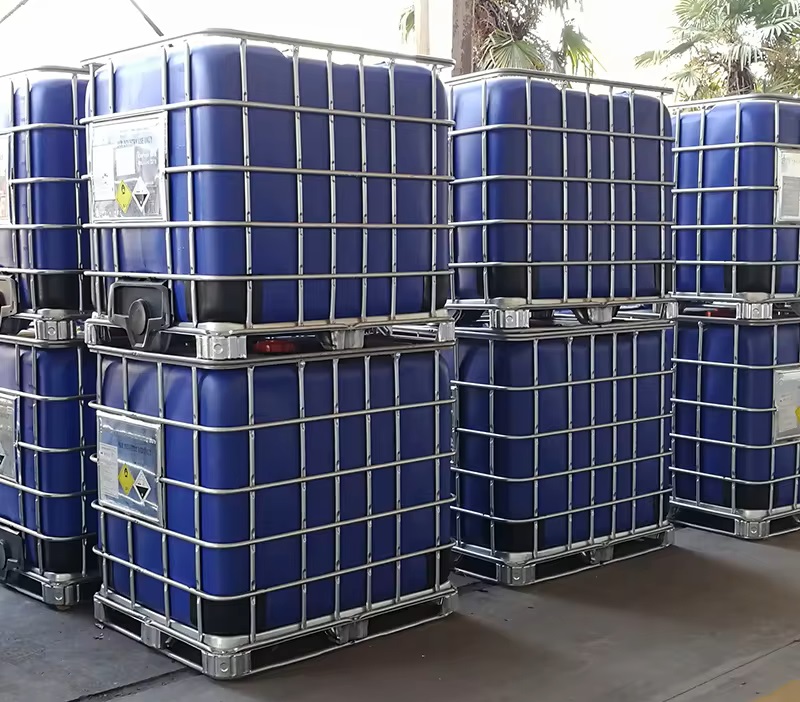
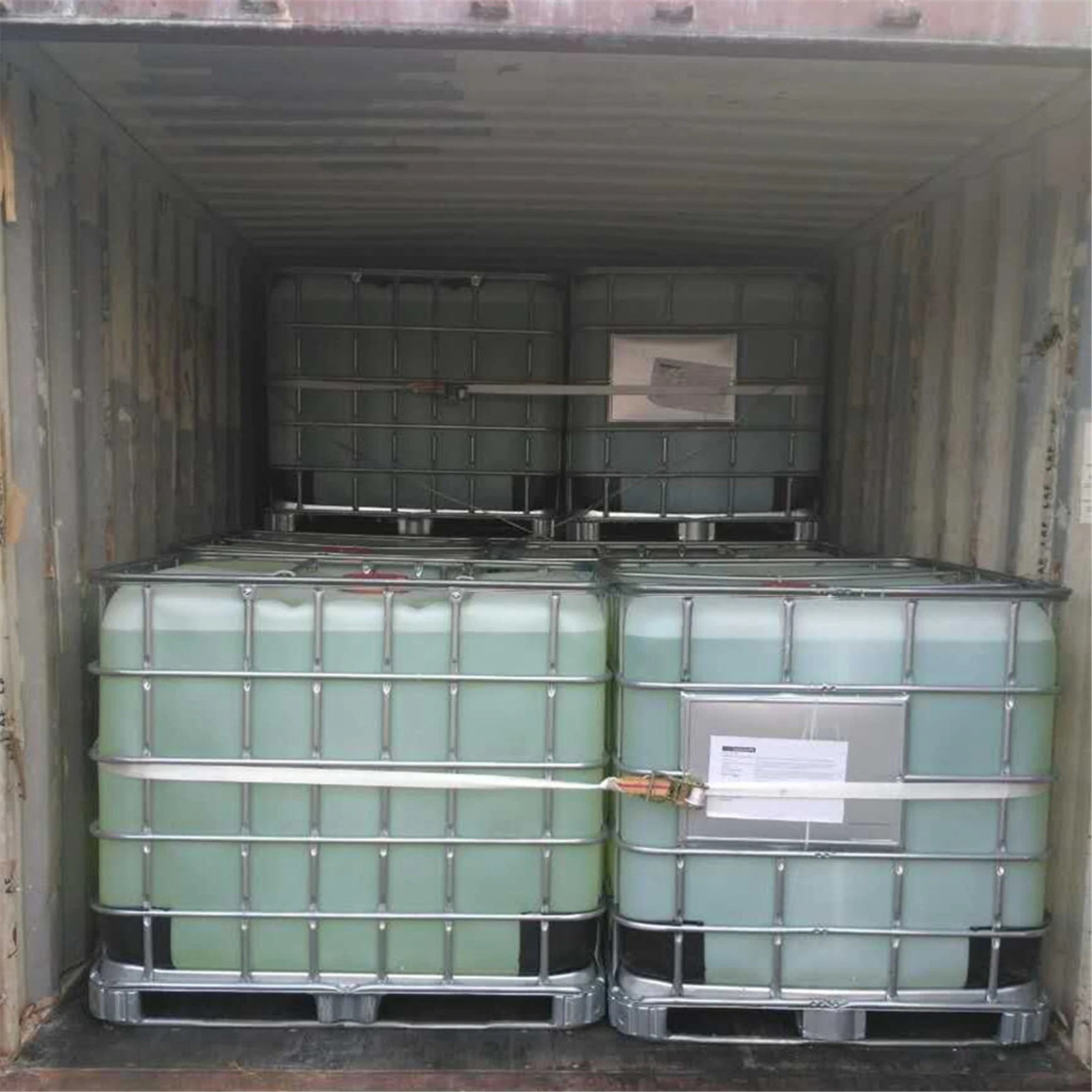
| Packaging Options | 20 L jerry cans, 200 L drums (HDPE), 1000 kg IBC, flexibag, bulk tankers (road/rail) |
Household Bleach Concentrations:
-
Typical: 3 – 6% NaOCl (30,000 – 60,000 ppm active chlorine)
Industrial Concentrations:
-
Typical: 10 – 15% NaOCl (100,000 – 150,000 ppm active chlorine)
Shelf Life Guideline (% NaOCl remaining):
| Time | 5% Solution (20°C) | 10% Solution (20°C) | 5% Solution (30°C) |
|---|---|---|---|
| Initial | 100% | 100% | 100% |
| 1 month | ~95% | ~90% | ~85% |
| 3 months | ~85% | ~75% | ~65% |
| 6 months | ~75% | ~60% | ~50% |
| 12 months | ~60% | ~40% | ~25% |
8. SAFETY & HEALTH INFORMATION
GHS Classification
| Hazard Class | Category |
|---|---|
| Skin Corrosion/Irritation | Category 1B (H314) |
| Serious Eye Damage | Category 1 (H318) |
| Acute Aquatic Toxicity | Category 1 (H400) |
| Chronic Aquatic Toxicity | Category 1 (H410) |
| Specific Target Organ Toxicity (Inhalation) | Category 3 (H335) |
Hazard Statements (H-Codes)
| Code | Statement |
|---|---|
| H314 | Causes severe skin burns and eye damage |
| H318 | Causes serious eye damage |
| H335 | May cause respiratory irritation |
| H400 | Very toxic to aquatic life |
| H410 | Very toxic to aquatic life with long-lasting effects |
Precautionary Statements (P-Codes)
| Code | Statement |
|---|---|
| P260 | Do not breathe mist/vapors |
| P280 | Wear protective gloves, protective clothing, eye protection, face protection |
| P301+P330+P331 | IF SWALLOWED: Rinse mouth. Do NOT induce vomiting. |
| P302+P352 | IF ON SKIN: Wash with plenty of water |
| P305+P351+P338 | IF IN EYES: Rinse cautiously with water for several minutes |
| P310 | Immediately call a POISON CENTER or doctor |
Toxicological Information
| Parameter | Value |
|---|---|
| Oral LD50 (rat) | 5,800 – 8,900 mg/kg (moderate toxicity) |
| Inhalation LC50 (rat) | > 10.5 mg/L (4 hours) |
| Skin Irritation | Corrosive – causes burns |
| Eye Irritation | Corrosive – causes serious damage |
First Aid Measures
| Exposure Route | Action |
|---|---|
| Inhalation | Remove to fresh air. Seek medical attention if respiratory irritation occurs. |
| Skin Contact | Remove contaminated clothing. Wash with plenty of water for at least 15 minutes. Seek medical attention. |
| Eye Contact | Rinse immediately with plenty of water for at least 15 minutes. Seek immediate medical attention. |
| Ingestion | Do NOT induce vomiting. Rinse mouth. Drink water. Seek immediate medical attention. |
Personal Protective Equipment (PPE)
| Equipment | Recommendation |
|---|---|
| Respiratory Protection | Organic vapor respirator (if ventilation inadequate) |
| Hand Protection | Chemical-resistant gloves (neoprene, butyl rubber, nitrile) – avoid latex |
| Eye Protection | Chemical safety goggles + face shield |
| Body Protection | Chemical-resistant apron, protective clothing |
9. FIRE FIGHTING MEASURES
| Parameter | Information |
|---|---|
| Fire Hazard | Not flammable, but is a strong oxidizer; may intensify fire |
| Extinguishing Media | Water spray, carbon dioxide, dry chemical (avoid direct high-pressure water – may spread) |
| Special Hazards | Decomposes when heated, releasing toxic gases (Cl₂, HCl, ClO₂) |
| Protective Equipment | Self-contained breathing apparatus (SCBA), full protective clothing |
10. ENVIRONMENTAL INFORMATION
| Parameter | Information |
|---|---|
| Aquatic Toxicity | Very toxic to fish, algae, and aquatic invertebrates |
| Biodegradability | Not applicable (inorganic oxidizer) – reacts rapidly in water |
| Bioaccumulation | Not expected |
| Persistence | Low (decomposes to chloride and oxygen) |
| Waste Disposal | Neutralize with reducing agent (sodium bisulfite, sodium thiosulfate) before disposal; dispose according to local regulations |
11. TRANSPORT INFORMATION
| Parameter | Information |
|---|---|
| UN Number | 1791 |
| Hazard Class | 8 (Corrosive substance) |
| Packing Group | III |
| Proper Shipping Name | HYPOCHLORITE SOLUTION (Sodium hypochlorite solution) |
| Marine Pollutant | Yes |
| ADR/RID Label | 8 |
| EMS | F-A, S-Q |
12. REGULATORY INFORMATION
| Region | Status |
|---|---|
| EU | REACH registered; approved as biocide under BPR (Regulation (EU) 528/2012) |
| Turkey (KKDIK) | Mandatory compliance; biocidal product regulations |
| USA (EPA) | Registered as antimicrobial pesticide (FIFRA) |
| FDA | Approved for sanitizing food contact surfaces (21 CFR 178.1010) |
| WHO | Listed as essential disinfectant for water treatment and infection control |
13. SYNONYMS & OTHER NAMES
| Turkish Name | English Name |
|---|---|
| Sodyum Hipoklorit | Sodium Hypochlorite |
| Sodyum Oksiklorür | Sodium Oxychloride |
| Hipo | Hypo (informal) |
| Çamaşır Suyu | Bleach / Laundry Bleach |
| Beyazlatıcı | Whitening agent |
Database Identifiers:
-
CAS: 7681-52-9
-
EC: 231-668-3
-
MDL: MFCD00011120
-
PubChem CID: 23665760
-
UNII: DY38VHM5OD
14. COMPARISON: DIFFERENT CONCENTRATION GRADES
| Property | Household Bleach (5%) | Industrial Disinfectant (12.5%) | High Strength (15%) |
|---|---|---|---|
| Available Chlorine | 5% (50,000 ppm) | 12.5% (125,000 ppm) | 15% (150,000 ppm) |
| Density (20°C) | ~1.08 g/cm³ | ~1.16 g/cm³ | ~1.21 g/cm³ |
| pH | 11-12 | 12-13 | 12-13 |
| Shelf Life (20°C) | ~9-12 months | ~6-9 months | ~3-6 months |
| Primary Use | Household cleaning, laundry | Water treatment, industrial sanitation | Textile bleaching, industrial |
15. SUMMARY
Sodium Hypochlorite (NaOCl, CAS 7681-52-9) is a strong oxidizing agent and the most widely used chlorine-based disinfectant worldwide. It is a clear, pale yellow-green liquid with a characteristic chlorine odor. Commonly known as bleach or liquid chlorine.
Key Features:
| Feature | Description |
|---|---|
| Appearance | Colorless to pale yellow-green clear liquid |
| Available Chlorine | 3-15% (depending on grade) |
| pH | 11-13 (strongly alkaline) |
| Oxidizing Power | Very strong oxidizer |
Main Application Areas:
| Sector | Applications |
|---|---|
| Water Treatment | Drinking water disinfection, wastewater treatment, cooling water treatment |
| Swimming Pools | Continuous disinfection, shock treatment |
| Surface Disinfection | Household, industrial, healthcare (0.5-1% for pathogens, 5% for blood spills) |
| Textile & Paper | Bleaching (cotton, linen, pulp) |
| Food Industry | Equipment sanitization, produce washing |
| Agriculture | Irrigation water treatment, post-harvest washing |
Key Safety Points:
-
CORROSIVE – Causes severe skin and eye burns
-
TOXIC GAS – NEVER mix with acids or ammonia (releases Cl₂ or chloramines)
-
OXIDIZER – May intensify fire; keep away from combustibles
-
AQUATIC TOXICITY – Very toxic to aquatic life
-
UNSTABLE – Decomposes with heat, light, and time
-
STORAGE – HDPE or PVC containers; cool, dark place
16. IMPORTANT NOTES
-
Never Mix with Acids: Mixing sodium hypochlorite with acids (toilet bowl cleaners, vinegar, muriatic acid) releases highly toxic chlorine gas (Cl₂). This can be fatal. Always use separately.
-
Never Mix with Ammonia: Mixing with ammonia (some glass cleaners) releases toxic chloramine gases (NH₂Cl, NHCl₂, NCl₃). These cause severe respiratory irritation and pulmonary edema.
-
Concentration Variability: Commercial sodium hypochlorite degrades over time. Always measure active chlorine content (by titration) for critical applications (water treatment, disinfection). Do not rely solely on label concentration for aged product.
-
Decomposition Products: Aged sodium hypochlorite contains chlorates (ClO₃⁻) which are toxic and less effective as disinfectants. For critical applications, use fresh product.
-
Organic Matter Interference: Organic matter (blood, protein, soil) significantly reduces disinfection efficacy. Pre-cleaning is required before disinfection with NaOCl.
-
Corrosion of Metals: Sodium hypochlorite is corrosive to many metals (carbon steel, copper, aluminum, stainless steel). Use HDPE, PVC, FRP, or titanium for handling and storage. Stainless steel (especially grade 316) has limited resistance.
-
Food Contact Surfaces: When used on food contact surfaces, rinsing with potable water is required (regulations vary by country). Typical residual limits: ≤ 0.5 mg/L as free chlorine.
-
Dilution Instructions: Always add bleach TO water (not water to bleach) when diluting to minimize aerosol formation. Use cold water (hot water accelerates decomposition).
-
WHO Recommendations for Healthcare:
-
General surface disinfection: 0.5% NaOCl (1:10 dilution of 5% bleach)
-
Blood/body fluid spills: 5% NaOCl (undiluted household bleach)
-
Low-level disinfection: 0.05% NaOCl (1:100 dilution)
-
-
Water Treatment Residual: For drinking water, maintain free chlorine residual of 0.2-0.5 mg/L at the tap. Higher residuals cause taste and odor complaints.
Important Disclaimer: This Technical Data Sheet (TDS) is for informational purposes only. For complete safety, handling, storage, and regulatory compliance information, always refer to the official Safety Data Sheet (SDS) provided by the manufacturer/supplier.