We unleash your business potential by maximize the business innovation.
Send EmailSodium Hypophosphite, Sodium Phosphinate, SHP, 7681-53-0
Sodium Hypophosphite (SHP – Sodium Phosphinate)
CAS Number: 7681-53-0
Chemical Formula: NaH₂PO₂ (anhydrous); NaH₂PO₂·H₂O (monohydrate)
Molecular Weight: 85.96 g/mol (anhydrous); 103.98 g/mol (monohydrate)
EC Number: 231-669-1
Synonyms: Sodium Hypophosphite, Sodium Phosphinate, SHP, Hypophosphorous Acid Sodium Salt, Sodium Hydrogen Phosphite, Sodium Phosphite (incorrect – distinct compound)
1. CHEMICAL IDENTITY
| Parameter | Information |
|---|---|
| Product Name | Sodium Hypophosphite |
| IUPAC Name | Sodium phosphinate |
| CAS Number | 7681-53-0 |
| Chemical Formula | NaH₂PO₂ (anhydrous); NaH₂PO₂·H₂O (monohydrate) |
| Molecular Weight | 85.96 g/mol (anhydrous); 103.98 g/mol (monohydrate) |
| EC Number | 231-669-1 |
| Chemical Class | Inorganic salt, Hypophosphite salt |
| Synonyms | Sodium Hypophosphite, Sodium Phosphinate, SHP, Hypophosphorous Acid Sodium Salt, Sodium Hydrogen Phosphite (misnomer) |
Important Note: Sodium Hypophosphite is available in two forms:
-
Anhydrous (without water) – higher solubility
-
Monohydrate (NaH₂PO₂·H₂O) – contains one water molecule
2. PHYSICAL PROPERTIES
| Parameter | Anhydrous | Monohydrate |
|---|---|---|
| Physical State | Solid | Solid |
| Color | White | White |
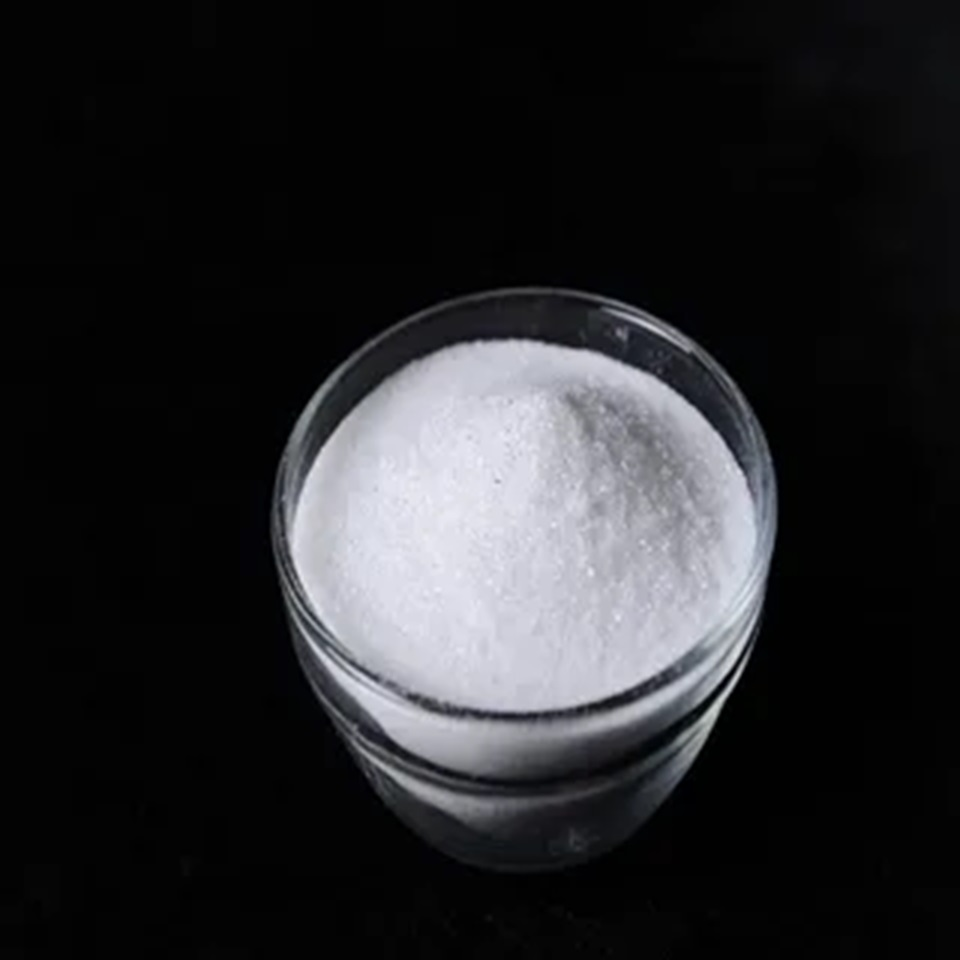
| Appearance | Fine crystalline powder or granules | Fine crystalline powder or granules |
| Odor | Odorless | Odorless |
| Taste | Bitter-sweet | Bitter-sweet |
| Melting Point | 238 °C (decomposes) | ~90°C (loses water) |
| Density (20°C) | ~1.49 g/cm³ | 1.77 g/cm³ |
| Bulk Density | ~0.9-1.1 g/cm³ | ~1.2-1.4 g/cm³ |
3. SOLUBILITY PROPERTIES
| Solvent | Anhydrous Solubility | Monohydrate Solubility |
|---|---|---|
| Water (20°C) | Very high (~1000 g/L) | High (~600-700 g/L) |
| Water (hot) | Extremely high | Very high |
| Ethanol | Slightly soluble | Slightly soluble |
| Acetone | Insoluble | Insoluble |
| Ether | Insoluble | Insoluble |
| Glycerol | Slightly soluble | Slightly soluble |
Note: Anhydrous form has higher water solubility than monohydrate form.
4. THERMAL PROPERTIES
| Parameter | Anhydrous | Monohydrate |
|---|---|---|
| Melting Point | 238 °C (decomposes) | ~90°C (dehydration starts) |
| Decomposition Temperature | >238°C | >100°C (after dehydration) |
| Decomposition Products | Phosphine (PH₃) gas, sodium phosphite, sodium phosphate | PH₃ gas, water, sodium phosphite |
| Heat of Decomposition | Exothermic | Exothermic |
Important Warning: When heated, sodium hypophosphite decomposes to produce phosphine (PH₃) – a highly toxic, flammable, and pyrophoric gas (self-ignites in air).
5. CHEMICAL PROPERTIES AND REACTIVITY
| Parameter | Information |
|---|---|
| pH (1% aqueous solution, 20°C) | 6.0 – 7.0 (neutral to slightly basic) |
| Active Hydrogen Content | 2 active hydrogen atoms (reducing agent) |
| Reducing Power | Strong reducing agent |
| Oxidation State of Phosphorus | +1 (can be oxidized to +3, +5) |
| Chemical Stability | Stable under normal storage conditions |
| Hygroscopicity | Slightly hygroscopic (both forms) |
| Incompatible Materials | Strong oxidizing agents, strong acids (decomposes to PH₃), bases (may degrade) |
Aqueous Solution Dissociation:
NaH₂PO₂ (aq) → Na⁺ (aq) + H₂PO₂⁻ (aq)
6. PRODUCTION PROCESS
| Step | Description |
|---|---|
| Raw Materials | White phosphorus (P₄) + Sodium hydroxide (NaOH) |
| Reaction | White phosphorus reacts with sodium hydroxide solution |
| Chemical Equation | P₄ + 3 NaOH + 3 H₂O → 3 NaH₂PO₂ + PH₃↑ |
| By-product | Phosphine gas (PH₃) is released (captured and managed) |
| Alternative Route | From phosphorus-containing sludge (by-product of yellow phosphorus production) |
| Purification | Crystallization, filtration, drying |
| Product Forms | Anhydrous or monohydrate (controlled crystallization) |
Reaction Warning: Phosphine gas (PH₃) is highly toxic and spontaneously flammable in air. Production requires strict safety controls.
Alternative Production: Sulfuric acid and phosphoric acid reactions can produce calcium hypophosphite as a by-product (used as fertilizer).
7. TYPICAL PRODUCT SPECIFICATIONS
| Parameter | Specification | Test Method |
|---|---|---|
| Assay (NaH₂PO₂, anhydrous basis) | ≥ 99.0% | Titration |
| Phosphite (Na₂HPO₃) | ≤ 0.5% | Titration |
| Phosphate (Na₃PO₄) | ≤ 0.2% | Titration |
| Water Content (anhydrous) | ≤ 1.0% | Karl Fischer |
| Water Content (monohydrate) | ~15-17% (as H₂O of hydration) | Karl Fischer / LOD |
| Calcium (Ca) | ≤ 0.01% | AAS/ICP |
| Iron (Fe) | ≤ 0.005% | AAS/ICP |
| Heavy Metals (as Pb) | ≤ 0.005% | AAS/ICP |
| Chloride (Cl) | ≤ 0.05% | Titration |
| Sulfate (SO₄) | ≤ 0.05% | Gravimetric |
| pH (1% solution, 20°C) | 6.0 – 7.0 | Potentiometric |
| Appearance | White crystalline powder | Visual |
8. FUNCTIONAL PROPERTIES
| Function | Description |
|---|---|
| Reducing Agent | Strong reducing agent due to two active hydrogen atoms; reduces metal ions (Ni²⁺, Cu²⁺) to metallic form |
| Electroless Plating Reductant | Provides electrons for metal deposition without external electrical current |
| Flame Retardant | Phosphorus-containing compound; acts as flame retardant in polymers |
| Stabilizer | Stabilizes certain chemical systems |
| Decomposition to PH₃ | On heating, generates phosphine gas (used in some specialized applications) |
Electroless Plating Reaction (Nickel):
Ni²⁺ + 2 H₂PO₂⁻ + 2 H₂O → Ni⁰ + 2 H₂PO₃⁻ + H₂↑ + 2 H⁺
9. APPLICATIONS – ELECTROLESS (CHEMICAL) PLATING
| Application | Description |
|---|---|
| Electroless Nickel Plating (ENP) | Primary application; deposits nickel-phosphorus alloy onto metal, plastic, ceramic surfaces without electricity |
| Electroless Copper Plating | Copper deposition on non-conductive surfaces (PCBs) |
| Metal Surface Treatment | Reduction of metal ions on surface |
| Catalytic Coatings | Prepares surfaces for further plating |
| Plastic Metallization | Plating on ABS, polycarbonate, nylon for decorative and functional finishes |
Key Advantages in Plating:
-
No external power source required
-
Uniform coating on complex shapes
-
Excellent corrosion resistance
-
Solderable deposits
10. APPLICATIONS – POLYMER AND PLASTICS INDUSTRY
| Application | Function |
|---|---|
| Flame Retardant | Used in polyacrylates, polyamides, engineering plastics to reduce flammability |
| Polymer Stabilizer | Stabilizes certain polymer systems |
| Polyacrylate Production | Used as intermediate or additive in polyacrylate manufacturing |
| Plastic Coating | Improves coating adhesion and properties |
11. APPLICATIONS – CONSTRUCTION AND CONCRETE
| Application | Function |
|---|---|
| Concrete Additive | Increases concrete strength; reduces slump |
| Bleeding Prevention | Eliminates water bleeding on concrete surface |
| Water Reducer | Improves workability with less water |
| Set Time Control | Affects cement hydration rate |
12. APPLICATIONS – FOOD AND PRESERVATION
| Application | Function | Status |
|---|---|---|
| Model Meat Systems | Inhibits Gram-negative anaerobic bacteria (e.g., Clostridium sporogenes) | Research/specialized |
| Bacterial Growth Control | Prevents cell growth and spore formation (pH-dependent) | Limited use |
| Food Preservative | Investigated for antimicrobial properties | Not widely approved |
Note: Requires careful pH control for antimicrobial activity.
13. APPLICATIONS – INDUSTRIAL (OTHER)
| Industry | Application |
|---|---|
| Ceramics | Produces smooth, glossy ceramic surfaces |
| Textile | Reducing agent in dyeing processes |
| Water Treatment | Reducing agent; scale inhibition |
| Chemical Synthesis | Reducing agent for organic and inorganic syntheses |
| Pharmaceutical | Intermediate for certain drug syntheses |
| Fertilizer | Calcium hypophosphite as phosphorus source (related compound) |
14. COMPARISON: ANHYDROUS vs. MONOHYDRATE
| Property | Anhydrous (NaH₂PO₂) | Monohydrate (NaH₂PO₂·H₂O) |
|---|---|---|
| Formula | NaH₂PO₂ | NaH₂PO₂·H₂O |
| Molecular Weight | 85.96 g/mol | 103.98 g/mol |
| Active Content (on as-is basis) | 100% | ~83% (17% water) |
| Water Solubility | Very high (~1000 g/L) | High (~600-700 g/L) |
| Melting/Decomposition | 238°C | ~90°C (dehydrates) |
| Cost per kg active | Lower | Higher (water weight) |
| Handling | More hygroscopic | Less hygroscopic |
| Typical Use | High-performance applications | General industrial use |
15. APPLICATIONS – FLAME RETARDANT MECHANISM
| Mode of Action | Description |
|---|---|
| Gas Phase Inhibition | Decomposes to PH₃ (phosphine) gas which interferes with combustion radicals (H•, OH•) |
| Char Formation | Forms phosphorus-containing char layer that insulates the polymer |
| Oxygen Exclusion | Char layer limits oxygen diffusion to polymer surface |
Used in: Polyacrylates, polyamides, engineering thermoplastics, epoxy resins.
16. SAFETY AND TOXICOLOGICAL PROFILE
| Parameter | Value |
|---|---|
| Acute oral toxicity (rat, LD₅₀) | ~5,000 mg/kg (low toxicity) |
| Acute dermal toxicity (rabbit, LD₅₀) | >2,000 mg/kg |
| Skin irritation | Non-irritating to mildly irritating |
| Eye irritation | Mildly irritating |
| Skin sensitization | Not a sensitizer |
| Carcinogenicity | Not classified as carcinogenic |
| Inhalation hazard (powder) | Dust may cause respiratory irritation |
GHS Classification (Sodium Hypophosphite):
| Hazard Class | Description |
|---|---|
| Not classified | Generally not classified as hazardous (non-dangerous goods) |
Important Hazard – Thermal Decomposition:
-
When heated (>238°C): Decomposes to produce phosphine gas (PH₃)
-
PH₃ is: Highly toxic, spontaneously flammable in air (pyrophoric), has a garlic-like odor
-
Precaution: Use adequate ventilation when heating. Avoid overheating.
17. POTENTIAL HEALTH EFFECTS
| Route of Exposure | Effect |
|---|---|
| Inhalation (powder) | Mild respiratory irritation; avoid dust generation |
| Inhalation (decomposition products) | Phosphine gas (PH₃) is highly toxic; causes headache, dizziness, pulmonary edema |
| Skin Contact | Low hazard; wash with water |
| Eye Contact | Mild irritation; rinse with water |
| Ingestion | Low toxicity; large amounts may cause gastrointestinal disturbance |
18. FIRST AID MEASURES
| Exposure | First Aid Procedure |
|---|---|
| Inhalation | Move to fresh air. If breathing is difficult, give oxygen. For phosphine exposure, seek immediate medical attention. |
| Skin Contact | Wash with plenty of soap and water. Remove contaminated clothing. |
| Eye Contact | Rinse with plenty of water for at least 15 minutes. Seek medical attention if irritation persists. |
| Ingestion | Do NOT induce vomiting. Rinse mouth. Drink water. Seek medical attention if large amount ingested. |
19. STORAGE AND HANDLING
| Parameter | Requirement |
|---|---|
| Storage Temperature | 15-30°C (room temperature) |
| Humidity | Low humidity (protect from moisture) |
| Container | Tightly sealed (HDPE drums, bags, fiber drums) |
| Incompatible Materials | Strong oxidizing agents, strong acids (decompose to PH₃ gas), bases |
| Protection | Keep away from heat sources (decomposes to toxic PH₃) |
| Ventilation | Use local exhaust ventilation when heating; avoid dust generation |
| Shelf Life | 24-36 months under proper storage |
| Special Precautions | Do not overheat (risk of PH₃ gas formation). Keep away from flames and sparks (if PH₃ is generated). |
20. SUMMARY AND CRITICAL INFORMATION
Description: Sodium Hypophosphite (SHP, CAS 7681-53-0) is an inorganic salt available in anhydrous and monohydrate forms. It is a white, odorless, crystalline powder with a bitter-sweet taste. It is highly soluble in water and is a strong reducing agent due to two active hydrogen atoms in the hypophosphite ion (H₂PO₂⁻). On heating above 238°C, it decomposes to produce phosphine gas (PH₃), which is toxic and spontaneously flammable.
Key Advantages:
-
Strong reducing agent – excellent for electroless plating
-
High water solubility (especially anhydrous form)
-
Non-toxic under normal handling (except thermal decomposition products)
-
Uniform metal deposition without electricity
-
Flame retardant properties for polymers
-
Increases concrete strength and reduces bleeding
Key Limitations/Precautions:
-
Decomposes on heating to toxic, flammable PH₃ gas (use adequate ventilation when heating)
-
Incompatible with strong acids (also produces PH₃)
-
Slightly hygroscopic (requires dry storage)
-
Monohydrate form contains ~17% water (lower active content per kg)
Major Applications Summary:
| Sector | Primary Uses |
|---|---|
| Electroless Plating | Nickel and copper plating on metals, plastics, ceramics (no electricity required) |
| Polymers/Plastics | Flame retardant; polyacrylate production |
| Construction | Concrete additive (increases strength, reduces bleeding) |
| Food/Research | Antimicrobial agent (bacterial inhibition) |
Forms Comparison:
| Form | Formula | Molecular Weight | Solubility | Typical Use |
|---|---|---|---|---|
| Anhydrous | NaH₂PO₂ | 85.96 | Very high | High-performance plating |
| Monohydrate | NaH₂PO₂·H₂O | 103.98 | High | General industrial use |
Safety Summary:
-
Low acute toxicity (oral LD₅₀ ~5,000 mg/kg)
-
Not classified as hazardous under normal conditions
-
Critical Hazard: Heating produces toxic, pyrophoric phosphine gas (PH₃)
-
Protect from strong acids (also produce PH₃)
-
Avoid dust inhalation
Storage: Cool, dry, sealed containers; 24-36 months shelf life.
Conclusion: Sodium Hypophosphite (SHP) is a versatile, strong reducing agent essential for the electroless plating industry, particularly for nickel and copper deposition on metal, plastic, and ceramic surfaces without external electricity. Its uniform coating properties, excellent solubility, and low toxicity make it the preferred reducing agent in electroless nickel baths. Additionally, SHP serves as a flame retardant in polymers, a concrete additive to increase strength, and has antimicrobial applications in research. The anhydrous form offers higher water solubility and active content, while the monohydrate form is easier to handle and less hygroscopic. Critical safety precautions include avoiding overheating (prevents toxic phosphine gas formation) and protecting from strong acids.