We unleash your business potential by maximize the business innovation.
Send EmailPolyvinyl Pyrrolidone, Crospovidone, Polyvinylpyrrolidone, PVP, PVP-K30, PVP-K60, PVP-K90, 9003-39-8
PVP (Polyvinylpyrrolidone)
1. Product Identity
| Property | Details |
|---|---|
| Product Name | Polyvinylpyrrolidone (PVP) |
| CAS Number | 9003-39-8 |
| Molecular Formula | (C₆H₉NO)ₙ |
| Molecular Weight | Varies by grade (average 40,000 Da for K-30; up to 1,600,000 Da for K-90) |
| Chemical Name | Polyvinylpyrrolidone |
| Common Abbreviation | PVP |
2. Synonyms and Other Names
Common Names
-
Povidone
-
Polyvidone
-
Polyvinylpyrrolidone
-
PVP (abbreviation)
Grade-Specific Names
-
PVP K-30
-
PVP K-90
-
PVP K-25
-
PVP K-17
-
PVP K-115
-
Plasdone (commercial name)
-
Kollidon (commercial name)
-
Sokalan (BASF commercial name)
Chemical and Technical Names
-
Pyrrolidone
-
N-Vinylpyrrolidone polymer
-
N-Vinyl-2-pyrrolidone polymer
-
1-Vinyl-2-pyrrolidone polymer
-
Polyvidone
-
Poly[1-(2-oxo-1-pyrrolidinyl)ethylene]
BASF Product Names (Sokalan® Series)
-
Sokalan® K 17 P (PVP, K-17, powder)
-
Sokalan® K 30 P (PVP, K-30, powder)
-
Sokalan® K 30 sol. 30% (PVP, K-30, 30% solution)
-
Sokalan® K 90 P (PVP, K-90, powder)
-
Sokalan® K 90 sol. 20% (PVP, K-96, 20% solution, high viscosity)
-
Sokalan® K 115 AT 1 (PVP, K-120, 11% solution)
-
Sokalan® HP 165 (PVP, K-17, 30% solution)
-
Sokalan® VA 64 P (Vinylpyrrolidone/Vinyl acetate copolymer)
-
Sokalan® HP 66 A (Modified PVP, aqueous solution)
3. What is PVP?
PVP (Polyvinylpyrrolidone) is a synthetic water-soluble polymer made from the monomer N-vinylpyrrolidone. It is one of the three major pharmaceutical excipients and is widely used in pharmaceuticals, cosmetics, food, and industrial applications.
PVP exists in both soluble and insoluble forms. The insoluble form is called PVPP (Crospovidone), which is used as a disintegrant in tablets.
Key Characteristics:
-
Different molecular weights (K-values) determine viscosity and adhesive strength.
-
Higher molecular weight = higher viscosity and stronger adhesive force.
-
Spherical particle morphology.
-
Hygroscopic (absorbs moisture from the air).
K-Value System:
The K-value is a measure of the average molecular weight and viscosity of PVP. It is calculated from viscosity measurements and indicates the polymer chain length.
| PVP Grade | Approximate Molecular Weight (g/mol) | K-Value | Physical Form (BASF Data) |
|---|---|---|---|
| PVP K-17 | ~9,000 | approx. 17 | Powder or 30% solution |
| PVP K-25 | ~30,000 | approx. 25 | Powder |
| PVP K-30 | ~40,000 - 50,000 | approx. 30 | Powder or 30% solution |
| PVP K-90 | ~1,400,000 - 1,600,000 | approx. 90 - 96 | Powder or 20% solution (high viscosity) |
| PVP K-115/120 | ~2,200,000 | approx. 115 - 120 | 11% solution (very high viscosity) |
4. Production Method
PVP K-30 and other grades are produced by the polymerization of vinylpyrrolidone.
Production Process:
-
Monomer Preparation: Purified 1-vinyl-2-pyrrolidone is obtained in the presence of ammonia and certain amines, with hydrogen peroxide (H₂O₂) as a catalyst.
-
Polymerization: Vinylpyrrolidone is polymerized under a basic catalyst, often involving a cross-linking reaction in the presence of N,N'-divinyl amide.
-
Reflux and Extraction: During the production process, acetic acid and ethyl alcohol are used at specific concentrations to achieve reflux until extraction is complete.
-
Purification: The product is further purified to obtain the final high-quality PVP.
5. Physicochemical Properties
| Property | Value |
|---|---|
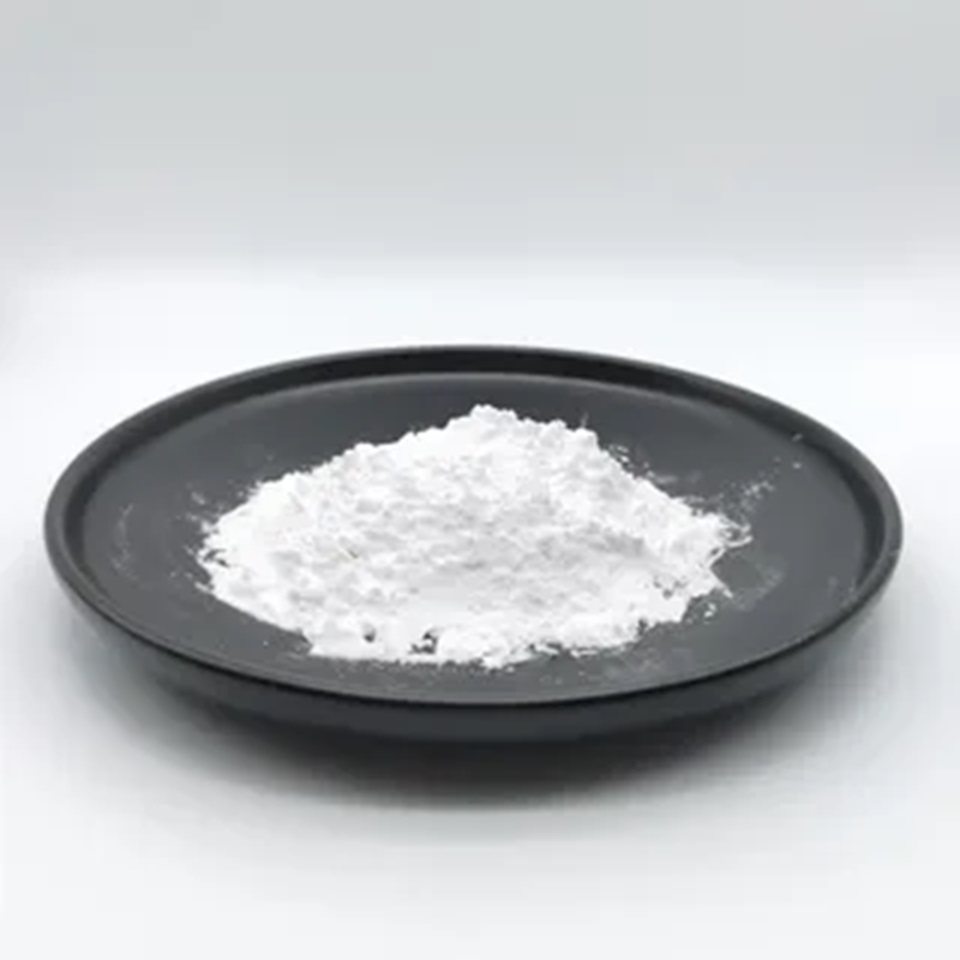
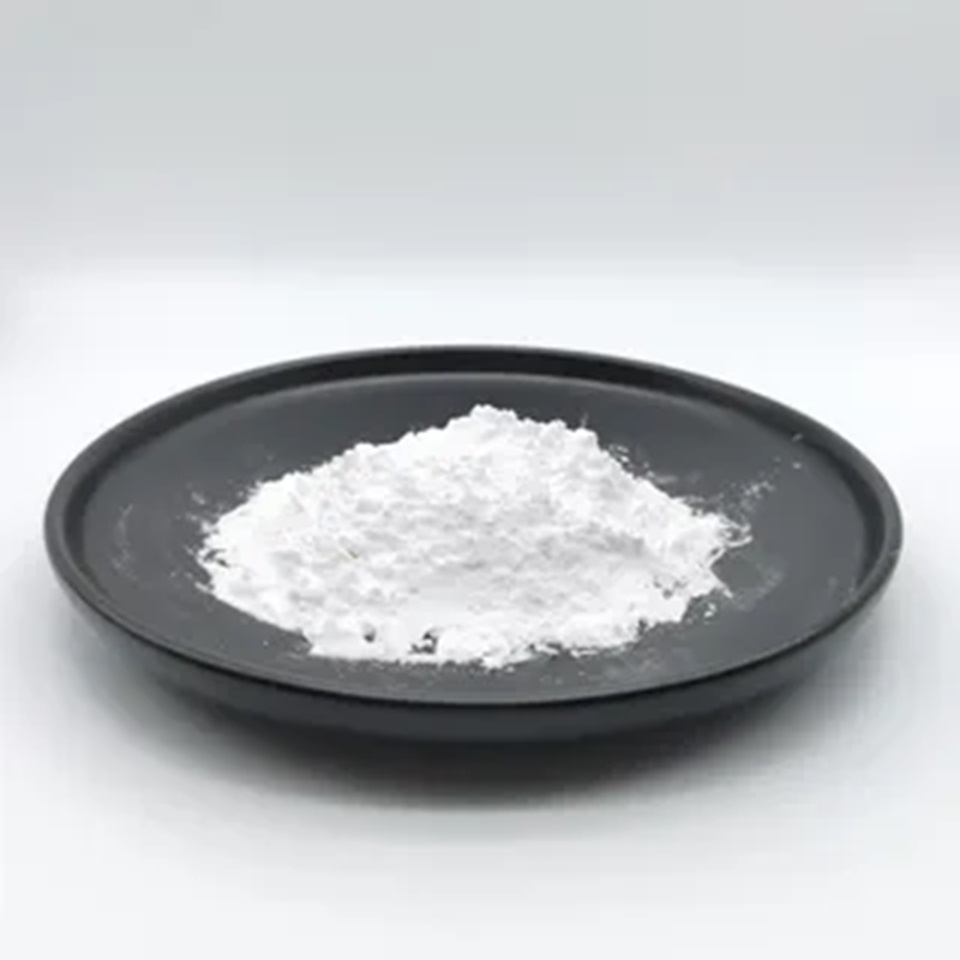
| Appearance | White to off-white, free-flowing powder (or clear solution) |
| Odor | Odorless or faint characteristic odor |
| Density | 1.69 g/cm³ |
| Melting Point | > 300 °C (decomposes before melting) |
| Boiling Point | 90-93 °C (for solutions) |
| Solubility in Water | Excellent solubility in water |
| Solubility in Organic Solvents | Soluble in many organic solvents (ethanol, methanol, chloroform, etc.); forms solutions with varying viscosities depending on the solvent |
| Hygroscopicity | Hygroscopic (absorbs moisture from air) |
| Stability | Stable under normal conditions |
| Incompatibilities | Strong oxidizing agents. Mixing with ammonium persulfate can cause insolubility. |
| Sensitivity | Gels in the presence of light and dichromate oxidizing compounds (e.g., sodium dichromate/sodium bichromate) |
Solution Properties (BASF Data):
| Product | Concentration | Viscosity (mPa·s) |
|---|---|---|
| Sokalan® K 30 sol. 30% | 30% | approx. 120 |
| Sokalan® K 90 sol. 20% | 20% | approx. 28,000 |
| Sokalan® K 115 AT 1 | 11% | approx. 3,000 |
| Sokalan® HP 165 | 30% | approx. 20 |
6. Applications and Uses
PVP is an extremely versatile polymer with a wide range of applications across multiple industries.
6.1. Pharmaceutical Industry
| Application | Function / Benefit |
|---|---|
| Tablet Binder (Wet Granulation) | PVP is an important binder in wet granulation, providing flexibility and strong binding properties. Higher K-values (K-90) provide stronger binding. |
| Solubility Enhancement | Improves the solubility and dissolution rate of poorly soluble active pharmaceutical ingredients (APIs) in drug delivery systems. Increasing PVP K-30 amount can further enhance drug dissolution rate and efficacy. |
| Drug Stabilization | Stabilizes heat-sensitive drug derivatives (such as enzymes). |
| Disintegrant (PVPP) | The insoluble form (Crospovidone) is used as a tablet disintegrant for rapid breakdown. |
| Effervescent Tablets | Used as a binder in the production of effervescent tablets for dysphagia treatment. |
| Liquid Preparations | Used as a dispersing agent in liquid preps and syrups. |
| Ophthalmic Products | Used in eye drops as a viscosity enhancer and lubricant. |
6.2. Cosmetics and Personal Care Industry
| Application | Function / Benefit |
|---|---|
| Hair Sprays | Forms a thin, clear, flexible film on hair, providing shine and a wet-look effect. It is the primary synthetic polymer used in hair sprays and wave-setting lotions. |
| Hair Styling Products | Used in lotions for curly hair styling and setting. |
| Skin Care Products | Excellent stabilizer for creatine in skin care lotions and creams. |
| Anti-Aging Products | Used to form complexes with AHA and BHA in anti-aging products to reduce fine lines and rejuvenate aging skin. |
| Rouge (Lipstick) | Used as a base stock in lipstick manufacturing. |
| Detoxification | Used in some skin products to reduce unwanted effects due to its detoxifying properties. |
6.3. Food and Beverage Industry
| Application | Function / Benefit |
|---|---|
| Beer Clarification | Used to clarify beer by removing haze-causing polyphenols and tannins. |
| Wine Clarification | Used as a raw material to trap and filter out sediments, clarifying wine. |
6.4. Industrial Applications
| Application | Function / Benefit |
|---|---|
| Detergents and Cleaning | Prevents redeposition of suspended dirt during fabric washing. PVP K-30 is used to keep dirt suspended and prevent it from settling back onto fabrics. |
| Adhesives and Binders | Used as a binder in the recycling industry to prevent fiberglass from dispersing during guillotine cutting. |
| Coatings and Paints | Used as a thickening agent in anti-fading coatings for titanium and titanium alloy facade panels. (Also used with Guar Gum or Polyvinyl Alcohol). |
| Adhesives | Used as an additive in adhesive formulations. |
| Textile Industry | Used in textile processing as a sizing agent and thickener. |
| Membranes and Filters | Used in the production of filtration membranes. |
6.5. Other Applications
| Application | Function / Benefit |
|---|---|
| Disinfectants | Used in disinfectant formulations (e.g., PVP-Iodine, Povidone-iodine) as a carrier for iodine, providing sustained release and reduced irritation. |
| Photography | Used in photographic emulsions. |
| Inkjet Printing | Used in ink formulations to control viscosity and improve print quality. |
| Agriculture | Used as a dispersant and stabilizer in agrochemical formulations. |
7. PVP K-30 vs. PVP K-90 Comparison
| Property | PVP K-30 | PVP K-90 |
|---|---|---|
| K-Value | approx. 30 | approx. 90 - 96 |
| Molecular Weight | ~40,000 - 50,000 g/mol | ~1,400,000 - 1,600,000 g/mol |
| Physical Form | Powder or 30% solution | Powder or 20% solution |
| Viscosity (Solution) | 30% solution: ~120 mPa·s | 20% solution: ~28,000 mPa·s |
| Adhesive Strength | Moderate | Very High |
| Film Formation | Flexible films | Strong, tough films |
| Primary Applications | Tablet binder, solubility enhancement, hair sprays, detergents | High-strength adhesives, controlled-release formulations, thickeners, binding applications requiring high viscosity |
8. Safety and Handling
| Parameter | Details |
|---|---|
| Toxicity | Generally recognized as safe (GRAS) for pharmaceutical and food applications. Non-toxic, non-irritant. |
| Skin Contact | Non-irritating, but may cause mild irritation in sensitive individuals. |
| Eye Contact | May cause mild irritation; rinse with water. |
| Inhalation | Dust may cause respiratory irritation; use in well-ventilated areas. |
| Hygroscopicity | Absorbs moisture; store in airtight containers. |
| Incompatibilities | Strong oxidizing agents, ammonium persulfate, dichromate compounds. |
9. Storage and Handling
| Property | Details |
|---|---|
| Storage Conditions | Store in a cool, dry place in tightly sealed containers. Protect from moisture and light. |
| Shelf Life | Typically 2-3 years under recommended conditions. |
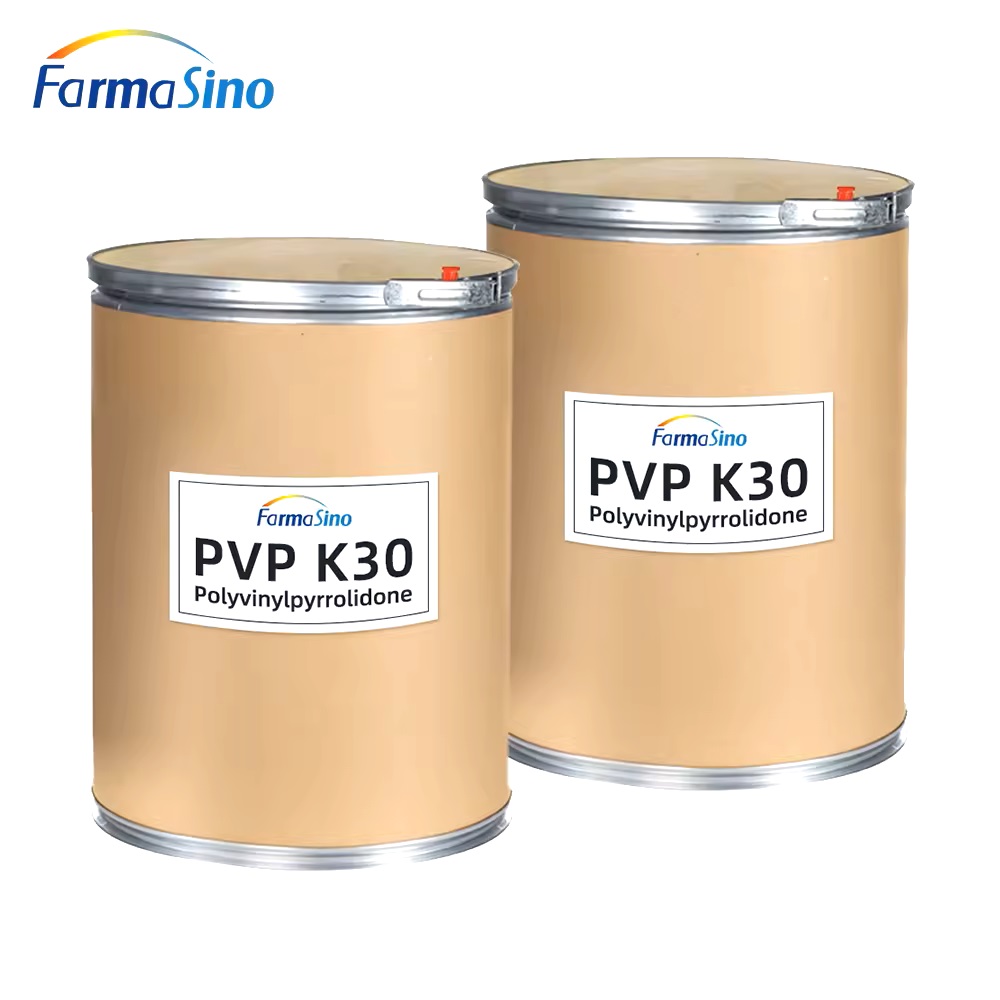
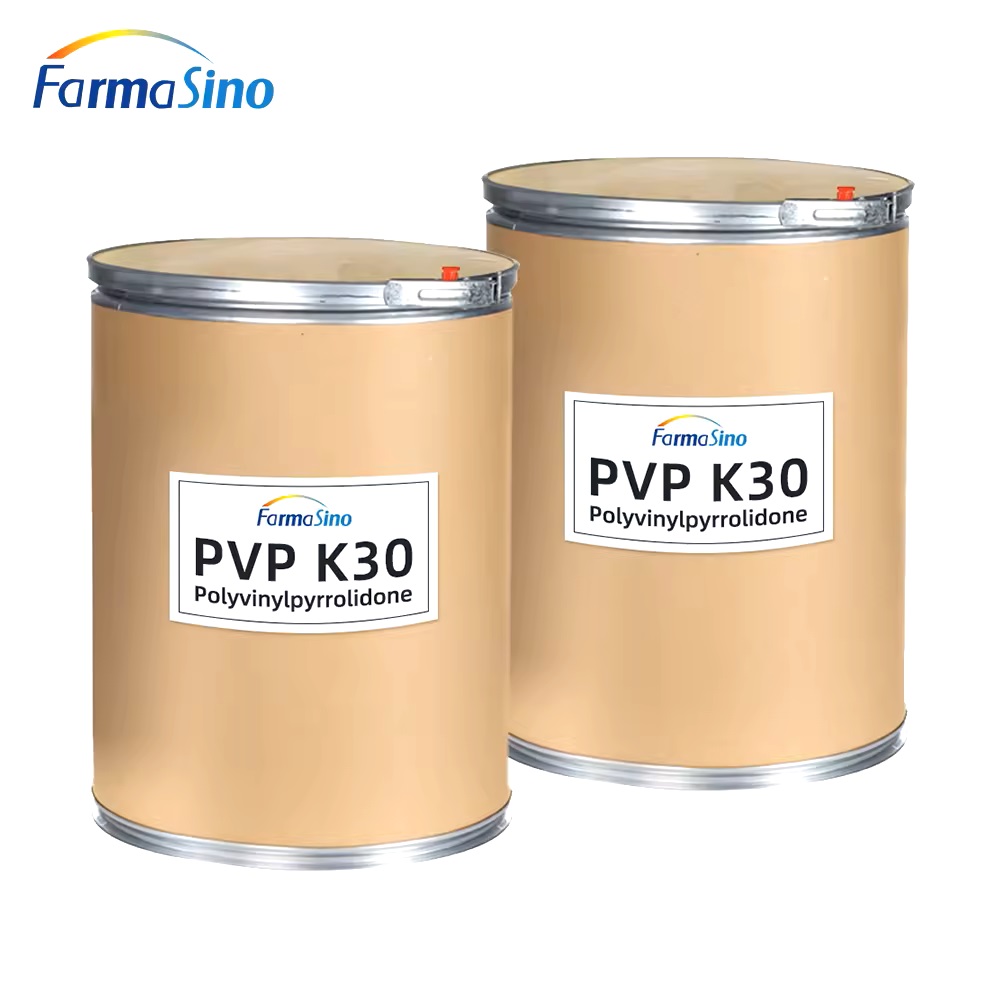
| Packaging | Multi-layer paper bags with polyethylene liner, fiber drums, or plastic containers. |
10. Summary
PVP (Polyvinylpyrrolidone, CAS: 9003-39-8) is a synthetic, water-soluble polymer derived from N-vinylpyrrolidone. It is available in various grades (K-17, K-25, K-30, K-90, K-115) with different molecular weights and K-values, which determine its viscosity and adhesive strength.
Key Properties:
-
Excellent solubility in water and many organic solvents
-
Hygroscopic
-
Film-forming ability
-
Adhesive and binding properties
-
Non-toxic and biocompatible
Main Application Areas:
-
Pharmaceuticals: Tablet binder, solubility enhancer, drug stabilizer, disintegrant (PVPP)
-
Cosmetics: Hair sprays, skin care products, anti-aging formulations, lipsticks
-
Food & Beverage: Beer and wine clarification
-
Industrial: Detergents, adhesives, coatings, textile processing, fiberglass binding
PVP K-30 (M.W. ~40,000-50,000) is the most common grade, used in tablet binding, solubility enhancement, hair sprays, and detergents. PVP K-90 (M.W. ~1,400,000-1,600,000) has much higher viscosity and adhesive strength, making it ideal for high-strength adhesives, controlled-release formulations, and applications requiring thick, tough films.
PVP is one of the most versatile and widely used pharmaceutical and industrial excipients, valued for its safety, solubility, and film-forming properties.
PVP (Polyvinylpyrrolidone) – Complete Grade Comparison Table
1. Overview of PVP Grades
PVP grades are classified by their K-value, which is directly related to the polymer's average molecular weight, viscosity, and performance characteristics. The K-value is calculated from the relative viscosity of a PVP solution using Fikentscher's formula .
| Grade | K-Value Range | Molecular Weight (Da) | Viscosity (Relative) | Tg (°C) |
|---|---|---|---|---|
| PVP K12 | 10.2 – 13.8 | 2,500 – 7,000 | Very Low | ~120 |
| PVP K15 | 12.75 – 17.25 | 8,000 – 12,000 | Low | ~130-140 |
| PVP K17 | 15.3 – 18.36 | 10,000 – 16,000 | Low | ~140 |
| PVP K25 | 22.5 – 27.0 | 25,000 – 40,000 | Low-Medium | ~160 |
| PVP K30 | 27.0 – 32.4 | 40,000 – 58,000 | Medium | ~164 |
| PVP K60 | 54.0 – 64.8 | 270,000 – 400,000 | High | ~170 |
| PVP K90 | 81.0 – 97.2 | 1,000,000 – 1,500,000 | Very High | ~174 |
| PVP K120 | 108.0 – 130.0 | 1,080,000 – 1,650,000 | Extremely High | ~175-180 |
2. Detailed Grade-by-Grade Comparison
PVP K12
| Property | Details |
|---|---|
| K-Value | 10.2 – 13.8 |
| Molecular Weight | ~2,500 – 7,000 Da |
| Viscosity (10% solution) | 1.48 – 1.8 mm²/s |
| Key Properties | Lowest molecular weight; fastest dissolution; excellent flow properties; minimal film strength . |
| Primary Applications | Solubilizer, dispersant, crystallization inhibitor in liquid formulations; eye drops; oral liquids; ophthalmic solutions . |
PVP K15
| Property | Details |
|---|---|
| K-Value | 12.75 – 17.25 |
| Molecular Weight | ~8,000 – 12,000 Da |
| Key Properties | Low molecular weight; quick dissolution; low viscosity; provides light hold without stiffness . |
| Primary Applications | Tablet binder for fast-dissolving formulations; hair styling products (light hold); mouthwashes . |
PVP K17
| Property | Details |
|---|---|
| K-Value | 15.3 – 18.36 |
| Molecular Weight | ~10,000 – 16,000 Da |
| Viscosity (10% solution) | 1.98 – 2.41 mm²/s |
| Tg (°C) | ~140 |
| Key Properties | Low viscosity; rapid dispersibility; easy processing; minimal processing energy required . |
| Primary Applications | Liquid formulations; inks; spray-drying; thin coatings; processes requiring quick dispersion; sprays . |
PVP K25
| Property | Details |
|---|---|
| K-Value | 22.5 – 27.0 |
| Molecular Weight | ~25,000 – 40,000 Da |
| Viscosity (10% solution) | 3.23 – 4.56 mm²/s |
| Key Properties | Medium molecular weight; good balance between adhesive strength and ease of handling; used at 4-7% in wet granulation ; good solubility; moisture retention . |
| Primary Applications | Cosmetics; lotions; creams; light-hold hair styling products; wet granulation binder (low viscosity) . |
PVP K30 (Most Common Grade)
| Property | Details |
|---|---|
| K-Value | 27.0 – 32.4 |
| Molecular Weight | ~40,000 – 58,000 Da |
| Viscosity (10% solution) | 4.56 – 7.14 mm²/s ; 5.5 – 8.5 mPa·s |
| Tg (°C) | ~164 |
| pH (10% solution) | 3.0 – 7.0 |
| Key Properties | Industry standard; excellent solubility in water and organic solvents; strong binding; effective stabilizer; improves bioavailability of active ingredients; non-toxic; biocompatible; used at 2-5% in wet granulation . |
| Primary Applications | Pharmaceuticals: Tablet binder (wet granulation), solubility enhancement, solid dispersions, stabilizer in liquid formulations . Cosmetics: Hair sprays, skin moisturizers, film formers . Industrial: Dispersant for carbon nanotubes/graphene in conductive inks and batteries ; clarifying agent for beer/wine (food additive E1201) . Medical: PVP-Iodine complex for antiseptics . |
PVP K60
| Property | Details |
|---|---|
| K-Value | 54.0 – 64.8 |
| Molecular Weight | ~270,000 – 400,000 Da |
| Key Properties | High molecular weight; strong viscosity; good film-forming ability . |
| pH (5% solution) | 4.0 – 7.0 |
| Primary Applications | Films; adsorbents; applications requiring higher viscosity than K30 but lower than K90 . |
PVP K90 (High Viscosity Grade)
| Property | Details |
|---|---|
| K-Value | 81.0 – 97.2 |
| Molecular Weight | ~1,000,000 – 1,500,000 Da |
| Viscosity (10% solution) | 1075 – 7158 mm²/s (extremely high) |
| Tg (°C) | ~174 |
| pH (10% solution) | 5.0 – 9.0 |
| Key Properties | Ultra-high viscosity; superior film-forming and adhesive strength; creates rigid, durable coatings; excellent thickening agent; used at 1-3% in wet granulation due to high viscosity ; high cohesive properties. |
| Primary Applications | Pharmaceuticals: Sustained-release formulations; dental adhesives; tissue sealants . Cosmetics: High-hold hair sprays; styling products requiring strong film formation . Industrial: Specialty coatings; high-performance adhesives; membrane manufacturing; binder for advanced materials . |
PVP K120
| Property | Details |
|---|---|
| K-Value | 108.0 – 130.0 |
| Molecular Weight | ~1,080,000 – 1,650,000 Da |
| Key Properties | Highest molecular weight; extremely high viscosity; maximum film strength; controlled-release capabilities . |
| Primary Applications | Special industrial applications; controlled-release formulations; extreme environment applications; ultra-high viscosity requirements . |
3. Special Grades
PVP-Iodine (Povidone-Iodine)
| Property | Details |
|---|---|
| Composition | PVP (typically K30) complexed with iodine (9–12% available iodine) |
| Key Properties | Broad-spectrum antimicrobial activity; slow, sustained release of iodine; less irritating than free iodine; water-soluble |
| Primary Applications | Antiseptic solutions; surgical scrubs; wound care products; disinfectants in medical and veterinary settings |
PVP/VA Copolymer
| Property | Details |
|---|---|
| Composition | Copolymer of vinylpyrrolidone and vinyl acetate |
| Key Properties | Improved flexibility; better adhesion to keratin; enhanced water resistance; less brittle than high-K PVPs |
| Primary Applications | Premium hair sprays; styling gels; cosmetic fixatives; coatings requiring flexibility |
PVPP (Crospovidone)
| Property | Details |
|---|---|
| Composition | Cross-linked, insoluble PVP |
| Key Properties | Insoluble in water; high swelling capacity; excellent disintegration properties |
| Primary Applications | Tablet disintegrant; beverage clarification (removes polyphenols from beer/wine) |
4. Summary: Choosing the Right PVP Grade
| If you need... | Choose... | Why |
|---|---|---|
| Fast dissolution, low viscosity, solubilization | K12, K15, K17 | Lowest molecular weight grades dissolve most rapidly and provide minimal viscosity |
| General-purpose binding, stabilization, tableting | K30 | The industry standard – excellent balance of solubility, binding strength, and ease of processing |
| Medium viscosity, moisture retention, cosmetics | K25 | Good film-forming with moderate hold; ideal for creams, lotions, light-hold hair products |
| High viscosity, strong film formation, sustained release | K90 | Very high molecular weight provides maximum film strength and adhesive properties |
| Antimicrobial activity, wound care | PVP-Iodine | PVP acts as carrier for iodine, providing sustained release and reduced irritation |
| Flexible films, water resistance, hair styling | PVP/VA Copolymer | Copolymer structure offers improved flexibility and adhesion to hair/skin |
| Tablet disintegration, beverage clarification | PVPP | Cross-linked, insoluble form provides rapid swelling and disintegrant action |
5. Key Properties Across All Grades
| Property | Description |
|---|---|
| Solubility | Soluble in water, alcohols, chlorinated hydrocarbons, esters, and many polar solvents; insoluble in hexane and non-polar solvents |
| Hygroscopicity | All grades absorb moisture from air; higher grades (K90/K120) show significant water absorption |
| Film-Forming | Forms transparent, flexible films upon drying; higher K-values produce stronger, more durable films |
| Biocompatibility | Non-toxic, non-irritating; GRAS (Generally Recognized As Safe) for pharmaceutical and food use |
| Chemical Stability | Stable across wide pH range; resists hydrolysis and oxidation; non-ionic – no interaction with ionic APIs |
| Complexation | Forms complexes with iodine, phenolics, and various organic/inorganic compounds |