We unleash your business potential by maximize the business innovation.
Send EmailPolyvinylpyrrolidone, Polyvinyl Pyrrolidone, Polyvidone, Crospovidone, PVP, PVPP, PVP-K30, PVP-K60, PVP-K90, E1201, 9003-39-8
POLYVINYLPYRROLIDONE (PVP)
PRODUCT IDENTIFICATION INFORMATION
| Parameter | Information |
|---|---|
| Product Name | Polyvinylpyrrolidone |
| Chemical Name (IUPAC) | 1-Ethenylpyrrolidin-2-one homopolymer |
| Synonyms (Turkish) | Polivinil Pirolidon, PVP, Povidon |
| Synonyms (English) | Polyvinylpyrrolidone, PVP, Povidone, Polyvidone, PVPP (crosslinked), Crospovidone (crosslinked), Copovidone (copolymer) |
| CAS Number | 9003-39-8 |
| E Number | E1201 (food additive) |
| Molecular Formula | (C₆H₉NO)n |
| Molecular Weight | 2,500 – 3,000,000+ g/mol (grade dependent) |
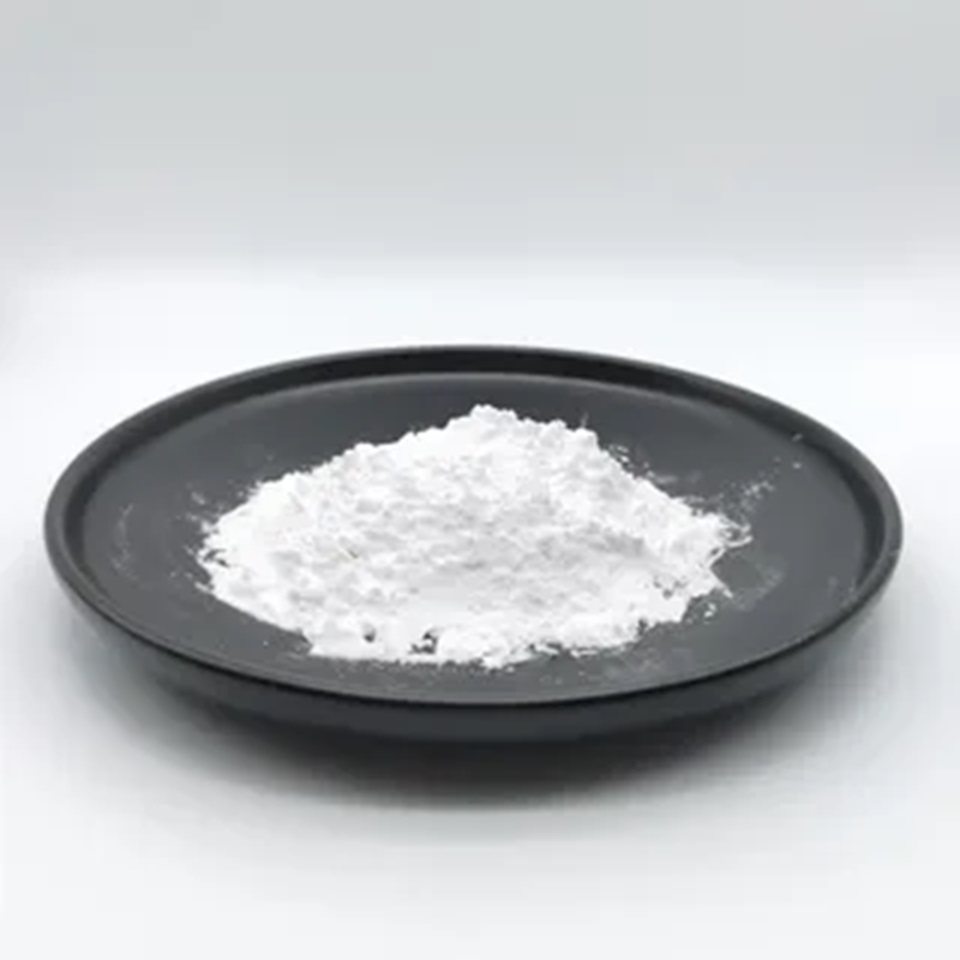
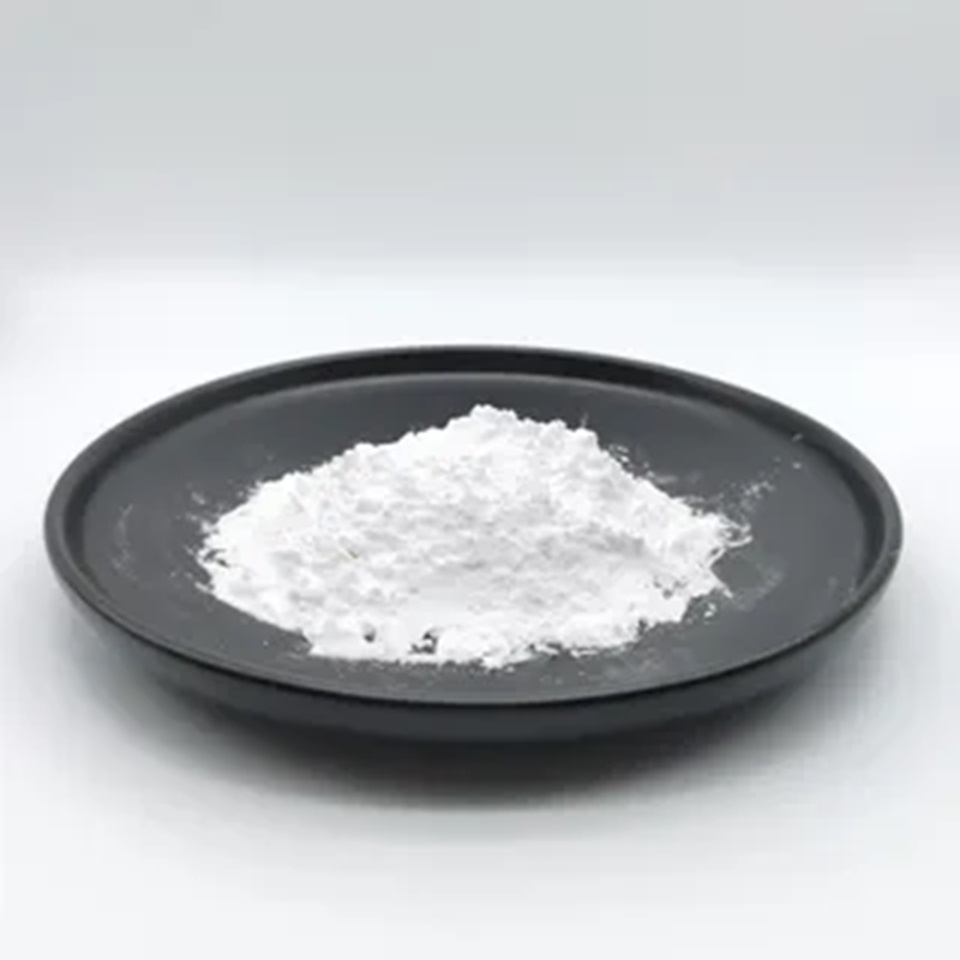
| Appearance | White to yellowish-white, hygroscopic, amorphous powder or flakes |
CHEMICAL STRUCTURE
Polyvinylpyrrolidone (PVP)
CH—CH₂
/
/
O=C N—CH₂
| /
CH₂—CH₂—CH₂
Molecular Formula: (C₆H₉NO)n
SMILES: Not applicable (polymer)
InChI: Not applicable (polymer)
Structure: Linear polymer composed of N-vinylpyrrolidone monomers linked through the vinyl group; The pyrrolidone ring provides polarity and hydrophilicity; Pendant lactam rings are responsible for complexation and hydrogen bonding.
SECTION 1: CHEMICAL IDENTITY AND DESCRIPTION
| Parameter | Information |
|---|---|
| Product Name | Polyvinylpyrrolidone |
| Chemical Name (IUPAC) | 1-Ethenylpyrrolidin-2-one homopolymer |
| Synonyms (Turkish) | Polivinil Pirolidon, PVP, Povidon |
| Synonyms (English) | Polyvinylpyrrolidone, PVP, Povidone, Polyvidone, PVPP (crosslinked), Crospovidone (crosslinked), Copovidone (copolymer) |
| CAS Number | 9003-39-8 |
| E Number | E1201 (food additive) |
| Molecular Formula | (C₆H₉NO)n |
| Molecular Weight | 2,500 – 3,000,000+ g/mol (grade dependent) |
| Chemical Class | Synthetic hydrophilic polymer; Non-ionic; Vinyl polymer; Lactam polymer |
| Physical State (20°C) | Solid (amorphous powder or flakes) |
| Odor | Odorless or slight characteristic odor |
| Color | White to yellowish-white |
| Taste | Tasteless |
SECTION 2: PHYSICAL AND CHEMICAL PROPERTIES
| Property | Value | Test Method / Note |
|---|---|---|
| Appearance | White to yellowish-white, hygroscopic, amorphous powder or flakes | Visual |
| Odor | Odorless or slight characteristic odor | Olfactometric |
| Molecular Weight | 2,500 – 3,000,000+ g/mol (grade dependent) | GPC / MALLS |
| Density (20°C) | ~1.2 g/cm³ | ASTM D4052 |
| Glass Transition Temperature (Tg) | 120 – 180°C (grade dependent) | DSC |
| Melting Point | No distinct melting point (amorphous) | – |
| Solubility in Water | Freely soluble | General Method |
| Solubility in Ethanol | Freely soluble (96%) | General Method |
| Solubility in Methanol | Freely soluble | General Method |
| Solubility in Acetone | Very slightly soluble | General Method |
| Solubility in Chloroform | Slightly soluble | General Method |
| pH (5% Aqueous Solution) | 3.0 – 7.0 (K30); 4.0 – 7.0 (K60/K90) | pH Meter |
| Hygroscopicity | High (absorbs moisture) | – |
| Stability | Stable under normal conditions; Light sensitive; Hygroscopic | – |
| Nitrogen Content | 11.5 – 12.8% | Elemental Analysis |
| Water Content (Loss on Drying) | ≤ 5.0% | Gravimetric (105°C) |
| Sulfated Ash | ≤ 0.1% | Gravimetric (800°C) |
| Aldehydes (as Acetaldehyde) | ≤ 500 ppm | – |
| Peroxides (as H₂O₂) | ≤ 400 ppm | – |
| Hydrazine | ≤ 1 ppm | – |
| N-Vinylpyrrolidone (Impurity A) | ≤ 10 ppm (current USP/EP) | HPLC |
SECTION 3: PVP GRADES AND K-VALUES
The K-value is a characteristic parameter for PVP, derived from relative viscosity measurements. It is related to molecular weight and solution viscosity. Higher K-values indicate higher molecular weight and higher viscosity .
| Grade | K-Value Range | Molecular Weight (g/mol) | Tg (°C) | Typical Applications |
|---|---|---|---|---|
| K-12 | 10 – 14 | 3,000 – 7,000 | ~120 | Solubilizer, dispersant, crystallization inhibitor |
| K-15 | 13 – 19 | 6,000 – 15,000 | ~130 | Solubilizer, dispersant, crystallization inhibitor |
| K-17 | 15 – 19 | 10,000 – 16,000 | ~130 | Binder, film former, solubilizer |
| K-25 | 23 – 28 | 30,000 – 40,000 | ~150 | Binder, film former, solubilizer |
| K-30 | 27 – 35 | 40,000 – 80,000 | ~160 – 163 | Binder, film former, suspending agent, solubilizer (most common) |
| K-60 | 55 – 65 | 270,000 – 450,000 | ~170 – 174 | Thickener, suspending agent, binder |
| K-85 | 83 – 88 | 900,000 | ~172 | Thickener, film former, high viscosity applications |
| K-90 | 88 – 100 | 1,000,000 – 1,570,000 | ~174 – 179 | Thickener, suspending agent, film former (high viscosity) |
| K-120 | 114 – 130 | 2,100,000 – 3,470,000 | ~174 – 179 | Very high viscosity applications |
Note: Molecular weight values vary depending on measurement method (weight average, viscosity average, number average). The table shows typical ranges .
SECTION 4: PVP FAMILY - COMPARISON
| Property | Povidone (PVP) | Crospovidone (PVPP) | Copovidone (PVP/VA) |
|---|---|---|---|
| CAS Number | 9003-39-8 | 25249-54-1 | 25086-89-9 |
| Structure | Linear homopolymer | Crosslinked homopolymer | Linear copolymer (VP/VA) |
| Solubility in Water | Freely soluble | Practically insoluble (swells) | Soluble (varies with composition) |
| Primary Function | Binder, solubilizer, film former, stabilizer |
Superdisintegrant | Binder, film former (more flexible) |
| Swelling | Dissolves | Rapid swelling (no gel) | Dissolves |
| Hygroscopicity | High | Moderate | Lower than PVP |
| Typical Grades | K12 – K120 | XL, XL-10 (particle size) | VA64 (60:40 VP:VA) |
SECTION 5: CHEMICAL PROPERTIES AND REACTIVITY
| Parameter | Information |
|---|---|
| Chemical Character | Non-ionic, hydrophilic, synthetic polymer; Pseudo-cationic behavior in solution; Strong hydrogen bond acceptor; High polarity due to lactam ring |
| Stability | Stable under normal conditions; Hygroscopic; Light sensitive; Incompatible with strong oxidizing agents |
| Reactivity | Forms complexes with hydrogen donors (phenols, carboxylic acids); Complexes with anionic dyes and inorganic salts; Hydrogen bonding via carbonyl oxygen; Dipolar and inductive interactions |
| Incompatible Materials | Strong oxidizing agents, strong acids (degradation) |
| Polymerization | Does not polymerize (polymer is finished product) |
| Degradation Products (Heating) | Carbon monoxide, carbon dioxide, nitrogen oxides (NOx) |
| Complexation | Strong hydrogen bond acceptor; Forms soluble complexes with many drugs (increasing bioavailability); Forms complexes with iodine (povidone-iodine) |
| Film Formation | Forms hard, glossy, transparent, oxygen permeable, moisture absorbing films; Film stiffness related to molecular weight and concentration |
| Hydrophilicity | Substantial water solubility; Hydrophilic polymer; High moisture absorption |
SECTION 6: PRODUCTION METHODS
Method 1: Free Radical Polymerization (Aqueous Solution)
Reaction: n(C₆H₉NO) → (C₆H₉NO)n
Description: N-vinylpyrrolidone monomer is polymerized in aqueous solution using free radical initiators (e.g., hydrogen peroxide, ammonium persulfate, or AIBN); Polymerization is carried out at controlled temperature (50-80°C); The polymer solution is spray-dried to obtain a fine powder; Molecular weight (K-value) is controlled by initiator concentration and reaction conditions .
Method 2: Bulk Polymerization
Process: Monomer + Initiator → Polymerization in bulk
Description: N-vinylpyrrolidone is polymerized in bulk (without solvent) using thermal or photoinitiation; Requires careful temperature control due to exothermic reaction; Product is cooled, ground, and processed.
Method 3: Suspension Polymerization (for Crospovidone)
Process: Monomer + Crosslinker + Initiator → Crosslinked polymer beads
Description: N-vinylpyrrolidone is polymerized in suspension with a crosslinking agent (e.g., divinylbenzene); Forms crosslinked, insoluble polymer beads; Used for crospovidone production (superdisintegrant) .
SECTION 7: FUNCTIONAL PROPERTIES AND MECHANISM OF ACTION
| Property | Description |
|---|---|
| Binder (Tablets/Granules) | Provides excellent binding properties; Forms strong, cohesive bonds between particles; Used at 1-5% in tablet formulations; Improves tablet hardness and friability |
| Solubilizer / Bioavailability Enhancer | Increases solubility of poorly soluble drugs; Forms complexes with hydrophobic drug molecules; Improves dissolution rate and bioavailability; Critical for solid dispersion formulations |
| Film Former | Forms clear, hard, glossy films; Used in tablet coatings, hair sprays, and topical formulations; Film properties depend on molecular weight (K-value) |
| Suspension / Dispersion Stabilizer | Stabilizes suspensions and dispersions; Prevents particle agglomeration; Maintains uniform distribution of components |
| Complexing Agent | Forms complexes with various substances (iodine, tannins, drugs); Povidone-iodine is a widely used antiseptic; Removes polyphenols and tannins (clarifying agent) |
| Adhesive | Excellent adhesive properties; Used in adhesives, patches, and transdermal systems |
| Hygroscopic / Moisture Absorbent | Absorbs moisture from the environment; Used in moisture-sensitive formulations; Can act as a humectant |
| Protective Colloid | Stabilizes colloidal systems; Prevents coagulation and flocculation |
| Crosslinkable | Can be crosslinked to form water-insoluble, swellable materials (crospovidone); Used as superdisintegrant |
SECTION 8: MAIN APPLICATION AREAS
| Industry / Application | Function | Typical Use |
|---|---|---|
| Pharmaceuticals | Binder, solubilizer, film former, stabilizer, disintegrant (crospovidone) | Tablet binders (K30, K90); Solid dispersions for bioavailability; Coating agent; Suspension stabilizer; Plasma volume expander; Povidone-iodine antiseptic |
| Cosmetics & Personal Care | Film former, fixative, thickener, stabilizer | Hair sprays (4-6% PVP in ethanol); Hair styling products; Shampoos; Skin care lotions and creams; Makeup; Deodorants |
| Food Industry | Stabilizer, clarifier, film former | Beer and wine clarification; Food additive E1201; Protective coatings for food products |
| Pharmaceutical Excipients | Binder (K30), disintegrant (crospovidone), solubilizer | Tablets, capsules, granules, soft gelatin capsules, gels, coatings, nanofibers, syrups, solutions, contact lenses |
| Coatings & Adhesives | Binder, film former | Protective coatings; Adhesives; Pressure-sensitive adhesives |
| Textile Industry | Dye auxiliary, sizing agent | Dye stripping; Dye-leveling operations; Sizes and finishes |
| Paper Industry | Surface sizing, coating | Paper coatings; Surface sizing |
| Inks | Dispersant, binder | Printing inks |
| Detergents & Cleaners | Stabilizer, dispersant | Laundry detergents; Cleaning formulations |
| Ceramics | Binder, processing aid | Ceramic binding; Processing aids |
| Electronics | Dispersant | Conductive paste dispersant; Carbon nanotube and graphene dispersion |
| Biotechnology | Stabilizer, cryoprotectant | Enzyme stabilization; Cell preservation |
SECTION 9: QUALITY SPECIFICATIONS
| Parameter | Pharmaceutical Grade (USP/EP) | Food Grade | Technical Grade | Cosmetic Grade | Test Method |
|---|---|---|---|---|---|
| Appearance | White to yellowish-white powder/flakes | White to yellowish-white powder | White to yellowish-white powder | White to yellowish-white powder | Visual |
| Assay (K-Value) | Grade dependent | Grade dependent | Grade dependent | Grade dependent | Viscosity |
| pH (5% Solution) | 3.0 – 7.0 (K30); 4.0 – 7.0 (K60/K90) | 3.0 – 7.0 | 3.0 – 7.0 | 3.0 – 7.0 | pH Meter |
| Water (Loss on Drying) | ≤ 5.0% | ≤ 5.0% | ≤ 5.0% | ≤ 5.0% | Gravimetric |
| Sulfated Ash | ≤ 0.1% | ≤ 0.1% | ≤ 0.1% | ≤ 0.1% | Gravimetric |
| Nitrogen Content | 11.5 – 12.8% | 11.5 – 12.8% | 11.5 – 12.8% | 11.5 – 12.8% | Elemental |
| N-Vinylpyrrolidone | ≤ 10 ppm | ≤ 10 ppm | ≤ 0.05% | ≤ 10 ppm | HPLC |
| 2-Pyrrolidone | ≤ 3.0% | ≤ 3.0% | ≤ 3.0% | ≤ 3.0% | HPLC |
| Aldehydes (as Acetaldehyde) | ≤ 500 ppm | ≤ 500 ppm | – | ≤ 500 ppm | – |
| Peroxides (as H₂O₂) | ≤ 400 ppm | ≤ 400 ppm | – | ≤ 400 ppm | – |
| Hydrazine | ≤ 1 ppm | ≤ 1 ppm | – | ≤ 1 ppm | – |
| Heavy Metals (as Pb) | ≤ 10 ppm | ≤ 10 ppm | – | ≤ 10 ppm | AAS / ICP |
| Residual Solvents | USP/EP compliant | Compliant | – | Compliant | GC |
SECTION 10: TOXICOLOGICAL PROFILE
| Parameter | Value |
|---|---|
| Acute Oral Toxicity (LD50, Rat) | > 10,000 mg/kg (practically non-toxic) |
| Acute Dermal Toxicity | Non-irritating; No significant toxicity |
| Acute Inhalation Toxicity | Minimal respiratory irritation (dust) |
| Skin Irritation | Non-irritating |
| Eye Irritation | May cause mild mechanical irritation (powder) |
| Chronic Toxicity | Non-toxic; Biocompatible; FDA-approved for pharmaceutical use |
| Carcinogenicity | Not classified as carcinogenic |
| Mutagenicity | Not mutagenic |
| Reproductive Toxicity | No reproductive toxicity |
| Biocompatibility | Excellent; Non-antigenic; Non-immunogenic |
| Target Organs | None (non-toxic) |
| Occupational Exposure Limit (8h TWA) | Not established (non-hazardous dust) |
| Special Toxicity Note | Non-toxic; Biocompatible; FDA-approved; Recognized as safe for pharmaceutical applications; PVP is used as a blood plasma substitute (historically) ; Inhalation of dust may cause mechanical irritation; Inert and non-toxic; Widely used in pharmaceuticals, cosmetics, and food |
SECTION 11: GHS CLASSIFICATION AND LABELING
GHS Classification (in accordance with CLP and UN GHS):
| Hazard Class | Category | H-Statement |
|---|---|---|
| Not classified as hazardous | – | – |
SIGNAL WORD: NONE (not classified as hazardous)
Hazard Pictograms: NONE
Hazard Statements (H-Codes): Not classified as hazardous under GHS regulations.
NFPA 704 Hazard Classification:
| Health | Flammability | Reactivity | Special |
|---|---|---|---|
| 1 | 1 | 0 | - |
| (Slight health hazard – dust) | (Combustible – dust cloud may form explosive mixture) | (Stable) | (None) |
SECTION 12: PRECAUTIONARY STATEMENTS (P-CODES)
| Code | Statement |
|---|---|
| P261 | Avoid breathing dust/fume/gas/mist/vapors/spray |
| P264 | Wash hands thoroughly after handling |
| P271 | Use only outdoors or in a well-ventilated area |
| P280 | Wear protective gloves/protective clothing/eye protection/face protection |
| P302+P352 | IF ON SKIN: Wash with plenty of soap and water |
| P304+P340 | IF INHALED: Remove person to fresh air and keep comfortable for breathing |
| P305+P351+P338 | IF IN EYES: Rinse cautiously with water for several minutes. Remove contact lenses if present and continue rinsing |
| P312 | Call a POISON CENTER/doctor if you feel unwell (dust irritation) |
| P332+P313 | If skin irritation occurs: Get medical advice/attention |
| P337+P313 | If eye irritation persists: Get medical advice/attention |
| P362+P364 | Take off contaminated clothing and wash it before reuse |
| P403+P233 | Store in a well-ventilated place. Keep container tightly closed |
| P501 | Dispose of contents/container in accordance with local/regional/national/international regulations |
SECTION 13: FIRST AID MEASURES
| Exposure Route | Action to Take |
|---|---|
| Inhalation | Remove to fresh air immediately. If respiratory irritation develops (dust inhalation), seek medical attention. |
| Skin Contact | Wash with plenty of soap and water. If irritation persists, get medical attention. |
| Eye Contact | Rinse immediately with plenty of water for at least 15 minutes. Keep eyelids open. Remove contact lenses if present. If irritation persists, seek medical attention. |
| Ingestion | Rinse mouth. Drink plenty of water. Generally non-toxic. If large quantities are ingested and symptoms occur, seek medical attention. |
SECTION 14: FIREFIGHTING MEASURES
| Parameter | Information |
|---|---|
| Fire Hazard | Combustible organic material. Dust cloud may form explosive mixture with air (if finely dispersed). |
| Hazards Arising from Fire | Thermal decomposition produces carbon monoxide, carbon dioxide, nitrogen oxides (NOx). |
| Suitable Extinguishing Media | Water spray, CO₂, dry chemical powder, foam. |
| Unsuitable Extinguishing Media | Water jet (may spread dust) |
| Special Protective Equipment | Self-contained breathing apparatus (SCBA), full protective clothing (for surrounding fire). |
| Special Precautions | Prevent dust from entering sewers and waterways. Avoid dust cloud formation. |
SECTION 15: STORAGE AND SHELF LIFE
| Parameter | Information |
|---|---|
| Storage Conditions | Store in a cool, dry, well-ventilated area; PROTECT FROM MOISTURE and high humidity; Keep away from direct sunlight and high temperatures. |
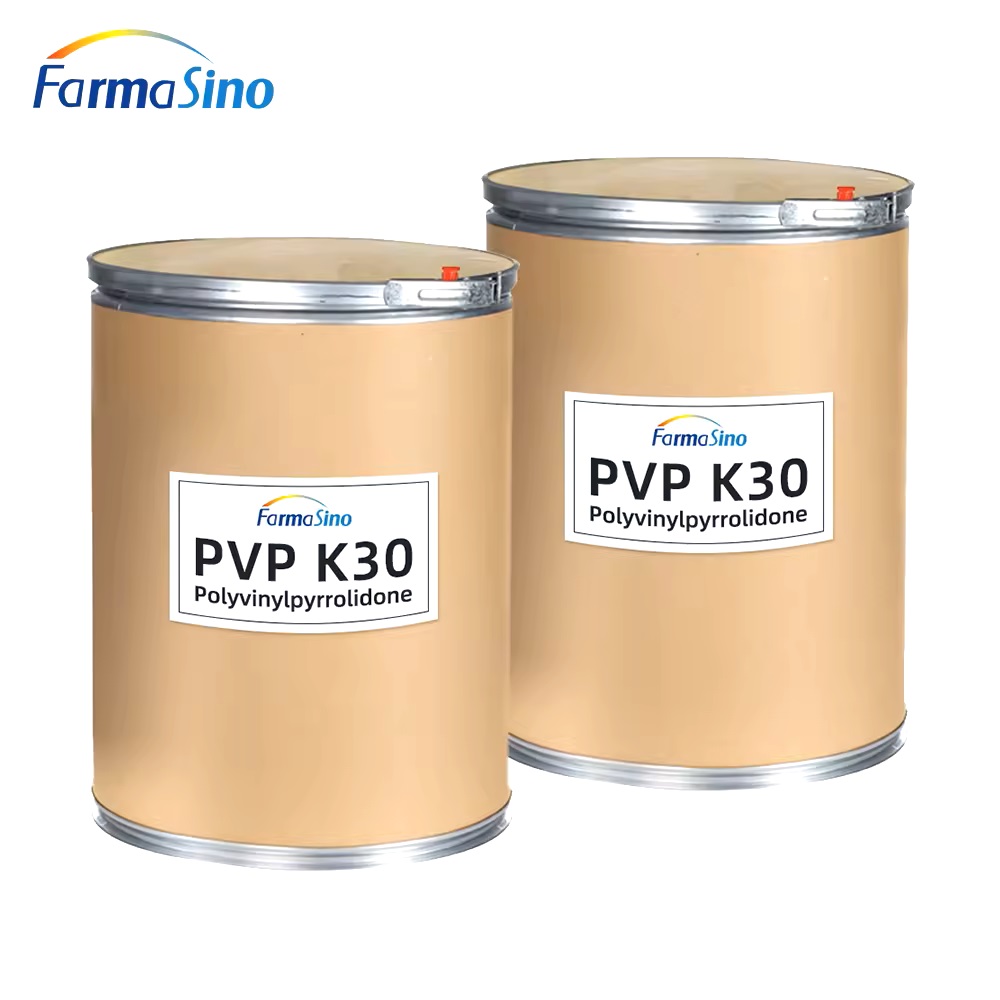
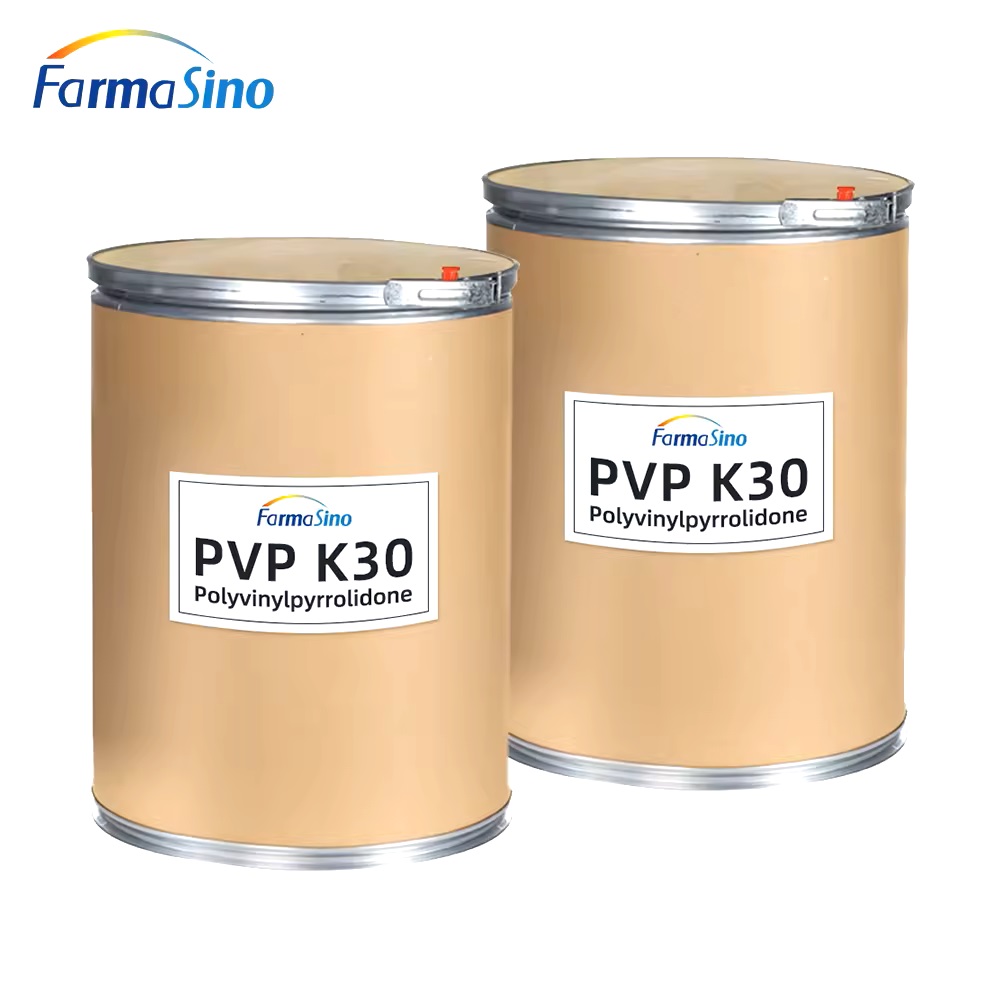
| Container Requirements | Tightly closed, moisture-proof containers (plastic bags, fiber drums, paper bags with PE liner). |
| Materials to Protect From | Moisture, high humidity, strong oxidizing agents, direct heat sources. |
| Shelf Life | 24 – 36 months (in unopened original packaging, under proper storage conditions). |
| Stability Note | Hygroscopic – absorbs moisture from air; Light sensitive; Keep container tightly closed after opening; Protect from excessive humidity and temperature fluctuations. |
| Special Storage Requirements | Store in a dry, well-ventilated warehouse; Avoid exposure to rain, sun, and moisture; Opened containers must be resealed immediately. |
SECTION 16: PACKAGING OPTIONS
| Packaging Type | Quantity | Material |
|---|---|---|
| Multi-layer Paper Bag | 20 kg, 25 kg | PE-lined kraft paper bag (moisture-proof) |
| Plastic Bag | 10 kg, 20 kg, 25 kg | PE bag (inner-lined, sealed, moisture-proof) |
| Fiber Drum | 20 kg, 25 kg | PE-lined fiberboard drum |
| Plastic Drum | 25 kg, 50 kg | HDPE / Polypropylene (moisture-proof) |
| FIBC / Big Bag | 500 kg, 1000 kg | PE-lined, moisture-resistant PP woven bag (with inner liner) |
| Small Pack | 1 kg, 5 kg | Foil-lined plastic bags (laboratory/sample) |
SECTION 17: TRANSPORT INFORMATION
| Parameter | Information |
|---|---|
| UN Number | Not regulated (non-hazardous) |
| Hazard Class | Not applicable |
| Packing Group | Not applicable |
| ADR/RID | Not regulated |
| IMDG Code | Not regulated (non-hazardous) |
| IATA (Air) | Not regulated (non-hazardous) |
| Marine Pollutant | No |
| Transport Temperature | Ambient temperature; Protect from moisture. |
SECTION 18: REGULATORY STATUS
| Region / Authority | Status |
|---|---|
| European Union | REACH registered; Food additive E1201; Pharmaceutical excipient (Ph.Eur.); Cosmetic ingredient approved |
| USA (TSCA) | Listed (TSCA Inventory) |
| USA (FDA) | Approved as food additive (21 CFR 173.50); Approved as pharmaceutical excipient (USP-NF); GRAS for specific applications |
| Turkey | Industrial chemical; Subject to KKDIK regulation; Food additive E1201; Pharmaceutical excipient; Cosmetic ingredient approved |
| IARC | Not classified (non-toxic, non-carcinogenic) |
| NTP | Not listed |
| OSHA | Not regulated as toxic or carcinogenic substance |
| California (Prop 65) | Not listed |
| USP / Ph.Eur. | Listed as pharmaceutical excipient (Povidone, Crospovidone, Copovidone) |
| FCC (Food Chemicals Codex) | Listed (E1201) |
| INCI | PVP |
SECTION 19: OTHER NAMES AND SYNONYMS
| Type | Name |
|---|---|
| Turkish Names | Polivinil Pirolidon, PVP, Povidon |
| English Names | Polyvinylpyrrolidone, PVP, Povidone, Polyvidone, PVPP, Crospovidone, Copovidone |
| Chemical Names | 1-Ethenyl-2-pyrrolidinone homopolymer; Poly(1-vinyl-2-pyrrolidone); 1-Vinyl-2-pyrrolidone polymer |
| CAS Number | 9003-39-8 |
| E Number | E1201 |
| Chemical Formula | (C₆H₉NO)n |
| HS Code | 3905.99 |
| INCI | PVP |
| Synonyms | PVP-K30, PVP-K60, PVP-K90, Povidone K grades, Crospovidone, Copovidone VA64, Polyvidone, Plasdone, Kollidon, PVP |
SECTION 20: SUMMARY TABLE
| Parameter | Value |
|---|---|
| Product | Polyvinylpyrrolidone (PVP) |
| CAS Number | 9003-39-8 |
| Molecular Formula | (C₆H₉NO)n |
| Molecular Weight | 2,500 – 3,000,000+ g/mol (grade dependent) |
| Appearance | White to yellowish-white, hygroscopic, amorphous powder or flakes |
| Density | ~1.2 g/cm³ |
| Glass Transition Temp. | 120 – 180°C (grade dependent) |
| Solubility in Water | Freely soluble |
| pH (5% Solution) | 3.0 – 7.0 |
| Primary Function | Binder, solubilizer, film former, stabilizer, disintegrant (crospovidone) |
| Main Application Areas | Pharmaceuticals, cosmetics, food (E1201), coatings, adhesives, textiles, paper, electronics |
| Shelf Life | 24 – 36 months |
| GHS Signal Word | NONE (not classified as hazardous) |
| UN Number | Not regulated |
| Special Properties | Non-ionic; Water-soluble; Biocompatible; Non-toxic; Hygroscopic; Complexes with hydrogen donors; FDA-approved |
SECTION 21: CRITICAL WARNINGS AND BEST PRACTICES
CRITICAL WARNINGS:
-
Not classified as hazardous under GHS. Non-toxic, non-irritating, non-carcinogenic. FDA-approved for pharmaceutical use .
-
Hygroscopic – absorbs moisture from air. Store in tightly closed, moisture-proof containers. Protect from high humidity.
-
Dust may cause mechanical irritation to eyes, skin, and respiratory system. Use appropriate dust control measures.
-
Combustible (organic material). Keep away from open flames and high heat. Dust cloud may form explosive mixture.
-
Light sensitive. Protect from direct sunlight and UV light.
-
K-value selection is critical for formulation performance. Higher K-values = higher molecular weight = higher viscosity and stronger film formation .
-
PVP family distinction: Povidone (soluble binder), Crospovidone (insoluble superdisintegrant), Copovidone (copolymer with different properties) .
-
Incompatibilities: Strong oxidizing agents, strong acids (degradation).
-
N-Vinylpyrrolidone monomer content strictly controlled in pharmaceutical grades (≤10 ppm) .
BEST PRACTICE RECOMMENDATIONS:
Pharmaceuticals (Binder): Use as tablet binder (K30 or K90); Typical concentration 1-5%; Wet granulation or direct compression; Improves tablet hardness and friability; Provides good adhesion between particles; Ensure compliance with USP/Ph.Eur. specifications.
Pharmaceuticals (Solubilizer / Bioavailability Enhancer): Use in solid dispersions for poorly soluble drugs; Forms complexes with hydrophobic drug molecules; K25-K30 grades typically used; Improves dissolution rate and bioavailability; Critical for BCS Class II/IV drugs.
Pharmaceuticals (Crospovidone - Superdisintegrant): Use crospovidone (crosslinked PVP) as superdisintegrant; Rapid water uptake and swelling; No gel formation; Typical use 1-5%; XL (standard) and XL-10 (micronized) grades; Particle size selection affects disintegration time .
Cosmetics & Personal Care: Use as film former and fixative in hair sprays (4-6% PVP in ethanol); Wave sets use 1-2% polymer; Forms hard, glossy films; Compatible with other cosmetic ingredients; INCI: PVP.
Pharmaceutical Coatings: Use as coating agent for tablets; Forms clear, glossy, oxygen-permeable films; Provides protection and improved appearance; Can be used with plasticizers for flexibility.
Food Industry: Use as food additive E1201; Clarifying agent for beer and wine; Stabilizer for food products; Ensure compliance with food-grade specifications.
Handling: Use in well-ventilated areas; Avoid dust formation; Use dust masks (N95/FFP2) when handling powder; Use gloves and safety goggles.
Personal Protective Equipment: Dust mask (N95/FFP2 or higher), safety goggles, protective gloves (nitrile, neoprene). Not required for solution handling.
Hygiene: Wash hands thoroughly after handling; Do not eat, drink, or smoke while using.
Storage: Store in tightly closed, moisture-proof containers; Store in a cool, dry, well-ventilated area; Protect from moisture, rain, sunlight, and high humidity; Opened packages should be resealed immediately; Shelf life: 24-36 months under proper conditions.
Spill Management: Sweep or vacuum (HEPA) and place in suitable sealed container; Avoid dust formation; Do not allow entry into drains or waterways.
Disposal: Dispose of in accordance with local, regional, and national regulations; Non-hazardous waste; Can be incinerated in compliance with regulations.
SPECIAL NOTE ON K-VALUE AND GRADE SELECTION:
K-value is the most important parameter for PVP selection :
-
K12, K15, K17: Low molecular weight (3,000-16,000). Use for solubilization, dispersancy, crystallization inhibition. Low viscosity solutions. Suitable for syrups and liquid formulations.
-
K25, K30: Medium molecular weight (30,000-80,000). Most commonly used grades. K30 is the industry standard for tablet binding. Good balance of binding strength and solution viscosity. Suitable for granulation, direct compression, and film formation.
-
K60, K90: High molecular weight (270,000-1,570,000). High viscosity solutions. Use for thickening, suspension stabilization, and high-strength films. Suitable for sustained-release formulations.
-
K120: Very high molecular weight (>2,100,000). Very high viscosity. Used in specialty applications requiring maximum viscosity.
-
Selection criteria: Desired viscosity, binding strength, film properties, and application requirements.
SPECIAL NOTE ON CROSPOVIDONE (SUPERDISINTEGRANT):
Crospovidone is crosslinked PVP with distinct properties :
-
Structure: Crosslinked polymer; Practically insoluble in water.
-
Function: Superdisintegrant for tablets and capsules.
-
Mechanism: Rapid water absorption; Swells without gel formation; Breaks tablets apart quickly.
-
Grades: XL (standard particle size), XL-10 (micronized for faster disintegration).
-
Usage: 1-5% of tablet weight.
-
Advantages: Fast disintegration; No gel layer; Compatible with most formulations.
-
Applications: Orally disintegrating tablets; Fast-release formulations; Capsule disintegrant.
SPECIAL NOTE ON POVIDONE-IODINE:
PVP forms a stable complex with iodine:
-
Product: Povidone-iodine (PVP-I).
-
Use: Broad-spectrum antiseptic and disinfectant.
-
Mechanism: PVP slowly releases iodine; Iodine provides antimicrobial activity.
-
Applications: Antiseptic solutions, ointments, surgical scrubs, wound dressings.
-
Advantages: Water-soluble; Non-staining (dilute); Long-lasting antimicrobial action; Less irritating than pure iodine.
LEGAL DISCLAIMER:
The information provided in this document is based on our current knowledge and experience and is presented in good faith. However, as all conditions of use are beyond our control, it does not constitute a binding specification or warranty. This Technical Data Sheet is for informational purposes only. Users are responsible for testing the suitability for their own applications. For complete safety, storage, use, handling, waste, and regulatory compliance information, please refer to the official Safety Data Sheet (SDS/MSDS) provided by the manufacturer/supplier.