We unleash your business potential by maximize the business innovation.
Send EmailIsobutyl Alcohol, Methyl Propanol, Isobutanol, Isopropyl Carbinol, IBA, 78-83-1
ISOBUTYL ALCOHOL (IBA)
Isobutyl Alcohol / Isobutanol / 2-Methyl-1-propanol / IBA
CAS Number: 78-83-1
EC Number: 201-148-0
1. IDENTIFICATION INFORMATION
| Property | Information |
|---|---|
| Chemical Name (IUPAC) | 2-Methyl-1-propanol |
| Other Names | Isobutyl Alcohol, Isobutanol, IBA, Isopropyl Carbinol, 2-Methylpropyl Alcohol |
| Chemical Formula | C₄H₁₀O |
| Molecular Weight | 74.12 g/mol |
| CAS Number | 78-83-1 |
| EC Number (EINECS) | 201-148-0 |
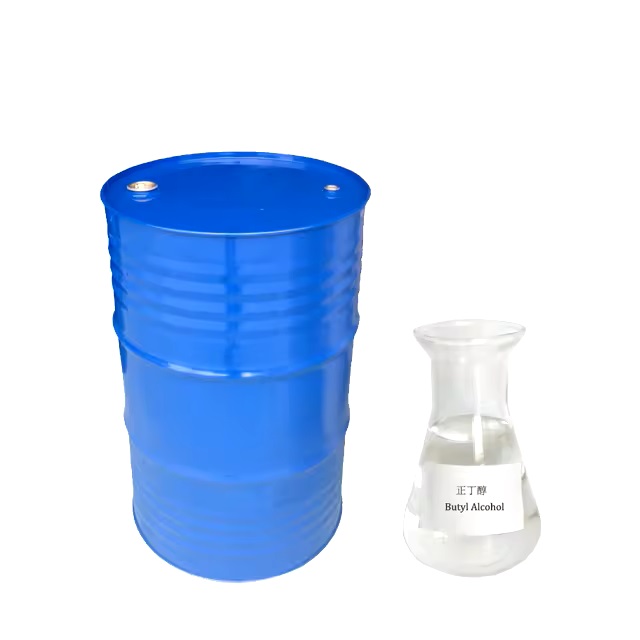
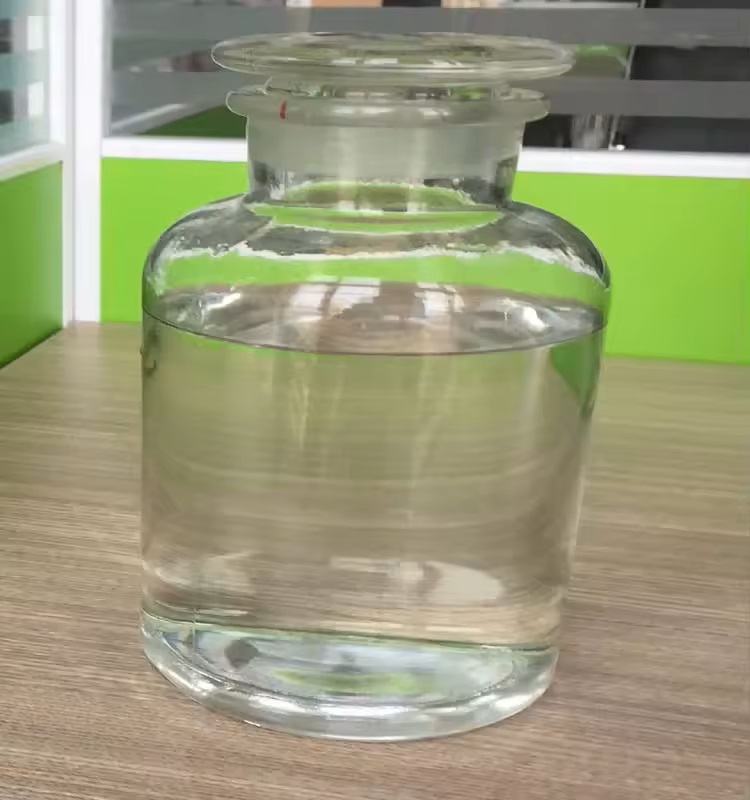
| Appearance | Colorless clear liquid |
| Odor | Slightly suffocating, characteristic alcoholic odor |
| FEMA Number | 2179 |
2. PHYSICAL PROPERTIES
| Property | Value |
|---|---|
| Physical State (20°C) | Liquid |
| Appearance | Colorless clear liquid |
| Odor | Slightly suffocating, characteristic non-residual alcoholic odor |
| Chemical Formula | C₄H₁₀O |
| Molecular Weight | 74.12 g/mol |
| Density (25°C) | 0.803 g/mL |
| Relative Density (20/4°C) | 0.8016 |
| Melting Point | -108°C |
| Boiling Point | 108°C (lit.) |
| Boiling Point Range | 107.5 - 108.5°C |
| Flash Point | 28°C (82°F) (closed cup) |
| Autoignition Temperature | 426°C (801°F) |
| Vapor Pressure (20°C) | 8 mmHg |
| Vapor Density (air=1) | 2.55 |
| Water Solubility (20°C) | 95 g/L (9.5 g/100 mL) |
| Solubility in Organic Solvents | Miscible with ethanol, ether, and most organic solvents |
| pH (80 g/L, 20°C) | 7 |
| pKa | >14 |
| Refractive Index (n20/D) | 1.396 (lit.) |
| Refractive Index (n20/D) | 1.3959 - 1.3976 |
| Viscosity (20°C) | ~3.95 mPa·s |
| Explosive Limit | 1.5 - 12% (V) |
| LogP (25°C) | 1.0 |
| Henry's Law Constant (30°C) | 20.0 |
| Olfactory Threshold | 0.011 ppm |
| Relative Polarity | 0.552 |
3. CHEMICAL PROPERTIES
| Property | Information |
|---|---|
| Chemical Formula | C₄H₁₀O |
| Molecular Weight | 74.12 g/mol |
| Chemical Class | Primary alcohol (branched chain) |
| Structure | (CH₃)₂CH-CH₂OH |
| Functional Group | Hydroxyl (-OH) |
| Isomers | n-Butanol, sec-Butanol, tert-Butanol |
| Stability | Stable under normal conditions |
| Flammability | Highly flammable |
| Reactivity with Oxidizers | Strong reaction; forms explosive mixtures |
| Decomposition | Thermal decomposition releases toxic gases (CO, CO₂) |
| Reaction with Metals | Incompatible with aluminum |
| pH | Neutral (7) |
| Incompatible Materials | Strong oxidizing agents, aluminum, acid chlorides, acid anhydrides, strong acids |
Combustion Reaction:
2 C₄H₁₀O + 12 O₂ → 8 CO₂ + 10 H₂O + Heat
Oxidation Reaction (to Isobutyraldehyde):
(CH₃)₂CH-CH₂OH + [O] → (CH₃)₂CH-CHO + H₂O
Oxidation Reaction (to Isobutyric Acid):
(CH₃)₂CH-CH₂OH + 2 [O] → (CH₃)₂CH-COOH + H₂O
Esterification Reaction (with Acetic Acid - Isobutyl Acetate):
(CH₃)₂CH-CH₂OH + CH₃COOH → (CH₃)₂CH-CH₂OCOCH₃ + H₂O
4. PRODUCTION PROCESS
| Method | Description |
|---|---|
| Carbonyl Synthesis (Oxo Process - Most Common) | Propylene + Synthesis gas (CO + H₂) → n-Butyraldehyde + Isobutyraldehyde → Hydrogenation → n-Butanol + Isobutanol → Separation |
| Isobutyraldehyde Hydrogenation | Isobutyraldehyde + H₂ (Nickel catalyst) → Isobutanol |
| Methanol By-product Recovery | Recovery from isobutyl oil (by-product of methanol plants) → Demethanolization → Salting out → Dehydration → Azeotropic distillation |
| Fusel Oil Separation | Recovery from crude fusel oil (by-product of ethanol fermentation) |
Reaction Equation (Oxo Process - Most Common):
CH₃-CH=CH₂ (Propylene) + CO + H₂  —[Catalyst]—> (CH₃)₂CH-CHO (Isobutyraldehyde)
(CH₃)₂CH-CHO + H₂  —[Ni Catalyst]—> (CH₃)₂CH-CH₂OH (Isobutanol)
Reaction Equation (Isobutyraldehyde Hydrogenation):
(CH₃)₂CH-CHO + H₂ —[Nickel catalyst]—> (CH₃)₂CH-CH₂OH
5. AVAILABLE FORMS AND SPECIFICATIONS
| Form | Purity | Description | Applications |
|---|---|---|---|
| Technical Grade | ≥99.0% | Colorless clear liquid | General industrial, solvents, coatings |
| High Purity Grade | ≥99.5% | Colorless clear liquid | Pharmaceutical, cosmetics, flavors |
| Anhydrous Grade | ≥99.8% | Colorless clear liquid | Specialty synthesis, moisture-sensitive reactions |
Typical Specifications (Technical Grade):
| Parameter | Specification | Test Method |
|---|---|---|
| Assay (C₄H₁₀O) | ≥99.0% | GC |
| Appearance | Colorless clear liquid | Visual |
| Color (APHA) | ≤10 | ASTM D1209 |
| Density (20°C) | 0.800 - 0.805 g/cm³ | ASTM D4052 |
| Refractive Index (n20/D) | 1.3950 - 1.3970 | ASTM D1218 |
| Distillation Range (95%) | Within 2°C including 108°C | ASTM D1078 |
| Water Content | ≤0.1% | Karl Fischer |
| Acidity (as Acetic Acid) | ≤0.002% | Titration |
| Residue after Evaporation | ≤0.002% | Gravimetric |
| Carbonyl Compounds (as Acetone) | ≤0.05% | Titration |
6. APPLICATIONS
6.1. Chemical Synthesis and Intermediates – Largest Use
| Application | Function |
|---|---|
| Isobutyl Acetate Production | Esterification with acetic acid (coating solvent) |
| Isobutyl Methacrylate Production | Esterification with methacrylic acid |
| Plasticizers | Production of diisobutyl phthalate (DIBP), dibutyl phthalate (DBP) |
| Isobutyronitrile Production | Intermediate for synthesis of diazinon (pesticide) |
| Synthetic Rubber | Raw material for rubber production |
| Butanoic Acid Derivatives | Synthesis of 3-oxo-, 2-methylpropyl ester |
6.2. Solvent Applications
| Application | Function |
|---|---|
| Coatings and Paints | Solvent for nitrocellulose, ethyl cellulose, polyvinyl butyral |
| Printing Inks | Solvent for resin systems |
| Cleaning Agents | Industrial degreaser |
| Extractant | Extraction of lithium chloride from salt mixtures |
| Chromatographic Analysis | Reference substance, solvent |
6.3. Coatings and Paints
| Application | Function |
|---|---|
| Nitrocellulose Lacquers | Cosolvent, improves flow and leveling |
| Acrylic Resins | Solvent for acrylic coatings |
| Epoxy Resins | Reactive diluent and solvent |
| Automotive Paints | High solids coatings solvent |
| Wood Coatings | Solvent for varnishes and lacquers |
6.4. Flavor and Fragrance Industry
| Application | Function |
|---|---|
| Flavoring Agent | FEMA 2179; fruit essential oils |
| Artificial Musk | Raw material for synthetic musk production |
| Fruit Essential Oils | Component in natural fruit flavors |
| Beverages | Flavor carrier (soft drinks, 17 mg/kg) |
| Confectionery | Flavor carrier (candy, 30 mg/kg) |
| Baked Goods | Flavor carrier (baked goods, 24 mg/kg) |
6.5. Pharmaceutical Industry
| Application | Function |
|---|---|
| Solvent | Pharmaceutical manufacturing |
| Extraction Agent | Extraction of active pharmaceutical ingredients |
| Synthetic Intermediate | Synthesis of various pharmaceutical compounds |
| Cosolvent | Liquid dosage forms |
6.6. Petroleum and Fuel Additives
| Application | Function |
|---|---|
| Petroleum Additives | Manufacturing of fuel additives |
| Antioxidants | Production of 2,6-di-tert-butyl-p-cresol (BHT) |
| Gasoline Blending | Oxygenate component (limited) |
| Deicing Agents | Fuel system deicing |
6.7. Analytical Chemistry and Laboratory
| Application | Function |
|---|---|
| Reagent | Determination of calcium, strontium, barium, sodium, potassium, lithium, silver, chloride, and phosphite |
| Chromatography | Reference standard |
| Extraction Solvent | Separation of strontium bromide and barium bromide |
| Solvent | General laboratory solvent |
6.8. Cosmetics and Personal Care
| Application | Function |
|---|---|
| Solvent | Cosmetic formulations |
| Carrier | Fragrance delivery |
| Co-solvent | Personal care products |
6.9. Agricultural Chemicals
| Application | Function |
|---|---|
| Pesticide Intermediates | Isobutyronitrile for diazinon synthesis |
| Herbicide Solvents | Carrier for herbicides |
| Adjuvants | Formulation aid |
6.10. Other Applications
| Application | Function |
|---|---|
| Printing Inks | Solvent for flexographic and gravure inks |
| Rubber Manufacturing | Solvent and processing aid |
| Adhesives | Solvent for adhesive formulations |
| Textile Processing | Dyeing and finishing aid |
| Metal Cleaning | Parts degreaser |
| Paint Strippers | Component in paint removal formulations |
7. DERIVATIVES AND DOWNSTREAM PRODUCTS
| Derivative | Application |
|---|---|
| Isobutyl Acetate | Coating solvent, flavoring agent |
| Isobutyl Methacrylate | Polymer production |
| Diisobutyl Phthalate (DIBP) | Plasticizer |
| Dibutyl Phthalate (DBP) | Plasticizer |
| Isobutyronitrile | Pesticide intermediate (diazinon) |
| Isobutyraldehyde | Chemical intermediate |
| Isobutyric Acid | Chemical intermediate |
| 2,6-Di-tert-butyl-p-cresol (BHT) | Antioxidant |
| Butanoic acid, 3-oxo-, 2-methylpropyl ester | Specialty chemical |
| Artificial Musk | Fragrance ingredient |
8. QUALITY SPECIFICATIONS (High Purity Grade)
| Parameter | Specification | Test Method |
|---|---|---|
| Assay (C₄H₁₀O) | ≥99.5% | GC |
| Appearance | Colorless clear liquid | Visual |
| Color (APHA) | ≤10 | ASTM D1209 |
| Density (20°C) | 0.800 - 0.805 g/cm³ | ASTM D4052 |
| Refractive Index (n20/D) | 1.3950 - 1.3970 | ASTM D1218 |
| Distillation Range (95%) | 106 - 109°C | ASTM D1078 |
| Water Content | ≤0.1% | Karl Fischer |
| Acidity (as Acetic Acid) | ≤0.002% | Titration |
| Residue after Evaporation | ≤0.002% | Gravimetric |
| Carbonyl Compounds (as Acetone) | ≤0.05% | Titration |
| Sulfur Compounds | ≤0.0005% | Combustion |
9. SOLVENT PROPERTIES
| Property | Value |
|---|---|
| Evaporation Rate (Butyl Acetate = 1) | ~0.8 |
| Solubility Parameter | 21.5 MPa¹/² |
| Dipole Moment | 1.64 D |
| Surface Tension (20°C) | 22.8 mN/m |
| Specific Heat (25°C) | 2.36 J/g·K |
| Heat of Vaporization | 580 J/g |
| KB Value (Kauri-Butanol) | ~130 |
| Aniline Point | ~60°C |
10. STORAGE AND HANDLING
| Parameter | Information |
|---|---|
| Storage Conditions | Store at +5°C to +30°C; cool, dry, well-ventilated area |
| Container Requirements | Tightly closed containers (HDPE, steel, glass) |
| Protect from | Heat, sparks, open flames, strong oxidizing agents, aluminum |
| Shelf Life | 12-24 months (unopened, proper storage) |
| Flammability | Highly flammable; flash point 28°C |
| Vapor Hazard | Vapors heavier than air; may travel to ignition sources |
| Static Charge | May accumulate static charge; use grounding |
| Incompatible Materials | Strong oxidizing agents, aluminum, acid chlorides, acid anhydrides |
| Storage Temperature | Do not exceed 30°C |
| Packaging Options | 20 L canister, 200 L drum, 1000 L IBC, bulk tanker |
Handling Notes:
-
Use explosion-proof electrical equipment
-
Ground containers when transferring to prevent static sparks
-
Use only in well-ventilated areas or under local exhaust ventilation
-
Avoid breathing vapors (may cause drowsiness and dizziness)
-
Keep away from heat, sparks, and open flames
-
Do not use aluminum containers (incompatible)
-
Use non-sparking tools
11. SAFETY AND HEALTH INFORMATION (GHS CLASSIFICATION)
| Hazard Class | Category |
|---|---|
| Flammable Liquid | Category 3 (H226) |
| Skin Irritation | Category 2 (H315) |
| Eye Damage | Category 1 (H318) |
| Specific Target Organ Toxicity (Single exposure) | Category 3 (H335, H336) |
| Respiratory Tract Irritation | Category 3 (H335) |
GHS Classification (Alternative):
| Hazard Class | Category |
|---|---|
| Flammable Liquid | Category 3 (R10) |
| Irritant | Xi (R37/38, R41, R67) |
12. HAZARD STATEMENTS (H-CODES)
| Code | Statement |
|---|---|
| H226 | Flammable liquid and vapor |
| H315 | Causes skin irritation |
| H318 | Causes serious eye damage |
| H335 | May cause respiratory irritation |
| H336 | May cause drowsiness or dizziness |
EU Risk Phrases (R-Codes):
| Code | Statement |
|---|---|
| R10 | Flammable |
| R37/38 | Irritating to respiratory system and skin |
| R41 | Risk of serious damage to eyes |
| R67 | Vapors may cause drowsiness and dizziness |
13. SAFETY STATEMENTS (P-CODES)
| Code | Statement |
|---|---|
| P210 | Keep away from heat, hot surfaces, sparks, open flames, and other ignition sources. No smoking |
| P233 | Keep container tightly closed |
| P240 | Ground and bond container and receiving equipment |
| P241 | Use explosion-proof electrical equipment |
| P242 | Use non-sparking tools |
| P243 | Take precautionary measures against static discharge |
| P261 | Avoid breathing dust/fume/gas/mist/vapors/spray |
| P264 | Wash hands thoroughly after handling |
| P271 | Use only outdoors or in a well-ventilated area |
| P280 | Wear protective gloves, protective clothing, eye protection, face protection |
| P303+P361+P353 | IF ON SKIN (or hair): Remove immediately all contaminated clothing. Rinse skin with water/shower |
| P304+P340 | IF INHALED: Remove person to fresh air and keep comfortable for breathing |
| P305+P351+P338 | IF IN EYES: Rinse cautiously with water for several minutes. Remove contact lenses if present and easy to do. Continue rinsing |
| P310 | Immediately call a POISON CENTER or doctor |
| P312 | Call a POISON CENTER or doctor if you feel unwell |
| P313 | Get medical advice/attention |
| P370+P378 | In case of fire: Use dry chemical, CO₂, foam, water spray for extinction |
| P403+P233 | Store in a well-ventilated place. Keep container tightly closed |
| P403+P235 | Store in a well-ventilated place. Keep cool |
| P405 | Store locked up |
| P501 | Dispose of contents/container in accordance with local regulations |
14. TOXICOLOGICAL INFORMATION
| Parameter | Value |
|---|---|
| Oral LD50 (rat) | 2,460 mg/kg (Smyth) |
| Oral LD50 (rat) | 2,460 - 2,800 mg/kg |
| Intraperitoneal LD50 (mouse) | 1,801 mg/kg |
| Dermal LD50 (rabbit) | 3,400 mg/kg |
| Inhalation LC50 (rat) | >20,000 mg/m³ (4 hours) |
| Eye Irritation (rabbit) | Severe (2 mg causes serious damage) |
| Skin Irritation | Mild to moderate irritant |
| Respiratory Irritation | Yes |
| Mutagenicity | Not classified |
| Carcinogenicity | Not classified as carcinogenic (IARC: Not listed) |
| Reproductive Toxicity | Not classified |
Health Effects:
| Exposure | Effect |
|---|---|
| Acute (Inhalation) | Respiratory tract irritation, drowsiness, dizziness, headache, nausea |
| Acute (Skin Contact) | Mild to moderate irritation, defatting, dermatitis |
| Acute (Eye Contact) | Serious eye damage, corneal injury, conjunctivitis |
| Acute (Ingestion) | Abdominal pain, nausea, vomiting, diarrhea, CNS depression |
| Chronic | Dermatitis, respiratory sensitization potential |
Occupational Exposure Limits:
| Agency | Limit |
|---|---|
| NIOSH REL | TWA 300 mg/m³ (100 ppm) |
| ACGIH TLV | TWA 150 mg/m³ (50 ppm) |
| IDLH | 8,000 ppm (NIOSH) |
| Immediately Dangerous to Life and Health | 1,600 ppm |
15. FIRST AID MEASURES
| Exposure Route | Action |
|---|---|
| Inhalation | Remove to fresh air. If breathing difficulty, give oxygen. If breathing has stopped, give artificial respiration. Seek medical attention. |
| Skin Contact | Remove contaminated clothing. Wash with soap and plenty of water for at least 15 minutes. Seek medical attention if irritation develops. |
| Eye Contact | Rinse immediately with plenty of water for at least 15-20 minutes. Remove contact lenses. Keep eyelids open. Seek immediate medical attention. |
| Ingestion | Do NOT induce vomiting. Rinse mouth. Do not give anything by mouth to an unconscious person. Seek immediate medical attention. |
16. FIRE FIGHTING MEASURES
| Parameter | Information |
|---|---|
| Fire Hazard | Highly flammable liquid (flash point 28°C) |
| Explosion Hazard | Vapors may form explosive mixtures with air (1.5-12% V) |
| Extinguishing Media | Dry chemical powder, dry sand, carbon dioxide (CO₂), alcohol-resistant foam, water spray |
| Special Hazards | Vapors are heavier than air and may travel to ignition sources; thermal decomposition produces toxic gases (CO, CO₂) |
| Protective Equipment | Self-contained breathing apparatus (SCBA), full protective clothing |
| Static Hazard | May accumulate static charge; use grounding and bonding |
17. ENVIRONMENTAL INFORMATION
| Parameter | Information |
|---|---|
| Aquatic Toxicity | Moderate toxicity to aquatic organisms |
| Biodegradability | Readily biodegradable |
| Bioaccumulation | Low potential (Log P = 1.0) |
| Mobility in Water | Moderate solubility (95 g/L) |
| Volatility | High (vapor pressure 8 mmHg at 20°C) |
| Waste Disposal | Dispose according to local regulations. Controlled incineration recommended. |
18. TRANSPORT INFORMATION
| Parameter | Information |
|---|---|
| UN Number | 1212 |
| Hazard Class | 3 (Flammable liquid) |
| Packing Group | III |
| Proper Shipping Name | ISOBUTANOL (ISOBUTYL ALCOHOL) |
| Marine Pollutant | No |
| ADR/RID Label | 3 |
| EMS | F-E, S-D |
| HS Code | 2905 19 90 |
19. OTHER NAMES AND SYNONYMS
| Name |
|---|
| Isobutyl Alcohol |
| Isobutanol |
| 2-Methyl-1-propanol |
| IBA |
| Isopropyl Carbinol |
| 2-Methylpropyl Alcohol |
| Fermentation Isobutyl Alcohol |
| Natural Isobutyl Alcohol |
| Synthetic Isobutyl Alcohol |
Database Identifiers:
| Database | Identifier |
|---|---|
| CAS | 78-83-1 |
| EC | 201-148-0 |
| MDL | MFCD00004740 |
| PubChem CID | 6560 |
| RTECS | NP9625000 |
| UN | 1212 |
| Beilstein | 1730878 |
| Merck | 14,5131 |
| FEMA | 2179 |
| JECFA | 251 |
20. SUMMARY AND IMPORTANT WARNINGS
SUMMARY:
Isobutyl alcohol (isobutanol, 2-methyl-1-propanol, C₄H₁₀O, CAS 78-83-1) is a colorless clear liquid with a slightly suffocating, characteristic alcoholic odor. It is a branched-chain primary alcohol with a molecular weight of 74.12 g/mol, melting point of -108°C, and boiling point of 108°C. Isobutanol is moderately soluble in water (95 g/L at 20°C) and miscible with most organic solvents including ethanol and ether. It has a flash point of 28°C and is classified as a flammable liquid. Industrial production is primarily via the oxo process (carbonyl synthesis) from propylene and synthesis gas, where isobutyraldehyde is produced and subsequently hydrogenated to isobutanol. The largest applications include chemical synthesis (production of isobutyl acetate, isobutyl methacrylate, and plasticizers), solvent applications (coatings, inks, extractants), flavor and fragrance industry (FEMA 2179), pharmaceutical manufacturing, and petroleum additives (antioxidants like BHT).
Key Properties:
| Property | Value |
|---|---|
| Appearance | Colorless clear liquid |
| Chemical Formula | C₄H₁₀O |
| Molecular Weight | 74.12 g/mol |
| Melting Point | -108°C |
| Boiling Point | 108°C |
| Density (25°C) | 0.803 g/mL |
| Flash Point | 28°C (82°F) |
| Water Solubility (20°C) | 95 g/L (9.5 g/100 mL) |
| Vapor Density (air=1) | 2.55 |
| Explosive Limit | 1.5 - 12% |
| LogP | 1.0 |
| Primary Use | Solvent, chemical intermediate |
Main Application Areas:
| Industry | Applications |
|---|---|
| Chemical Synthesis | Isobutyl acetate, isobutyl methacrylate, plasticizers (DIBP, DBP) |
| Coatings | Nitrocellulose lacquers, acrylic resins, automotive paints |
| Solvents | Inks, cleaning agents, extractant for lithium chloride |
| Flavor & Fragrance | FEMA 2179, fruit essential oils, artificial musk |
| Pharmaceuticals | Solvent, extraction agent, intermediate |
| Petroleum | Fuel additives, antioxidants (BHT) |
| Agriculture | Pesticide intermediates (isobutyronitrile for diazinon) |
| Analytical Chemistry | Reagent, chromatographic reference, extraction solvent |
Key Safety Points:
-
FLAMMABLE: Flash point 28°C; keep away from heat, sparks, open flames (H226)
-
IRRITANT: Causes skin irritation (H315)
-
EYE HAZARD: Causes serious eye damage (H318)
-
RESPIRATORY IRRITANT: May cause respiratory irritation (H335)
-
DROWSINESS: Vapors may cause drowsiness and dizziness (H336)
-
VAPOR HAZARD: Vapors are heavier than air (2.55 x air); may travel to ignition sources
-
STATIC ELECTRICITY: May accumulate static charge; use grounding and bonding
-
USE VENTILATION: Use only in well-ventilated areas or under local exhaust
-
USE PPE: Protective gloves, safety goggles, face shield
-
STORAGE: Store below 30°C, away from oxidizers and aluminum
-
IDLH: 1,600 ppm; NIOSH REL: 100 ppm (300 mg/m³)
IMPORTANT WARNINGS:
Flammability Hazard: Isobutyl alcohol is a flammable liquid with a flash point of 28°C (82°F). Its vapors form explosive mixtures with air in the range of 1.5-12% by volume. Vapors are heavier than air (vapor density 2.55) and may travel along the ground to distant ignition sources, then flash back to the source. Keep away from heat, sparks, open flames, and all other ignition sources. Use explosion-proof electrical equipment and non-sparking tools. Ground containers when transferring to prevent static discharge.
Eye Damage Hazard: Isobutyl alcohol causes serious eye damage (H318). In animal studies, 2 mg caused severe eye irritation with corneal damage. Eye contact can result in corneal injury, conjunctivitis, and potential vision impairment. Immediate and thorough eye washing is essential. Always wear chemical safety goggles and face shield when handling.
Respiratory and CNS Effects: Vapors may cause respiratory irritation (H335), drowsiness, and dizziness (H336). High concentrations can cause headache, nausea, and central nervous system depression. The NIOSH recommended exposure limit is 100 ppm (300 mg/m³) as a TWA, and the ACGIH TLV is 50 ppm (150 mg/m³). The IDLH (Immediately Dangerous to Life and Health) concentration is 1,600 ppm. Use adequate ventilation or local exhaust to keep vapor concentrations below exposure limits.
Storage Incompatibilities: Isobutyl alcohol is incompatible with strong oxidizing agents (which can cause violent reactions or fire), aluminum (can cause corrosion and hydrogen gas formation), acid chlorides, acid anhydrides, and strong acids. Do not store in aluminum containers. Store in approved containers (HDPE, steel, glass) in a cool, dry, well-ventilated area below 30°C. Keep away from oxidizers and acids.
Fire Fighting: Use dry chemical powder, dry sand, carbon dioxide (CO₂), alcohol-resistant foam, or water spray for extinction. Water spray may be ineffective on fire but can be used to cool containers and dilute spills. Thermal decomposition produces toxic and irritating gases including carbon monoxide and carbon dioxide. Firefighters should wear self-contained breathing apparatus (SCBA) and full protective clothing.
Derivatives and Uses: The most important derivatives of isobutanol are isobutyl acetate (a coating solvent with a pleasant fruity odor used in nitrocellulose lacquers and as a flavoring agent), isobutyl methacrylate (used in polymer production), diisobutyl phthalate (DIBP) and dibutyl phthalate (DBP) (plasticizers), and isobutyronitrile (an intermediate for the pesticide diazinon). Isobutanol is also used to produce the antioxidant 2,6-di-tert-butyl-p-cresol (BHT).
Natural Occurrence: Isobutanol is one of the main components of the aroma of fresh tea leaves, black tea, and green tea. It is also found in fermented beverages as a fusel oil component. Natural isobutanol is available for flavor and fragrance applications (FEMA 2179). Permitted usage levels: soft drinks 17 mg/kg, cold drinks 7.0 mg/kg, candy 30 mg/kg, baked goods 24 mg/kg.
Extraction Solvent Applications: Isobutanol is used as an extraction solvent for lithium chloride from mixtures of lithium chloride and sodium chloride or potassium chloride. It is also used to separate strontium bromide and barium bromide. As an extraction solvent for spice oleoresins, the maximum allowable residual amount in the final product is 50 ppm. For hop extraction, the maximum allowable residue is 2.0 ppm. For lemon oil extraction, the maximum allowable residue is 6 ppm.
Regulatory Status: Isobutyl alcohol is listed on the TSCA inventory (USA), DSL (Canada), EINECS (EU), and other international chemical inventories. It is approved as a flavoring agent by FEMA (2179) and JECFA (251). The HS code for export/import is 2905 19 90.
Important Disclaimer: This Technical Data Sheet (TDS) is for informational purposes only. For complete safety, handling, storage, and regulatory compliance information, always refer to the official Safety Data Sheet (SDS) provided by the manufacturer/supplier. Isobutyl alcohol is a flammable liquid and eye irritant. Always use appropriate personal protective equipment. Ensure adequate ventilation. Keep away from ignition sources and incompatibles. In case of fire or spill, follow emergency procedures. Seek immediate medical attention for significant exposures, especially eye contact.