We unleash your business potential by maximize the business innovation.
Send EmailIsotridecyl Alcohol, Isotridecanol, Oxotridecyl Alcohol, Isotridecyl Alcohol, C13 Alcohol, 27458-92-0, 68526-86-3
ISOTRIDECANOL
Isotridecyl Alcohol / Oxotridecyl Alcohol / C13 Alcohol
CAS Numbers: 27458-92-0 / 68526-86-3
EC Number: 248-469-2
1. IDENTIFICATION
| Property | Information |
|---|---|
| Chemical Name | Isotridecanol |
| Synonyms | Isotridecyl alcohol, Oxotridecyl alcohol, 11-methyldodecan-1-ol, 11-Methyl-1-dodecanol, Exxal 13 |
| Chemical Formula | C₁₃H₂₈O |
| Molecular Weight | 200.36 g/mol |
| CAS Number (Primary) | 27458-92-0 |
| CAS Number (Secondary) | 68526-86-3 (Alcohols, C11-14-iso-, C13-rich) |
| EC Number (EINECS) | 248-469-2 |
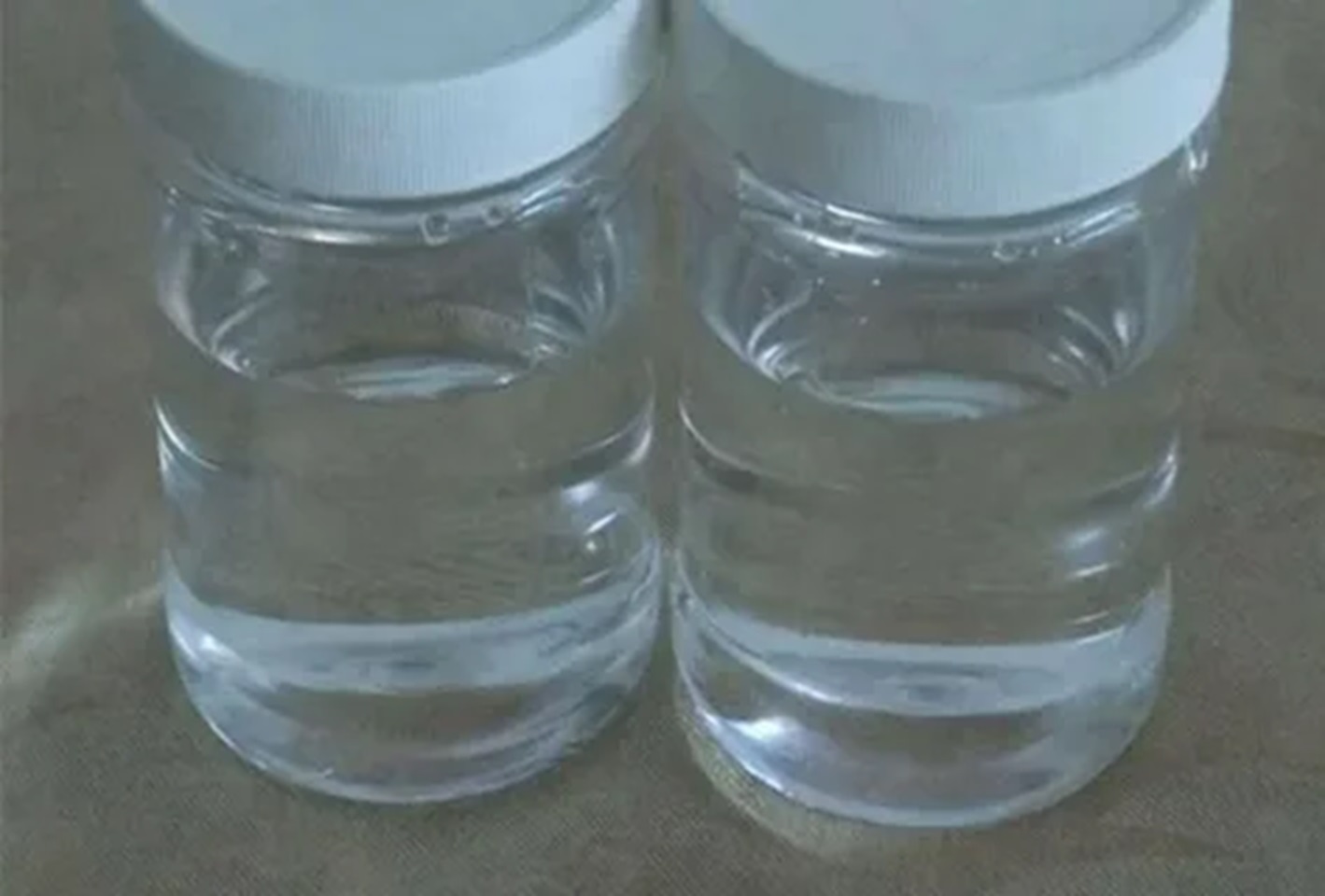
| Appearance | Colorless clear liquid |
| Odor | Characteristic mild odor |
2. PHYSICAL PROPERTIES
| Property | Value |
|---|---|
| Physical State (20°C) | Liquid |
| Appearance | Colorless, clear liquid |
| Density (20°C) | 0.843 g/cm³ |
| Boiling Point | 260.8 °C (at 760 mmHg) |
| Flash Point | 105.5 °C (closed cup) |
| Water Solubility (20°C) | 2 mg/L (very low – hydrophobic) |
| Vapor Pressure (20°C) | 0.078 Pa (very low volatility) |
| Refractive Index | 1.442 |
3. CHEMICAL PROPERTIES
| Property | Value |
|---|---|
| Chemical Formula | C₁₃H₂₈O |
| Chemical Structure | Branched chain fatty alcohol |
| Alcohol Type | Primary alcohol |
| HLB Value | Low to medium (lipophilic) |
| Solubility in Water | Practically insoluble |
| Solubility in Organics | Soluble in most organic solvents (alcohols, ethers, hydrocarbons) |
| Reactivity | Typical primary alcohol reactions: ethoxylation, sulfation, esterification |
Structural Note:
-
Primary alcohol group (-OH) at the end of a branched C13 alkyl chain
-
Major component: 11-methyldodecan-1-ol (methyl-branched)
4. PRODUCT GRADES & TYPES
| Grade | CAS | Description |
|---|---|---|
| Isotridecanol (Pure) | 27458-92-0 | High purity isotridecanol (≥98%) |
| C13-Rich Alcohol Blend | 68526-86-3 | Mixture of C11-14 iso-alcohols, C13-rich; commercial grade |
| Exxal 13 | – | ExxonMobil trade name for isotridecanol |
5. PRODUCTION PROCESS
Isotridecanol is produced via the Oxo process (hydroformylation):
| Stage | Description |
|---|---|
| 1. Propylene Oligomerization | Propylene is oligomerized to form branched C12 olefins (tetrapropylene) |
| 2. Hydroformylation (Oxo) | C12 olefins react with synthesis gas (CO + H₂) in the presence of a catalyst to form C13 aldehydes |
| 3. Hydrogenation | C13 aldehydes are hydrogenated to form isotridecanol (branched C13 alcohol) |
| 4. Distillation | Product is distilled to achieve desired purity |
Reaction Sequence:
C3H6 → C12H24 (branched) → C13H26O (aldehyde) → C13H28O (isotridecanol)
6. APPLICATIONS
6.1. Surfactant Production (Primary Use – 80%+)
| Derivative | Application |
|---|---|
| Isotridecanol Ethoxylates | Non-ionic surfactants used in detergents, emulsifiers, wetting agents |
| Isotridecyl Ether Sulfates | Anionic surfactants for high-performance cleaners |
| Isotridecyl Phosphates | Used in metalworking fluids and hydraulic fluids |
| Isotridecyl Ether Carboxylates | Mild surfactants for personal care |
6.2. Detergents & Cleaners
| Application | Function |
|---|---|
| Industrial Detergents | Surfactant base for heavy-duty cleaners |
| Household Cleaners | Non-ionic surfactant component |
| Metal Degreasers | Excellent oil and grease removal |
| High-Performance Cleaners | Superior wetting and emulsifying properties |
6.3. Emulsifiers
| Application | Function |
|---|---|
| Agricultural Emulsifiers | For pesticide and herbicide formulations |
| Industrial Emulsions | Oil-in-water and water-in-oil emulsifiers |
| Paint & Coating Emulsifiers | Stabilizer for emulsion paints |
6.4. Lubricants & Metalworking Fluids
| Application | Function |
|---|---|
| Metalworking Fluids | Lubricant additive, corrosion inhibitor |
| Hydraulic Fluids | Component in specialty hydraulic oils |
| Cutting Fluids | Emulsifier and lubricity agent |
6.5. Personal Care & Cosmetics
| Application | Function |
|---|---|
| Skin Care | Emollient, spreading agent |
| Hair Care | Conditioning agent, emulsifier |
| Cosmetic Emulsions | Stabilizer and texture enhancer |
6.6. Other Applications
| Application | Function |
|---|---|
| Plastic Additives | Intermediate for plasticizers |
| Textile Processing | Lubricant and softener |
| Oilfield Chemicals | Demulsifier, wetting agent |
| Paper Industry | Defoamer component |
7. SURFACTANT DERIVATIVES FROM ISOTRIDECANOL
| Derivative | Chemical Type | HLB Range | Key Properties | Applications |
|---|---|---|---|---|
| Isotridecanol Ethoxylates (3-12 EO) | Non-ionic | 8-14 | Low foam, good wetting | Industrial cleaners, degreasers |
| Isotridecanol Ethoxylates (12-20+ EO) | Non-ionic | 14-18 | High foam, good emulsification | Household detergents |
| Isotridecyl Ether Sulfates | Anionic | – | High solubility, good foaming | High-performance cleaners |
| Isotridecyl Phosphates | Anionic | – | Extreme pressure properties | Metalworking fluids |
8. COMPARISON WITH OTHER FATTY ALCOHOLS
| Property | Isotridecanol (C13 branched) | Tridecanol (C13 linear) | C12-14 Alcohol Blend | Isotridecanol vs Linear |
|---|---|---|---|---|
| Structure | Branched | Linear | Linear | – |
| Viscosity | Lower | Higher | Medium | Better flow |
| Wetting | Excellent | Good | Good | Superior |
| Foaming (Ethoxylates) | Low foam | Medium-high foam | High foam | Low foam – defoaming |
| Biodegradability | Lower (slower) | High | High | Less biodegradable |
| Cold Temperature Performance | Excellent | Good | Good | Remains liquid |
| Cost | Moderate | High | Low | – |
| Main Use | Industrial cleaners | Cosmetics, personal care | Household detergents | – |
9. ADVANTAGES OF BRANCHED ISOTRIDECANOL
| Advantage | Description |
|---|---|
| Excellent Wetting | Superior wetting properties compared to linear alcohols |
| Low Foam | Branched structure produces less stable foam; ideal for rinse aids and industrial cleaners |
| Good Solubility | Better solubility in formulations |
| Low Temperature Performance | Remains liquid at lower temperatures |
| Good Emulsification | Effective emulsifier for oils and solvents |
| Hydrolytic Stability | Good stability in acidic and alkaline conditions |
10. STORAGE & HANDLING
| Parameter | Information |
|---|---|
| Storage Conditions | Cool, dry, well-ventilated area |
| Container Requirements | Tightly closed, corrosion-resistant containers (carbon steel, stainless steel, HDPE) |
| Protect From | Strong oxidizing agents, strong acids |
| Shelf Life | 24 months when stored properly in unopened packaging |
| Material Compatibility | Compatible with carbon steel, stainless steel, aluminum, HDPE, PTFE |
| Incompatible Materials | Strong oxidizing agents, strong acids |
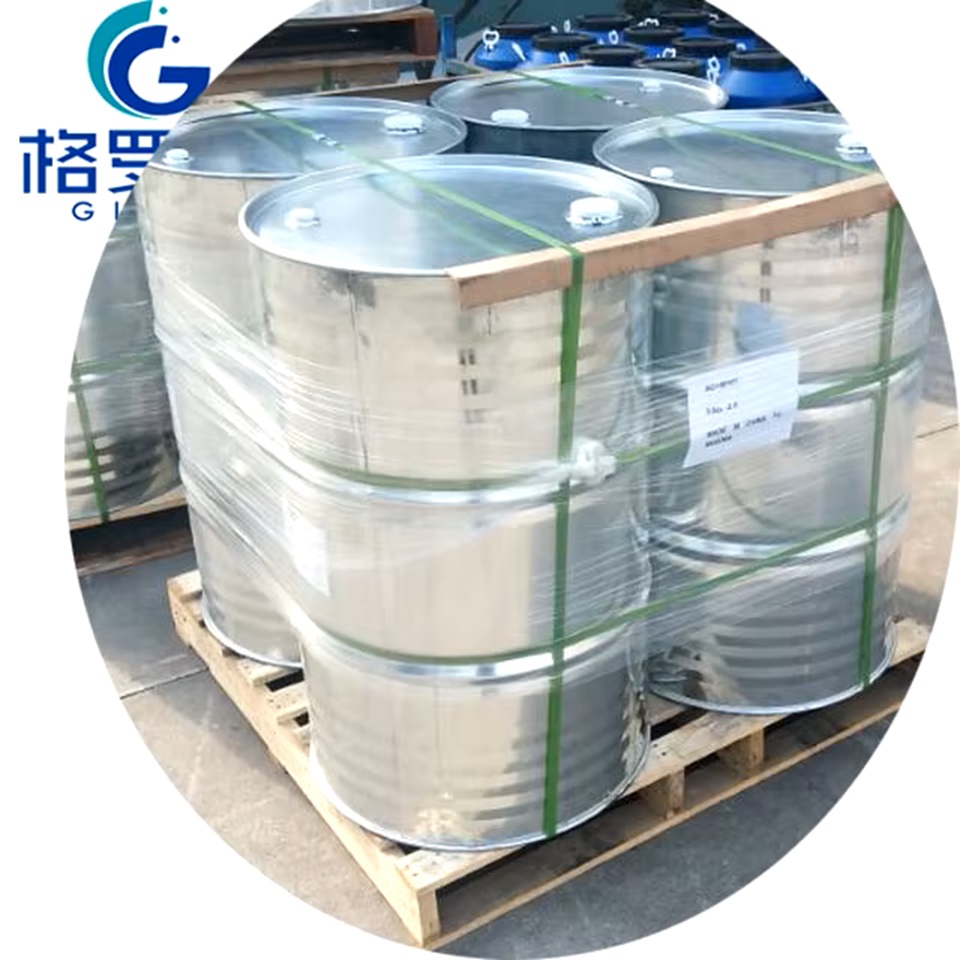
| Packaging Options | 180 kg drums, 1000 kg IBC, flexibag, bulk (road/rail tanker) |
11. SAFETY & HEALTH INFORMATION
GHS Classification
| Hazard Class | Category |
|---|---|
| Skin Irritation | Category 2 (Causes skin irritation) |
| Eye Irritation | Category 2 (Causes serious eye irritation) |
| Specific Target Organ Toxicity | Category 3 (Respiratory irritation) |
| Aquatic Toxicity | Category 3 (Harmful to aquatic life) |
Hazard Statements (H-Codes)
| Code | Statement |
|---|---|
| H315 | Causes skin irritation |
| H319 | Causes serious eye irritation |
| H335 | May cause respiratory irritation |
| H412 | Harmful to aquatic life with long-lasting effects |
Precautionary Statements (P-Codes)
| Code | Statement |
|---|---|
| P261 | Avoid breathing mist/vapors |
| P264 | Wash thoroughly after handling |
| P273 | Avoid release to the environment |
| P280 | Wear protective gloves and eye protection |
| P302+P352 | IF ON SKIN: Wash with plenty of water |
| P305+P351+P338 | IF IN EYES: Rinse cautiously with water for several minutes |
First Aid Measures
| Exposure Route | Action |
|---|---|
| Inhalation | Remove to fresh air. Seek medical attention if respiratory irritation occurs. |
| Skin Contact | Wash with plenty of water and soap. Remove contaminated clothing. |
| Eye Contact | Rinse immediately with plenty of water for at least 15 minutes. Seek medical attention. |
| Ingestion | Rinse mouth. Do NOT induce vomiting. Seek medical attention if large amount ingested. |
Toxicological Information
| Parameter | Value |
|---|---|
| Oral LD50 (rat) | > 2,000 mg/kg (estimated) |
| Skin Irritation | Mild to moderate irritant |
| Eye Irritation | Moderate irritant |
12. ENVIRONMENTAL INFORMATION
| Parameter | Information |
|---|---|
| Biodegradability | Readily biodegradable (OECD 301) but slower than linear alcohols |
| Aquatic Toxicity | H412 – Harmful to aquatic life with long-lasting effects |
| Bioaccumulation | Low to moderate potential |
| Waste Disposal | Dispose according to local regulations. Incinerate or recover if possible. |
13. REGULATORY INFORMATION
| Region | Status |
|---|---|
| EU | REACH registered (CAS 27458-92-0 and 68526-86-3) |
| USA (TSCA) | Listed |
| Turkey (KKDIK) | Compliant with local chemical regulations |
| EINECS | 248-469-2 |
| HS Code | 2905.19 (Saturated monohydric alcohols) |
14. TRANSPORT INFORMATION
| Parameter | Information |
|---|---|
| UN Number | Not regulated (not classified as dangerous goods for transport) |
| Hazard Class | None |
| Packing Group | Not applicable |
| Marine Pollutant | No |
15. OTHER NAMES & SYNONYMS
| Name | Description |
|---|---|
| Isotridecanol | IUPAC name |
| Isotridecyl alcohol | Common name |
| Oxotridecyl alcohol | Process-derived name |
| Exxal 13 | ExxonMobil trade name |
| 11-methyldodecan-1-ol | Specific isomer name |
| 11-Methyl-1-dodecanol | Alternative isomer name |
| Alcohols, C11-14-iso-, C13-rich | CAS 68526-86-3 description |
Database Identifiers:
-
CAS (1): 27458-92-0
-
CAS (2): 68526-86-3
-
EC: 248-469-2
-
MDL: MFCD01754725
-
PubChem CID: 202106
16. SUMMARY
Isotridecanol (Isotridecyl Alcohol, CAS 27458-92-0 / 68526-86-3) is a branched-chain synthetic fatty alcohol produced via the Oxo process. It is primarily used as a raw material for non-ionic and anionic surfactants.
Key Features:
| Feature | Description |
|---|---|
| Structure | Branched C13 primary alcohol |
| Appearance | Colorless clear liquid |
| Boiling Point | 260.8 °C |
| Flash Point | 105.5 °C |
| Water Solubility | Very low (2 mg/L) – hydrophobic |
| HLB (Derivatives) | 8-18 (depending on ethoxylation degree) |
Main Application Areas:
| Sector | Applications |
|---|---|
| Surfactant Production | Ethoxylates, sulfates, phosphates, ether carboxylates |
| Detergents & Cleaners | Industrial cleaners, metal degreasers, high-performance cleaners |
| Emulsifiers | Agricultural, industrial, paint emulsions |
| Metalworking Fluids | Lubricants, hydraulic fluids, cutting fluids |
| Personal Care | Emollients, conditioning agents, emulsifiers |
17. IMPORTANT NOTES
-
Branched vs Linear: Isotridecanol is a branched-chain alcohol. This branching provides superior wetting and low foaming properties compared to linear alcohols, making it ideal for industrial cleaners and rinse aids.
-
Primary Use: Over 80% of isotridecanol is used to produce non-ionic surfactants (ethoxylates) and anionic surfactants (ether sulfates, phosphates).
-
Oxo Process Product: Isotridecanol is produced from propylene via the Oxo (hydroformylation) process, making it a synthetic (petrochemical) alcohol, not a natural fatty alcohol.
-
Two CAS Numbers: The product is available in two forms:
-
27458-92-0: High purity isotridecanol
-
68526-86-3: C11-14 iso-alcohol blend (C13-rich, commercial grade)
-
-
Low Water Solubility: With a water solubility of only 2 mg/L at 20°C, isotridecanol itself is highly hydrophobic. Its derivatives (ethoxylates) are water-soluble.
-
Biodegradability: While isotridecanol and its derivatives are biodegradable, branched chain alcohols degrade more slowly than linear alcohols. This should be considered for environmentally sensitive applications.
-
Cold Temperature Performance: Branched isotridecanol remains liquid at lower temperatures compared to linear C13 alcohol, providing better handling in cold environments.
-
Low Foam Advantage: Ethoxylates derived from isotridecanol produce less stable foam than linear alcohol ethoxylates, which is advantageous for rinse aids, industrial cleaning, and high-performance detergents.
Important Disclaimer: This Technical Data Sheet (TDS) is for informational purposes only. For complete safety, handling, storage, and regulatory compliance information, always refer to the official Safety Data Sheet (SDS) provided by the manufacturer/supplier.