We unleash your business potential by maximize the business innovation.
Send EmailHydrochloric Acid, Chlorohydric Acid, Hydrogen Chloride, HCL, Muriatic Acid, Technical, Medicinal, 7647-01-0
Hydrochloric Acid (HCl) – Product Information
General Description
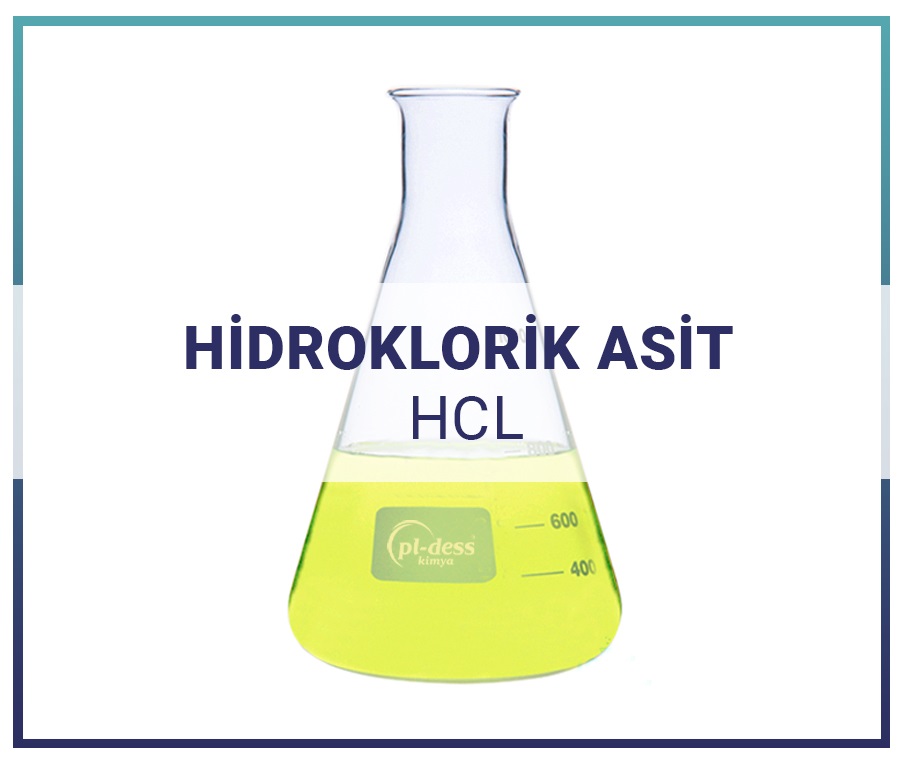
Hydrochloric acid (HCl), commonly known as Muriatic Acid or Spirit of Salt, is a strong inorganic acid widely used in industrial and laboratory applications. It is a colorless to slightly yellow liquid with a sharp, pungent odor and highly corrosive properties.
Chemical Data
-
Chemical Name: Hydrochloric Acid
-
Other Names: Muriatic Acid, Hydrogen Chloride, Chlorohydric Acid
-
Formula: HCl
-
Molecular Weight: 36.46 g/mol
-
CAS Number: 7647-01-0
-
Density (aqueous solution): 1.18 g/cm³
-
Boiling Point (HCl gas): -85 °C
-
Melting Point (HCl gas): -114 °C
-
Solubility: Highly soluble in water, ethanol, methanol, and ether
Physical Properties
-
Appearance: Clear to light yellow liquid
-
Odor: Sharp, irritating
-
Non-flammable but strongly corrosive
-
Vapors are heavier than air
Production
Industrial production involves combining hydrogen and chlorine gases, yielding hydrogen chloride, which is dissolved in water to form hydrochloric acid. It is also obtained as a by-product in PVC, Teflon, and other chlorinated chemical manufacturing processes.
Packaging
-
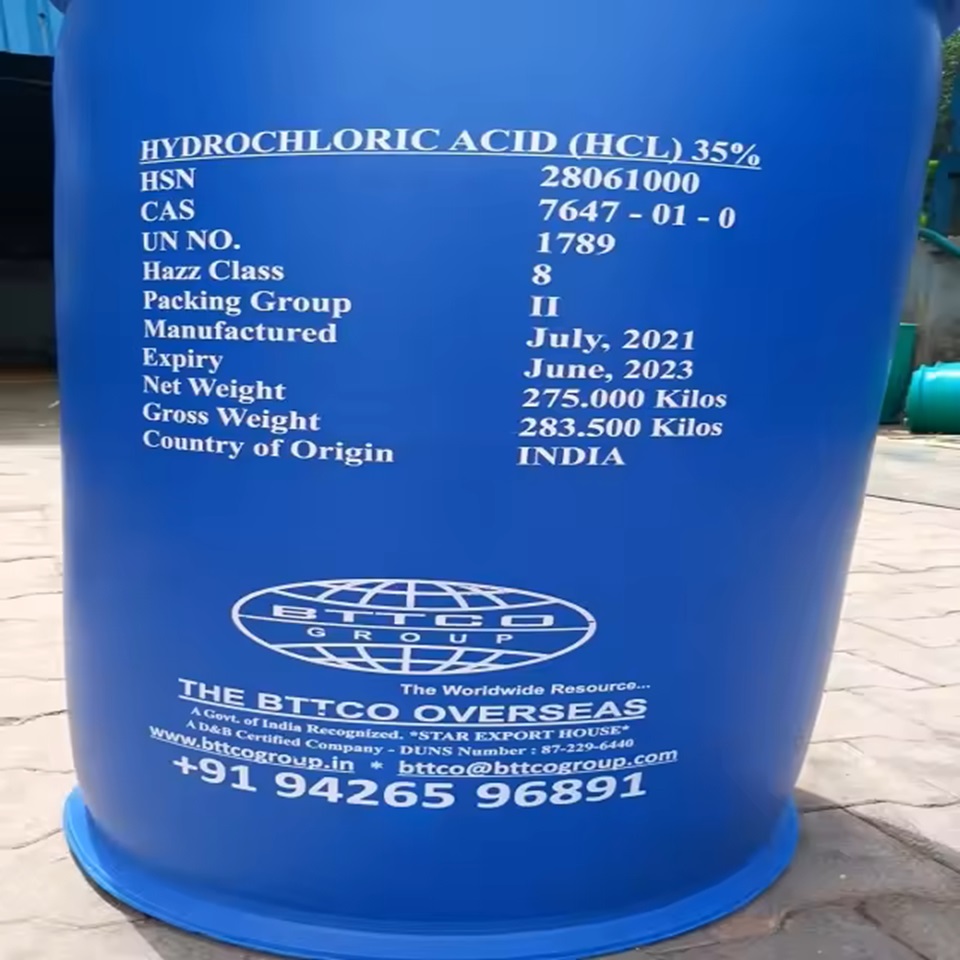
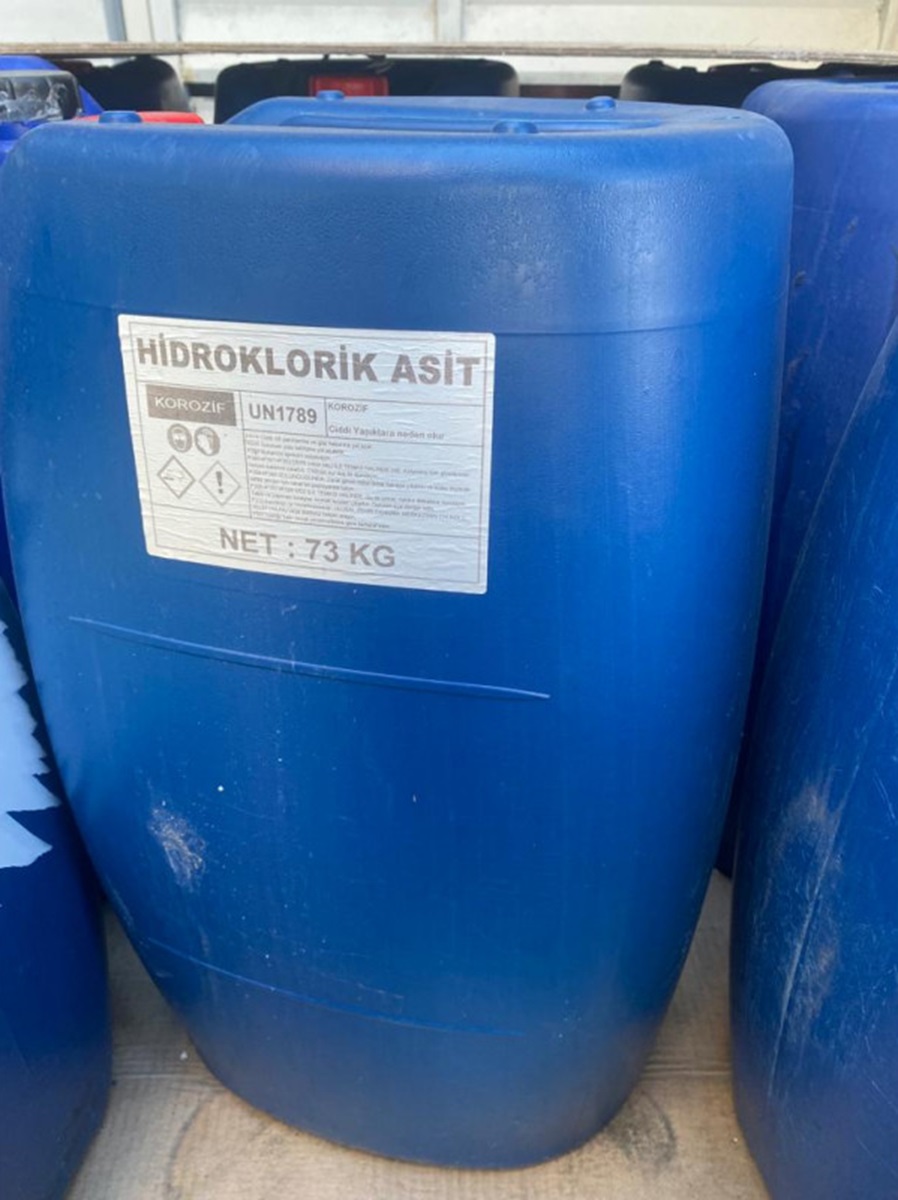
75 kg drums
-
1200 kg IBC containers
-
20-ton tankers
Applications
-
Metal Treatment: Steel pickling, rust and oxide removal
-
Chemical Industry: PVC, vinyl chloride, polycarbonate production
-
Food Industry: Acidity regulator (E507)
-
Water Treatment: pH adjustment, ion-exchange resin regeneration
-
Petroleum & Gas: Dissolving carbonate deposits in wells
-
Laboratories: pH control, titration, aqua regia preparation
-
Other Uses: Leather tanning, textile processing, sugar refining, industrial cleaning
Health & Safety
-
Hazards: Highly corrosive and toxic
-
Exposure Risks: Skin burns, eye damage, respiratory irritation
-
Precautions:
-
Use protective equipment (gloves, goggles, face shield, apron)
-
Ensure proper ventilation
-
In case of contact, rinse immediately with plenty of water and seek medical attention
-
Environmental Impact
Hydrochloric acid can alter water pH and harm aquatic ecosystems if released. Strict handling and spill-prevention measures are required.
Regulations
-
CLP Regulation: Classification and labeling of hazardous chemicals
-
REACH Regulation: Risk assessment and management
-
ISO & TSE Standards: Quality and safety compliance
Hydrochloric Acid (HCl)
How It Is Produced
-
Direct Synthesis: Hydrogen gas reacts with chlorine gas in an exothermic reaction, forming hydrogen chloride (HCl). This gas is then dissolved in water to produce hydrochloric acid.
-
By-Product Method: Hydrochloric acid is also obtained as a by-product during large-scale chemical processes such as chlorination (e.g., PVC, Teflon, perchloroethylene production).
-
Electrolysis Route: Electrolysis of sodium chloride (brine) generates hydrogen and chlorine, which are combined to form HCl gas, later absorbed in water.
Sectoral Suitability Table
| Sector | Application |
|---|---|
| Metallurgy | Steel pickling, rust removal, oxide cleaning |
| Chemical Industry | PVC, vinyl chloride, polycarbonate, pigments, pharmaceuticals |
| Food Industry | Acidity regulator (E507), sugar refining, starch hydrolysis |
| Water Treatment | pH adjustment, ion-exchange resin regeneration |
| Petroleum & Gas | Well acidizing, carbonate/kalk deposit removal |
| Textile & Leather | Protein hydrolysis, tanning, cleaning |
| Construction | Surface cleaning, stone/marble treatment |
| Laboratories | pH control, titration, aqua regia preparation |
Types of Hydrochloric Acid
-
Technical Grade: Used in industrial processes (steel pickling, chemical synthesis).
-
Reagent Grade: High-purity acid for laboratory and analytical applications.
-
Food Grade (E507): Approved for use in food processing as an acidity regulator.
-
Diluted Solutions (Tuz Ruhu): Household cleaning products, typically 1–5% concentration.
-
Concentrated Industrial Solutions: Commercial production usually ranges between 33–37% HCl.