We unleash your business potential by maximize the business innovation.
Send EmailSalicylic Acid, Ortho Hydroxy Benzoic Acid, 69-72-7
Salicylic Acid
1. Product Identity
| Property | Details |
|---|---|
| Product Name | Salicylic Acid |
| CAS Number | 69-72-7 |
| EINECS Number | 200-712-3 |
| Molecular Formula | C₇H₆O₃ |
| Molecular Weight | 138.12 g/mol |
| Chemical Name | 2-Hydroxybenzoic acid |
| Other Names | ortho-Hydroxybenzoic acid, o-Hydroxybenzoic acid, Phenol-2-carboxylic acid, Salicylate |
2. Synonyms and Other Names
Scientific and Chemical Names
-
2-Hydroxybenzoic acid
-
o-Hydroxybenzoic acid
-
ortho-Hydroxybenzoic acid
-
Benzoic acid, 2-hydroxy-
-
Phenol-2-carboxylic acid
-
2-Hydroxybenzenecarboxylic acid
-
2-Carboxyphenol
-
o-Carboxyphenol
Trade and Brand Names
-
Acne Treatment Products: Stri-Dex, Compound W, Freezone, Clear away Wart Remover, Duofil Wart Remover, Duoplant, Verrugon, Trans-Ver-Sal
-
Callus and Corn Products: Dr. Scholl's Wart Remover Kit, Dr. Scholl's Callus Removers, Dr. Scholl's Corn Removers, Advanced Pain Relief Callus Removers, Advanced Pain Relief Corn Removers
-
Skin Care Products: Ionil, Ionil Plus, Saligel, Salicylic Acid Soap
-
Pharmaceutical Products: Psoriacid-S-Stift, Salonil, Rutranex, Retarder W
-
Other Commercial Codes: 337, 380, 311, 51, 334, 171, K 557, K 537, NSC 180
-
Nanotechnology Products: Salvona Nanosal
MeSH and Database Identifiers
-
MeSH ID: D020156
3. Physical and Chemical Properties
| Property | Value |
|---|---|
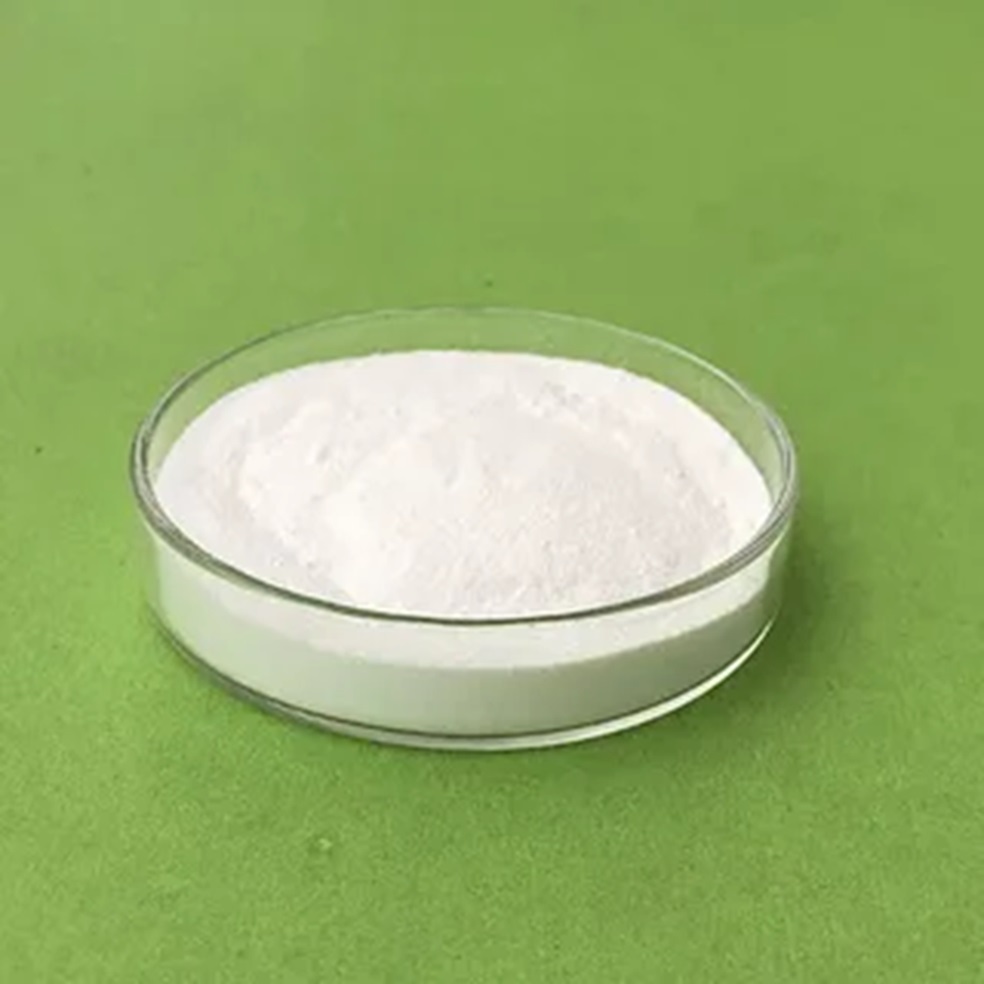
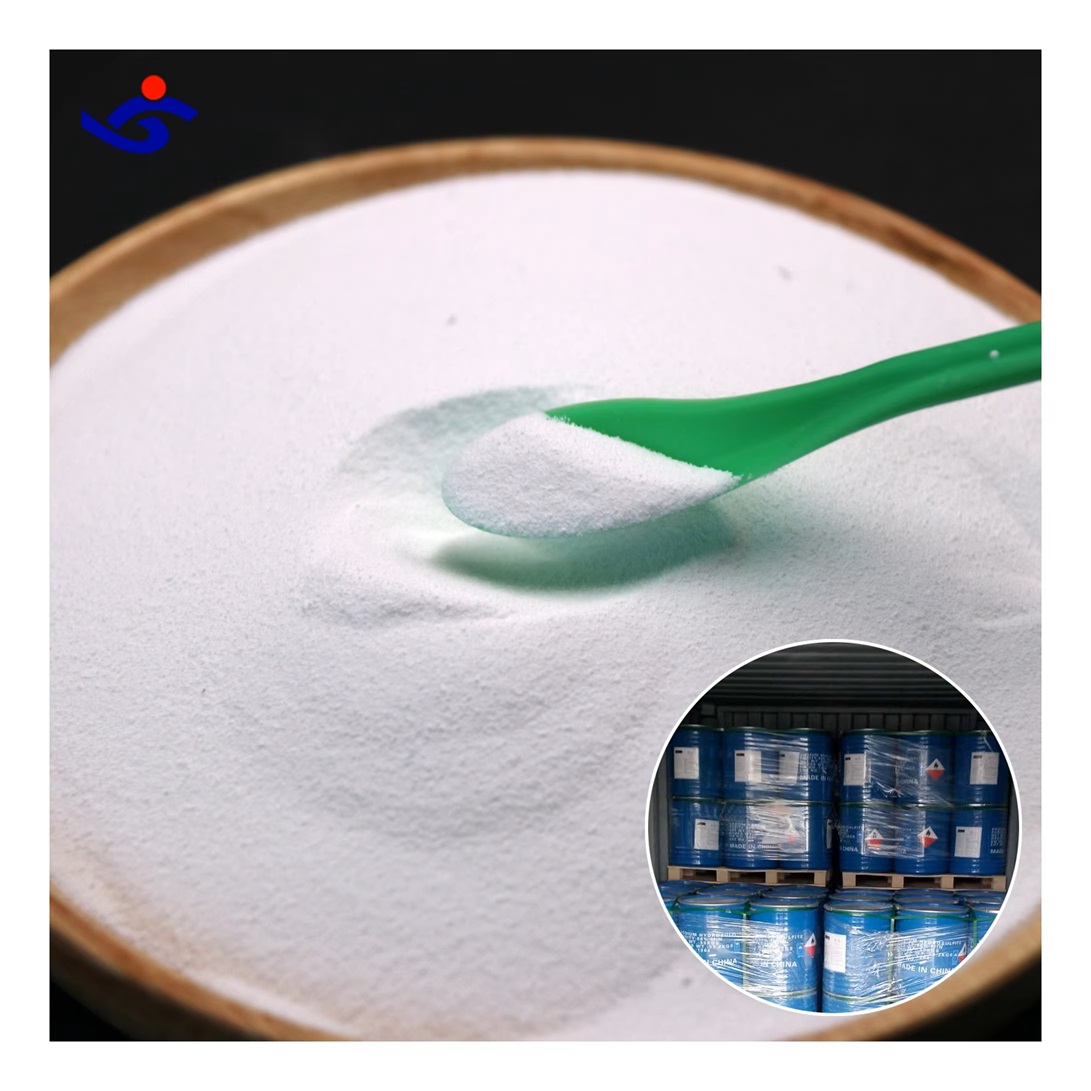
| Appearance | White crystals, needle-shaped crystals or powder form |
| Odor | Odorless |
| Color | White or off-white |
| Molecular Weight | 138.12 g/mol |
| Melting Point | 158-161 °C |
| Boiling Point | 211 °C (decomposes) |
| Density | 1.443 g/cm³ |
| Solubility in Water | 2.24 g/L at 25°C (limited solubility in water) |
| Solubility in Organic Solvents | Highly soluble in alcohol, ether, turpentine, and toluene |
| Stability | Generally stable, sensitive to light |
| Incompatibilities | Oxidizing agents, strong bases |
| Sublimation | Sublimes when heated |
| Thermal Decomposition | Decomposes into phenol and carbon dioxide upon rapid heating |
| Acidity | Possesses both phenolic and carboxylic acid properties |
4. Chemical Structure and Properties
Salicylic acid is an organic compound belonging to the beta hydroxy acid (BHA) class. Its structure contains both a phenolic hydroxyl (-OH) and a carboxyl (-COOH) group.
Beta Hydroxy Acid (BHA) Properties:
-
Lipid Solubility: Salicylic acid is lipid-soluble, allowing it to penetrate oily layers on the skin and clean pores deeply.
-
Keratolytic Effect: Helps epidermal cells shed more easily, promoting exfoliation.
-
Anti-inflammatory: Exhibits inflammation-reducing effects.
-
Antibacterial: Possesses topical antibacterial properties.
5. Natural Sources
Salicylic acid is a compound that occurs naturally in plants:
-
Willow Bark (Salix alba): The richest natural source. It has been used for centuries to treat various ailments.
-
Other Plant Sources: Green peppers, olives, mushrooms, tomatoes, radishes, chicory, cloves, and licorice root.
6. Production Method
Salicylic acid is commercially synthesized via the Kolbe-Schmitt Reaction:
Production Process:
-
Reaction: Sodium phenoxide (sodium phenolate) and carbon dioxide (CO₂) are mixed under high pressure.
-
Intermediate Formation: Sodium salicylate is formed as a result of the reaction.
-
Acidification: The resulting sodium salicylate is acidified using sulfuric acid (H₂SO₄).
-
Product Isolation: Salicylic acid is precipitated, purified, and crystallized.
Historical Production: Before the development of this method, it was obtained from willow bark. However, due to the inability to obtain high-purity products, synthetic production is now preferred.
7. Applications and Uses
Salicylic acid is a versatile chemical used across a wide spectrum, including medicine, cosmetics, agriculture, and industry.
7.1. Medical and Pharmaceutical Applications
| Application Area | Mechanism of Action and Usage |
|---|---|
| Acne Treatment | With its keratolytic effect, it clears dead cells clogging pores and inhibits bacteria. More effective antibiotics are obtained when used together with benzoyl peroxide. |
| Wart Treatment | Helps warts fall off by softening the skin. |
| Callus and Corn Treatment | Softens and sheds thickened skin through its keratolytic effect. |
| Psoriasis | Reduces scaling and thickening on the skin. |
| Seborrheic Dermatitis | Used for dandruff and oiliness problems. |
| Analgesic and Anti-inflammatory | Relieves pain and prevents inflammation by inhibiting the release of prostaglandin hormones from damaged cells. It is the active ingredient in Aspirin (acetylsalicylic acid) production. |
| Antiseptic | Used as an antiseptic for local cutin hyperplasia and skin fungal infections. |
| Skin Diseases | Applied topically in the treatment of various skin diseases. |
7.2. Cosmetics and Skin Care
| Product Type | Purpose of Use |
|---|---|
| Cleansers and Toners | Deeply cleanses the skin by opening pores in daily skin care routines. |
| Peeling Products (Chemical Peels) | Helps exfoliate dead skin cells, making the skin appear more vibrant and healthy. It is one of the most effective chemical peeling agents for acne treatment. |
| Serums | Contains high concentrations of salicylic acid, providing targeted solutions for specific skin concerns. |
| Lotions and Creams | Helps balance sebum production while moisturizing the skin. |
| Scalp Products (Shampoos) | Used in dandruff treatment; dissolves dead cells on the scalp, reducing dandruff formation. Acts as a preservative in hair curling and straightening formulations. |
| Wet Wipes | Used together with gluconolactone, sorbic acid, or potassium sorbate to inhibit bacterial growth. |
Usage According to Skin Types:
| Skin Type | Usage Pattern and Concentration |
|---|---|
| Oily and Acne-Prone Skin | Can be used 1-2 times daily. Cleans pores and removes excess oil. |
| Sensitive and Dry Skin | Should be used at lower concentrations and less frequently. Should be preferred together with soothing and moisturizing ingredients (glycerin, panthenol, allantoin). |
Concentration Levels:
| Concentration | Purpose of Use |
|---|---|
| 1% - 2% | Mild to moderate acne treatment |
| 3% - 5% | Severe acne treatment and serious skin conditions |
| Up to 30% | Professional chemical peel applications |
7.3. Industrial Applications
| Industry | Purpose of Use |
|---|---|
| Dye Industry | Production of mordant pure yellow, direct yellow GR, acid mordant yellow GG, direct brown 3GN, acid mordant brown G, and acid dye yellow complex. Used as a refining and chemical reagent. |
| Pesticide Production | In the synthesis of organophosphorus pesticide isocarbophos and 4-hydroxycoumarin. |
| Rubber Industry | As an anti-caking agent, UV absorber, and foaming agent. |
| Perfume and Fragrance Industry | In the preparation of methyl salicylate (wintergreen oil) and ethyl ester. |
| Leather Industry | As an acidity regulator due to its weak acid nature. It combines acidification and basification steps in leather tanning into a single process. |
| Boiler Cleaning | As an organic acid in industrial boiler cleaning, in the formation of corrosion inhibitors. |
| Chemical Synthesis | As an intermediate in various chemical reactions (production of Sodium Salicylate, Methyl Salicylate, Salicylic Acid Amine, Aspirin, Phenyl Salicylate). |
7.4. Agricultural Applications
| Application | Mechanism of Action |
|---|---|
| Plant Defense | Activates systemic acquired resistance (SAR) in plants against fungal, viral, and bacterial pathogens. |
| Photosynthesis Capacity | Can increase the photosynthesis capacity of plants by 10-20%. |
| Stress Tolerance | Increases plant resistance to extreme environmental factors such as drought and temperature. |
| Antioxidant System | Regulates the activity of antioxidant enzymes such as catalase, superoxide dismutase, and peroxidase in plants. |
7.5. Preservative and Antimicrobial Applications
| Application | Purpose of Use |
|---|---|
| Foot Bacteria | Used together with benzoic acid to prevent beriberi (athlete's foot). |
| Wet Wipes | Inhibits bacterial growth. |
| Food Preservative | Beneficial due to its antimicrobial properties. |
8. Salicylic Acid Derivatives
| Derivative | Application Area |
|---|---|
| Aspirin (Acetylsalicylic Acid) | Analgesic, antipyretic, anti-inflammatory |
| Methyl Salicylate (Wintergreen Oil) | Perfume, fragrance, topical analgesic |
| Sodium Salicylate | Analgesic |
| Phenyl Salicylate | Fungicide |
| Salicylanilide | Anti-mold agent |
| Salicylic Acid Amine | In various chemical syntheses |
9. Safety and Handling Precautions
| Hazard | Precaution |
|---|---|
| Skin Contact | May cause irritation at high concentrations. Use appropriate protective equipment. |
| Eye Contact | Irritating, rinse thoroughly with plenty of water in case of contact. |
| Ingestion | May be toxic, seek medical attention. |
| Sun Sensitivity | Skin becomes more sensitive to UV rays after salicylic acid use. Use high-protection sunscreen (SPF ≥ 30). |
| Dryness and Irritation | Excessive use may cause dryness, peeling, and redness. Use of moisturizer is recommended. |
| Incompatibilities | Strong oxidizing agents, strong bases. |
10. Frequently Asked Questions (FAQ)
Question 1: What is salicylic acid?
Answer: Salicylic acid is an organic compound belonging to the beta hydroxy acid (BHA) class, naturally found in willow bark, with anti-inflammatory, antiseptic, and keratolytic properties.
Question 2: How is salicylic acid effective in skin care?
Answer: Due to its lipid-soluble properties, it penetrates deep into the skin, clears dead cells clogging pores, removes excess oil, and prevents acne formation.
Question 3: For which skin problems is salicylic acid used?
Answer: It is used for many skin problems including acne, blackheads, warts, calluses, corns, psoriasis, seborrheic dermatitis, dandruff, and hyperpigmentation.
Question 4: What should be considered when using salicylic acid?
Answer: Start with low concentrations, use sunscreen, apply less frequently on sensitive skin, and avoid overuse.
Question 5: What is the relationship between salicylic acid and aspirin?
Answer: Aspirin (acetylsalicylic acid) is a derivative of salicylic acid. It is obtained by acetylating salicylic acid.
Question 6: Is salicylic acid safe for home use?
Answer: Low-concentration products (1-2%) are safe for home use. High-concentration products should be used under professional supervision.
Question 7: Can salicylic acid be used together with other skin care products?
Answer: Yes, but caution should be exercised when using with other active ingredients like retinol or benzoyl peroxide; consult a professional to prevent skin irritation.
Question 8: What are the side effects of salicylic acid?
Answer: Dryness, peeling, redness, mild irritation, and increased sensitivity to the sun.
11. Summary
Salicylic Acid (CAS: 69-72-7) is a versatile organic compound belonging to the beta hydroxy acid (BHA) class, found naturally in willow bark or produced synthetically via the Kolbe-Schmitt reaction. It appears as white crystalline powder, is slightly soluble in water, and highly soluble in alcohol and ether.
Key Properties:
-
Keratolytic (sheds dead skin cells)
-
Anti-inflammatory
-
Antiseptic and antibacterial
-
Comedolytic (unclogs pores)
-
Lipid-soluble (BHA characteristic)
Main Application Areas:
-
Medicine: Treatment of acne, warts, calluses, psoriasis, seborrheic dermatitis, and aspirin production
-
Cosmetics: Skin care products (cleansers, toners, peels, serums, creams, shampoos)
-
Industry: Dyes, pesticides, rubber, perfumes, leather, boiler cleaning
-
Agriculture: Plant defense, photosynthesis enhancement, stress tolerance
Safety: While safe at low concentrations, it can be irritating at high concentrations. Use of sunscreen after application is recommended.
Salicylic acid is an indispensable component across a wide range of fields from skincare to the pharmaceutical industry, from agriculture to chemical synthesis. Particularly with its efficacy in acne treatment and keratolytic properties, it is considered the gold standard in dermatology and the cosmetics sector.