We unleash your business potential by maximize the business innovation.
Send EmailHydrogen Peroxide, Perhydrol, Dioxidane, Oxydol, Superoxol, Dihydrogen Dioxide, 7722-84-1
HYDROGEN PEROXIDE (H₂O₂)
PRODUCT IDENTIFICATION INFORMATION
| Parameter | Information |
|---|---|
| Product Name | Hydrogen Peroxide |
| Chemical Name | Hydrogen Peroxide |
| Synonyms (Turkish) | Hidrojen Peroksit, Peroksit, Perhidrol, Hidroperoksit |
| Synonyms (English) | Hydrogen Peroxide, Perhydrol, Dioxidane, Oxydol, Superoxol, Dihydrogen Dioxide, Peroxide |
| CAS Number | 7722-84-1 |
| EC Number | 231-765-0 |
| Molecular Formula | H₂O₂ |
| Molecular Weight | 34.02 g/mol |
| Appearance | Colorless to pale blue liquid (pure); Colorless in solution |
| Odor | Slightly sharp, irritating odor |
CHEMICAL STRUCTURE
Hydrogen Peroxide Structure:
H—O—O—H
Structure Description:
-
Simple inorganic peroxide.
-
Contains an oxygen-oxygen single bond (peroxide bond).
-
Colorless to pale blue liquid (pure); colorless in aqueous solution.
-
Both oxidizing and reducing agent.
-
Partially unstable; decomposes to water and oxygen.
-
Has a slightly sharp, irritating odor.
SECTION 1: CHEMICAL IDENTITY AND DESCRIPTION
| Parameter | Information |
|---|---|
| Product Name | Hydrogen Peroxide |
| Chemical Name | Hydrogen Peroxide |
| Synonyms (Turkish) | Hidrojen Peroksit, Peroksit, Perhidrol, Hidroperoksit |
| Synonyms (English) | Hydrogen Peroxide, Perhydrol, Dioxidane, Oxydol, Superoxol, Dihydrogen Dioxide, Peroxide |
| CAS Number | 7722-84-1 |
| EC Number | 231-765-0 |
| Molecular Formula | H₂O₂ |
| Molecular Weight | 34.02 g/mol |
| Chemical Class | Inorganic peroxide; Oxidizing agent; Reducing agent |
| Source | Synthetic (Anthraquinone process) |
| Physical State (20°C) | Liquid |
| Odor | Slightly sharp, irritating odor |
| Color | Colorless to pale blue (pure); Colorless in solution |
SECTION 2: PHYSICAL AND CHEMICAL PROPERTIES
| Property | Value | Test Method / Note |
|---|---|---|
| Appearance | Colorless to pale blue liquid | Visual |
| Odor | Slightly sharp, irritating odor | Olfactometric |
| Molecular Weight | 34.02 g/mol | Calculated |
| Density (20°C) | 1.11 g/cm³ (35%); 1.20 g/cm³ (50%); 1.45 g/cm³ (70%) | ASTM D4052 |
| Melting Point | -0.43°C (pure); -33°C (35%); -52°C (50%) | – |
| Boiling Point | 150.2°C (pure); 108°C (35%); 114°C (50%) | – |
| Flash Point | Not flammable (but may support combustion) | – |
| Autoignition Temperature | Not applicable (decomposes) | – |
| Vapor Pressure (20°C) | ~1.9 mmHg (50%) | – |
| Solubility in Water | Miscible (in all proportions) | General Method |
| Solubility in Organic Solvents | Soluble in alcohols, ether; insoluble in hydrocarbons | General Method |
| pH (1% Solution) | ~4.0 – 6.0 (acidic) | pH Meter |
| Stability | Partially unstable; Decomposes to H₂O + O₂ | – |
| Oxidizing Properties | Strong oxidizer | – |
| Reducing Properties | Mild reducing agent | – |
| Bacteriostatic Effect | Inhibits bacterial growth | – |
| Heavy Metals (as Pb) | ≤ 10 ppm | AAS / ICP |
| Arsenic (As) | ≤ 2 ppm | AAS / ICP |
| Lead (Pb) | ≤ 2 ppm | AAS / ICP |
| Iron (Fe) | ≤ 5 ppm | AAS / ICP |
| Acidity (as H₂SO₄) | ≤ 0.05% | Titrimetric |
| Residue on Evaporation | ≤ 0.05% | Gravimetric |
| Assay (H₂O₂) | 20 – 70% (grade dependent) | Titrimetric (Permanganate) |
SECTION 3: HYDROGEN PEROXIDE CONCENTRATIONS & PROPERTIES
| Concentration | Boiling Point | Freezing Point | Density (g/cm³) | Primary Use |
|---|---|---|---|---|
| 3 – 10% | ~100-101°C | ~-1 to -5°C | ~1.01-1.04 | Medical antiseptic, disinfectant, hair care |
| 20 – 35% | ~105-108°C | ~-23 to -33°C | ~1.10-1.13 | Textile bleaching, water treatment, agriculture |
| 50% | ~114°C | ~-52°C | ~1.20 | Paper pulp bleaching, chemical synthesis, electronics |
| 60 – 70% | ~120-125°C | ~-60 to -70°C | ~1.24-1.29 | Industrial oxidation, rocket propellant (historical) |
SECTION 4: MECHANISM OF ACTION
| Property | Description |
|---|---|
| Oxidizing Agent | Strong oxidizer; Accepts electrons from other substances; Releases reactive oxygen species (ROS); Oxidizes organic and inorganic compounds; Breaks down colored compounds (bleaching). |
| Reducing Agent | Can act as a reducing agent in some reactions; Donates electrons to stronger oxidizers; Involved in redox reactions; Versatile chemical behavior. |
| Decomposition | Decomposes to water and oxygen: 2H₂O₂ → 2H₂O + O₂; Catalyzed by light, heat, and metal ions; Releases heat (exothermic); Produces oxygen gas. |
| Antimicrobial Action | Produces reactive oxygen species (ROS); Damages bacterial cell walls; Disrupts cellular proteins and DNA; Bacteriostatic and bactericidal; Effective against bacteria, viruses, and fungi. |
| Bleaching | Oxidizes colored compounds to colorless forms; Used in paper, textile, and hair bleaching; Breaks down chromophores (color-causing groups); Environmental-friendly alternative to chlorine. |
| Oxygen Generation | Decomposes to release oxygen gas; Used in oxygen generation systems; Used in aquaculture (oxygen supply); Used in rocket propulsion (historical). |
SECTION 5: PRODUCTION PROCESS
Industrial Production Method (Anthraquinone Process):
Process Flow:
Anthraquinone → Hydrogenation (Catalyst) → Anthrahydroquinone → Oxidation (Air) → Anthraquinone (recovered) + H₂O₂ → Extraction → Concentration (Distillation) → Final Product
Step-by-Step Description:
-
Hydrogenation: Anthraquinone is hydrogenated in the presence of a catalyst (palladium or nickel) to form anthrahydroquinone.
-
Oxidation: Anthrahydroquinone is oxidized with air (oxygen) to regenerate anthraquinone and produce hydrogen peroxide.
-
Extraction: Hydrogen peroxide is extracted into water.
-
Concentration: The aqueous solution is concentrated by distillation to achieve the desired commercial grade (20-70%).
-
Stabilization: Stabilizers are added to prevent decomposition.
-
Final Product: Hydrogen peroxide solutions of various concentrations are obtained.
Alternative Methods: Electrolytic process (less common), Isopropanol oxidation (historical).
SECTION 6: FUNCTIONAL PROPERTIES
| Property | Description |
|---|---|
| Oxidizer | Strong oxidizing agent; Used in bleaching, disinfection, and oxidation reactions; Releases oxygen and reactive species; Environmental-friendly (decomposes to water and oxygen). |
| Bleaching Agent | Oxidizes colored compounds; Used in paper pulp bleaching; Textile bleaching; Hair bleaching; Removes stains and discoloration. |
| Disinfectant | Broad-spectrum antimicrobial; Used in medical and dental applications; Water treatment; Surface disinfection; Kills bacteria, viruses, and fungi. |
| Chemical Intermediate | Used in production of sodium percarbonate, sodium perborate, and other peroxygen compounds; Used in chemical synthesis; Used in polymer production (initiator). |
| Oxygen Source | Decomposes to release oxygen gas; Used in aquaculture; Used in oxygen generation systems; Used in environmental remediation. |
| Pulp & Paper Processing | Bleaches chemical pulp; Replaces chlorine-based bleaching; Improves brightness; Reduces environmental impact. |
SECTION 7: MAIN APPLICATION AREAS
| Industry / Application | Function | Typical Use |
|---|---|---|
| Textile Industry | Bleaching, desizing, denim finishing | Fabric bleaching; Denim fading (stone wash effect); Desizing; Stain removal; Dosage: 20-35% concentration; Combined with sodium hydroxide or enzymes. |
| Paper & Pulp Industry | Bleaching, brightness enhancement | Pulp bleaching (chemical and mechanical); Replaces chlorine-based bleaching; Improves brightness; Dosage: 35-50% concentration; Used with other bleaching agents. |
| Water & Wastewater Treatment | Oxidation, disinfection | Drinking water treatment (ozone replacement); Wastewater treatment (COD reduction); Swimming pool disinfection; Cooling water treatment; Dosage: 20-50% concentration; Low ppm levels. |
| Medical & Pharmaceutical | Antiseptic, disinfectant | Wound cleaning (3% solution); Mouthwash (diluted); Ear drops; Pharmaceutical synthesis; Dosage: 3-10% concentration. |
| Cosmetics & Personal Care | Hair bleaching, tooth whitening | Hair lightening products; Tooth whitening strips and gels; Skin care (acne treatment); Dosage: 3-12% concentration. |
| Chemical Industry | Oxidizer, synthesis intermediate | Sodium percarbonate production; Sodium perborate production; Caprolactam synthesis (nylon); Epoxidation reactions; Polymerization initiator; Dosage: 50-70% concentration. |
| Agriculture | Disinfectant, water treatment | Drip irrigation system disinfection; Greenhouse sterilization; Seed treatment; Dosage: 20-35% concentration. |
| Electronics | Etching, cleaning | PCB etching; Copper surface cleaning; LCD manufacturing; Semiconductor cleaning; Dosage: 50-70% concentration. |
| Construction | Concrete additive, retarder | Concrete set retarder; Cement additive; Dosage: 30-50% concentration. |
| Energy & Aerospace | Rocket propellant (historical) | Historical rocket fuel (high concentration); Future clean energy applications; Dosage: 70%+ concentration. |
| Environmental Remediation | Soil and groundwater treatment | In-situ chemical oxidation (ISCO); Contaminated soil treatment; Groundwater remediation; Dosage: 20-50% concentration. |
SECTION 8: SAMPLE FORMULATIONS
Dilute Disinfectant Solution (3%):
| Component | Amount |
|---|---|
| Hydrogen Peroxide (35% stock) | 8.6 mL |
| Water (Purified) | To 100 mL |
Instructions: Dilute 35% hydrogen peroxide with purified water to achieve a 3% solution; Use for wound cleaning or surface disinfection; Store in a light-protected container.
Textile Bleaching Bath:
| Component | Amount |
|---|---|
| Hydrogen Peroxide (35%) | 10 – 30 mL/L |
| Sodium Hydroxide (NaOH) | 2 – 5 g/L |
| Stabilizer | As required |
| Water | To 1000 mL |
Instructions: Add hydrogen peroxide, sodium hydroxide, and stabilizer to water; Heat to 60-90°C; Immerse fabric; Bleach for 30-90 minutes; Rinse thoroughly.
SECTION 9: QUALITY SPECIFICATIONS
| Parameter | Technical Grade (35%) | Pharmaceutical Grade (3%) | Food Grade (35%) | Test Method |
|---|---|---|---|---|
| Appearance | Colorless liquid | Colorless liquid | Colorless liquid | Visual |
| Assay (H₂O₂) | 35.0 – 36.0% | 2.5 – 3.5% | 35.0 – 36.0% | Titrimetric (Permanganate) |
| Acidity (as H₂SO₄) | ≤ 0.05% | ≤ 0.01% | ≤ 0.03% | Titrimetric |
| Residue on Evaporation | ≤ 0.05% | ≤ 0.01% | ≤ 0.02% | Gravimetric |
| Heavy Metals (as Pb) | ≤ 10 ppm | ≤ 5 ppm | ≤ 5 ppm | AAS / ICP |
| Iron (Fe) | ≤ 5 ppm | ≤ 2 ppm | ≤ 2 ppm | AAS / ICP |
| Arsenic (As) | ≤ 2 ppm | ≤ 1 ppm | ≤ 1 ppm | AAS / ICP |
| Lead (Pb) | ≤ 2 ppm | ≤ 1 ppm | ≤ 1 ppm | AAS / ICP |
| Stabilizer Content | As specified | As specified | As specified | HPLC |
SECTION 10: TOXICOLOGICAL PROFILE
| Parameter | Value |
|---|---|
| Acute Oral Toxicity (LD50, Rat) | ~ 1,500 – 2,000 mg/kg (moderate toxicity) |
| Acute Dermal Toxicity | Low toxicity; May cause mild irritation |
| Skin Irritation | Irritant (concentrated solutions); May cause burns |
| Eye Irritation | Severe irritant; May cause corneal damage |
| Inhalation Toxicity | Vapors may cause respiratory irritation |
| Chronic Toxicity | Repeated exposure may cause skin sensitization |
| Carcinogenicity | Not classified as carcinogenic |
| Mutagenicity | Not mutagenic |
| Reproductive Toxicity | No reproductive toxicity at normal levels |
| Environmental Toxicity | Low toxicity; Decomposes to water and oxygen; Biodegradable; Safe for environment |
| Special Toxicity Note | Corrosive to skin and eyes at high concentrations; May cause severe burns; Decomposition releases oxygen (can support combustion); Handle with appropriate PPE; Dilute solutions (3%) are safe for topical use; Ingesting concentrations >10% can be harmful. |
SECTION 11: GHS CLASSIFICATION AND LABELING
GHS Classification (in accordance with CLP and UN GHS) - Concentrations > 8%:
| Hazard Class | Category | H-Statement |
|---|---|---|
| Oxidizing Liquids | Category 1 | H271 |
| Skin Corrosion/Irritation | Category 1A | H314 |
| Serious Eye Damage | Category 1 | H318 |
| Acute Toxicity (Oral) | Category 4 | H302 |
| Specific Target Organ Toxicity (Single) | Category 3 | H335 |
Signal Word: DANGER
Hazard Pictograms: GHS03 (Flame Over Circle), GHS05 (Corrosive), GHS07 (Exclamation Mark)
Hazard Statements (H-Codes):
| Code | Statement |
|---|---|
| H271 | May cause fire or explosion; strong oxidizer |
| H302 | Harmful if swallowed |
| H314 | Causes severe skin burns and eye damage |
| H318 | Causes serious eye damage |
| H335 | May cause respiratory irritation |
NFPA 704 Hazard Classification:
| Health | Flammability | Reactivity | Special |
|---|---|---|---|
| 2 | 0 | 1 | OX |
| (Moderate health hazard) | (Non-flammable) | (Mild reactivity) | (Oxidizer) |
SECTION 12: PRECAUTIONARY STATEMENTS (P-CODES)
| Code | Statement |
|---|---|
| P210 | Keep away from heat/sparks/open flames/hot surfaces — No smoking |
| P220 | Keep away from clothing and other combustible materials |
| P234 | Keep only in original container |
| P260 | Do not breathe dust/fume/gas/mist/vapors/spray |
| P264 | Wash hands thoroughly after handling |
| P270 | Do not eat, drink, or smoke when using this product |
| P280 | Wear protective gloves/protective clothing/eye protection/face protection |
| P301+P330+P331 | IF SWALLOWED: Rinse mouth. Do NOT induce vomiting |
| P303+P361+P353 | IF ON SKIN (or hair): Take off immediately all contaminated clothing. Rinse skin with water/shower |
| P304+P340 | IF INHALED: Remove person to fresh air and keep comfortable for breathing |
| P305+P351+P338 | IF IN EYES: Rinse cautiously with water for several minutes. Remove contact lenses if present and continue rinsing |
| P310 | Immediately call a POISON CENTER/doctor |
| P363 | Wash contaminated clothing before reuse |
| P403+P233 | Store in a well-ventilated place. Keep container tightly closed |
| P501 | Dispose of contents/container in accordance with local/regional/national/international regulations |
SECTION 13: FIRST AID MEASURES
| Exposure Route | Action to Take |
|---|---|
| Inhalation | Remove to fresh air immediately. If respiratory irritation develops, seek medical attention. |
| Skin Contact | Immediately remove contaminated clothing. Rinse with plenty of water for at least 15 minutes. Get immediate medical attention. |
| Eye Contact | Immediately rinse with plenty of water for at least 15 minutes. Keep eyelids open. Remove contact lenses if present. Get immediate medical attention. |
| Ingestion | DO NOT INDUCE VOMITING. Rinse mouth. Drink plenty of water (only if conscious). Get immediate medical attention. |
SECTION 14: FIREFIGHTING MEASURES
| Parameter | Information |
|---|---|
| Fire Hazard | Not flammable but is a strong oxidizer. Will support and accelerate combustion. |
| Hazards Arising from Fire | Thermal decomposition produces oxygen (O₂), which supports combustion; May explode if heated in confined spaces. |
| Suitable Extinguishing Media | Water spray (large quantities), water fog, foam, dry chemical powder. |
| Unsuitable Extinguishing Media | CO₂ (may be ineffective), water jet (may spread burning material) |
| Special Protective Equipment | Self-contained breathing apparatus (SCBA), full protective clothing, firefighting goggles. |
| Special Precautions | Evacuate area; Prevent fire-fighting water from entering waterways; Cool fire-exposed containers with water spray; Avoid mixing with combustible materials during fire fighting. |
SECTION 15: STORAGE AND SHELF LIFE
| Parameter | Information |
|---|---|
| Storage Conditions | Store in a cool, dry, well-ventilated area; PROTECT FROM LIGHT, HEAT, and CONTAMINATION; Keep away from direct sunlight and high temperatures. |
| Container Requirements | Tightly closed, light-protected containers (HDPE, stainless steel, coated aluminum, special plastics). |
| Materials to Protect From | Light, heat, metals (iron, copper, manganese, chromium), combustible materials, reducing agents |
| Shelf Life | 6 – 24 months (depending on concentration and storage conditions). |
| Stability Note | Partially unstable; Decomposes to water and oxygen; Catalyzed by light, heat, and metal ions; Use stabilizers for long-term storage; Ventilation required (oxygen release). |
| Special Storage Requirements | Store in a cool, dark, well-ventilated area; Avoid exposure to sunlight and heat; Use vented caps to release oxygen; Keep away from combustibles; Regular inspection of containers. |
SECTION 16: PACKAGING OPTIONS
| Packaging Type | Quantity | Material |
|---|---|---|
| HDPE Bottle | 100 mL, 500 mL, 1 L, 5 L | HDPE (light-protected, vented) |
| HDPE Drum | 10 L, 20 L, 25 L, 50 L | HDPE (vented, chemical-resistant) |
| Stainless Steel Drum | 50 L, 100 L, 200 L | Stainless steel (304/316) |
| Coated Aluminum Drum | 50 L, 100 L, 200 L | Aluminum with special coating |
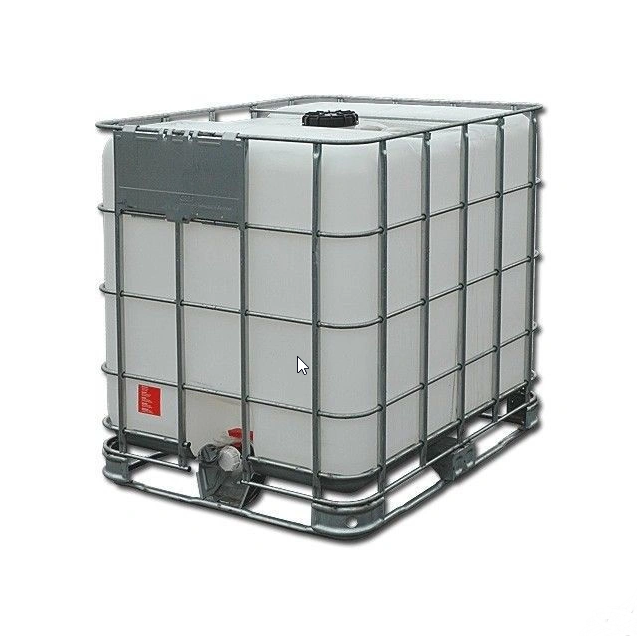
| IBC Container | 500 L, 1000 L | HDPE or stainless steel IBC |
| Tank Container | 10,000 – 25,000 L | Stainless steel (316L) |
SECTION 17: TRANSPORT INFORMATION
| Parameter | Information |
|---|---|
| UN Number | UN 2014 (Hydrogen Peroxide, Aqueous Solution, 20-60%) / UN 2015 (Hydrogen Peroxide, >60%) |
| Hazard Class | Class 5.1 - Oxidizing Substances |
| Packing Group | II (20-60%) / I (>60%) |
| ADR/RID | Class 5.1; UN 2014/2015; Packing Group II/I |
| IMDG Code | Class 5.1; UN 2014/2015; Marine pollutant: No |
| IATA (Air) | Class 5.1; UN 2014/2015; Packing Group II/I |
| Transport Label | Oxidizer (Class 5.1) |
| Marine Pollutant | No |
| Special Transport Requirements | Segregation from combustibles and reducing agents; Ventilation required; Temperature control recommended; Secure from unauthorized access. |
SECTION 18: REGULATORY STATUS
| Region / Authority | Status |
|---|---|
| European Union | REACH registered; Regulated as oxidizing substance; Approved for food, pharmaceutical, and industrial use. |
| USA (TSCA) | Listed (TSCA Inventory) |
| USA (FDA) | GRAS (Generally Recognized as Safe) for food contact; Approved for food processing (sanitizer); 21 CFR 184.1366; Approved for pharmaceutical use. |
| Turkey | Regulated as hazardous chemical; Subject to KKDIK regulation; Ministry of Environment, Health, and Agriculture controls; Storage and transportation permits required for high concentrations. |
| EFSA | Approved for food use (food additive E for food contact); Approved as disinfectant. |
| JECFA | Approved; Specifications included; ADI: 0-0.5 mg/kg (for food use). |
| IARC | Not classified (non-carcinogenic) |
| NTP | Not listed |
| OSHA | Regulated as oxidizer and corrosive; PEL: 1 ppm (TWA). |
| California (Prop 65) | Not listed |
SECTION 19: OTHER NAMES AND SYNONYMS
| Type | Name |
|---|---|
| Turkish Names | Hidrojen Peroksit, Peroksit, Perhidrol, Hidroperoksit |
| English Names | Hydrogen Peroxide, Perhydrol, Dioxidane, Oxydol, Superoxol, Dihydrogen Dioxide, Peroxide |
| CAS Number | 7722-84-1 |
| EC Number | 231-765-0 |
| HS Code | 2847.00 |
SECTION 20: SUMMARY TABLE
| Parameter | Value |
|---|---|
| Product | Hydrogen Peroxide (H₂O₂) |
| CAS Number | 7722-84-1 |
| Molecular Formula | H₂O₂ |
| Molecular Weight | 34.02 g/mol |
| Appearance | Colorless to pale blue liquid |
| Odor | Slightly sharp, irritating |
| Density (35%) | 1.11 g/cm³ |
| Boiling Point (35%) | 108°C |
| Freezing Point (35%) | -33°C |
| Primary Functions | Oxidizer, bleach, disinfectant, chemical intermediate |
| Main Application Areas | Textile, paper, water treatment, medical, cosmetics, chemical, agriculture, electronics |
| Shelf Life | 6 – 24 months |
| GHS Signal Word | DANGER |
| UN Number | 2014 (20-60%) / 2015 (>60%) |
| Hazard Class | Class 5.1 (Oxidizer) |
| Packing Group | II / I |
| Special Properties | Strong oxidizer; Decomposes to water + oxygen; Both oxidizing and reducing agent; Environmentally friendly; Versatile application; Partially unstable; Corrosive at high concentrations. |
SECTION 21: CRITICAL WARNINGS AND BEST PRACTICES
CRITICAL WARNINGS:
-
STRONG OXIDIZER (H271): Will intensify fire and support combustion. KEEP AWAY FROM COMBUSTIBLE MATERIALS.
-
CORROSIVE (H314, H318): Causes severe skin burns and eye damage at high concentrations. PERSONAL PROTECTIVE EQUIPMENT IS MANDATORY.
-
HARMFUL IF SWALLOWED (H302): Avoid ingestion; Use appropriate safety measures.
-
MAY CAUSE RESPIRATORY IRRITATION (H335): Avoid inhalation of vapors/mists.
-
DECOMPOSES EXOTHERMICALLY: Releases oxygen and heat; Can cause pressure build-up in closed containers. USE VENTED CONTAINERS.
-
PHOTOSENSITIVE: Decomposes in sunlight; Protect from light.
-
METAL CATALYSTS: Decomposes in contact with metals (Fe, Cu, Mn, Cr, etc.); Use appropriate materials (HDPE, stainless steel, glass).
-
PARTIALLY UNSTABLE: Decomposes over time; Use stabilizers; Monitor concentration.
-
ENVIRONMENTALLY FRIENDLY: Decomposes to water and oxygen; Safe for the environment.
-
VERSATILE: Wide range of applications across many industries.
BEST PRACTICE RECOMMENDATIONS:
-
Textile Industry: Use as bleaching agent; Dosage: 10-30 mL/L (35%); Combine with sodium hydroxide; Use at 60-90°C for 30-90 minutes; Rinse thoroughly after bleaching.
-
Paper & Pulp Industry: Use as bleaching agent; Dosage: 35-50% concentration; Replace chlorine-based bleaching; Improves brightness; Used in chemical and mechanical pulp.
-
Water Treatment: Use as oxidizer and disinfectant; Dosage: Low ppm levels (drinking water); Higher concentrations (wastewater COD reduction); Test residual before discharge.
-
Medical & Pharmaceutical: Use as antiseptic (3% solution); Wound cleaning; Mouthwash (diluted); Use sterile grade; Follow pharmaceutical standards.
-
Cosmetics: Use as hair bleach and tooth whitener; Dosage: 3-12%; Use appropriate concentrations for the application; Rinse thoroughly.
-
Chemical Industry: Use as oxidizer and synthesis intermediate; Dosage: 50-70% for chemical synthesis; Use stabilizers; Follow safety protocols for handling strong oxidizers.
-
Agriculture: Use for drip irrigation disinfection; Dosage: 20-35%; Apply in irrigation water; Prevents biofilm and microbial growth.
-
Electronics: Use for PCB etching and cleaning; Dosage: 50-70%; Use with appropriate etching solutions; Handle in well-ventilated areas.
-
Handling: Use in well-ventilated areas; Avoid inhalation of vapors/mists; Use eye protection and gloves; Avoid contact with skin and eyes; Use vented containers; Do not seal tightly (oxygen release).
-
Personal Protective Equipment: MANDATORY: Chemical-resistant gloves (nitrile, butyl), safety goggles or face shield, protective clothing (PVC or neoprene), chemical-resistant apron, vapor/gas respirator (for high concentrations).
-
Hygiene: Wash hands thoroughly after handling; Do not eat, drink, or smoke while using; Remove contaminated clothing and wash before reuse.
-
Storage: Store in tightly closed, light-protected, vented containers; Store in cool, dry, well-ventilated area; Protect from light and heat; Keep away from combustible materials; Avoid contact with metals; Opened containers must be resealed immediately; Shelf life: 6-24 months under proper conditions; Regular concentration monitoring recommended.
-
Spill Management: Dilute with large amounts of water; Neutralize with sodium thiosulfate or sodium sulfite; Absorb with inert material (sand, vermiculite); Collect in suitable sealed container; Do not allow entry into drains or waterways.
-
Disposal: Dispose of in accordance with local, regional, and national regulations; Hazardous waste (oxidizer); Dilute and neutralize before disposal; Use authorized disposal facilities.
DETECTION METHODS:
| Method | Description | Advantages | Disadvantages |
|---|---|---|---|
| Titrimetric (Permanganate) | Redox titration with KMnO₄ | Simple, accurate, standard method | Requires careful technique |
| Titrimetric (Ceric Sulfate) | Redox titration with Ce(SO₄)₂ | Accurate, stable reagent | Requires indicator |
| Iodometric Titration | Reaction with KI and thiosulfate | Standard method | Time-consuming |
| Spectrophotometry | Absorbance at 240 nm | Rapid, sensitive | Requires calibration |
| Refractometry | Refractive index measurement | Rapid, simple | Not specific |
| Density Measurement | Specific gravity | Simple, rapid | Not specific |
HYDROGEN PEROXIDE vs ALTERNATIVES COMPARISON:
| Product | Chemical Name / E Code | Application | Strength | Weakness | Status |
|---|---|---|---|---|---|
| Hydrogen Peroxide | H₂O₂ | Bleaching, disinfection, oxidation | Environmentally friendly (water+O₂), versatile | Partially unstable, corrosive at high conc. | Widely approved |
| Sodium Hypochlorite | NaOCl | Bleaching, disinfection | Strong oxidizer, cheap | Toxic byproducts, corrosive | Widely used |
| Chlorine | Cl₂ | Disinfection, bleaching | Strong oxidizer, cheap | Toxic gas, chlorinated byproducts | Regulated |
| Ozone | O₃ | Disinfection, oxidation | Strong oxidizer, no residue | Unstable, expensive | Widely used |
| Sodium Percarbonate | 2Na₂CO₃·3H₂O₂ | Laundry bleaching, cleaning | Solid, stable, easy to handle | Limited oxidizer strength | Widely used |
| Sodium Perborate | NaBO₃·4H₂O | Laundry bleaching, cleaning | Solid, stable, easy to handle | Boron content, environmental concerns | Restricted |
LEGAL DISCLAIMER:
The information provided in this document is based on our current knowledge and experience and is presented in good faith. However, as all conditions of use are beyond our control, it does not constitute a binding specification or warranty. This Technical Data Sheet is for informational purposes only. Users are responsible for testing the suitability for their own applications and for complying with all local, regional, and national regulations. For complete safety, storage, use, handling, waste, and regulatory compliance information, please refer to the official Safety Data Sheet (SDS/MSDS) provided by the manufacturer/supplier. Hydrogen peroxide is a strong oxidizer and corrosive substance; strict safety protocols must be followed at all times.