We unleash your business potential by maximize the business innovation.
Send EmailMonochloroacetic Acid, Chloro Acetic Acid,, Mono Chloro Ethanoic acid, 2-Chloroacetic Acid, MCA, 79-11-8
Monochloroacetic Acid (MCA)
1. Product Identity
| Property | Details |
|---|---|
| Product Name | Monochloroacetic Acid (MCA) |
| CAS Number | 79-11-8 |
| EINECS Number | 201-178-4 |
| Molecular Formula | C₂H₃ClO₂ |
| Molecular Weight | 94.5 g/mol |
| Chemical Name | Chloroacetic Acid |
| Other Names | Chloroacetic acid, MCA, Monochloroethanoic acid, 2-Chloroacetic acid |
2. Synonyms and Other Names
Common Names
-
Monochloroacetic Acid
-
Chloroacetic Acid
-
MCA (abbreviation)
Chemical Names
-
2-Chloroacetic acid
-
Chloroethanoic acid
-
Monochloroethanoic acid
Technical Names
-
MCA technical grade
-
Chloroacetic acid, technical grade
-
Monochloroacetic acid, crystalline
3. Physicochemical Properties
| Property | Value |
|---|---|
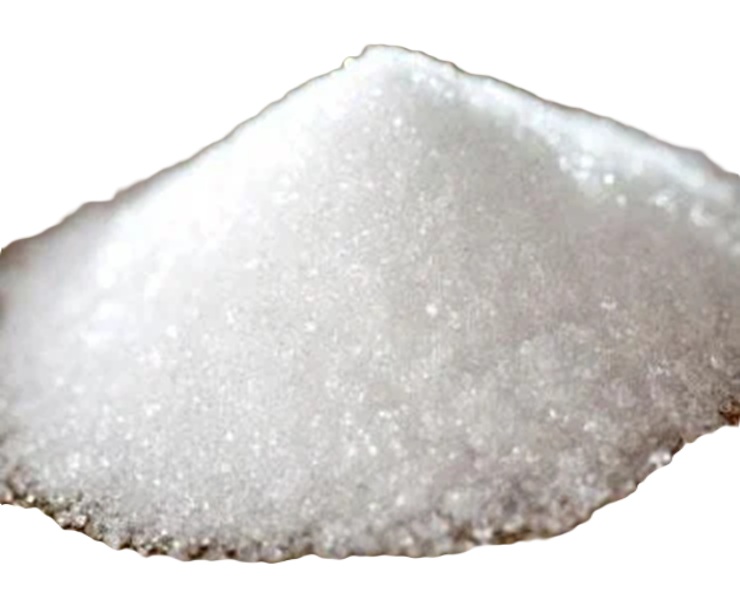
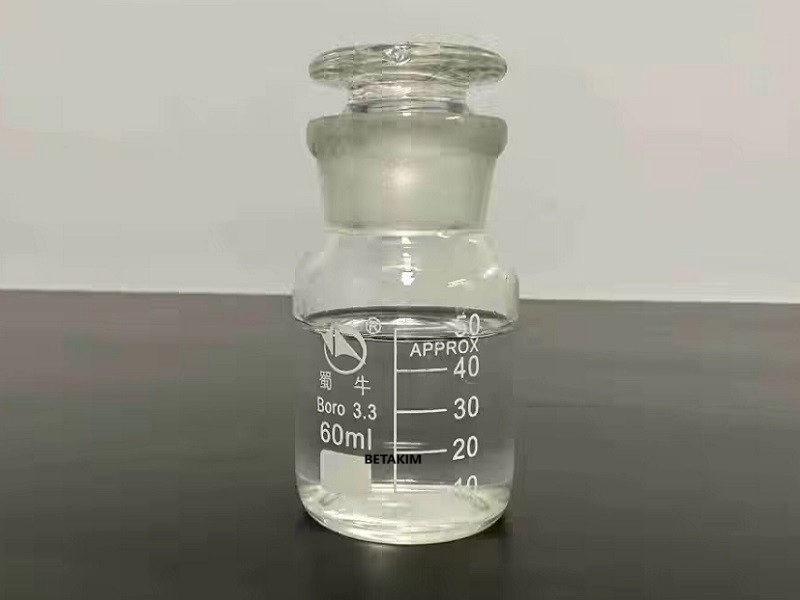
| Appearance | White crystalline or colorless liquid (temperature dependent) |
| Odor | Sharp, characteristic odor |
| Molecular Weight | 94.5 g/mol |
| Melting Point | Approximately 16 °C (61 °F) |
| Boiling Point | Approximately 189 °C (372 °F) |
| Density | Approximately 1.47 g/cm³ at 20°C |
| Solubility in Water | Highly soluble in water |
| Solubility in Organic Solvents | Limited solubility in organic solvents |
| pH | Strongly acidic (in dilute solutions) |
| Vapor Pressure | Low at room temperature |
4. Chemical Structure and Properties
Monochloroacetic acid is the simplest and most common form of chloroacetic acids. It is formed by replacing one hydrogen atom of acetic acid with a chlorine atom.
Chemical Structure Characteristics:
-
Acidity: It is a strong organic acid.
-
Reactivity: Highly reactive, particularly prone to nucleophilic substitution reactions.
-
Alkylation: Effective agent in alkylation reactions.
-
Esterification: Reacts with alcohols to form esters.
-
Stability: Stable under normal conditions, but can react with strong bases and oxidizing agents.
Reaction Types:
-
Nucleophilic substitution
-
Esterification
-
Amidation
-
Alkylation
5. Production Methods
Monochloroacetic acid can be produced through several methods:
1. Chlorination of Acetic Acid
-
Process: Acetic acid is reacted with chlorine gas in the presence of a catalyst (e.g., acetic anhydride or sulfur).
-
Reaction: CH₃COOH + Cl₂ → ClCH₂COOH + HCl
-
Product: Monochloroacetic acid and by-product hydrochloric acid (HCl)
2. Hydrolysis of Chloroacetyl Chloride
-
Process: Chloroacetyl chloride (ClCH₂COCl) is hydrolyzed with water.
-
Product: Pure monochloroacetic acid
3. Hydrolysis of Trichloroethylene
-
An alternative method using trichloroethylene as starting material.
6. Applications and Uses
Monochloroacetic acid is a versatile chemical with a wide range of applications:
1. Agriculture Sector
-
Herbicide: Functions as an effective agent for controlling weeds. It affects plant growth processes, inhibiting the development of unwanted plants.
-
Agricultural Efficiency: Important tool for increasing agricultural productivity and managing unwanted vegetation.
2. Chemical Synthesis and Industry
-
Intermediate: Used as a key intermediate in the synthesis of many organic compounds.
-
Amino Acid Synthesis: Particularly critical in the production of glycine (aminoacetic acid).
-
Peptide Synthesis: Used in the chemical synthesis of peptides.
-
Carboxymethyl Cellulose (CMC) Production: CMC, obtained from the reaction of cellulose with monochloroacetic acid, is used as a thickener and stabilizer in the food, cosmetics, and pharmaceutical industries.
-
2,4-D (2,4-Dichlorophenoxyacetic acid) Production: Used in the synthesis of 2,4-D, an important herbicide.
-
Pharmaceutical Industry: Intermediate in the synthesis of various pharmaceutical active ingredients.
3. Biological Research
-
Enzyme Studies: Used to study the activities of specific enzymes.
-
Cellular Processes: Used in biochemical and molecular biology research to influence cellular processes.
-
Biotechnology: Used for various purposes in biotechnology applications.
4. Textile Industry
-
pH Control: As a pH regulator in textile dyeing processes.
-
Auxiliary Agent: In the production of textile processing chemicals.
5. Paper Industry
-
Bleaching Processes: For bleaching and pH control in paper production.
-
Quality Enhancement: To improve product quality, aesthetics, and durability.
6. Cosmetics and Personal Care
-
pH Regulator: As a pH adjuster in some cosmetic formulations.
-
Preservative: Rarely used for preservation purposes.
7. Other Industrial Applications
-
Plastic and Polymer Additives: Intermediate in polymer synthesis.
-
Paints and Coatings: Various applications in the paint industry.
-
Adhesives: In special adhesive formulations.
7. Important Derivative Products
Major derivatives produced from monochloroacetic acid:
| Derivative Product | Application Area |
|---|---|
| Glycine (Aminoacetic acid) | Food additive, pharmaceutical raw material, buffer solution |
| Carboxymethyl Cellulose (CMC) | Food thickener, pharmaceutical excipient, detergent additive |
| 2,4-D (2,4-Dichlorophenoxyacetic acid) | Herbicide |
| Cyanoacetic acid | Organic synthesis intermediate |
| Thioglycolic acid | Cosmetics (hair straightening), leather processing |
| Esters (Methyl, Ethyl, etc.) | Solvents, organic synthesis intermediates |
8. Safety and Toxicology
| Parameter | Details |
|---|---|
| Hazard Classification | Toxic, Corrosive |
| Acute Toxicity | Toxic if swallowed, inhaled, or in contact with skin |
| Skin Contact | Causes severe burns |
| Eye Contact | Causes serious eye damage |
| Inhalation | Harmful if inhaled, causes respiratory tract irritation |
| Chronic Exposure | May cause skin sensitization with prolonged exposure |
| Environmental Impact | Toxic to aquatic organisms |
Safety Precautions:
-
Use appropriate protective equipment (gloves, goggles, protective clothing) when handling.
-
Use in well-ventilated areas.
-
Avoid contact with skin and eyes.
-
In case of contact, rinse thoroughly with plenty of water and seek medical attention.
9. Storage and Handling
| Property | Details |
|---|---|
| Storage Temperature | Room temperature (below 25°C) |
| Moisture Sensitivity | Sensitive to moisture (hygroscopic) |
| Light Sensitivity | Protect from light |
| Incompatibilities | Strong bases, oxidizing agents, metals |
| Packaging | Polyethylene containers, glass bottles, stainless steel tanks |
| Shelf Life | 1-2 years under proper conditions |
10. Frequently Asked Questions (FAQ)
Question 1: What is monochloroacetic acid?
Answer: Monochloroacetic acid is an organic compound with the chemical formula C₂H₃ClO₂ and is the simplest form of chloroacetic acids. It is commonly used as a herbicide in agriculture and as an intermediate in chemical synthesis.
Question 2: What is monochloroacetic acid used for?
Answer: Monochloroacetic acid is used in various applications including weed control in agriculture, amino acid (especially glycine) and peptide production in chemical synthesis, biological research, and pH control in the textile and paper industries.
Question 3: What are the hazards of monochloroacetic acid?
Answer: Monochloroacetic acid can cause severe burns upon contact with skin and eyes. It is harmful if inhaled and causes respiratory tract irritation. Therefore, appropriate protective equipment and safety precautions are mandatory when handling.
Question 4: Is monochloroacetic acid soluble in water?
Answer: Yes, monochloroacetic acid is highly soluble in water. This property makes it useful in various industrial applications.
Question 5: What is the melting point of monochloroacetic acid?
Answer: The melting point of monochloroacetic acid is approximately 16 °C. Therefore, it exists as a solid crystalline form at temperatures below room temperature and as a liquid at temperatures above.
Question 6: What are the main derivatives of monochloroacetic acid?
Answer: The main derivatives include glycine, carboxymethyl cellulose (CMC), 2,4-D herbicide, cyanoacetic acid, thioglycolic acid, and various esters.
11. Summary
Monochloroacetic Acid (MCA, CAS: 79-11-8) is the simplest form of chloroacetic acids. It can exist as white crystals or liquid depending on temperature, has a sharp odor, and is a strong organic acid. It is highly soluble in water and exhibits high reactivity.
Key Properties:
-
Melting point approximately 16°C (changes form at room temperature)
-
Strongly acidic character
-
Prone to alkylation and esterification reactions
-
Highly water-soluble
Main Application Areas:
-
Agriculture: Herbicide for weed control
-
Chemical Synthesis: Intermediate for important derivatives like glycine, CMC, and 2,4-D
-
Textile and Paper: pH control and bleaching processes
-
Biological Research: Enzyme and cellular process studies
Safety: It is a toxic and corrosive substance. It causes severe burns upon contact with skin and eyes. Appropriate protective equipment must be used when handling, and work should be conducted in well-ventilated areas.
Due to its versatile chemical properties, monochloroacetic acid is an indispensable intermediate across a wide industrial spectrum, from agriculture to pharmaceuticals, textiles to cosmetics.
Types of Chloroacetic Acids: Mono, Di, Tri – Comparison
Your question correctly points out that Monochloroacetic Acid (MCA) is just one member of a chemical family. These compounds are formed by replacing the hydrogen atoms in acetic acid (CH₃COOH) with chlorine atoms. The family consists of three main types .
Here is a detailed comparison of their chemical structures, properties, and applications:
| Property | Monochloroacetic Acid (MCA) | Dichloroacetic Acid (DCA) | Trichloroacetic Acid (TCA) |
|---|---|---|---|
| Chemical Formula | CH₂ClCOOH | CHCl₂COOH | CCl₃COOH |
| Structural Description | One hydrogen atom in acetic acid is replaced by chlorine. | Two hydrogen atoms in acetic acid are replaced by chlorine. | Three hydrogen atoms in acetic acid are replaced by chlorine. |
| CAS Number | 79-11-8 | 79-43-6 | 76-03-9 |
| Physical Appearance | Colorless or white crystals | Colorless liquid | Colorless crystals |
| Melting Point | ~61-63 °C | Not applicable (liquid at RT) (Boiling point: ~194 °C) | ~57-59 °C |
| Boiling Point | ~189 °C | ~194 °C | ~196-198 °C |
| Acidity (pKa) | ~2.86 (Stronger acid than acetic acid) | Stronger acid than MCA | The strongest acid among the three |
| General Applications | - Key chemical intermediate for producing herbicides, dyes (like indigo), pharmaceuticals (barbital, Vitamin B6), and carboxymethyl cellulose (CMC) . | - Primarily used as an intermediate in the synthesis of antibiotics, such as Chloramphenicol (Levomycetin) . | - Used in biochemistry as a protein precipitant and solvent . - Its salts are used as herbicides . - Used in medicine as a cauterizing agent . |
How Do Properties Change as Chlorine Count Increases?
As the table shows, adding each chlorine atom to acetic acid significantly alters the compound's properties:
-
Acidity Increases: Chlorine atoms have a strong electron-withdrawing effect, which stabilizes the negative charge on the molecule after it donates a proton (H⁺), making the acid stronger. Therefore, Trichloroacetic Acid (TCA), with the most chlorine atoms, is the strongest acid among the three . Monochloroacetic acid is stronger than acetic acid but weaker than the other two.
-
Physical Form Changes: Dichloroacetic acid (DCA), with two chlorine atoms, is a liquid at room temperature. In contrast, MCA (one chlorine) and TCA (three chlorines) are crystalline solids . This is due to differences in their intermolecular forces.
-
Application Areas Diverge: Each type is specialized for different industrial sectors due to its unique reactivity and physical properties.
-
MCA is the workhorse for large-scale chemical synthesis, serving as a fundamental building block.
-
DCA is specialized for the pharmaceutical industry.
-
TCA is prominent in laboratory and biochemistry applications .
-