We unleash your business potential by maximize the business innovation.
Send EmailMethacrylic Acid, Methlacrylic Acid, MAA, 79-41-4
METHACRYLIC ACID (MAA)
Methacrylic Acid / Methylacrylic Acid / 2-Methylacrylic Acid / α-Methylacrylic Acid / 2-Methylpropenoic Acid
CAS Number: 79-41-4
EC Number: 201-204-4
1. IDENTIFICATION INFORMATION
| Property | Information |
|---|---|
| Chemical Name | Methacrylic Acid |
| Other Names | Methylacrylic Acid, 2-Methylacrylic Acid, α-Methylacrylic Acid, 2-Methylpropenoic Acid, 2-Methyl-2-propenoic acid |
| Chemical Formula | C₄H₆O₂ |
| Molecular Weight | 86.09 g/mol |
| CAS Number | 79-41-4 |
| EC Number (EINECS) | 201-204-4 |
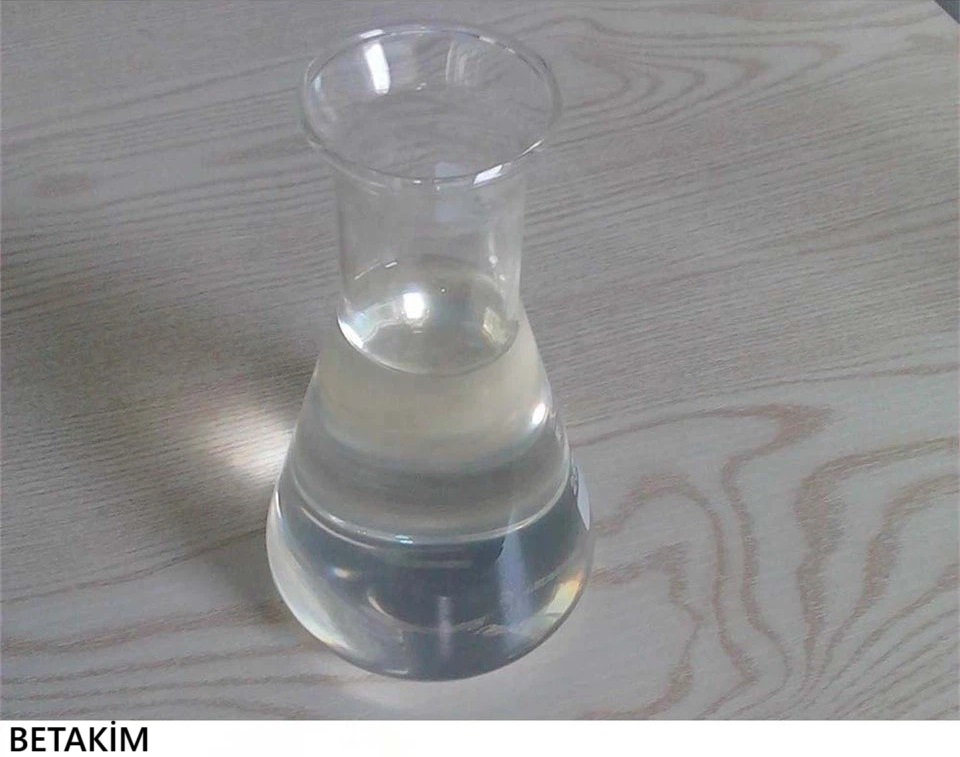
| Appearance | Colorless clear liquid |
| Odor | Repulsive, acrid |
| Physical State | Liquid (at room temperature) |
| Stabilizer | MEHQ (Hydroquinone methyl ether, ca. 250 ppm) or hydroquinone |
2. PHYSICAL PROPERTIES
| Property | Value |
|---|---|
| Physical State (20°C) | Liquid |
| Appearance | Colorless clear liquid |
| Odor | Repulsive, acrid, sharp |
| Chemical Formula | C₄H₆O₂ |
| Molecular Weight | 86.09 g/mol |
| Density (25°C) | 1.015 g/mL |
| Melting Point | 12-16°C (14°C typical) |
| Boiling Point | 163°C (lit.) |
| Boiling Point Range | 159-163°C |
| Flash Point | 77°C (170°F) (closed cup) |
| Autoignition Temperature | 752°F (400°C) |
| Vapor Pressure (20°C) | 1 mmHg |
| Vapor Density (air=1) | >3 |
| Water Solubility (20°C) | 9.7 g/100 mL (moderately soluble) |
| Solubility in Organic Solvents | Soluble in ethanol and most organic solvents |
| Viscosity (20°C) | 1.3 mPa·s |
| Refractive Index (n20/D) | 1.431 |
| pKa (25°C) | 4.66 |
| pH (100 g/L aqueous solution, 20°C) | 2.0 - 2.2 |
| Explosive Limit | 1.6 - 8.7% (V) |
| LogP (22°C) | 0.93 |
3. CHEMICAL PROPERTIES
| Property | Information |
|---|---|
| Chemical Formula | C₄H₆O₂ |
| Molecular Weight | 86.09 g/mol |
| Chemical Class | Unsaturated carboxylic acid |
| Functional Groups | Carboxylic acid (-COOH) and vinyl double bond (C=C) |
| Structure | CH₂=C(CH₃)-COOH |
| Stability | May polymerize readily in the absence of a stabilizer |
| Stabilizer | MEHQ (250 ppm) or hydroquinone |
| Polymerization | Undergoes free radical polymerization |
| Esterification | Forms methacrylate esters (e.g., methyl methacrylate) |
| Reaction with Alcohols | Forms esters (methacrylates) |
| Reaction with Bases | Forms methacrylate salts |
| Reaction with Water | Moderately soluble; acidic solution |
| Incompatible Materials | Strong oxidizing agents, strong bases, amines, peroxides, polymerization initiators |
Polymerization Reaction:
n CH₂=C(CH₃)-COOH → [CH₂-C(CH₃)(COOH)]n (Polymethacrylic acid)
Esterification Reaction (Methyl Methacrylate Production):
CH₂=C(CH₃)-COOH + CH₃OH → CH₂=C(CH₃)-COOCH₃ + H₂O
4. PRODUCTION PROCESS
| Method | Description |
|---|---|
| Acetone Cyanohydrin Method (Traditional) | Acetone + HCN → Acetone cyanohydrin → Methacrylamide sulfate → Methacrylic acid |
| Isobutylene Oxidation (Most Common) | Isobutylene + O₂ → Methacrolein + O₂ → Methacrylic acid (two-step oxidation) |
| tert-Butanol Oxidation | tert-Butanol can be used instead of isobutylene |
| Methacrylonitrile Hydrolysis | Isobutylene → Methacrylonitrile → Hydrolysis → Methacrylic acid |
| Isobutane Oxidation | Isobutane → Methacrolein → Oxidation → Methacrylic acid |
Reaction Equations:
Acetone Cyanohydrin Method:
(CH₃)₂CO + HCN → (CH₃)₂C(OH)CN
(CH₃)₂C(OH)CN + H₂SO₄ → CH₂=C(CH₃)-CONH₂·H₂SO₄
CH₂=C(CH₃)-CONH₂·H₂SO₄ + H₂O → CH₂=C(CH₃)-COOH + (NH₄)₂SO₄
Isobutylene Oxidation (Most Common):
(CH₃)₂C=CH₂ + O₂  —[Catalyst]—> CH₂=C(CH₃)-CHO (Methacrolein) + H₂O
CH₂=C(CH₃)-CHO + 0.5 O₂ —[Catalyst]—> CH₂=C(CH₃)-COOH
5. AVAILABLE FORMS AND SPECIFICATIONS
| Form | Stabilizer | Purity | Applications |
|---|---|---|---|
| Stabilized Liquid | MEHQ 250 ppm | ≥99.0% | General industrial use, polymerization |
| Extra Pure | MEHQ 250 ppm | ≥99.5% | Laboratory, specialty synthesis |
| Inhibited | Hydroquinone | ≥99.0% | Storage and transport |
Typical Specifications (Stabilized Grade):
| Parameter | Specification | Test Method |
|---|---|---|
| Assay (C₄H₆O₂) | ≥99.0% | GC |
| Appearance | Colorless clear liquid | Visual |
| Color (APHA) | ≤10 | Colorimetric |
| Density (25°C) | 1.013 - 1.017 g/mL | Hydrometer |
| Refractive Index (n20/D) | 1.430 - 1.432 | Refractometer |
| Water Content | ≤0.3% | Karl Fischer |
| MEHQ Content | 200 - 300 ppm | HPLC |
| Freezing Point | 12-16°C | DSC |
| Acidity (as Methacrylic acid) | ≥99.0% | Titration |
| Dimer Content | ≤0.1% | GC |
| Inhibitor (MEHQ) | 250 ± 50 ppm | HPLC |
6. APPLICATIONS
6.1. Methyl Methacrylate (MMA) Production – Largest Use (~60%)
| Application | Function |
|---|---|
| Methyl Methacrylate (MMA) | Esterification with methanol |
| Organic Glass (Plexiglas) | Aircraft windows, civil building windows |
| Cast Acrylic Sheets | Signs, displays, aquariums, glazing |
| Molding Powders | Injection molding, extrusion |
| Buttons | Processed from MMA polymer |
| Solar Filters | UV protection |
| Automotive Light Lenses | Headlight covers, taillight lenses |
6.2. Methacrylate Esters Production
| Application | Function |
|---|---|
| Ethyl Methacrylate | Polymer production |
| Butyl Methacrylate | Coatings, adhesives |
| Hydroxyethyl Methacrylate (HEMA) | Contact lenses, hydrogels |
| Hydroxypropyl Methacrylate (HPMA) | Biomedical applications |
| Glycidyl Methacrylate (GMA) | Epoxy functional polymers |
6.3. Coatings and Paints
| Application | Function |
|---|---|
| Acrylic Coatings | Superior suspension, rheology, and durability |
| Waterborne Coatings | Emulsion polymers |
| Automotive Coatings | High-performance topcoats |
| Industrial Coatings | Corrosion protection |
| Powder Coatings | Crosslinking agent |
| Textile Coatings | Fabric finishing |
6.4. Adhesives and Binders
| Application | Function |
|---|---|
| Metal Adhesion | Binding metal surfaces |
| Leather Adhesives | Bonding leather materials |
| Plastic Adhesives | Plastic bonding |
| Construction Adhesives | Building materials adhesion |
| Dental Adhesives | Dental cements and composites |
| Medical Adhesives | Surgical adhesives |
6.5. Polymer Emulsions and Textile Finishing
| Application | Function |
|---|---|
| Fabric Finishing Agents | Improves fabric properties |
| Antistatic Agents | Reduces static electricity |
| Paper Coatings | Improves paper quality |
| Leather Finishing | Leather treatment |
| Carpet Backing | Binder for carpet fibers |
6.6. Synthetic Rubber
| Application | Function |
|---|---|
| Methacrylate-Butadiene Rubber | Synthetic rubber production |
| Impact Modifiers | Improves impact resistance of plastics |
| Acrylic Rubber | Heat and oil resistant elastomers |
| Tire Additives | Improves tire properties |
6.7. Ion Exchange Resins
| Application | Function |
|---|---|
| Cation Exchange Resins | Water treatment |
| Water Softening | Hardness removal |
| Demineralization | Pure water production |
| Specialty Resins | Metal recovery, pharmaceutical separation |
6.8. Polymer Additives and Functional Materials
| Application | Function |
|---|---|
| Thickeners | Viscosity modification |
| Dispersants | Pigment dispersion |
| Superabsorbent Polymers | Diapers, hygiene products |
| Hydrogels | Contact lenses, drug delivery, wound dressings |
| Dental Materials | Fillings, crowns, adhesives |
| Orthopedic Bone Cements | Bone fixation |
6.9. Insulating Materials
| Application | Function |
|---|---|
| Electrical Insulation | Wire and cable coatings |
| Electronic Encapsulants | Circuit board protection |
| Transformer Insulation | Dielectric materials |
6.10. Other Applications
| Application | Function |
|---|---|
| Organic Reagent | Laboratory synthesis |
| Polymer Intermediate | Production of high-molecular polymers |
| Resin Production | Thermoset and thermoplastic resins |
| Plastic Production | Specialty plastics |
| Pharmaceutical Intermediates | Drug synthesis |
| Agricultural Chemicals | Pesticide intermediates |
7. DERIVATIVES AND DOWNSTREAM PRODUCTS
| Derivative | Application |
|---|---|
| Methyl Methacrylate (MMA) | Organic glass (Plexiglas), molding powders, coatings |
| Ethyl Methacrylate | Polymers, coatings |
| Butyl Methacrylate | Adhesives, coatings |
| Hydroxyethyl Methacrylate (HEMA) | Contact lenses, hydrogels, biomedical |
| Hydroxypropyl Methacrylate (HPMA) | Biomedical applications |
| Glycidyl Methacrylate (GMA) | Epoxy resins, crosslinkers |
| Methacrylamide | Polymer production |
| Poly(methacrylic acid) | Thickeners, dispersants, superabsorbents |
| Methacrylate Salts | Water treatment, detergents |
8. QUALITY SPECIFICATIONS (Industrial Grade)
| Parameter | Specification | Test Method |
|---|---|---|
| Assay (C₄H₆O₂) | ≥99.0% | GC |
| Appearance | Colorless clear liquid | Visual |
| Color (APHA) | ≤10 | ASTM D1209 |
| Density (25°C) | 1.013 - 1.017 g/mL | ASTM D4052 |
| Refractive Index (n20/D) | 1.430 - 1.432 | ASTM D1218 |
| Water Content | ≤0.3% | Karl Fischer |
| MEHQ (Stabilizer) | 200 - 300 ppm | HPLC |
| Freezing Point | 12 - 16°C | DSC |
| Acidity (as MAA) | ≥99.0% | Titration |
| Dimer Content | ≤0.1% | GC |
| Iron (Fe) | ≤1 ppm | ICP |
9. STORAGE AND HANDLING
| Parameter | Information |
|---|---|
| Storage Temperature | +15°C to +25°C |
| Storage Conditions | Store at room temperature (15-25°C); avoid freezing |
| Container Requirements | Polyethylene-lined aluminum, glass, or stainless steel containers |
| Protect from | Moisture, light, heat, polymerization initiators, strong oxidizers |
| Stabilizer | MEHQ (250 ppm) or hydroquinone required |
| Shelf Life | ~3 months (unopened, proper storage) |
| Freezing Note | Solidifies below 12-16°C; thaw at room temperature (~25°C) |
| Incompatible Materials | Strong oxidizing agents, strong bases, amines, peroxides, polymerization initiators |
| Packaging Options | 200 kg drum (lined or stainless steel), IBC, bulk tanker |
Handling Notes:
-
Must contain stabilizer (MEHQ or hydroquinone) to prevent polymerization
-
In the absence of stabilizer, will readily polymerize (exothermic, potentially explosive)
-
Solidifies below 12-16°C; thaw at room temperature (approx. 25°C) – do not overheat
-
Use only stainless steel or glass equipment; avoid copper, brass, or iron
-
Keep away from heat, sparks, and open flames
-
Use explosion-proof electrical equipment
-
Ensure good ventilation
-
Use with adequate personal protective equipment
10. SAFETY AND HEALTH INFORMATION (GHS CLASSIFICATION)
| Hazard Class | Category |
|---|---|
| Corrosive | Category 1B (H314) |
| Acute Toxicity (Oral) | Category 4 (H302) |
| Acute Toxicity (Dermal) | Category 4 (H312) |
| Acute Toxicity (Inhalation) | Category 4 (H332) |
| Skin Corrosion | Category 1B (H314) |
| Serious Eye Damage | Category 1 (H318) |
| Respiratory Irritation | Category 3 (H335) |
| Flammable Liquid | Category 4 (H227) |
11. HAZARD STATEMENTS (H-CODES)
| Code | Statement |
|---|---|
| H227 | Combustible liquid |
| H302 | Harmful if swallowed |
| H312 | Harmful in contact with skin |
| H314 | Causes severe skin burns and eye damage |
| H318 | Causes serious eye damage |
| H332 | Harmful if inhaled |
| H335 | May cause respiratory irritation |
12. SAFETY STATEMENTS (P-CODES)
| Code | Statement |
|---|---|
| P210 | Keep away from heat, hot surfaces, sparks, open flames, and other ignition sources. No smoking |
| P261 | Avoid breathing dust/fumes/vapor |
| P280 | Wear protective gloves, protective clothing, eye protection, face protection |
| P301+P330+P331 | IF SWALLOWED: Rinse mouth. Do NOT induce vomiting |
| P302+P352 | IF ON SKIN: Wash with plenty of water |
| P303+P361+P353 | IF ON SKIN (or hair): Remove immediately all contaminated clothing. Rinse skin with water |
| P304+P340 | IF INHALED: Remove person to fresh air and keep comfortable for breathing |
| P305+P351+P338 | IF IN EYES: Rinse cautiously with water for several minutes. Remove contact lenses if present and easy to do. Continue rinsing |
| P310 | Immediately call a POISON CENTER or doctor |
| P363 | Wash contaminated clothing before reuse |
13. TOXICOLOGICAL INFORMATION
| Parameter | Value |
|---|---|
| Oral LD50 (rat) | 1,060 - 1,320 mg/kg |
| Oral LD50 (mouse) | 1,250 mg/kg |
| Dermal LD50 (rabbit) | 500 - 1,000 mg/kg |
| Inhalation LC50 (rat) | >3.8 mg/L (4 hours) |
| Skin Corrosion | Causes severe burns |
| Eye Damage | Causes serious eye damage |
| Skin Sensitization | May cause sensitization |
| Carcinogenicity | No carcinogenic effects found |
| Mutagenicity | Negative |
Health Effects:
| Exposure | Effect |
|---|---|
| Acute (Inhalation) | Respiratory tract irritation, coughing, shortness of breath |
| Acute (Skin Contact) | Severe burns, blistering, dermatitis |
| Acute (Eye Contact) | Severe burns, corneal damage, potential blindness |
| Acute (Ingestion) | Severe gastrointestinal burns, nausea, vomiting |
| Chronic | Possible skin sensitization |
Occupational Exposure Limits:
| Agency | Limit |
|---|---|
| ACGIH TLV | TWA 20 ppm (~70 mg/m³) |
| Workplace Limit | 100 ppm (temporary working area) |
14. FIRST AID MEASURES
| Exposure Route | Action |
|---|---|
| Inhalation | Remove to fresh air. Give oxygen if breathing difficulty. Seek immediate medical attention. |
| Skin Contact | Remove contaminated clothing. Wash with soap and plenty of water for at least 15 minutes. Seek immediate medical attention. |
| Eye Contact | Rinse immediately with plenty of water for at least 15 minutes. Remove contact lenses. Seek immediate medical attention. |
| Ingestion | Do NOT induce vomiting. Rinse mouth. Do not give anything by mouth. Seek immediate medical attention. |
15. FIRE FIGHTING MEASURES
| Parameter | Information |
|---|---|
| Fire Hazard | Combustible liquid (flash point 77°C) |
| Explosion Hazard | Can form explosive mixtures with air; explosive limit 1.6-8.7%(V) |
| Extinguishing Media | Water mist, CO₂, dry chemical powder, alcohol-resistant foam |
| Special Hazards | May polymerize and explode if heated in container; toxic gases (CO, CO₂) |
| Protective Equipment | Self-contained breathing apparatus (SCBA), full protective clothing |
16. ENVIRONMENTAL INFORMATION
| Parameter | Information |
|---|---|
| Aquatic Toxicity | Toxic to aquatic organisms |
| Biodegradability | Readily biodegradable |
| Bioaccumulation | Low potential |
| Mobility in Soil | Moderate |
| Waste Disposal | Dispose according to local regulations. Controlled incineration recommended. |
17. TRANSPORT INFORMATION
| Parameter | Information |
|---|---|
| UN Number | 2531 |
| Hazard Class | 8 (Corrosive substance) |
| Packing Group | II |
| Proper Shipping Name | METHACRYLIC ACID, STABILIZED |
| Marine Pollutant | No |
| ADR/RID Label | 8 |
| EMS | F-A, S-B |
18. REGULATORY INFORMATION
| Region | Status |
|---|---|
| EU | REACH registered; industrial use approved |
| USA (TSCA) | Listed |
| Canada (DSL) | Listed |
| Australia (AICS) | Listed |
| Japan (ENCS) | Listed |
| Korea (KECL) | Listed |
| China (IECSC) | Listed |
EINECS: 201-204-4
RTECS: OZ2975000
HS Code: 2916 13 00
19. OTHER NAMES AND SYNONYMS
| Name |
|---|
| Methacrylic Acid |
| Methylacrylic Acid |
| 2-Methylacrylic Acid |
| α-Methylacrylic Acid |
| 2-Methylpropenoic Acid |
| 2-Methyl-2-propenoic acid |
| alpha-Methylacrylic acid |
| Methacrylic acid, stabilized |
| Methacrylic acid, extra pure |
| 2-Methylprop-2-enoic acid |
Database Identifiers:
| Database | Identifier |
|---|---|
| CAS | 79-41-4 |
| EC | 201-204-4 |
| MDL | MFCD00002651 |
| PubChem CID | 4093 |
| RTECS | OZ2975000 |
| UN | 2531 |
| Beilstein | 1719937 |
| Merck | 14,5941 |
20. SUMMARY AND IMPORTANT WARNINGS
SUMMARY:
Methacrylic acid (MAA, C₄H₆O₂, CAS 79-41-4) is a colorless clear liquid with a repulsive, acrid odor. It contains both a carboxylic acid group and a vinyl double bond, making it a versatile monomer and chemical intermediate. It has a melting point of 12-16°C and boiling point of 163°C. Methacrylic acid is stabilized with MEHQ (250 ppm) or hydroquinone to prevent premature polymerization. The largest application (~60%) is the production of methyl methacrylate (MMA) for organic glass (Plexiglas). Other applications include methacrylate esters, coatings, adhesives, polymer emulsions, synthetic rubber, ion exchange resins, and functional polymers.
Key Properties:
| Property | Value |
|---|---|
| Appearance | Colorless clear liquid |
| Chemical Formula | C₄H₆O₂ |
| Molecular Weight | 86.09 g/mol |
| Melting Point | 12-16°C (14°C typical) |
| Boiling Point | 159-163°C |
| Density | 1.015 g/mL (25°C) |
| Flash Point | 77°C (170°F) |
| Water Solubility | 9.7 g/100 mL (20°C) |
| pKa | 4.66 (25°C) |
| Stabilizer | MEHQ (250 ppm) or hydroquinone |
| Primary Use | Methyl methacrylate (MMA) production |
Main Application Areas:
| Industry | Applications |
|---|---|
| MMA Production | Organic glass (Plexiglas), acrylic sheets, molding powders |
| Methacrylate Esters | Ethyl, butyl, HEMA, HPMA, GMA |
| Coatings | Acrylic coatings, automotive, industrial, powder coatings |
| Adhesives | Metal, leather, plastic, construction, dental, medical |
| Polymer Emulsions | Fabric finishing, antistatic agents, paper coatings |
| Synthetic Rubber | Impact modifiers, acrylic rubber, tire additives |
| Ion Exchange Resins | Water treatment, demineralization |
| Functional Polymers | Superabsorbents, hydrogels, dental materials |
Key Safety Points:
-
CORROSIVE: Causes severe skin burns and eye damage (H314, H318)
-
HARMFUL: Harmful if swallowed, in contact with skin, or if inhaled (H302, H312, H332)
-
POLYMERIZATION HAZARD: Readily polymerizes without stabilizer; can be explosive
-
COMBUSTIBLE: Flash point 77°C; can form explosive mixtures with air (1.6-8.7%)
-
USE STABILIZER: Do not use without MEHQ or hydroquinone
-
USE PPE: Chemical goggles, face shield, acid-resistant gloves (neoprene, nitrile), protective clothing
-
USE VENTILATION: Work in fume hood or well-ventilated area
-
STORAGE: 15-25°C; do not freeze (solidifies below 12-16°C)
IMPORTANT WARNINGS:
Polymerization Hazard: Methacrylic acid readily polymerizes in the absence of a stabilizer. Polymerization is exothermic and can become explosive, especially in closed containers. MUST contain MEHQ (250 ppm) or hydroquinone as stabilizer. Never use unstabilized methacrylic acid. High temperatures, light, peroxides, and polymerization initiators can trigger polymerization.
Corrosive Properties: Methacrylic acid is corrosive and causes severe skin burns and eye damage. Use appropriate personal protective equipment including chemical goggles, face shield, acid-resistant gloves, and protective clothing.
Solidification: Methacrylic acid solidifies below 12-16°C. If frozen, thaw at room temperature (approx. 25°C). Do not overheat; do not use direct flame or steam to thaw.
Storage: Store at room temperature (15-25°C). DO NOT FREEZE. Store away from heat, light, strong oxidizing agents, strong bases, amines, peroxides, and polymerization initiators. Store in polyethylene-lined aluminum, glass, or stainless steel containers. Avoid copper, brass, or iron equipment.
Combustible Liquid: Flash point 77°C. Can form explosive mixtures with air (explosive limit 1.6-8.7%). Use explosion-proof electrical equipment. Keep away from heat, sparks, and open flames.
Methyl Methacrylate (MMA): The most important derivative of methacrylic acid is methyl methacrylate (MMA), which is used to produce organic glass (Plexiglas). MMA polymer is known for its optical clarity, weather resistance, and durability, making it suitable for aircraft windows, automotive light lenses, solar filters, and buttons.
Coatings: Methacrylic acid-based coatings have superior suspension properties, rheology control, and durability. They are used in automotive topcoats, industrial coatings, and waterborne paints.
Ion Exchange Resins: Methacrylic acid is used in the production of cation exchange resins for water softening and demineralization.
Biomedical Applications: Methacrylate derivatives such as HEMA (hydroxyethyl methacrylate) are used in contact lenses, hydrogels, drug delivery systems, and bone cements.
Flammable Limits: Lower explosive limit 1.6%, upper explosive limit 8.7%. Vapors are heavier than air and may travel along the ground to ignition sources.
Important Disclaimer: This Technical Data Sheet (TDS) is for informational purposes only. For complete safety, handling, storage, and regulatory compliance information, always refer to the official Safety Data Sheet (SDS) provided by the manufacturer/supplier. Methacrylic acid MUST be stored and handled with a stabilizer (MEHQ or hydroquinone). Never use unstabilized material. In case of polymerization, evacuate area immediately.