We unleash your business potential by maximize the business innovation.
Send EmailAcrylic Acid, Propenoic Acid, Vinyl Formic Acid, 79-10-7
ACRYLIC ACID (Propenoic Acid)
CAS No: 79-10-7 | EC No: 201-177-9 | Molecular Formula: C₃H₄O₂ (CH₂=CHCOOH) | Molecular Weight: 72.06 g/mol
1. Physical & Chemical Properties
| Parameter | Value | Description |
|---|---|---|
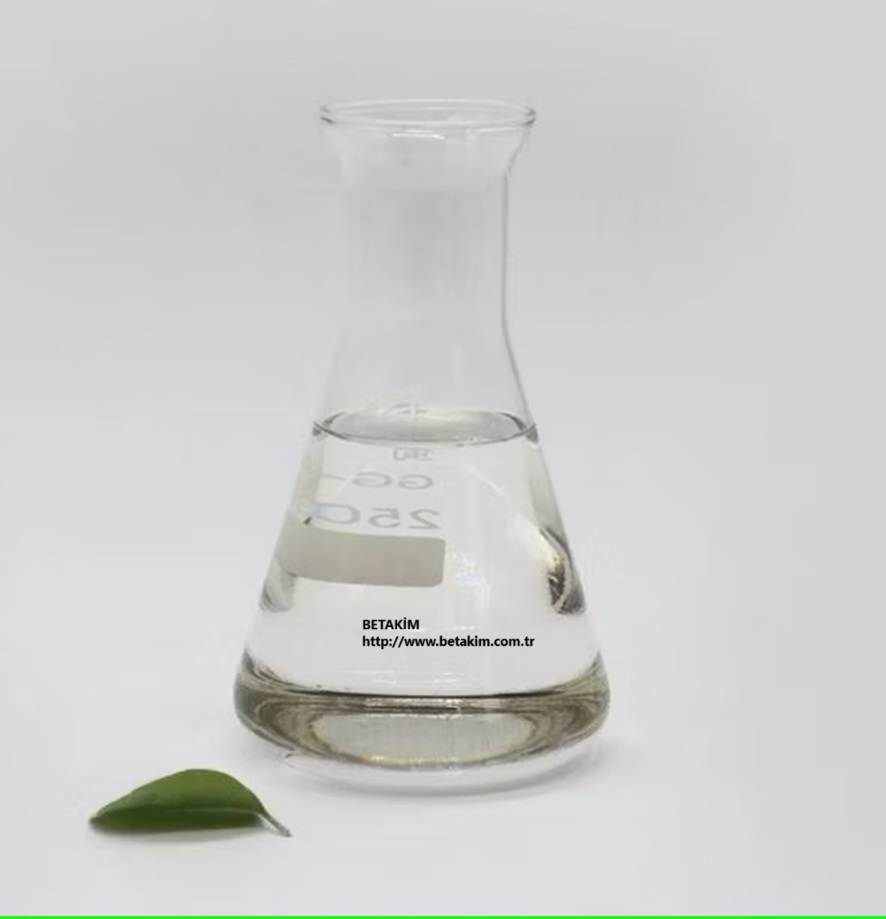
| Appearance | Colorless liquid | Clear, volatile |
| Odor | Sharp, pungent, acrid | Characteristic acidic odor |
| Density (25°C) | 1.051 g/cm³ | Heavier than water |
| Melting Point | 13.5°C (56.3°F) | Solidifies near room temperature (caution in cold climates) |
| Boiling Point | 141°C (286°F) | Moderate volatility |
| Flash Point | 54°C (129°F) (Closed cup) | Flammable liquid |
| Vapor Pressure (25°C) | ~3.7 mbar | Moderate volatility |
| pH (0.1 M solution) | ~3.0 | Weakly acidic |
| Solubility in Water (25°C) | Fully miscible | Miscible in all proportions |
| Solubility in Organic Solvents | Miscible with ethanol, ether, acetone, benzene, carbon tetrachloride | Good polar and non-polar solvency |
| Viscosity (25°C) | ~1.3 cP | Low viscosity, fluid |
| Autoignition Temperature | ~390°C (734°F) | |
| Explosion Limits (in air) | 2.4% - 8.0% (vol) | Flammable vapor risk |
Key Chemical Features:
-
Vinyl group (CH₂=CH–): Contains double bond for polymerization.
-
Carboxylic acid group (–COOH): Acidic, salt formation, esterification capability.
-
Polymerization tendency: Readily polymerizes in presence of light, heat, and oxygen. Stabilization is mandatory.
-
Corrosivity: Corrosive to metals (especially copper, zinc, iron).
-
Exothermic reaction: Releases high heat during polymerization (uncontrolled reaction is hazardous).
2. Comparison with Alternative Monomers
| Property | Acrylic Acid | Methacrylic Acid | Acrylamide | Maleic Anhydride | Acrylate Esters (e.g., BA, MMA) |
|---|---|---|---|---|---|
| Chemical Formula | C₃H₄O₂ | C₄H₆O₂ | C₃H₅NO | C₄H₂O₃ | Variable (C₄-C₈) |
| Functional Group | Vinyl + Carboxyl | Methyl vinyl + Carboxyl | Vinyl + Amide | Unsaturated anhydride | Vinyl + Ester |
| Boiling Point | 141°C | 161°C | Decomposes (210°C) | 202°C | 80-160°C (depends on ester) |
| Water Solubility | Fully miscible | Limited (8.9 g/100 mL) | High | Hydrolyzes | Low to very low |
| Polymer Type | Polyacrylic acid (PAA) | Polymethacrylic acid (PMAA) | Polyacrylamide (PAM) | Polymaleic anhydride (PMA) | Polyacrylates (PBA, PMMA) |
| Primary Use | SAP, paints, adhesives | PMMA, dispersants | Flocculants, gels, paper | Water treatment, composites | Paints, PMMA, textiles |
| Toxicity | Corrosive, skin/eye irritant | Moderate irritant | Neurotoxic (monomer) | Corrosive, respiratory irritant | Low-moderate (depends on ester) |
| Polymerization Rate | Very fast | Moderate | Fast | Moderate | Slow-moderate |
| SAP Production | ✅ Primary monomer | ❌ | ❌ | ❌ | ❌ (co-monomer only) |
Advantages of Acrylic Acid:
-
Highest reactivity (double bond + electron-withdrawing carboxyl)
-
Full water miscibility – ideal for aqueous polymerization
-
Indispensable for Superabsorbent Polymer (SAP) production
-
Lowest cost among acrylic monomers (via propylene oxidation)
Disadvantages:
-
Corrosive and irritant (requires special equipment)
-
Polymerization stabilization mandatory (inhibitor required; otherwise shelf life is hours)
-
High melting point (13.5°C) – solidifies in cold climates
3. Production Methods
A. Main Method: Two-Step Propylene Oxidation (Industrial Standard)
text
Step 1:   CH₃-CH=CH₂ (Propylene) + O₂  →  CH₂=CH-CHO (Acrolein) + H₂O
Step 2:   CH₂=CH-CHO (Acrolein) + ½ O₂  →  CH₂=CH-COOH (Acrylic Acid)
| Parameter | Information |
|---|---|
| Raw Material | Propylene (petroleum refinery or natural gas) |
| Oxidant | Air or pure oxygen |
| Catalyst (Step 1) | Molybdenum-bismuth oxide (Mo-Bi-O) |
| Catalyst (Step 2) | Molybdenum-vanadium oxide (Mo-V-O) |
| Temperature | 300-400°C |
| Pressure | 1-3 bar |
| Yield | 85-95% (on propylene) |
| Reactor Type | Multi-tubular fixed bed or fluidized bed |
B. Alternative Methods
| Method | Description | Advantage | Disadvantage |
|---|---|---|---|
| Direct Propane Oxidation | C₃H₈ + 1.5 O₂ → C₃H₄O₂ + 2 H₂O | Cheaper feedstock | Low selectivity (40-60%) |
| Acrylonitrile Hydrolysis | CH₂=CH-CN + 2 H₂O → CH₂=CH-COOH + NH₃ | Byproduct utilization | Not economical, ammonia byproduct |
| Acetylene Carbonylation | HC≡CH + CO + H₂O → CH₂=CH-COOH | High purity | Acetylene expensive, explosion risk |
| Lactic Acid Dehydration | CH₃-CHOH-COOH → CH₂=CH-COOH + H₂O | Bio-based (renewable) | Low yield, catalyst issues |
| Biotechnological Fermentation | Glycerol or glucose → Acrylic Acid | Sustainable | Low yield, high cost |
Industrial note: >95% of global acrylic acid production uses the propylene oxidation method.
C. Product Grades
| Grade | Purity | Inhibitor | Primary Use |
|---|---|---|---|
| Technical Grade | 94-98% | 200 ± 20 ppm MEHQ | Paints, adhesives, textiles |
| Glacial Acrylic Acid (GAA) | ≥99.5% | 200 ± 20 ppm MEHQ | Superabsorbent polymers (SAP), specialty chemicals |
| High Purity (>99.9%) | ≥99.9% | 100 ppm MEHQ | Electronics, medical polymers |
Inhibitor: MEHQ (Methyl hydroquinone) or HQ (Hydroquinone) – prevents polymerization during storage.
4. Formulation Examples (Industry-Specific)
Generic formulation principles. No brand names used.
A. Superabsorbent Polymer (SAP) – for Hygiene Products
| Component | Function | Concentration (% w/w) |
|---|---|---|
| Acrylic Acid (GAA) | Monomer | 25-35% |
| Sodium Hydroxide (NaOH) | Neutralization (50-75 mol%) | Calculated |
| Crosslinker | MBA (Methylene bisacrylamide) | 0.01-0.1% |
| Initiator (thermal) | Potassium persulfate (KPS) | 0.1-0.5% |
| Initiator (redox) | Sodium metabisulfite (optional) | 0.05-0.2% |
| Water | Solvent | Balance to 100% |
Process:
-
Partially neutralize acrylic acid (cooling required – exothermic).
-
Add crosslinker and initiator.
-
Solution polymerization (temperature ramp: 50→90°C).
-
Cut resulting gel, dry, grind, and sieve.
Product property: Absorbs 300-500 times its own weight in water.
B. Water-Based Acrylic Paint (High Gloss, Low VOC)
| Component | Function | Concentration (% w/w) |
|---|---|---|
| Acrylic Acid | Co-monomer (adhesion and stability) | 2-5% |
| Methyl Methacrylate (MMA) | Hardness, gloss | 20-30% |
| Butyl Acrylate (BA) | Flexibility, film formation | 30-40% |
| Styrene (optional) | Water resistance, cost reduction | 10-20% |
| Surfactant | Anionic (SDS) + non-ionic | 1-3% |
| Initiator | Potassium persulfate (KPS) | 0.2-0.5% |
| Water | Carrier | Balance |
Process: Emulsion polymerization (semicontinuous, 80-85°C).
Role of acrylic acid: Enhances latex stability, improves substrate adhesion, provides rheological control.
C. Paper Coating (Gloss and Strength)
| Component | Function | Concentration (% w/w) |
|---|---|---|
| Acrylic Acid | Co-monomer (dispersion stability) | 3-6% |
| Styrene | Hardness, water resistance | 40-50% |
| Butyl Acrylate | Flexibility | 40-50% |
| Surfactant | Anionic | 1-2% |
| Initiator | Persulfate | 0.3-0.6% |
| Water | Carrier | Balance |
Application: Add latex to coating mixture (calcium carbonate + kaolin). Coated paper achieves gloss, matte, or satin finish.
D. Pressure-Sensitive Adhesive (PSA – for Transparent Tape)
| Component | Function | Concentration (% w/w) |
|---|---|---|
| Acrylic Acid | Adhesion and cohesion | 2-5% |
| 2-Ethylhexyl Acrylate (2-EHA) | Softness, tack | 60-75% |
| Methyl Acrylate (MA) | Cohesion | 20-30% |
| Initiator | AIBN (solution polymerization) | 0.1-0.3% |
| Solvent | Ethyl acetate / Toluene (optional) | Balance |
Application: Solution or emulsion polymerization. Polymer solution coated onto film; solvent evaporated.
E. Polyacrylic Acid (PAA) – Water Treatment Dispersant
| Component | Function | Concentration (% w/w) |
|---|---|---|
| Acrylic Acid | Monomer | 30-50% |
| Water | Solvent | Balance |
| Initiator (redox) | Persulfate + sodium metabisulfite | 0.2-0.5% |
| Molecular weight control | Isopropanol or sodium hypophosphite | 1-5% |
Process: Aqueous solution polymerization (70-90°C). Resulting PAA (Mw 2,000-10,000 g/mol) prevents scale formation in cooling towers.
5. Industry Suitability Table
| Industry | Applications | Suitability |
|---|---|---|
| Polymers & Plastics | Polyacrylate, PMMA, SAP production | ★★★★★ (Critical) |
| Paints & Coatings | Water-based acrylic paints, varnishes, protective coatings | ★★★★★ |
| Hygiene & SAP | Baby diapers, feminine pads, adult incontinence products | ★★★★★ |
| Adhesives & Sealants | PSA, construction adhesives, mastics | ★★★★★ |
| Textiles | Water-repellent fabrics, color fixatives, finishing agents | ★★★★☆ |
| Water Treatment | Flocculants, corrosion inhibitors, antiscalants | ★★★★☆ |
| Cosmetics & Personal Care | Gels, creams, hair products | ★★★☆☆ |
| Agriculture | Soil moisture retention polymers, plant growth enhancers | ★★★☆☆ |
| Paper & Leather | Coating, surface treatments | ★★★☆☆ |
| Medical | Carbomer gels, denture resins | ★★★☆☆ |
Scale: ★★★★★ = Critical | ★★★☆☆ = Secondary but important
6. Safety & Storage
Hazard Classification (GHS)
| Hazard Class | Statement |
|---|---|
| Corrosivity | H314: Causes severe skin burns and eye damage |
| Acute toxicity (oral) | H302: Harmful if swallowed |
| Acute toxicity (inhalation) | H331: Toxic if inhaled |
| Flammable liquid | H226: Flammable liquid and vapor |
| Respiratory irritation | H335: May cause respiratory irritation |
First Aid Measures
| Exposure | Action |
|---|---|
| Inhalation | Remove to fresh air. If breathing difficulty, give oxygen. Seek medical attention. |
| Skin contact | Wash with plenty of water for at least 15 minutes. Remove contaminated clothing. |
| Eye contact | Rinse with plenty of water for at least 15 minutes. Seek immediate medical attention. |
| Ingestion | Do NOT induce vomiting. Rinse mouth. Drink plenty of water. Seek immediate medical attention. |
Storage Conditions
| Parameter | Condition |
|---|---|
| Temperature | 15-25°C (do not freeze; do not exceed 30°C) |
| Container material | Stainless steel (316L), titanium, glass-lined steel, aluminum |
| Incompatible materials | Copper, iron, zinc, brass, carbon steel, natural rubber |
| Inhibitor | 200 ± 20 ppm MEHQ (Methyl hydroquinone) |
| Air/oxygen | Air or oxygen atmosphere required for inhibitor function (not nitrogen) |
| Shelf life (with inhibitor) | ~12 months at 25°C – regular inhibitor testing required |
| Ignition sources | Keep away (flash point 54°C) |
| Static electricity | Ground equipment |
Special Storage Notes:
-
Temperature is critical: Freezes below 14°C. Frozen acrylic acid can cause tank cracking and polymerization.
-
Inhibitor level must be monitored: If MEHQ drops below 50 ppm, rapid polymerization risk occurs.
-
Air/oxygen: Inhibitor requires oxygen to function; tanks must have air or oxygen atmosphere (not nitrogen).
7. Frequently Asked Questions (FAQ)
Q1: What is the difference between acrylic acid and methacrylic acid?
A: Acrylic acid has a hydrogen atom directly attached to the double bond, while methacrylic acid has a methyl group (CH₃).
-
Acrylic acid: More reactive, faster polymerization, higher water absorption (ideal for SAP).
-
Methacrylic acid: Lower reactivity, polymer is harder and clearer (ideal for PMMA/plexiglass).
Q2: Why is acrylic acid stabilized with an inhibitor? What is the shelf life without inhibitor?
A: Acrylic acid readily undergoes spontaneous free-radical polymerization in the presence of light, heat, or oxygen. Without inhibitor (99% pure), polymerization begins within hours at room temperature and the exothermic reaction can cause uncontrolled heating, tank rupture, or fire. With MEHQ inhibitor, shelf life is ~12 months.
Q3: What tank materials are compatible with acrylic acid?
A:
-
Compatible: Stainless steel (316L, 304), titanium, glass-lined steel (enamel), aluminum (pure), HDPE (small containers, <30°C).
-
NOT compatible: Carbon steel, copper, brass, bronze, zinc, galvanized steel, natural rubber, neoprene.
Q4: Why is acrylic acid indispensable for superabsorbent polymer (SAP) production?
A: SAP (diaper material) is crosslinked polyacrylic acid salt. Acrylic acid is essential because:
-
Fully water-miscible (ideal for aqueous polymerization)
-
High ionic capacity per unit mass (many –COONa groups)
-
Can be crosslinked (with MBA)
-
Other monomers (e.g., acrylamide) have much lower absorption capacity
Q5: Does acrylic acid cause chemical burns on skin? What PPE is required?
A: Yes, causes severe chemical burns. It is classified as corrosive (GHS H314). Required PPE:
-
Hands: Butyl rubber, nitrile, or neoprene gloves (≥0.4 mm)
-
Eyes: Chemical safety goggles with face shield
-
Body: Chemical-resistant apron (PVC, butyl rubber, neoprene)
-
Respiratory: Organic vapor cartridge mask (Type A) if ventilation is inadequate
Q6: Is acrylic acid harmful to the environment?
A: Yes, it is toxic to aquatic organisms (LC50 ≤10 mg/L). Due to low pH, it negatively affects aquatic ecosystems. Must be neutralized (pH 6.5-8.5) and/or biologically treated before discharge to wastewater. In soil, it biodegrades (half-life: days to weeks), but high concentrations can suppress soil microbiota.
Q7: What is the advantage of acrylic acid over methacrylates or acrylate esters?
A:
-
Acrylic acid: Fully water-miscible, free acid group allows salt formation, high polarity, lowest cost among acrylic monomers.
-
Methyl methacrylate (MMA): Water-immiscible, polymer is very hard and clear (plexiglass), more expensive.
-
Butyl acrylate (BA): Water-immiscible, polymer is soft and tacky (PSA), more expensive.
Selection guide: Water treatment, SAP, dispersants → Acrylic acid. Rigid, clear plastic → MMA. Adhesives → BA.
Q8: What should I do if acrylic acid freezes?
A: Acrylic acid freezes at 13.5°C. Never apply direct heat to frozen acrylic acid (hot spots can initiate polymerization). Instead:
-
Move container to a controlled warming environment (25-30°C water bath or warm room).
-
Stir continuously during thawing (ensures uniform temperature distribution).
-
Once thawed, immediately check inhibitor level (freezing does not destroy inhibitor but may cause precipitation).
-
Always perform quality control testing before using previously frozen material.
Q9: What byproducts are present in acrylic acid? How is purity determined?
A: Typical byproducts:
-
Acetic acid (≤0.5%)
-
Propionic acid (≤0.1%)
-
Formaldehyde (≤10 ppm)
-
Acrolein (≤5 ppm)
-
MEHQ inhibitor (0.02%)
Analytical methods:
-
Titration (purity, acid number)
-
GC (Gas Chromatography – byproducts)
-
Karl-Fischer (water content)
-
Color (APHA ≤20)
Q10: Can acrylic acid be produced from bio-based (green) sources?
A: Yes, currently in research and development stages. Methods include:
-
Lactic acid dehydration (Cargill, NatureWorks)
-
3-Hydroxypropionic acid (3-HP) pathway (Novozymes, DuPont)
-
Fermentation from glycerol or sugars (BASF, BioAmber)
Not yet commercially competitive with propylene oxidation, but bio-based acrylic acid market share may increase over the next 10-20 years as sustainability demand grows.
Q11: What is the difference between glacial acrylic acid (GAA) and technical grade?
A:
| Property | Glacial Acrylic Acid (GAA) | Technical Grade |
|---|---|---|
| Purity | ≥99.5% | 94-98% |
| Main impurities | None | Acetic acid, propionic acid |
| Typical use | SAP, specialty chemicals | Paints, adhesives, textiles |
| Cost | Higher | Lower |
Q12: What are the occupational exposure limits for acrylic acid?
A:
| Region | TWA (8-hour) | STEL (15-minute) |
|---|---|---|
| OSHA (USA) | 2 ppm | 6 ppm |
| ACGIH | 2 ppm | 6 ppm |
| EU (SCOEL) | 2 ppm | 6 ppm |
8. Summary Table – Pros & Cons
| Pros | Cons |
|---|---|
| High reactivity – fast polymerization | Highly corrosive – requires special equipment |
| Fully water-miscible – ideal for aqueous processes | Severe skin and eye burns – hazardous |
| Low cost (via propylene oxidation) | Polymerization stabilization mandatory (inhibitor) |
| Indispensable for SAP production | Low melting point (13.5°C) – cold climate risk |
| High ionic capacity per unit mass | Sharp, pungent, unpleasant odor |
| Wide application range (paint, adhesive, water, textile) | Aquatic toxicity – environmental risk |
| Compatible with many co-monomers | Uncontrolled polymerization = explosion risk |
This Technical Data Sheet is for informational purposes only and does not constitute medical or regulatory advice. Always consult local regulations and perform safety testing for your specific