We unleash your business potential by maximize the business innovation.
Send EmailAcrylic acid, Propenoic Acid, Propensαure, Vinylformic Acid, Acrylic Acid Anhydrous, 79-10-7
Acrylic Acid (Propenoic Acid)
General Information
-
Chemical Name: Acrylic Acid (IUPAC: Propenoic Acid)
-
Chemical Formula: C₃H₄O₂ (CH₂=CHCOOH)
-
CAS Number: 79-10-7
-
Molecular Weight: 72.06 g/mol
-
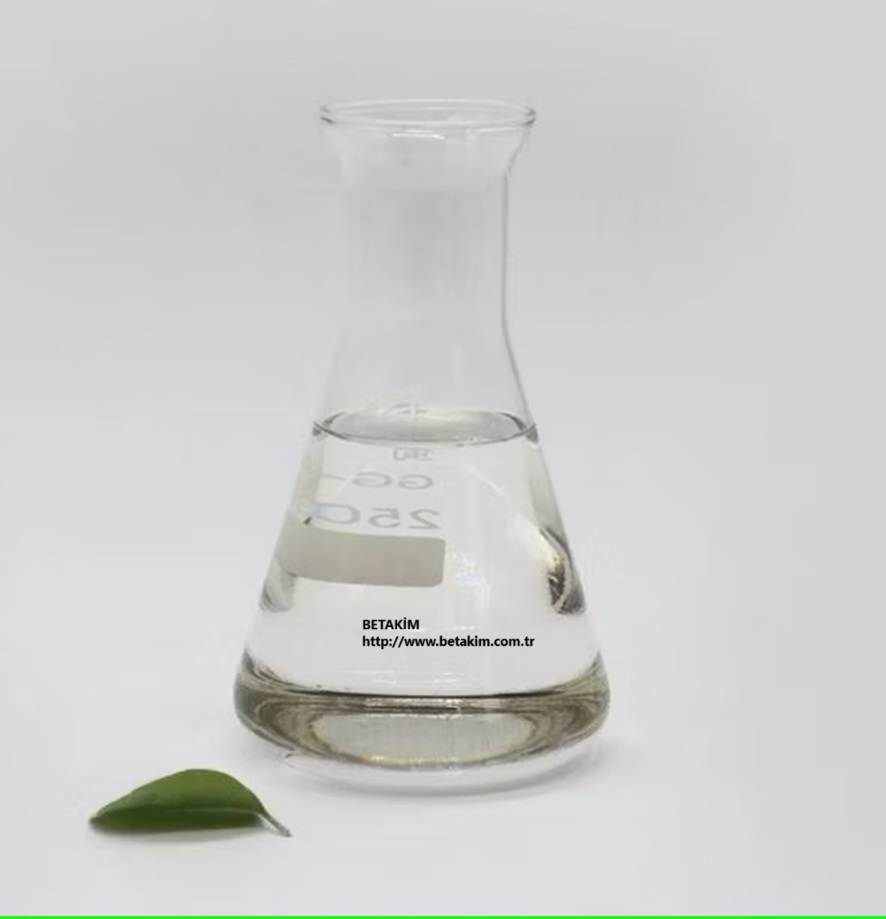
Appearance: Colorless, pungent, corrosive liquid
-
Density: 1.051 g/cm³ (25 °C)
-
Melting Point: 13.5 °C
-
Boiling Point: 141 °C
-
pH: ~3 (weakly acidic)
-
Solubility: Miscible with water, ethanol, ether, acetone, benzene, and carbon tetrachloride.
Chemical Properties
-
Contains a vinyl group and a carboxylic acid group.
-
Easily polymerizes in the presence of light, heat, oxygen, or peroxides.
-
Corrosive to metals.
-
Polymerization releases significant energy.
Production Methods
-
Propylene Oxidation (most common): Propylene is catalytically oxidized to acrolein, which is further oxidized to acrylic acid.
-
Acrylonitrile Hydrolysis
-
Acetylene + CO + H₂O (Nickel catalyst)
-
Alternative Route: Dehydration of lactic acid in the presence of catalysts.
Applications
-
Polymers & Plastics: Base monomer for polyacrylates and polymethacrylates.
-
Paints & Coatings: Key ingredient in water-based acrylic paints, varnishes, and protective coatings.
-
Textiles: Used in water-resistant fabrics and dye fixatives.
-
Cosmetics & Personal Care: Thickener and stabilizer in gels, creams, hair products, nail polishes, and artificial nail foils.
-
Water Treatment: As a flocculant and corrosion inhibitor.
-
Agriculture: Soil conditioners, moisture-retaining polymers, and herbicide carriers.
-
Other Uses: Adhesives, sealants, floor polishes, leather and paper coatings, superabsorbent polymers (SAP), dental prosthetics, and detergents.
🔹 Industrial Production of Acrylic Acid
1. Raw Materials
-
Propylene: The primary feedstock, derived from petroleum refining or natural gas processing.
-
Oxygen: Used in oxidation reactions.
-
Catalysts: Typically mixed metal oxides (molybdenum, vanadium, tungsten) to drive selective oxidation.
2. Main Production Process
-
Two-step catalytic oxidation of propylene:
-
Step 1 – Acrolein formation
-
Propylene is oxidized to acrolein using air/oxygen and catalysts.
-
Reaction is highly exothermic, requiring precise temperature control.
-
-
Step 2 – Acrylic acid formation
-
Acrolein is further oxidized to acrylic acid.
-
Selectivity and yield depend on catalyst composition and reactor design.
-
-
3. Alternative Routes
-
Direct oxidation of propane: More cost-effective but technically challenging due to lower selectivity.
-
Hydrolysis of acrylonitrile: Produces acrylic acid as a by-product, though less common today.
-
Biotechnological methods: Emerging processes using renewable feedstocks (e.g., glycerol fermentation).
4. Purification
-
Absorption in water: Crude acrylic acid is absorbed into water or solvents.
-
Distillation: Removes impurities like acetic acid, formaldehyde, and heavy ends.
-
Inhibitors: Added to prevent unwanted polymerization during storage and transport.
5. Grades of Acrylic Acid
-
Technical grade: Used in polymer production, adhesives, coatings.
-
Glacial acrylic acid (GAA): Highly purified (>99%), used in superabsorbent polymers and specialty chemicals.
6. Safety and Handling
-
Highly reactive and prone to polymerization if not stabilized.
-
Requires temperature-controlled storage with inhibitors (e.g., hydroquinone).
-
Corrosive and volatile, so strict safety protocols are essential.
Summary: Acrylic acid is mainly produced by oxidizing propylene to acrolein, then to acrylic acid, followed by purification into technical or glacial grades. While propylene oxidation dominates, propane-based and bio-based routes are gaining attention for cost and sustainability reasons.
Synonyms
-
Acrylic Acid
-
Propenoic Acid
-
Vinylformic Acid
-
Ethylenecarboxylic Acid
-
2-Propenoic Acid
-
RCRA Waste Number U008
Sectoral Suitability Table – Acrylic Acid
| Sector | Applications | Suitability |
|---|---|---|
| Polymers & Plastics | Base monomer for polyacrylates, polymethacrylates, SAP (super absorbent polymers). | ★★★★★ (Core use) |
| Paints & Coatings | Water-based acrylic paints, varnishes, protective coatings. | ★★★★★ |
| Textiles | Water-resistant fabrics, dye fixatives, finishing agents. | ★★★★☆ |
| Cosmetics & Personal Care | Gels, creams, hair products, nail polish, artificial nail foils. | ★★★★☆ |
| Water Treatment | Flocculants, corrosion inhibitors, anti-scaling agents. | ★★★★☆ |
| Agriculture | Soil conditioners, moisture-retaining polymers, herbicide carriers. | ★★★☆☆ |
| Adhesives & Sealants | Construction adhesives, fillers, caulks. | ★★★★☆ |
| Paper & Leather | Coatings, finishing agents, surface treatments. | ★★★☆☆ |
| Pharmaceuticals & Medical | Dental prosthetics, carbomer gels, biomedical polymers. | ★★★☆☆ |
| Detergents & Cleaning | Polymer additives for detergents, surfactants. | ★★★★☆ |
Notes:
-
Core sectors: Polymers, coatings, and adhesives are the backbone of acrylic acid demand.
-
Emerging uses: Agriculture and medical applications are growing but more specialized.
-
Suitability scale: ★★★★★ = primary industry driver, ★★★☆☆ = secondary but relevant.
🔹 Industrial Applications of Acrylic Acid
1. Polymer and Resin Production
-
Acrylic polymers: Used in paints, coatings, adhesives, and textile finishes.
-
Methacrylate derivatives: Provide UV resistance and optical clarity, applied in automotive headlights, electronic displays, and medical devices.
-
Thermoplastic acrylic resins: Enhance scratch resistance and gloss in furniture and automotive coatings.
2. Superabsorbent Polymers (SAP)
-
Hygiene products: Diapers, sanitary napkins, and adult incontinence products.
-
Agriculture: Soil conditioners that improve water retention in arid regions.
-
Electronics: Moisture control gels in cables and sensitive devices.
3. Paints and Coatings
-
Water-based paints: Eco-friendly, low VOC formulations.
-
Industrial coatings: Improve chemical and mechanical resistance.
-
Automotive and construction: Corrosion protection and UV-resistant finishes.
4. Adhesives and Sealants
-
Pressure-sensitive adhesives (PSA): Labels, tapes, and medical bandages.
-
Construction: Flexible sealants for joints and cracks.
-
Automotive assembly: Strong bonding for glass and plastic components.
5. Textile and Paper Industry
-
Textile finishing: Provides water repellency, stain resistance, and durability.
-
Paper coatings: Improves gloss, strength, and print quality.
-
Nonwoven fabrics: Used in filters, medical textiles, and hygiene products.
6. Water Treatment and Industrial Chemistry
-
Polyacrylic acid derivatives: Prevent scale formation by binding calcium and metal ions.
-
Cooling towers and boilers: Corrosion and deposit inhibitors.
-
Wastewater treatment: Flocculants that help particles settle and separate.
7. Cosmetics and Personal Care
-
Gels and creams: Thickening and stabilizing agents.
-
Hair gels: Provide long-lasting hold and flexibility.
-
Lotions: Improve texture and homogeneity.
8. Plastics and Rubber
-
Acrylic elastomers: Heat- and ozone-resistant rubbers.
-
Plastic additives: Enhance transparency, flexibility, and impact resistance.
-
Automotive parts: Engine seals, hoses, and exterior coatings.
9. Detergents and Cleaning Products
-
Laundry detergents: Soil dispersants and water softeners.
-
Industrial cleaners: Scale removers and stabilizers for surfactants.
Summary: Acrylic acid is a cornerstone chemical in polymer production, hygiene products, coatings, adhesives, textiles, water treatment, cosmetics, plastics, and detergents. Its versatility lies in forming derivatives that deliver absorbency, durability, resistance, and stability across industries.