We unleash your business potential by maximize the business innovation.
Send EmailSodium Silicate, Sodium Siliconate, Sodium Polysilicate, Sodium Silicate Glass, 2 Module, 3 Module, 1344-09-8, 106985-35-7, 11105-00-3, 37299-97-1, 12013-79-5
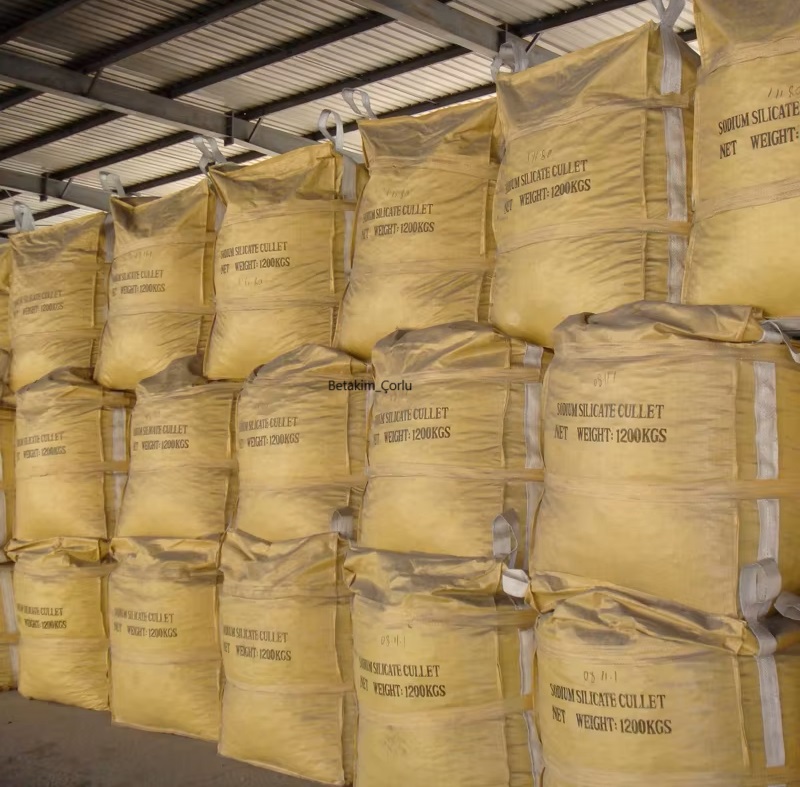
SODIUM SILICATE (WATER GLASS)
PRODUCT IDENTIFICATION INFORMATION
| Parameter | Information |
|---|---|
| Product Name | Sodium Silicate |
| Chemical Name / Formula | Sodium Silicate – Na₂(SiO₂)ₙO |
| Synonyms (Turkish) | Sodyum Silikat, Cam Suyu, Water Glass, Soluble Glass, Sodyum Polisilikat, Sodyum Metasilikat |
| Synonyms (English) | Sodium Silicate, Water Glass, Soluble Glass, Sodium Polysilicate, Sodium Sesquisilicate, Sodium Silicate Glass |
| CAS Numbers | 1344-09-8 (General) / 106985-35-7 (Polysilicate) / 11105-00-3 (Sesquisilicate) / 37299-97-1 (Glass) / 12013-79-5 (Tetrasodium Orthosilicate) |
| EC Number | 215-687-4 |
| Appearance | Clear, colorless, odorless; Commercial grades may appear green/blue tinted |
| Odor | Odorless |
CHEMICAL STRUCTURE
Sodium Silicate Structure (General):
Na₂O · nSiO₂ · xH₂O
Structure Description:
-
Inorganic polymer composed of sodium oxide (Na₂O) and silicon dioxide (SiO₂).
-
Variable ratio of SiO₂ to Na₂O (modulus).
-
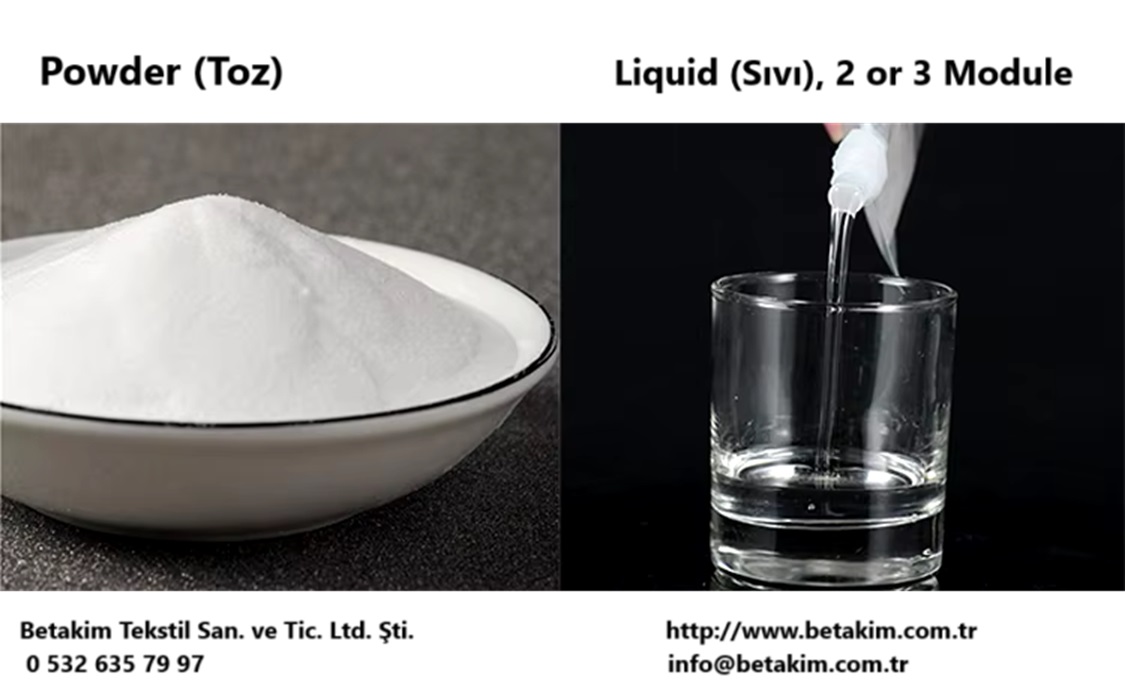
Clear, colorless, odorless liquid or solid (glass-like).
-
Highly alkaline (pH 11-12.5).
-
Soluble in water (solubility increases with temperature).
-
Forms colloidal solutions in water.
SECTION 1: CHEMICAL IDENTITY AND DESCRIPTION
| Parameter | Information |
|---|---|
| Product Name | Sodium Silicate |
| Chemical Name / Formula | Sodium Silicate – Na₂(SiO₂)ₙO |
| Synonyms (Turkish) | Sodyum Silikat, Cam Suyu, Water Glass, Soluble Glass, Sodyum Polisilikat, Sodyum Metasilikat |
| Synonyms (English) | Sodium Silicate, Water Glass, Soluble Glass, Sodium Polysilicate, Sodium Sesquisilicate, Sodium Silicate Glass, Sodium Siliconate |
| CAS Numbers | 1344-09-8 (General) / 106985-35-7 (Polysilicate) / 11105-00-3 (Sesquisilicate) / 37299-97-1 (Glass) / 12013-79-5 (Tetrasodium Orthosilicate) |
| EC Number | 215-687-4 |
| Chemical Class | Inorganic polymer; Silicate; Alkali silicate |
| Source | Synthetic (fusion of silica sand with sodium carbonate) |
| Physical State (20°C) | Liquid (viscous) or Solid (glass-like) |
| Odor | Odorless |
| Color | Clear, colorless; Commercial grades may appear green/blue tinted |
SECTION 2: PHYSICAL AND CHEMICAL PROPERTIES
| Property | Value | Test Method / Note |
|---|---|---|
| Appearance | Clear, colorless, odorless liquid or glass-like solid | Visual |
| Odor | Odorless | Olfactometric |
| Density | 1.4 – 1.6 g/cm³ (liquid grades) | ASTM D4052 |
| pH (1% Solution) | 11.0 – 12.5 (highly alkaline) | pH Meter |
| Solubility in Water | Soluble; Increases with temperature | General Method |
| Viscosity | Depends on polymerization degree and modulus | Brookfield |
| Refractive Index | 1.36 – 1.42 (depends on concentration) | – |
| Melting Point | ~1088°C (solid) | – |
| Boiling Point | ~100°C (as solution) | – |
| SiO₂ to Na₂O Ratio (Modulus) | 1.5 – 4.0 (typical commercial grades: 2.0 and 3.0) | Titrimetric |
| Stability | Stable under normal conditions; Reacts with acids | – |
| Hygroscopicity | Low to moderate | – |
| Heavy Metals (as Pb) | ≤ 10 ppm | AAS / ICP |
| Arsenic (As) | ≤ 2 ppm | AAS / ICP |
| Lead (Pb) | ≤ 2 ppm | AAS / ICP |
SECTION 3: MODULUS COMPARISON
| Property | 2 Modulus (~2.0 SiO₂/Na₂O) | 3 Modulus (~3.0 SiO₂/Na₂O) |
|---|---|---|
| Alkalinity | Higher (more alkaline) | Lower (less alkaline) |
| Viscosity | Lower (more fluid) | Higher (more viscous) |
| Solubility | Higher | Lower |
| SiO₂ Content | Lower | Higher |
| Na₂O Content | Higher | Lower |
| pH | ~12.0 – 12.5 | ~11.0 – 11.5 |
| Polymerization | Low | High |
| Primary Applications | General industrial, detergents, soap, textiles, ceramics, water softening | Technical specialties, flameproof textiles, electrical insulation, wood preservation, refining |
SECTION 4: SODIUM SILICATE vs OTHER SILICATES
| Property / Application | Sodium Silicate (Na₂(SiO₂)ₙO) | Potassium Silicate (K₂SiO₃) | Lithium Silicate (Li₂SiO₃) | Calcium Silicate (Ca₂SiO₄ / CaSiO₃) | Magnesium Silicate (Mg₂SiO₄ / MgSiO₃) | Aluminum Silicate (Al₂SiO₅) |
|---|---|---|---|---|---|---|
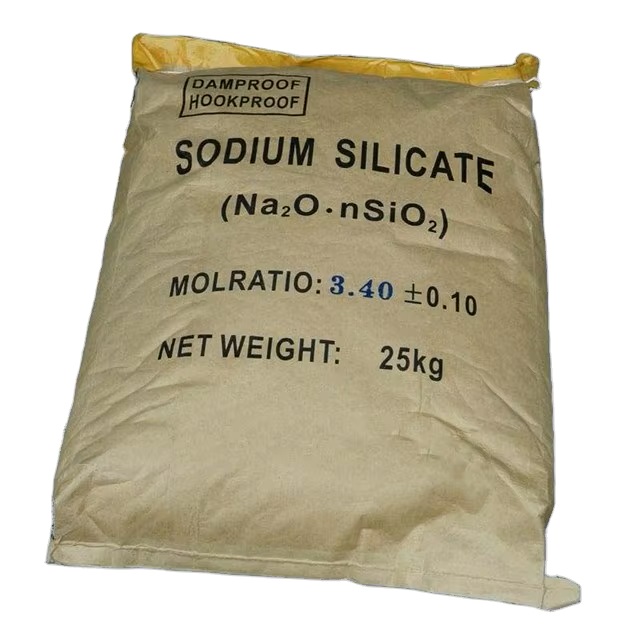
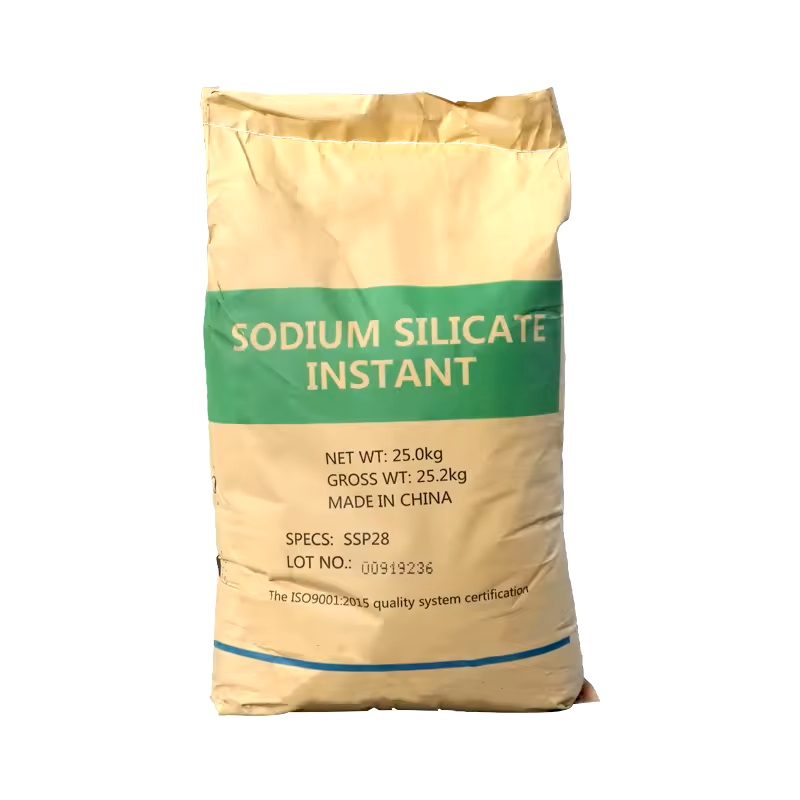
| Form | Liquid, glassy solid, powder | Liquid, powder | Liquid, powder | Solid, powder | Solid, powder | Solid mineral |
| Appearance | Clear, sometimes blue/green | Clear or white | Clear | White powder | White/gray powder | White crystal |
| Alkalinity (pH) | Strongly alkaline | Alkaline, milder than sodium | Alkaline, low viscosity | Neutral – slightly basic | Neutral | Neutral |
| Solubility | Soluble in water | Soluble in water | High solubility | Insoluble (filler) | Insoluble | Insoluble |
| Primary Use | Detergents, textiles, paper, cement, water treatment, adhesives, fire retardants | Agriculture (foliar fertilizer), fireproof coatings, detergents | Concrete hardener, lithium battery binder, high-performance coatings | Insulation boards, fireproof materials, cement additive | Substitute for talc, ceramics, refractories | Ceramics, refractories, fillers |
| Construction | Concrete hardener, waterproofing | Fireproof coatings, cement stabilizer | Concrete densifier | Thermal insulation, cement additive | Refractory bricks, ceramics | Ceramic reinforcement |
| Detergent & Cleaning | Builder, stabilizer | Builder, stabilizer | Limited use | Not used | Not used | Not used |
| Textile | Bleach stabilizer, flame retardant additive | Flame retardant additive | Flame retardant additive | Not used | Not used | Not used |
| Water Treatment | Coagulant, flocculant | Limited use | Limited use | Not used | Not used | Not used |
| Special Uses | Adhesives, coatings, metallurgy | Silicon fertilizer in agriculture, protective coatings | Lithium-ion battery industry, advanced coatings | Fireproof insulation boards | Talc substitute, ceramics | High-temperature ceramics |
SECTION 5: MECHANISM OF ACTION
| Property | Description |
|---|---|
| Alkalinity | Provides high pH (11-12.5) in aqueous solutions; Acts as an alkaline buffer; Neutralizes acids; Used as a pH regulator and stabilizer. |
| Colloidal Behavior | Forms colloidal silica particles in water; Polymerization creates network structures; Provides binding and adhesive properties; Used as a binder. |
| Precipitation / Coagulation | Reacts with metal ions to form insoluble metal silicates; Used in water treatment as a coagulant and flocculant; Removes suspended solids and heavy metals. |
| Surface Binding | Forms strong bonds with inorganic surfaces; Creates a protective film on surfaces; Used as a sealant and hardener in concrete and coatings. |
| Acid Reaction | Reacts with acids to form silicic acid (H₂SiO₃) and sodium salts; Gelation occurs upon acidification; Forms silica gel; Used in various applications. |
| Viscosity Modification | Polymerizes and depolymerizes depending on concentration and temperature; Modifies rheological properties; Used as a thickener and stabilizer. |
SECTION 6: PRODUCTION PROCESS
Industrial Production Method:
Process Flow:
Silica Sand (SiO₂) + Sodium Carbonate (Na₂CO₃) → Fusion (1100-1400°C) → Sodium Silicate Glass (Water Glass) → Dissolution in Water → Filtration → Concentration → Cooling → Final Product
Step-by-Step Description:
-
Raw Materials: High-purity silica sand (SiO₂) and sodium carbonate (Na₂CO₃, soda ash) are used as raw materials.
-
Fusion: The raw materials are mixed and fused in a furnace at 1100-1400°C. The reaction produces sodium silicate glass (water glass).
-
Dissolution: The cooled glass is dissolved in hot water under pressure to form an aqueous solution.
-
Filtration: The solution is filtered to remove undissolved impurities.
-
Concentration: The filtered solution is concentrated by evaporation to achieve the desired solids content.
-
Cooling: The concentrated solution is cooled.
-
Final Product: Liquid sodium silicate is obtained. Solid grades are obtained by further drying.
SECTION 7: FUNCTIONAL PROPERTIES
| Property | Description |
|---|---|
| Alkaline Builder | Provides alkalinity in detergent formulations; Helps remove dirt and stains; Softens water; Prevents soil redeposition. |
| Binder / Adhesive | Forms strong, rigid bonds; Used in paperboard, fiberboard, and laminated products; Provides high bonding strength. |
| Concrete Hardener | Reacts with calcium hydroxide in cement; Forms calcium silicate hydrate; Improves mechanical strength; Reduces porosity; Enhances water resistance. |
| Flame Retardant | Forms a protective glassy layer on surfaces; Acts as a fire barrier; Used in fireproof coatings and textiles; Reduces flame spread. |
| Water Treatment | Acts as a coagulant and flocculant; Removes suspended solids; Precipitates heavy metals; Stabilizes pH; Improves water clarity. |
| Textile Auxiliary | Stabilizes hydrogen peroxide in bleaching; Improves dye uptake; Enhances fabric flame retardancy; Regulates pH in dye baths. |
| Surface Sealer | Forms a hard, impermeable layer on surfaces; Seals pores in concrete and masonry; Provides water resistance; Protects against acid attack. |
SECTION 8: MAIN APPLICATION AREAS
| Industry / Application | Function | Typical Use |
|---|---|---|
| Detergents & Cleaning | Alkaline builder, soil dispersant, stabilizer | Powder detergents (5-15% of formulation); Liquid detergents (2-5% viscosity regulator); Prevents scale formation; Disperses soil particles. |
| Textile Industry | pH regulator, peroxide stabilizer, flame retardant, print fixative | Bleaching baths (1-3%); Print fixing (2-4% solution); Flame retardant finishing; Stabilizes hydrogen peroxide. |
| Paper & Board | Adhesive, surface hardener, ink fixative | Paperboard adhesives (10-20% of formulation); Surface coating (5-10%); Improves board strength; Reduces ink spread. |
| Cement & Concrete | Hardener, waterproofing additive, acid resistance enhancer | Concrete additives (3-8%); Surface coating (10-15% solution); Improves mechanical strength; Optimizes curing time; Protects against acids. |
| Ceramics | Clay deflocculant, binder, anti-coagulant | Clay preparation (1-2%); Binder (3-5%); Improves workability; Prevents cracking and coagulation. |
| Water Treatment | Coagulant, flocculant, pH buffer | Treatment plants (10-50 mg/L dosage); Precipitates pollutants; Provides flocculation; Stabilizes pH. |
| Wood Preservation | Preservative, fungicide, flame retardant | Impregnation solutions (5-15%); Surface coating (10-20%); Protects against fungi and insects; Imparts flame retardancy. |
| Metallurgy & Foundry | Mold binder, refractory additive, surface protectant | Sand molds binder (3-6%); Refractory coatings (10-15%); Increases mold strength; Provides high-temperature stability. |
| Fire Protection | Fireproof coating, additive | Coating solutions (20-30%); Fire retardant mixtures (10-15%); Forms protective glassy film; Delays flame spread. |
SECTION 9: QUALITY SPECIFICATIONS
| Parameter | 2 Modulus Grade | 3 Modulus Grade | Test Method |
|---|---|---|---|
| Appearance | Clear, colorless to green/blue liquid | Clear, colorless to green/blue liquid | Visual |
| SiO₂ Content | ~25 – 30% | ~28 – 33% | Titrimetric |
| Na₂O Content | ~12 – 15% | ~9 – 12% | Titrimetric |
| Modulus (SiO₂/Na₂O) | ~2.0 (±0.2) | ~3.0 (±0.3) | Titrimetric |
| Density (20°C) | 1.40 – 1.50 g/cm³ | 1.45 – 1.55 g/cm³ | ASTM D4052 |
| pH (1% Solution) | 12.0 – 12.5 | 11.0 – 11.5 | pH Meter |
| Viscosity (25°C) | 5 – 50 cP | 50 – 500 cP | Brookfield |
| Iron (Fe) | ≤ 50 ppm | ≤ 50 ppm | AAS / ICP |
| Heavy Metals (as Pb) | ≤ 10 ppm | ≤ 10 ppm | AAS / ICP |
| Water Insoluble | ≤ 0.1% | ≤ 0.1% | Gravimetric |
SECTION 10: TOXICOLOGICAL PROFILE
| Parameter | Value |
|---|---|
| Acute Oral Toxicity (LD50, Rat) | ~ 1,500 – 2,500 mg/kg (moderate toxicity) |
| Acute Dermal Toxicity | Corrosive; Causes severe skin burns |
| Skin Irritation | Corrosive (Category 1A/1B/1C) |
| Eye Irritation | Serious eye damage (Category 1) |
| Inhalation Toxicity | May cause respiratory irritation; Corrosive to respiratory tract |
| Chronic Toxicity | Repeated exposure may cause dermatitis; Inhalation may cause lung damage |
| Carcinogenicity | Not classified as carcinogenic |
| Mutagenicity | Not mutagenic |
| Reproductive Toxicity | No reproductive toxicity at normal levels |
| Environmental Toxicity | May be harmful to aquatic life at high pH; Toxic at high concentrations |
| Special Toxicity Note | Corrosive; Causes severe skin burns and eye damage (H314); Harmful if swallowed (H302); May cause respiratory irritation (H335); High alkalinity; Use appropriate PPE; Avoid contact with eyes and skin. |
SECTION 11: GHS CLASSIFICATION AND LABELING
GHS Classification (in accordance with CLP and UN GHS):
| Hazard Class | Category | H-Statement |
|---|---|---|
| Acute Toxicity (Oral) | Category 4 | H302 |
| Skin Corrosion/Irritation | Category 1A | H314 |
| Serious Eye Damage | Category 1 | H318 |
| Specific Target Organ Toxicity (Single) | Category 3 | H335 |
Signal Word: DANGER
Hazard Pictograms: GHS05 (Corrosive), GHS07 (Exclamation Mark)
Hazard Statements (H-Codes):
| Code | Statement |
|---|---|
| H302 | Harmful if swallowed |
| H314 | Causes severe skin burns and eye damage |
| H318 | Causes serious eye damage |
| H335 | May cause respiratory irritation |
NFPA 704 Hazard Classification:
| Health | Flammability | Reactivity | Special |
|---|---|---|---|
| 3 | 0 | 1 | ALK |
| (Severe health hazard - corrosive) | (Non-flammable) | (Mild reactivity) | (Alkali) |
SECTION 12: PRECAUTIONARY STATEMENTS (P-CODES)
| Code | Statement |
|---|---|
| P260 | Do not breathe dust/fume/gas/mist/vapors/spray |
| P264 | Wash hands thoroughly after handling |
| P280 | Wear protective gloves/protective clothing/eye protection/face protection |
| P301+P330+P331 | IF SWALLOWED: Rinse mouth. Do NOT induce vomiting |
| P303+P361+P353 | IF ON SKIN (or hair): Take off immediately all contaminated clothing. Rinse skin with water/shower |
| P304+P340 | IF INHALED: Remove person to fresh air and keep comfortable for breathing |
| P305+P351+P338 | IF IN EYES: Rinse cautiously with water for several minutes. Remove contact lenses if present and continue rinsing |
| P310 | Immediately call a POISON CENTER/doctor |
| P363 | Wash contaminated clothing before reuse |
| P403+P233 | Store in a well-ventilated place. Keep container tightly closed |
| P405 | Store locked up |
| P501 | Dispose of contents/container in accordance with local/regional/national/international regulations |
SECTION 13: FIRST AID MEASURES
| Exposure Route | Action to Take |
|---|---|
| Inhalation | Remove to fresh air immediately. If respiratory irritation develops, seek medical attention. |
| Skin Contact | Immediately remove contaminated clothing. Rinse with plenty of water for at least 15 minutes. Get immediate medical attention. |
| Eye Contact | Immediately rinse with plenty of water for at least 15 minutes. Keep eyelids open. Remove contact lenses if present. Get immediate medical attention. |
| Ingestion | DO NOT INDUCE VOMITING. Rinse mouth. Drink plenty of water (only if conscious). Get immediate medical attention. |
| Note | Sodium silicate is corrosive; do not attempt to neutralize with acids; high alkalinity causes burns. |
SECTION 14: FIREFIGHTING MEASURES
| Parameter | Information |
|---|---|
| Fire Hazard | Non-flammable. |
| Hazards Arising from Fire | May release sodium oxide and silicon dioxide fumes at high temperatures. |
| Suitable Extinguishing Media | Water spray, CO₂, dry chemical powder, foam. |
| Unsuitable Extinguishing Media | None |
| Special Protective Equipment | Self-contained breathing apparatus (SCBA), full protective clothing, chemical-resistant gloves. |
| Special Precautions | Prevent material from entering sewers and waterways; Evacuate area; Use protective equipment. |
SECTION 15: STORAGE AND SHELF LIFE
| Parameter | Information |
|---|---|
| Storage Conditions | Store in a cool, dry, well-ventilated area; PROTECT FROM MOISTURE and CO₂; Keep away from acids. |
| Container Requirements | Tightly closed, corrosion-resistant containers (HDPE, lined steel, coated drums). |
| Materials to Protect From | Moisture, CO₂, acids, organic materials |
| Shelf Life | 12 – 36 months (in unopened original packaging, under proper storage conditions). |
| Stability Note | Stable under recommended storage conditions; May absorb CO₂ and form sodium carbonate; Protect from moisture; May thicken at low temperatures. |
| Special Storage Requirements | Store in a dry, cool place; Avoid exposure to air and moisture; Opened containers must be resealed immediately; Keep away from acids. |
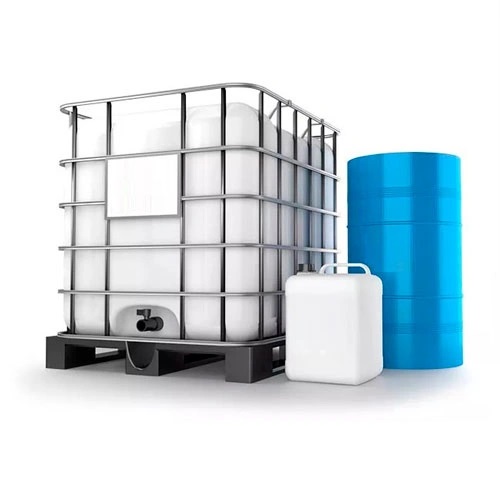
SECTION 16: PACKAGING OPTIONS
| Packaging Type | Quantity | Material |
|---|---|---|
| HDPE Canister | 5 L, 10 L, 20 L | HDPE (chemical-resistant) |
| HDPE Drum | 80 kg, 100 kg, 200 kg | HDPE (sealed, chemical-resistant) |
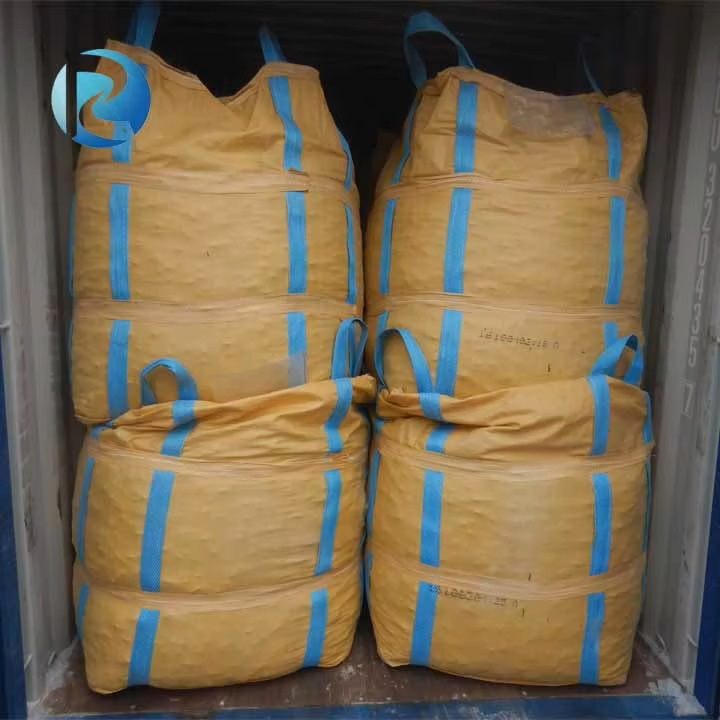
| IBC Container | 1400 kg, 1500 kg | HDPE or coated steel IBC |
| Road Tanker | 10,000 – 30,000 kg | Stainless steel or lined carbon steel |
SECTION 17: TRANSPORT INFORMATION
| Parameter | Information |
|---|---|
| UN Number | UN 1824 (Sodium Hydroxide Solution) / UN 3253 (Disodium Trioxosilicate) |
| Hazard Class | Class 8 - Corrosive Substances |
| Packing Group | III |
| ADR/RID | Class 8; UN 1824; Packing Group III |
| IMDG Code | Class 8; UN 1824; Marine pollutant: No |
| IATA (Air) | Class 8; UN 1824; Packing Group III |
| Transport Label | Corrosive (Class 8) |
| Marine Pollutant | No |
| Special Transport Requirements | Segregation from acids and combustible materials; Protect from moisture; Handle with care. |
SECTION 18: REGULATORY STATUS
| Region / Authority | Status |
|---|---|
| European Union | REACH registered; Regulated as corrosive substance; Approved for industrial use. |
| USA (TSCA) | Listed (TSCA Inventory) |
| USA (FDA) | Approved for food contact applications (indirect). |
| Turkey | Regulated as hazardous chemical; Subject to KKDIK regulation; Ministry of Environment controls. |
| IARC | Not classified (non-carcinogenic) |
| NTP | Not listed |
| OSHA | Regulated as corrosive. |
| California (Prop 65) | Not listed |
| Halal | Yes (with certification) |
| Kosher | Yes (with certification) |
| Vegan | Yes (mineral, no animal ingredients) |
SECTION 19: OTHER NAMES AND SYNONYMS
| Type | Name |
|---|---|
| Turkish Names | Sodyum Silikat, Cam Suyu, Water Glass, Soluble Glass, Sodyum Polisilikat, Sodyum Metasilikat |
| English Names | Sodium Silicate, Water Glass, Soluble Glass, Sodium Polysilicate, Sodium Sesquisilicate, Sodium Silicate Glass, Sodium Siliconate |
| CAS Numbers | 1344-09-8 / 106985-35-7 / 11105-00-3 / 37299-97-1 / 12013-79-5 |
| EC Number | 215-687-4 |
| HS Code | 2839.19 |
SECTION 20: SUMMARY TABLE
| Parameter | Value |
|---|---|
| Product | Sodium Silicate (Water Glass) |
| CAS Number | 1344-09-8 (General) |
| Chemical Formula | Na₂(SiO₂)ₙO |
| Appearance | Clear, colorless, odorless liquid or glass-like solid |
| Density | 1.4 – 1.6 g/cm³ |
| pH (1% Solution) | 11.0 – 12.5 |
| Modulus (SiO₂/Na₂O) | 2.0 – 3.0 (commercial grades) |
| Primary Functions | Alkaline builder, binder, hardener, coagulant, flame retardant |
| Main Application Areas | Detergents, textiles, paper, cement, water treatment, wood preservation, metallurgy, fire protection |
| Shelf Life | 12 – 36 months |
| GHS Signal Word | DANGER |
| UN Number | 1824 |
| Hazard Class | Class 8 (Corrosive) |
| Packing Group | III |
| Special Properties | Strong alkali; Corrosive; pH buffer; Binder; Coagulant; Water-soluble; Non-flammable; Versatile industrial uses. |
SECTION 21: CRITICAL WARNINGS AND BEST PRACTICES
CRITICAL WARNINGS:
-
CORROSIVE (H314, H318): Causes severe skin burns and eye damage. PERSONAL PROTECTIVE EQUIPMENT IS MANDATORY.
-
HARMFUL IF SWALLOWED (H302): Avoid ingestion; Use appropriate safety measures.
-
MAY CAUSE RESPIRATORY IRRITATION (H335): Avoid inhalation of vapors/mists.
-
HIGH ALKALINITY: pH 11-12.5; Reacts with acids (neutralization).
-
REACTS WITH CO₂: Absorbs CO₂ from air to form sodium carbonate; Affects product quality over time.
-
VERY THICK / VISCOUS: Low temperatures may increase viscosity; Warm before use if needed.
-
INCOMPATIBLE WITH ACIDS: May react violently; May form silica gel upon acidification.
-
METAL CORROSION: Corrosive to aluminum, zinc, tin, and other metals.
-
ENVIRONMENTAL: High pH may harm aquatic life; Dilute before discharge.
BEST PRACTICE RECOMMENDATIONS:
-
Detergents & Cleaning: Use as alkaline builder; Dosage: 5-15% (powder), 2-5% (liquid); Prevents scale formation and soil redeposition.
-
Textile Industry: Use as bleach stabilizer and flame retardant; Dosage: 1-3% (bleaching), 2-4% (print fixing); Stabilizes hydrogen peroxide.
-
Paper & Board: Use as adhesive and surface hardener; Dosage: 10-20% (adhesives), 5-10% (surface coating); Improves board strength.
-
Cement & Concrete: Use as hardener and waterproofing additive; Dosage: 3-8% (additive), 10-15% (surface coating); Improves mechanical strength and acid resistance.
-
Water Treatment: Use as coagulant and flocculant; Dosage: 10-50 mg/L; Removes suspended solids and heavy metals.
-
Wood Preservation: Use as preservative and flame retardant; Dosage: 5-15% (impregnation), 10-20% (surface coating); Protects against fungi and insects.
-
Handling: Use in well-ventilated areas; Avoid inhalation of vapors/mists; Use chemical-resistant equipment; Avoid contact with eyes and skin; Wear appropriate PPE.
-
Personal Protective Equipment: MANDATORY: Chemical-resistant gloves (nitrile, neoprene), safety goggles or face shield, protective clothing (PVC or neoprene), chemical-resistant apron, chemical-resistant boots.
-
Hygiene: Wash hands thoroughly after handling; Do not eat, drink, or smoke while using; Remove contaminated clothing and wash before reuse.
-
Storage: Store in tightly closed, corrosion-resistant containers; Store in cool, dry, well-ventilated area; Protect from CO₂ and moisture; Keep away from acids; Opened containers must be resealed immediately; Shelf life: 12-36 months under proper conditions.
-
Spill Management: Neutralize with acid (carefully); Absorb with inert material (sand, vermiculite); Collect in suitable sealed container; Do not allow entry into drains or waterways.
-
Disposal: Dispose of in accordance with local, regional, and national regulations; Hazardous waste (corrosive); Neutralize before disposal; Use authorized disposal facilities.
DETECTION METHODS:
| Method | Description | Advantages | Disadvantages |
|---|---|---|---|
| Titrimetric (Acid-Base) | Neutralization with standard acid | Simple, accurate, standard method | Requires indicator |
| Gravimetric (SiO₂) | Silica precipitation and weighing | Accurate for modulus determination | Time-consuming |
| AAS / ICP | Trace metal analysis (Fe, Na, etc.) | High sensitivity, accurate | High cost, requires expertise |
| pH Meter | pH of solution | Simple, rapid | Indicative only |
| Viscometry | Viscosity measurement | Rapid, simple | Not specific |
| Density Measurement | Specific gravity | Rapid, simple | Not specific |
LEGAL DISCLAIMER:
The information provided in this document is based on our current knowledge and experience and is presented in good faith. However, as all conditions of use are beyond our control, it does not constitute a binding specification or warranty. This Technical Data Sheet is for informational purposes only. Users are responsible for testing the suitability for their own applications and for complying with all local, regional, and national regulations. For complete safety, storage, use, handling, waste, and regulatory compliance information, please refer to the official Safety Data Sheet (SDS/MSDS) provided by the manufacturer/supplier. Sodium silicate is a corrosive substance; strict safety protocols must be followed at all times.