We unleash your business potential by maximize the business innovation.
Send EmailSodium Percarbonate, Solid Hydrogen Peroxide, Sodium Carbonate Peroxide, 15630-89-4
Sodium Percarbonate
1. Product Identity
| Property | Details |
|---|---|
| Product Name | Sodium Percarbonate / Sodium Carbonate Peroxide |
| CAS Number | 15630-89-4 |
| EINECS Number | 239-707-6 |
| Molecular Formula | 2Na₂CO₃·3H₂O₂ |
| Molar Mass | 140.003 g/mol (for the empirical formula); 314.02 g/mol for the full adduct |
| Chemical Names | Sodium carbonate peroxide, Sodium carbonate hydrogen peroxide, Hydrogen peroxide-Sodium carbonate adduct |
| Common Synonyms | Sodium percarbonate, PCS, Solid hydrogen peroxide, Oxyper |
2. Synonyms and Other Names
Common Names
-
Sodium percarbonate
-
Sodium carbonate peroxide
-
Solid hydrogen peroxide
Chemical Names
-
Sodium carbonate hydrogen peroxide
-
Hydrogen peroxide – Sodium carbonate adduct
-
Sodium carbonate peroxohydrate
-
Disodium carbonate compound with hydrogen peroxide (2:3)
Technical Names
-
PCS (common abbreviation)
-
Sodium percarbonate granular
-
Sodium percarbonate powder
3. Physicochemical Properties
| Property | Value |
|---|---|
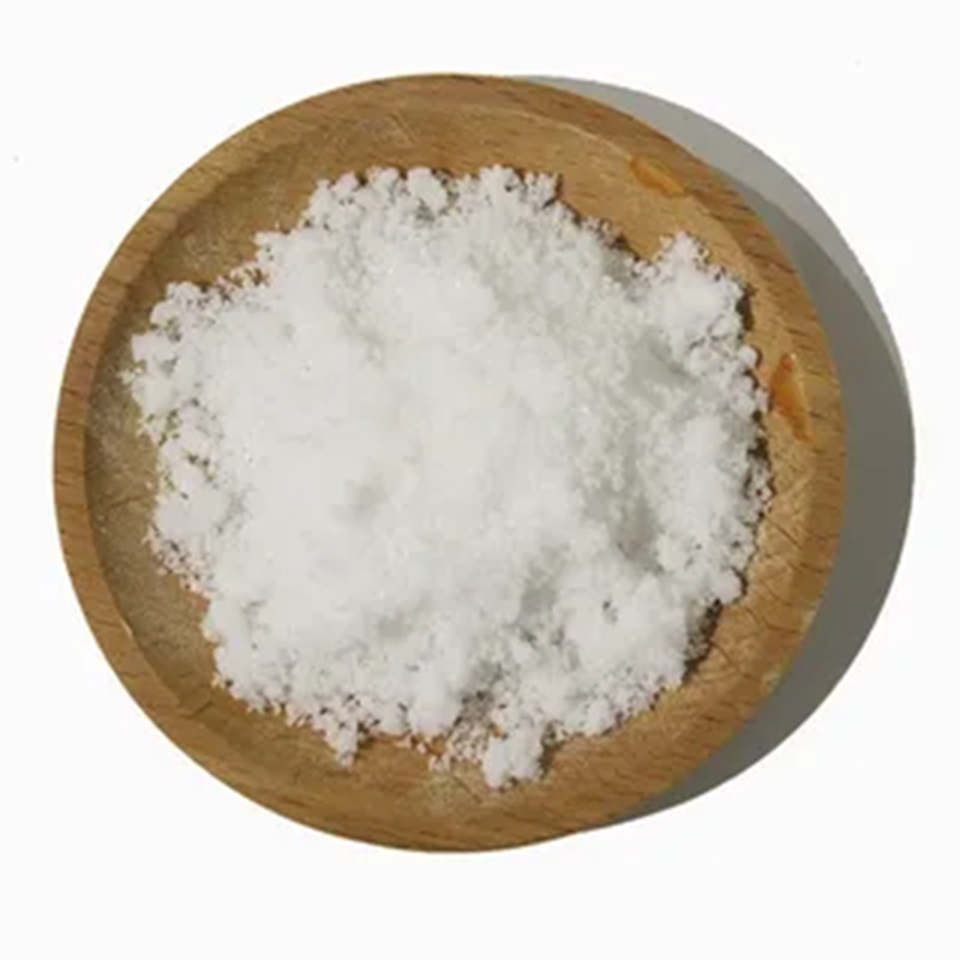
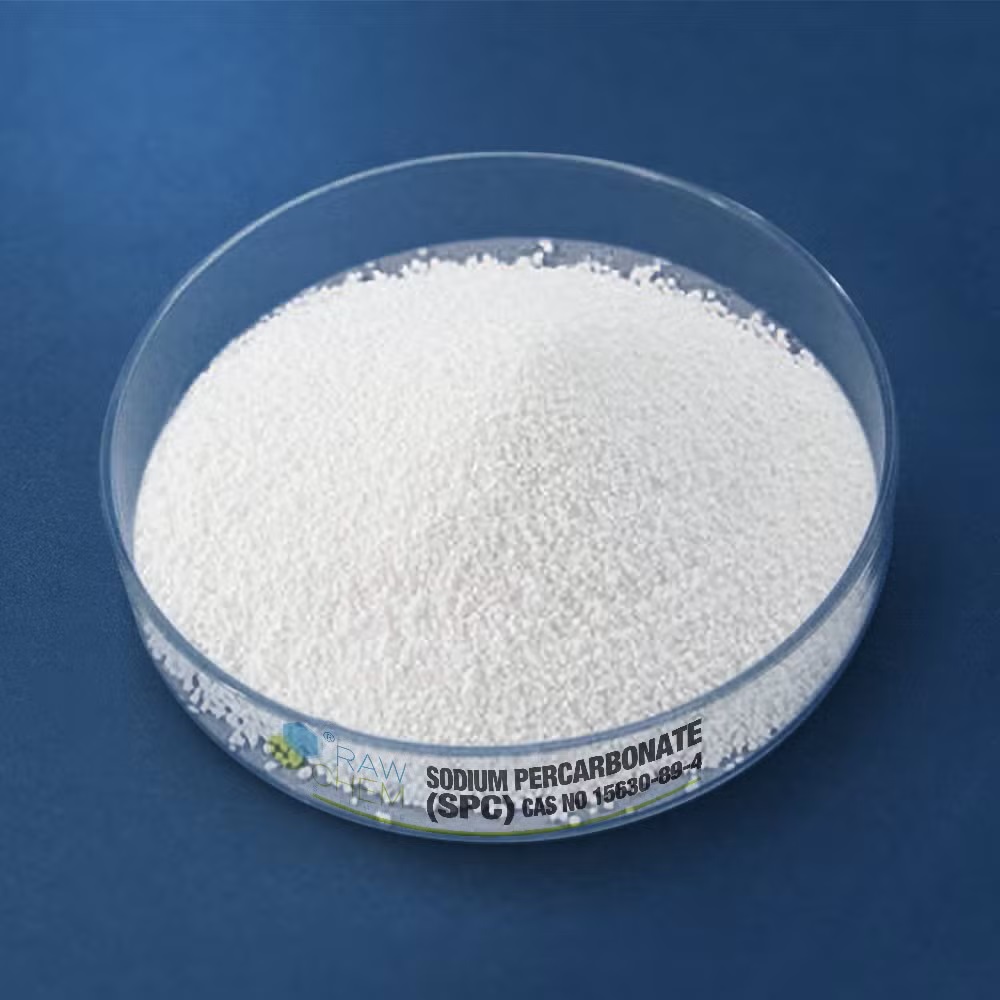
| Appearance | White crystalline or crystalline powder (also available as granular solid) |
| Odor | Odorless |
| Molecular Formula | 2Na₂CO₃·3H₂O₂ |
| Molar Mass | 140.003 g/mol (empirical); 314.02 g/mol (full adduct) |
| Active Oxygen Content | Approximately 25% H₂O₂ equivalent (released upon contact with moisture) |
| Boiling Point | 333.6°C at 760 mmHg (decomposes) |
| Flash Point | 169.8°C |
| Vapor Pressure | 2.58 × 10⁻⁵ mmHg at 25°C |
| Solubility | Soluble in water (rapidly decomposes in water to sodium bicarbonate and oxygen) |
| Stability | Stable when dry. Hygroscopic (absorbs moisture). Slowly decomposes in air to carbon dioxide and oxygen. Rapidly decomposes in water. |
| Sensitivity | Sensitive to moisture and heat |
4. Chemical Properties and Behavior
-
Oxidizing Agent: Sodium percarbonate is a strong oxidizing agent.
-
Decomposition in Water: When dissolved in water, it rapidly decomposes into sodium bicarbonate and oxygen:
-
2Na₂CO₃·3H₂O₂ → 2Na₂CO₃ + 3H₂O₂ (initial dissociation)
-
H₂O₂ → H₂O + ½O₂ (catalytic decomposition)
-
-
Decomposition in Acid: In dilute sulfuric acid, it decomposes to form a measurable amount of hydrogen peroxide.
-
Decomposition in Air: Slowly decomposes in air, releasing carbon dioxide and oxygen.
-
Hygroscopic: Readily absorbs moisture from the air, which triggers decomposition.
-
Reactivity: Contact with combustible materials may cause fire.
5. Production Methods
Sodium percarbonate can be produced through two main industrial methods:
Method 1: Dry Process
-
Process: A hydrogen peroxide solution is sprayed onto anhydrous sodium carbonate in a fluidized bed with boiling hot air.
-
Advantages: Simple production process.
-
Disadvantages: Poor product stability, low active oxygen content.
-
Status: Rarely used in industry due to quality issues.
Method 2: Wet Process (Most Common)
-
Process:
-
A small amount of stabilizer is added to a hydrogen peroxide aqueous solution.
-
The reaction is carried out under controlled temperature conditions.
-
The product is obtained through crystallization, separation, drying, and sieving.
-
-
Advantages: Good product stability, high active oxygen content, mature technology.
-
Status: Widely used in industry.
6. Applications and Uses
Sodium percarbonate is a versatile chemical with numerous industrial applications:
1. Detergent and Cleaning Industry
-
Low-Phosphorus and Non-Phosphorus Detergents: Raw material for environmentally friendly washing powders.
-
Rinsing Agent: Used as a rinsing aid in laundry applications.
-
Bleaching Agent: Oxygen-based bleach for stain removal and whitening.
2. Textile Industry
-
Reducing Color Developing Agent: Used in textile processing.
-
Bleaching Agent: For fabric whitening and brightening.
3. Paper Industry
-
Bleaching Agent: For paper pulp bleaching and brightening.
4. Food Industry
-
Milk Preservative: Can be combined with lactoperoxidase/thiocyanate/peroxide system for raw milk preservation.
-
Dosage: 50 mg/kg (typical)
-
Effectiveness:
-
At 30°C: Maintains freshness for 7-8 hours
-
At 3-5°C: Maintains freshness for 5-6 days
-
-
-
Fruit Preservative: Used to extend shelf life of fruits.
5. Medical and Healthcare
-
Disinfectant and Bactericide: Effective against a wide range of microorganisms.
-
Medical Oxygen Source: Can release oxygen for medical applications.
-
Deodorizing Agent: Eliminates odors through oxidation.
6. Water Treatment
-
Disinfection: Used as a disinfectant in water treatment applications.
-
Algae Control: Effective against blue-green algae in lakes and reservoirs.
7. Metal Cleaning
-
Metal Cleaning Agent: Used in industrial metal cleaning formulations.
8. Oral Care
-
Mouth Glue Cleaner: Used in denture cleaning products.
-
Tooth Whitening: Component in some teeth whitening formulations.
9. Dye Industry
-
Dye Chromogenic Agent: Used in color development processes.
7. Safety and Handling Information
| Parameter | Details |
|---|---|
| Hazard Symbols | O - Oxidizing agent Xn - Harmful |
| Risk Codes | R22 - Harmful if swallowed R36/38 - Irritating to eyes and skin R8 - Contact with combustible material may cause fire |
| Safety Descriptions | S17 - Keep away from combustible material S26 - In case of eye contact, rinse immediately with plenty of water and seek medical advice S37/39 - Wear suitable gloves and eye/face protection |
| UN Number | UN 1479 (Oxidizing solid, n.o.s.) |
| Hazard Class | 5.1 (Oxidizing substance) |
| GB Classification | Class 5.1, 51503 (Chinese standard) |
8. Storage and Handling Precautions
Storage Conditions
-
Store in a cool, dry warehouse.
-
Temperature should be maintained below 40°C to prevent decomposition.
-
Avoid high temperatures and humidity.
-
Keep away from fire and heat sources.
-
Do not store together with reducing substances or combustible materials.
-
Packaging must be sealed to prevent moisture absorption.
Packaging
-
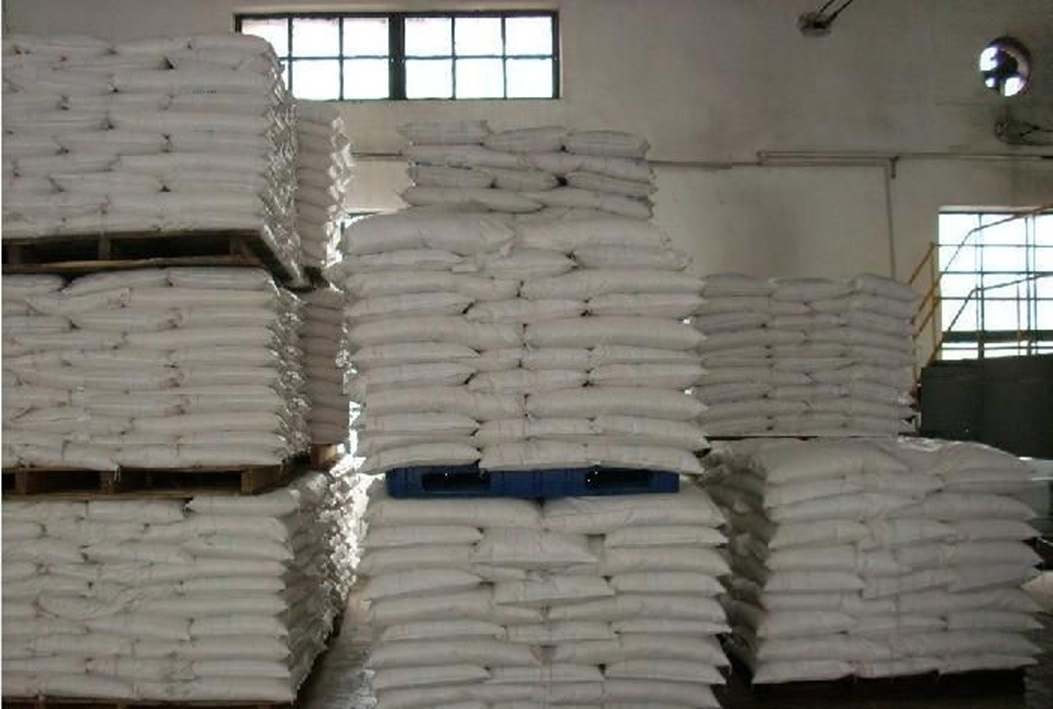
Primary Packaging: Two layers of polyethylene plastic bag (inner lining).
-
Outer Packaging: Plastic woven bag or drum.
-
Net Weight: Typically 25 kg or 50 kg.
Transportation
-
Protect from rain and sun exposure during transport.
-
Handle with care during loading and unloading to prevent package damage.
-
Avoid high temperatures and humidity during transit.
Handling Precautions
-
Avoid inhalation of dust (dust particles can irritate mucous membranes).
-
Use gloves and dust masks when handling large quantities.
-
Wear eye protection.
-
After skin contact, rinse thoroughly with water.
Fire Safety
-
Fire Extinguishing Media: Sand and all types of fire extinguishers can be used.
-
Special Risk: Contact with combustible material may cause fire.
9. Toxicology and Health Effects
| Hazard | Effect |
|---|---|
| Ingestion | Harmful if swallowed (R22) |
| Skin Contact | Irritating to skin (R38) |
| Eye Contact | Irritating to eyes (R36) |
| Inhalation | Dust may irritate respiratory tract and mucous membranes |
| Chronic Exposure | Avoid long-term or repeated inhalation of dust |
10. Environmental Information
-
Decomposition Products: Decomposes to sodium carbonate (soda ash), water, and oxygen – all environmentally benign.
-
Biodegradability: The breakdown products are naturally occurring and biodegradable.
-
Eco-Friendly: Considered an environmentally friendly alternative to chlorine-based bleaches and disinfectants.
11. Summary
Sodium Percarbonate (CAS: 15630-89-4) is a white, crystalline or granular solid that serves as a stable source of hydrogen peroxide. It is an adduct of sodium carbonate and hydrogen peroxide with the molecular formula 2Na₂CO₃·3H₂O₂.
Key Characteristics:
-
Strong oxidizing agent
-
Releases active oxygen (approx. 25% H₂O₂ equivalent) upon contact with moisture
-
Stable when dry, but decomposes in water and humid air
-
Hygroscopic – must be stored in sealed containers below 40°C
Primary Applications:
-
Detergent industry (oxygen-based bleach for eco-friendly laundry products)
-
Textile and paper bleaching
-
Disinfectant and bactericide
-
Food preservation (milk and fruit preservative)
-
Water treatment and algae control
-
Metal cleaning and oral care products
Safety:
Classified as an oxidizing agent (Class 5.1) and harmful if swallowed. It is irritating to eyes and skin and can cause fire when in contact with combustible materials. Proper storage (cool, dry, below 40°C) and handling (protective gloves, dust mask, eye protection) are essential.
Environmental Profile:
Sodium percarbonate is considered environmentally friendly as it decomposes into sodium carbonate, water, and oxygen – all naturally occurring and biodegradable substances, making it a preferred alternative to chlorine-based oxidizers.
Sodium Percarbonate vs. Sodium Bicarbonate – Comparison Table
| Property | Sodium Percarbonate | Sodium Bicarbonate |
|---|---|---|
| CAS Number | 15630-89-4 | 144-55-8 |
| Chemical Formula | 2Na₂CO₃·3H₂O₂ | NaHCO₃ |
| Molecular Weight | 314.02 g/mol (full adduct) | 84.007 g/mol |
| Common Names | Percarbonate, Oxyper, Solid Peroxide, Oxygen Bleach | Bicarbonate, Baking Soda, Cooking Soda, Bread Soda |
| Chemical Structure | Sodium carbonate + Hydrogen peroxide adduct | Simple salt containing sodium, hydrogen, carbon, and oxygen |
| Appearance | White crystalline powder or granules | White fine crystalline powder |
| pH (Aqueous Solution) | Alkaline (~10-11) | Mildly alkaline (~8.3) |
| Solubility in Water | Highly soluble (14 g/100 mL at 20°C) | Moderately soluble (9.6 g/100 mL at 20°C) |
| Odor | Odorless | Odorless |
| Melting Point | Decomposes above 50°C | Begins to decompose above 50°C (converts to carbonate at 270°C) |
| Stability | Stable in dry conditions, decomposes rapidly in moisture | Very stable in dry conditions |
| Hygroscopicity | High (absorbs moisture and decomposes) | Low (may absorb slight moisture but does not decompose) |
Chemical Behavior Comparison
| Property | Sodium Percarbonate | Sodium Bicarbonate |
|---|---|---|
| Dissolution in Water | Sodium carbonate + Hydrogen peroxide → Oxygen + Water | Sodium + Bicarbonate ions |
| Reaction with Acids | Releases hydrogen peroxide | Releases carbon dioxide (CO₂) gas (bubbles) |
| Oxidizing Property | Strong oxidizing agent | Non-oxidizing |
| Bleaching Effect | High (through oxygen release) | None |
| Origin | Synthetic (soda + hydrogen peroxide) | Natural minerals or synthetic |
Application Areas Comparison
| Application Area | Sodium Percarbonate | Sodium Bicarbonate |
|---|---|---|
| Laundry and Detergents | ✔️ Oxygen bleach, stain remover, whitening agent | ❌ Not used alone as detergent |
| Dishwashing | ✔️ As a bleaching agent | ❌ Rarely |
| Surface Cleaning | ✔️ Removes stains and dirt from hard surfaces | ✔️ As a mild abrasive |
| Stain Removal | ✔️ Effective on tough stains | ❌ Ineffective |
| Disinfection | ✔️ Strong disinfectant | ❌ Weak |
| Food and Kitchen | ❌ (Not common as food additive) | ✔️ Baking powder, food additive (E500) |
| Toothpaste | ✔️ As a whitening agent | ✔️ As a mild abrasive |
| Personal Care | ❌ (May be irritating) | ✔️ Teeth cleaning, skin care |
| Odor Removal | ❌ | ✔️ Absorbs odors in refrigerator, carpet, shoes |
| Water Treatment | ✔️ Algae control, disinfection | ❌ |
| Stomach Upset | ❌ (Can be toxic) | ✔️ Used as an antacid |
| Animal Feed | ✔️ Methane gas reducer (careful dosage) | ❌ |
| Textile and Paper | ✔️ Bleaching agent | ❌ |
| Food Preservation | ✔️ Milk and fruit preservative | ❌ |
Safety Comparison
| Property | Sodium Percarbonate | Sodium Bicarbonate |
|---|---|---|
| Hazard Symbols | O (Oxidizer), Xn (Harmful) | None (GRAS - Generally Recognized as Safe) |
| Risk Codes | R22 - Harmful if swallowed R36/38 - Irritating to eyes and skin R8 - Contact with combustible material may cause fire |
No significant risks (except excessive dosage) |
| If Swallowed | Harmful, seek medical attention | Generally safe (may cause stomach discomfort) |
| Skin Contact | Irritating | Generally non-irritating |
| Eye Contact | Irritating, flush with water | Mild irritation, flush with water |
| Flammability | Non-flammable but accelerates fire | Non-flammable |
| Environmental Friendliness | ✔️ Biodegradable, decomposes to oxygen and carbonate | ✔️ Natural, environmentally harmless |
Storage Comparison
| Property | Sodium Percarbonate | Sodium Bicarbonate |
|---|---|---|
| Storage Temperature | Below 40°C | Room temperature |
| Moisture Sensitivity | Very sensitive (decomposes) | Slightly sensitive |
| Shelf Life | Limited (depends on moisture exposure) | Very long (years without degradation) |
| Packaging | Moisture-proof, sealed containers | Normal sealed packaging |
| Incompatibilities | Combustible materials, reducing agents, acids | Strong acids (releases CO₂) |
Summary Comparison
| Criteria | Sodium Percarbonate | Sodium Bicarbonate |
|---|---|---|
| Primary Function | Oxidizer, bleach, disinfectant | Buffer, leavening agent, mild cleaner |
| Mechanism of Action | Releases hydrogen peroxide + oxygen | Produces CO₂ with acids, pH buffering |
| Strength / Efficacy | Strong and aggressive | Mild and gentle |
| Ease of Use | Requires careful dosage and storage | Very easy, safe |
| Price | Medium-high | Low |
| Availability | Detergent sections | Everywhere (grocery stores, markets) |
Example Usage Scenarios
| What You Want to Do | Which Product? | Why? |
|---|---|---|
| Whiten white laundry | Sodium Percarbonate | Chemically breaks down stains through oxygen release |
| Remove tea stains | Sodium Percarbonate | Strong oxidizing effect |
| Bake a cake | Sodium Bicarbonate | Produces CO₂ with acids, leavens the dough |
| Remove refrigerator odors | Sodium Bicarbonate | Absorbs odors |
| Remove bad smell from carpet | Sodium Bicarbonate | Absorbs odor, vacuumed up |
| Disinfect pool water | Sodium Percarbonate | Strong oxidizer, algaecide |
| Heartburn relief | Sodium Bicarbonate | Neutralizes acid (antacid) |
| Clean grout between tiles | Sodium Percarbonate | Oxidizes tough stains and mold |
Conclusion
-
Sodium Percarbonate is a strong oxidizing agent, bleach, and disinfectant. It is ideal for whitening, deep cleaning, and stain removal tasks. However, it requires careful storage and handling.
-
Sodium Bicarbonate is a versatile, mild, and safe household product. It has hundreds of uses, from cooking and personal care to mild cleaning and odor removal.
These two products cannot be used interchangeably. Using bicarbonate for bleaching laundry will not work, while using percarbonate for baking a cake could be dangerous.