We unleash your business potential by maximize the business innovation.
Send EmailSodium Methylate, Sodium Methoxide, Sodium Methanolate, 124-41-4
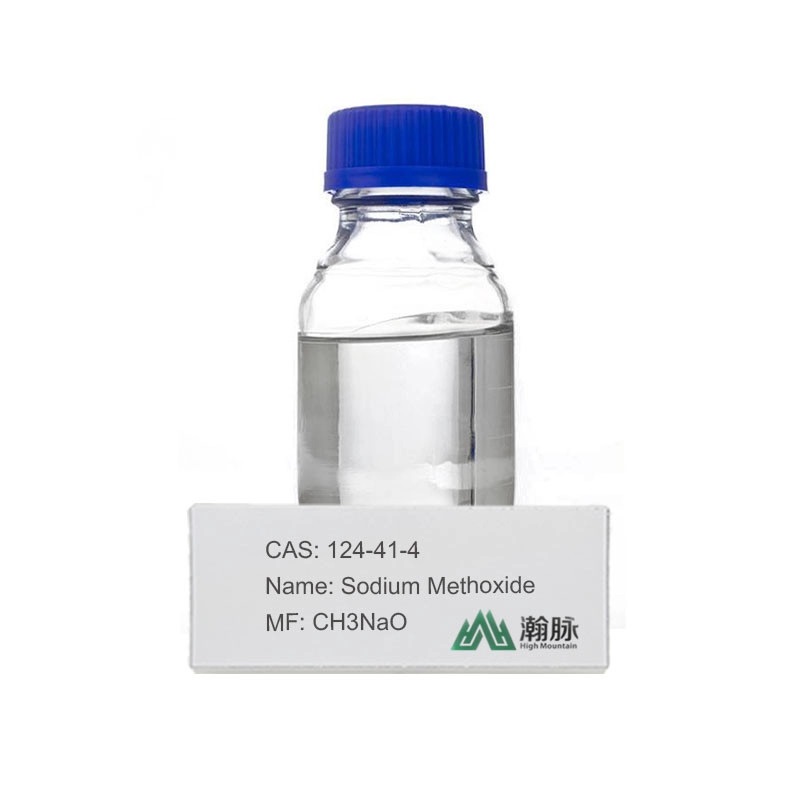
SODIUM METHYLATE (SODIUM METHOXIDE)
PRODUCT IDENTIFIER INFORMATION
| Parameter | Information |
|---|---|
| Product Name | Sodium Methylate (Sodium Methoxide) |
| Chemical Name (IUPAC) | Sodium Methanolate |
| CAS Number | 124-41-4 |
| EC Number (EINECS) | 204-699-5 |
| Molecular Formula | CH3ONa |
| Molecular Weight | 54.02 g/mol |
SECTION 1: CHEMICAL IDENTITY AND DESCRIPTION
| Parameter | Information |
|---|---|
| Chemical Name (IUPAC) | Sodium Methanolate |
| Systematic Name | Sodium Methoxide |
| Synonyms | Sodium Methylate, Sodium Methanolate, Sodium Methoxide |
| Abbreviations | NaOMe, SM |
| CAS Number | 124-41-4 |
| EC Number (EINECS) | 204-699-5 |
| Molecular Formula | CH3ONa |
| Molecular Weight | 54.02 g/mol |
| Chemical Class | Alkali metal alkoxide |
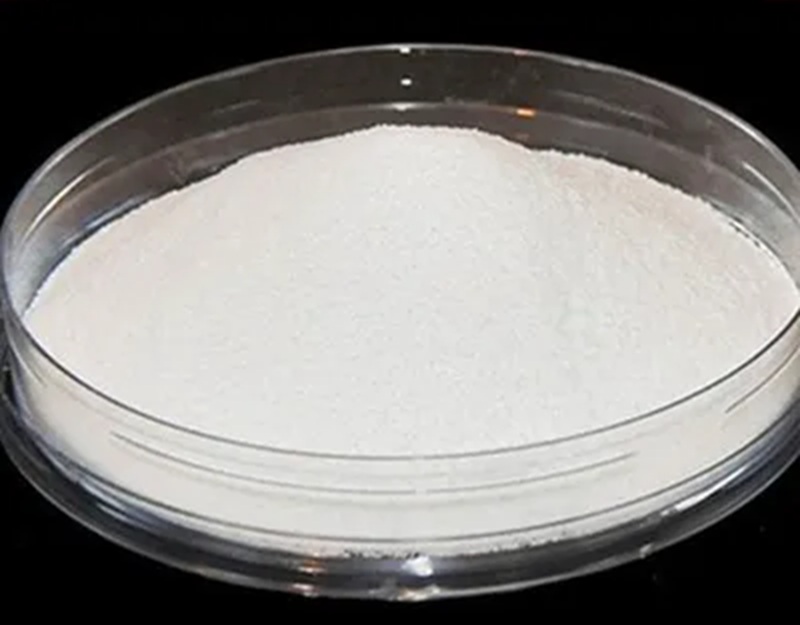
| Physical State (20°C) | Solid (white hygroscopic powder or crystals) or solution in methanol |
| Odor | Characteristic, alcohol-like |
| Taste | Not applicable (toxic and corrosive) |
SECTION 2: PHYSICAL AND CHEMICAL PROPERTIES
| Property | Value | Test Method |
|---|---|---|
| Appearance (Solid) | White hygroscopic powder or crystals | Visual |
| Appearance (Solution, 30%) | Clear, colorless to slightly yellowish viscous liquid | Visual |
| Odor | Characteristic, alcohol-like | Olfactometric |
| Molecular Weight | 54.02 g/mol | Calculated |
| Melting Point (Solid) | ~20°C (with decomposition) | DSC |
| Boiling Point (Solution) | ~65°C (methanol boiling point) | ASTM D86 |
| Density (30% solution, 20°C) | ~0.97 g/cm3 | ASTM D4052 |
| Solubility in Water | Reacts violently; forms NaOH and methanol | - |
| Solubility in Methanol | Completely soluble | General Method |
| Solubility in Ethanol | Soluble | General Method |
| Hygroscopicity (Solid) | Very high; decomposes on contact with moisture | Visual |
| Stability | Stable under inert atmosphere; incompatible with moisture and CO2 | |
| Flash Point (30% solution) | ~11°C (methanol) | ASTM D93 |
SECTION 3: CHEMICAL PROPERTIES AND REACTIVITY
| Parameter | Information |
|---|---|
| Chemical Character | Strong base; nucleophilic reagent; alkoxide |
| Stability | Stable under inert atmosphere (N2/Ar); decomposes with moisture and air |
| Reaction with Water | Violent exothermic reaction: CH3ONa + H2O → CH3OH + NaOH |
| Reaction with CO2 | Forms sodium carbonate; solution efficacy decreases |
| Reaction with Acids | Hazardous reaction with neutralization and gas evolution |
| Incompatible Materials | Water, moisture, CO2, acids, oxidizing agents, halogenated solvents |
| Hazardous Polymerization | Does not occur |
SECTION 4: PRODUCTION METHOD
| Stage | Process | Description |
|---|---|---|
| 1 | Reaction | Sodium metal + absolute dry methanol: 2Na + 2CH3OH → 2CH3ONa + H2↑ |
| 2 | Gas Ventilation | Hydrogen gas (flammable/explosive) is removed from the system |
| 3 | Temperature Control | Reaction is exothermic; maintained at 20-30°C |
| 4 | Solution Preparation | Typically formulated as 30% methanol solution |
| 5 | Solid Form Production | Solvent removed under vacuum; dried and packaged under inert atmosphere |
SECTION 5: SODIUM METHYLATE FORMS AND VARIANTS
| Form | Description | Typical Application |
|---|---|---|
| 30% Solution (in Methanol) | Most common form; liquid, easy to dose | Biodiesel production, industrial methylation |
| 25% Solution | Lower concentration; preferred in some processes | Sensitive organic syntheses |
| 21% Solution | Recommended by some manufacturers for stability and safety | Pharmaceutical syntheses |
| Solid Form (Powder/Crystals) | White hygroscopic solid; high purity and reactivity | Laboratory use, specialized methylation reactions |
| Anhydrous Form | Water-free form; ideal for moisture-sensitive processes | Water-sensitive reactions, advanced organic synthesis |
| Titrant (0.5 M) | Titration solution prepared in methanol | Analytical chemistry, laboratory titrations |
SECTION 6: FUNCTIONAL PROPERTIES AND MECHANISM OF ACTION
| Property | Description |
|---|---|
| Transesterification Catalyst | Catalyzes conversion of triglycerides to methyl esters in biodiesel production |
| Strong Base | Used for proton abstraction and condensation reactions in organic synthesis |
| Methylating Agent | Methylation of alcohols, amines, and active methylene compounds |
| Nucleophilic Reagent | Reacts with carbonyl compounds and alkyl halides |
| Water-Free Production | Environmentally friendly; reduces waste costs; facilitates biodiesel purification |
| High Reactivity | Fast reaction kinetics; high yield with low catalyst loading |
SECTION 7: PRIMARY APPLICATION AREAS
| Sector / Application | Use | Typical Concentration / Dosage |
|---|---|---|
| Biodiesel Production | Transesterification catalyst | 0.3 – 1.5% (based on oil weight) |
| Organic Synthesis - Methylation | Methylation reactions | Stoichiometric or catalytic |
| Organic Synthesis - Base Catalysis | Condensation, alkylation reactions | Variable |
| Pharmaceutical Industry | Methylating agent in API synthesis | Process specific |
| Polymer Production | Intermediate in polyoxymethylene production | Process specific |
| Agrochemicals | Intermediate in pesticide and fungicide synthesis | Process specific |
| Analytical Chemistry | Titrant (0.5 M) | Standard solution in titrations |
SECTION 8: CHEMICAL COMPATIBILITY TABLE
| Material / Environment | Compatibility | Description |
|---|---|---|
| Water (H2O) | INCOMPATIBLE | Violent reaction; forms methanol and NaOH |
| Methanol, Ethanol | COMPATIBLE | Stable in solution form |
| Non-polar Solvents (Toluene, Hexane) | LIMITED | Low reactivity, limited solubility |
| Acids (HCl, H2SO4) | INCOMPATIBLE | Hazardous reaction with neutralization and gas evolution |
| Carbon Dioxide (CO2) | INCOMPATIBLE | Forms sodium carbonate; efficacy decreases |
| Air / Moisture | INCOMPATIBLE | Decomposes on contact with moisture |
| Glass / Stainless Steel | COMPATIBLE | Suitable for storage and transport |
| Polyethylene / Polypropylene | COMPATIBLE | Packaging and container material |
| PVC / PTFE (Teflon) | COMPATIBLE | High chemical resistance, no reactivity |
SECTION 9: QUALITY SPECIFICATIONS (30% SOLUTION, TECHNICAL GRADE)
| Parameter | Specification | Test Method |
|---|---|---|
| Appearance | Clear, colorless to slightly yellowish viscous liquid | Visual |
| Sodium Methylate Content (CH3ONa) | 29.5 – 31.0% | Titrimetric (Acid-Base) |
| Sodium Hydroxide (NaOH) | ≤ 0.5% | Titrimetric |
| Sodium Carbonate (Na2CO3) | ≤ 0.3% | Titrimetric |
| Water Content | ≤ 0.3% | Karl Fischer Titration |
| Density (20°C) | 0.96 – 0.98 g/cm3 | ASTM D4052 |
| Viscosity (20°C) | 5 – 15 cP | Brookfield |
SECTION 10: TOXICOLOGICAL PROFILE
| Parameter | Value |
|---|---|
| Acute Oral Toxicity (LD50, Rat) | ~500-800 mg/kg (toxic) |
| Skin Irritation | Severe irritant, corrosive |
| Eye Irritation | Risk of serious damage |
| Respiratory Irritation | Vapors and dust severely irritate respiratory tract |
| Carcinogenicity | Not classified |
| Environmental Hazard | Harmful to aquatic organisms (pH effect) |
SECTION 11: GHS CLASSIFICATION AND LABELING
GHS Classification (compliant with 1272/2008/EC):
| Hazard Class | Category | H-Statement |
|---|---|---|
| Flammable Liquid (solution) | Category 2 | H225 |
| Skin Corrosion/Irritation | Category 1B | H314 |
| Acute Toxicity (Oral) | Category 4 | H302 |
| STOT - SE | Category 3 | H335 |
Signal Word: DANGER
Hazard Pictograms: GHS02 (Flame), GHS05 (Corrosive), GHS07 (Exclamation Mark)
Hazard Statements (H-Codes):
| Code | Statement |
|---|---|
| H225 | Highly flammable liquid and vapor |
| H302 | Harmful if swallowed |
| H314 | Causes severe skin burns and eye damage |
| H335 | May cause respiratory irritation |
Precautionary Statements (P-Codes):
| Code | Statement |
|---|---|
| P210 | Keep away from heat, hot surfaces, sparks, open flames. No smoking. |
| P280 | Wear protective gloves/protective clothing/eye protection/face protection |
| P301+P330+P331 | IF SWALLOWED: Rinse mouth. Do NOT induce vomiting |
| P303+P361+P353 | IF ON SKIN (or hair): Take off immediately all contaminated clothing. Rinse skin with water |
| P305+P351+P338 | IF IN EYES: Rinse cautiously with water for several minutes. Remove contact lenses if present |
| P310 | Immediately call a POISON CENTER/doctor |
SECTION 12: FIRST AID MEASURES
| Exposure Route | Action to Take |
|---|---|
| Inhalation | Move to fresh air. Seek immediate medical attention if respiratory irritation persists. |
| Skin Contact | Remove contaminated clothing immediately. Wash with plenty of water for at least 15 minutes. Seek immediate medical attention. |
| Eye Contact | Rinse immediately with plenty of water for at least 15 minutes. Remove contact lenses if present. Seek immediate medical attention. |
| Ingestion | Rinse mouth with water. Do NOT induce vomiting. Seek immediate medical attention. |
SECTION 13: FIREFIGHTING MEASURES
| Parameter | Information |
|---|---|
| Fire Hazard | Highly flammable liquid (solution); reacts violently with water |
| Flash Point (30% solution) | ~11°C |
| Hazards During Fire | CO, CO2, Na2O, toxic fumes |
| Suitable Extinguishing Media | Dry chemical powder, CO2, alcohol-resistant foam |
| Unsuitable Extinguishing Media | WATER (reacts violently) |
| Special Protective Equipment | Self-contained breathing apparatus (SCBA), full chemical protective clothing |
| Special Precautions | Cool containers with water mist from safe distance; prevent firefighting water from entering environment |
SECTION 14: STORAGE AND SHELF LIFE
| Parameter | Information |
|---|---|
| Storage Conditions | Cool (15-25°C), dry, well-ventilated area; under inert atmosphere (N2) |
| Container Requirements | Tightly closed, stainless steel or HDPE containers |
| Keep Away From | Moisture, water, CO2, acids, air, heat, ignition sources |
| Shelf Life | 12 months (under appropriate storage conditions) |
| Stability Note | Absolutely avoid contact with moisture and CO2 |
SECTION 15: PACKAGING OPTIONS
| Packaging Type | Quantity | Material |
|---|---|---|
| Stainless steel drum | 200 kg | Stainless steel |
| HDPE drum | 200 kg | HDPE |
| IBC Container | 1000 kg | Stainless steel / HDPE |
SECTION 16: TRANSPORTATION INFORMATION
| Parameter | Information |
|---|---|
| UN Number | UN 1282 (Sodium Methylate Solution) |
| Hazard Class | 3 (Flammable Liquid) + 8 (Corrosive) |
| Packing Group | II |
| ADR/RID | UN 1282, 3 (8), PG II |
| IMDG Code | UN 1282, Flammable Liquid, Corrosive, 3 (8), PG II |
| IATA (Air) | UN 1282, Flammable Liquid, Corrosive, 3 (8), PG II |
| Marine Pollutant | No |
| Transport Temperature | Ambient; protect from heat and moisture |
SECTION 17: REGULATORY STATUS
| Region / Authority | Status |
|---|---|
| European Union | REACH registered; industrial chemical |
| USA (EPA/TSCA) | Listed; industrial chemical |
| Turkey | Industrial chemical; subject to chemical registration regulations |
| Food / Cosmetic | PROHIBITED – toxic and flammable; not suitable for food or cosmetic use |
SECTION 18: SECTORAL SUITABILITY TABLE
| Sector | Suitability | Description |
|---|---|---|
| Biodiesel Production | MANDATORY | 30% methanol solution, the most common catalyst for transesterification |
| Organic Chemistry / Synthesis | COMPATIBLE | Widely used intermediate in methylation and base-catalyzed reactions |
| Pharmaceutical Industry | COMPATIBLE | Methylating agent in API synthesis |
| Polymer / Plastic Production | LIMITED | Intermediate in polyoxymethylene production |
| Food / Cosmetic | PROHIBITED | Not permitted due to toxic and flammable properties |
SECTION 19: OTHER NAMES AND SYNONYMS
| Type | Name |
|---|---|
| Common Names | Sodium Methylate, Sodium Methoxide, Sodium Methanolate |
| Chemical Names | Sodium Methanolate |
| Abbreviations | NaOMe, SM |
| CAS Number | 124-41-4 |
| EC Number | 204-699-5 |
SECTION 20: SUMMARY TABLE
| Parameter | Value |
|---|---|
| Product | Sodium Methylate (Sodium Methoxide) |
| CAS Number | 124-41-4 |
| Molecular Formula | CH3ONa |
| Molecular Weight | 54.02 g/mol |
| Appearance (Solid) | White hygroscopic powder or crystals |
| Appearance (30% solution) | Clear, colorless to slightly yellowish liquid |
| Primary Function | Transesterification catalyst, methylating agent, strong base |
| Shelf Life | 12 months |
| GHS Signal Word | Danger |
| UN Number | UN 1282 |
SECTION 21: CRITICAL WARNINGS AND BEST PRACTICES
CRITICAL WARNINGS:
-
Violent Reaction with Water: Exothermic reaction upon contact with water; forms NaOH and methanol. Absolutely protect from moisture.
-
Highly Flammable: 30% solution is highly flammable (flash point ~11°C). Keep away from heat and ignition sources.
-
Corrosive: Causes severe skin burns and eye damage. Protective equipment is mandatory.
-
Incompatible with CO2: Forms sodium carbonate with atmospheric CO2; efficacy decreases.
-
Inert Atmosphere: Store and handle only under nitrogen or argon atmosphere.
BEST PRACTICE RECOMMENDATIONS:
-
Storage: Store in stainless steel or HDPE tanks under inert atmosphere.
-
Biodiesel: Use at 0.3-1.5% based on oil weight; work with water-free systems.
-
Safety: Wear full protective clothing, gloves, goggles, and face shield.
-
Firefighting: Keep dry chemical powder or CO2 extinguisher available; do NOT use water.
-
Handling: All equipment must be thoroughly dried before use; purge lines with inert gas.
LEGAL DISCLAIMER:
The information provided in this document is presented in good faith based on our current knowledge and experience; however, since all usage conditions are beyond our control, it does not constitute a binding specification or warranty. This Technical Data Sheet is for informational purposes only. Users are obligated to test the suitability for their own applications. For complete safety, storage, handling, transportation, disposal, and regulatory compliance information, refer to the official Safety Data Sheet (SDS/MSDS) provided by the manufacturer/supplier.