We unleash your business potential by maximize the business innovation.
Send EmailNicotine, L-Nicotine, Nicotine, Pure Nicotine, High-Purity Nicotine, 54-11-5
Product Group: High-Purity Nicotine and Derivatives
Standard: STC (Sustainability, Traceability, Compliance) Equivalent Industrial Standard
Document ID: NIC-TDS-2026-STD
Audience: E-Liquid Manufacturers, Nicotine Pouch Manufacturers, R&D Laboratories
SECTION 1: PRIMARY RAW MATERIAL (PURE NICOTINE BASE)
This section defines the core raw material from which all downstream nicotine products are manufactured.
| Parameter | Specification |
|---|---|
| Chemical Name (IUPAC) | (S)-3-(1-Methylpyrrolidin-2-yl)pyridine |
| CAS Number | 54-11-5 |
| Molecular Formula | C₁₀H₁₄N₂ |
| Optical Isomer | L-Nicotine (S-(-)-Nicotine). Biologically active and industry standard form. |
| Purity Grade | > 99.5% (Confirmed by GC-FID analysis on anhydrous basis) |
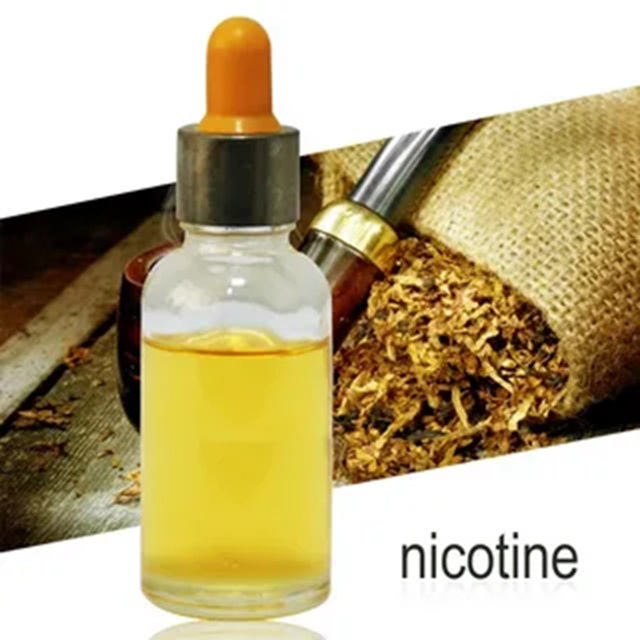
| Physical Appearance | Clear, colorless to pale straw yellow, slightly viscous liquid. |
| Odor | Pungent, characteristic amine/fishy odor (noticeable in pure state). |
| Production Method | Solvent extraction from Nicotiana tabacum leaf, followed by multi-stage fractional distillation. |
SECTION 2: INDUSTRIAL PRODUCT RANGE & DETAILED SPECIFICATIONS
While the purity of the source nicotine remains constant, the formulation and chemical form vary based on the application. The portfolio consists of the following categories:
2.1. Pure Nicotine (Undiluted API)
Intended Use: For large-scale manufacturers with in-house dilution capabilities.
-
Concentration: 1,000 mg/mL (Anhydrous basis).
-
Packaging: Supplied under inert Nitrogen (N₂) atmosphere in stainless steel drums or UV-protected HDPE containers.
-
Safety Note: Handle only with Category III Type 5/6 protective suits and butyl rubber gloves in ventilated areas.
2.2. Nicotine Dilutions (Industrial Stock Solutions)
Intended Use: Ready-to-use solutions for direct integration into e-liquid production lines.
| Product Code Ref. | Carrier Solvent | Nicotine Concentration | Technical Characteristic |
|---|---|---|---|
| NIC-100-PG | Propylene Glycol (USP/EP) | 100 mg/mL (10% w/v) | Industry standard. Low viscosity facilitates easy automated mixing. |
| NIC-200-PG | Propylene Glycol (USP/EP) | 200 mg/mL (20% w/v) | Space-efficient stock for high-strength nicotine salt conversion. |
| NIC-72-VG | Vegetable Glycerin (USP/EP) | 72 mg/mL (7.2% w/v) | Optimized for maximum VG (cloud-focused) manufacturing. Dense, sweet base profile. |
| NIC-50-50/50 | PG/VG Blend | 50 mg/mL | Balanced base optimized for Mouth-to-Lung (MTL) pod systems. |
2.3. Nicotine Salts (Ionic Liquid Concentrates)
Intended Use: Production of e-liquids requiring high nicotine concentration (20-50 mg/mL) with minimal throat irritation.
| Salt Type | Acid Reactant | Physicochemical Profile | Sensory Outcome |
|---|---|---|---|
| Nicotine Benzoate | Benzoic Acid | pKa adjusted for rapid absorption. High thermal stability. | Ultra-Smooth. Minimal throat hit; fast nicotine satisfaction onset. |
| Nicotine Lactate | Lactic Acid | Softer acid profile. Enhanced compatibility with cream/dairy notes. | Rounded & Mellow. Moderate throat hit with a sweeter vapor mouthfeel. |
| Nicotine Levulinate | Levulinic Acid | Ketonic acid structure. Synergistic binding with tobacco alkaloids. | Authentic Tobacco Sensation. Mimics the heat and body of combustible smoke. |
| Nicotine Malate | Malic Acid | Fruit acid derivative. Lower viscosity than lactate salts. | Crisp & Tart. Enhances the perception of fruit and beverage flavors. |
| Nicotine Salicylate | Salicylic Acid | Lower volatility. Enhanced oxidative stability in high-temperature environments. | Extremely Mild. Near-zero throat impact; prolonged shelf stability. |
2.4. Nicotine Polacrilex (Adsorbed Powder)
Intended Use: Dry formulation for Nicotine Pouches and Nicotine Replacement Therapy (NRT) Gums.
| Parameter | Specification |
|---|---|
| Composition | High-purity liquid nicotine adsorbed onto a cross-linked polyacrylic resin matrix. |
| Nicotine Load | 20.0% ± 1.0% (w/w) |
| Physical Form | White to off-white, free-flowing powder. Particle size optimized for uniform pouch filling. |
| Mechanism of Action | Ion-Exchange Controlled Release. Nicotine is released gradually upon contact with saliva (pH 6.5 - 7.5), preventing rapid nicotine spikes and ensuring long-lasting stability against oxidation. |
2.5. Excipients: PG & VG (Pharmacopoeia Grade)
| Chemical | Standard Compliance | Industrial Function |
|---|---|---|
| Propylene Glycol (PG) | USP-NF, Ph. Eur. | Hygroscopic carrier. Primary solvent for flavor volatiles. Provides "throat hit" sensation. |
| Vegetable Glycerin (VG) | USP-NF, Ph. Eur. | Humectant and plasticizer. High molecular weight; generates dense aerosol plumes upon heating. |
2.6. Flavor Concentrates & Functional Additives
| Category | Sub-Type | Technical Application |
|---|---|---|
| Flavorings | Fruit, Beverage, Mint, Tobacco | Highly concentrated esters, aldehydes, and terpenes dissolved in PG. Formulated to be heat-stable at coil operating temperatures (180°C - 240°C). |
| Anti-Ban Tobacco | Regulatory Compliant Blends | Formulations specifically engineered to exclude prohibited additives (e.g., certain sugars or vitamins) while retaining a tobacco organoleptic profile. |
| Additives | Coolants (WS-3, WS-23) | Provides physiological cooling via TRPM8 receptor activation without mint flavor. |
| Additives | Sweeteners (Sucralose, Acesulfame K) | High-intensity sweeteners. Note: Powder forms (Ace-K) are preferred for nicotine pouches to avoid wicking issues associated with liquid sweeteners. |
SECTION 3: ANALYTICAL METHODOLOGY & QUALITY CONTROL
| Analysis Type | Technique | Objective |
|---|---|---|
| Isomeric Purity | Chiral HPLC / Polarimetry | Confirmation of L-Nicotine content; ensures absence of inactive R-Nicotine isomer. |
| TSNA Screening | LC-MS/MS | Quantification of Tobacco-Specific Nitrosamines (NNN, NNK, NAT, NAB). Limit of Quantification (LOQ) < 0.1 ppm. |
| Heavy Metals | ICP-MS | Analysis of Arsenic, Cadmium, Lead, Mercury. Acceptance criteria: < 10 ppm total. |
| Water Content | Karl Fischer Coulometry | Critical for salt stability and prevention of microbial growth. |
| Residual Solvents | Headspace GC-MS | Confirms absence of extraction solvents (Hexane, Toluene, Methanol). |
SECTION 4: STORAGE AND STABILITY
| Condition | Specification |
|---|---|
| Light Sensitivity | Critical. Product must be stored in amber glass or opaque HDPE. Exposure to UV/visible light accelerates photo-oxidation, resulting in darkening (yellow to amber/brown) and formation of off-notes (myosmine). |
| Headspace Atmosphere | Nitrogen Blanket. Minimize headspace oxygen to prevent formation of nicotine-N-oxide. |
| Temperature Range | Recommended: 5°C - 25°C. Protect from freezing to prevent phase separation in VG-heavy bases. |
| Shelf Life | 24 months from date of manufacture in unopened, original packaging. |
SECTION 5: REGULATORY AND SAFETY STATEMENT
The substances described in this TDS are industrial intermediates intended exclusively for B2B manufacturing of alternative nicotine delivery products. They are not consumer goods.
Direct handling of undiluted pure nicotine (1,000 mg/mL) is fatal upon skin contact. Appropriate engineering controls, administrative controls, and Personal Protective Equipment (PPE) compliant with local occupational safety regulations are mandatory. These products are intended for use by trained professional chemists and compounders only.
EXTENDED PRODUCT PORTFOLIO & TECHNICAL SPECIFICATIONS
Industrial nicotine suppliers provide not only raw active ingredients but also semi-finished goods and auxiliary chemicals designed to optimize manufacturing workflows. The following portfolio is classified strictly by technical composition and intended industrial application.
1. PURE NICOTINE (LIQUID BASE)
This is the primary API (Active Pharmaceutical Ingredient) grade substance that serves as the foundation for all derivative products.
| Property | Technical Detail |
|---|---|
| Form | Clear, slightly viscous liquid (Distillate) |
| Molecule | C₁₀H₁₄N₂ |
| Purity Standard | > 99.5% (Certified purity exceeding USP/EP monographs) |
| Sensory Profile | Flavorless, odorless (under ideal storage), and colorless. Ensures maximum formulation flexibility. |
| Application | Preparation of e-liquid bases, formulation of nicotine pouch filling solutions, pharmaceutical gum manufacturing. |
2. NICOTINE SALTS (LIQUID-BASED REACTION PRODUCTS)
Ionic liquids obtained through the controlled reaction of pure nicotine with organic acids. Characterized by lower pH and higher bioavailability compared to freebase nicotine.
| Salt Form (Acid Used) | Chemical & Sensory Profile | Industrial Advantage |
|---|---|---|
| Nicotine Benzoate | The most common industry standard. High thermal stability. Slight mineral/metallic undertone. | Maximum Smoothness. Near elimination of throat irritation even at high concentrations (20-50 mg/mL). |
| Nicotine Malate | Utilizes Malic Acid. Possesses a fruity acid character. Provides a slightly tart vapor sensation. | Synergy with Fruit Flavors. Delivers a livelier and sharper inhale experience. |
| Nicotine Lactate | Utilizes Lactic Acid. Soft and rounded acidity profile. | Compatibility with Creamy/Sweet Recipes. Throat hit is more pronounced than benzoate but remains gentle. |
| Nicotine Levulinate | Utilizes Levulinic Acid. A ketone acid naturally found in tobacco leaf. | Tobacco Flavor Carrier. Successfully mimics the heat and body of traditional cigarette smoke. |
3. NICOTINE POLACRILEX (POWDER / RESIN FORM)
Unlike liquid nicotine, this is a solid powder. It serves as a fundamental raw material for the nicotine pouch and NRT (Nicotine Replacement Therapy) gum industries.
| Parameter | Specification |
|---|---|
| Composition | High-purity liquid nicotine adsorbed onto the surface of an ion-exchange polymer resin (Polacrilex). |
| Nicotine Content | Standard industrial ratio is 20% (w/w) . |
| Physical Form | White to off-white, fine-particle, free-flowing powder. |
| Critical Function | Oxidation Protection: Nicotine molecules bound to the resin surface do not react with air or light. Shelf life is significantly longer than liquid nicotine. |
| Release Profile | Controlled Release: Upon contact with saliva in the oral cavity, nicotine ions slowly dissociate from the resin. This ensures a prolonged, balanced absorption rather than an acute nicotine spike. |
| Primary Use | Nicotine Pouch Filler (Dry formulations), Nicotine Chewing Gum. |
4. DILUENTS AND CARRIER LIQUIDS (PG & VG)
Auxiliary chemicals essential for the safe handling of nicotine and vapor production. Pharmacopeia grade quality is critical for purity and safety.
| Chemical Name | Pharmacopeia Standard | Industrial Role |
|---|---|---|
| Propylene Glycol (PG) | USP-NF, Ph. Eur. | Flavor Carrier & Throat Hit Agent: The optimal solvent for carrying flavor molecules. Low viscosity ensures efficient wicking. Produces less visible vapor but creates the "throat hit" sensation associated with smoking. |
| Vegetable Glycerine (VG) | USP-NF, Ph. Eur. | Vapor Producer & Sweetener: High viscosity liquid with a naturally sweet taste. Generates dense, voluminous vapor clouds when heated. Its inherent sweetness supports the perception of sugar in recipes. |
| Ratio Selection (PG/VG) | Blend Ratio | 50/50: Ideal for pod systems and MTL (Mouth-to-Lung) vaping. 30/70 or 20/80: Optimized for high vapor production and DL (Direct-Lung) vaping. |
5. READY-TO-USE E-LIQUID BASES (PRE-MIXES)
Semi-finished products that allow manufacturers to add flavoring and bottle directly, eliminating the need for separate weighing of PG, VG, and Nicotine.
| Base Type | Description | Advantage |
|---|---|---|
| Standard Nicotine Base | Pure Nicotine + PG/VG Blend | Ready-to-use stock solution for classic "Freebase" liquid production. |
| Nicotine Salt Base (e.g., Benzoate) | Nicotine Salt (Benzoate/Malate) + PG/VG | Optimized for direct production of salt nicotine liquids. pH balance is pre-adjusted. |
| Hybrid Base | Freebase Nicotine + Nicotine Salt Blend | Designed for complex profiles requiring both rapid absorption (Salt) and a distinct throat sensation (Freebase). |
| Nicotine-Free Base | PG/VG Blend Only | Used for flavor development testing (steeping) and 0 mg nicotine products. |
6. FLAVORS AND ADDITIVES (CONCENTRATES)
High-concentration mixtures, typically food-grade raw materials dissolved in PG, that define the product's character.
Flavor Categories:
-
Fruit Flavors: Blends of natural and synthetic esters.
-
Beverage Flavors: Cola, energy drink, lemonade profiles.
-
Tobacco Flavors:
-
Classic Tobacco: Blends containing nutty, hay, and caramel notes.
-
Anti-Ban Tobacco: Special formulations designed to comply with strict regulations by avoiding prohibited additives while maintaining a tobacco essence.
-
-
Mint & Menthol: Cooling agents (WS-3, WS-23, Menthol Crystals).
-
Sweet & Creamy Flavors: Vanillin, Ethyl Maltol, dairy cream profiles.
Functional Additives:
-
Sweeteners (Powder/Liquid): Sucralose for e-liquids; Acesulfame K or Xylitol for Nicotine Pouches.
-
Coolants: Substances (e.g., WS-23) that provide a physiological cooling sensation distinct from menthol flavor. Used in pouches to create a fresh sensation on the gum.
The importation of nicotine into Turkey is governed by different regulations depending on the intended use and physical form of the product. The process is highly restrictive and, for practical commercial purposes, largely prohibited.
1. Import for E-Liquid and Nicotine Pouch Manufacturing (Current Status: DE FACTO BAN)
The import and sale of e-cigarettes and nicotine pouches are prohibited in Turkey under Law No. 4207 on the Prevention and Control of Hazards of Tobacco Products.
-
Pure Nicotine (CAS: 54-11-5) Imports: Products classified under HS Code 2939.99.00.00.11 (Pure Nicotine) or 3824.99.96.90.19 (Electronic Cigarette Liquid) are subject to the "Communiqué on the Import of Electronic Cigarettes and Similar Devices and Their Liquids" issued by the Ministry of Trade. Under this communiqué, Customs Authorities do not grant actual import clearance for these HS Codes.
-
Exception: Importation is theoretically possible if the product is intended for the pharmaceutical industry (Nicotine Replacement Therapy - NRT products) and this use is certified by the Turkish Medicines and Medical Devices Agency (TİTCK) under the Ministry of Health. This exception does not apply to e-liquid manufacturing.
2. Import as Pesticide (Agricultural Chemical) Raw Material
As noted in your earlier text, nicotine can function as a botanical insecticide. This represents a theoretical alternative import route.
-
Regulation: Falls under the Communiqué on the Import of Plant Protection Products issued by the General Directorate of Food and Control, Ministry of Agriculture and Forestry.
-
Reality: Nicotine is not a licensed active substance for plant protection in Turkey and is included on the list of prohibited active substances. Its use as a pesticide has been banned in the European Union since 2009. Consequently, import for this purpose is not permitted.
3. Import for Analytical/Research Purposes (Laboratory Standards)
Importation is possible only for universities or accredited R&D centers requiring the substance as an analytical standard (reference material) .
-
Quantity: Strictly limited to very small volumes, typically 1-5 mL.
-
Permit Mechanism: Requires an Import Permit for Controlled Chemicals from the General Directorate of Public Health, Ministry of Health.
-
Conclusion: This route is not viable for commercial-scale production.
4. Indirect Import (Misdeclaration / Grey Market) - Risk Advisory
Some entities may attempt to import nicotine by declaring it under a different, unrestricted HS Code (e.g., "Herbal Fiber Mixture" or "Food Flavoring").
-
Risk Assessment: Turkish Customs Enforcement Laboratories (operated by the Ministry of Trade) routinely screen such shipments using GC-MS and LC-MS/MS instrumentation. If nicotine is detected analytically:
-
The goods are seized and confiscated under Anti-Smuggling legislation.
-
A criminal complaint is filed against the importer with the Public Prosecutor's Office.
-
5. Summary Table: Import Viability for Nicotine Products into Turkey
| Product Type | Import Feasibility | Legal Basis / Competent Authority |
|---|---|---|
| Pure Nicotine (For E-Liquid Mfg) | PROHIBITED / NOT CLEARED | Ministry of Trade Import Communiqué (De Facto Ban) |
| Pure Nicotine (Pharma API) | Possible (Special Permit) | Requires TİTCK License and Import Authorization. |
| Nicotine Pouch Raw Material | PROHIBITED | Law No. 4207 (Categorized as Imitation Tobacco Product) |
| Nicotine Salts / Bases | PROHIBITED | Classified under HS 3824.99; Blocked by Import Communiqué. |
| Analytical Standard (Ref. Material) | Possible (Milligram Level) | Requires Permit from General Directorate of Public Health. |
Conclusion and Professional Guidance
Direct import of commercial quantities of pure nicotine from manufacturers into a facility in Turkey is not feasible under current legislation.
The only legally compliant business model regarding the Turkish market is as follows:
Establish a manufacturing facility abroad (e.g., in an EU member state), produce the finished product (E-liquid or Nicotine Pouch) there, and refrain from attempting to import these finished products into Turkey, as their domestic sale and importation are also illegal.
Therefore, commercial activity involving these products targeting the Turkish market carries significant legal risk. Prior to undertaking any import operations, consultation with a lawyer specializing in Turkish Customs and Foreign Trade Legislation is mandatory.