We unleash your business potential by maximize the business innovation.
Send EmailSodium Meta Nitrobenzene, 2-Nitrotoluene, Nitrotoluene, Ortho Nitrotoluene, 88-72-2
2-Nitrotoluene
1. Product Identity
| Property | Details |
|---|---|
| Product Name | 2-Nitrotoluene |
| CAS Number | 88-72-2 |
| EINECS Number | 201-853-3 |
| Molecular Formula | C₇H₇NO₂ |
| Molecular Weight | 137.14 g/mol |
| Merck Index | 14,6650 |
| BRN | 1907580 |
| HS Code | 29042000 |
| UN Number | UN1664 |
| Hazard Class | 6.1 (Toxic substance) |
| Packing Group | II |
| RTECS | XT3150000 |
| WGK Germany | 3 |
| TSCA Status | Yes (Listed) |
2. Synonyms and Other Names
Common Names
-
o-Nitrotoluene
-
Ortho Nitrotoluene
-
2-Nitrotoluene
-
2-Nitrotoluol
Chemical Names
-
1-Methyl-2-nitrobenzene
-
1-methyl-2-nitro-benzen
-
Benzene, 1-methyl-2-nitro-
-
o-Methylnitrobenzene
-
2-Methyl-1-nitrobenzene
-
ortho-Methylnitrobenzene
-
o-nitrophenylmethane
Technical Names
-
2-Nitrotoluene For Synthesis
-
2-NITROTOLUENE OEKANAL (analytical standard)
-
o-Nitrotoluene (alpha-type, stable)
-
o-Nitrotoluene (beta-type, unstable)
Abbreviations
-
ONT – o-Nitrotoluene
-
2-NT – 2-Nitrotoluene
-
MNB – Methyl Nitrobenzene
3. Physicochemical Properties
| Property | Value |
|---|---|
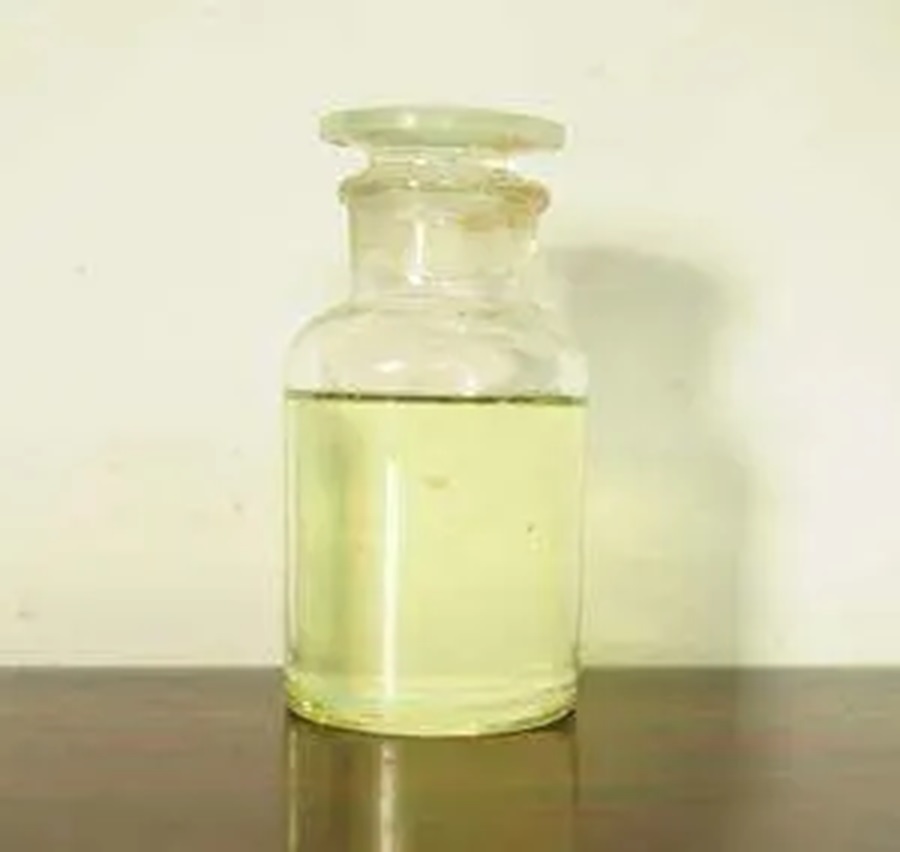
| Appearance | Clear yellow to yellow-green liquid |
| Odor | Characteristic nitrobenzene-like odor |
| Density | 1.163 g/cm³ at 25°C |
| Melting Point | –9 °C (beta-type, unstable); –2.9 °C (alpha-type, stable) |
| Boiling Point | 225 °C (lit.); 221.7 °C; 118 °C at 2.133 kPa |
| Flash Point | 106 °C (closed cup); 223°F |
| Autoignition Temperature | 420 °C |
| Refractive Index | n20/D 1.546 (lit.); 1.5474 |
| Viscosity | 0.0262 mPa·s at 15 °C |
| Vapor Pressure | 0.1 hPa at 20 °C; 10.906 Pa at 5°C; 15.892 Pa at 30°C |
| Vapor Density | 4.72 (vs air) |
| Explosive Limit | 1.47 – 8.8% (V) in air |
| pH (aqueous) | 6 – 8 |
| Solubility in Water | 0.44 g/L at 20 °C; 0.65 g/L (experimental); 0.061 g/100 mL at 30°C |
| Solubility in Organics | Soluble in chloroform, benzene, ethanol, ether, petroleum ether; miscible with ethanol and ether |
| Stability | Stable. Combustible. Incompatible with oxidizing agents, strong bases, sulfuric acid, reducing agents, hydrogen, sodium. |
| Storage Condition | Store below +30°C, away from oxidizers |
4. Chemical Properties and Reactivity
-
Electron Withdrawing Effect: The nitro group is strongly electron-withdrawing, making the methyl group susceptible to oxidation.
-
Oxidation: Under appropriate conditions, 2-nitrotoluene can be oxidized to produce o-nitrobenzaldehyde or o-nitrobenzoic acid.
-
Reduction: Catalytic reduction yields o-toluidine.
-
Nitration: Further nitration produces 2,4-dinitrotoluene or 2,6-dinitrotoluene.
-
Chlorination: Can be chlorinated to produce nitrobenzyl chloride.
-
Azo Compounds: Can react to form azo compounds.
-
Volatility: Volatile with steam.
5. Production Method
2-Nitrotoluene is produced by the nitration of toluene with a mixed acid (sulfuric acid and nitric acid).
Process Steps:
-
Nitration: Toluene is added to a reactor and cooled below 25°C. Mixed acid (nitric acid 25-30%, sulfuric acid 55-58%, water 20-21%) is added. The temperature should not exceed 50°C.
-
Reaction: The mixture is stirred continuously for 1-2 hours, then allowed to stand for 6 hours.
-
Separation: The nitrotoluene formed is separated, washed with water and alkali to remove unreacted toluene and aliphatic compounds.
-
Crude Composition: The crude nitrotoluene product consists of:
-
o-Nitrotoluene: 55-60%
-
m-Nitrotoluene: 2-5%
-
p-Nitrotoluene: 35-40%
-
Yield: 90-95%
-
-
Purification: The isomers are separated by vacuum distillation and crystallization, utilizing differences in boiling points and melting points.
-
Vacuum distillation separates most of the o-nitrotoluene.
-
The residual fraction (rich in p-nitrotoluene) is further distilled, cooled, and crystallized.
-
The mother liquor contains m-nitrotoluene, which is obtained after repeated accumulation and rectification.
-
Purity: o-nitrotoluene up to 98%; p-nitrotoluene up to 99%.
-
Raw Material Consumption (per ton):
-
Toluene (98%): 800 kg
-
Nitric acid (98%): 470 kg
-
Sulfuric acid (92.5%): 450 kg
-
Caustic soda (42%): 100 kg
Domestic Process (Two-Pot Tandem):
-
Main pot reaction temperature: 40-45°C
-
Secondary pot reaction temperature: 50-55°C
-
Mixed acid composition: Nitric acid 26-28%, Sulfuric acid 56-57%, Water 16-18%
6. Applications and Uses
2-Nitrotoluene is an important chemical intermediate used in various industries:
1. Dye Industry
-
Intermediate for the production of dye intermediates such as:
-
4-Chloro-2-nitrotoluene
-
6-Chloro-2-nitrotoluene
-
o-Toluidine
-
o-Tolidine
-
2,6-Dichlorobenzaldehyde
-
2. Pharmaceutical Industry
-
Production of pharmaceutical intermediates and active ingredients:
-
Nifedipine (calcium channel blocker)
-
Tongjingning (analgesic)
-
Imipramine hydrochloride (antidepressant)
-
Bromohexine hydrochloride (mucolytic)
-
Diclofenac sodium (NSAID)
-
Penicillin
-
O-Nitrobenzyl bromide
-
Indole (amino acid and plant growth regulator raw material)
-
O-Nitrobenzoic acid
-
3. Pesticide and Agrochemical Industry
-
Raw material for pesticide fungicides
-
Raw material for insecticides
4. Plastics and Polymer Industry
-
Used in the production of plastics and polymer additives
5. Paints and Coatings Industry
-
Intermediate for paints and coatings
6. Perfume and Fragrance Industry
-
Raw material for perfume intermediates
7. Explosives Industry
-
Dinitrotoluene (produced from further nitration) is used as a raw material for explosives and powders
8. Rubber Industry
-
o-Toluidine is used as a vulcanization accelerator
9. Other Applications
-
Production of benzidine
-
Synthesis of 2,2'-dinitrobenzyl
-
Preparation of bromohexane
7. Toxicology and Safety Information
| Parameter | Details |
|---|---|
| Toxicity Grade | Poisonous |
| Acute Toxicity (Oral, Rat) | LD50: 891 mg/kg |
| Acute Toxicity (Oral, Mouse) | LD50: 970 mg/kg |
| IARC Carcinogenicity Classification | Group 2A (Probably carcinogenic to humans) – Vol. 101, 2013 |
| Risk Codes | R45 - May cause cancer R46 - May cause heritable genetic damage R22 - Harmful if swallowed R51/53 - Toxic to aquatic organisms, may cause long-term adverse effects R62 - Possible risk of impaired fertility R36/37/38 - Irritating to eyes, respiratory system and skin R23/24/25 - Toxic by inhalation, skin contact, and if swallowed R11 - Highly Flammable R20/21/22 - Harmful by inhalation, skin contact, and if swallowed |
| Safety Descriptions | S53 - Avoid exposure – obtain special instructions before use S45 - In case of accident, seek medical advice immediately S61 - Avoid release to the environment S27 - Remove contaminated clothing immediately S16 - Keep away from ignition sources S36/37 - Wear suitable protective clothing and gloves S26 - In case of eye contact, rinse with plenty of water |
| Exposure Limits | NIOSH REL: TWA 2 ppm (11 mg/m³), IDLH 200 ppm OSHA PEL: TWA 5 ppm (30 mg/m³) ACGIH TLV: TWA 2 ppm |
| Immediate Life & Health Concentration (IDLH) | 200 ppm |
| Henry's Law Constant | 1.25 at 25 °C |
| Environmental Toxicity | Toxic to aquatic organisms; may cause long-term adverse effects in the aquatic environment |
8. Hazards and Safety Precautions
Explosion Hazard
-
Forms explosive mixtures with air.
-
May explode when exposed to heat.
Fire Hazard
-
Flammable liquid.
-
Combustion produces toxic nitrogen oxide (NOx) fumes.
Health Hazards
-
Carcinogenicity: IARC Group 2A (probably carcinogenic to humans).
-
Mutagenicity: May cause heritable genetic damage.
-
Reproductive Toxicity: Possible risk of impaired fertility.
-
Acute Toxicity: Harmful if swallowed, inhaled, or absorbed through skin.
-
Irritation: Irritating to eyes, respiratory system, and skin.
Storage and Handling Precautions
-
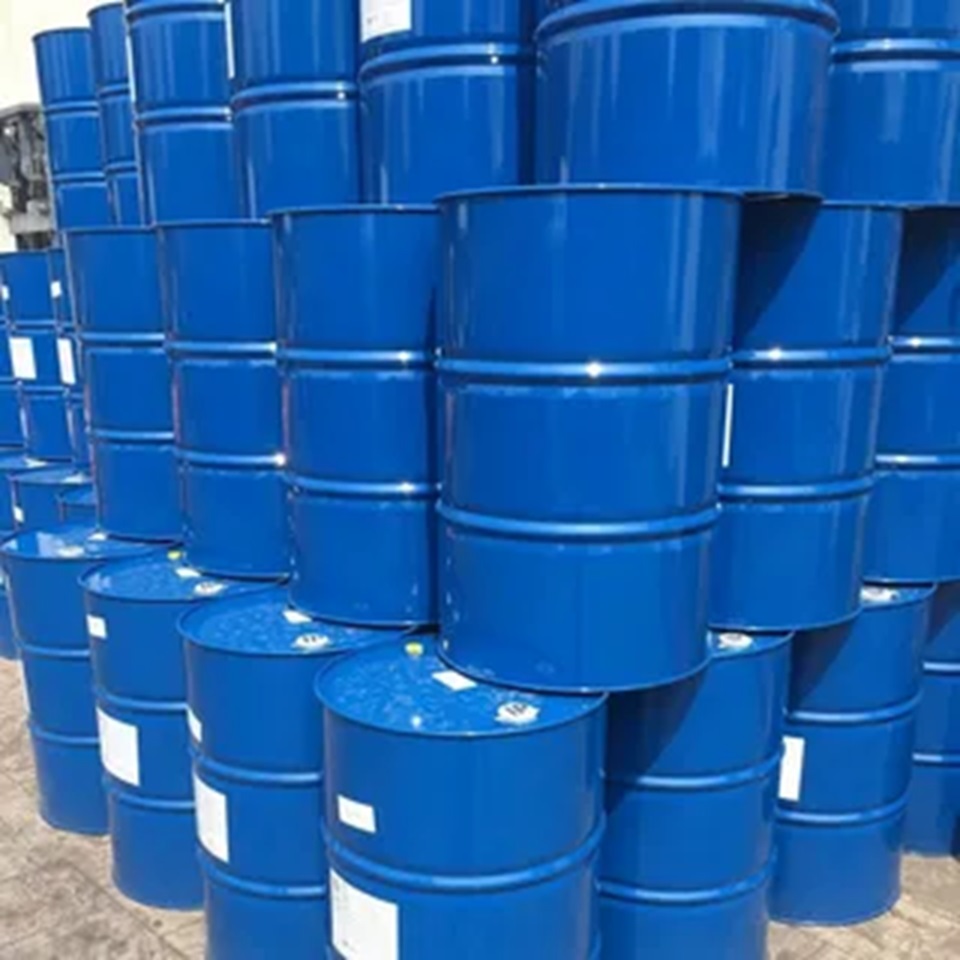
Store in a well-ventilated, cool, dry warehouse (below +30°C).
-
Store separately from oxidizing agents and food additives.
-
Keep away from ignition sources and heat.
-
Use explosion-proof equipment.
-
Wear appropriate personal protective equipment (gloves, clothing, goggles).
-
In case of spillage, avoid release to the environment.
-
Wash contaminated clothing immediately.
Firefighting Measures
-
Use water spray, foam, carbon dioxide mist for extinguishing.
-
Wear self-contained breathing apparatus.
9. Regulatory Information
| Agency | Classification / Limit |
|---|---|
| IARC | Group 2A (Probably carcinogenic to humans) |
| NIOSH | TWA 2 ppm (11 mg/m³), IDLH 200 ppm |
| OSHA | PEL TWA 5 ppm (30 mg/m³) |
| ACGIH | TLV TWA 2 ppm |
| UN Classification | Class 6.1 (Toxic substances), Packing Group II, UN1664 |
| WGK Germany | 3 (Highly hazardous to water) |
10. Summary
2-Nitrotoluene (CAS: 88-72-2) is a yellow to yellow-green liquid with a characteristic nitrobenzene-like odor. It is produced by the nitration of toluene and is primarily used as an intermediate in the dye, pharmaceutical, pesticide, and plastics industries.
Key applications include the production of o-toluidine, nifedipine, diclofenac, and various dye intermediates. It is classified as IARC Group 2A (probably carcinogenic to humans) and is toxic to aquatic organisms. Due to its toxicity, flammability, and carcinogenicity, strict safety precautions must be followed during storage, handling, and use.