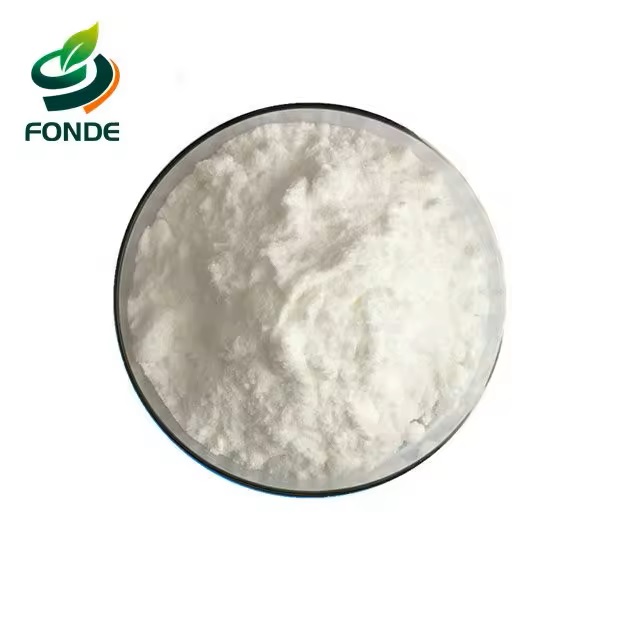
Magnesium Oxide, Magnesium Monoxide, Heavy, Light, Calcined Magnesia, E530, 1309-48-4
MAGNESIUM OXIDE (MgO)
Magnesia / Calcined Magnesia / Periclase / E530
CAS Number: 1309-48-4
EC Number: 215-171-9
1. IDENTIFICATION
| Property |
Information |
| Chemical Name |
Magnesium Oxide |
| Synonyms |
Magnesia, Magnesium monoxide, Calcined magnesia, Periclase (mineral form), Caustic magnesite, E530 |
| Chemical Formula |
MgO |
| Molecular Weight |
40.305 g/mol |
| CAS Number |
1309-48-4 |
| EC Number (EINECS) |
215-171-9 |
| E Number |
E530 (Food additive – anti-caking agent, acidity regulator) |
| Natural Form |
Periclase mineral |
| Appearance |
White to off-white, hygroscopic powder |
| Odor |
Slight characteristic odor |
2. PHYSICAL PROPERTIES
| Property |
Light MgO |
Heavy MgO |
| Physical State (20°C) |
Solid (fine powder) |
Solid (dense powder) |
| Appearance |
White, fine, light powder |
White, dense powder |
| Odor |
Slight |
Slight |
| Molecular Weight |
40.305 g/mol |
40.305 g/mol |
| Density (20°C) |
3.58 g/cm³ |
3.58 g/cm³ |
| Bulk Density |
0.2 – 0.4 g/cm³ |
0.8 – 1.2 g/cm³ |
| Melting Point |
~2,800 °C (5,072 °F) |
~2,800 °C (5,072 °F) |
| Boiling Point |
~3,600 °C (6,512 °F) |
~3,600 °C (6,512 °F) |
| Solubility in Water (20°C) |
Slight (0.0086 g/100 mL) |
Slight (0.0086 g/100 mL) |
| Solubility in Ethanol |
Insoluble |
Insoluble |
| Solubility in Acids |
Soluble |
Soluble |
| Solubility in Ammonium Salts |
Soluble |
Soluble |
| pH (saturated solution) |
~10.3 (strongly alkaline) |
~10.3 (strongly alkaline) |
| Refractive Index |
1.735 |
1.735 |
| Hardness (Mohs) |
5.5 |
5.5 |
| Hygroscopicity |
Hygroscopic |
Slightly hygroscopic |
3. TYPES & GRADES OF MAGNESIUM OXIDE
| Type |
Calcination Temperature |
Surface Area |
Bulk Density |
Color |
Primary Applications |
| Caustic Calcined MgO (CCM) |
700 – 1,000 °C |
High (20-60 m²/g) |
0.2-0.4 g/cm³ |
Off-white |
Agriculture (soil amendment), water treatment, chemical synthesis, latex stabilization |
| Dead Burned MgO (DBM) |
>1,500 °C |
Low (<5 m²/g) |
0.8-1.2 g/cm³ |
Gray-white to yellowish |
Refractory bricks, steel furnace linings, high-temperature insulation |
| Electro Fused MgO (EFM) |
>2,800 °C (electric arc) |
Very low |
1.2-1.5 g/cm³ |
Pure white |
High-purity refractories, ceramics, induction furnaces |
| Light MgO |
700 – 1,000 °C |
High |
0.2-0.4 g/cm³ |
White |
Pharmaceuticals, food additives, cosmetics |
| Heavy MgO |
>1,500 °C |
Low |
0.8-1.2 g/cm³ |
White |
Ceramics, glass, construction chemicals |
| Pharma/Food Grade MgO |
Controlled |
Controlled |
0.2-0.4 g/cm³ |
Pure white |
Antacid, mineral supplement, E530 |
| Technical Grade MgO |
Variable |
Variable |
Variable |
Pale gray |
Paints, construction chemicals, general industrial |
4. CHEMICAL PROPERTIES
| Property |
Information |
| Chemical Formula |
MgO |
| Molecular Weight |
40.305 g/mol |
| Magnesium (Mg) Content |
~60.3% |
| Oxygen (O) Content |
~39.7% |
| pH (saturated solution) |
~10.3 (strongly alkaline) |
| Stability |
Stable under normal conditions |
| Reaction with Water |
MgO + H₂O → Mg(OH)₂ (slow, exothermic) |
| Reaction with Acids |
MgO + 2 HCl → MgCl₂ + H₂O (neutralization) |
| Reaction with CO₂ |
MgO + CO₂ → MgCO₃ (carbonation) |
| Reaction with Ammonium Salts |
MgO + 2 NH₄Cl → MgCl₂ + 2 NH₃ + H₂O |
| Incompatible Materials |
Strong acids, chlorine, strong oxidizing agents |
Reaction with Water (Hydration):
MgO + H₂O → Mg(OH)₂ + Heat (slow, exothermic)
Reaction with Acids (Neutralization):
MgO + 2 HCl → MgCl₂ + H₂O
Reaction with Carbon Dioxide:
MgO + CO₂ → MgCO₃
5. PRODUCTION PROCESS
| Stage |
Description |
| 1. Raw Material |
Magnesite ore (MgCO₃) or seawater (MgCl₂) |
| 2. Calcination |
Magnesite is heated to 700-1,000°C (CCM) or >1,500°C (DBM) |
| 3. Reaction (Magnesite) |
MgCO₃ + Heat → MgO + CO₂↑ |
| 4. Seawater Process |
MgCl₂ + Ca(OH)₂ → Mg(OH)₂↓ + CaCl₂ |
| 5. Calcination (Seawater) |
Mg(OH)₂ + Heat → MgO + H₂O |
| 6. Cooling |
Product is cooled |
| 7. Milling & Classification |
Milled to desired particle size |
| 8. Hydration (Optional) |
For specific grades, partial hydration to Mg(OH)₂ |
| 9. Packaging |
Product is packaged |
Reaction Equations:
Magnesite Route: MgCO₃ + Heat → MgO + CO₂↑
Seawater Route: MgCl₂ + Ca(OH)₂ → Mg(OH)₂↓ + CaCl₂
                Mg(OH)₂ + Heat → MgO + H₂O
6. APPLICATIONS
6.1. Refractory & Metallurgy (Largest Use – ~40%)
| Application |
Function |
| Steel Furnace Linings |
Basic refractory lining for steelmaking furnaces (BOS, EAF, LF) |
| Refractory Bricks |
Magnesia-based bricks for high-temperature applications |
| Sintering Agent |
Promotes sintering in ceramic production |
| Steel Separator |
Prevents sticking of steel during sintering |
| Induction Furnaces |
Electro fused MgO for furnace linings |
6.2. Construction Industry
| Application |
Function |
| Magnesia Cement (Sorel Cement) |
MgO + MgCl₂ solution → magnesium oxychloride cement |
| Flame Retardant Panels |
Fire-resistant building materials |
| Wallboard |
Magnesium oxide boards (MgO boards) |
| Flooring |
Magnesia-based flooring compounds |
6.3. Agriculture
| Application |
Function |
| Soil Amendment |
Corrects magnesium deficiency in acidic soils |
| Fertilizer Additive |
Source of magnesium for plant nutrition |
| Animal Feed |
Magnesium supplement for livestock (prevents grass tetany) |
| pH Adjustment |
Raises pH of acidic soils |
6.4. Pharmaceutical & Nutraceutical
| Application |
Function |
| Antacid |
Neutralizes stomach acid (heartburn relief) |
| Laxative |
Mild osmotic laxative for constipation |
| Magnesium Supplement |
Corrects magnesium deficiency |
| Bone Health |
Supports calcium absorption and bone density |
| Cardiovascular Health |
Supports heart rhythm and blood pressure regulation |
| Neurological Support |
Migraine prevention, anxiety relief, sleep support |
6.5. Food Industry (E530)
| Application |
Function |
| Food Additive (E530) |
Anti-caking agent, acidity regulator |
| Magnesium Fortification |
Mineral supplement in food products |
| Desiccant |
Moisture absorber (shelf-life extension) |
| Powdered Products |
Anti-caking in powdered sugar, salt, spices |
6.6. Oil & Gas Industry
| Application |
Function |
| Hydraulic Fracturing Fluids |
Gel retarder, viscosity control |
| Drilling Muds |
pH control, fluid loss control |
| Workover Fluids |
Completion and workover operations |
6.7. Cosmetics & Personal Care
| Application |
Function |
| Facial Cleansers |
Exfoliant, detoxifying agent |
| Face Masks |
Purifying and oil-absorbing properties |
| Scrubs |
Mild abrasive for skin exfoliation |
| Shampoos |
Scalp detox, anti-dandruff |
| Deodorants |
Absorbent, pH control |
| Makeup |
Bulking agent, absorbent |
6.8. Chemical Industry
| Application |
Function |
| Catalyst Support |
Support for catalysts in chemical reactions |
| Chemical Synthesis |
Raw material for magnesium compounds (MgCl₂, MgSO₄, Mg(OH)₂) |
| Lubricant Additive |
Friction reducer, viscosity modifier |
| Rubber Industry |
Vulcanization accelerator, filler |
| Plastics |
Flame retardant filler |
6.9. Water & Wastewater Treatment
| Application |
Function |
| pH Adjustment |
Neutralizes acidic water |
| Heavy Metal Removal |
Precipitates heavy metals as hydroxides |
| Boiler Water Treatment |
Scale control, corrosion inhibition |
6.10. Ceramics & Glass Industry
| Application |
Function |
| Ceramic Glazes |
Flux agent, improves melting |
| Glass Manufacturing |
Raw material for specialty glasses |
| Refractory Coatings |
High-temperature protective coatings |
7. TRADE NAMES & PRODUCT CODES
| Brand/Code |
Manufacturer/Description |
| Maglite (A, D, S, Y, K, DE, CG1) |
General industrial and food grade MgO |
| Kyowamag (100, 150, MF, LCM) |
Japanese high-purity MgO |
| Magox (93HR, 98HR, 98FR) |
US technical and food grade |
| BayMag (30, 40) |
Canadian high-purity MgO |
| FloMag (HP, HP-ER) |
Food and pharmaceutical grade |
| Elastomag (100, 170) |
Reactive MgO for rubber and plastics |
| Mag Chem (10, 30, 50, 200D, P98) |
Technical and pharmaceutical grades |
| Micromag (3-30, 3-150, 150) |
Micronized MgO |
| UBE (995S, 100A, 500A) |
Japanese high-purity MgO |
| Starmag (M, SL, PSF, U) |
Refractory and construction chemicals |
| Pyrokisuma (3320, 5301, 3350) |
Ceramic and glass industry |
8. QUALITY SPECIFICATIONS
| Parameter |
Light MgO (Pharma/Food) |
Heavy MgO (Technical) |
Dead Burned (Refractory) |
| Purity (MgO) |
≥ 98.0% |
≥ 95.0% |
≥ 90.0% |
| Bulk Density (g/cm³) |
0.2 – 0.4 |
0.8 – 1.2 |
1.2 – 1.5 |
| Surface Area (m²/g) |
20 – 60 |
5 – 15 |
< 5 |
| Loss on Ignition |
≤ 2.0% |
≤ 1.0% |
≤ 0.5% |
| Calcium (CaO) |
≤ 0.5% |
≤ 1.0% |
≤ 2.0% |
| Iron (Fe₂O₃) |
≤ 0.05% |
≤ 0.10% |
≤ 1.0% |
| Silica (SiO₂) |
≤ 0.1% |
≤ 0.5% |
≤ 2.0% |
| Chloride (Cl) |
≤ 0.02% |
≤ 0.05% |
≤ 0.10% |
| Sulfate (SO₄) |
≤ 0.1% |
≤ 0.2% |
≤ 0.5% |
| Heavy Metals (as Pb) |
≤ 10 ppm |
≤ 50 ppm |
– |
| Arsenic (As) |
≤ 1 ppm |
– |
– |
9. STORAGE & HANDLING
| Parameter |
Information |
| Storage Conditions |
Cool, dry, well-ventilated area |
| Container Requirements |
Tightly closed, moisture-proof containers (HDPE, lined bags, drums) |
| Protect From |
Moisture (hydrates to Mg(OH)₂), CO₂ (carbonation), strong acids |
| Shelf Life |
12-24 months (when stored properly in unopened packaging) |
| Hygroscopicity |
Light MgO: highly hygroscopic; Heavy MgO: slightly hygroscopic |
| Incompatible Materials |
Strong acids, chlorine, strong oxidizing agents |
| Packaging Options |
25 kg bags, 50 kg drums, 500 kg/1000 kg FIBC (big bags), bulk silos |
10. SAFETY & HEALTH INFORMATION
GHS Classification
| Hazard Class |
Category |
| Serious Eye Damage |
Category 1 (H318) |
| Skin Irritation |
Category 2 (H315) |
| Specific Target Organ Toxicity (Inhalation) |
Category 3 (H335) |
Hazard Statements (H-Codes)
| Code |
Statement |
| H315 |
Causes skin irritation |
| H318 |
Causes serious eye damage |
| H335 |
May cause respiratory irritation |
Precautionary Statements (P-Codes)
| Code |
Statement |
| P261 |
Avoid breathing dust |
| P264 |
Wash thoroughly after handling |
| P280 |
Wear protective gloves, eye protection, face protection |
| P302+P352 |
IF ON SKIN: Wash with plenty of water |
| P305+P351+P338 |
IF IN EYES: Rinse cautiously with water for several minutes |
| P310 |
Immediately call a POISON CENTER or doctor |
Toxicological Information
| Parameter |
Value |
| Oral LD50 (rat) |
> 5,000 mg/kg (practically non-toxic) |
| Inhalation LC50 (rat) |
Not established (dust may cause irritation) |
| Skin Irritation |
Mild to moderate irritant |
| Eye Irritation |
Severe irritant (causes serious damage) |
First Aid Measures
| Exposure Route |
Action |
| Inhalation |
Remove to fresh air. Seek medical attention if respiratory irritation occurs. |
| Skin Contact |
Wash with plenty of water and soap. Remove contaminated clothing. |
| Eye Contact |
Rinse immediately with plenty of water for at least 15 minutes. Seek immediate medical attention. |
| Ingestion |
Rinse mouth. Do NOT induce vomiting. Drink water. Seek medical attention if large amount ingested. |
Personal Protective Equipment (PPE)
| Equipment |
Recommendation |
| Respiratory Protection |
Dust mask (N95) when handling powder |
| Hand Protection |
Chemical-resistant gloves (nitrile) |
| Eye Protection |
Safety goggles + face shield |
| Body Protection |
Lab coat or protective clothing |
11. FIRE FIGHTING MEASURES
| Parameter |
Information |
| Fire Hazard |
Non-flammable |
| Extinguishing Media |
Use appropriate media for surrounding fire (water, CO₂, dry chemical) |
| Special Hazards |
None |
| Protective Equipment |
Self-contained breathing apparatus (SCBA) |
12. ENVIRONMENTAL INFORMATION
| Parameter |
Information |
| Aquatic Toxicity |
Low (high pH may harm aquatic life at high concentrations) |
| Biodegradability |
Not applicable (inorganic) |
| Bioaccumulation |
Not expected |
| Persistence |
Persistent (inorganic mineral) |
| Waste Disposal |
Dispose according to local regulations. Neutralize before disposal if necessary. |
13. TRANSPORT INFORMATION
| Parameter |
Information |
| UN Number |
Not regulated (non-hazardous) |
| Hazard Class |
None |
| Packing Group |
Not applicable |
| Marine Pollutant |
No |
14. REGULATORY INFORMATION
| Region |
Status |
| EU |
REACH registered; E530 approved as food additive |
| Turkey (KKDIK) |
Mandatory compliance; requires registration |
| USA (FDA) |
GRAS (Generally Recognized as Safe) – 21 CFR 184.1431 |
| Canada (DSL) |
Listed |
| Australia (AICS) |
Listed |
| E530 |
Approved worldwide as food additive |
15. SYNONYMS & OTHER NAMES
| Turkish Name |
English Name |
| Magnezyum Oksit |
Magnesium Oxide |
| Magnezya |
Magnesia |
| Kalsine Magnezya |
Calcined Magnesia |
| Periklaz |
Periclase |
| E530 |
E530 |
| Ağır Magnezyum Oksit |
Heavy Magnesium Oxide |
| Hafif Magnezyum Oksit |
Light Magnesium Oxide |
16. COMPARISON: LIGHT MgO vs HEAVY MgO
| Property |
Light MgO |
Heavy MgO |
| Bulk Density |
0.2 – 0.4 g/cm³ |
0.8 – 1.2 g/cm³ |
| Surface Area |
High (20-60 m²/g) |
Low (5-15 m²/g) |
| Reactivity |
High |
Low |
| Hygroscopicity |
High |
Low |
| Calcination Temperature |
700-1,000°C |
>1,500°C |
| Primary Uses |
Pharma, food, cosmetics |
Refractory, ceramics, construction |
17. SECTORAL COMPATIBILITY
| Sector |
Suitability |
Preferred Type |
Notes |
| Refractory & Metallurgy |
High |
Dead burned, Electro fused |
Steel furnace linings, refractory bricks |
| Construction |
High |
Heavy |
Magnesia cement, flame retardant panels |
| Agriculture |
High |
Light |
Soil amendment, animal feed |
| Pharmaceutical |
High |
Light (high purity) |
Antacid, laxative, magnesium supplement |
| Food (E530) |
High |
Light (food grade) |
Anti-caking agent, acidity regulator |
| Oil & Gas |
High |
Light |
Hydraulic fracturing, drilling fluids |
| Cosmetics |
High |
Light |
Exfoliants, face masks, deodorants |
| Chemical Industry |
High |
Light, Heavy |
Catalyst support, synthesis |
| Water Treatment |
High |
Light |
pH adjustment, heavy metal removal |
| Ceramics & Glass |
High |
Heavy |
Glazes, specialty glass |
18. SUMMARY
Magnesium Oxide (MgO, CAS 1309-48-4, E530) is a white, hygroscopic powder with a very high melting point (~2,800°C). It exists in light and heavy forms, as well as different calcination grades (caustic calcined, dead burned, electro fused).
Key Features:
| Feature |
Light MgO |
Heavy MgO |
Dead Burned |
| Bulk Density |
0.2-0.4 g/cm³ |
0.8-1.2 g/cm³ |
1.2-1.5 g/cm³ |
| Surface Area |
High |
Low |
Very low |
| Reactivity |
High |
Low |
Very low |
| Primary Use |
Pharma, food, chemicals |
Refractories, ceramics |
Steel furnaces |
Main Application Areas:
| Sector |
Applications |
| Refractory & Metallurgy |
Steel furnace linings, refractory bricks |
| Construction |
Magnesia cement, fire-resistant panels |
| Agriculture |
Soil amendment, animal feed |
| Pharmaceutical |
Antacid, laxative, magnesium supplement |
| Food (E530) |
Anti-caking agent, acidity regulator |
| Oil & Gas |
Hydraulic fracturing, drilling fluids |
| Cosmetics |
Exfoliants, face masks, deodorants |
| Water Treatment |
pH adjustment, heavy metal removal |
Key Safety Points:
-
EYE DAMAGE – Causes serious eye damage
-
SKIN IRRITANT – Causes skin irritation
-
HYGROSCOPIC – Absorbs moisture (light form)
-
ALKALINE – pH ~10.3 in solution
-
HANDLE WITH PPE – Use gloves, goggles, dust mask
19. IMPORTANT NOTES
-
Light vs Heavy MgO: Light MgO (0.2-0.4 g/cm³) is produced at lower calcination temperatures (700-1,000°C), has high surface area and reactivity, and is used in pharmaceuticals, food, and chemicals. Heavy MgO (0.8-1.2 g/cm³) is produced at higher temperatures (>1,500°C), has low surface area and reactivity, and is used in refractories and ceramics.
-
Dead Burned MgO (DBM): Calcined at >1,500°C, DBM has very low reactivity and is used as refractory lining for steel furnaces. Electro Fused MgO (EFM) is produced at >2,800°C and has the highest purity and density.
-
Hydration Sensitivity: Light MgO absorbs moisture rapidly, converting to magnesium hydroxide Mg(OH)₂. Store in tightly sealed containers. Heavy MgO is less sensitive.
-
Reaction with Acids: MgO is a strong base (pH ~10.3 in saturated solution). It neutralizes acids effectively, making it suitable for antacid formulations and wastewater neutralization.
-
E530 – Food Additive: Magnesium oxide is approved as food additive E530 (anti-caking agent, acidity regulator). It is used in powdered foods, salt, spices, and cocoa powder.
-
Pharmaceutical Use: MgO is used as an antacid (neutralizes stomach acid) and as a laxative (osmotic effect). It is also used as a magnesium supplement for treating magnesium deficiency.
-
Magnesia Cement (Sorel Cement): MgO reacts with magnesium chloride (MgCl₂) solution to form magnesium oxychloride cement, which has high strength and fire resistance.
-
Bioavailability: Magnesium oxide has lower bioavailability compared to other magnesium salts (citrate, glycinate). It is effective as an antacid and laxative but may not be the best choice for systemic magnesium replenishment.
-
Animal Feed: Magnesium oxide is used in livestock feed to prevent grass tetany (hypomagnesemia) in cattle, especially during spring grazing.
-
Storage: Light MgO is highly hygroscopic. Store in airtight containers to prevent hydration. Heavy MgO and dead burned MgO are more stable and require less stringent storage.
20. REFERENCES & DISCLAIMER
References:
-
ECHA (European Chemicals Agency) – Information Card 100.013.783
-
FDA 21 CFR 184.1431 (Magnesium oxide – GRAS)
-
EFSA – Food Additive E530 Evaluation
-
USP (United States Pharmacopeia) – Magnesium Oxide Monograph
Important Disclaimer: This Technical Data Sheet (TDS) is for informational purposes only. For complete safety, handling, storage, and regulatory compliance information, always refer to the official Safety Data Sheet (SDS) provided by the manufacturer/supplier. The information contained in this document is believed to be accurate and reliable based on current knowledge, but no warranty or liability is accepted. The user is responsible for determining the suitability of the product for their specific application.