We unleash your business potential by maximize the business innovation.
Send EmailCalcium Hypochlorite, Calcium Oxychloride, Calcium Dihypochlorite, Chlorinated Lime, Bleaching Powder, 7778-54-3
CALCIUM HYPOCHLORITE
Calcium Hypochlorite / Calcium Oxychloride / Calcium Dihypochlorite / Bleaching Powder / Chlorinated Lime
CAS Number: 7778-54-3
EC Number: 231-908-7
UN Number: 1748
SECTION 1: PRODUCT IDENTIFICATION AND CHEMICAL IDENTITY
| Parameter | Information |
|---|---|
| Product Name | Calcium Hypochlorite |
| Chemical Name (IUPAC) | Calcium Hypochlorite |
| Other Names | Bleaching powder, Calcium oxychloride, Chlorinated lime, Calcium dihypochlorite, Cal Hypo |
| CAS Number | 7778-54-3 |
| EC Number (EINECS) | 231-908-7 |
| UN Number | 1748 |
| Molecular Formula | Ca(ClO)₂ |
| Molecular Weight | 142.98 g/mol |
| Chemical Class | Hypochlorite salt (oxidizing agent) |
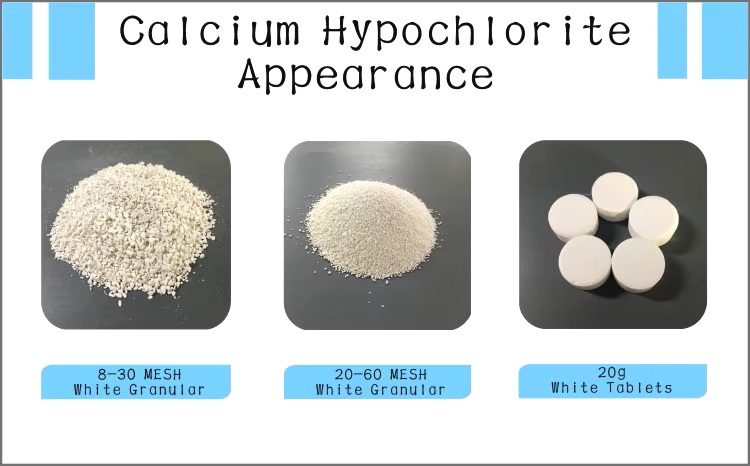
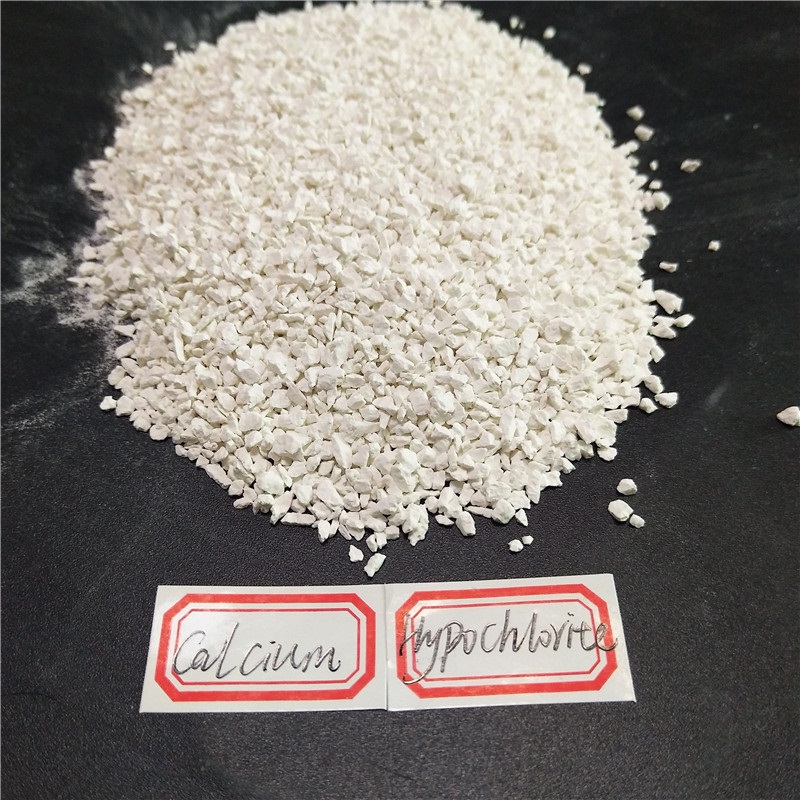
| Appearance | White to pale greenish tablets, granules, or powder |
| Odor | Distinct, characteristic chlorine odor |
Calcium hypochlorite is a strong oxidizing agent widely used as a disinfectant, bleaching agent, and sanitizer. Commercial grades typically contain 65-70% available chlorine by weight. It is highly reactive and requires careful handling and storage. It is commonly used in water treatment, swimming pool disinfection, textile bleaching, and as a general sanitizer.
SECTION 2: SYNONYMS AND OTHER NAMES
| Type | Name |
|---|---|
| Common Names | Calcium Hypochlorite, Bleaching Powder, Cal Hypo |
| Chemical Names | Calcium Oxychloride, Calcium Dihypochlorite, Chlorinated Lime |
| CAS Number | 7778-54-3 |
| EC Number | 231-908-7 |
| UN Number | 1748 |
| HS Code | 2828.10 |
SECTION 3: CHEMICAL STRUCTURE
3.1. Molecular Structure
Calcium hypochlorite is an ionic compound consisting of a calcium cation (Ca²⁺) and two hypochlorite anions (ClO⁻).
Structural Formula:
Ca²⁺  [ Cl - O ]⁻
       [ Cl - O ]⁻
Ionic Representation:
Ca(ClO)₂ → Ca²⁺ + 2 ClO⁻ (in aqueous solution)
3.2. Molecular Formula
Ca(ClO)₂
3.3. Molecular Weight
142.98 g/mol
3.4. Key Structural Features
| Feature | Description |
|---|---|
| Cation | Calcium (Ca²⁺) |
| Anion | Hypochlorite (ClO⁻) |
| Bond Type | Ionic bond between Ca²⁺ and ClO⁻ |
| Active Species | Hypochlorite ion (ClO⁻); hydrolyzes to HOCl |
| Oxidizing Power | Strong (due to ClO⁻) |
SECTION 4: PHYSICAL AND CHEMICAL PROPERTIES
| Property | Value |
|---|---|
| Appearance | White to pale greenish tablets, granules, or powder |
| Odor | Distinct, characteristic chlorine odor |
| Molecular Formula | Ca(ClO)₂ |
| Molecular Weight | 142.98 g/mol |
| Density | 2.35 g/cm³ (at 25°C) |
| Melting Point | ~100°C (decomposes) |
| Water Solubility (20°C) | 200 g/L (decomposes upon dissolution) |
| pH (aqueous solution) | Alkaline |
| Available Chlorine Content | Typically 65-70% by weight |
| Stability | Strong oxidizer; decomposes when exposed to moisture, sunlight, acids, and heat |
| Reactivity | Reacts violently with acids (releases toxic chlorine gas); incompatible with reducing agents, organic materials, and combustibles |
SECTION 5: REACTION MECHANISM AND MODE OF ACTION
5.1. Hydrolysis in Water
Calcium hypochlorite hydrolyzes in water to release the active biocidal and bleaching species, hypochlorous acid (HOCl) , and calcium hydroxide, which provides alkaline pH:
Ca(ClO)₂ + 2 H₂O → 2 HOCl + Ca(OH)₂
5.2. Disinfection and Oxidation
Hypochlorous acid (HOCl) is a strong, broad-spectrum oxidizing biocide. It penetrates microbial cell walls, denatures proteins, and disrupts enzyme systems, effectively destroying bacteria, viruses, fungi, and algae.
5.3. Bleaching Action
HOCl oxidizes colored organic compounds (chromophores) by breaking their chemical bonds, rendering them colorless. This property is fundamental to textile and pulp bleaching.
5.4. Alkaline pH
The simultaneous release of calcium hydroxide imparts an alkaline character to the solution. This can aid certain cleaning and disinfection processes but should be considered for pH-sensitive applications.
5.5. Instability
Unlike stabilized chlorine sources (isocyanurates), calcium hypochlorite contains no UV stabilizer. In outdoor applications, free chlorine is rapidly degraded by sunlight unless a separate stabilizer (such as cyanuric acid) is added.
SECTION 6: PRODUCTION METHODS
Calcium hypochlorite is produced industrially by two main processes:
6.1. Lime Process
Chlorine gas is passed over slaked lime (calcium hydroxide). The reaction produces calcium hypochlorite along with calcium chloride as a by-product:
2 Ca(OH)₂ + 2 Cl₂ → Ca(ClO)₂ + CaCl₂ + 2 H₂O
6.2. Sodium Process
Calcium oxide is slaked with water and mixed with sodium hydroxide. Chlorine gas is then bubbled through this slurry. After separation, filtration, and vacuum drying, high-purity calcium hypochlorite crystals are obtained:
Ca(OH)₂ + 2 NaOH + 2 Cl₂ → Ca(ClO)₂ + 2 NaCl + 2 H₂O
SECTION 7: APPLICATIONS AND INDUSTRIAL USES
7.1. Water Treatment
| Application | Description | Typical Usage Rate |
|---|---|---|
| Drinking Water Disinfection | Municipal water treatment; cost-effective for large-scale applications | 0.5–5 ppm free chlorine residual |
| Swimming Pool Disinfection | Routine chlorination and shock treatment | 1–3 ppm free chlorine residual |
| Wastewater Treatment | Effluent disinfection and odor control | 5–20 ppm |
7.2. Textile Industry
| Application | Description | Typical Usage Rate |
|---|---|---|
| Bleaching | Bleaching of cotton, linen, silk, and synthetic fibers | 1–5 g/L in bleaching baths; control temperature and pH |
| Desizing | Removal of sizing agents from fabrics | Variable |
7.3. Paper and Pulp Industry
| Application | Description | Typical Usage Rate |
|---|---|---|
| Pulp Bleaching | Cellulose pulp bleaching for paper production | 2-10% of pulp weight |
| Brightness Enhancement | Improves final paper brightness | Variable |
7.4. Chemical Industry
| Application | Description |
|---|---|
| Oxidizing Agent | Used as an oxidizer in various chemical reactions |
| Acetylene Purification | Removes impurities from acetylene gas |
| Organic Chemical Production | Used in the production of chloroform and other organic chemicals |
7.5. Agriculture and Food Processing
| Application | Description | Typical Usage Rate |
|---|---|---|
| Surface Disinfection | Disinfection of storage areas, equipment, and surfaces | 0.1-0.5% solution for surface disinfection |
| Pest and Fungus Control | Used in some formulations | Variable |
| Food Contact Surfaces | Requires thorough rinsing after use | Variable |
7.6. Military and Defense
| Application | Description |
|---|---|
| Decontamination | Decontamination of chemical warfare agents (e.g., mustard gas) and radioactive materials |
| Broad-Spectrum Decontaminant | Used in various decontamination formulations |
7.7. Environmental and Hygiene
| Application | Description | |
|---|---|---|
| General Disinfectant | Used for heavy-duty cleaning and odor control | |
| Odor Control | Oxidizes odorous compounds | 1-5% solution |
SECTION 8: COMPARISON WITH ALTERNATIVES
| Alternative | Available Chlorine | Form | Comparison with Calcium Hypochlorite |
|---|---|---|---|
| Calcium Hypochlorite | 65-70% | Solid (powder/granules/tablets) | Reference product. High chlorine content, economical, leaves calcium residue. No UV protection; degrades in sunlight. |
| Sodium Hypochlorite (NaOCl) | 10-15% | Liquid | Inexpensive and ready-to-use but bulky, short shelf life, and degrades rapidly. Calcium hypochlorite is more stable and concentrated for storage and transport. |
| TCCA (Trichloroisocyanuric Acid) | ~90% | Solid (tablets/granules) | Slow dissolving, provides built-in UV protection (cyanuric acid), leaves no calcium residue. Preferred for swimming pools; calcium hypochlorite is more economical for large-scale water treatment. |
| SDIC (NaDCC) | 55-60% | Solid (tablets/granules) | Fast dissolving, provides UV protection. More expensive than calcium hypochlorite on a per-available-chlorine basis. |
SECTION 9: TOXICOLOGICAL PROFILE
| Parameter | Value |
|---|---|
| Acute Oral Toxicity (LD50, Rabbit) | 850 mg/kg |
| Acute Dermal Toxicity (LD50, Rabbit) | > 2,000 mg/kg |
| Skin Irritation | Causes severe skin burns and eye damage |
| Eye Irritation | Causes serious eye damage |
| Inhalation | Dust is irritating to the respiratory tract; may cause pulmonary edema |
| Carcinogenicity | Not classified as a carcinogen |
| Mutagenicity | Negative |
SECTION 10: GHS CLASSIFICATION
| Hazard Class | Category | H-Statement |
|---|---|---|
| Oxidizing Solid | Category 2 | H272 |
| Acute Toxicity (Oral) | Category 4 | H302 |
| Skin Corrosion/Irritation | Category 1B | H314 |
| Serious Eye Damage | Category 1 | H318 |
| Acute Aquatic Toxicity | Category 1 | H400 |
| Supplementary Hazard | - | EUH031 (Contact with acids liberates toxic gas) |
Signal Word: DANGER
Hazard Pictograms: GHS03 (Flame Over Circle), GHS05 (Corrosion), GHS09 (Environment)
Hazard Statements (H-Codes):
| Code | Statement |
|---|---|
| H272 | May intensify fire; oxidizer. |
| H302 | Harmful if swallowed. |
| H314 | Causes severe skin burns and eye damage. |
| H318 | Causes serious eye damage. |
| H400 | Very toxic to aquatic life. |
| EUH031 | Contact with acids liberates toxic gas. |
SECTION 11: PRECAUTIONARY STATEMENTS (P-CODES)
| Code | Statement |
|---|---|
| P210 | Keep away from heat/sparks/open flames/hot surfaces. No smoking. |
| P220 | Keep away from clothing and other combustible materials. |
| P260 | Do not breathe dust. |
| P280 | Wear protective gloves/protective clothing/eye protection/face protection. |
| P301+P330+P331 | IF SWALLOWED: Rinse mouth. Do NOT induce vomiting. |
| P303+P361+P353 | IF ON SKIN (or hair): Remove immediately all contaminated clothing. Rinse skin with water/shower. |
| P304+P340+P310 | IF INHALED: Remove person to fresh air and keep comfortable for breathing. Immediately call a POISON CENTER/doctor. |
| P305+P351+P338 | IF IN EYES: Rinse cautiously with water for several minutes. Remove contact lenses if present. |
| P310 | Immediately call a POISON CENTER/doctor. |
| P405 | Store locked up. |
| P501 | Dispose of contents/container in accordance with local regulations. |
SECTION 12: FIRST AID MEASURES
| Route of Exposure | Action to Be Taken |
|---|---|
| Inhalation | Move to fresh air. If breathing difficulty occurs, administer oxygen. Seek immediate medical attention. |
| Skin Contact | Remove contaminated clothing. Wash with plenty of water for at least 15 minutes. Seek medical attention. |
| Eye Contact | Rinse immediately with plenty of water for at least 15 minutes. Remove contact lenses. Seek immediate medical attention. |
| Ingestion | Rinse mouth. Do not induce vomiting. Seek immediate medical attention. |
SECTION 13: FIRE-FIGHTING MEASURES
| Parameter | Information |
|---|---|
| Fire Hazard | Oxidizer (H272); may intensify fire. |
| Suitable Extinguishing Media | Water spray, CO₂, dry chemical powder. |
| Unsuitable Extinguishing Media | Do not use foam (may react). |
| Special Hazards | Decomposes when heated, releasing toxic chlorine gas. Contact with combustible materials may cause fire. |
| Protective Equipment | Self-contained breathing apparatus (SCBA), full protective clothing. |
SECTION 14: ACCIDENTAL RELEASE MEASURES
| Parameter | Information |
|---|---|
| Personal Protection | Full PPE (goggles, face shield, chemical-resistant suit, gloves, respiratory protection). |
| Ventilation | Increase ventilation; use local exhaust in confined spaces. |
| Containment | Cover spilled area to prevent dust dispersion. |
| Cleaning Methods | Collect dry using vacuum or careful sweeping. Avoid washing with water (releases chlorine). Neutralize with reducing agent (sodium thiosulfate) before disposal. |
| Environmental Precautions | Prevent entry into drains, sewers, and water bodies. |
| Waste Disposal | Dispose of in accordance with local regulations. |
SECTION 15: STORAGE AND SHELF LIFE
| Parameter | Information |
|---|---|
| Storage Conditions | Store in a cool (15-25°C), dry, and well-ventilated area, protected from direct sunlight. |
| Container Requirements | Keep tightly closed. Use moisture-proof containers. |
| Materials to Avoid | Combustible materials, reducing agents, acids, organic materials, oils, grease, moisture. |
| Shelf Life | 12-24 months (under proper storage conditions). |
| Stability Note | Hygroscopic; moisture causes decomposition, chlorine gas release, and activity loss. |
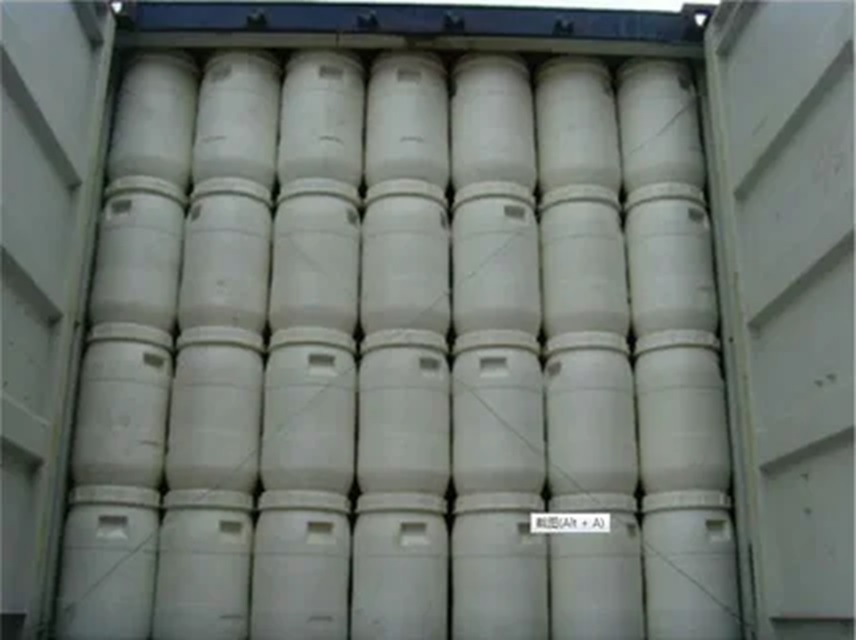
| Packaging Options | 45-50 kg plastic drums or pails with PE inner liners. |
SECTION 16: PACKAGING OPTIONS
| Packaging Type | Quantity | Material |
|---|---|---|
| Plastic Drum | 45-50 kg | HDPE with PE inner liner |
| Plastic Pail | 45-50 kg | HDPE with PE inner liner |
| Tablet Blister | 1 kg, 5 kg | HDPE / Aluminum |
SECTION 17: TRANSPORT INFORMATION
| Parameter | Information |
|---|---|
| UN Number | 1748 |
| Hazard Class | 5.1 (Oxidizing Substance) |
| Packing Group | II |
| Proper Shipping Name | CALCIUM HYPOCHLORITE, DRY or CALCIUM HYPOCHLORITE MIXTURE, DRY with more than 39% available chlorine |
| Marine Pollutant | Yes |
| ADR/RID Label | 5.1 |
SECTION 18: REGULATORY INFORMATION
| Region / Authority | Status |
|---|---|
| European Union (REACH) | Registered; classified as oxidizing and corrosive. |
| USA (TSCA) | Listed. |
| Turkey (KKDIK) | Registered under chemical registration regulations. |
| EPA | Registered as a disinfectant and antimicrobial. |
| WHO | Listed as an essential disinfectant for water treatment. |
| FDA | Approved for food contact surfaces (with rinsing). |
SECTION 19: ENVIRONMENTAL INFORMATION
| Parameter | Information |
|---|---|
| Aquatic Toxicity | Very toxic to aquatic life (H400). |
| Biodegradability | Inorganic; not biodegradable. |
| Bioaccumulation | Not expected. |
| Environmental Fate | Hydrolyzes to calcium hydroxide and hypochlorous acid; degrades to chloride and oxygen. |
| Waste Disposal | Neutralize with reducing agent (sodium thiosulfate) before disposal. Dispose of in accordance with local regulations. |
SECTION 20: FREQUENTLY ASKED QUESTIONS (FAQ)
Q1: Why does calcium hypochlorite leave a residue?
A: When dissolved, it releases calcium ions which can react with carbonates in water to form insoluble calcium carbonate (lime scale) or simply remain as a cloudy residue. This is a key difference from organic chlorine donors like TCCA which dissolve cleanly.
Q2: Can I use calcium hypochlorite in a swimming pool?
A: Yes, it is widely used in commercial and public pools. However, since it contains no UV stabilizer, you must add cyanuric acid (stabilizer) separately to prevent rapid chlorine destruction by sunlight.
Q3: Is it safe to mix calcium hypochlorite with other cleaning products?
A: No. Never mix calcium hypochlorite with acids, ammonia, or other cleaning agents. Mixing with acids releases toxic chlorine gas. Mixing with ammonia or amines can form explosive nitrogen trichloride.
Q4: What is the shelf life of calcium hypochlorite?
A: Under ideal storage conditions (cool, dry, sealed), it can be stored for 12-24 months with minimal chlorine loss. Exposure to heat, moisture, or sunlight will rapidly degrade the product.
SECTION 21: QUICK REFERENCE TABLE
| Property | Value |
|---|---|
| CAS Number | 7778-54-3 |
| EC Number | 231-908-7 |
| UN Number | 1748 |
| Molecular Formula | Ca(ClO)₂ |
| Molecular Weight | 142.98 g/mol |
| Appearance | White to pale greenish tablets/granules/powder |
| Odor | Characteristic chlorine odor |
| Available Chlorine | 65-70% |
| Water Solubility (20°C) | 200 g/L (decomposes) |
| Main Uses | Water disinfection, textile bleaching, paper pulp bleaching, decontamination |
| Shelf Life | 12-24 months |
| UN Number | 1748 |
| Hazard Class | 5.1 (Oxidizer) |
SECTION 22: CRITICAL NOTICES AND BEST PRACTICES
CRITICAL NOTICES:
-
Never Mix with Acids: Mixing with acids releases toxic chlorine gas (EUH031). This can be fatal if inhaled.
-
Never Mix with Ammonia: Mixing with ammonia or amines can form explosive nitrogen trichloride.
-
Keep Away from Combustibles: Calcium hypochlorite is a strong oxidizer (H272). Contact with combustible materials, oils, greases, or organic matter may cause fire.
-
Moisture Sensitivity: The product is hygroscopic. Moisture causes decomposition, chlorine gas release, and loss of available chlorine. Store in tightly closed containers.
-
Corrosive: Causes severe skin burns and eye damage (H314). Use full PPE.
-
UV Degradation: Calcium hypochlorite does not contain a UV stabilizer. In outdoor applications, chlorine is rapidly degraded by sunlight unless a stabilizer (cyanuric acid) is added.
-
Residue: Calcium hypochlorite leaves calcium residue (scale). This may be undesirable in some applications.
-
Storage Segregation: Store separately from acids, reducing agents, combustible materials, and organic substances.
BEST PRACTICE RECOMMENDATIONS:
-
Storage: Store in a cool, dry, and well-ventilated area. Keep containers tightly closed. Protect from moisture and direct sunlight.
-
Handling: Use full PPE (chemical-resistant gloves, goggles, face shield, protective clothing). Avoid dust formation. Ensure adequate ventilation.
-
Dissolution: Always add calcium hypochlorite to water, never the reverse. Add slowly with stirring to control heat and chlorine release.
-
Neutralization: For spills, neutralize with sodium thiosulfate or sodium sulfite before disposal.
-
Stabilization: For outdoor pools, add cyanuric acid (stabilizer) to protect chlorine from UV degradation.
-
Waste Management: Dispose of waste in accordance with local regulations. Neutralize before disposal.
LEGAL DISCLAIMER:
This Technical Data Sheet (TDS) is for informational purposes only and is prepared based on available technical data. The user is solely responsible for determining the suitability of the product for their specific application and for complying with all local, national, and international regulations. For complete safety, storage, handling, transport, waste, and regulatory compliance information, the official Safety Data Sheet (SDS/MSDS) provided by the manufacturer/supplier must be consulted. Calcium hypochlorite is a strong oxidizer, corrosive, and potentially hazardous substance and should be handled with extreme caution. This document does not substitute professional or medical advice.