We unleash your business potential by maximize the business innovation.
Send EmailBorax, Borax Decahydrate, Sodium Tetraborate Decahydrate, Sodium Borate, Sodium Tetraborate Pentahydrate, 1303-96-4, 12179-04-3
BORAX (Sodium Tetraborate Decahydrate)
1. PRODUCT DEFINITION AND CHEMICAL IDENTITY
| Parameter | Description |
|---|---|
| Chemical Name (IUPAC) | Sodium tetraborate decahydrate |
| Common Name | Borax |
| Other Names | Sodium borate, Tincal, Tincar, Disodium tetraborate decahydrate, Sodium pyroborate decahydrate |
| CAS Number | 1303-96-4 (decahydrate) |
| EC Number | 603-411-9 |
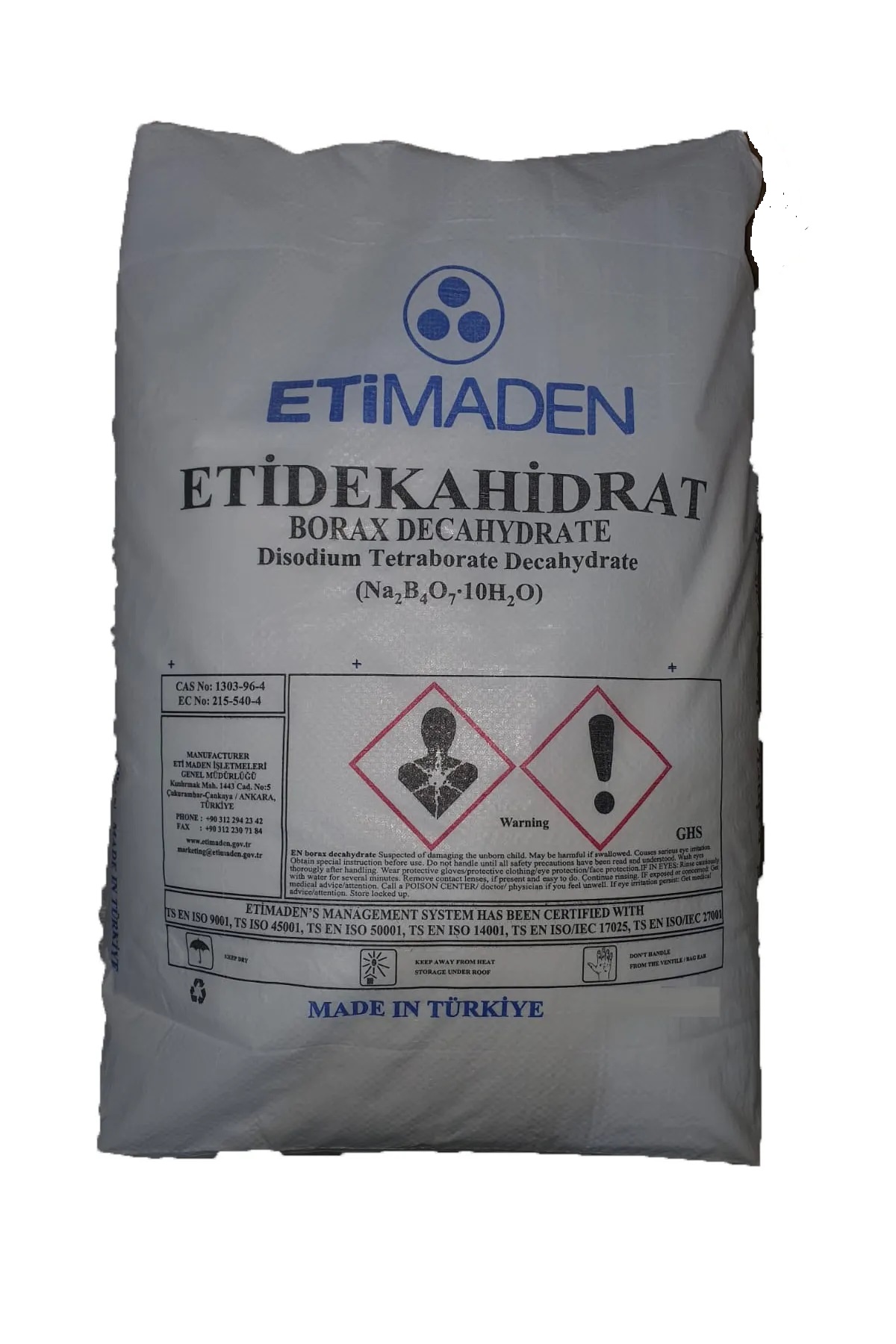
| Molecular Formula | Na₂B₄O₇·10H₂O (correct structural formula: Na₂[B₄O₅(OH)₄]·8H₂O) |
| Molecular Weight | 381.37 g/mol |
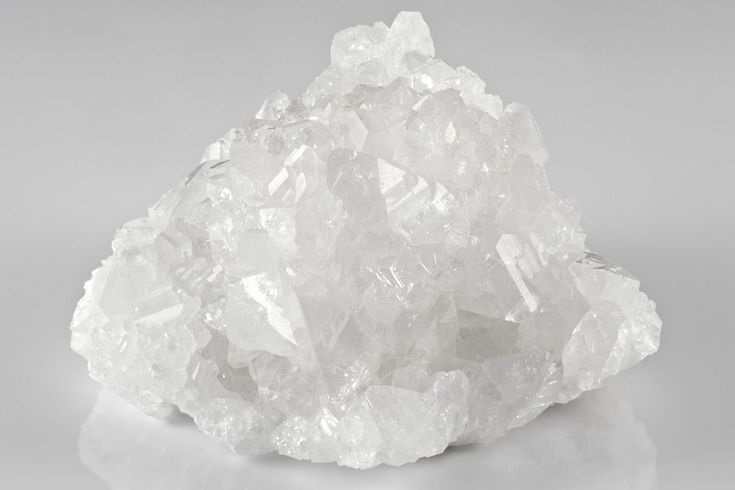
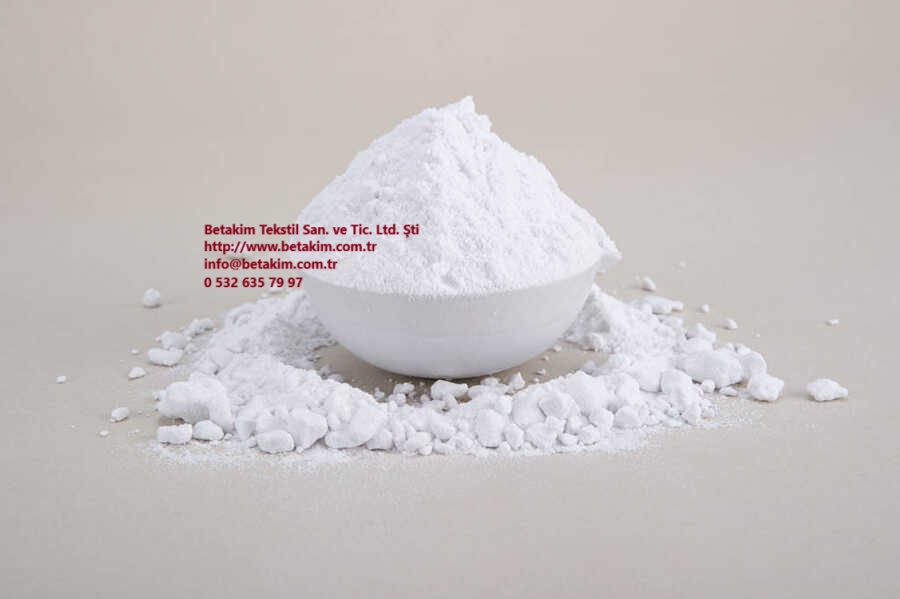
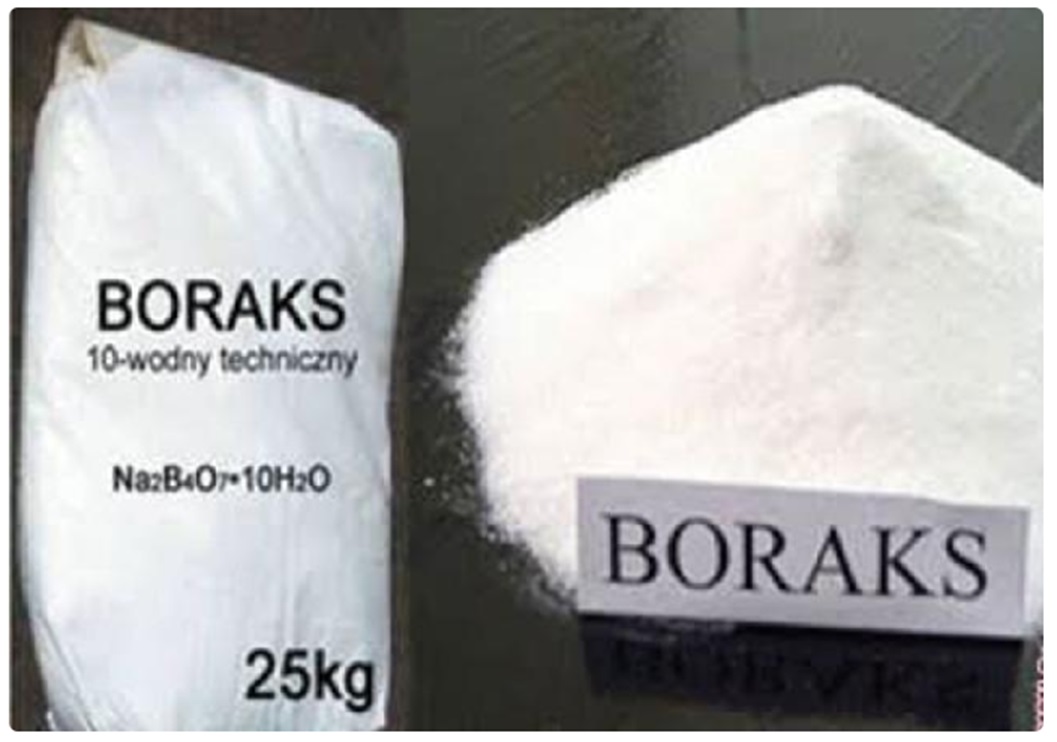
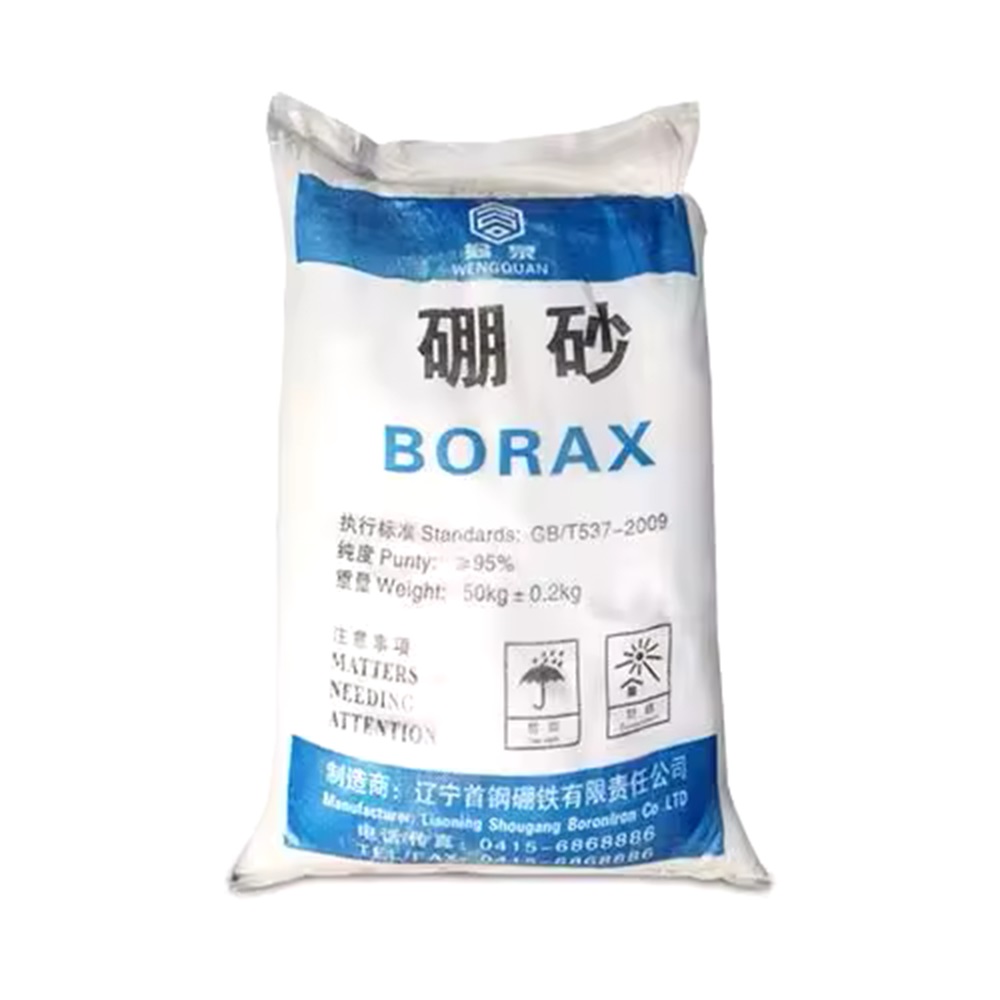
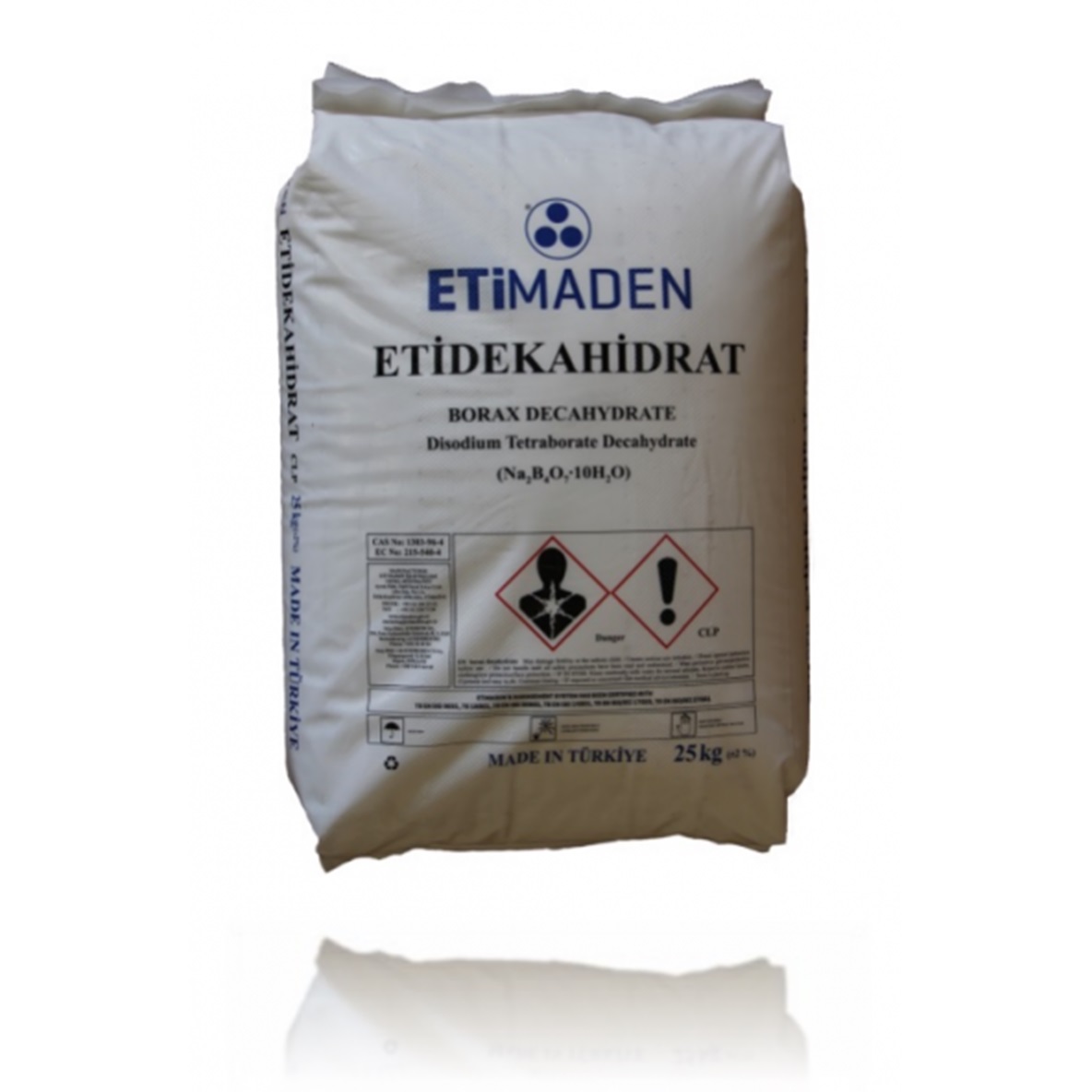
| Appearance | White crystalline powder or granules |
| Odour | Odourless |
Note: The term borax refers to several closely related forms depending on water of crystallisation:
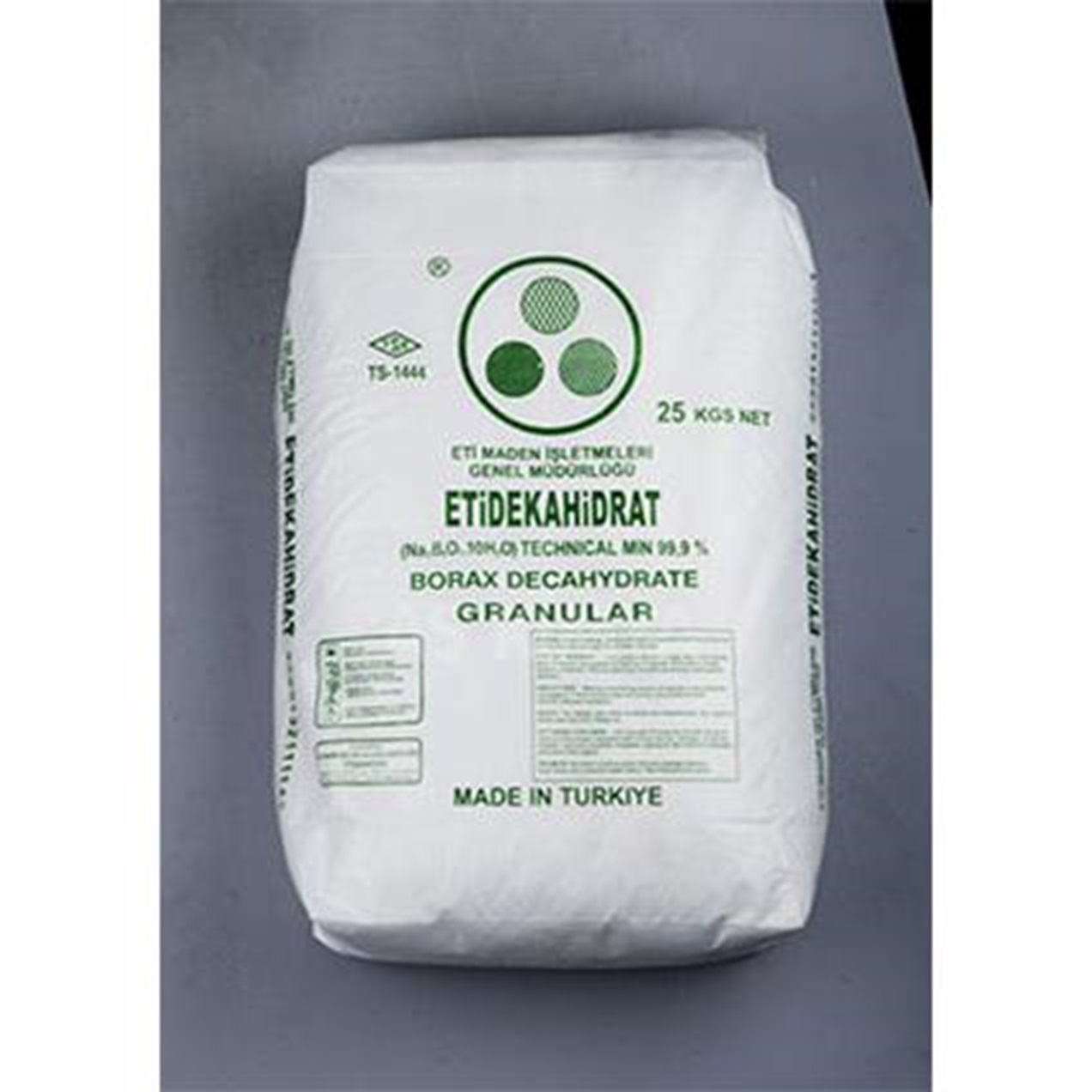
Decahydrate (10 mol water): Na₂B₄O₇·10H₂O / CAS 1303-96-4 (most common commercial form)
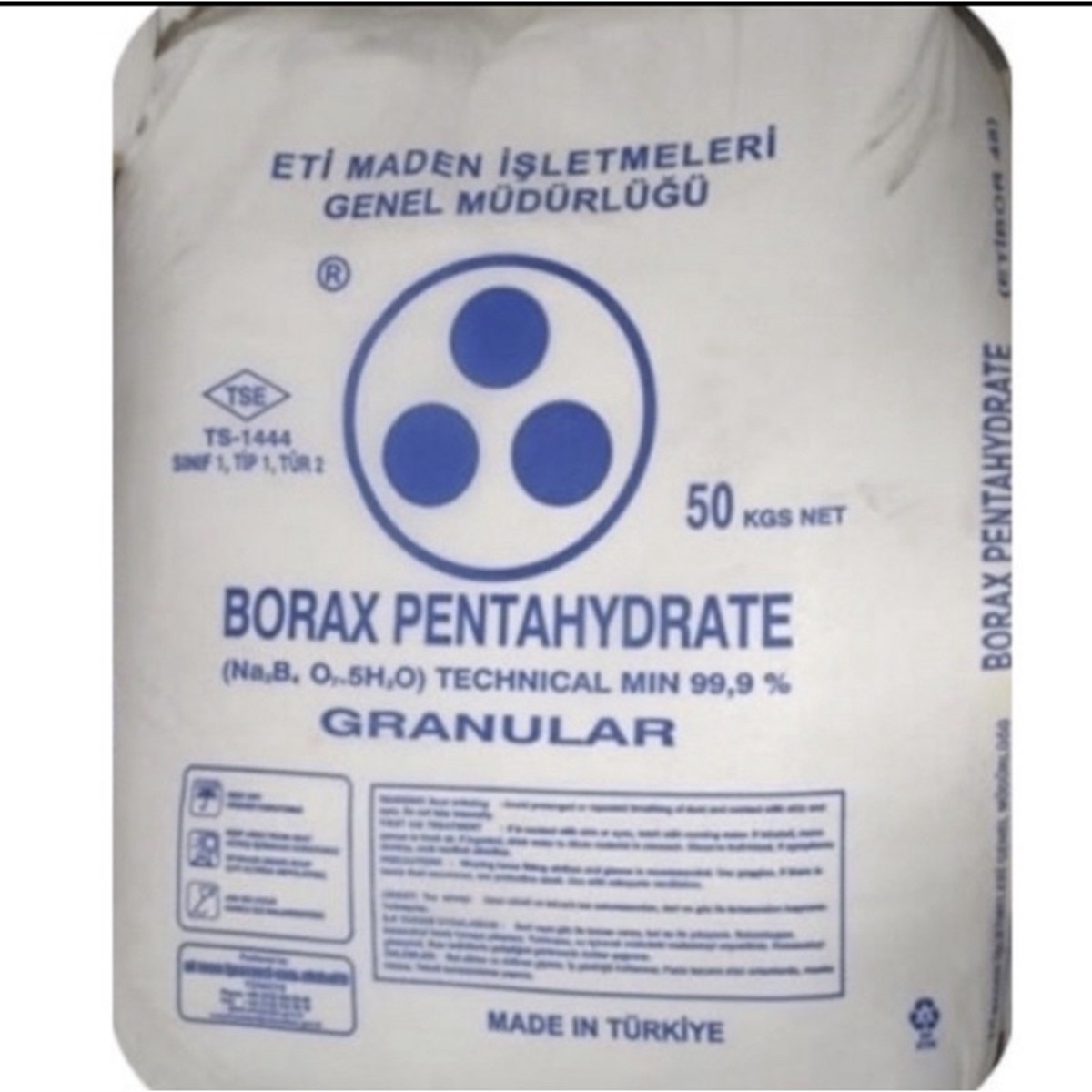
Pentahydrate (5 mol water): Na₂B₄O₇·5H₂O / CAS 12179-04-3
Anhydrous: Na₂B₄O₇ / CAS 1330-43-4
2. PHYSICAL AND CHEMICAL PROPERTIES
| Property | Value |
|---|---|
| Physical state | Crystalline powder or granules |
| Colour | White to off-white |
| Density | ~1.73 g/cm³ |
| Melting point | 75 °C (begins to lose water of crystallisation); 878 °C (anhydrous form melting point) |
| Solubility in water | ~5.1 g/100 mL at 20 °C; increases with temperature (~27 g/100 mL at 100 °C) |
| pH (1% aqueous solution, 25 °C) | ~9.2 – 9.5 (alkaline) |
| Vapour pressure | Negligible |
| Stability | Stable under normal conditions; may slowly effloresce in air (lose surface water, forming a white powder) |
| Reactivity | Reacts with strong acids to form boric acid and sodium salts; incompatible with strong reducing agents |
3. FUNCTIONAL PROPERTIES
-
Buffering: Provides a mildly alkaline pH (~9.2) in aqueous solution; combined with boric acid, forms buffer systems across a wide pH range.
-
Cleaning / Stain removal: Helps disperse grease and dirt in water; boosts laundry detergent performance.
-
Disinfectant / Antifungal: Effective against mould, mildew, fungi, and bacteria.
-
Flux: Dissolves metal oxides during soldering, brazing, and welding, cleaning the metal surface.
-
Fire retardant: Releases water vapour when heated, delaying ignition and slowing flame spread.
-
Neutron absorber: Used in nuclear reactors and spent fuel pools to control chain reactions.
-
Micronutrient fertiliser: Supplies boron to deficient agricultural soils.
4. ALTERNATIVE NAMES AND SYNONYMS
-
Borax
-
Sodium borate
-
Sodium tetraborate decahydrate
-
Disodium tetraborate decahydrate
-
Sodium pyroborate decahydrate
-
Tincal / Tincar (natural mineral name)
-
Boric acid, disodium salt, decahydrate
-
Commercial names: 20 Mule Team Borax, Solubor, Three Elephant, Gerstley borate, Boricin, Dominant, Fullbor W6364
5. BORAX FORM VARIANTS AND COMPARISON
| Form | CAS No | Molecular Formula | Molecular Weight | B₂O₃ Content | Water Content |
|---|---|---|---|---|---|
| Decahydrate | 1303-96-4 | Na₂B₄O₇·10H₂O | 381.37 g/mol | ~36.5% | ~47% |
| Pentahydrate | 12179-04-3 | Na₂B₄O₇·5H₂O | 291.30 g/mol | ~47.8% | ~31% |
| Anhydrous | 1330-43-4 | Na₂B₄O₇ | 201.22 g/mol | ~69.2% | None |
| Property | Decahydrate | Pentahydrate | Anhydrous |
|---|---|---|---|
| Appearance | White crystalline powder | White crystalline powder | White amorphous powder |
| Water solubility | Moderate | High | Low |
| Storage stability | May cake in high humidity | Moderate | Very hygroscopic |
| Transport cost | High (more water) | Moderate | Low |
| Typical use | Household cleaning, buffer, cosmetics | Industrial, glass, ceramics | Glass, ceramics, metallurgy |
6. SECTORAL APPLICATIONS, USAGE RATES, AND EXAMPLE FORMULATIONS
| Sector | Purpose | Typical Usage Rate / Notes |
|---|---|---|
| Household Cleaning | General cleaner, stain remover, deodoriser, disinfectant | 2–5% solution in water; 5–20% additive in laundry detergents |
| Glass & Ceramics | Component of fibreglass, enamel, ceramic glazes; flux and vitrifying agent | 2–10% of batch weight |
| Metal Processing | Soldering and welding flux paste; gold refining | 1:1 mix with ammonium chloride; 10–30% in soldering pastes |
| Wood Preservation | Protects against wood-rot fungi and insects | 10% solution in water; apply 2–3 coats by brush |
| Pesticide | Controls ants, cockroaches, fleas, bed bugs – as dust or solution | Dust as thin layer; bait mix with sugar (5–10%) |
| Fire Retardant | Cellulose insulation, textiles, wood products | 5–15% impregnation |
| Nuclear | Neutron absorber; reactor control rods and fuel pools | Pure or at high concentration |
| Agriculture | Micronutrient fertiliser for boron-deficient soils | Soil: 5–15 kg/ha; foliar: 0.1–0.3% solution |
| Cosmetics | Buffer and preservative in toothpaste, skin creams (restricted) | 0.1–1% (subject to cosmetic regulations) |
| Biochemistry / Laboratory | Buffer solution preparation; protein electrophoresis | 1–5% buffer stock solution |
| Leather / Taxidermy | Curing agent for snake skins; preservative in taxidermy | 5–10% solution; dry powder rub |
| Fishing Bait Curing | Curing salmon eggs for sport fishing | Light dusting of dry powder |
Example Formulations:
-
All-Purpose Household Cleaner (Spray):
-
Borax: 2–3 g
-
White vinegar (5%): 50 mL
-
Water: 500 mL
-
Optional: a few drops of lemon or tea tree oil
Mix in a spray bottle; use on kitchen counters and bathroom surfaces.
-
-
Laundry Detergent Booster:
-
Borax (powder): 1 part
-
Washing soda (sodium carbonate): 1 part
-
Grated bar soap: 1 part
Add 2–3 tablespoons per laundry load.
-
-
Cockroach Control Bait:
-
Borax: 10%
-
Powdered sugar: 45%
-
Flour: 45%
Place in small shallow trays in dry areas. Keep away from children and pets.
-
-
Metal Soldering Flux (Jeweller's Type):
-
Borax: 40 g
-
Ammonium chloride: 30 g
-
Water: 50 mL (to form a paste)
Apply a thin layer to the workpiece during soldering.
-
7. ALTERNATIVES AND COMPARISON
| Alternative | Type | Advantage / Disadvantage |
|---|---|---|
| Sodium percarbonate | Oxygen-based bleach | Better for coloured laundry; more expensive than borax |
| Sodium carbonate (washing soda) | Alkaline cleaner | Stronger degreaser; but higher pH (~11), gloves required |
| Sodium bicarbonate (baking soda) | Mild alkali, abrasive | Safer, food compatible; cleaning power lower than borax |
| White vinegar | Acidic cleaner | Effective on limescale and rust; limited grease-cutting power |
| Citric acid | Organic acid | Effective for water softening, descaling; environmentally friendly |
| Boric acid | Related boron compound | Similar disinfectant/pesticide effect; lower pH |
8. REGULATORY STATUS, SAFETY, AND ENVIRONMENT
-
GHS Classification (CLP Regulation):
-
Signal word: Danger
-
Hazard statements:
-
H360FD: May damage fertility. May damage the unborn child.
-
-
Precautionary statements: P201, P202, P280, P308+P313, P405, P501.
-
-
Food additive (E285): Historically used in some foods, but now banned as a food additive in most countries. Ingestion carries health risks.
-
Cosmetic use: The EU Cosmetics Regulation restricts boron compounds. Borax-containing cosmetics are only permitted in specific categories and at defined limits.
-
Environmental impact: Soluble in water and can reach groundwater. Harmful to plants and aquatic life at high concentrations. Avoid discharge into drains.
-
Storage: Keep tightly sealed in a cool, dry, well-ventilated area. Protect from high humidity. Keep separate from food and feedstuffs.
-
Personal protection: Avoid breathing dust; wear gloves and safety goggles. Keep out of reach of children and pets.
9. TOXICOLOGICAL PROFILE (Summary)
| Parameter | Value / Description |
|---|---|
| Acute oral toxicity (LD50, rat) | ~2,660 – 4,500 mg/kg |
| Skin irritation | Mild irritant |
| Eye irritation | Moderate irritant |
| Inhalation | Dust may cause respiratory irritation |
| Chronic effects | Adverse effects on fertility; developmental toxicity |
| Aquatic toxicity | Toxic to fish and aquatic organisms |
10. FREQUENTLY ASKED QUESTIONS
Q1. Are borax and boric acid the same?
No. Borax is sodium tetraborate, while boric acid (H₃BO₃) is a weak acid. Borax can be converted to boric acid by reacting with hydrochloric acid: Na₂B₄O₇·10H₂O + 2 HCl → 4 H₃BO₃ + 2 NaCl + 5 H₂O
Q2. Where is borax found as a natural mineral?
It occurs naturally in arid and semi-arid regions, in dry lake beds. Major deposits are found in Turkey (Kırka/Eskişehir, Bandırma/Balıkesir, Bigadiç), the USA (California), Romania, and Argentina. Turkey holds approximately 72% of the world's boron reserves.
Q3. What is the difference between decahydrate and pentahydrate?
Decahydrate contains 10 moles of water of crystallisation per formula unit; pentahydrate contains 5 moles. Pentahydrate provides a higher B₂O₃ content and lower transport costs. Decahydrate is more common in household and retail products.
Q4. How is borax used in making slime?
A small amount of borax (e.g., 1 teaspoon) is dissolved in warm water (1 cup) and mixed with PVA glue. The borate ions crosslink the polymer chains, forming the stretchy, sticky slime structure. Children should use it under supervision; excessive amounts may cause skin irritation.
Q5. What can I use instead of borax for household cleaning?
Washing soda (sodium carbonate) and baking soda (sodium bicarbonate) are good alternatives for most cleaning applications. They are considered safer and more environmentally friendly.
Q6. What is the shelf life of borax?
Under proper conditions (tightly sealed, dry environment), it can be stored for more than 24 months. If exposed to air, surface efflorescence may occur; this does not significantly affect quality.
11. QUICK REFERENCE TABLE
| Property | Borax (Decahydrate) |
|---|---|
| CAS | 1303-96-4 |
| Formula | Na₂B₄O₇·10H₂O |
| Molecular weight | 381.37 g/mol |
| Appearance | White crystalline powder |
| pH (1% aq.) | ~9.2 |
| Water solubility | ~5.1 g/100 mL (20 °C) |
| Main uses | Cleaning, glass, buffer, pesticide, flux |
| Hazard warning | May damage fertility and the unborn child (H360FD) |