We unleash your business potential by maximize the business innovation.
Send EmailAmmonium Dihydrogen Phosphate, Monoammonium Phosphate, MAP, 7722-76-1
Ammonium Dihydrogen Phosphate
1. Product Identity
| Property | Details |
|---|---|
| Product Name | Ammonium Dihydrogen Phosphate / Monoammonium Phosphate (MAP) |
| CAS Number | 7722-76-1 |
| EINECS Number | 231-764-5 |
| Molecular Formula | H₆NO₄P (NH₄H₂PO₄) |
| Molecular Weight | 115.03 g/mol |
| MDL Number | MFCD00003396 |
| RTECS | TC6587000 |
| HS Code | 31054000 |
| Merck Index | 14,543 |
| WGK Germany | 1 |
| TSCA Status | Yes (Listed) |
2. Synonyms and Identifiers
| Language | Names |
|---|---|
| Common Names | MAP, Monoammonium Phosphate, Ammonium phosphate monobasic |
| Chemical Synonyms | Ammonium dihydrogen orthophosphate, Ammonium diacid phosphate, mono-Ammonium phosphate, Ammonium orthophosphate dihydrogen |
| Scientific Names | Ammonium monobasic phosphate (NH₄H₂PO₄), Ammonium dihydrogen orthophosphate |
| Abbreviation | MAP (Mono Ammonium Phosphate) |
3. Physicochemical Properties
| Property | Value |
|---|---|
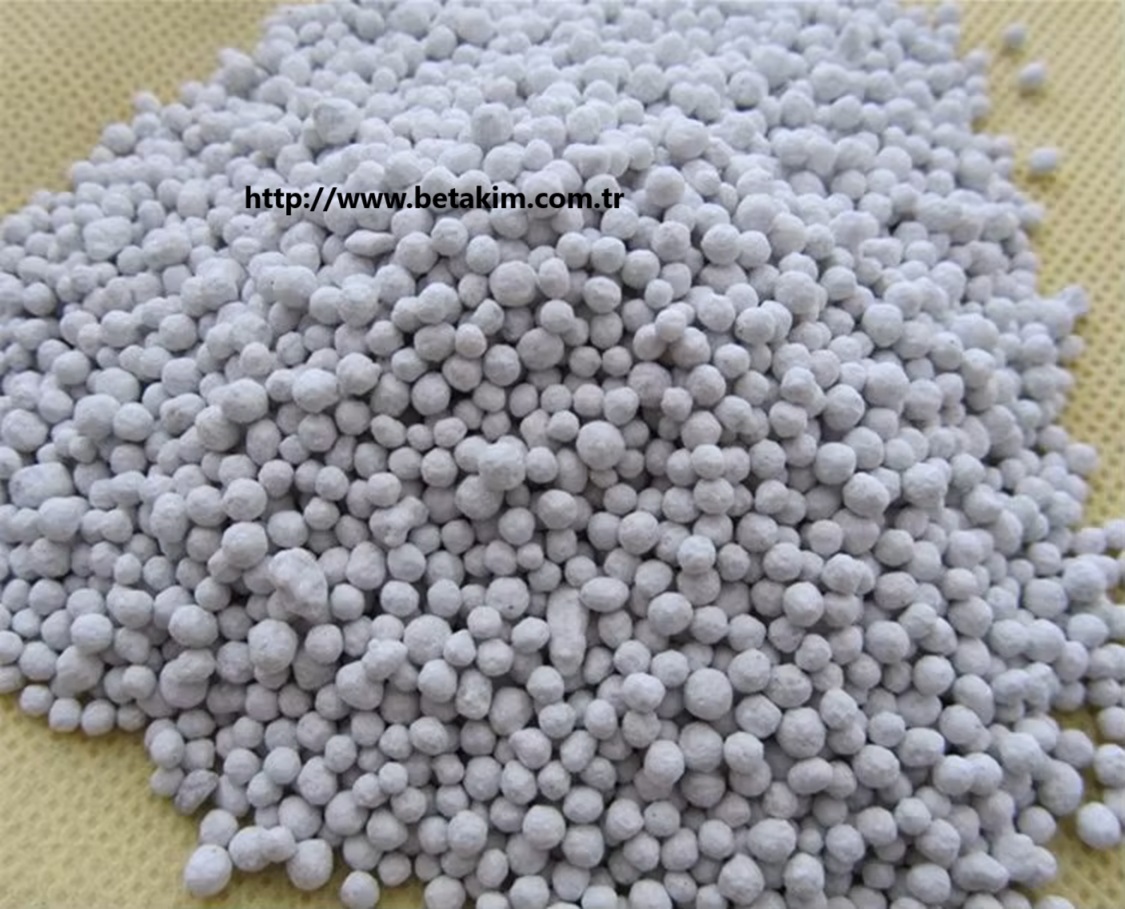
| Appearance | White or colorless crystalline powder (Tetragonal coarse or fine crystals) |
| Odor | Odorless |
| Density | 1.02 g/mL at 20°C (solution); 1.803 g/cm³ at 19°C (solid) |
| Melting Point | 190 °C (dec.) - decomposes upon melting |
| Boiling Point | 87.4 °C |
| pH Value | 3.8 - 4.4 (25°C, 50 mg/mL in H₂O) |
| Water Solubility | 368 g/L at 20°C |
| Solubility in Water (by Temperature) | 0°C: 22.7 g/100 mL; 20°C: 37.4 g/100 mL; 40°C: 56.7 g/100 mL; 60°C: 82.5 g/100 mL; 80°C: 118 g/100 mL; 100°C: 173 g/100 mL |
| Solubility (Other) | Soluble in water, slightly soluble in alcohol, insoluble in ketone |
| Vapor Pressure | 0.066 hPa at 125°C |
| Maximum Wavelength | λ: 260 nm Amax: ≤0.059; λ: 280 nm Amax: ≤0.050 |
| Stability | Stable in air. Does not lose ammonia when heated to 100-110°C. Decomposes above 130°C, releasing ammonia and water. |
| Sensitivity | Easily absorbs moisture (hygroscopic) |
| Storage Condition | Room temperature, inert atmosphere |
4. Chemical Properties
Ammonium dihydrogen phosphate is an ammonium phosphate salt obtained by partial neutralization of phosphoric acid.
-
Acidic Nature: Its aqueous solution is acidic (pH of a 1% solution is approximately 4.5).
-
Thermal Decomposition: When heated above 130°C, it gradually loses ammonia (NH₃) and water (H₂O), forming a mixture of ammonium phosphate and phosphoric acid.
-
Indicator Range: Its acid-base indicator discoloration pH range is 3.8 - 4.4.
5. Production Methods
Ammonium dihydrogen phosphate can be produced through several methods:
1. Neutralization Method (Most Common)
-
Process: Phosphoric acid (H₃PO₄) is neutralized with ammonia (NH₃) or ammonium hydroxide solution.
-
Reaction: H₃PO₄ + NH₃ → NH₄H₂PO₄
-
Steps:
-
Diluted phosphoric acid (50-55%) is placed in a reactor.
-
Ammonia gas is slowly introduced under stirring until the pH reaches 4.2-4.6.
-
The reaction solution is filtered while hot.
-
The filtrate is cooled to approximately 26°C in a cooling crystallizer to precipitate crystals.
-
Crystals are separated, dehydrated, and dried.
-
-
Venturi Circulation Reaction Method: For continuous production, Venturi tube gas flow reactors are used.
2. Double Decomposition (Metathesis) Method
-
Process: Calcium dihydrogen phosphate [Ca(H₂PO₄)₂] reacts with ammonium sulfate [(NH₄)₂SO₄].
-
Reaction: Ca(H₂PO₄)₂·H₂O + (NH₄)₂SO₄ → 2NH₄H₂PO₄ + CaSO₄ + H₂O
-
Steps:
-
Calcium dihydrogen phosphate solution is heated above 95°C.
-
Ammonium sulfate solution is slowly added (pH 4.4-4.6).
-
Precipitated calcium sulfate (CaSO₄) is removed by filtration.
-
The filtrate is concentrated in an evaporator to the boiling point.
-
Cooled below 40°C in a crystallizer to precipitate crystals, then centrifuged and dried.
-
3. Food Grade Production
-
For food and pharmaceutical applications, the solution obtained from neutralization is purified by removing arsenic and heavy metals.
6. Applications and Uses
Ammonium dihydrogen phosphate (MAP) is a versatile chemical with a wide range of applications.
1. Agriculture and Fertilizer (Most Common Use)
-
High-Efficiency Fertilizer: It is a high-efficiency compound fertilizer providing nitrogen (N) and phosphorus (P) to plants.
-
Applications: Widely used for vegetables, fruits, rice, wheat, and other field crops.
-
Benefits: Provides essential nutrients, supports root development, and increases crop yield.
2. Flame Retardants
-
Wood, Paper, and Fabric Flame Retardant: Impregnated into wood, paper, and textiles to impart fire resistance.
-
Fire-Resistant Coatings: Used as a component in fire-retardant paint formulations.
-
Dry Powder Fire Extinguishers: A primary component in ABC-type dry powder fire extinguishers, effective for Class A (solid) and Class B (liquid) fires.
-
Candle Wick Combustion Retardant: Used in candle wicks to ensure slow, soot-free burning.
3. Water Treatment
-
Corrosion Inhibitor (Anodic): In circulating water and boiler water treatment, it acts as an anodic corrosion inhibitor, forming a very hard protective film on metal surfaces, especially when combined with chromates.
-
Biological Nutrient Source: Used as a biological culture nutrient (phosphorus source) for microorganisms in biochemical water treatment.
4. Food Industry (Food Additive)
-
Leavening Agent: As a component of baking powder in baked goods.
-
Dough Regulator: Improves the processing properties of dough.
-
Yeast Food: Provides nutrients for yeast during fermentation.
-
Buffer: Acts as a pH stabilizer in food products.
-
Usage Limits (GB 2760-96): 1 g/kg in meat products; GMP (Good Manufacturing Practices) levels for fruit and vegetable peeling.
5. Industrial Applications
-
Dispersant: Used as a dispersing agent in fiber processing and the dye industry.
-
Enamel Industry: Additive in enamel manufacturing.
-
Printing Plate Making: Used in the production of printing plates.
-
Pharmaceutical Industry: Used in pharmaceutical manufacturing and as an analytical reagent.
-
Phosphor Production: Intermediate in the synthesis of phosphorus and phosphate compounds.
6. Laboratory and Analytical Chemistry
-
Buffer Solution Preparation: For preparing buffer solutions in biochemical and analytical applications.
-
Kjeldahl Nitrogen Determination: Used as an analytical standard for nitrogen determination by the Kjeldahl method.
7. Toxicology and Safety
| Parameter | Details |
|---|---|
| Hazard Symbols | Xi - Irritant |
| Risk Codes | 36/37/38 - Irritating to eyes, respiratory system, and skin. |
| Safety Descriptions | S24/25 - Avoid contact with skin and eyes. S36 - Wear suitable protective clothing. S26 - In case of contact with eyes, rinse immediately with plenty of water and seek medical advice. |
| LD50 (Oral, Rabbit) | 5750 mg/kg |
| LD50 (Dermal, Rabbit) | > 7940 mg/kg |
| UN Number | UN3264 |
| Hazard Class | 8 (Corrosive substance) |
| Packing Group | III |
| WGK Germany | 1 (Low hazard to water) |
Precautions:
-
Avoid inhaling dust.
-
Avoid contact with skin and eyes.
-
Use appropriate protective clothing, gloves, and goggles during handling.
-
In case of eye contact, rinse immediately with plenty of water and seek medical advice.
-
Keep away from strong bases (alkalis).
8. Upstream and Downstream Products
Raw Materials (Upstream):
-
Phosphoric acid (H₃PO₄)
-
Ammonia (NH₃) or Ammonium hydroxide (NH₄OH)
-
(For double decomposition method) Calcium dihydrogen phosphate and Ammonium sulfate
Derived Products (Downstream):
-
Diammonium phosphate (DAP) - (NH₄)₂HPO₄
-
Ammonium polyphosphate
-
Phosphoric acid
-
Various phosphate salts
9. Storage and Handling
-
Storage: Store in a cool, well-ventilated place. Protect from moisture (hygroscopic). Do not store together with strong bases, toxic substances, or other corrosive materials.
-
Packaging: Polyethylene plastic drum or steel-plastic drum (with inner and outer caps). Net weights are typically 25 kg, 30 kg, 35 kg, 200 kg, or 330 kg.
-
Transport: Handle with care. Protect from excessive sunlight and impact.
-
UN Classification: Class 8 (Corrosive substance), UN3264, Packing Group III.
10. Regulatory and Compliance Information
-
FDA (USA): GRAS (Generally Recognized as Safe) – 21 CFR 184.1141a.
-
FAO/WHO: ADI (Acceptable Daily Intake) for total phosphate (based on phosphorus) is 0-70 mg/kg body weight.
-
GB 2760-96 (China): Usage limits established for food additive applications.
11. Summary
Ammonium dihydrogen phosphate (MAP, CAS: 7722-76-1) is a white crystalline powder, highly soluble in water, with acidic characteristics. It is an ammonium phosphate salt produced by neutralizing phosphoric acid with ammonia.
Its most common application is in agriculture as a high-efficiency NP fertilizer, providing essential nitrogen and phosphorus for crop growth. Additionally, it is a versatile chemical used in fire extinguishers (dry powder and flame retardants), water treatment (corrosion inhibitor), the food industry (leavening agent, buffer, yeast nutrient), and various industrial applications (dispersant, enamel, printing). It is irritating to eyes and skin, requiring appropriate safety measures during handling.
Ammonium Dihydrogen Phosphate – Other Names in English
CAS Number
-
7722-76-1
Common Names
-
Monoammonium Phosphate
-
MAP
-
Ammonium dihydrogen phosphate
-
Ammonium phosphate monobasic
-
mono-Ammonium phosphate
-
Ammonium diacid phosphate
-
Ammonium acid phosphate
Chemical Names
-
Ammonium dihydrogen orthophosphate
-
Ammonium orthophosphate dihydrogen
-
Ammonium monobasic phosphate
-
Ammonium phosphate primary
-
Ammonium dihydrogen phosphate ((NH₄)H₂PO₄)
-
Phosphoric acid, monoammonium salt
Technical and Scientific Names
-
Ammonium dihydrogen phosphate (ADP) – commonly used in optics and crystal industries
-
Ammonium phosphate, monobasic
-
ammoniumdihydrophosphate
-
ammoniumdiacidphosphate
-
ammoniummonobasicphosphate
-
ammonium phosphate (NH₄H₂PO₄)
Codes and Identifiers
-
CAS: 7722-76-1
-
EINECS: 231-764-5
-
RTECS: TC6587000
-
HS Code: 31054000
-
MDL: MFCD00003396
-
Merck Index: 14,543
-
UN Number: UN3264
-
InChI: InChI=1S/H3N.H3O4P/c;1-5(2,3)4/h1H3;(H3,1,2,3,4)
-
InChI Key: LFVGISIMTYGQHF-UHFFFAOYSA-N
Industrial and Commercial Names
-
Mono Ammonium Phosphate (common in fertilizer industry)
-
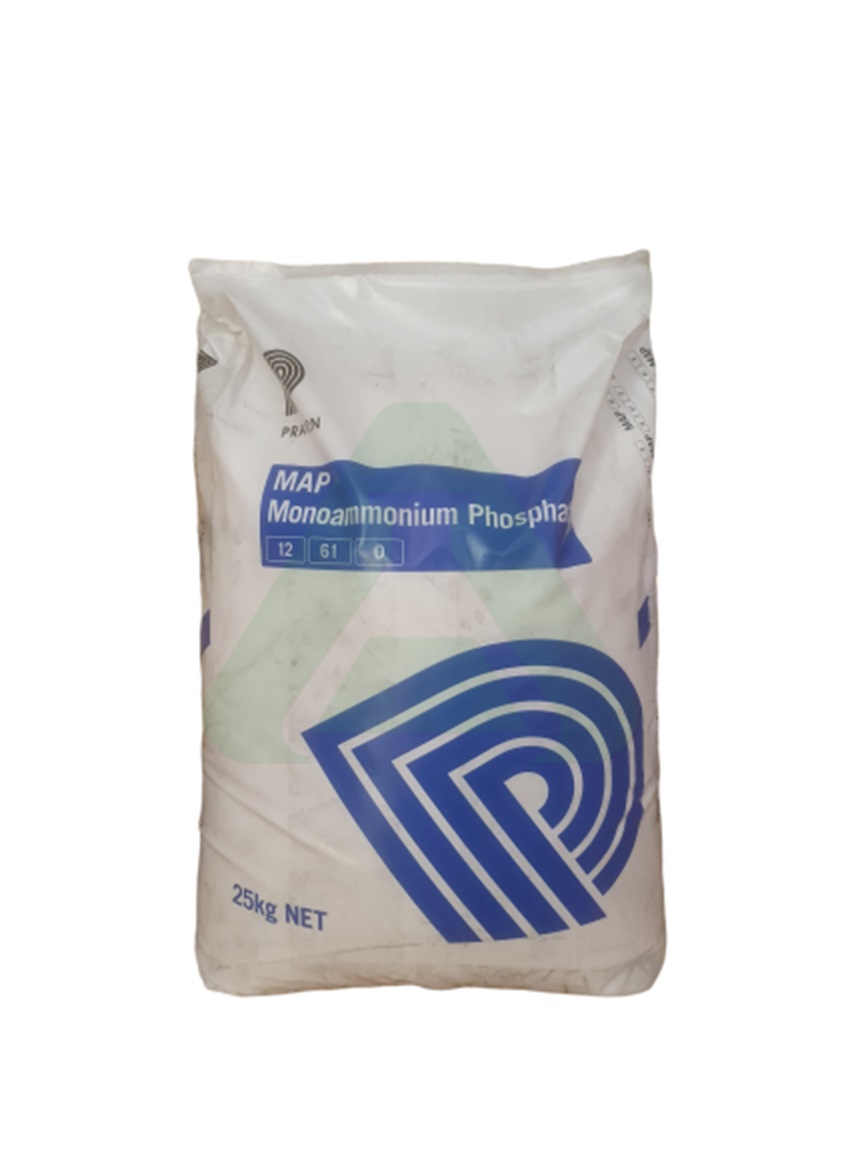
MAP 12-61-0 (fertilizer grade analysis: 12% Nitrogen, 61% P₂O₅)
-
Ammonium dihydrogen phosphate (ADP) (used in crystal growth and optics)
-
Ammonium phosphate primary (chemical supply catalogs)
Abbreviations
-
MAP – Monoammonium Phosphate (most common)
-
ADP – Ammonium Dihydrogen Phosphate (used in technical contexts)
-
NH₄H₂PO₄ – Chemical formula
Summary Table
| Name Type | English Name |
|---|---|
| Most Common | Monoammonium Phosphate (MAP) |
| IUPAC Name | Ammonium dihydrogen phosphate |
| Systematic Name | Ammonium dihydrogen orthophosphate |
| Chemical Formula | NH₄H₂PO₄ |
| Fertilizer Grade | MAP 12-61-0 |
| Synonym | Ammonium phosphate monobasic |
| Technical Name | Ammonium dihydrogen phosphate (ADP) |