We unleash your business potential by maximize the business innovation.
Send EmailCalcium Nitrate, Calcium Dinitrate, Calcium Nitrate Anhydrous, Nitro Calcite, 10124-37-5
CALCIUM NITRATE
1. PRODUCT DEFINITION AND CHEMICAL IDENTITY
| Parameter | Description |
|---|---|
| Chemical Name (IUPAC) | Calcium dinitrate |
| Common Name | Calcium Nitrate |
| CAS Number | 10124-37-5 (anhydrous); 13477-34-4 (tetrahydrate) |
| EC Number | 233-332-1 |
| Molecular Formula | Ca(NO₃)₂ (anhydrous); Ca(NO₃)₂·4H₂O (tetrahydrate) |
| Molecular Weight | 164.09 g/mol (anhydrous); 236.15 g/mol (tetrahydrate) |
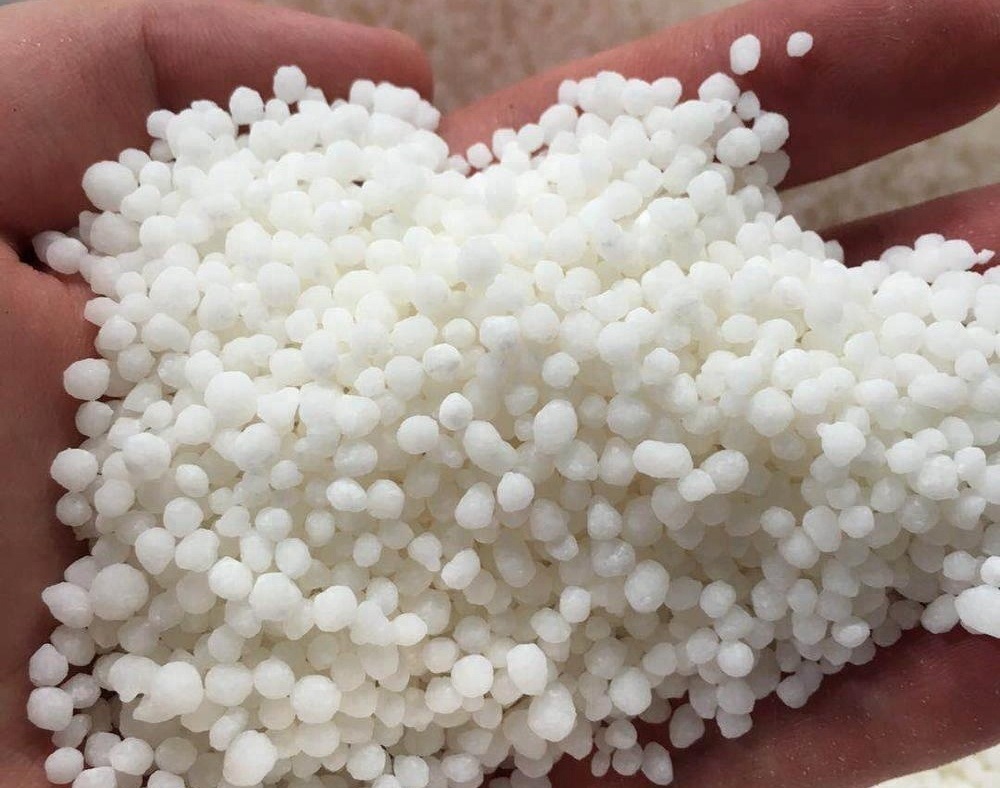
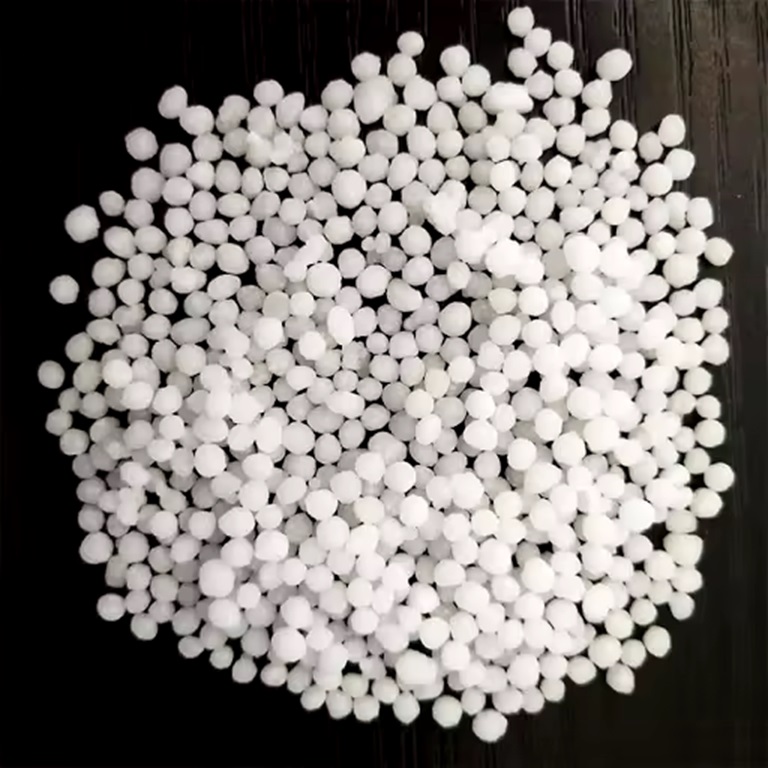
| Appearance | Light grey or white granular solid; colourless white crystals |
| Odour | Odourless |
Note: Calcium nitrate is an inorganic salt, also known historically as Norwegian saltpetre or lime nitrate. It is highly soluble in water and is commercially recognized as the first nitrogen fertilizer ever marketed. It provides two essential plant nutrients—calcium and nitrate nitrogen—in a readily available form. Its hygroscopic nature requires proper storage. Beyond agriculture, it is used in industrial explosives, concrete acceleration, heat transfer fluids, and wastewater treatment.
2. PHYSICAL AND CHEMICAL PROPERTIES
| Property | Value / Description |
|---|---|
| Physical form | Light grey or white granular solid; colourless white crystals |
| Density | 2.50 g/cm³ (anhydrous) |
| Melting Point (Anhydrous) | ~560 °C |
| Melting Point (Tetrahydrate) | ~42.7 °C |
| pH (5% solution) | ~6.0 (neutral to mildly acidic) |
| Solubility in Water | Very high (~120 g/100 mL) |
| Solubility in Organic Solvents | Freely soluble in ethyl alcohol, methyl alcohol, and acetone; soluble in ammonia |
| Oxidizing Property | Strong oxidizing agent |
| Hygroscopy | Highly hygroscopic; readily absorbs moisture from the air |
| Decomposition | Decomposes upon heating, releasing nitrogen oxides (NOx), calcium oxide (CaO), and oxygen (O₂) |
3. FUNCTIONAL PROPERTIES AND MODE OF ACTION
-
Dual Nutrient Fertilizer (Agriculture): As a fully water-soluble fertilizer, it is a direct source of two essential plant nutrients. The nitrate-nitrogen (NO₃⁻) is immediately available for plant uptake, promoting rapid vegetative growth without the need for soil microbial conversion. The water-soluble calcium (Ca²⁺) is crucial for strengthening cell walls, improving fruit firmness, and preventing physiological disorders like blossom end rot in tomatoes and peppers, and bitter pit in apples.
-
Concrete Setting Accelerator (Construction): Calcium nitrate acts as an effective set accelerator for concrete, particularly in cold weather concreting. It accelerates the hydration of cement, shortening the initial and final setting times and allowing for earlier strength development.
-
Latex Coagulant (Industrial): In the dipping production of rubber latex goods (e.g., gloves, balloons), calcium nitrate solutions serve as a coagulant bath. The calcium ions destabilize the latex emulsion, causing the rubber particles to deposit and form a uniform film on the mould.
-
Heat Transfer and Energy Storage (Energy): In its molten state, calcium nitrate and its blends (e.g., with potassium and sodium nitrate) are used as heat transfer fluids and for thermal energy storage in concentrated solar power (CSP) plants due to their high heat capacity and thermal stability.
-
Odour and Corrosion Control (Wastewater): When added to wastewater, calcium nitrate provides an alternative oxygen source (via nitrate respiration), preventing the formation of septic, odorous hydrogen sulfide (H₂S) gas and controlling corrosion in sewer systems.
4. CHEMICAL FORMS
| Form | Formula | Characteristics |
|---|---|---|
| Anhydrous | Ca(NO₃)₂ | Highly hygroscopic; used in industrial applications |
| Tetrahydrate | Ca(NO₃)₂·4H₂O | Most common commercial form; melts at 42.7 °C |
5. SECTORAL APPLICATIONS AND USAGE RATES
| Sector | Application | Typical Usage / Notes |
|---|---|---|
| Agriculture & Horticulture | Fertilizer for soil, foliar, and drip irrigation applications; provides nitrogen and calcium | Fruit trees: 100–150 kg/ha after fruit set; Herbaceous vegetables: 300 kg/ha/season; Greenhouse climbers: 300–350 kg/ha/season |
| Hydroponics & Greenhouse | Preferred fully soluble calcium and nitrogen source for nutrient solutions | Formulated into stock solutions at concentrations specific to crop and growth stage |
| Disease Prevention | Prevents calcium-deficiency disorders: blossom end rot, bitter pit, tip burn | 0.5–2.0% foliar spray solution applied at critical growth stages |
| Construction | Concrete set accelerator (cold weather concreting) | 1–3% by weight of cement |
| Latex Production | Coagulant bath for rubber latex dipping (gloves, balloons) | 10–20% aqueous solution as a coagulant dip |
| Wastewater Treatment | Pre-conditioning to prevent odour and H₂S formation in sewer networks | 50–200 g/m³ of wastewater, depending on the load |
| Energy | Thermal energy storage in concentrated solar power (CSP) plants | Used in a molten salt blend (e.g., with KNO₃ and NaNO₃) |
| Industrial | Oxidizer in fireworks, matches, and explosives | Formulation-specific |
| Renewable Cold Packs | Endothermic reaction absorbs heat when the salt dissolves | Formulated into single-use or reusable cold packs |
6. PRODUCTION METHODS
A. Standard Industrial Process:
Limestone (calcium carbonate, CaCO₃) is reacted with nitric acid (HNO₃), producing calcium nitrate, carbon dioxide, and water:
CaCO₃ + 2 HNO₃ → Ca(NO₃)₂ + CO₂ + H₂O
B. Odda Process (Historical):
Developed in Porsgrunn, Norway, in 1905. Calcium hydroxide (lime water) was reacted with nitric acid to produce calcium nitrate tetrahydrate. This was a cost-effective, efficient production method that made Norway a historic centre for calcium nitrate production, hence the trade name "Norwegian Saltpetre."
7. ALTERNATIVE NAMES AND SYNONYMS
| Category | Names |
|---|---|
| Common / Historical | Nitro Calcite, Lime Nitrate, Calcium Saltpetre, Norwegian Saltpetre, Norge Saltpetre, Norwegian Nitrate |
| Systematic Chemical | Calcium Dinitrate, Nitric Acid, Calcium Salt |
| Trade Names | Synfat 1006, Nutriox |
| Form Descriptors | Anhydrous, Tetrahydrate |
8. ALTERNATIVES AND COMPARISON
| Application Area | Alternative Product | Comparison with Calcium Nitrate |
|---|---|---|
| Nitrogen Fertilizer | Ammonium Nitrate (NH₄NO₃) | Provides only nitrogen. Calcium nitrate also supplies soluble calcium, which is critical for fruit quality. |
| Calcium Fertilizer | Calcium Chloride (CaCl₂) | A source of calcium, but the chloride ion can be toxic to many crops. Calcium nitrate provides a non-toxic anion (nitrate). |
| Concrete Accelerator | Calcium Chloride (CaCl₂) | Calcium chloride is a more powerful accelerator but causes corrosion of reinforcing steel. Calcium nitrate is non-corrosive and a safer alternative. |
| Latex Coagulant | Acetic Acid or Formic Acid | These work by acidifying the latex. Calcium nitrate works via a different mechanism (ion destabilization) and produces a better-quality film. |
9. SAFETY, STORAGE, AND REGULATORY INFORMATION
-
GHS Classification (CLP Regulation):
-
Signal Word: Warning (as a strong oxidizer)
-
Hazard Statements: H272 (May intensify fire; oxidizer), H315 (Causes skin irritation), H319 (Causes serious eye irritation).
-
Precautionary Statements: P210, P220, P264, P280, P302+P352, P305+P351+P338, P332+P313, P337+P313, P370+P378, P501.
-
-
NFPA 704: Health: 1, Fire: 0, Reactivity: 3 (OX) – It is a strong oxidizer.
-
Storage:
-
Store in a dry and cool place, away from direct sunlight and moisture, in tightly sealed containers.
-
The product is highly hygroscopic; exposure to humid air will cause caking and liquefaction.
-
Keep strictly separate from combustible materials, fuels, and reducing agents (e.g., organic matter, sulfur, metal powders) to prevent fire or explosion.
-
Store away from incompatible chemicals like pesticides and strong acids.
-
-
Personal Protective Equipment (PPE): Use nitrile gloves, safety goggles, and a dust mask. Ensure adequate ventilation.
-
Environmental Impact: Runoff from excessive agricultural use can lead to eutrophication of water bodies and nitrate contamination of groundwater.
10. FREQUENTLY ASKED QUESTIONS
Q1: What are the benefits of using calcium nitrate fertilizer?
It provides plants with two essential nutrients: immediately available nitrate-nitrogen for rapid growth and water-soluble calcium for strengthening cell walls. This dual action improves fruit firmness, prevents calcium-deficiency disorders (like blossom end rot and bitter pit), and enhances overall crop quality and shelf life.
Q2: How does calcium nitrate prevent blossom end rot in tomatoes and peppers?
This disorder is caused by a localized calcium deficiency in the developing fruit, often triggered by inconsistent watering. Calcium nitrate provides readily soluble calcium that can be taken up by the plant, ensuring a steady supply to the rapidly growing tissues, thereby preventing the characteristic necrotic spots.
Q3: Why is calcium nitrate hygroscopic?
The nitrate ion (NO₃⁻) has a strong affinity for water molecules. The anhydrous form of calcium nitrate will actively pull moisture from the surrounding air until it forms a saturated solution, which is why it must be stored in airtight packaging.
Q4: Is calcium nitrate the same as ammonium nitrate?
No. Calcium nitrate (Ca(NO₃)₂) provides calcium and nitrogen. Ammonium nitrate (NH₄NO₃) provides only nitrogen. They have different chemical properties, with calcium nitrate being a non-volatile source of nitrogen that is directly plant-available.
11. QUICK REFERENCE TABLE
| Property | Value |
|---|---|
| CAS | 10124-37-5 (anhydrous) |
| Formula | Ca(NO₃)₂ |
| Molecular Weight | 164.09 g/mol |
| Appearance | White to light grey granular solid or crystals |
| Solubility | ~120 g/100 mL water |
| Main Functions | Dual nutrient fertilizer, concrete accelerator, latex coagulant |
| Key Feature | Provides immediately available nitrate-nitrogen and water-soluble calcium |