We unleash your business potential by maximize the business innovation.
Send EmailDiethylene Glycol, Ethylene Diglycol, Diglycol, DEG, 111-46-6
DIETHYLENE GLYCOL (DEG)
Diethylene Glycol / 2,2'-Oxydiethanol / Diglycol / Ethylene Diglycol / DEG
CAS Number: 111-46-6
EC Number: 203-872-2
SECTION 1: PRODUCT IDENTIFICATION AND CHEMICAL IDENTITY
| Parameter | Information |
|---|---|
| Product Name | Diethylene Glycol (DEG) |
| IUPAC Name | 2,2'-Oxydiethanol |
| Other Names | Diglycol, 2-(2-Hydroxyethoxy)ethanol, Bis(2-hydroxyethyl) ether, 3-Oxa-1,5-pentanediol, Ethylene Diglycol |
| CAS Number | 111-46-6 |
| EC Number (EINECS) | 203-872-2 |
| RTECS Number | ID5950000 |
| Molecular Formula | C₄H₁₀O₃ / (HOCH₂CH₂)₂O |
| Molecular Weight | 106.12 g/mol |
| Chemical Class | Glycol ether (diol) |
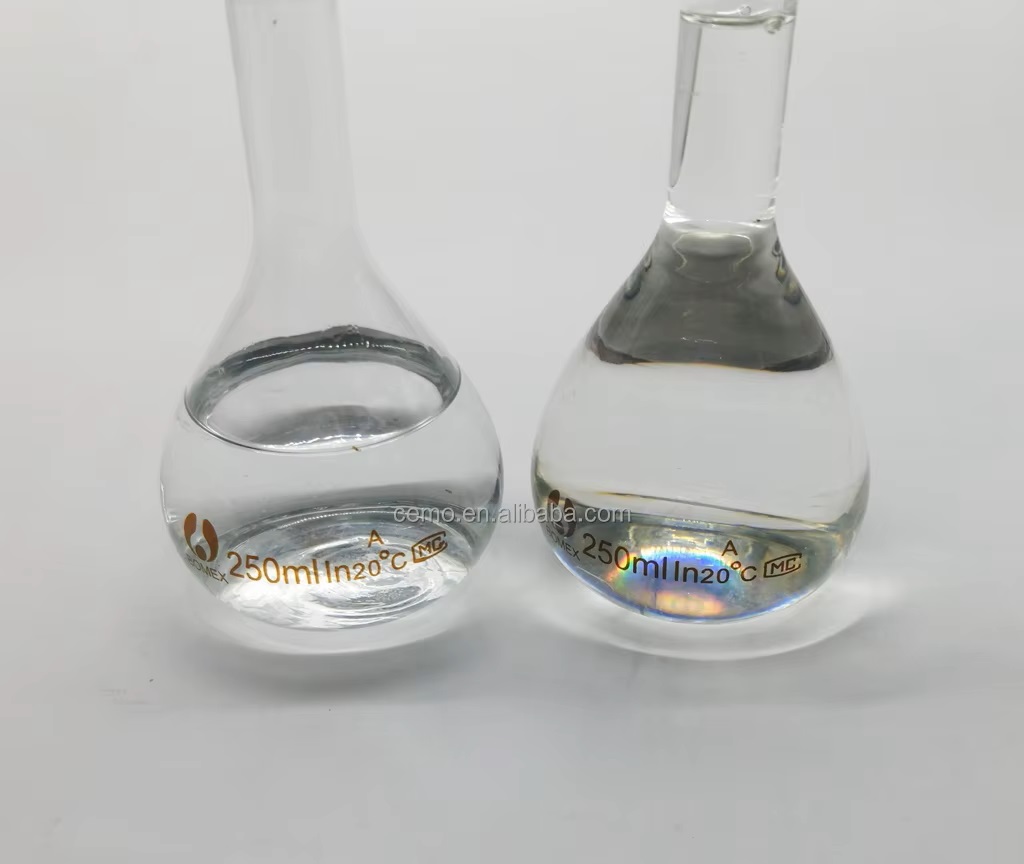
| Appearance | Clear, colorless, viscous liquid |
| Odor | Practically odorless |
| Physical State (20°C) | Liquid |
Diethylene Glycol is a colorless, practically odorless, hygroscopic liquid obtained as a by-product of ethylene glycol production or produced by the hydration of ethylene oxide. Due to its molecular structure, it has a higher boiling point and viscosity compared to Monoethylene Glycol (MEG). It is widely used as a solvent, humectant, and intermediate in various industrial applications.
SECTION 2: SYNONYMS AND OTHER NAMES
| Type | Name |
|---|---|
| Common Names | Diethylene Glycol, DEG, Diglycol, Ethylene Diglycol |
| Chemical Names | 2,2'-Oxydiethanol, 2-(2-Hydroxyethoxy)ethanol, Bis(2-hydroxyethyl) ether, 3-Oxa-1,5-pentanediol |
| CAS Number | 111-46-6 |
| EC Number | 203-872-2 |
| RTECS Number | ID5950000 |
| HS Code | 2909.49 |
SECTION 3: CHEMICAL STRUCTURE
3.1. Molecular Structure
Diethylene Glycol consists of two ethylene glycol units linked by an ether bond (-O-). It has two terminal hydroxyl groups (-OH) that provide its reactivity and hygroscopic properties.
Structural Formula:
HO - CH₂ - CH₂ - O - CH₂ - CH₂ - OH
Simplified Representation:
(HOCH₂CH₂)₂O
3.2. Molecular Formula
C₄H₁₀O₃
3.3. Molecular Weight
106.12 g/mol
3.4. Key Structural Features
| Feature | Description |
|---|---|
| Functional Groups | Two hydroxyl (-OH), one ether (-O-) |
| Hydrogen Bonding | Strong (due to two hydroxyl groups) |
| Reactivity | Reacts with acids, bases, and isocyanates |
| Hygroscopicity | High (absorbs moisture from air) |
| Solubility | Miscible with water and many organic solvents |
SECTION 4: PHYSICAL AND CHEMICAL PROPERTIES
| Property | Value |
|---|---|
| Appearance | Clear, colorless, viscous liquid |
| Odor | Practically odorless |
| Taste | Sweet (WARNING: Toxic - do not ingest) |
| Molecular Formula | C₄H₁₀O₃ |
| Molecular Weight | 106.12 g/mol |
| Density (20°C) | 1.1155 – 1.1180 g/cm³ |
| Melting Point | -10.5 °C |
| Boiling Point (760 mmHg) | 244 – 246 °C |
| Flash Point (Closed Cup) | 124 °C |
| Autoignition Temperature | 228 °C |
| Viscosity (20°C) | 35.7 cP (mPa·s) |
| Vapor Pressure (20°C) | < 0.01 mmHg |
| Refractive Index (n20/D) | 1.4472 – 1.4478 |
| Water Solubility | Miscible in all proportions |
| Solubility in Ethanol | Miscible |
| Solubility in Acetone | Miscible |
| Solubility in Ether | Miscible |
| Solubility in Benzene | Partially soluble |
| Hygroscopicity | High (absorbs moisture from air) |
| Surface Tension (20°C) | 44.8 mN/m |
| Specific Heat (20°C) | 2.25 J/g·°C |
| Dielectric Constant | 31.7 (at 20°C) |
SECTION 5: SPECIFICATIONS (TECHNICAL GRADE)
| Parameter | Specification | Unit | Test Method |
|---|---|---|---|
| Appearance | Clear, colorless, particle-free | - | Visual |
| Purity (GC) | Min. 99.50 | % wt | GC-FID |
| Water Content (Karl Fischer) | Max. 0.10 | % wt | ASTM E203 |
| Color (Pt-Co/APHA) | Max. 10 | - | ASTM D1209 |
| Acidity (as Acetic Acid) | Max. 0.005 | % wt | ASTM D1613 |
| Iron (Fe) Content | Max. 0.5 | ppm | ASTM E394 |
| Density (20°C) | 1.1155 – 1.1180 | g/cm³ | ASTM D4052 |
| Boiling Range (760 mmHg) | 244 – 246 | °C | ASTM D1078 |
| Freezing Point | -10.5 | °C | ASTM D1177 |
SECTION 6: SOLUBILITY PROFILE
| Solvent | Solubility | Conditions |
|---|---|---|
| Water | Miscible | All proportions |
| Ethanol | Miscible | All proportions |
| Acetone | Miscible | All proportions |
| Ether | Miscible | All proportions |
| Benzene | Partially soluble | 20°C |
| Toluene | Partially soluble | 20°C |
| Chloroform | Miscible | All proportions |
| Carbon Tetrachloride | Partially soluble | 20°C |
SECTION 7: CHEMICAL PROPERTIES AND REACTIVITY
| Property | Description |
|---|---|
| Chemical Character | Weakly acidic (due to hydroxyl groups) |
| Stability | Stable under normal storage conditions |
| Hygroscopicity | Absorbs moisture from air; should be stored in sealed containers |
| Reaction with Acids | Forms esters (glycol esters) |
| Reaction with Isocyanates | Forms polyurethanes |
| Reaction with Strong Oxidizers | May cause fire or explosion |
| Dehydration | Forms dioxane and other cyclic ethers at high temperatures |
| Incompatible Materials | Strong oxidizers, strong acids, strong bases, isocyanates (uncontrolled) |
SECTION 8: REACTION EQUATIONS
8.1. Esterification with Acids
DEG + R-COOH → DEG Ester + H₂O
8.2. Reaction with Isocyanates (Polyurethane Formation)
DEG + 2 R-NCO → Polyurethane + CO₂
8.3. Dehydration (High Temperature)
2 DEG → Dioxane + 2 H₂O
8.4. Oxidation with Strong Oxidizers
DEG + [O] → Degradation Products + Heat
SECTION 9: PRODUCTION METHOD
Diethylene Glycol is produced as a by-product of ethylene glycol manufacture or directly by the hydration of ethylene oxide.
| Stage | Process | Description |
|---|---|---|
| 1 | Ethylene Oxide Hydration | Ethylene oxide is hydrated with water under high pressure and temperature. |
| 2 | Separation | The reaction mixture contains MEG, DEG, TEG, and higher glycols. |
| 3 | Distillation | DEG is separated by fractional distillation. |
| 4 | Purification | The product is purified to meet technical grade specifications. |
| 5 | Stabilization | Inhibitors may be added to prevent degradation during storage. |
SECTION 10: APPLICATIONS AND INDUSTRIAL USES
10.1. Polymer and Plastics Industry
| Application | Function |
|---|---|
| Unsaturated Polyester Resins | Chain extender and soft segment component |
| Polyurethanes | Chain extender for polyurethane elastomers and foams |
| Plasticizers | Intermediate for DEG dibenzoate and other plasticizers |
| Alkyd Resins | Component in alkyd resin production |
10.2. Oil and Gas Industry
| Application | Function |
|---|---|
| Natural Gas Dehydration | Pre-dehydrator before TEG or small-scale dehydrator |
| Aromatic Extraction | Selective solvent for aromatic extraction |
| Hydrate Inhibition | Prevents hydrate formation in pipelines |
10.3. Printing and Textile Industry
| Application | Function |
|---|---|
| Textile Printing Pastes | Humectant and solvent; prevents dye drying |
| Ink Formulations | Solvent and humectant in printing inks |
| Dyeing Auxiliary | Assists in dye penetration and fixation |
10.4. Transportation and Aviation
| Application | Function |
|---|---|
| Aircraft De-icing Fluids | Lowers freezing point; thickener for surface adhesion |
| Rail De-icing | Prevents ice formation on tracks |
| Anti-freeze | Industrial heat transfer fluids |
10.5. Adhesives and Sealants
| Application | Function |
|---|---|
| Water-Based Adhesives | Viscosity regulator, thinner, open time extender |
| Sealants | Plasticizer and processing aid |
10.6. Tobacco and Cosmetics
| Application | Function |
|---|---|
| Tobacco Humectant | Industrial tobacco processing (strictly controlled) |
| Cosmetics | PROHIBITED - do not use in cosmetics |
WARNING: DEG is PROHIBITED for use in food, pharmaceuticals, and cosmetics due to severe toxicity.
SECTION 11: NAMING AND ALTERNATIVES
| Name / Term | Type | Relationship to DEG |
|---|---|---|
| 2,2'-Oxydiethanol | IUPAC Name | Identical molecule |
| Diglycol | Trade / Short Name | Identical molecule |
| Bis(2-hydroxyethyl) ether | Chemical Name | Identical molecule |
| DEG | Abbreviation | Identical molecule |
| Propylene Glycol (MPG) | Functional Alternative | DIFFERENT MOLECULE. Lower toxicity. Used where DEG is prohibited (food/cosmetics). |
| Triethylene Glycol (TEG) | Higher Homolog | DIFFERENT MOLECULE. Higher boiling point. Preferred for gas dehydration over DEG. |
| Ethylene Glycol (MEG) | Lower Homolog | DIFFERENT MOLECULE. More toxic (metabolized to oxalic acid). DEG is the dimer of MEG. |
| Glycerin | Functional Alternative | DIFFERENT MOLECULE. Natural humectant. Safer than DEG but less effective as a solvent. |
SECTION 12: SAFETY AND HEALTH HAZARDS
12.1. Acute Toxicity
| Parameter | Value |
|---|---|
| Acute Oral Toxicity (LD50, Rat) | ~ 12,500 mg/kg |
| Acute Dermal Toxicity (LD50, Rabbit) | > 20,000 mg/kg |
| Acute Inhalation Toxicity | Low risk (low vapor pressure) |
| Eye Irritation | Mild irritant |
| Skin Irritation | Mild irritant; may cause dryness with prolonged contact |
12.2. Poisoning Symptoms
| Phase | Symptoms |
|---|---|
| Early (0-12 hours) | Similar to alcohol intoxication (dizziness, slurred speech, nausea) |
| Late (12-72 hours) | Severe metabolic acidosis, kidney failure, seizures, coma, death |
CRITICAL WARNING: DEG has a sweet taste that can be misleading, especially to children and animals. It is HIGHLY TOXIC when ingested and can be fatal.
12.3. Target Organs
| Organ | Effect |
|---|---|
| Kidneys | Acute renal failure; primary target organ |
| Liver | Hepatotoxicity at high doses |
| Central Nervous System | Depression, confusion, coma |
SECTION 13: GHS CLASSIFICATION
| Hazard Class | Category | H-Statement |
|---|---|---|
| Acute Toxicity (Oral) | Category 4 | H302 |
| Specific Target Organ Toxicity - Repeated Exposure | Category 2 | H373 |
Signal Word: WARNING
Hazard Pictograms: GHS07 (Exclamation Mark), GHS08 (Health)
Hazard Statements (H-Codes):
| Code | Statement |
|---|---|
| H302 | Harmful if swallowed. |
| H373 | May cause damage to organs (kidney) through prolonged or repeated exposure. |
SECTION 14: PRECAUTIONARY STATEMENTS (P-CODES)
| Code | Statement |
|---|---|
| P260 | Do not breathe dust/fume/gas/mist/vapors/spray. |
| P264 | Wash hands thoroughly after handling. |
| P270 | Do not eat, drink or smoke when using this product. |
| P301+P312 | IF SWALLOWED: Call a POISON CENTER/doctor if you feel unwell. |
| P330 | Rinse mouth. |
| P501 | Dispose of contents/container in accordance with local regulations. |
SECTION 15: FIRST AID MEASURES
| Route of Exposure | Action to Be Taken |
|---|---|
| Inhalation | Move to fresh air. If breathing difficulty occurs, seek medical attention. |
| Skin Contact | Wash with plenty of soap and water. Remove contaminated clothing. |
| Eye Contact | Rinse thoroughly with plenty of water for at least 15 minutes. Remove contact lenses. Seek medical attention. |
| Ingestion | DO NOT INDUCE VOMITING (aspiration risk). Rinse mouth. Seek immediate medical attention. Antidote therapy (Fomepizole/Ethanol) may be required. |
SECTION 16: FIRE-FIGHTING MEASURES
| Parameter | Information |
|---|---|
| Fire Hazard | Combustible liquid (Flash point 124°C) |
| Suitable Extinguishing Media | Water spray, CO₂, dry chemical powder, alcohol-resistant foam |
| Special Hazards | Thermal decomposition produces toxic gases (CO, CO₂) |
| Protective Equipment | Self-contained breathing apparatus (SCBA), full protective clothing |
SECTION 17: ACCIDENTAL RELEASE MEASURES
| Parameter | Information |
|---|---|
| Personal Protection | Protective goggles, chemical-resistant gloves, coverall |
| Ventilation | Increase ventilation; use local exhaust in confined spaces |
| Containment | Absorb with inert material (sand, vermiculite) |
| Cleaning Methods | Collect with absorbent material. Avoid washing with water (spread). |
| Environmental Precautions | Prevent entry into drains, sewers, and water bodies |
| Waste Disposal | Dispose of in accordance with local regulations |
SECTION 18: STORAGE AND SHELF LIFE
| Parameter | Information |
|---|---|
| Storage Conditions | Store in a cool, dry, well-ventilated area. Protect from moisture. |
| Temperature | Recommended: 15-40°C. Do not allow to freeze (-10°C). |
| Container Requirements | Sealed, moisture-proof containers. Nitrogen blanket or desiccant breather recommended. |
| Materials to Avoid | Strong oxidizers, strong acids, strong bases, isocyanates (uncontrolled) |
| Material Compatibility | Stainless Steel (304, 316), Aluminum. Avoid: Copper and alloys (discoloration). |
| Shelf Life | 12-24 months (under proper storage conditions) |
| Stability Note | Hygroscopic; absorbs moisture from air. Store in sealed containers. |
SECTION 19: PACKAGING OPTIONS
| Packaging Type | Quantity | Material |
|---|---|---|
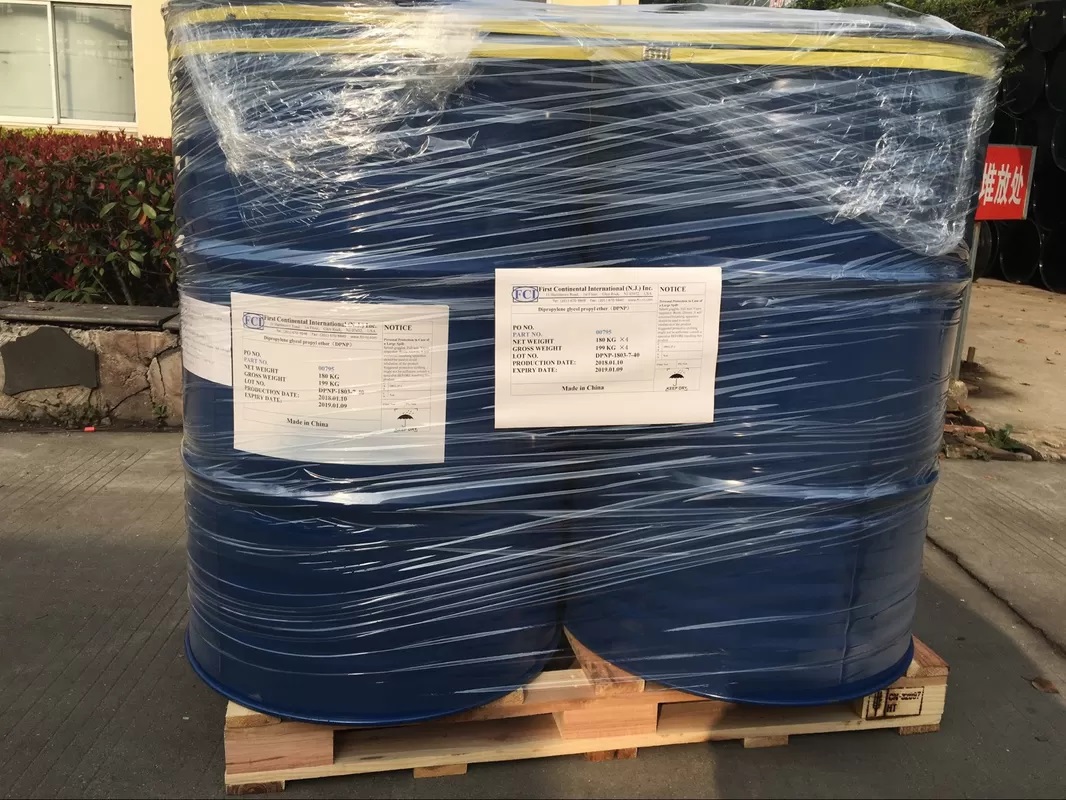
| Steel Drum | 200 L | Stainless steel / Carbon steel (lined) |
| IBC Tank | 1000 L | Stainless steel |
| Bulk Tanker | 20 – 30 tons | Stainless steel (with nitrogen blanket) |
| Small Containers | 1 L, 5 L | HDPE / Aluminum |
SECTION 20: TRANSPORT INFORMATION
| Parameter | Information |
|---|---|
| UN Number | Not applicable (not classified as dangerous goods) |
| Hazard Class | Not classified as hazardous for transport |
| Packing Group | Not applicable |
| ADR/RID | Not regulated |
| IMDG Code | Not regulated |
| IATA (Air) | Not regulated |
| Marine Pollutant | No |
| Transport Temperature | Ambient temperature; protect from moisture. |
SECTION 21: ENVIRONMENTAL INFORMATION
| Parameter | Information |
|---|---|
| Aquatic Toxicity | Low toxicity to aquatic organisms |
| Biodegradability | Readily biodegradable |
| Bioaccumulation | Low potential (Log P ~ -1.5) |
| Mobility in Soil | High (miscible with water) |
| Vapor Behavior | Low vapor pressure; does not readily evaporate |
| Waste Disposal | Incineration or disposal in accordance with local regulations |
SECTION 22: REGULATORY INFORMATION
| Region / Authority | Status |
|---|---|
| European Union (REACH) | Registered; industrial chemical |
| USA (TSCA) | Listed |
| Turkey (KKDIK) | Registered under chemical registration regulations |
| FDA | PROHIBITED for food, drug, and cosmetic use |
| EU Cosmetics Regulation | PROHIBITED (Annex II) |
| WHO | Listed as a hazardous substance |
SECTION 23: SECTORAL SUITABILITY AND REGULATORY STATUS
| Sector / Application | Suitability | Regulatory Notes / Restrictions |
|---|---|---|
| Industrial Solvents | Suitable / Approved | Widely used in paints, inks, and industrial cleaning. Compliant with REACH and TSCA. |
| Plastics and Polymers | Suitable / Approved | Standard raw material for polyester resins and plasticizers (e.g., DEG Dibenzoate). |
| Natural Gas Dehydration | Suitable / Approved | Meets pipeline specification criteria for hydrate prevention. |
| Antifreeze / Coolants | Conditionally Suitable | Suitable for industrial heat transfer fluids and de-icers. DO NOT USE in automotive coolants where human/animal contact is possible (MEG or MPG preferred). |
| Food and Beverage Industry | STRICTLY PROHIBITED | Cannot be used as a sweetener, solvent, or humectant in any food product. Linked to fatal mass poisonings. |
| Pharmaceutical Industry | STRICTLY PROHIBITED | Prohibited by FDA and EMA as an excipient. Only MEG or PG USP grade are permitted. |
| Cosmetics and Personal Care | STRICTLY PROHIBITED | Prohibited by EU Cosmetics Regulation (EC) No 1223/2009 and FDA. |
| Tobacco Processing | Technically Suitable | Used as a tobacco humectant in some regions; subject to strict purity testing. |
SECTION 24: FORMULATION RECIPES AND GUIDELINES
Disclaimer: The following ratios are starting formulation examples for industrial applications. Exact ratios may vary depending on final product specifications and raw material purity.
24.1. Textile Printing Paste (Humectant Recipe)
Purpose: Prevent screen clogging and dye drying during rotary printing.
| Component | Parts by Weight | Function |
|---|---|---|
| Alginate Thickener (Stock Paste) | 80 – 85 | Viscosity carrier |
| Diethylene Glycol (DEG) | 5 – 10 | Humectant / Solvent |
| Urea | 5 – 10 | Dye solvent / Auxiliary |
| Defoamer | 0.5 | Processing aid |
| Water / Dye Solution | Q.S. to 100 | Medium |
24.2. Industrial Hard Surface Cleaner (Low Foaming)
Purpose: Degreasing of metal parts with low volatility.
| Component | % Weight | Function |
|---|---|---|
| Diethylene Glycol (DEG) | 15 – 25 | Coupling agent / Solvent |
| Sodium Metasilicate | 2 – 5 | Builder (alkalinity) |
| Nonionic Surfactant (EO/PO Block) | 3 – 7 | Cleaning power |
| Tetrasodium EDTA | 1 – 2 | Chelating agent |
| Water | Q.S. to 100 | Medium |
24.3. Aircraft De-icing Fluid (Type I Fluid Base)
Purpose: Freeze point depression and surface wetting.
| Component | % Weight (Typical Range) | Function |
|---|---|---|
| Water | 40 – 50 | Primary solvent |
| Propylene Glycol (MPG) | 40 – 50 | Primary freeze point depressant |
| Diethylene Glycol (DEG) | 5 – 10 | Viscosity enhancer and dwell time extender |
| Surfactant Package | 0.5 – 1.0 | Wetting agent |
| Corrosion Inhibitor | 0.1 – 0.5 | Triazole/benzoate blend |
SECTION 25: TECHNICAL RECOMMENDATIONS AND BEST PRACTICES
Based on the physical properties analysis, the following operational recommendations are provided:
-
Temperature Management for Pumping:
-
Issue: DEG viscosity is ~36 cP at 20°C and freezes at -10°C.
-
Recommendation: In cold climates, storage tanks and transfer lines should be equipped with heating jackets and insulation to maintain a minimum temperature of 15-20°C. Failure to do so may result in cavitation in centrifugal pumps and incomplete tank emptying due to high wall adhesion.
-
-
Moisture Protection (Critical Quality Control):
-
Issue: DEG is extremely hygroscopic. If left open to the atmosphere, it can absorb up to 30% of its weight in water, diluting purity and reducing boiling point/efficiency.
-
Recommendation: Storage tanks should always be blanketed with dry nitrogen (N₂) or fitted with a silica gel moisture trap on the tank vent. Never use compressed air for transfer, as it introduces atmospheric moisture into the tank.
-
-
Seal and Gasket Selection:
-
Issue: DEG is a mild solvent for certain rubber types.
-
Recommendation: Use EPDM (Ethylene Propylene Diene Monomer) or PTFE (Teflon) gaskets. Avoid natural rubber or nitrile (Buna-N) unless specifically rated for glycol service, as swelling may occur over time.
-
-
Analytical Substitution Warning (Cross-Contamination Risk):
-
Issue: The sweet taste and clear appearance can lead to accidental mixing in small-scale production (e.g., mixing PG drums with DEG drums).
-
Recommendation: Drums should be clearly labeled and ideally color-coded (e.g., DEG: Orange stripe / PG: Green stripe). DEG should be stored in a physically separate area from food or cosmetic-grade raw materials to prevent cross-contamination.
-
SECTION 26: QUICK REFERENCE TABLE
| Property | Value |
|---|---|
| CAS Number | 111-46-6 |
| EC Number | 203-872-2 |
| Molecular Formula | C₄H₁₀O₃ |
| Molecular Weight | 106.12 g/mol |
| Appearance | Clear, colorless liquid |
| Odor | Practically odorless |
| Density (20°C) | 1.1155 – 1.1180 g/cm³ |
| Boiling Point | 244 – 246 °C |
| Flash Point | 124 °C |
| Viscosity (20°C) | 35.7 cP |
| Water Solubility | Miscible |
| Primary Uses | Solvent, humectant, intermediate, gas dehydration |
| Shelf Life | 12-24 months |
| UN Number | Not applicable |
| GHS Signal Word | WARNING |
SECTION 27: CRITICAL NOTICES AND BEST PRACTICES
CRITICAL NOTICES:
-
Toxicity: Diethylene Glycol is HIGHLY TOXIC when ingested. It has a sweet taste that can be misleading, especially to children and animals. It is STRICTLY PROHIBITED in food, pharmaceuticals, and cosmetics.
-
Sweet Taste Warning: The sweet taste of DEG is a dangerous characteristic. NEVER use DEG as a sweetener or sugar substitute. Historical incidents have involved fatal poisonings due to DEG contamination in syrups and other products.
-
Hygroscopic Nature: DEG is extremely hygroscopic and absorbs moisture from the air. Store in sealed containers with a nitrogen blanket or desiccant breather to maintain purity.
-
Viskozite: DEG has significantly higher viscosity (35.7 cP at 20°C) compared to water (1 cP) and MEG (16 cP). Pumping and handling equipment must be designed accordingly.
-
Incompatibility: DEG is incompatible with strong oxidizers, strong acids, and strong bases. Reaction with these materials may cause fire, explosion, or toxic gas release.
-
Düzenleyici Durum: DEG is prohibited in food, pharmaceuticals, and cosmetics by FDA, EMA, EU Cosmetics Regulation, and other regulatory bodies worldwide.
-
Cross-Contamination: Due to its similar appearance to PG and other glycols, strict labeling and storage segregation are essential to prevent accidental use in prohibited applications.
-
First Aid: In case of ingestion, DO NOT INDUCE VOMITING (aspiration risk). Seek immediate medical attention. Antidote therapy (Fomepizole/Ethanol) may be required.
BEST PRACTICE RECOMMENDATIONS:
-
Storage: Store in a cool, dry, well-ventilated area. Maintain 15-40°C. Use nitrogen blanket or desiccant breather. Avoid freezing.
-
Handling: Use chemical-resistant gloves (neoprene, butyl rubber), protective goggles, and appropriate clothing.
-
Transfer: Use sealed transfer systems. Avoid compressed air for transfer. Use stainless steel or aluminum equipment.
-
Labeling: Clearly label all containers. Use color-coding to distinguish from other glycols (PG, MEG, TEG).
-
Segregation: Store DEG separately from food, pharmaceutical, and cosmetic raw materials to prevent cross-contamination.
-
Training: Train personnel on the toxicity hazards and proper handling procedures.
-
Waste Management: Dispose of DEG and contaminated materials in accordance with local regulations.
LEGAL DISCLAIMER:
This Technical Data Sheet (TDS) is for informational purposes only and is prepared based on available technical data. The user is solely responsible for determining the suitability of the product for their specific application and for complying with all local, national, and international regulations. For complete safety, storage, handling, transport, waste, and regulatory compliance information, the official Safety Data Sheet (SDS/MSDS) provided by the manufacturer/supplier must be consulted. Diethylene Glycol is a toxic substance and should be handled with extreme caution. NEVER USE IN FOOD, PHARMACEUTICAL, OR COSMETIC PRODUCTS. This document does not substitute professional or medical advice.