We unleash your business potential by maximize the business innovation.
Send EmailDiethylene Glycol, Ethylene Glycol, Ethylene Diglycol, Diglycol, DEG, 111-46-6
Diethylene Glycol
1. Product Identity
| Property | Details |
|---|---|
| Product Name | Diethylene Glycol (DEG) |
| CAS Number | 111-46-6 |
| EC Number | 203-872-2 |
| Molecular Formula | C₄H₁₀O₃ / (HOCH₂CH₂)₂O |
| Molecular Weight | 106.12 g/mol |
| IUPAC Name | 2,2'-Oxydiethanol |
| Chemical Name | Ethylene Glycols |
2. Synonyms and Other Names
| Name | Description |
|---|---|
| 2,2'-Oxybis(ethan-1-ol) | IUPAC alternative |
| 2-(2-Hydroxyethoxy)ethan-1-ol | Chemical description |
| Ethylene diglycol | Common name |
| Diglycol | Short name |
| 2,2'-Oxybisethanol | Structural name |
| 2,2'-Oxydiethanol | Alternative name |
| 3-Oxa-1,5-pentanediol | Systematic name |
| Dihydroxy diethyl ether | Functional name |
| Brecolane NDG | Trade name |
| Deactivator E | Trade name |
| DEG | Common abbreviation |
| Dicol | Trade name |
| Digol | Trade name |
| β,β'-Dihydroxydiethyl ether | Chemical name |
| Dissolvant APV | Trade name |
| 3-Oxapentane-1,5-diol | Systematic name |
| Bis(2-hydroxyethyl) ether | Chemical name |
| Digenos | Trade name |
| 2,2'-Oxyethanol | Alternative name |
| 2-Hydroxyethoxyethanol | Common name |
| 1,5-Dihydroxy-3-oxapentane | Systematic name |
| KC 22 | Trade code |
| NSC 36391 | NSC code |
| DST Powder 1.6 | Trade name |
3. Product Description
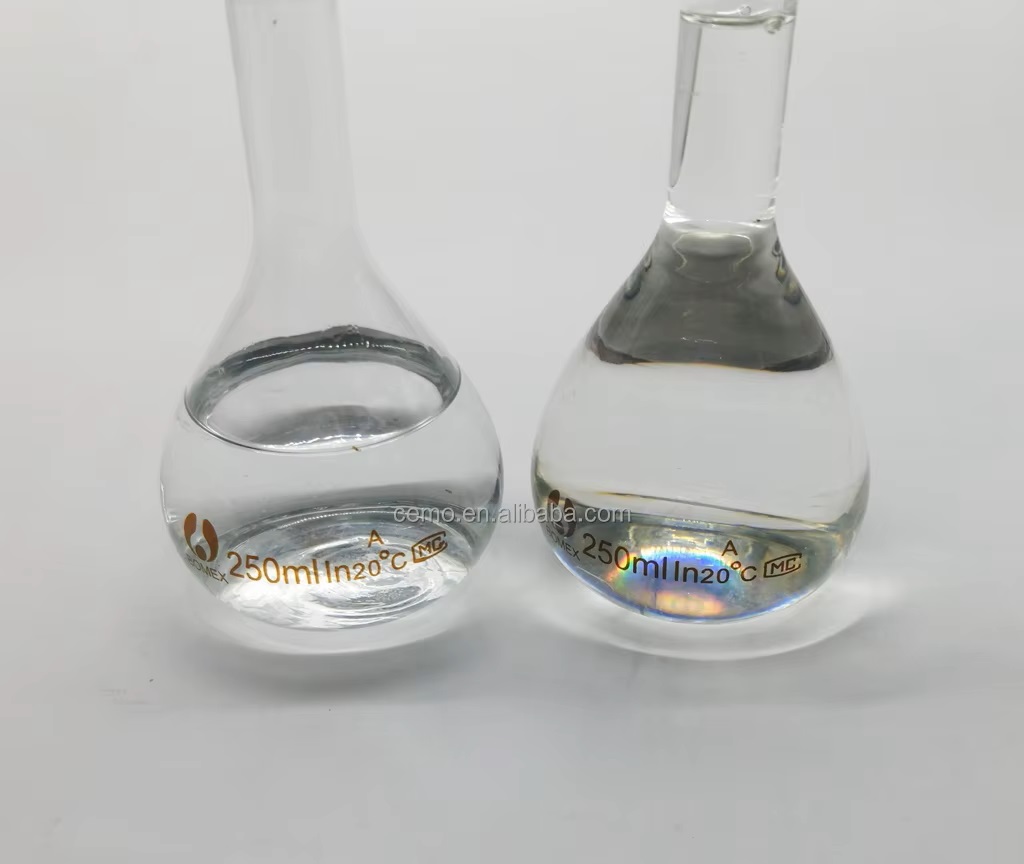
Diethylene glycol is an organic compound that is a colorless, almost odorless, sweet-tasting, hygroscopic liquid. It is completely miscible with water and many organic liquids. Due to its high molecular weight, it is significantly less volatile than ethylene glycol and has distinctly different applications. Its reactivity and solubility form the basis for many industrial applications.
Key Characteristics:
-
Colorless, low-volatility liquid
-
Low viscosity
-
Hygroscopic (absorbs moisture from the environment)
-
Sweet taste
-
Completely miscible with water and many organic solvents
4. Physical and Chemical Properties
| Property | Value |
|---|---|
| Appearance | Colorless, odorless liquid |
| Odor | Odorless (slightly sweet at high concentrations) |
| Taste | Sweet |
| Density | 1.118 g/cm³ |
| Melting Point | -10.45°C |
| Boiling Point | 244-245°C |
| Vapor Pressure | Low |
| Viscosity | Low |
| Solubility | Completely miscible with water, alcohol, acetone, ether, and ethylene glycol |
| Hygroscopicity | High (absorbs moisture from air) |
5. Chemical Identification
| Database | Identifier |
|---|---|
| CAS Number | 111-46-6 |
| CHEBI | CHEBI:46807 |
| ChemSpider | 13835180 |
| KEGG | C14689 |
| PubChem CID | 8117 |
| UNII | 61BR964293 |
| EC Number | 203-872-2 |
6. Reactivity and Compatibility
| Incompatible with | Reaction |
|---|---|
| Strong Oxidizing Agents | Not compatible |
| Strong Bases | Not compatible |
| Sulfuric Acid | Reacts |
| Dehydrating Agents | Reacts |
| Nitric Acid | Reacts |
| Oxygen | Reacts |
| Hydrogen Peroxide | Reacts |
| Perchloric Acid | Reacts |
| Strong Acids | Reacts |
| Sodium Hydroxide | Exothermic decomposition when heated to 446°F |
7. Applications and Uses
7.1. Industrial Applications
| Application | Function |
|---|---|
| Plasticizer Raw Material | Used in natural polyester and acrylate resins |
| Unsaturated Polyester Resins | Production of polymer materials |
| Polyurethanes | Component in polyurethane production |
| Plasticizers | Manufacturing of plasticizers |
7.2. Solvent Applications
| Application | Function |
|---|---|
| Printing Inks | Solvent in ink formulations |
| Textile Dyeing | Solvent in dyeing processes |
| Petroleum Solvent | Dissolving aromatics in refining processes |
| Selective Solvent | For aromatics in petroleum refining |
7.3. Moisture Control Applications
| Application | Function |
|---|---|
| Humectant | Widely used as a moisture-retaining agent |
| Gas Pipelines | Dehydration in natural gas industry |
| Tobacco Industry | Humectant in tobacco production |
| Adhesive Industry | Thinner in glue manufacturing |
7.4. Transportation Applications
| Application | Function |
|---|---|
| Aircraft | Anti-icing spray |
| Railways | Anti-icing spray |
7.5. Textile Industry
| Application | Function |
|---|---|
| Printing | Solvent in textile printing |
| Dyes | Auxiliary agent in textile dye formulations |
8. Safety and Toxicology
8.1. Toxicity Information
| Parameter | Details |
|---|---|
| Toxicity | Toxic compound; can cause serious health problems upon ingestion or misuse |
| Target Organs | Liver and kidneys (primary damage) |
| Critical Dose | When critical dose exceeded, severe toxic effects occur |
| RTECS | Registry of Toxic Effects of Chemical Substances provides extensive safety data |
8.2. Symptoms of Poisoning
| Mild to Moderate | Severe |
|---|---|
| Dizziness | Seizures |
| Headache | Kidney failure |
| Nausea | Death |
| Vomiting | |
| Abdominal pain |
8.3. First Aid Measures
| Exposure Route | First Aid |
|---|---|
| Inhalation | Move to fresh air; oxygen therapy or artificial respiration if needed |
| Skin Contact | Wash with plenty of water and soap; seek medical attention if irritation persists |
| Eye Contact | Rinse with plenty of water for at least 15 minutes; seek medical attention if irritation persists |
| Ingestion | Do NOT induce vomiting; seek immediate medical attention |
9. Safety Precautions
| Precaution | Description |
|---|---|
| Personal Protective Equipment | Use appropriate protective gear when handling |
| Ventilation | Use in well-ventilated areas |
| Storage | Store in cool, dry areas away from incompatible materials |
| Labeling | Proper labeling according to regulations |
| Safety Data Sheets | Always refer to SDS for detailed safety information |
10. Quality Control and Purity
| Parameter | Requirement |
|---|---|
| Appearance | Colorless |
| Taste | Sweet |
| Odor | Odorless |
| Purity | High purity required for specific applications |
| Analytical Methods | Chromatography, spectroscopy |
Testing Methods:
-
Gas chromatography for component analysis
-
Liquid chromatography for purity assessment
-
Infrared spectroscopy for impurity detection
11. Environmental Impact
| Aspect | Description |
|---|---|
| Contamination | Can seep into soil and affect groundwater, lakes, and streams |
| Ecological Effects | May cause ecological imbalances such as algal growth |
| Bioaccumulation | Potential for long-term bioaccumulation |
| Aquatic Life | Can negatively affect aquatic organisms |
12. Regulatory Information
| Regulation | Description |
|---|---|
| REACH | Registration, Evaluation, Authorization and Restriction of Chemicals (EU) |
| UNII Database | Unique Ingredient Identifier (FDA) for cosmetics and pharmaceuticals |
| Safety Data Sheets | Required for manufacturers and importers |
13. Research and Studies
| Research Area | Focus |
|---|---|
| Toxicology | Extensive research on toxic effects and safety guidelines |
| Contamination | Studies on medical product contamination and consequences |
| Environmental Effects | Research on water pollution and long-term toxicity |
14. Frequently Asked Questions
| Question | Answer |
|---|---|
| What are the common applications of diethylene glycol? | Used as a solvent in industrial processes, particularly in dehumidifiers, antifreeze production, and as a chemical intermediate. |
| What factors affect the boiling point of diethylene glycol? | Purity and atmospheric pressure; pure DEG boils at 244-245°C. |
| What are the main differences between propylene glycol and diethylene glycol? | Propylene glycol is less toxic and used in food and cosmetics; DEG is primarily used in industrial applications. |
| What are the chemical differences between ethylene glycol and diethylene glycol? | Ethylene glycol (C₂H₆O₂) contains two carbons; diethylene glycol (C₄H₁₀O₃) has a four-carbon chain and is a dimer of ethylene glycol. |
| What parameters should be considered when calculating the molecular weight of diethylene glycol? | Atomic weights and numbers of carbon, hydrogen, and oxygen atoms; approximately 106.12 g/mol. |
| Does propylene glycol have potential health risks? | Generally considered safe for human use in food and cosmetics, but high doses may affect the central nervous system. |
15. Summary
Diethylene Glycol (DEG, CAS: 111-46-6) is an organic compound with molecular formula C₄H₁₀O₃ and molecular weight 106.12 g/mol. It is a colorless, almost odorless liquid with a sweet taste and hygroscopic properties.
Key Physical Properties:
-
Density: 1.118 g/cm³
-
Melting point: -10.45°C
-
Boiling point: 244-245°C
-
Completely miscible with water and many organic solvents
Main Application Areas:
-
Plasticizer Raw Material: Polyester and acrylate resins
-
Solvent: Printing inks, textile dyeing, petroleum refining
-
Humectant: Moisture control in various industries
-
Gas Pipelines: Dehydration in natural gas industry
-
Transportation: Anti-icing spray for aircraft and railways
-
Adhesives: Thinner in glue manufacturing
Safety Considerations:
-
Toxic if ingested or misused
-
Can cause liver and kidney damage
-
Incompatible with strong oxidizing agents, strong bases, and various acids
-
Use appropriate protective equipment
-
Follow Safety Data Sheet guidelines
Environmental Impact:
Can contaminate soil and water; may cause ecological imbalances; potential for bioaccumulation.
Quality:
Requires high purity with colorlessness, sweet taste, and odorlessness. Tested using chromatography and spectroscopy methods.