We unleash your business potential by maximize the business innovation.
Send EmailCamouflage Printed Fabrics
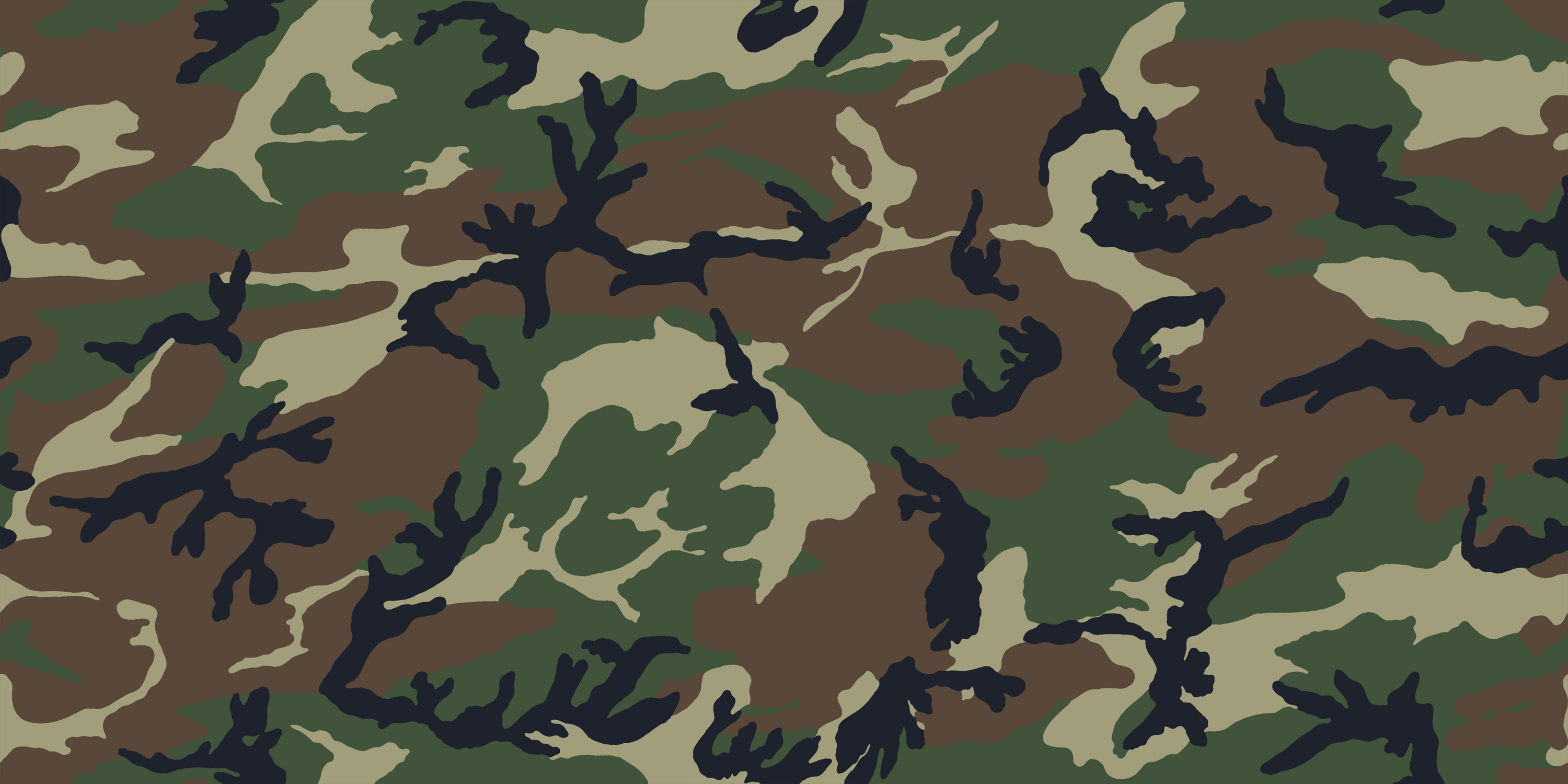
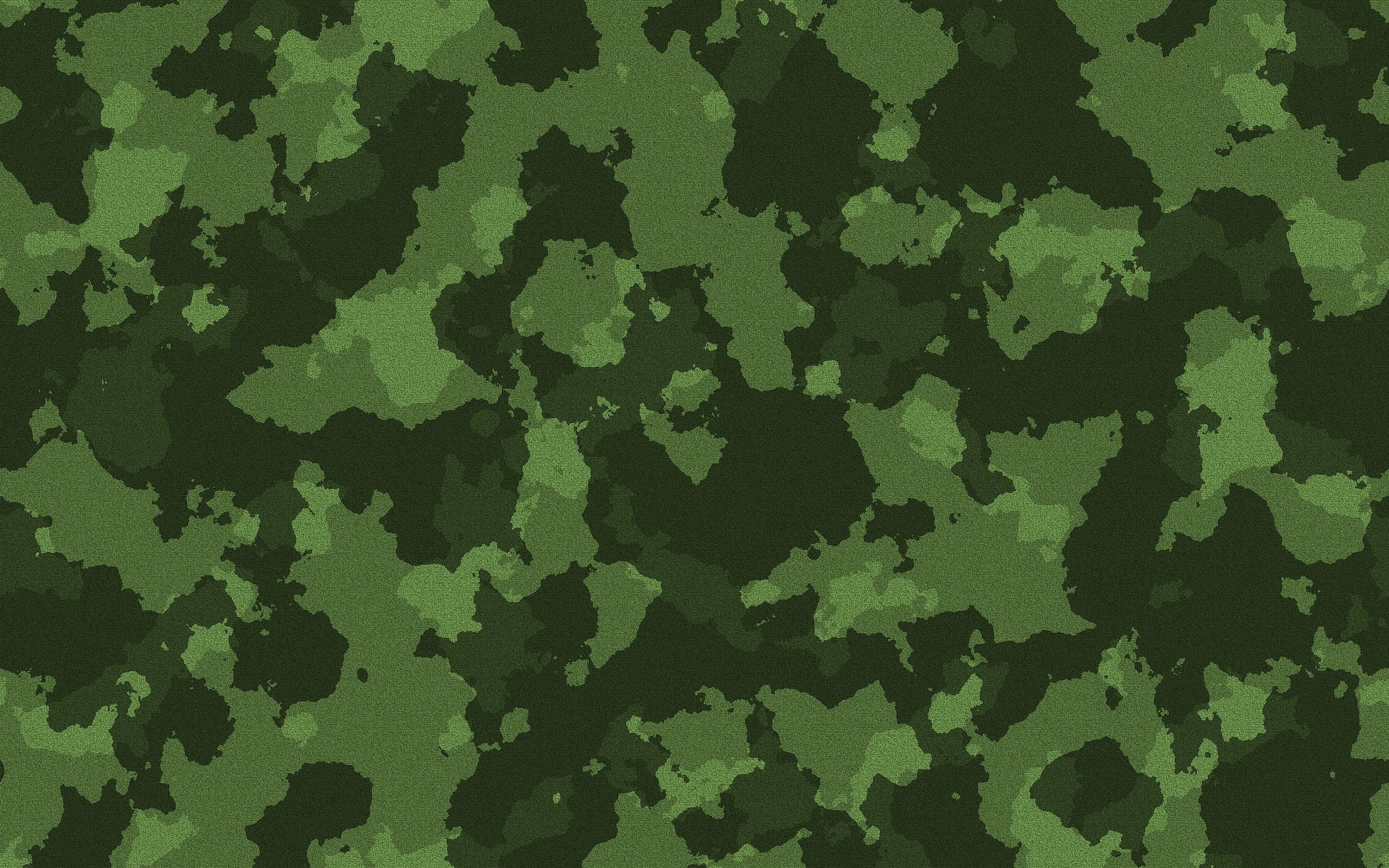
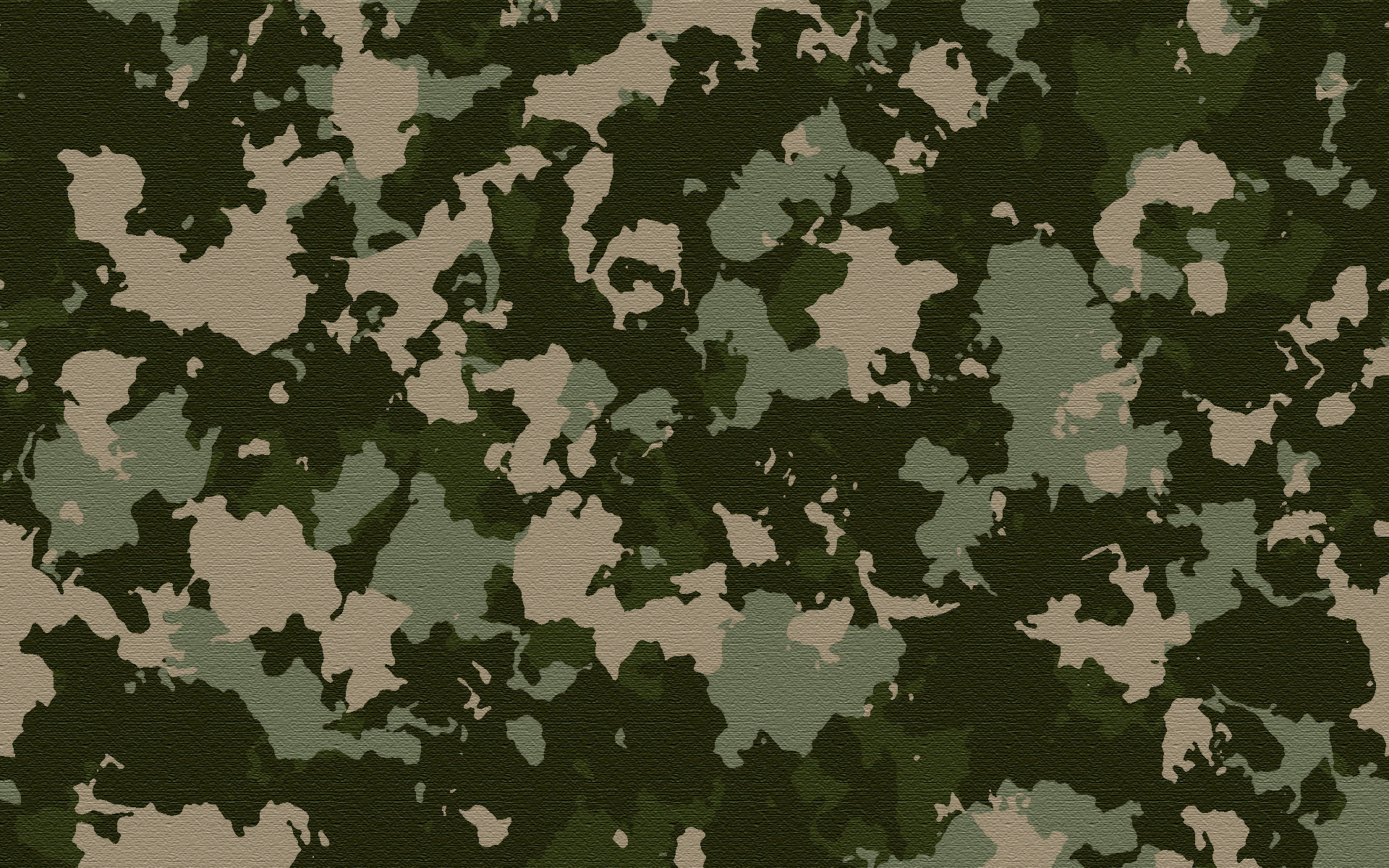
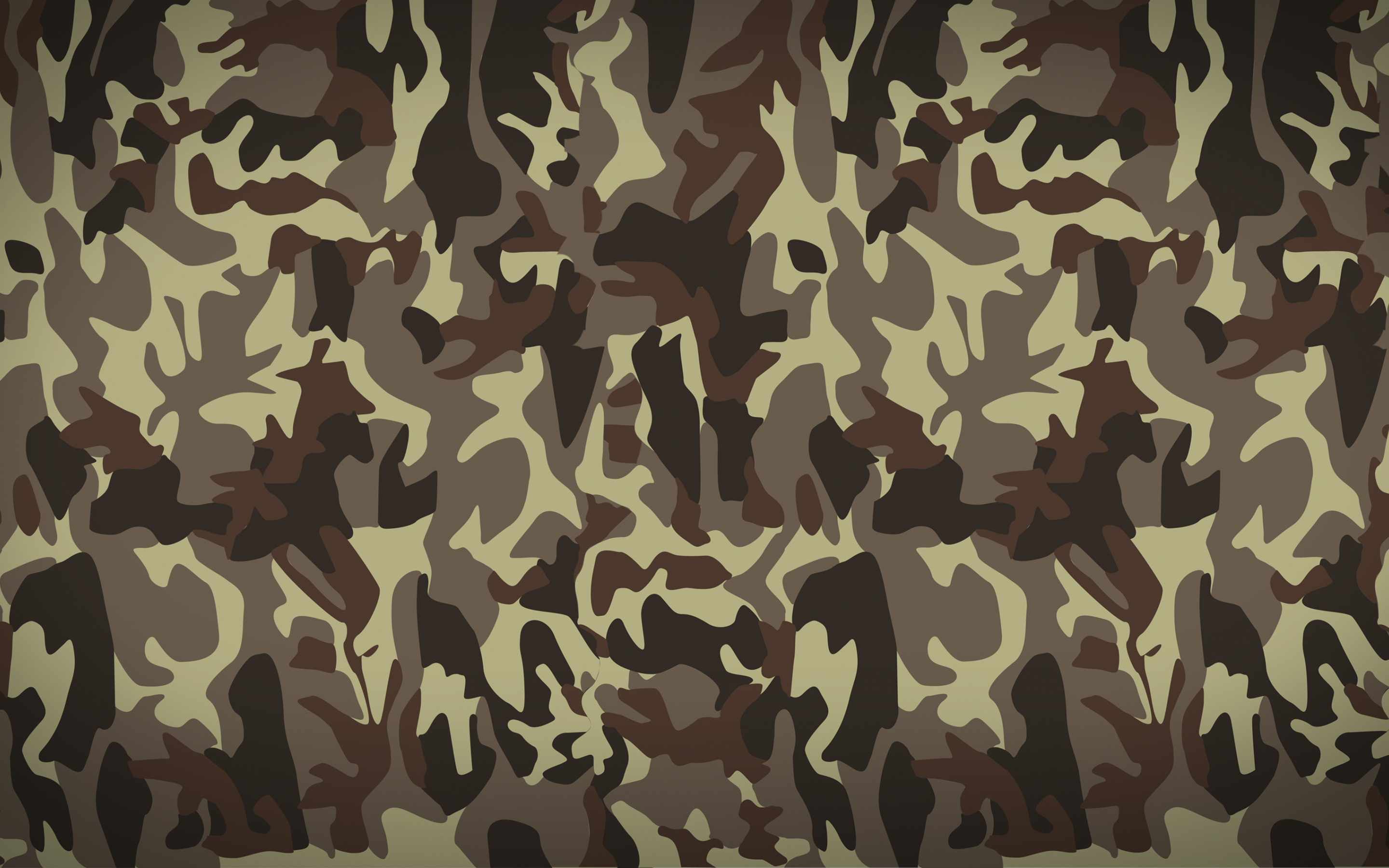
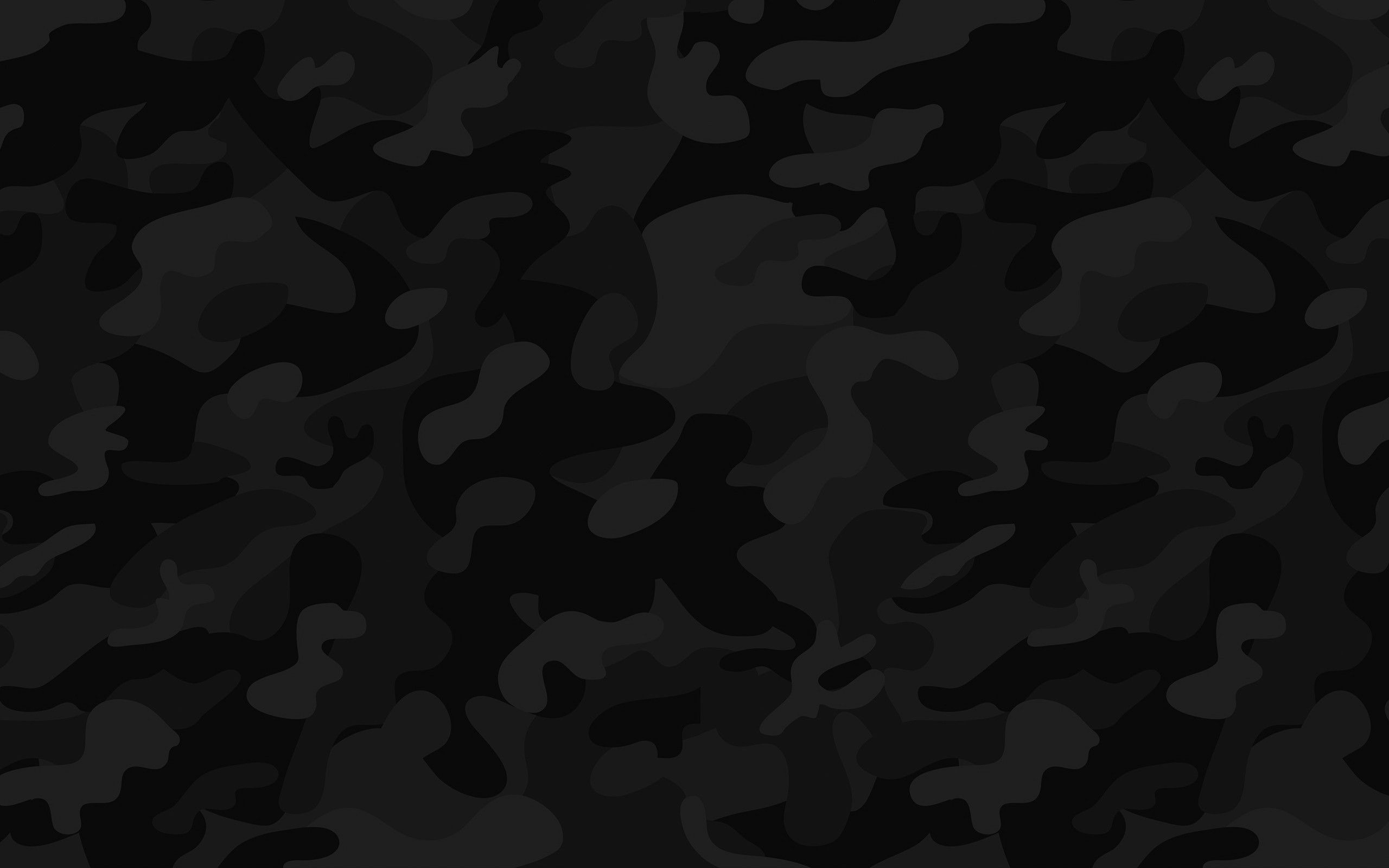
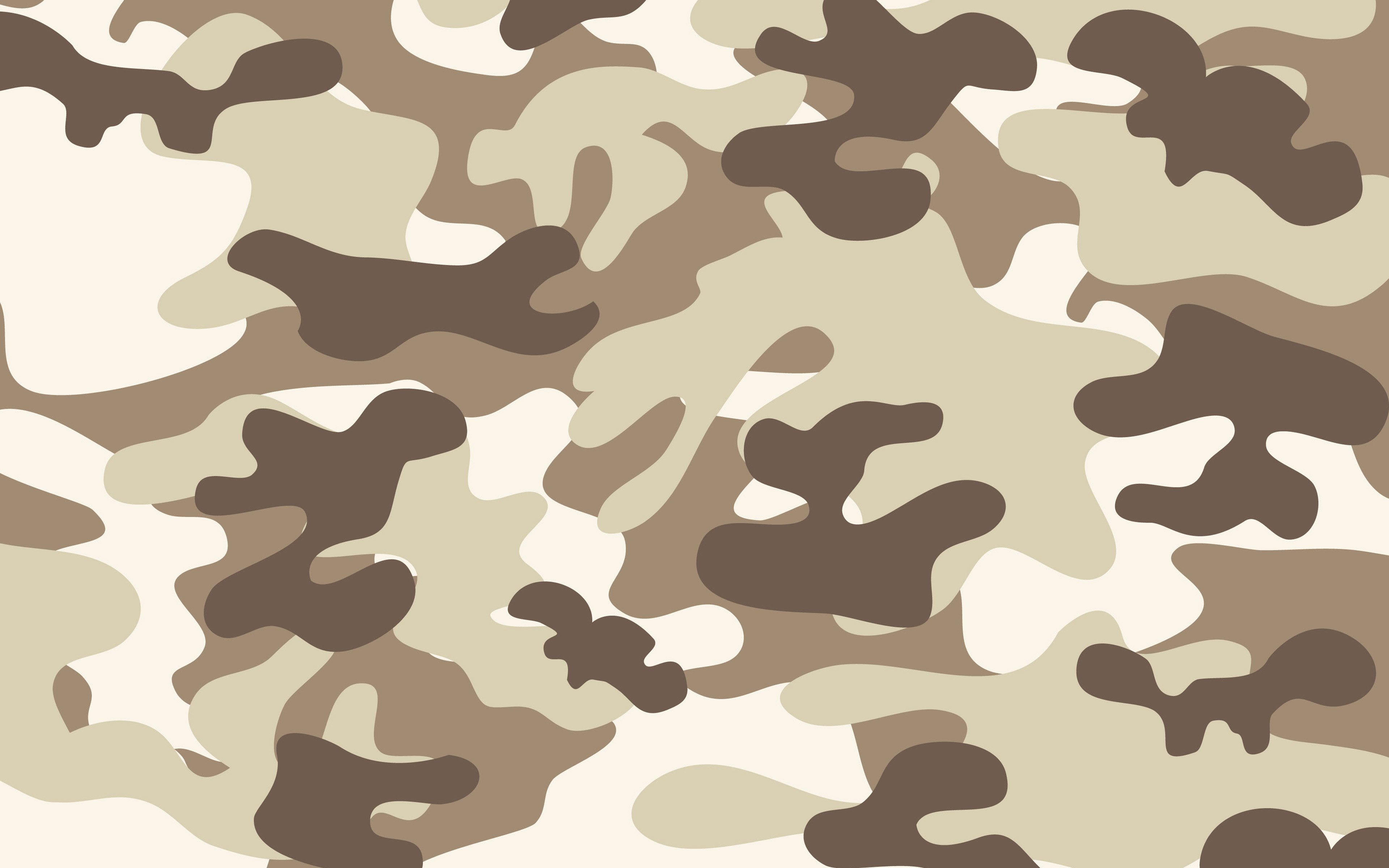
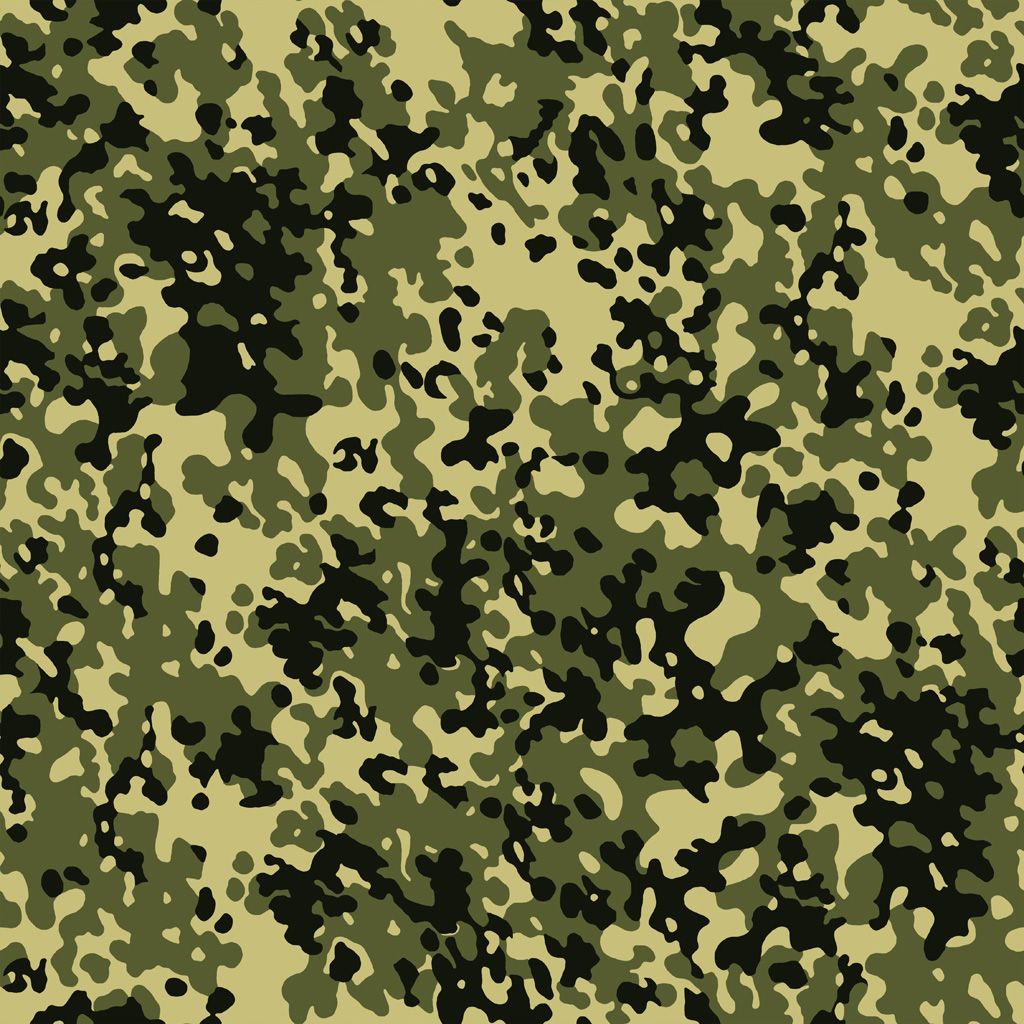
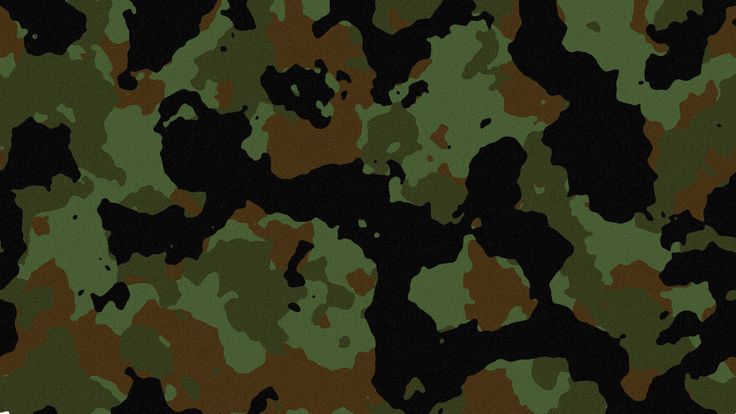
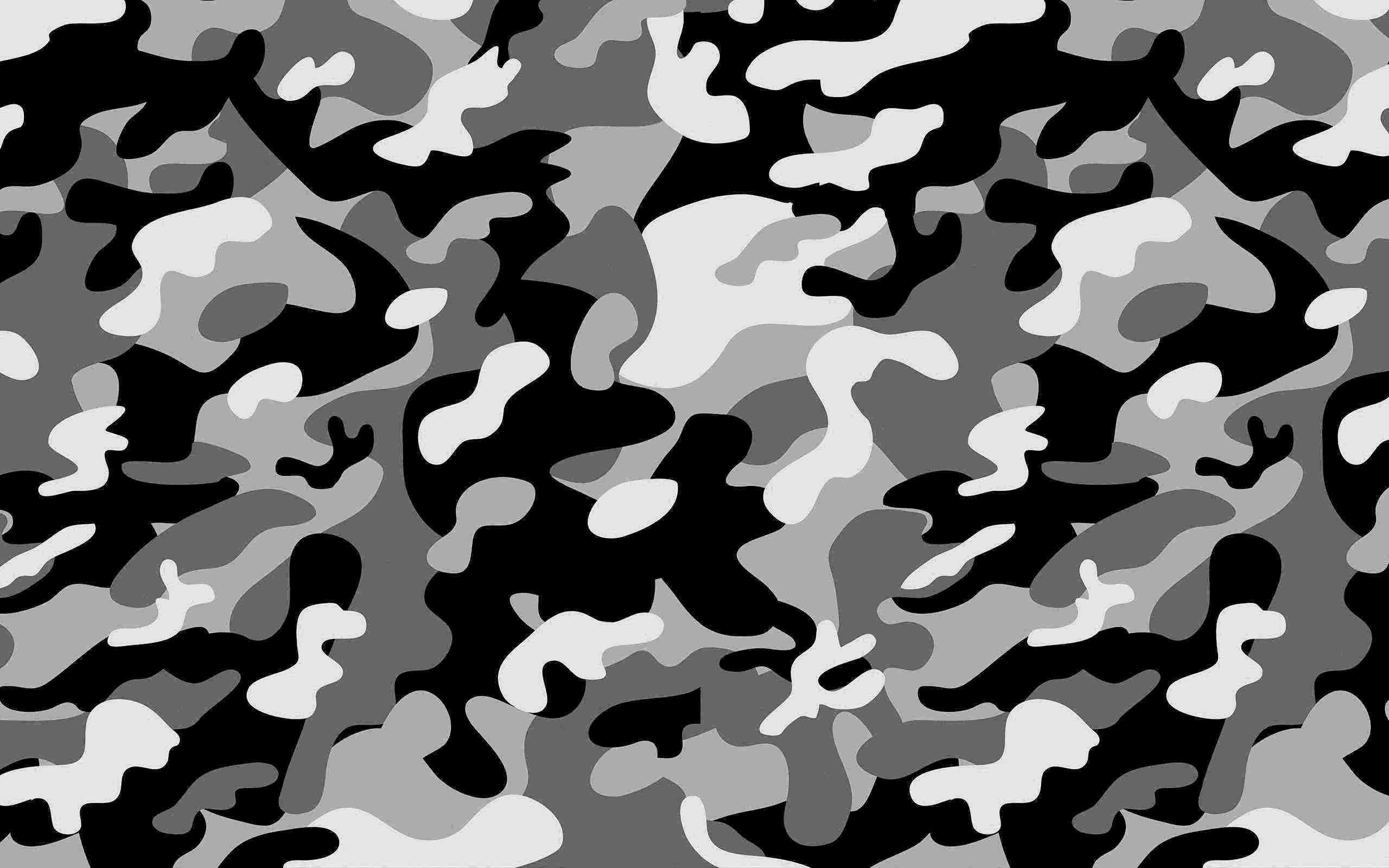
Camouflage fabrics are produced using specialized dyeing and printing methods to make military personnel difficult to detect across visible light, near-infrared (NIR), and sometimes radar wavelengths.
1. General Production Method: Indanthrene (Vat) / Disperse Dyeing + High-Fastness Pigment Printing
This is a two-stage process:
-
Indanthrene (Vat) dyes (for cotton) and Disperse dyes (for polyester) are applied at the yarn or fabric stage (yarn dyeing or piece dyeing). Vat dyes provide excellent light and wash fastness. Disperse dyes are thermally fixed into synthetic fibers.
-
Overprinting with pigments: The pre-dyed solid base fabric is then printed with the camouflage pattern using pigment inks. Pigments adhere to the fabric surface with binder resins, giving sharp pattern definition. Military-grade pigments have specially formulated high fastness.
Why this combination?
The base color is made permanent with indanthrene/disperse, while the pattern is printed flexibly and economically with pigments. Additionally, NIR (Near Infrared) camouflage properties can be incorporated into both the dyes and pigments.
2. Fabric Compositions by Military Branch
| Branch | Composition | Key Characteristics |
|---|---|---|
| Land Forces (Army) | 65% Cotton / 35% Polyester | Polyester durability + cotton comfort. Polyester improves drying speed, abrasion resistance, and wrinkle resistance. Cotton provides moisture absorption and flame safety. Standard woodland/terrain camouflage. |
| Air Forces | 50% Nylon / 50% Cotton (NYCO) | High tear and abrasion resistance from nylon. Resists jet fuels and chemicals. Lighter weight. Used for flight crews and ground personnel. |
| Naval Forces (NIR) | 50% Nylon / 50% Cotton (NYCO) | Same NYCO blend but NIR‑compliant. NIR (Near Infrared) property ensures that the fabric’s reflectance (700–1200 nm) matches the natural background (vegetation, soil) under night vision devices (image intensifiers). Prevents “glowing” under NVGs. Essential for amphibious operations. |
Naval Note: Additional finishes (anti‑salt, anti‑mildew, UV stabilizers) are often applied.
3. Other Camouflage Types
African Army Camouflages:
Typically desert or savanna patterns (brown, sand, light green, beige). Fabric composition often 50% cotton / 50% polyester or 100% cotton for hot climates. High UV resistance and moisture wicking are priorities. South Africa, Nigeria, Kenya, and others use modified versions of former colonial or local designs.
Ukrainian Army Camouflage:
Uses the MM14 (MultiCam‑like) digital pattern with dark green, marsh green, and brown. NATO‑compatible materials: generally 50% cotton / 50% polyester or flame‑retardant blends. Indanthrene base + pigment printing with mandatory NIR compliance.
Multicam Pattern Camouflage Fabrics:
Multicam is an all‑season, transitional pattern (colors: light and dark brown, olive green, sand).
-
Authentic Multicam® fabrics are often 50% Nylon / 50% Cotton (NYCO) or 65% Polyester / 35% Cotton rip‑stop.
-
Some tactical versions include 10‑20% elastane (Lycra).
-
Printing method: High‑precision rotary or flat‑bed pigment printing. Military‑grade Multicam is always NIR‑compliant.
-
Base color fixation uses indanthrene/disperse dyes to ensure color consistency and camouflage performance across many wash cycles.
4. Why Is NIR (Near Infrared) Property Important?
Night vision devices (image intensifier tubes) detect differences in infrared reflectance. Conventional dyes (especially pigments) often appear brighter than natural foliage at 700–1200 nm – making the soldier a target. NIR camouflage dyes/pigments adjust the fabric’s reflectance curve to match the environment (green vegetation, dry soil, etc.). Naval forces also require IRR (Infrared Reflectance) control.
5. Key Testing Standards for Military Camouflage Fabrics
| Test | Standard | Requirement |
|---|---|---|
| Wash fastness | ISO 105-C06 | No pattern degradation after 50–100 washes |
| Light fastness | ISO 105-B02 (Xenon) | >100 hours |
| Crocking (dry/wet) | ISO 105-X12 | Min. grade 4/5 |
| NIR reflectance | MIL-STD-3008 / STANAG 4051 | Match background signature |
| Flame retardancy (when required) | ASTM D6413 | Vertical burn test |
Summary
Camouflage printed fabrics are produced by first dyeing the base color with indanthrene/disperse dyes (for durability) and then overprinting the pattern with high‑fastness pigment inks. Fiber composition (cotton, polyester, nylon) varies by operational need. The most critical military requirement is NIR compliance to defeat night vision detection. Patterns like Multicam are the result of extensive R&D to optimize both visible and near‑infrared signature.