We unleash your business potential by maximize the business innovation.
Send EmailDipropylene Glycol, Diisopropylene Glycol, Oxybispropanol, DPG, 25265-71-8
DIPROPYLENE GLYCOL (DPG)
Dipropylene Glycol / Oxybispropanol
CAS Number: 25265-71-8
1. IDENTIFICATION
| Property | Information |
|---|---|
| Chemical Name | Dipropylene Glycol |
| Common Names | DPG, Oxybispropanol, Diisopropylene glycol |
| Chemical Formula | C₆H₁₄O₃ |
| Molecular Weight | 134.17 g/mol |
| CAS Number | 25265-71-8 |
| EC Number | 246-770-3 |
| E Number | Not applicable (used as processing aid) |
| Appearance | Colorless, clear liquid |
| Odor | Odorless or very faint characteristic odor |
2. PHYSICAL PROPERTIES
| Property | Value |
|---|---|
| Physical State (20°C) | Liquid |
| Appearance | Colorless, clear, viscous liquid |
| Odor | Odorless or faint characteristic odor |
| Molecular Weight | 134.17 g/mol |
| Density (20°C) | 1.020 – 1.025 g/cm³ |
| Melting Point | -40 °C |
| Boiling Point | 230 – 235 °C |
| Flash Point | 118 °C (closed cup) |
| Viscosity (20°C) | Approx. 100 – 120 mPa·s |
| Refractive Index (20°C) | 1.439 – 1.441 |
| Vapor Pressure (20°C) | <0.01 mmHg |
| Surface Tension | Approx. 36 mN/m |
3. CHEMICAL PROPERTIES
| Property | Value |
|---|---|
| Chemical Formula | C₆H₁₄O₃ |
| Chemical Structure | 1,1′-oxybis[propan-2-ol] (ether linkage between two propanol molecules) |
| Solubility in Water | Fully miscible |
| Solubility in Organic Solvents | Miscible with alcohols, ethers, acetone, toluene |
| Hygroscopicity | Strongly hygroscopic (absorbs moisture from air) |
| pH (aqueous solution) | 6.0 – 7.5 (neutral) |
| Log P (octanol/water) | -0.4 to -0.6 (hydrophilic) |
Typical Isomer Composition:
-
4 isomers of dipropylene glycol
-
Minor amounts of tripropylene glycol and other oligomers
4. CHARACTERISTICS & PROPERTIES
| Parameter | Information |
|---|---|
| Solvent Properties | Excellent solvent for both polar and non-polar compounds |
| Hygroscopic | Strong moisture absorption – effective humectant |
| Low Toxicity | Low acute toxicity; no reported carcinogenic effects |
| Volatility | Low volatility |
| Compatibility | Compatible with water, many organic solvents, oils |
| Thermal Stability | Stable at normal temperatures; avoid strong oxidizers |
| Biodegradability | Readily biodegradable |
| Viscosity | Medium viscosity, suitable as a viscosity modifier |
5. APPLICATIONS
5.1. Cosmetics & Personal Care
| Application | Function |
|---|---|
| Moisturizers | Humectant – maintains skin moisture balance |
| Facial Creams & Lotions | Solvent, carrier, moisturizing agent |
| Perfumes & Fragrances | Stabilizes fragrance components; acts as carrier |
| Hair Care Products | Viscosity modifier; makes hair soft and manageable |
| Makeup (Foundation, Concealer) | Solvent and spreading agent |
| Deodorants & Antiperspirants | Carrier for active ingredients |
| Sun Care Products | Solvent and film former |
5.2. Food Industry
| Application | Function |
|---|---|
| Flavorings | Solvent for artificial and natural flavors |
| Colorings | Carrier and stabilizer for food colorings |
| Sweeteners | Solvent in artificial sweetener formulations |
| Food Processing Aid | Humectant and carrier (limited applications) |
5.3. Pharmaceutical Industry
| Application | Function |
|---|---|
| Topical Preparations | Solvent, humectant, penetration enhancer |
| Oral Formulations | Solvent and carrier for liquid medications |
| Stabilizer | Extends shelf life of pharmaceutical products |
| Excipient | As a pharmaceutical excipient |
5.4. Industrial Applications
| Application | Function |
|---|---|
| Paints & Coatings | Solvent for water-based and solvent-based coatings |
| Adhesives & Sealants | Solvent and plasticizer |
| Printing Inks | Solvent and viscosity modifier |
| Plastics Industry | Plasticizer; provides flexibility and durability |
| Polyurethane Production | Chain extender and crosslinking agent |
| Textile Processing | Solvent in dyes and auxiliary chemicals |
| Water Treatment | pH adjuster and additive in some formulations |
5.5. Automotive & HVAC
| Application | Function |
|---|---|
| Antifreeze & Coolants | Lowers freezing point |
| Brake Fluids | Component in brake fluid formulations |
| De-icing Fluids | Aircraft and automotive de-icing |
| Hydraulic Fluids | Component in specialty hydraulic fluids |
5.6. Other Applications
| Application | Function |
|---|---|
| Cleaning Products | Solvent and coupling agent |
| Metalworking Fluids | Lubricant and corrosion inhibitor |
| Inkjet Inks | Solvent and humectant |
| Electronic Cigarette Liquids | Carrier for nicotine and flavorings |
6. COMPARISON: DPG vs PG (Propylene Glycol) vs EG (Ethylene Glycol)
| Property | DPG (Dipropylene Glycol) | PG (Propylene Glycol) | EG (Ethylene Glycol) |
|---|---|---|---|
| Formula | C₆H₁₄O₃ | C₃H₈O₂ | C₂H₆O₂ |
| Molecular Weight | 134.17 | 76.09 | 62.07 |
| Boiling Point | 230-235 °C | 188 °C | 197 °C |
| Viscosity | Higher | Medium | Lower |
| Toxicity | Low | Very low | High (toxic) |
| Hygroscopicity | High | High | Very high |
| Cosmetics Use | Yes | Yes | No |
| Food Use | Limited | Yes | No |
| Main Applications | Cosmetics, coatings | Food, pharma, cosmetics | Antifreeze (toxic) |
7. SAFETY & HEALTH INFORMATION
GHS Classification
| Hazard Class | Category |
|---|---|
| Skin Irritation | Category 3 (mild irritation) |
| Eye Irritation | Category 2 (causes eye irritation) |
Hazard Statements (H-Codes)
| Code | Statement |
|---|---|
| H319 | Causes serious eye irritation |
| H315 | Causes mild skin irritation (in some formulations) |
Precautionary Statements (P-Codes)
| Code | Statement |
|---|---|
| P261 | Avoid breathing mist/vapors |
| P264 | Wash thoroughly after handling |
| P280 | Wear protective gloves and eye protection |
| P302+P352 | IF ON SKIN: Wash with plenty of water |
| P305+P351+P338 | IF IN EYES: Rinse cautiously with water for several minutes |
First Aid Measures
| Exposure Route | Action |
|---|---|
| Inhalation | Remove to fresh air. Seek medical attention if respiratory irritation occurs. |
| Skin Contact | Wash with plenty of water and soap. May cause mild dryness. |
| Eye Contact | Rinse immediately with plenty of water for at least 15 minutes. Seek medical attention. |
| Ingestion | Do NOT induce vomiting. Rinse mouth. Drink plenty of water. Seek medical attention. |
Toxicological Information
| Parameter | Value |
|---|---|
| Oral LD50 (rat) | > 5,000 mg/kg (low toxicity) |
| Dermal LD50 (rabbit) | > 10,000 mg/kg |
| Inhalation LC50 (rat) | > 5 mg/L (4 hours) |
| Skin Irritation | Mild irritant |
| Eye Irritation | Moderate irritant |
| Carcinogenicity | Not classified as carcinogenic |
| Mutagenicity | Not genotoxic |
NFPA 704
| Health (Blue) | Fire (Red) | Reactivity (Yellow) | Special (White) |
|---|---|---|---|
| 1 | 1 | 0 | None |
8. ENVIRONMENTAL INFORMATION
| Parameter | Information |
|---|---|
| Biodegradability | Readily biodegradable |
| Aquatic Toxicity (EC50) | > 100 mg/L (low toxicity) |
| Bioaccumulation | Not expected (Log P < 1) |
| Persistence | Low |
| Waste Disposal | Dispose according to local regulations. Incinerate or recover if possible. |
Environmental Notes:
-
Low environmental toxicity
-
May form toxic by-products (ethylene oxide, dioxins) during production – ensure responsible sourcing
-
Not classified as hazardous for the environment
9. REGULATORY INFORMATION
| Region | Status |
|---|---|
| EU | REACH registered (CAS 25265-71-8); not classified as hazardous under CLP |
| USA (FDA) | Listed as indirect food additive (for specific uses); GRAS for some applications |
| Turkey | No special hazard classification under SEA Regulation (28848/2013); continuous risk assessment required |
| Cosmetic Regulation (EC) 1223/2009 | Approved for use in cosmetic products |
| CIR (Cosmetic Ingredient Review) | Generally recognized as safe in cosmetic use |
10. STORAGE & HANDLING
| Parameter | Information |
|---|---|
| Storage Conditions | Cool, dry, well-ventilated area |
| Container Requirements | Tightly closed, moisture-proof containers (HDPE, stainless steel) |
| Protect From | Moisture, strong oxidizing agents, strong acids |
| Shelf Life | 24 months when stored properly in unopened packaging |
| Hygroscopicity | Hygroscopic – absorbs moisture from air |
| Incompatible Materials | Strong oxidizing agents, strong acids |
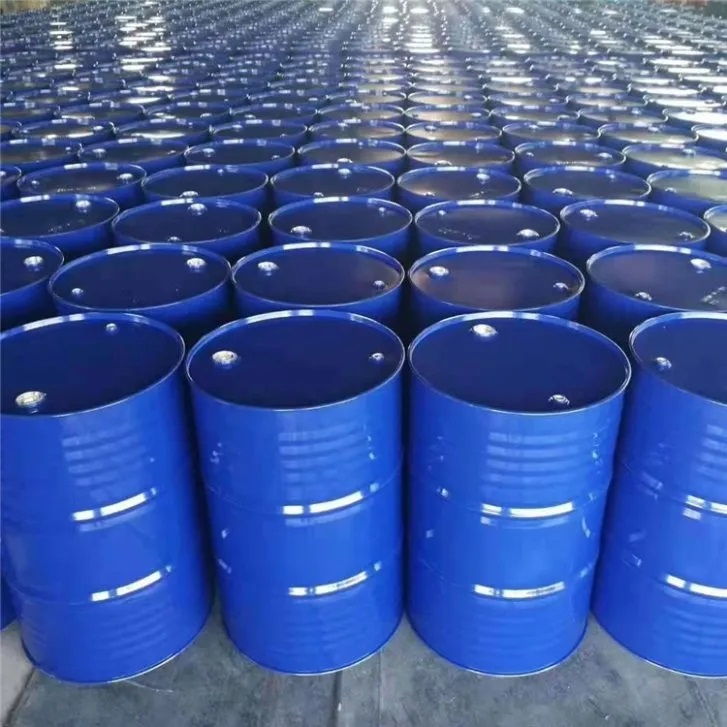
| Packaging Options | 200 kg drums, 1000 kg IBC, flexibag, bulk |
11. TRANSPORT INFORMATION
| Parameter | Information |
|---|---|
| UN Number | Not regulated (non-hazardous) |
| Hazard Class | None |
| Packing Group | Not applicable |
| Marine Pollutant | No |
| ADR/RID | Not classified as dangerous goods |
12. OTHER NAMES & SYNONYMS
| Name | Description |
|---|---|
| Dipropylene Glycol | Most common name |
| DPG | Common abbreviation |
| Oxybispropanol | IUPAC name |
| Diisopropylene glycol | Alternative name |
| Dowanol DPG | Dow Chemical trade name |
| ADK DPG-RF / DPG-FC | Brand variants |
| A33 | Alternative code |
Database Identifiers:
-
CAS: 25265-71-8
-
EC: 246-770-3
-
MDL: MFCD00066948
-
RTECS: UB8765000
-
PubChem CID: 31143
13. SUMMARY
Dipropylene Glycol (DPG, CAS 25265-71-8) is a colorless, odorless, hygroscopic liquid with excellent solvent properties. It is a versatile chemical widely used in cosmetics, personal care, food, pharmaceutical, and industrial applications.
Key Features:
| Feature | Description |
|---|---|
| Appearance | Colorless, clear liquid |
| Solubility | Miscible with water and many organic solvents |
| Hygroscopic | Strong moisture absorption – effective humectant |
| Low Toxicity | Low acute toxicity; no carcinogenicity reported |
| Low Volatility | High boiling point (230-235°C) |
| Biodegradable | Readily biodegradable |
Main Application Areas:
| Sector | Applications |
|---|---|
| Cosmetics & Personal Care | Humectant, solvent, carrier, fragrance stabilizer, viscosity modifier |
| Food Industry | Solvent for flavors, colorings, sweeteners |
| Pharmaceuticals | Solvent, humectant, stabilizer, excipient |
| Industrial | Paints, coatings, adhesives, plastics, printing inks |
| Automotive & HVAC | Antifreeze, coolants, brake fluids, de-icing fluids |
14. IMPORTANT NOTES
-
Versatile Solvent: DPG acts as a solvent for both polar and non-polar compounds, making it useful in a wide range of formulations.
-
Hygroscopic Nature: Due to its strong moisture absorption, DPG is an effective humectant but requires proper storage in airtight containers to prevent water pickup.
-
Low Toxicity: DPG has low acute toxicity with an oral LD50 > 5,000 mg/kg in rats. No carcinogenic effects have been reported.
-
Safety Precautions: Although generally safe, prolonged or high-level exposure may cause mild skin dryness and eye irritation. Use appropriate PPE during handling.
-
Food vs. Industrial Grades: Food grade and pharmaceutical grade DPG have stricter purity requirements. Always specify the required grade for your application.
-
Regulatory Status: In Turkey, there is no special hazard classification under SEA Regulation (28848/2013), but continuous risk assessment according to international standards is recommended.
-
Health Notes for Sensitive Individuals: In rare cases, allergic reactions such as redness, itching, or contact dermatitis may occur. Sensitive individuals should perform a patch test before use.
-
Environmental Considerations: While DPG itself has low environmental toxicity, ensure responsible sourcing to avoid by-products like ethylene oxide and dioxins during production.
Important Disclaimer: This Technical Data Sheet (TDS) is for informational purposes only. For complete safety, handling, storage, and regulatory compliance information, always refer to the official Safety Data Sheet (SDS) provided by the manufacturer/supplier.