We unleash your business potential by maximize the business innovation.
Send EmailButyl Diglycol, Butoxyethoxy Ethanol, Butoxy Diglycol, Butyldiglycol, Diethylene Glycol Monobutyl Ether, Diglycol Monobutyl Ether, Butyl Carbitol, BDG, 112-34-5
TECHNICAL DATA SHEET (TDS) – BUTYL DIGLYCOL (Diethylene Glycol Monobutyl Ether, BDG)
1. PRODUCT DEFINITION AND CHEMICAL IDENTITY
| Parameter | Description |
|---|---|
| Chemical Name (IUPAC) | 2-(2-Butoxyethoxy)ethanol |
| Common Name | Butyl diglycol (BDG) |
| Other Names | Diethylene glycol monobutyl ether; Butyl carbitol; Butoxydiglycol; Butoxyethoxyethanol; Glycol ether DB |
| CAS Number | 112-34-5 |
| EC No | 203-961-6 |
| Molecular Formula | C₈H₁₈O₃ |
| Molecular Weight | 162.23 g/mol |
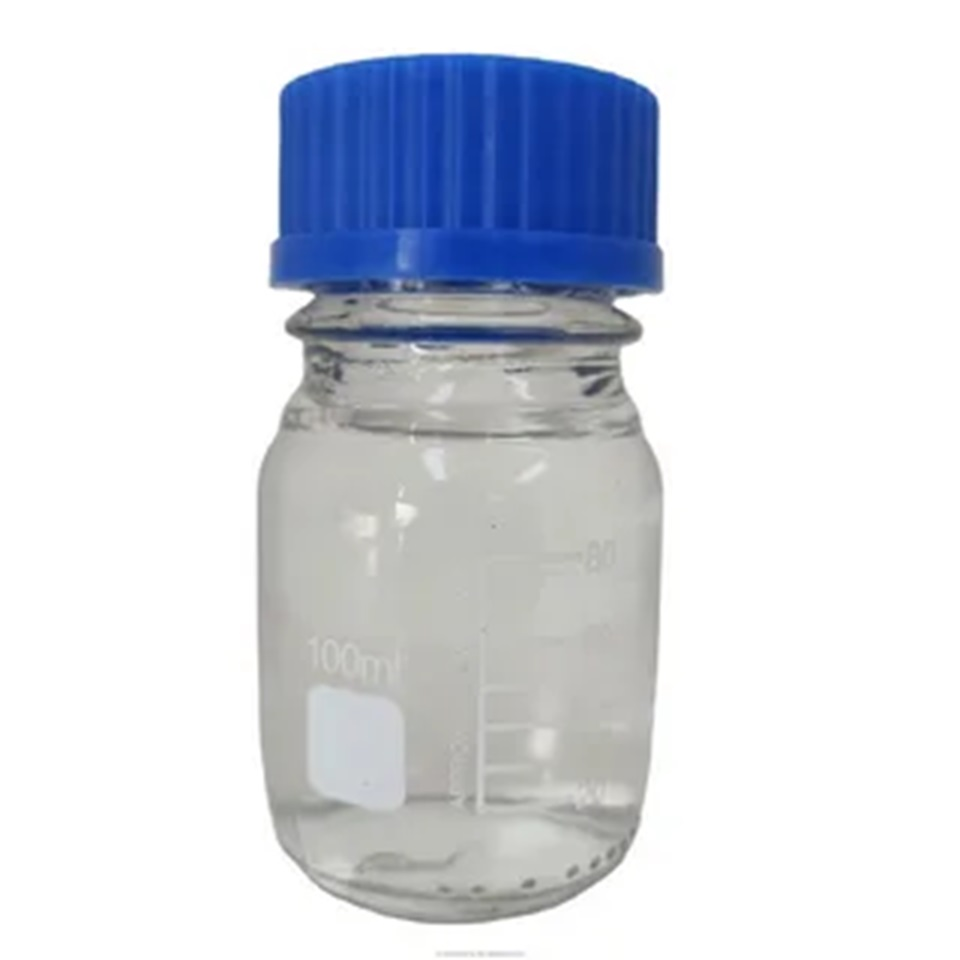
| Appearance | Clear, colourless liquid |
| Odour | Mild characteristic odour, slightly butanol-like |
Note: This product is the parent alcohol of Butyl Diglycol Acetate (BDGA, CAS 124-17-4). The two are chemically distinct: BDG is an alcohol (glycol ether), while BDGA is an ester. Do not confuse the two.
2. PHYSICAL AND CHEMICAL PROPERTIES
-
Physical form: Clear, colourless, mobile liquid.
-
Melting point: −68 °C (lit.)
-
Boiling point: 231 °C (at 760 mmHg)
-
Density (relative): 0.9536 at 20 °C / ~0.967 g/mL at 25 °C
-
Vapour pressure: ~0.02 hPa at 20 °C; 30 mmHg at 130 °C
-
Vapour density: 5.6 (air = 1)
-
Flash point: 100 °C (closed cup, 212 °F) / 115.6 °C (open cup)
-
Auto-ignition temperature: 400 °F (~204 °C)
-
Explosive limits: 0.7 – 5.9% (v/v)
-
Solubility:
-
Completely miscible with water.
-
Soluble in ethanol, ether, oils, and many organic solvents.
-
-
Partition coefficient (log P): ~1.0 at 20 °C
-
Refractive index (n₂₀/D): ~1.431–1.432
-
pH: Neutral (pH 7 for aqueous solution)
-
Stability: Stable under normal conditions. Combustible. Incompatible with strong oxidising agents, strong bases. Hygroscopic.
3. FUNCTIONAL PROPERTIES
-
Solvent (high boiling, low volatility): Excellent solvent for a wide range of organic and inorganic substances; combines high solvency with slow evaporation.
-
Coupling agent: Bridges aqueous and hydrophobic phases; improves compatibility in cleaning and coating formulations.
-
Flow and levelling aid: Enhances film formation and surface smoothness in water-based paints and inks.
-
Humectant / moisture regulator: Controls drying rate in printing inks to prevent clogging and skinning.
-
Cleaning booster: Effectively dissolves greasy soils, oils, and resins.
-
Chemical intermediate: Used in the production of plasticizers, the corresponding acetate (BDGA), and other derivatives.
4. ALTERNATIVE NAMES AND SYNONYMS
-
Butyl diglycol (BDG)
-
Diethylene glycol monobutyl ether
-
2-(2-Butoxyethoxy)ethanol
-
Butyl carbitol (Union Carbide)
-
Butoxydiglycol
-
Butoxyethoxyethanol
-
Diglycol monobutyl ether
-
Diethylene glycol n-butyl ether
-
Diethylene glycol monobutyl ether
-
Glycol ether DB
-
Butyl dioxitol
-
3,6-Dioxa-1-decanol
-
3,6-Dioxadecanol
-
Commercial names: Dowanol DB, Butyl Carbitol, Poly-Solv DB, Jeffersol DB, Ektasolve DB, BDG.
5. SECTORAL APPLICATIONS, USAGE RATES, AND EXAMPLE FORMULATIONS
| Sector | Purpose | Usage Rate / Notes |
|---|---|---|
| Paints & Coatings | Co-solvent, coupling agent, evaporation retarder, flow improver | 2–10% in waterborne systems; 1–5% in solvent-borne systems |
| Printing Inks | Humectant, retarder, anti-skinning agent, pigment wetting | 2–8% in flexo, gravure, and screen inks |
| Industrial & Household Cleaners | Grease cutter, coupling agent for surfactant systems | 2–15% in degreasers, hard surface cleaners, laundry detergents |
| Adhesives | Solvent for resins, viscosity modifier | 3–10% in water-based and hot-melt adhesives |
| Chemical Synthesis | Intermediate for plasticizers, butyl diglycol acetate, herbicides (butyl diglycol ester of 2,4-D) | Stoichiometric amounts; reaction specific |
| Cosmetics & Personal Care | Solvent/coupler (limited use, concentration restricted by safety) | Typically <1% if used; subject to local cosmetic regulations |
| Hydraulic Brake Fluids | Diluent and coupling component in DOT 3/4 formulations | Varies; part of the high-boiling solvent package |
| Metalworking Fluids | Co-solvent for lubricity additives | 1–5% in soluble oils and semi-synthetic formulations |
| Textile | Penetrating agent in dye baths, finishing formulations | 1–3% in pad bath |
| Agriculture | Solvent/emulsifier coupler in pesticide EC/EW formulations | 5–20% depending on active |
Example Formulations:
-
Waterborne Acrylic Primer:
-
Acrylic emulsion (50% solids): 40 kg
-
Titanium dioxide: 15 kg
-
Calcium carbonate: 25 kg
-
Butyl diglycol: 4.0 kg (co-solvent / open time)
-
Dispersant, wetting agent: 1.0 kg
-
Defoamer, biocide, thickener: q.s.
-
Water: to 100 kg
BDG improves flow, wet edge, and helps film coalescence along with other coalescents.
-
-
Flexographic Ink (Water-Based):
-
Acrylic solution resin: 25 kg
-
Organic pigment dispersion: 20 kg
-
Butyl diglycol: 5.0 kg (humectant, retarder)
-
Polyethylene wax emulsion: 2.0 kg
-
Defoamer: 0.5 kg
-
Water: 47.5 kg
BDG prevents drying on the anilox roll and improves colour transfer.
-
-
All-Purpose Cleaner (Concentrate):
-
Butyl diglycol: 8.0 kg
-
Linear alkylbenzene sulfonate (LAS, 96%): 5.0 kg
-
Sodium laureth sulfate (SLES, 27%): 3.0 kg
-
Cocamide DEA: 1.5 kg
-
Dye, fragrance, preservative: q.s.
-
Water: 82.5 kg
BDG substantially boosts cleaning performance on greasy soils.
-
6. REGULATORY STATUS AND SAFETY
-
CAS Number: 112-34-5
-
EINECS: 203-961-6
-
GHS Classification (according to CLP):
-
Signal word: Warning
-
Hazard statements:
-
H319: Causes serious eye irritation.
-
-
Precautionary statements: P264, P280, P305+P351+P338, P337+P313.
-
-
Occupational exposure limit: ACGIH TLV-TWA 10 ppm; other limits may vary regionally.
-
Toxicology:
-
Oral: LD50 rat 6.56 g/kg (very low acute toxicity).
-
Dermal: LD50 guinea pig 2.0 g/kg.
-
Inhalation: Vapour may cause mild respiratory irritation; extremely high concentrations may cause CNS effects.
-
Eye: Irritant (classified H319).
-
Skin: Repeated contact may cause defatting.
-
-
Environmental: Readily biodegradable (OECD 301, >70%). Low bioaccumulation potential (log Kow ~1.0). Not considered PBT/vPvB.
-
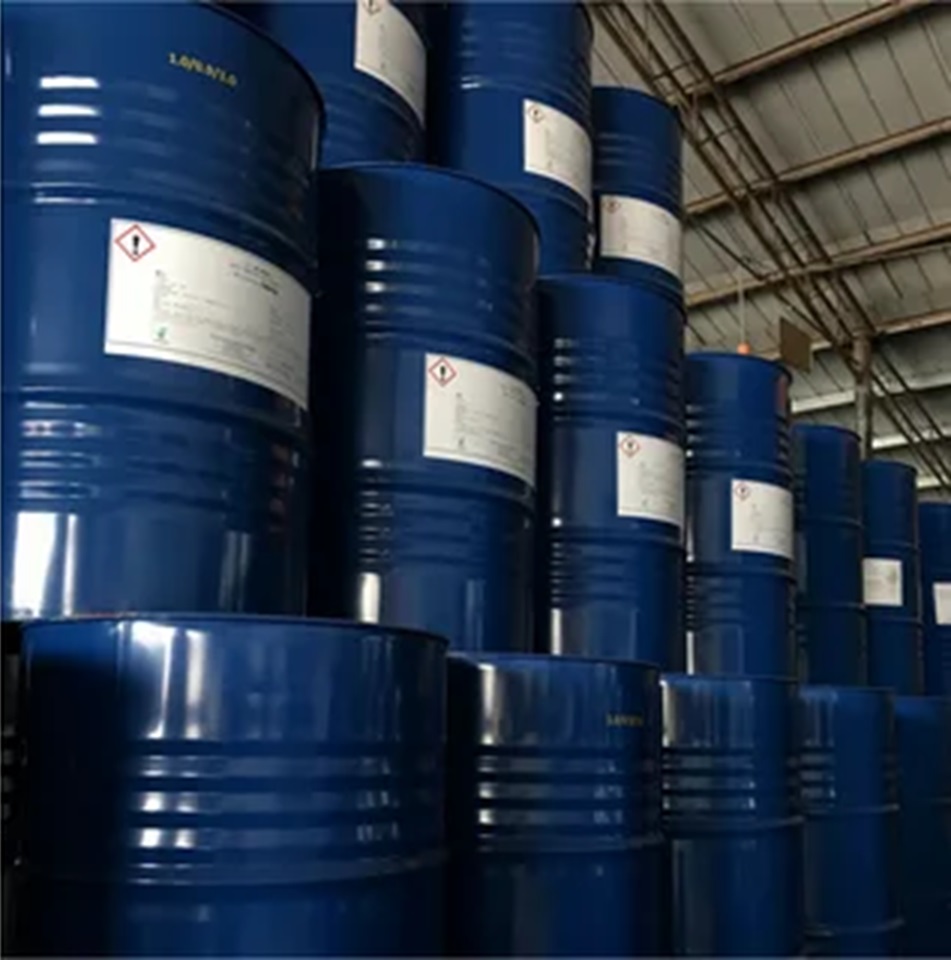
Storage: Store in tightly closed containers in a cool, dry, well-ventilated place below +30 °C. Protect from moisture and direct sunlight. Keep away from heat, sparks, open flames, and incompatible materials (strong oxidisers, bases).
-
Disposal: Dispose according to local regulations. Incineration in a licensed facility is the recommended method. Do not release to the environment.
7. FREQUENTLY ASKED QUESTIONS
Q1. What is the difference between Butyl Diglycol (BDG) and Butyl Diglycol Acetate (BDGA)?
BDG (CAS 112-34-5) is an alcohol (glycol ether). BDGA (CAS 124-17-4) is the acetate ester of BDG. BDGA has a higher boiling point (~230 °C vs 231 °C similar, but evaporation rate slower for BDGA), a milder odour, and is an ester. BDG is more water-soluble. They are not interchangeable in all applications.
Q2. Is Butyl Diglycol the same as Butyl Glycol?
No. Butyl Glycol is ethylene glycol monobutyl ether (CAS 111-76-2) with a lower boiling point (~171 °C) and faster evaporation. Butyl Diglycol has an extra ethoxy unit, making it higher boiling and suitable for longer open times.
Q3. Why is Butyl Diglycol used in water-based coatings?
It acts as a coupling co-solvent, lowering surface tension, improving wetting, and regulating evaporation to prevent premature drying. It also aids film integrity by helping fusion of polymer particles.
Q4. Can BDG be used in cosmetic products?
Butyl diglycol is occasionally used as a solvent in cosmetic formulations, but its concentration is limited due to its potential for eye irritation. It is not a primary cosmetic ingredient and must comply with regional cosmetic regulations (e.g., EU Cosmetics Regulation).
Q5. How should BDG be handled safely?
Use in well-ventilated areas, wear safety goggles (risk of eye irritation) and chemical-resistant gloves. Avoid prolonged skin contact. Keep containers closed when not in use.
Q6. Is Butyl Diglycol soluble in water?
Yes, it is completely miscible with water in all proportions, which makes it an excellent co-solvent for aqueous systems.
Q7. What is the shelf life of Butyl Diglycol?
When stored under recommended conditions, typical shelf life is at least 12–24 months. The product is hygroscopic; prolonged exposure to moisture may alter its composition slightly.
Q8. Why is BDG used in cleaning products?
Its strong solvent power for greasy soils, combined with its coupling ability that keeps surfactants and builders in a stable homogeneous solution, makes it a key ingredient in heavy-duty cleaners and degreasers.