We unleash your business potential by maximize the business innovation.
Send EmailAmmonium Lignosulfonate, Ammonium Ligno Sulphonate, Ammonium Lignin Sulphonate, 8061-53-8
AMMONIUM LIGNOSULFONATE (ALS)
Ammonium Lignine Sulfonate / Ammonium Ligno Sulphonate
CAS Number: 8061-53-8
EC Number: 616-030-8 (grade dependent)
1. IDENTIFICATION
| Property | Information |
|---|---|
| Chemical Name | Ammonium Lignosulfonate |
| Synonyms | Ammonium lignine sulfonate, Ammonium ligno sulphonate, Ammonium salt of lignosulfonic acid |
| Chemical Formula (Representative) | C₂₀H₂₄(NH₄)₂O₁₀S₂ (approximate – complex polymer) |
| Molecular Weight | Variable – polymer (1,000 – 100,000+ Da) |
| CAS Number | 8061-53-8 |
| EC Number | 616-030-8 (typical) |
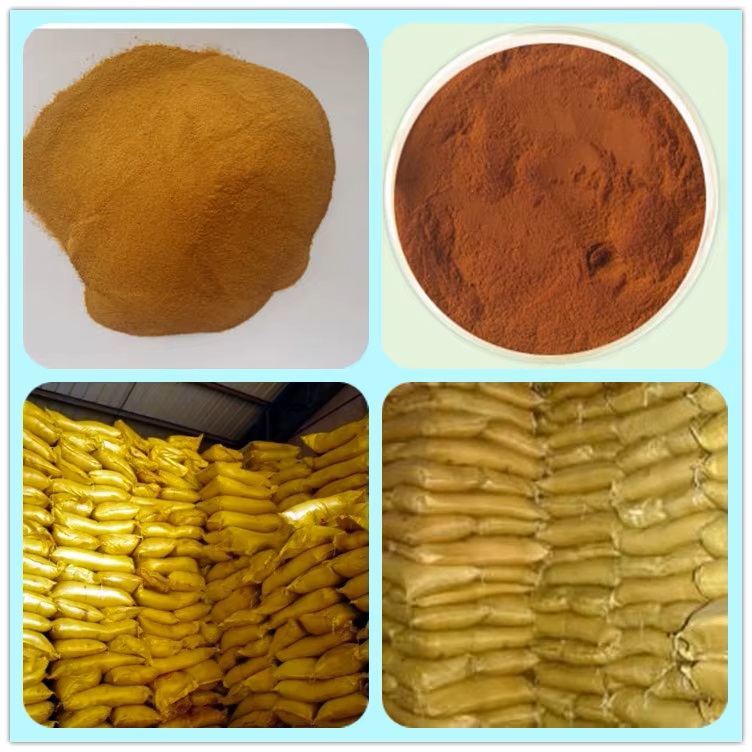
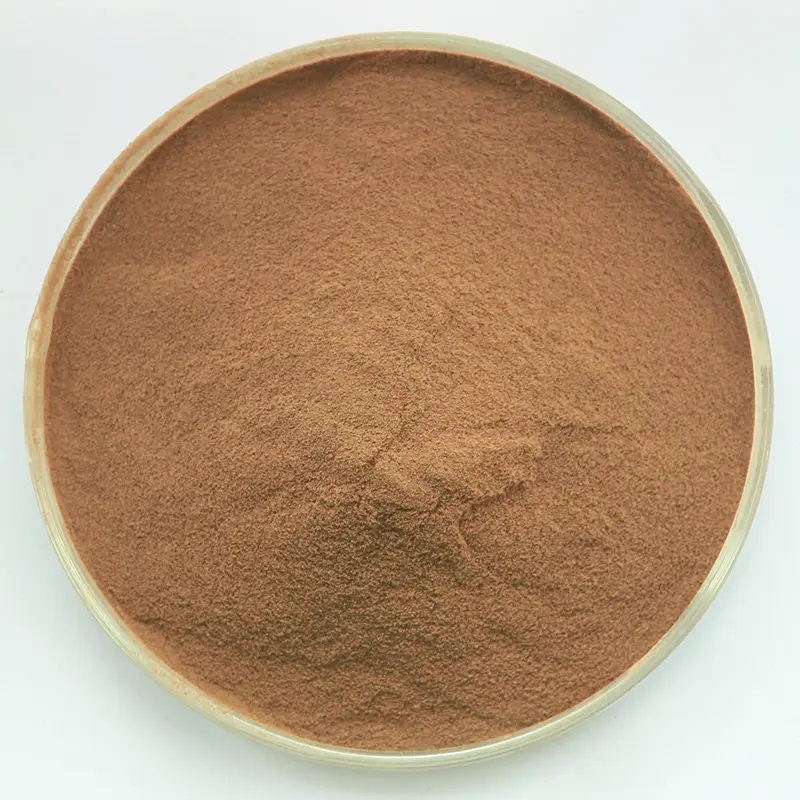
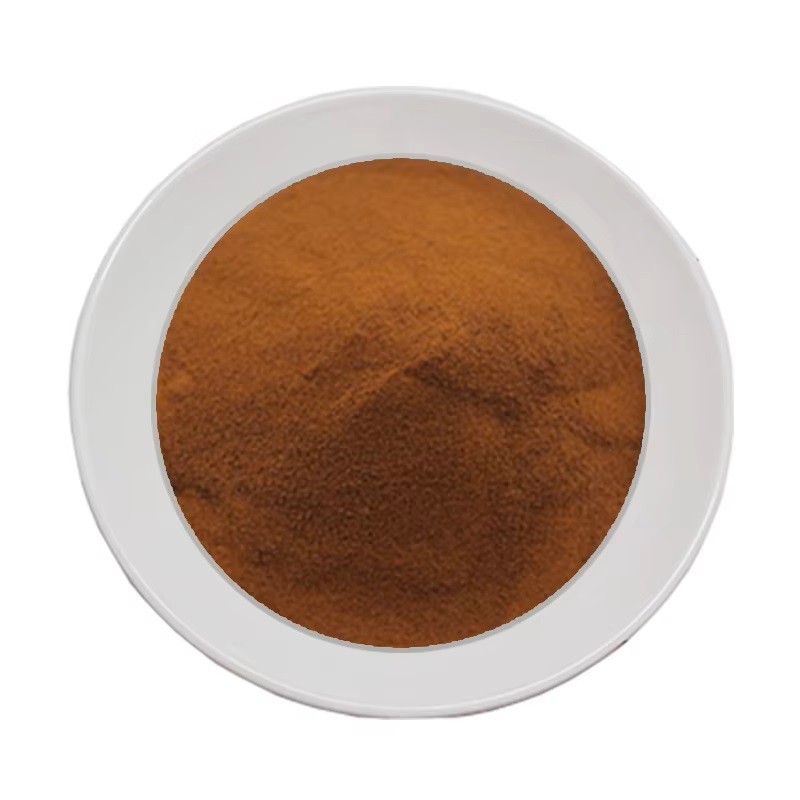
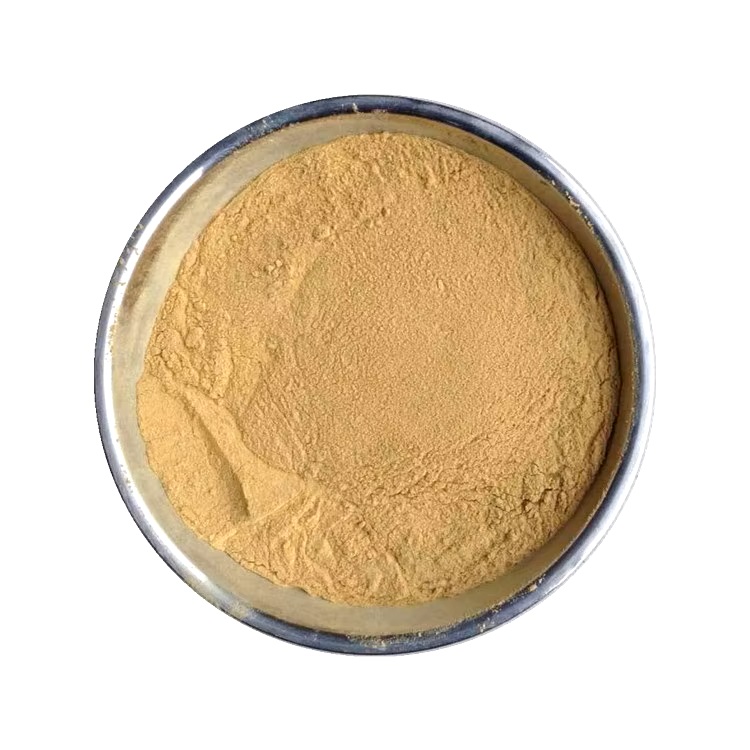
| Appearance | Brown to dark brown powder or liquid |
| Odor | Slight, wood-derived characteristic odor |
Note: Lignosulfonates are complex, high-molecular-weight polymers derived from lignin (wood pulping by-product). The formula above is representative of a monomer unit; actual commercial products are polydisperse.
2. PHYSICAL PROPERTIES
| Property | Powder Form | Liquid Form |
|---|---|---|
| Physical State (20°C) | Solid (free-flowing powder) | Liquid |
| Appearance | Brown to dark brown powder | Brown to dark brown liquid |
| Odor | Slight wood-derived odor | Slight wood-derived odor |
| Solubility in Water | Excellent (completely soluble) | Completely soluble |
| pH (5-10% solution) | 4 – 7 (acidic to neutral) | 4 – 7 (acidic to neutral) |
| Bulk Density (Powder) | 0.4 – 0.7 g/cm³ | – |
| Density (Liquid) | – | 1.10 – 1.30 g/cm³ |
| Moisture Content (Powder) | 4 – 8% | – |
| Ash Content | 10 – 20% | 10 – 20% |
| Dry Solids (Liquid) | – | 45 – 55% (typical) |
3. CHEMICAL PROPERTIES
| Property | Information |
|---|---|
| Chemical Class | Lignosulfonate (ammonium salt) |
| Counter-ion | NH₄⁺ (Ammonium) |
| Ionic Character | Anionic |
| Molecular Weight Range | 1,000 – 100,000+ Da (polydisperse) |
| Nitrogen (N) Content | 4 – 8% (provides plant-available nitrogen) |
| Sulfur (S) Content | 4 – 8% (as SO₃) |
| Organic Matter Content | 60 – 80% |
| Functional Groups | Sulfonic acid (-SO₃H), carboxyl (-COOH), phenolic -OH, aliphatic -OH |
| Surface Activity | Anionic surfactant |
| Solubility | Excellent in water |
| pH Stability | Stable in neutral to alkaline conditions; more stable than calcium lignosulfonate |
| Soil Impact | Acidifying effect (lowers soil pH over long-term use) |
Key Chemical Features:
-
Provides two plant nutrients: Nitrogen (N) and Sulfur (S)
-
Good dispersant and binding properties
-
Biodegradable (derived from renewable resource)
-
Acidic to neutral pH (4-7) – suitable for alkaline and neutral soils
4. PRODUCTION PROCESS
| Stage | Description |
|---|---|
| 1. Raw Material | Lignin from wood pulping (sulfite pulping process) |
| 2. Sulfonation | Lignin is treated with sulfite (SO₃²⁻ or HSO₃⁻) |
| 3. Reaction | Sulfonic acid groups (-SO₃H) are introduced into the lignin structure |
| 4. Neutralization | Sulfonated lignin is neutralized with ammonium hydroxide (NH₄OH) instead of sodium hydroxide |
| 5. Concentration | Liquid product is concentrated by evaporation |
| 6. Drying (Optional) | For powder form, concentrated liquid is spray-dried |
| 7. Formulation | Product may be formulated to specific solids content |
| 8. Packaging | Powder is bagged; liquid is drummed or bulk |
Simplified Reaction:
Lignin + SO₃²⁻ → Lignin-SO₃²⁻ → Neutralize with NH₄OH → Ammonium Lignosulfonate
5. APPLICATIONS
5.1. Agriculture (Primary Use – Most Important)
| Application | Function |
|---|---|
| Fertilizer | Provides nitrogen (4-8%) and sulfur (4-8%) for plant nutrition |
| Soil Conditioner | Improves soil structure, water retention, and aeration |
| Acidifying Agent | Suitable for alkaline and calcareous soils (lowers soil pH) |
| Micronutrient Carrier | Chelates Fe, Zn, Cu, Mn for improved plant uptake |
| Fertilizer Binder | Binds granular fertilizers; reduces dusting and caking |
| Dispersant | Improves dispersion of solid fertilizers and agrochemicals |
| Liquid Fertilizer Base | Used in liquid fertilizer formulations (fulvic acid production) |
Benefits:
-
Dual nutrient source (N + S)
-
Improves soil structure and water-holding capacity
-
Increases nutrient use efficiency (via chelation)
-
Suitable for organic farming (when sourced from sustainable wood)
-
Biodegradable and non-toxic to plants
Soil pH Considerations:
-
Ideal for: Alkaline (calcareous) and neutral soils
-
Not recommended for: Acidic soils (pH < 6.0) – long-term use increases soil acidity
5.2. Cement & Construction (Limited Use)
| Application | Function |
|---|---|
| Cement Fluidizer | Acts as a water reducer and dispersant (similar to sodium lignosulfonate) |
| Set Retarder | Slows cement hydration; extends working time |
| Grinding Aid | Improves cement grinding efficiency |
Note: Ammonium lignosulfonate is less common in cement than sodium or calcium lignosulfonate due to ammonia release concerns.
5.3. Animal Feed
| Application | Function |
|---|---|
| Pellet Binder | Binds feed ingredients into stable pellets |
| Dust Suppressant | Reduces dust in animal feed |
| Nutrient Source | Provides supplemental nitrogen and sulfur (limited) |
5.4. Other Industrial Applications
| Application | Function |
|---|---|
| Dispersant | For pigments, dyes, and mineral slurries |
| Binding Agent | In foundry sands and ceramics |
| Dust Control | On unpaved roads and in mining operations |
6. COMPARISON OF LIGNOSULFONATE TYPES
| Property | Sodium Lignosulfonate | Calcium Lignosulfonate | Ammonium Lignosulfonate | Potassium Lignosulfonate |
|---|---|---|---|---|
| Counter-ion | Na⁺ | Ca²⁺ | NH₄⁺ | K⁺ |
| CAS Number | 8061-51-6 | 8061-52-7 | 8061-53-8 | 37313-77-2 |
| pH (10% solution) | 7-11 | 4-6 | 4-7 | 7-10 |
| Nitrogen (N) Content | 0% | 0% | 4-8% | 0% |
| Sulfur (S) Content | 4-8% | 4-8% | 4-8% | 4-8% |
| Primary Application | Cement, general | Cement, agriculture | Agriculture (fertilizer) | Agriculture (fulvic acid) |
| Soil pH Effect | Neutral | Neutral | Acidifying | Neutral |
7. TYPICAL QUALITY SPECIFICATIONS
| Parameter | Powder Grade (Typical) | Liquid Grade (Typical) |
|---|---|---|
| Appearance | Brown powder | Brown liquid |
| Dry Solids | ≥ 92% | 45 – 55% |
| pH (10% solution) | 4 – 7 | 4 – 7 |
| Moisture | ≤ 8% | – |
| Total Nitrogen (N) | 4 – 8% | 4 – 8% |
| Sulfur (as SO₃) | 4 – 8% | 4 – 8% |
| Ash | 10 – 20% | 10 – 20% |
| Organic Matter | 60 – 80% | 60 – 80% |
| Water Insolubles | ≤ 1.0% | ≤ 1.0% |
| Density (Liquid) | – | 1.10 – 1.30 g/cm³ |
8. AGRICULTURAL USE – DETAILED GUIDE
8.1. Soil Type Suitability
| Soil Type | Suitability | Reason |
|---|---|---|
| Alkaline (Calcareous) | ✅ High | Acidifying effect corrects high pH |
| Neutral | ✅ Good | Provides N + S without extreme pH change |
| Slightly Acidic (pH 6.0-6.5) | ⚠️ Caution | Monitor soil pH; avoid long-term use |
| Acidic (pH < 6.0) | ❌ Not recommended | May further acidify soil |
8.2. Recommended Application Rates
| Crop Type | Application Rate | Timing |
|---|---|---|
| Cereals (Wheat, Barley, Corn) | 50 – 150 kg/ha | Pre-planting or early growth |
| Vegetables | 30 – 100 kg/ha | At planting or as side-dress |
| Fruit Trees | 100 – 200 kg/ha | Pre-planting or spring application |
| Pasture/Grassland | 50 – 150 kg/ha | Spring application |
| Liquid Fertilizer | 10 – 50 L/ha | Foliar or fertigation |
8.3. Benefits in Agriculture
| Benefit | Mechanism |
|---|---|
| Nitrogen Supply | Provides slow-release nitrogen (4-8% N) |
| Sulfur Supply | Provides essential sulfur (4-8% S) for protein synthesis |
| Improved Water Retention | Polymer structure holds water in soil |
| Enhanced Nutrient Uptake | Chelates micronutrients (Fe, Zn, Cu, Mn) |
| Soil Structure Improvement | Acts as soil conditioner, improves aggregation |
| Drought Resistance | Helps plants withstand water stress |
9. STORAGE & HANDLING
| Parameter | Information |
|---|---|
| Storage Conditions (Powder) | Cool, dry, well-ventilated area; protect from moisture |
| Storage Conditions (Liquid) | 5-30°C; protect from freezing; agitate before use if settled |
| Container Requirements | Moisture-proof bags (powder); HDPE drums, IBC, bulk tanks (liquid) |
| Shelf Life (Powder) | 12-24 months (if kept dry) |
| Shelf Life (Liquid) | 6-12 months (may settle; agitate before use) |
| Hygroscopicity | Moderately hygroscopic (powder) – keep sealed |
| Incompatible Materials | Strong oxidizing agents, strong bases (may release ammonia) |
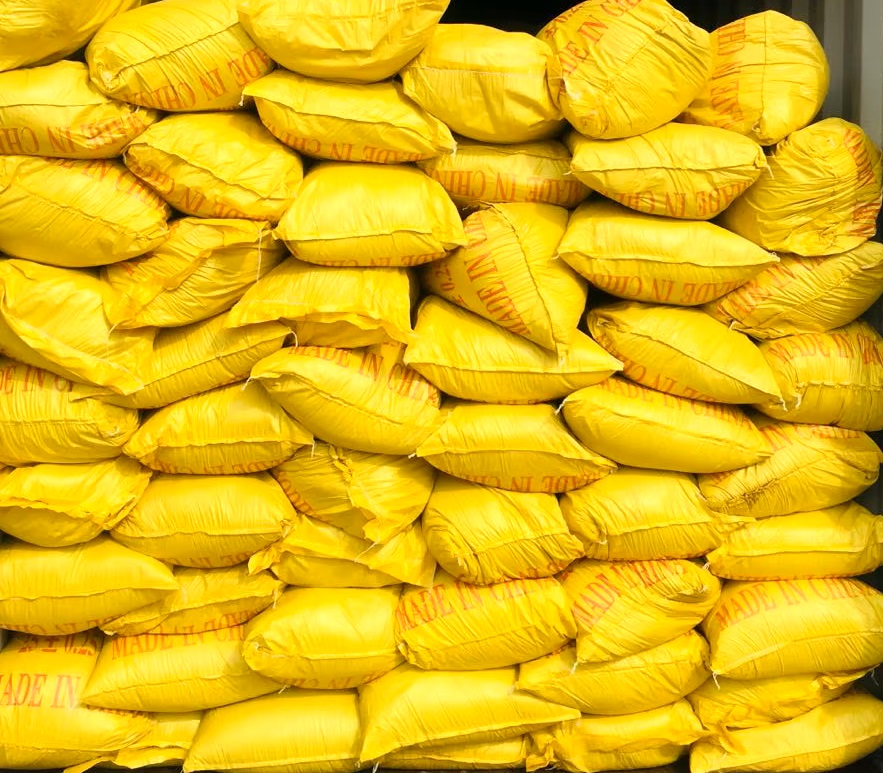
| Packaging Options (Powder) | 25 kg bags, 500 kg/1000 kg FIBC |
| Packaging Options (Liquid) | 200 kg drums, 1000 kg IBC, flexibag, bulk tankers |
Special Note: Ammonium lignosulfonate may release ammonia (NH₃) when mixed with strong bases (high pH > 9). Avoid mixing with lime, cement, or other alkaline materials unless ammonia release is acceptable.
10. SAFETY & HEALTH INFORMATION
GHS Classification (Typical)
| Hazard Class | Category |
|---|---|
| Skin Irritation | Category 3 (H316) |
| Eye Irritation | Category 2 (H319) |
| Specific Target Organ Toxicity (Inhalation) | Category 3 (H335) |
Hazard Statements (H-Codes)
| Code | Statement |
|---|---|
| H316 | Causes mild skin irritation |
| H319 | Causes serious eye irritation |
| H335 | May cause respiratory irritation |
Precautionary Statements (P-Codes)
| Code | Statement |
|---|---|
| P261 | Avoid breathing dust |
| P264 | Wash thoroughly after handling |
| P280 | Wear protective gloves and eye protection |
| P302+P352 | IF ON SKIN: Wash with plenty of water |
| P305+P351+P338 | IF IN EYES: Rinse cautiously with water for several minutes |
Toxicological Information
| Parameter | Value |
|---|---|
| Oral LD50 (rat) | > 5,000 mg/kg (low toxicity) |
| Dermal LD50 (rabbit) | > 2,000 mg/kg |
| Skin Irritation | Mild irritant |
| Eye Irritation | Moderate irritant |
| Sensitization | Not a known sensitizer |
First Aid Measures
| Exposure Route | Action |
|---|---|
| Inhalation | Remove to fresh air. Seek medical attention if respiratory irritation occurs. |
| Skin Contact | Wash with plenty of water and soap. |
| Eye Contact | Rinse immediately with plenty of water for at least 15 minutes. Seek medical attention. |
| Ingestion | Rinse mouth. Drink water. Seek medical attention if large amount ingested. |
Personal Protective Equipment (PPE)
| Equipment | Recommendation |
|---|---|
| Respiratory Protection | Dust mask (N95) when handling powder |
| Hand Protection | Chemical-resistant gloves (nitrile) |
| Eye Protection | Safety glasses with side shields |
| Body Protection | Lab coat or protective clothing |
11. ENVIRONMENTAL INFORMATION
| Parameter | Information |
|---|---|
| Biodegradability | Readily biodegradable |
| Aquatic Toxicity | Low toxicity |
| Bioaccumulation | Not expected |
| Source | Renewable resource (wood by-product) |
| Soil Effects | Acidifying; monitor soil pH with long-term use |
| Waste Disposal | Dispose according to local regulations; can be incinerated or landfilled (non-hazardous) |
12. REGULATORY INFORMATION
| Region | Status |
|---|---|
| EU | REACH registered; approved as fertilizer additive in some countries |
| Turkey (KKDIK) | Mandatory compliance for industrial use |
| USA (TSCA) | Listed |
| Canada (DSL) | Listed |
| Australia (AICS) | Listed |
| Japan (ENCS) | Listed |
| Organic Farming | Permitted in some organic certification schemes (check local regulations) |
13. SYNONYMS & OTHER NAMES
| Name | Description |
|---|---|
| Ammonium Lignosulfonate | Standard name |
| Ammonium Lignine Sulfonate | Alternative spelling |
| ALS | Abbreviation |
| Lignosulfonic acid ammonium salt | IUPAC name |
| Ammonium salt of lignosulfonic acid | Systematic name |
Database Identifiers:
-
CAS: 8061-53-8
-
EC: 616-030-8 (typical)
-
MDL: MFCD00163376 (approximate)
14. LIGNOSULFONATE FAMILY COMPARISON
| Property | Sodium | Calcium | Ammonium | Potassium |
|---|---|---|---|---|
| Counter-ion | Na⁺ | Ca²⁺ | NH₄⁺ | K⁺ |
| CAS | 8061-51-6 | 8061-52-7 | 8061-53-8 | 37313-77-2 |
| pH (10% sol.) | 7-11 | 4-6 | 4-7 | 7-10 |
| Nitrogen (N) | 0% | 0% | 4-8% | 0% |
| Sulfur (S) | 4-8% | 4-8% | 4-8% | 4-8% |
| Cement Use | ✅ High | ✅ High | ⚠️ Limited | ⚠️ Limited |
| Agriculture Use | ⚠️ Limited | ✅ High | ✅ High | ✅ High |
| Soil pH Effect | Neutral | Neutral | Acidifying | Neutral |
15. SUMMARY
Ammonium Lignosulfonate (ALS, CAS 8061-53-8) is an anionic, water-soluble polymer derived from lignin, neutralized with ammonium hydroxide instead of sodium or calcium hydroxide. It provides both nitrogen (4-8%) and sulfur (4-8%) as plant nutrients while functioning as a dispersant, binder, and soil conditioner.
Key Features:
| Feature | Description |
|---|---|
| Appearance | Brown powder or brown liquid |
| pH | 4-7 (acidic to neutral) |
| Nitrogen Content | 4-8% |
| Sulfur Content | 4-8% |
| Biodegradability | Readily biodegradable |
| Soil pH Effect | Acidifying (lowers pH) |
Main Application Areas:
| Sector | Applications |
|---|---|
| Agriculture | Fertilizer (N + S source), soil conditioner, micronutrient carrier, liquid fertilizer base |
| Cement & Construction | Fluidizer, dispersant (limited use) |
| Animal Feed | Pellet binder, dust suppressant |
| Industrial | Dispersant, binding agent |
Key Safety Points:
-
LOW TOXICITY – Generally considered safe
-
MILD IRRITANT – May cause mild skin/eye irritation
-
AMMONIA RELEASE – May release NH₃ when mixed with strong bases (lime, cement)
-
ACIDIFYING – Lowers soil pH; not suitable for already acidic soils
16. IMPORTANT NOTES
-
Fertilizer Value: Unlike sodium or calcium lignosulfonates, ammonium lignosulfonate provides two plant nutrients: nitrogen (4-8%) and sulfur (4-8%). This makes it uniquely valuable as a fertilizer additive or standalone fertilizer.
-
Soil pH Management: Ammonium lignosulfonate has an acidifying effect on soil due to the ammonium ion. It is ideal for alkaline (calcareous) and neutral soils but should not be used on acidic soils (pH < 6.0) as long-term use will increase soil acidity.
-
Ammonia Release Warning: When mixed with strong bases (lime, cement, caustic soda, high pH > 9), ammonium lignosulfonate may release ammonia gas (NH₃). Use adequate ventilation or avoid mixing with alkaline materials.
-
Cement Application: Ammonium lignosulfonate is less common in cement than sodium or calcium lignosulfonate due to potential ammonia release. However, it can be used in well-ventilated environments.
-
Organic Farming Compatibility: Ammonium lignosulfonate derived from sustainable wood pulping may be permitted in organic farming in some certification schemes. Verify with your certifying body before use.
-
Liquid Fertilizer Production: Ammonium lignosulfonate is a key raw material for producing liquid fulvic acid fertilizers, where it serves as both a nutrient source and a complexing agent.
-
Long-term Soil Impact: Continuous application over many years will increase soil acidity. Monitor soil pH annually and lime as needed to maintain optimal pH for your crops.
-
Biodegradable and Renewable: Like other lignosulfonates, ammonium lignosulfonate is derived from a renewable resource (wood) and is readily biodegradable.
-
Comparison with Ammonium Sulfate: As a nitrogen source, ammonium lignosulfonate (4-8% N) is less concentrated than ammonium sulfate (21% N). However, it provides additional benefits (sulfur, soil conditioning, chelation) that ammonium sulfate does not.
-
Storage Stability: Liquid grades may settle over time. Agitate or mix before use to ensure uniform product.
Important Disclaimer: This Technical Data Sheet (TDS) is for informational purposes only. For complete safety, handling, storage, and regulatory compliance information, always refer to the official Safety Data Sheet (SDS) provided by the manufacturer/supplier.