We unleash your business potential by maximize the business innovation.
Send EmailSodium Lignosulfonate, Sodium Ligno Sulfonate, Sodium Ligno Sulphonate, Sodium Lignin Sulfonate, 8061-51-6
SODIUM LIGNOSULFONATE (SLS)
Sodium Lignine Sulfonate / Lignosulfonic Acid Sodium Salt
CAS Number: 8061-51-6
EC Number: 616-029-2 (varies by grade)
1. IDENTIFICATION
| Property | Information |
|---|---|
| Chemical Name | Sodium Lignosulfonate |
| Synonyms | Lignosulfonic acid sodium salt, Sodium ligninsulfonate, Sodium lignosulfite, Sulfonated lignin sodium salt, Marasperse, Polyfon, Vanisperse, Reax, Borresperse, Ultrazine, Lignosite, etc. |
| Chemical Formula (Representative) | C₂₀H₂₄Na₂O₁₀S₂ (approximate – complex polymer) |
| Molecular Weight | 534.5 g/mol (monomer unit approximate – polymer varies from 1,000 – 100,000+ g/mol) |
| CAS Number | 8061-51-6 |
| EC Number | 616-029-2 (grade dependent) |
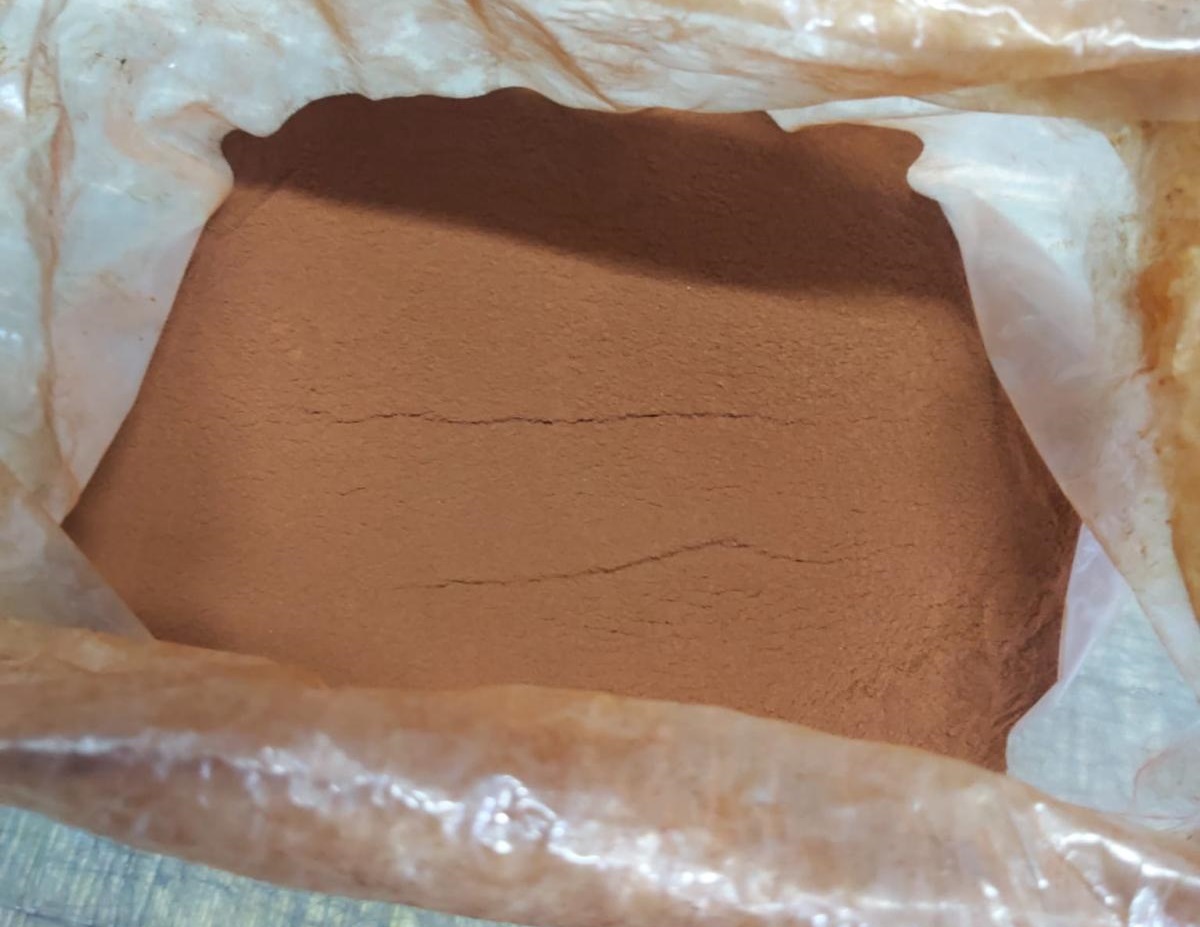
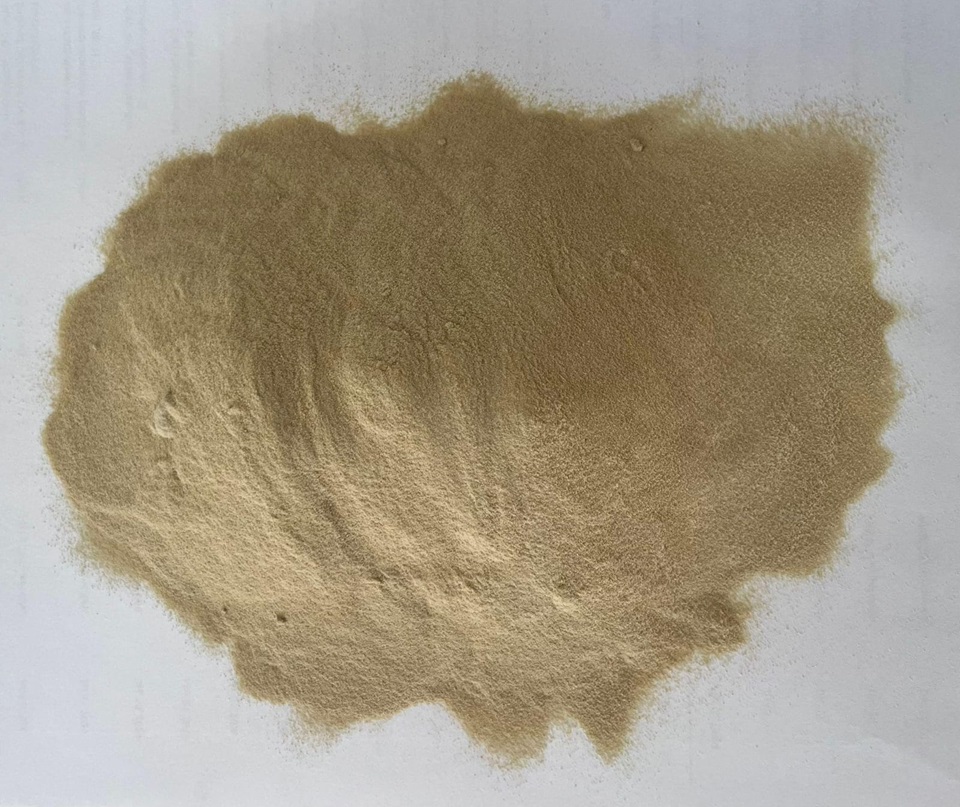
| Appearance | Brown to dark brown powder or liquid |
| Odor | Slight, wood-derived characteristic odor |
Note: Lignosulfonates are complex, high-molecular-weight polymers derived from lignin. The formula C₂₀H₂₄Na₂O₁₀S₂ is representative of a monomer unit; actual commercial products are polydisperse with varying molecular weights.
2. PHYSICAL PROPERTIES
| Property | Powder Form | Liquid Form |
|---|---|---|
| Physical State (20°C) | Solid (free-flowing powder) | Liquid |
| Appearance | Brown to dark brown powder | Brown to dark brown liquid |
| Odor | Slight wood-derived odor | Slight wood-derived odor |
| Solubility in Water | Excellent (completely soluble) | Completely soluble |
| pH (5-10% solution) | 7 – 11 (depending on grade) | 7 – 11 (depending on grade) |
| Bulk Density (Powder) | 0.4 – 0.7 g/cm³ | – |
| Density (Liquid) | – | 1.10 – 1.30 g/cm³ (varies by solids content) |
| Viscosity (Liquid) | – | 50 – 500 cP (depends on concentration) |
| Moisture Content (Powder) | 4 – 8% | – |
| Ash Content | 10 – 20% | 10 – 20% |
| Dry Solids (Liquid) | – | 45 – 55% (typical) |
3. CHEMICAL PROPERTIES
| Property | Information |
|---|---|
| Chemical Class | Lignosulfonate / sulfonated lignin polymer |
| Ionic Character | Anionic |
| Molecular Weight Range | 1,000 – 100,000+ Da (polydisperse) |
| Sulfur Content | 4 – 8% (as SO₃) |
| Sulfonation Degree | 0.2 – 0.6 SO₃H per monomer unit |
| Functional Groups | Sulfonic acid (-SO₃H), carboxyl (-COOH), phenolic -OH, aliphatic -OH |
| Surface Activity | High – anionic surfactant |
| Solubility | Excellent in water; soluble in alkaline solutions |
| pH Stability | Stable in alkaline and neutral conditions; may precipitate in strong acid (pH < 2) |
| Thermal Stability | Stable up to 150-200°C; decomposes above 200°C |
| Bulk Properties | Dispersant, binder, emulsifier, stabilizer, sequestrant |
Key Chemical Features:
-
Natural anionic polymer surfactant
-
Good dispersion and wetting properties
-
Excellent sequestering ability for multivalent cations (Ca²⁺, Mg²⁺, Fe³⁺)
-
Water-soluble due to sulfonic acid groups
-
Biodegradable (derived from renewable resource)
4. PRODUCTION PROCESS
| Stage | Description |
|---|---|
| 1. Raw Material | Lignin from wood pulping (sulfite pulping process) |
| 2. Sulfonation | Lignin is treated with sulfite (SO₃²⁻ or HSO₃⁻) at elevated temperature and pressure |
| 3. Reaction | Sulfonic acid groups (-SO₃H) are introduced into the lignin structure |
| 4. Neutralization | Sulfonated lignin is neutralized with sodium hydroxide (NaOH) to form sodium lignosulfonate |
| 5. Concentration | Liquid product is concentrated by evaporation |
| 6. Drying (Optional) | For powder form, concentrated liquid is spray-dried |
| 7. Formulation | Product may be formulated with other additives or to specific solids content |
| 8. Packaging | Powder is bagged; liquid is drummed or bulk |
Simplified Reaction:
Lignin + SO₃²⁻ → Lignin-SO₃²⁻ → Neutralize with Na⁺ → Sodium Lignosulfonate
Sources:
-
Primarily from sulfite pulping process (by-product of paper industry)
-
Sustainable, renewable resource
5. APPLICATIONS
5.1. Cement & Concrete Industry (Primary Use – Most Important)
| Application | Function |
|---|---|
| Water Reducer | Reduces water demand in concrete (typical 5-15% reduction) |
| Set Retarder | Slows down cement hydration; extends working time |
| Dispersant | Improves particle dispersion, prevents agglomeration |
| Fluidity Enhancer | Increases workability and pumpability of concrete |
| Strength Enhancer | Increases ultimate compressive strength (by enabling lower w/c ratio) |
| Durability Improver | Reduces porosity, increases impermeability |
Mechanism: Sodium lignosulfonate adsorbs on cement particle surfaces, creating electrostatic repulsion (dispersing effect) and reducing water demand.
Typical Dosage: 0.1 – 0.5% of cement weight
Benefits:
-
Reduces water requirement by 5-15%
-
Increases 28-day compressive strength by 10-30%
-
Improves workability without increasing water content
-
Cost-effective alternative to synthetic superplasticizers (lower performance but much lower cost)
5.2. Construction Chemicals (General)
| Application | Function |
|---|---|
| Gypsum Board Production | Dispersant and fluidity enhancer |
| Tile Adhesives | Improves workability and water retention |
| Mortars & Grouts | Increases flowability, reduces water demand |
| Grinding Aids | Improves cement grinding efficiency |
5.3. Agriculture
| Application | Function |
|---|---|
| Soil Conditioner | Improves soil structure, water retention capacity |
| Micronutrient Carrier | Chelates and stabilizes micronutrients (Fe, Zn, Cu, Mn) for plant uptake |
| Fertilizer Additive | Binder for granular fertilizers; reduces dusting |
| Pesticide/Herbicide Dispersant | Improves dispersion and stability of agrochemical formulations |
| Soil Stabilization | Prevents soil erosion; improves soil aggregation |
Benefits:
-
Increases water holding capacity of soil
-
Improves plant resistance to drought stress
-
Enhances nutrient availability
-
Biodegradable and non-toxic to plants
5.4. Animal Feed
| Application | Function |
|---|---|
| Pellet Binder | Binds feed ingredients into stable pellets |
| Dust Suppressant | Reduces dust in animal feed |
| Moisture Retainer | Maintains moisture content; prevents caking |
| Antimicrobial Agent | May help preserve feed (some antimicrobial properties) |
Typical Dosage: 0.5 – 2.0% of feed weight
5.5. Oil & Gas Drilling
| Application | Function |
|---|---|
| Drilling Mud Additive | Viscosity reducer for drilling fluids |
| Fluid Loss Control | Reduces fluid loss into formation |
| Dispersant | Prevents solids agglomeration in drilling mud |
| Crude Oil Viscosity Reducer | Reduces viscosity of heavy crude oil for pipeline transport |
Benefits:
-
Improves drilling efficiency
-
Reduces energy consumption for crude transport
-
Temperature stable
5.6. Water Treatment
| Application | Function |
|---|---|
| Coagulant Aid | Enhances coagulation and flocculation processes |
| Scale Inhibitor | Prevents scale formation in pipes and equipment |
| Heavy Metal Sequestrant | Chelates and removes heavy metals |
| Sludge Dispersant | Improves sludge handling and dewatering |
5.7. Ceramics & Refractories
| Application | Function |
|---|---|
| Ceramic Body Dispersant | Improves slip viscosity and casting performance |
| Deflocculant | Reduces water requirement in ceramic slurries |
| Binder | Provides green strength to ceramic bodies |
5.8. Dyes, Pigments & Textiles
| Application | Function |
|---|---|
| Pigment Dispersant | Stabilizes pigment dispersions in water-based systems |
| Dye Dispersant | Improves dye dispersion in textile processing |
| Printing Paste | Thickener and dispersant for textile printing |
5.9. Metallurgy & Metalworking
| Application | Function |
|---|---|
| Dust Suppressant | Reduces dust in mining and ore processing |
| Ore Pellet Binder | Binds iron ore fines into pellets |
| Metalworking Fluids | Dispersant and corrosion inhibitor |
5.10. Fire Retardants
| Application | Function |
|---|---|
| Flame Retardant Additive | Provides flame resistance to materials (when combined with other agents) |
| Char Formation Promoter | Promotes char formation in fire-retardant formulations |
5.11. Paints & Coatings
| Application | Function |
|---|---|
| Pigment Dispersant | Stabilizes pigment dispersions in water-based paints |
| Thickener | Provides rheology control |
| Emulsifier | Stabilizes emulsions |
5.12. Other Applications
| Application | Function |
|---|---|
| Battery Separators | Binder for lead-acid battery separators |
| Carbon Black Dispersant | Improves carbon black dispersion |
| Paper & Pulp Industry | Dispersant, chelating agent |
| Leather Processing | Tanning aid, dispersant |
| Rubber Industry | Dispersant, reinforcing agent |
6. BENEFITS IN CEMENT – DETAILED
| Parameter | Without Lignosulfonate | With Lignosulfonate (0.25%) |
|---|---|---|
| Water Demand | 100% | 85-90% (10-15% reduction) |
| Slump (mm) | 50 | 80-100 |
| Setting Time (initial) | 2-3 hours | 4-6 hours (retarded) |
| 7-Day Compressive Strength | Base | 100-110% |
| 28-Day Compressive Strength | Base | 110-130% |
| Porosity | Standard | Reduced (10-20%) |
Comparison with Superplasticizers:
| Property | Sodium Lignosulfonate | Synthetic Superplasticizer (PCE, SMF, SNF) |
|---|---|---|
| Water Reduction | 5-15% | 20-40% |
| Set Retardation | Moderate | Low to moderate |
| Dispersion Mechanism | Electrostatic | Electrostatic + Steric |
| Relative Cost | Low | High |
| Slump Retention | Good | Excellent |
| Application | Standard concrete, low-cost | High-performance concrete |
7. TYPICAL QUALITY SPECIFICATIONS
| Parameter | Powder Grade (Typical) | Liquid Grade (Typical) |
|---|---|---|
| Appearance | Brown powder | Brown liquid |
| Dry Solids | ≥ 92% | 45 – 55% |
| pH (10% solution) | 7 – 11 | 7 – 11 |
| Moisture | ≤ 8% | – |
| Ash (Na₂SO₄ equivalent) | 10 – 20% | 10 – 20% |
| Reducing Sugars | ≤ 5% | ≤ 5% |
| Water Insolubles | ≤ 1.0% | ≤ 1.0% |
| Sulfur (as SO₃) | 4 – 8% | 4 – 8% |
| Viscosity (Liquid) | – | 50 – 500 cP |
| Density (Liquid) | – | 1.10 – 1.30 g/cm³ |
8. GRADES AVAILABLE
| Grade | Form | pH | Application Focus |
|---|---|---|---|
| Standard Cement Grade | Powder/Liquid | 7-9 | Concrete admixture, water reducer |
| High Purity Grade | Powder | 9-11 | High-performance concrete, specialty |
| Agricultural Grade | Powder/Liquid | 9-11 | Fertilizer binder, soil conditioner |
| Animal Feed Grade | Powder | 7-9 | Pellet binder, dust suppressant |
| Drilling Fluid Grade | Liquid | 8-10 | Oil/gas drilling mud additive |
| Ceramic Grade | Powder/Liquid | 7-9 | Dispersant for ceramic slips |
9. STORAGE & HANDLING
| Parameter | Information |
|---|---|
| Storage Conditions (Powder) | Cool, dry, well-ventilated area; protect from moisture |
| Storage Conditions (Liquid) | 5-30°C; protect from freezing; agitate before use if settled |
| Container Requirements | Moisture-proof bags (powder); HDPE drums, IBC, bulk tanks (liquid) |
| Shelf Life (Powder) | 12-24 months (if kept dry) |
| Shelf Life (Liquid) | 6-12 months (may settle; agitate before use) |
| Hygroscopicity | Moderately hygroscopic (powder) – keep sealed |
| Incompatible Materials | Strong oxidizing agents |
| Packaging Options (Powder) | 25 kg bags (multi-layer paper/plastic), 500 kg/1000 kg FIBC |
| Packaging Options (Liquid) | 200 kg drums, 1000 kg IBC, flexibag, bulk tankers |
10. SAFETY & HEALTH INFORMATION
GHS Classification (Typical)
| Hazard Class | Category |
|---|---|
| Skin Irritation | Category 3 (H316) |
| Eye Irritation | Category 2 (H319) |
| Specific Target Organ Toxicity (Inhalation) | Category 3 (H335) |
Hazard Statements (H-Codes)
| Code | Statement |
|---|---|
| H316 | Causes mild skin irritation |
| H319 | Causes serious eye irritation |
| H335 | May cause respiratory irritation |
Precautionary Statements (P-Codes)
| Code | Statement |
|---|---|
| P261 | Avoid breathing dust |
| P264 | Wash thoroughly after handling |
| P280 | Wear protective gloves and eye protection |
| P302+P352 | IF ON SKIN: Wash with plenty of water |
| P305+P351+P338 | IF IN EYES: Rinse cautiously with water for several minutes |
Toxicological Information
| Parameter | Value |
|---|---|
| Oral LD50 (rat) | > 5,000 mg/kg (low toxicity) |
| Dermal LD50 (rabbit) | > 2,000 mg/kg |
| Skin Irritation | Mild irritant |
| Eye Irritation | Moderate irritant |
| Sensitization | Not a known sensitizer |
| Carcinogenicity | Not classified as carcinogenic |
First Aid Measures
| Exposure Route | Action |
|---|---|
| Inhalation | Remove to fresh air. Seek medical attention if respiratory irritation occurs. |
| Skin Contact | Wash with plenty of water and soap. |
| Eye Contact | Rinse immediately with plenty of water for at least 15 minutes. Seek medical attention if irritation persists. |
| Ingestion | Rinse mouth. Drink water. Seek medical attention if large amount ingested. |
Personal Protective Equipment (PPE)
| Equipment | Recommendation |
|---|---|
| Respiratory Protection | Dust mask (N95) when handling powder |
| Hand Protection | Chemical-resistant gloves (nitrile) |
| Eye Protection | Safety glasses with side shields |
| Body Protection | Lab coat or protective clothing |
11. ENVIRONMENTAL INFORMATION
| Parameter | Information |
|---|---|
| Biodegradability | Readily biodegradable (natural polymer from wood) |
| Aquatic Toxicity | Low toxicity |
| Bioaccumulation | Not expected |
| Source | Renewable resource (wood by-product) |
| Waste Disposal | Dispose according to local regulations; can be incinerated or landfilled (non-hazardous) |
12. REGULATORY INFORMATION
| Region | Status |
|---|---|
| EU | REACH registered; approved as food additive? (not direct – only as processing aid) |
| Turkey (KKDIK) | Mandatory compliance for industrial use |
| USA (TSCA) | Listed |
| Canada (DSL) | Listed |
| Australia (AICS) | Listed |
| Japan (ENCS) | Listed |
| Korea (KECL) | Listed |
| FDA | GRAS for some applications (indirect food contact) |
13. SYNONYMS & OTHER NAMES
| Name | Description |
|---|---|
| Marasperse | Trade name (various grades) |
| Polyfon | Trade name |
| Vanisperse | Trade name |
| Reax | Trade name |
| Borresperse | Trade name |
| Ultrazine | Trade name |
| Lignosite | Trade name |
| San-X | Trade name |
| Orzan | Trade name |
| Lignosol | Trade name |
| Temsperse | Trade name |
| Kraftsperse | Trade name |
| Norlig | Trade name |
| Pearllex | Trade name |
| UF 10000A | Trade name |
| Ligninsulfonic acid sodium salt | IUPAC name |
| Sodium lignosulfite | Alternative name |
Database Identifiers:
-
CAS: 8061-51-6
-
EC: 616-029-2 (typical)
-
MDL: MFCD00163375
14. COMPARISON: SODIUM vs CALCIUM vs AMMONIUM LIGNOSULFONATE
| Property | Sodium Lignosulfonate | Calcium Lignosulfonate | Ammonium Lignosulfonate |
|---|---|---|---|
| Counter-ion | Na⁺ | Ca²⁺ | NH₄⁺ |
| Solubility | Excellent | Moderate (precipitates in high Ca²⁺) | Excellent |
| pH (10% solution) | 7-11 | 4-6 | 4-7 |
| Primary Use | Cement, general | Oil drilling, concrete | Agriculture (nitrogen source) |
| Cost | Low | Low | Moderate |
15. SUMMARY
Sodium Lignosulfonate (SLS, CAS 8061-51-6) is an anionic, water-soluble polymer derived from lignin (a renewable resource from the wood pulping industry). It functions as a dispersant, binder, emulsifier, water reducer, and sequestrant across multiple industries.
Key Features:
| Feature | Description |
|---|---|
| Appearance | Brown powder or brown liquid |
| Solubility | Excellent in water |
| Ionic Character | Anionic |
| Biodegradability | Readily biodegradable |
| Source | Renewable (wood by-product) |
Main Application Areas:
| Sector | Applications |
|---|---|
| Cement & Concrete | Water reducer, set retarder, dispersant, strength enhancer |
| Agriculture | Soil conditioner, micronutrient carrier, fertilizer binder |
| Animal Feed | Pellet binder, dust suppressant |
| Oil & Gas | Drilling mud additive, crude oil viscosity reducer |
| Water Treatment | Coagulant aid, scale inhibitor |
| Ceramics | Dispersant, deflocculant |
| Textiles & Dyes | Pigment and dye dispersant |
| Metallurgy | Dust suppressant, ore pellet binder |
Key Safety Points:
-
LOW TOXICITY – Generally considered safe
-
MILD IRRITANT – May cause mild skin/eye irritation
-
BIODEGRADABLE – Environmentally friendly
-
RENEWABLE – Derived from sustainable wood sources
16. IMPORTANT NOTES
-
Complex Polymer Structure: Sodium lignosulfonate is not a single chemical compound but a complex, polydisperse polymer mixture. Molecular weight varies from 1,000 to over 100,000 Da. Properties can vary significantly between suppliers and grades.
-
Cement Application Limitations: While effective as a low-cost water reducer (5-15% reduction), sodium lignosulfonate has lower performance than synthetic superplasticizers (PCE, SNF) which achieve 20-40% water reduction. It is best suited for standard concrete where cost optimization is prioritized over maximum performance.
-
Set Retardation Effect: Sodium lignosulfonate delays cement setting time. For applications requiring rapid setting, it should be used with caution or combined with accelerating admixtures.
-
Dosage Sensitivity: Optimal dosage in cement is typically 0.1-0.5% of cement weight. Overdosing can cause excessive set retardation (>24 hours) and may reduce early strength.
-
pH Considerations: Sodium lignosulfonate is stable in alkaline and neutral conditions. At very low pH (<2), it may precipitate. For acidic applications, other lignosulfonate types may be preferred.
-
Renewable Resource: Unlike many synthetic polymers, sodium lignosulfonate is derived from wood (by-product of the paper industry). It is a sustainable, renewable, and biodegradable material.
-
Synergy with Other Admixtures: Sodium lignosulfonate is often used in combination with other admixtures (accelerators, air-entraining agents, other superplasticizers) to achieve specific performance profiles.
-
Liquid vs Powder: Both forms are commercially available. Liquid is convenient for direct dosing; powder offers longer shelf life and lower shipping weight.
-
Variability Between Grades: Different trade names (Marasperse, Polyfon, Reax, Borresperse, etc.) represent different molecular weight ranges and sulfonation degrees, optimized for specific applications. Select the appropriate grade for your application.
-
Non-Toxic: Sodium lignosulfonate has very low human and animal toxicity, making it suitable for agricultural and animal feed applications.
Important Disclaimer: This Technical Data Sheet (TDS) is for informational purposes only. For complete safety, handling, storage, and regulatory compliance information, always refer to the official Safety Data Sheet (SDS) provided by the manufacturer/supplier.