We unleash your business potential by maximize the business innovation.
Send EmailNaphthalene Sulfonate, Sodium Naphthalene Sulfonate, Sodium Naphthalene Sulfonate Formaldehyde, Powercon 100, 130-14-3, 9084-06-04, 68441-17-8, 36290-04-7, 9003-04-7
1. PRODUCT IDENTIFICATION
| Item | Description |
|---|---|
| Product Name | Sodium Naphthalene Sulfonate Powder |
| Other Names | Sodium Naphthalene Sulphonate (SNS), Naphthalenesulfonic Acid Sodium Salt, Sodium Naphthalene Sulfonate Formaldehyde (SNSF), Poly Naphthalene Sulfonate (PNS), Naphthalene Sulfonate Formaldehyde (NSF), Dispersing Agent NNO |
| CAS Number | Varies. Common CAS numbers include: 130-14-3 (1-Naphthalenesulfonate), 532-02-5 (2-Naphthalenesulfonate), and 36290-04-7 / 9084-06-4 (for the polymer condensate forms) |
| Chemical Formula | Varies: C10H7NaO3S (monomer); C21H14O6S2·2Na (polymer condensate) |
| Molecular Weight | ~230.21 g/mol (monomer) |
| Chemical Family | Alkylnaphthalene Sulfonate (ANS) / Anionic Surfactant |
| HS Code | 38244010 |
2. PHYSICAL & CHEMICAL PROPERTIES
| Property | Typical Value |
|---|---|
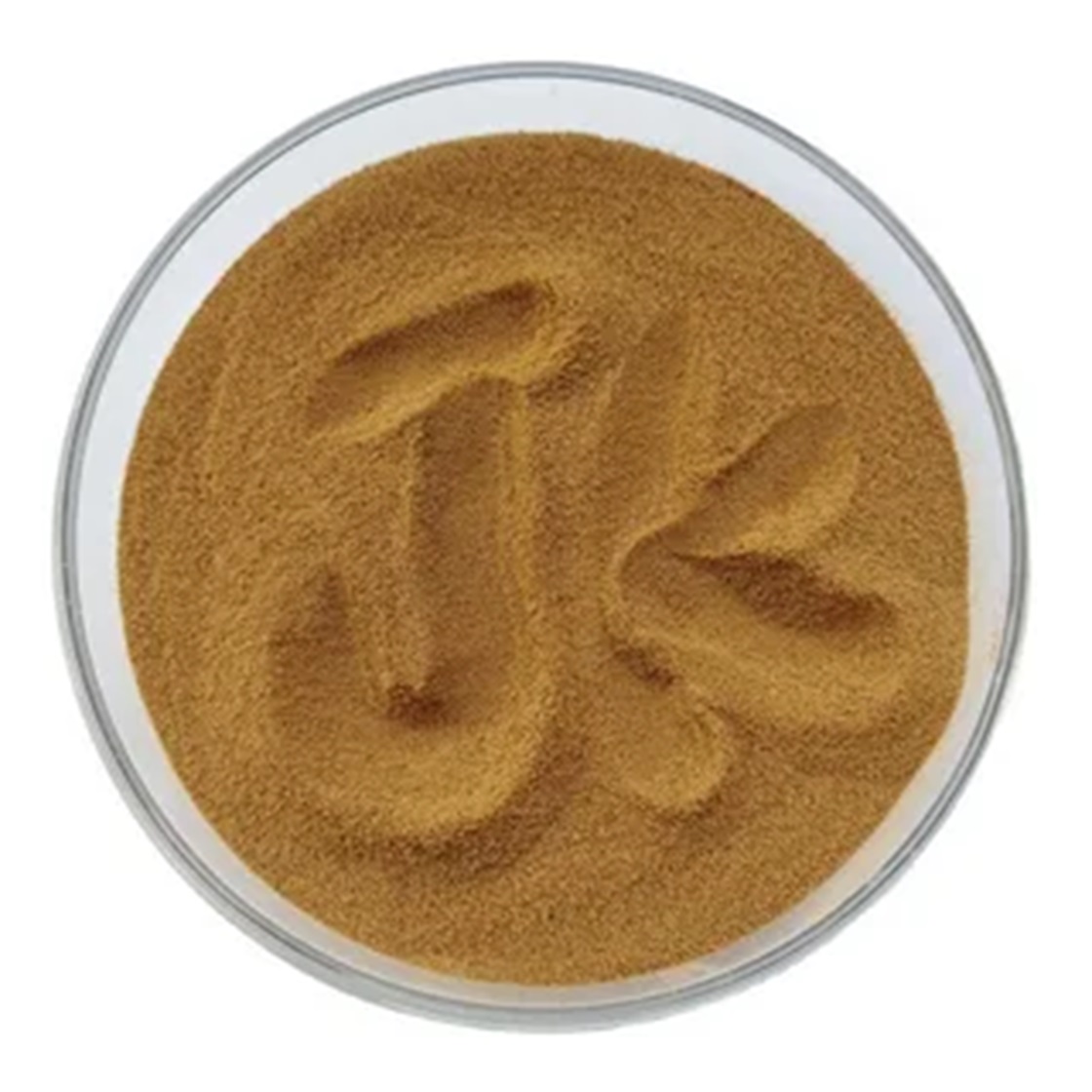
| Appearance | Light yellow to brown free-flowing powder |
| Odor | Mild |
| Physical Form | Powder / Crystalline Powder |
| Solubility | Soluble in water; Insoluble in organic solvents like alcohol (ethanol) |
| pH (1% solution) | 7.0 – 9.0 |
| Solid Content | ≥ 92% – 93% |
| Bulk Density (20°C) | ~0.5 g/cm³ |
| Melting Point | Min. 200°C (decomposes) |
| Flash Point | Min. 100°C (Pensky-Martens Closed Cup) |
| Autoignition Temperature | Min. 100°C |
| Dust Explosion Class | ST 1 |
3. SPECIFICATIONS & GRADES
Technical specifications vary depending on the intended application and grade. The table below shows common standards for different grades (e.g., SNF-A, SNF-B, SNF-C):
| Parameter | SNF-A | SNF-B | SNF-C |
|---|---|---|---|
| Appearance | Yellow / Brown Powder | Yellow / Brown Powder | Yellow / Brown Powder |
| Solid Content (%) | ≥ 93 | ≥ 92 | ≥ 92 |
| pH Value (1% solution) | 7-9 | 7-9 | 7-9 |
| Sodium Sulfate (Na2SO4) (%) | ≤ 5 | ≤ 10 | ≤ 18 |
| Chloride (Cl⁻) Content (%) | ≤ 0.3 | ≤ 0.4 | ≤ 0.5 |
| Fluidity (mm) | ≥ 260 | ≥ 250 | ≥ 240 |
| Water Reduction (%) | 26 | 25 | 23 |
Note: For high-purity laboratory or analytical grades, purity can be ≥98.0%. For use as a dye dispersant, sodium sulfate content is typically ≤3%.
4. APPLICATIONS
Sodium Naphthalene Sulfonate is a versatile anionic surfactant and dispersing agent used across various industries:
-
Construction (Concrete Admixture): As a high-performance superplasticizer (naphthalene-based) for concrete, it significantly reduces water content, improves workability, and enhances early and final strength. It is non-corrosive to steel reinforcement. Water reduction can reach 15-25%.
-
Textile Industry: Serves as an effective dispersant and leveling agent for vat, reactive, acid, and disperse dyes. It ensures uniform dyeing and prevents color spotting.
-
Agrochemicals: Used as a dispersant in the formulation of wettable powders (WP), water-dispersible granules (WG), and suspension concentrates for pesticides and herbicides.
-
Leather Industry: Acts as an auxiliary tanning agent and dispersant, promoting uniform distribution of dyes and tanning agents.
-
Other Industrial Uses: Employed as a pigment dispersant, in oil drilling fluids, and as a wetting agent in various cleaning formulations (acid, alkaline, and machine dishwashing detergents).
5. RECOMMENDED DOSAGE & USE
-
Concrete Admixture: The recommended dosage is typically 0.5% – 1.5% of the cement weight, depending on specific requirements. Dissolve in mixing water or add to the concrete mix for optimal dispersion.
-
Dispersant for Pigments/Dyes: Recommended dosage is typically 1 – 5% based on the weight of the pigment. For optimal results, incorporate the dispersing agent into the aqueous binder during high-speed dispersion before the addition of pigments.
6. SAFETY & HANDLING
-
Stability: Stable under normal conditions. Avoid contact with strong oxidizing agents, excessive heat, and open flames.
-
Hazards: May form combustible dust concentrations in air during processing. It is not classified as oxidizing. The substance may cause irritation to skin, eyes, and respiratory tract.
-
First Aid:
-
Inhalation: Move to fresh air.
-
Skin Contact: Wash thoroughly with soap and water.
-
Eye Contact: Rinse cautiously with water for several minutes. Seek medical advice if irritation persists.
-
Ingestion: Rinse mouth. Do NOT induce vomiting. Seek medical attention.
-
-
Firefighting Media: Use water spray, alcohol-resistant foam, dry chemical, or carbon dioxide. Avoid breathing combustion products like sulfur oxides (SOx).
7. PACKAGING & STORAGE
-
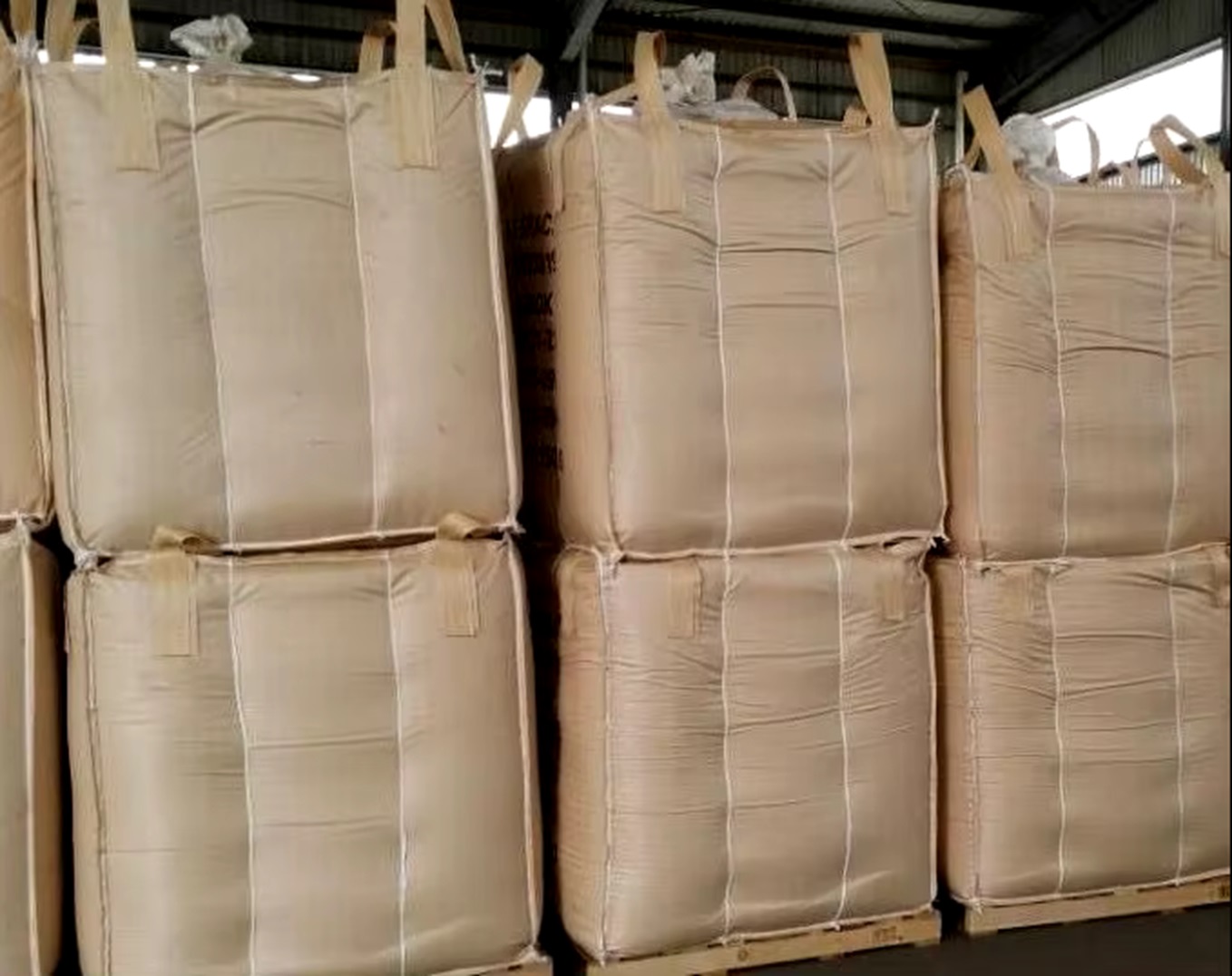
Packaging: Typically supplied in 25kg multi-wall paper bags with polyethylene liner, 25kg PP woven bags, or 650kg jumbo bags.
-
Storage: Store in a cool, dry, and well-ventilated area, away from heat sources and direct sunlight. Keep containers tightly closed when not in use. Shelf life is typically 12 months under recommended storage conditions.
8. REGULATORY & COMPLIANCE
-
TSCA: Listed in the US Toxic Substances Control Act inventory.
-
Biodegradability: Some grades are labeled as biodegradable and meet standards for environmentally preferable purchasing (e.g., CleanGredients).
-
Proposition 65: Some specific product forms may be listed under California Prop 65. Always check the Safety Data Sheet (SDS) for the specific product you are using.
1. Sectoral Compatibility & Usage Rates Table
| Industry | Application | Typical Dosage (by weight of binder/material) | Key Benefits |
|---|---|---|---|
| Construction | Concrete & Cement Superplasticizer | - Powder: 0.5% – 1.5% of cement - Liquid: 1.5% – 3.0% |
Water reduction 15-25%; improves workability, early & final strength; freeze-thaw resistance. |
| Textile | Dye Dispersant & Leveling Agent | - Vat dyes: 0.5% – 3.0% (on dye) - Disperse dyes: 1.5–2x dye amount - Exhaust dyeing: 1–3% (o.w.f.) |
Prevents spotting, ensures uniform dyeing, improves bath stability. |
| Agrochemicals | Dispersant for WP, WG, SC formulations | Varies by formulation (typically 1-5% of total formula) | Even dispersion of active ingredients, prevents sedimentation, enhances efficacy. |
| Leather | Auxiliary Tanning & Dyeing Agent | Process-dependent | Promotes uniform penetration of tanning agents and dyes. |
| Ceramics | Raw material dispersant & fluidizer | ~0.2% of raw material weight | Increases slurry fluidity, reduces water demand, improves homogeneity. |
| Paper | Pulp dispersant | Process-dependent | Even distribution of fibers and fillers, improves paper quality. |
Note: Dosages are typical starting points. Always conduct trials and consult the supplier's Technical Data Sheet (TDS) for exact recommendations.
2. Alternatives (by application)
| Application | Alternatives |
|---|---|
| Concrete superplasticizer | Sodium Lignosulfonate (lower performance, cheaper), Melamine Sulfonate (MSF), Polycarboxylate Ether (PCE) – higher performance, higher cost. |
| Textile dye dispersant | Other anionic surfactants (e.g., alkyl naphthalene sulfonates), condensed naphthalene sulfonic acid derivatives. |
| Agrochemical dispersant | Lignosulfonates, polycarboxylates, tristyrylphenol ethoxylates (non-ionic). |
| Ceramic / pigment dispersant | Polyacrylates, polyphosphates, lignosulfonates. |
3. Other Names (Non‑trade / Generic)
-
Sodium Naphthalene Sulfonate Formaldehyde (SNSF)
-
Poly Naphthalene Sulfonate (PNS)
-
Naphthalene Sulfonate Formaldehyde (NSF)
-
Dispersant NNO
-
Sodium Naphthalenesulphonate
-
β‑Naphthalenesulfonic acid sodium salt
-
Sodium 1‑naphthalenesulfonate / Sodium 2‑naphthalenesulfonate (isomer-specific)
-
Naphthalenesulfonic acid, sodium salt
-
Sodium salt of beta‑naphthalenesulfonic acid
Common abbreviations: SNS, SNF, FDN (for certain grades).
Sodium Naphthalene Sulfonate – Grades & Sector Applications
Sodium Naphthalene Sulfonate is commonly classified into three main grades based on purity and sodium sulfate (Na₂SO₄) content: SNF‑A, SNF‑B, and SNF‑C. The higher the purity (lower sodium sulfate), the better the performance, and the more demanding the application.
1. SNF‑A (High Purity, Na₂SO₄ ≤5%)
-
Key properties: High water reduction (~26%), low chloride, excellent dispersing power.
-
Industries & applications:
-
Construction: High-strength concrete, bridges, dams, high‑rise buildings, tunnels, precast concrete, and other critical infrastructure requiring superior durability and early strength.
-
Textiles: As a high‑performance dispersant and leveling agent for vat, reactive, and disperse dyes. High purity prevents unwanted interactions with dyes.
-
Leather: Used in high‑quality tanning and dyeing processes where uniformity is essential.
-
2. SNF‑B (Medium Purity, Na₂SO₄ ~10%)
-
Key properties: Good water reduction (~25%), balanced cost/performance.
-
Industries & applications:
-
Construction: General concrete work – residential buildings, roads, parking lots, ready‑mix concrete where extreme performance is not required.
-
Agrochemicals: Dispersant for wettable powders (WP), water‑dispersible granules (WG), and suspension concentrates (SC) for pesticides/herbicides.
-
Ceramics: Dispersant and fluidizer for ceramic slurries.
-
Paper industry: Pulp dispersant for uniform fiber distribution.
-
3. SNF‑C (Low Purity, Na₂SO₄ ~15‑20%)
-
Key properties: Moderate water reduction (~23%), most economical grade.
-
Industries & applications:
-
Construction: Non‑critical applications such as simple foundations, pavement bases, low‑strength concrete, mass concrete where cost is the primary driver.
-
Mining & low‑end applications: Sometimes used as a low‑cost dispersant in non‑demanding environments.
-
Summary Table – Grade vs. Sector
| Grade | Purity Level | Typical Sodium Sulfate | Main Sectors |
|---|---|---|---|
| SNF‑A | High | ≤5% | High‑performance concrete, textiles (dye dispersant), premium leather |
| SNF‑B | Medium | ~10% | General concrete, agrochemicals, ceramics, paper |
| SNF‑C | Low | ~15‑20% | Low‑strength concrete, non‑critical construction, cost‑sensitive bulk uses |
How to Choose the Right Grade?
-
For high strength & durability → SNF‑A
-
For general construction & industrial dispersants → SNF‑B
-
For low‑cost, low‑performance needs → SNF‑C
Always check the supplier’s technical data sheet (TDS) for exact specifications, as actual purity and additives may vary between manufacturers.
How It Works in Ceramics
SNS acts as a powerful dispersant and fluidizer for ceramic slurries. Its mechanism of action is primarily electrostatic: it adsorbs onto the surface of ceramic particles, giving them a negative charge that causes them to repel each other. This electrostatic repulsion breaks down particle agglomerates, reducing viscosity and improving the overall flow of the suspension.
Key Benefits for Ceramic Production
| Benefit | Explanation |
|---|---|
| Enhanced Fluidity | Reduces slurry viscosity, making it easier to pour, pump, and handle, especially in high-solids systems. |
| Improved Uniformity | Ensures a homogeneous distribution of raw materials, leading to consistent product quality and properties. |
| Effective Deflocculation | Prevents particle clumping (flocculation), which is critical for achieving a stable and well-dispersed suspension. |
| Water Reduction | Allows for a lower water content in the slurry while maintaining fluidity, which reduces drying time and energy consumption. |
| Increased Green Strength | Enhances the mechanical strength of the ceramic body before firing, reducing the risk of breakage during handling and processing. |
| Improved Grinding Efficiency | Acts as a grinding aid, helping to break down raw materials more efficiently and resulting in finer, more uniform particles. |
| Prevents Black Heart Defects | By improving the dispersion of organic matter and facilitating more even drying, SNS helps prevent the formation of dark centers ("black heart") in fired ceramic tiles. |
Recommended Dosage & Application
The recommended dosage for SNS in ceramic applications is typically 0.2% to 0.5% by weight of the dry raw material mass. For the best results, it should be mixed evenly into the raw materials before water is added, or pre-dissolved in the mixing water to ensure optimal distribution.
Expert Tip: Using SNS in Combination
Research indicates that while SNS is effective on its own, it works exceptionally well in combination with other agents. One study found that a mixture of Lignin Sulfonate, Sodium Metasilicate, and Naphthalene Sulfonate in a 3:2:1 mass ratio, added at a total of 0.6%, significantly outperformed any single agent. This suggests that for critical applications, a blended approach can provide superior results.
Scientific Validation: Porcelain Gres (Porcelain Tile)
The effectiveness of SNS for ceramic suspensions is supported by scientific research. A key study focused on porcelain gres (a type of porcelain tile), a demanding application due to the need for high solid content in the suspension. The study found that sodium naphthalene sulfonate formaldehyde condensates (SNSFC) are highly effective as a dispersant. It was noted that even small additions of SNSFC to a classic deflocculating mixture containing sodium silicate improved performance.
Key Scientific Finding: The ability of SNS to stabilize these suspensions was found to be not affected by its degree of condensation, making it a robust and reliable additive.
Alternatives in Ceramics
While SNS is a common choice, several other dispersants are used in the ceramics industry. Your choice will depend on specific performance requirements, compatibility with other additives, and cost.
| Alternative | Key Characteristics |
|---|---|
| Sodium Silicate | A traditional, low-cost deflocculant, often used as a benchmark for comparison. |
| Lignin Sulfonate | A natural polymer offering moderate performance at a low cost. |
| Polycarboxylate Ethers (PCE) | A high-performance synthetic polymer that provides excellent fluidity at very low dosages, but at a higher cost. |
| Phosphonates (e.g., HEDP, ATMP) | Strong deflocculant agents, often used for specific applications where high dispersing power is needed. |
Commercial Product Example
Many chemical suppliers offer specialized SNS-based products for the ceramic sector.
Features of FLUBE CER include:
-
Available in both liquid and powder forms.
-
Offered as sodium salt (for general use) and calcium salt (for specific applications).
-
Does not interfere with the glazing process.
-
Compatible with the manufacturer's defoamers and other additives.
Other Names for SNS in Ceramics
-
Sodium Naphthalene Sulfonate Formaldehyde Condensate (SNSFC)
-
Naphthalene Sulfonate Formaldehyde (NSF)
-
Naphthalene sulphonate polymer (NSC)
-
Dispersant NNO
-
Sodium salt of condensed sulfonated naphthalene (e.g., Darvan® 1)
-
Sodium naphthalenesulphonate
Summary for Ceramics
Sodium Naphthalene Sulfonate is a highly effective and versatile dispersant for the ceramics industry. By significantly improving slurry fluidity and particle dispersion, it directly contributes to higher quality products, more efficient processing, and lower energy consumption. For optimal results, start with the recommended dosage of 0.2-0.5% by weight of raw material, and consider testing a combination with other dispersants for critical applications.