We unleash your business potential by maximize the business innovation.
Send EmailNaphthalene Sulfonate, Sodium Naphthalene Sulfonate, Powercon 100, 130-14-3, 9084-06-04, 68441-17-8, 36290-04-7, 9003-04-7
Sodium Naphthalene Sulfonate (Powercon 100)
Chemical Identity
-
Primary Name: Sodium Naphthalene Sulfonate
-
Synonyms / International Names:
-
Sodium α-naphthalenesulfonate
-
Sodium 1-naphthalenesulfonate
-
Naphthalene sulfonic acid, sodium salt
-
Naphthalene sulfonate formaldehyde condensate (NSF, SNF)
-
Dispersant NNO / Superplasticizer SNF
-
-
CAS Numbers:
-
130-14-3 (Sodium 1-naphthalenesulfonate)
-
9084-06-04 (Naphthalene sulfonate-formaldehyde condensate)
-
68441-17-8 (Polymeric form, sodium salt)
-
36290-04-7 (Condensation product variant)
-
9003-04-7 (Polymeric dispersant classification)
-
-
Chemical Name: Sodium Naphthalene Sulfonate
-
CAS Numbers: 9003-04-7, 36290-04-7, 130-14-3, 9084-06-04, 68441-17-8
-
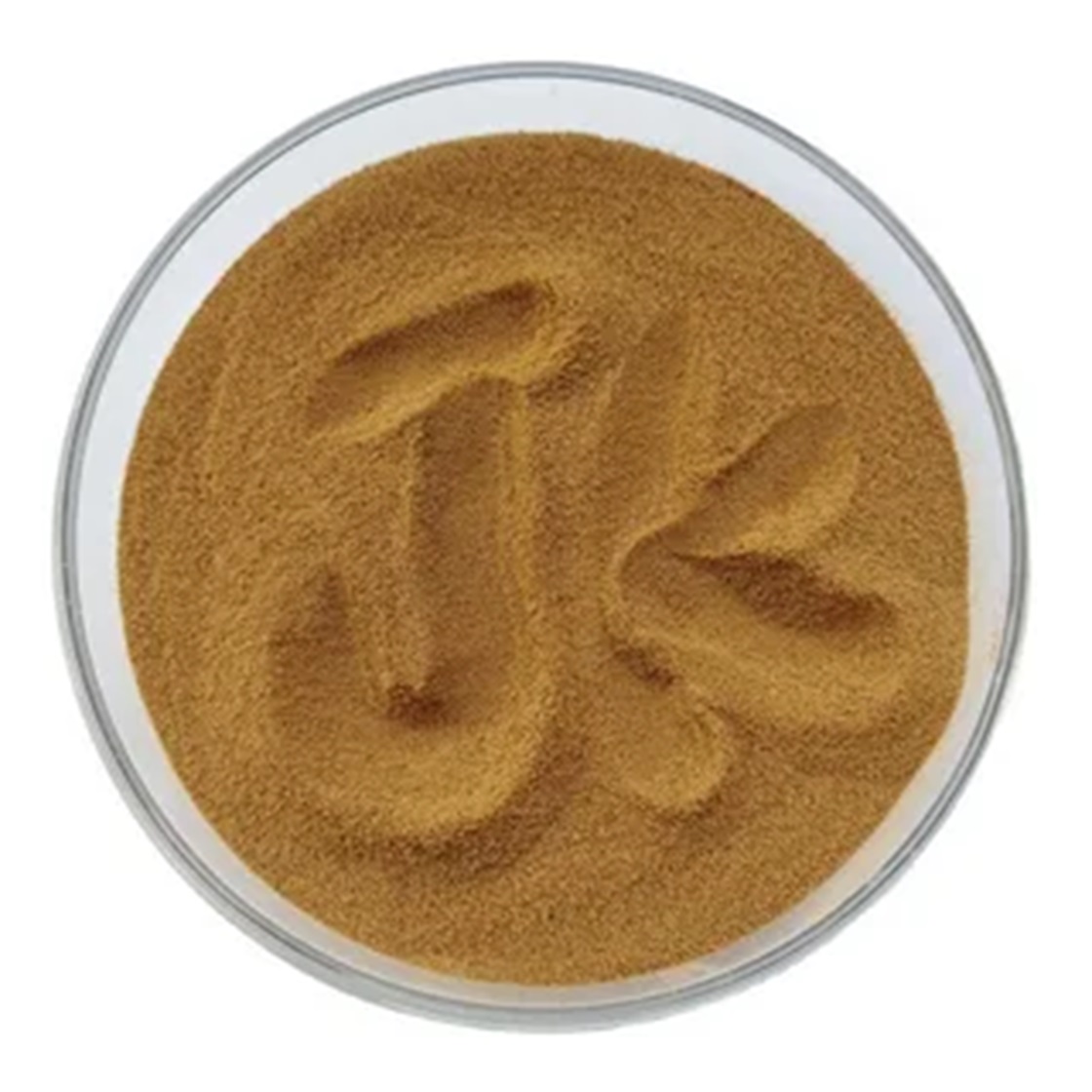
Appearance: Light yellow to yellowish-brown powder
-
Type: Anionic surfactant, condensation product of naphthalene sulfonic acid and formaldehyde
Key Properties
-
Dispersant & Superplasticizer: Provides excellent dispersion of cement particles, reducing agglomeration.
-
Water Reduction: High-range water-reducing agent, lowering water demand in concrete by up to 25%.
-
Rheology Control: Improves fluidity, pumpability, and workability of concrete and gypsum mixtures.
-
Thermal & Chemical Stability: Stable under alkaline conditions, compatible with cement chemistry.
-
Purity: High active content (~93%), ensuring low foaming and consistent performance.
Applications
-
Construction Industry:
-
Used in ready-mix concrete, precast elements, and high-strength concrete.
-
Enhances slump retention and mechanical strength.
-
Improves surface finish and reduces honeycombing.
-
-
Gypsum Board Production:
-
Acts as a fluidifier, improving slurry flow and board uniformity.
-
-
Industrial Formulations:
-
Used in detergents and cleaning chemicals as a dispersant.
-
Raw material for compound accelerators, anti-freezing agents, and retarders.
-
Advantages
-
Cost-effective compared to other superplasticizers.
-
Compatible with most cement types and admixtures.
-
Enhances durability and compressive strength of concrete.
-
Reduces energy consumption in mixing and pumping operations.
Typical Dosage
-
Concrete: 0.5–1.5% by weight of cement (depending on mix design and performance requirements).
-
Gypsum/Other Applications: Adjusted according to formulation needs.
Safety & Handling
-
Non-flammable, but dust may cause irritation.
-
Store in a cool, dry place, away from moisture.
-
Use protective equipment during handling.
Usage Guidelines for Sodium Naphthalene Sulfonate (Powercon 100)
1. Construction (Concrete & Mortar)
-
Function: High-range water reducer, dispersant, superplasticizer.
-
Dosage: 0.5–1.5% by weight of cement.
-
How to Use:
-
Dissolve in water before mixing with cement.
-
Add during batching to improve slump, pumpability, and compressive strength.
-
-
Benefits:
-
Reduces water demand up to 25%.
-
Improves workability without loss of strength.
-
Enhances durability and surface finish.
-
2. Gypsum Board Production
-
Function: Fluidizer for gypsum slurry.
-
Dosage: 0.2–0.5% by weight of gypsum.
-
How to Use:
-
Mix directly into slurry water.
-
Ensures uniform dispersion and smooth board surface.
-
-
Benefits:
-
Improves slurry flow.
-
Reduces defects and enhances board strength.
-
3. Mining & Mineral Processing
-
Function: Dispersant for mineral slurries.
-
Dosage: 0.1–0.3% depending on ore type and slurry density.
-
How to Use:
-
Add to slurry tanks to prevent particle agglomeration.
-
-
Benefits:
-
Improves separation efficiency.
-
Reduces viscosity, enhancing throughput.
-
4. Detergent & Industrial Chemicals
-
Function: Dispersant and anti-redeposition agent.
-
Dosage: 0.5–2% depending on formulation.
-
How to Use:
-
Incorporated into powder or liquid detergent formulations.
-
-
Benefits:
-
Prevents dirt redeposition.
-
Improves cleaning efficiency.
-
5. Metallurgy
-
Function: Dispersant in metal treatment baths.
-
Dosage: 0.1–0.5% depending on bath composition.
-
How to Use:
-
Add to electrolyte or treatment solution.
-
-
Benefits:
-
Improves bath stability.
-
Enhances uniformity of metal deposition.
-
Sectoral Suitability Table
| Sector | Function | Typical Dosage (% by weight) | Mode of Use | Benefits |
|---|---|---|---|---|
| Construction | Superplasticizer | 0.5–1.5 (cement) | Dissolve in water, add during mixing | Water reduction, strength, durability |
| Gypsum Boards | Fluidizer | 0.2–0.5 (gypsum) | Mix into slurry water | Flow improvement, surface quality |
| Mining | Dispersant | 0.1–0.3 (slurry) | Add to slurry tanks | Better separation, lower viscosity |
| Detergents | Anti-redeposition agent | 0.5–2 (formulation) | Blend into detergent base | Cleaning efficiency, dirt dispersion |
| Metallurgy | Bath dispersant | 0.1–0.5 (bath solution) | Add to electrolyte/treatment bath | Bath stability, uniform deposition |