We unleash your business potential by maximize the business innovation.
Send EmailTriethanolamine, Trolamine, TEA, TEOA, TEA85, TEA99, 102-71-6
TRIETHANOLAMINE (TEA / TEOA / TROLAMINE)
Triethanolamine / 2,2',2''-Nitrilotriethanol / Trolamine
CAS Number: 102-71-6
EC Number: 203-049-8
1. IDENTIFICATION
| Property | Information |
|---|---|
| Chemical Name | Triethanolamine |
| Synonyms | TEA, TEOA, Trolamine, Tris(2-hydroxyethyl)amine, 2,2',2''-Nitrilotriethanol, Alkanolamine 244, Daltogen, Sting-Kill, Biafine, Rhenofit 3555, Ultra PC |
| Chemical Formula | C₆H₁₅NO₃ / N(CH₂CH₂OH)₃ |
| Molecular Weight | 149.19 g/mol |
| CAS Number | 102-71-6 |
| EC Number (EINECS) | 203-049-8 |
| Appearance | Colorless to pale yellow, viscous liquid |
| Odor | Slight ammonia-like odor |
2. PHYSICAL PROPERTIES
| Property | TEA 85% (Low Freeze Grade) | TEA 99% (Pure Grade) |
|---|---|---|
| Physical State (20°C) | Liquid | Solid/Crystalline (below 21°C) |
| Appearance | Colorless to pale yellow liquid | Colorless to pale yellow solid/liquid |
| Melting Point | -18°C to -10°C | 19-22°C (~21.6°C) |
| Boiling Point | ~335°C | ~335-360°C |
| Flash Point | ~179°C (closed cup) | ~179°C (closed cup) |
| Density (20°C) | ~1.12 g/cm³ | 1.124-1.127 g/cm³ |
| Viscosity (25°C) | ~400-600 mPa·s | ~600-800 mPa·s |
| pH (1% solution) | 10.5-11.5 | 10.5-11.5 |
| Refractive Index (20°C) | ~1.482 | ~1.485 |
| Vapor Pressure (20°C) | <0.01 mmHg | <0.01 mmHg |
Key Physical Notes:
-
TEA 99% solidifies below 21°C (melting point ~21.6°C)
-
TEA 85% (Low Freeze Grade) remains liquid at lower temperatures
-
Both grades are completely miscible with water, ethanol, and glycerin
3. CHEMICAL PROPERTIES
| Property | Information |
|---|---|
| Chemical Formula | C₆H₁₅NO₃ / N(CH₂CH₂OH)₃ |
| Molecular Weight | 149.19 g/mol |
| Chemical Class | Tertiary amine + Triol (three alcohol groups) |
| Ionic Character | Weak base |
| pH (1% solution) | 10.5-11.5 (basic) |
| pKa (25°C) | 7.76-7.82 |
| Hygroscopicity | Very hygroscopic |
| Solubility | Completely miscible with water, ethanol, glycerin; soluble in methanol, acetone, benzene, ether, carbon tetrachloride, n-heptane; slightly soluble in chloroform; insoluble in petroleum ether |
| Stability | Stable under normal conditions; may darken (yellow to brown) when exposed to air and heat |
| Incompatible Materials | Strong oxidizing agents, strong acids, isocyanates, epoxides, nitrosating agents |
Key Chemical Features:
-
Contains both amine (basic) and alcohol (hydroxyl) functional groups
-
Forms salts with acids (soap formation with fatty acids)
-
Excellent emulsifying agent
-
Effective pH buffer and neutralizer
-
Can form complexes with metal ions
4. GRADES & TYPES
| Grade | Purity | Physical Form | Key Features | Applications |
|---|---|---|---|---|
| TEA 85% (Low Freeze Grade) | ~85% (in water) | Liquid (low freeze point) | Remains liquid at low temperatures; easier handling in cold climates | General industrial, detergents, metalworking |
| TEA 99% (Pure Grade) | ≥ 99% | Solid/liquid | Highest purity; requires warming to liquefy (above 21°C) | High-precision applications, cosmetics, pharmaceuticals |
| TEA 99% LFG | ≥ 99% | Solid/liquid | Low freeze grade with high purity | Premium applications |
| Trolamine 99NF | ≥ 99% | Solid/liquid | USP/NF grade; pharmaceutical quality | Pharmaceuticals, medical applications |
| TEA Technical Grade | 85-99% | Varies | Standard industrial grade | General industrial applications |
5. PRODUCTION PROCESS
| Stage | Description |
|---|---|
| 1. Raw Materials | Ethylene oxide and ammonia |
| 2. Reaction | Ethylene oxide reacts with ammonia in a reactor under controlled conditions (temperature and pressure) |
| 3. Product Mixture | The reaction produces a mixture of mono-, di-, and triethanolamine (MEA, DEA, TEA) |
| 4. Separation | TEA is separated from MEA and DEA by fractional distillation based on boiling point differences |
| 5. Purification | Separated TEA is further purified to achieve desired purity (85% or 99%) |
| 6. Formulation | For 85% grade, purified TEA is diluted with water |
Reaction Equations (Simplified):
NH₃ + C₂H₄O → MEA (Monoethanolamine)
MEA + C₂H₄O → DEA (Diethanolamine)
DEA + C₂H₄O → TEA (Triethanolamine)
Global Production Volume: ~150,000 metric tons annually
6. APPLICATIONS
6.1. Cosmetics & Personal Care (Major Use)
| Application | Function | Typical Concentration |
|---|---|---|
| Skin Creams & Lotions | Emulsifier, pH adjuster, humectant | Up to 2.5% (leave-on) |
| Shampoos & Conditioners | pH adjuster, foam stabilizer | As needed |
| Facial Cleansers | Emulsifier, pH adjuster | As needed |
| Sunscreens | Emulsifier, pH adjuster | As needed |
| Shaving Creams | Thickener, emulsifier, foaming agent | As needed |
| Makeup (Mascara, Foundation) | Emulsifier, viscosity modifier | As needed |
| Deodorants & Antiperspirants | Emulsifier, pH adjuster | As needed |
| Hair Dyes & Bleaches | pH adjuster | As needed |
| Lip Balms | Emulsifier, moisturizer | As needed |
| Ultrasound Gels | Neutralizing agent for Carbomer | As needed |
Important Cosmetic Safety Note: For leave-on products, maximum TEA concentration is 2.5%. Product must be pure with minimal nitrosamine content (≤ 50 µg/kg) and secondary amine content (≤ 0.5%).
6.2. Detergents & Cleaning Products
| Application | Function |
|---|---|
| Liquid Laundry Detergents | Surfactant, pH adjuster, soil suspending agent |
| Dishwashing Liquids | Surfactant, grease cutting agent |
| Industrial Cleaners | Emulsifier, pH adjuster |
| Hard Surface Cleaners | Wetting agent, pH adjuster |
| Toilet Bowl Cleaners | Thickener, pH adjuster |
6.3. Metalworking & Corrosion Inhibition
| Application | Function |
|---|---|
| Cutting Fluids | Corrosion inhibitor, emulsifier, pH buffer |
| Metalworking Fluids | Corrosion inhibitor, lubricant additive |
| Anti-rust Formulations | Corrosion inhibitor (used with liquid caustic) |
| Rust Removers | Neutralizing agent (used with HCl) |
| Descaling Agents | Surface cleaning and de-scaling |
| Functional Fluids | Protective gel formation on metal surfaces |
6.4. Construction & Cement Industry
| Application | Function |
|---|---|
| Cement Additives | Grinding aid, corrosion inhibitor for rebar |
| Concrete Admixtures | Strength enhancer, corrosion protection |
| Rebar Corrosion Protection | Prevents/delays rust formation on construction steel |
6.5. Paints, Coatings & Inks
| Application | Function |
|---|---|
| Water-based Paints | pH adjuster, stabilizer, rheology modifier |
| Coatings | Emulsifier, pH buffer |
| Printing Inks | Solvent, pH adjuster |
| Varnishes | Neutralizing agent |
6.6. Adhesives & Sealants
| Application | Function |
|---|---|
| Adhesives | Emulsifier, pH adjuster |
| Sealants | Neutralizing agent, binder |
6.7. Textile Industry
| Application | Function |
|---|---|
| Fabric Finishing | Intermediate in softening chemical production |
| Amin-based Soaps | Low-alkalinity cleaning for wool and silk |
| Printing Pastes | Hygroscopic agent, active ingredient |
| Acetate Rayon Production | Dye manufacturing intermediate |
| Antistatic Agent | Reduces static charge on fabrics |
6.8. Gas Treatment & Chemical Synthesis
| Application | Function |
|---|---|
| Gas Sweetening | Removes H₂S and CO₂ from natural gas and refinery gases (less common than MEA commercially) |
| Chemical Intermediate | Used in production of various chemicals |
| Catalyst | Catalyzes reactions (e.g., isocyanate-polyol in polyurethane) |
6.9. Pharmaceutical & Medical
| Application | Function |
|---|---|
| Topical Anesthetic Creams | Neutralizing agent (percutaneous local anesthetics) |
| Lidocaine HCl Gels | Neutralizing agent |
| Injection Solutions | pH adjuster |
| NSAID Formulations | Neutralizing agent for pain relief products |
| Suppository Base | Emulsifier |
6.10. Agrochemicals
| Application | Function |
|---|---|
| Pesticide Formulations | Solvent, emulsifier, pH adjuster |
| Herbicides | Solvent for zinc sulfate and boric acid-based formulations |
| Fungicides | Emulsifier |
6.11. Rubber & Plastics
| Application | Function |
|---|---|
| Polyurethane Production | Catalyst for isocyanate-polyol reaction |
| Rubber Vulcanization | Accelerator |
| Plasticizers | Intermediate |
6.12. Other Applications
| Application | Function |
|---|---|
| Automotive Antifreeze | Corrosion inhibitor, pH adjuster |
| Aircraft De-icing Fluids | Neutralizing agent (with CMC as thickener) |
| Photographic Chemicals | Processing agent |
| Paper Products | Processing aid |
| Leather Processing | Tanning and finishing aid |
| Wood Treatment | Wood preservation |
| Floor Polishes | Emulsifier, film former |
| Waxes & Paraffins | Emulsifier |
| Greases & Lubricants | Additive, emulsifier |
| Oil Field Chemicals | Corrosion inhibitor, scale inhibitor |
7. COSMETIC & PERSONAL CARE – SPECIFIC FORMULATIONS
7.1. Skin Lightening/Cream Formulations
TEA is used as a neutralizing agent in combination with:
-
EDTA (chelating agent)
-
Sorbitol (humectant)
-
Glycerin (moisturizer)
-
Glyceryl Stearate (GMS 90) (emulsifier)
7.2. Shaving Foams
TEA provides:
-
Thickening properties
-
Wetting properties
-
Surface tension reduction
-
Creates dense, creamy foam
7.3. Hair Dyes
TEA is used to adjust pH and enhance dye penetration.
7.4. Cold Weather Products
TEA 85% (Low Freeze Grade) is preferred for cold weather applications and storage.
8. COMPARISON: TEA 85% vs TEA 99%
| Parameter | TEA 85% (Low Freeze Grade) | TEA 99% (Pure Grade) |
|---|---|---|
| Purity | ~85% (with water) | ≥ 99% |
| Physical State (20°C) | Liquid | Solid (crystalline) |
| Freezing Point | -18°C to -10°C | ~21°C |
| Handling | Easier (no heating required) | Requires warming to >25°C to liquefy |
| Water Content | ~15% | < 1% |
| Cost | Lower | Higher |
| Applications | General industrial, detergents | High-precision, cosmetics, pharma |
9. COMPARISON WITH OTHER ETHANOLAMINES
| Property | MEA (Monoethanolamine) | DEA (Diethanolamine) | TEA (Triethanolamine) |
|---|---|---|---|
| Molecular Formula | C₂H₇NO | C₄H₁₁NO₂ | C₆H₁₅NO₃ |
| Molecular Weight | 61.08 | 105.14 | 149.19 |
| Melting Point (°C) | 10-11 | 28 | 21.6 |
| Boiling Point (°C) | 170 | 271 | 335-360 |
| Basicity (pKa) | 9.50 | 8.88 | 7.76-7.82 |
| Viscosity (cP, 25°C) | 24 | 380 | 600-800 |
| Primary Use | Gas sweetening | Detergents, cosmetics | Cosmetics, metalworking |
10. QUALITY SPECIFICATIONS
| Parameter | TEA 85% | TEA 99% |
|---|---|---|
| Purity (TEA) | 85 ± 1% | ≥ 99% |
| MEA Content | ≤ 1% | ≤ 0.5% |
| DEA Content | ≤ 3% | ≤ 1% |
| Water Content | ~15% | ≤ 0.5% |
| Color (Pt-Co) | ≤ 50 | ≤ 50 |
| pH (1% solution) | 10.5-11.5 | 10.5-11.5 |
| Density (20°C) | 1.12-1.13 g/cm³ | 1.124-1.127 g/cm³ |
| Refractive Index (20°C) | ~1.482 | ~1.485 |
| Secondary Amines | ≤ 0.5% | ≤ 0.5% |
| Nitrosamines (FDA regulated) | ≤ 50 µg/kg | ≤ 50 µg/kg |
11. STORAGE & HANDLING
| Parameter | Information |
|---|---|
| Storage Conditions | Cool, dry, well-ventilated area |
| Temperature | TEA 85%: 5-30°C; TEA 99%: >25°C (keep above melting point) |
| Container Requirements | Tightly closed, corrosion-resistant containers (stainless steel, HDPE, lined drums) |
| Protect From | Heat, moisture, air (prevents darkening), strong oxidizing agents, strong acids |
| Shelf Life | 12-24 months (when stored properly; TEA 99% may darken with age) |
| Hygroscopicity | Very hygroscopic – absorbs moisture from air |
| Material Compatibility | Compatible with stainless steel, HDPE, PP, glass; avoid contact with copper, brass, zinc (corrosive) |
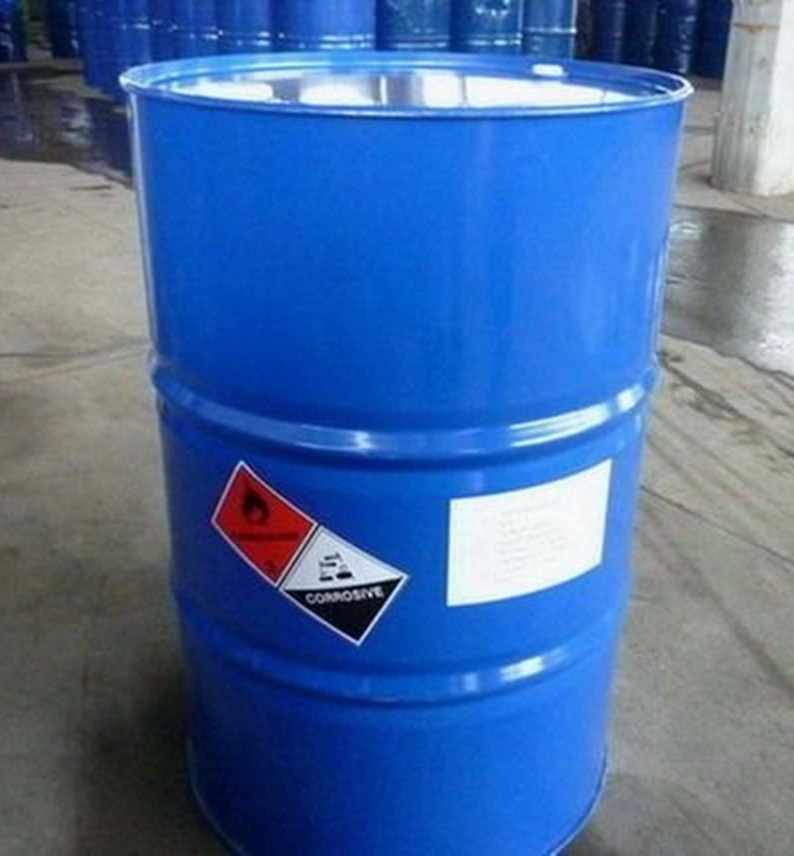
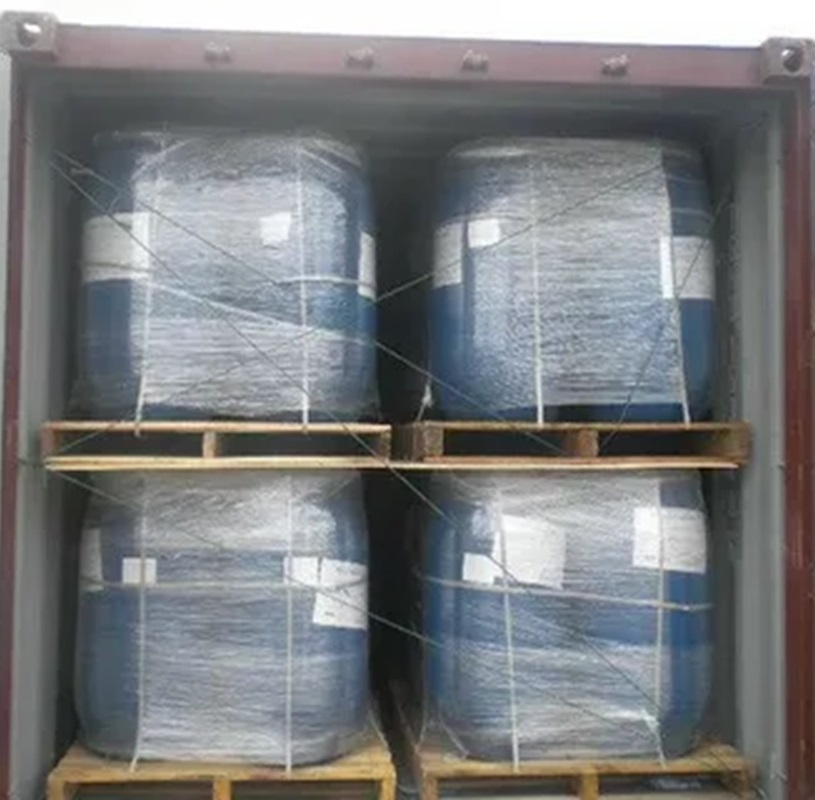
| Packaging Options | 200 kg drums, 215 kg drums, 1000 kg IBC totes, ISO tanks, bulk tankers, 20 kg small containers |
Storage Notes:
-
TEA 99% solidifies below 21°C. To liquefy, warm to 25-30°C using a warm room, drum heater, or water bath.
-
Solidification is normal and does not affect product quality.
-
Store in a dry environment to prevent moisture absorption.
-
Protect from air and light to prevent discoloration (yellow to brown).
12. SAFETY & HEALTH INFORMATION
GHS Classification
| Hazard Class | Category |
|---|---|
| Skin Corrosion/Irritation | Category 2 (H315) |
| Serious Eye Damage/Irritation | Category 1 (H318) |
| Specific Target Organ Toxicity (Single exposure) | Category 3 (H335) |
| Chronic Aquatic Toxicity | Category 3 (H412) |
Hazard Statements (H-Codes)
| Code | Statement |
|---|---|
| H315 | Causes skin irritation |
| H318 | Causes serious eye damage |
| H335 | May cause respiratory irritation |
| H412 | Harmful to aquatic life with long-lasting effects |
Precautionary Statements (P-Codes)
| Code | Statement |
|---|---|
| P261 | Avoid breathing mist/vapors |
| P264 | Wash thoroughly after handling |
| P273 | Avoid release to the environment |
| P280 | Wear protective gloves, protective clothing, eye protection, face protection |
| P302+P352 | IF ON SKIN: Wash with plenty of water |
| P305+P351+P338 | IF IN EYES: Rinse cautiously with water for several minutes |
| P310 | Immediately call a POISON CENTER or doctor |
Toxicological Information
| Parameter | Value |
|---|---|
| Oral LD50 (rat) | 5,000-8,000 mg/kg (low toxicity) |
| Dermal LD50 (rabbit) | > 2,000 mg/kg |
| Inhalation LC50 (rat) | > 5.0 mg/L (4 hours) |
| Skin Irritation | Mild to moderate irritant |
| Eye Irritation | Severe irritant – causes serious eye damage |
| Skin Sensitization | May cause allergic reactions in sensitive individuals |
| Mutagenicity | No evidence of mutagenicity |
| Carcinogenicity | Not classified as carcinogen; but nitrosamine contamination (if present) is carcinogenic |
Health Effects:
-
Eyes: Causes serious eye damage
-
Skin: Causes skin irritation; may cause allergic dermatitis in sensitive individuals
-
Inhalation: May cause respiratory tract irritation
-
Ingestion: Low toxicity; large amounts may cause gastrointestinal distress
Nitrosamine Risk:
-
TEA can react with nitrosating agents to form N-nitrosamines, some of which are carcinogenic
-
Regulations require nitrosamine content ≤ 50 µg/kg for cosmetic-grade TEA
-
Secondary amine content must be ≤ 0.5%
First Aid Measures
| Exposure Route | Action |
|---|---|
| Inhalation | Remove to fresh air. Seek medical attention if respiratory irritation occurs. |
| Skin Contact | Wash with plenty of water and soap for at least 15 minutes. Remove contaminated clothing. Seek medical attention if irritation persists. |
| Eye Contact | Rinse immediately with plenty of water for at least 15 minutes. Remove contact lenses if present. Seek immediate medical attention. |
| Ingestion | Rinse mouth. Do NOT induce vomiting. Drink water. Seek immediate medical attention. |
Personal Protective Equipment (PPE)
| Equipment | Recommendation |
|---|---|
| Respiratory Protection | Organic vapor respirator (if ventilation inadequate) |
| Hand Protection | Chemical-resistant gloves (nitrile, neoprene, butyl rubber) |
| Eye Protection | Chemical safety goggles with side shields |
| Body Protection | Chemical-resistant apron, lab coat, protective clothing |
NFPA 704
| Health (Blue) | Fire (Red) | Reactivity (Yellow) | Special (White) |
|---|---|---|---|
| 2 | 1 | 0 | None |
13. FIRE FIGHTING MEASURES
| Parameter | Information |
|---|---|
| Flash Point | ~179°C (closed cup) |
| Auto-ignition Temperature | ~355°C |
| Fire Hazard | Combustible but not easily ignited |
| Extinguishing Media | Carbon dioxide, dry chemical powder, alcohol-resistant foam, water spray |
| Special Hazards | Decomposes when heated, releasing toxic gases (nitrogen oxides, carbon monoxide) |
| Protective Equipment | Self-contained breathing apparatus (SCBA), full protective clothing |
14. ENVIRONMENTAL INFORMATION
| Parameter | Information |
|---|---|
| Biodegradability | Readily biodegradable |
| Aquatic Toxicity | Harmful to aquatic life with long-lasting effects (EC50/LC50 > 10-100 mg/L range) |
| Bioaccumulation | Low potential (Log P = -0.5 to -0.8) |
| Persistence | Low |
| Waste Disposal | Dispose according to local regulations. Avoid release to the environment. |
15. TRANSPORT INFORMATION
| Parameter | Information |
|---|---|
| UN Number | 2491 |
| Hazard Class | 8 (Corrosive liquid) |
| Packing Group | III |
| Proper Shipping Name | TRIETHANOLAMINE |
| ADR/RID Class | 8 (Corrosive) |
| IMDG Class | 8 |
| IATA (Air) Class | 8 |
| Marine Pollutant | No |
| EMS | F-A, S-B |
16. REGULATORY INFORMATION
| Region | Status |
|---|---|
| EU | REACH registered; approved for use in cosmetics under Cosmetics Regulation (EC) 1223/2009 |
| Turkey (KKDIK) | Mandatory compliance; requires registration |
| USA (FDA) | Approved for use in cosmetics; GRAS for some applications |
| USA (TSCA) | Listed |
| Canada (DSL) | Listed |
| Australia (AICS) | Listed |
| Japan (ENCS) | Listed |
| Korea (KECL) | Listed |
Cosmetic Restrictions (EU):
-
Maximum concentration in leave-on products: 2.5%
-
Nitrosamine content: ≤ 50 µg/kg
-
Secondary amine content: ≤ 0.5%
17. SYNONYMS & OTHER NAMES
| Turkish Name | English Name |
|---|---|
| Trietanolamin | Triethanolamine |
| TEA | TEA |
| TEOA | TEOA |
| Trolamin | Trolamine |
| Tris(2-hidroksietil)amin | Tris(2-hydroxyethyl)amine |
| 2-[Bis(2-hidroksietil)amino]etanol | 2-[Bis(2-hydroxyethyl)amino]ethanol |
| N,N,N-Tri(2-hidroksietil)amin | N,N,N-Tri(2-hydroxyethyl)amine |
| 2,2′,2′′-Nitrilotrietanol | 2,2′,2′′-Nitrilotriethanol |
| Alkanolamin 244 | Alkanolamine 244 |
| Daltogen | Daltogen |
| Biafine | Biafine |
| Sting-Kill | Sting-Kill |
| Rhenofit 3555 | Rhenofit 3555 |
| Ultra PC | Ultra PC |
Database Identifiers:
-
CAS: 102-71-6
-
EC: 203-049-8
-
MDL: MFCD00002855
-
PubChem CID: 7618
-
RTECS: KL9275000
-
UNII: 9O3K93S3TK
-
HS Code: 2922.15
18. SUMMARY
Triethanolamine (TEA / TEOA / Trolamine, CAS 102-71-6) is a tertiary amine and triol (three alcohol groups) compound that functions as an emulsifier, pH adjuster, surfactant, and neutralizing agent. It is a viscous, hygroscopic liquid (or solid below 21°C) with a slight ammonia-like odor.
Key Features:
| Feature | TEA 85% | TEA 99% |
|---|---|---|
| Appearance | Colorless to pale yellow liquid | Colorless to pale yellow solid/liquid |
| Melting Point | -18°C to -10°C | ~21.6°C |
| Density (20°C) | ~1.12 g/cm³ | 1.124-1.127 g/cm³ |
| pH (1% solution) | 10.5-11.5 | 10.5-11.5 |
Main Application Areas:
| Sector | Applications |
|---|---|
| Cosmetics & Personal Care | Emulsifier, pH adjuster, humectant in creams, lotions, shampoos, sunscreens, shaving creams |
| Detergents & Cleaning | Surfactant, pH adjuster, emulsifier |
| Metalworking | Corrosion inhibitor, emulsifier in cutting fluids |
| Construction | Cement additive, rebar corrosion inhibitor |
| Paints & Coatings | pH adjuster, rheology modifier |
| Textile | Softening agent, antistatic agent, dye intermediate |
| Pharmaceutical | Neutralizing agent, pH adjuster in topical preparations |
| Gas Treatment | Acid gas removal (H₂S, CO₂) |
| Rubber & Plastics | Catalyst, accelerator |
Key Safety Points:
-
EYE DAMAGE – Causes serious eye damage
-
SKIN IRRITANT – Causes skin irritation
-
HYGROSCOPIC – Absorbs moisture; store in sealed containers
-
NITROSAMINE RISK – Can form carcinogenic nitrosamines with nitrosating agents
-
SOLIDIFIES BELOW 21°C (TEA 99%) – Warm to liquefy
19. IMPORTANT NOTES
-
Physical State at Room Temperature: TEA 99% solidifies at temperatures below 21°C (melting point ~21.6°C). It is commonly sold as a solid (crystalline) or must be warmed to liquefy. TEA 85% (Low Freeze Grade) remains liquid at much lower temperatures (-18°C to -10°C) and is preferred for cold climates.
-
Hygroscopic Nature: TEA is very hygroscopic and absorbs moisture from the air. Keep containers tightly sealed when not in use to prevent water absorption and quality degradation. Moisture absorption can lead to crystallization issues in TEA 99%.
-
Nitrosamine Concern: TEA can react with nitrosating agents (nitrites, nitrates) to form N-nitrosamines, some of which are known carcinogens. For cosmetic and pharmaceutical applications, nitrosamine content must be ≤ 50 µg/kg, and secondary amine content must be ≤ 0.5%.
-
Discoloration: TEA may darken from colorless/yellow to brown when exposed to air, heat, or light over time. This discoloration is typically not an indication of degradation for industrial applications but may be unacceptable for cosmetic/pharmaceutical use.
-
Concentration Limits in Cosmetics: In the EU, maximum TEA concentration in leave-on cosmetic products is 2.5%. There is no specific limit for rinse-off products, but good manufacturing practices should be followed.
-
Versatile Emulsifier: TEA forms soaps (salts) with fatty acids (e.g., stearic acid, oleic acid), creating effective emulsifiers for oil-in-water emulsions in cosmetics, polishes, and coatings.
-
Corrosion Inhibition: TEA is effective as a corrosion inhibitor for ferrous metals when used in metalworking fluids, antifreeze, and cooling systems. It forms a protective film on metal surfaces.
-
Compatibility: TEA is compatible with most materials but is corrosive to copper, brass, and zinc. Use stainless steel, HDPE, or glass containers for storage.
-
Alternatives: For some applications, alternative neutralizing agents include:
-
AMP (2-Amino-2-methyl-1-propanol): Lower volatility, better for coatings
-
NaOH (Sodium Hydroxide): Stronger base, lower cost
-
DEA (Diethanolamine): Lower molecular weight, similar properties
-
TIPA (Triisopropanolamine): Similar to TEA with different branching
-
-
Storage Life: TEA 99% has a typical shelf life of 12-24 months when stored properly. Over time, it may darken and absorb moisture. TEA 85% has similar or slightly longer shelf life due to dilution.
Important Disclaimer: This Technical Data Sheet (TDS) is for informational purposes only. For complete safety, handling, storage, and regulatory compliance information, always refer to the official Safety Data Sheet (SDS) provided by the manufacturer/supplier.