We unleash your business potential by maximize the business innovation.
Send EmailTriisopropanolamine, TIPA, 122-20-3
TRIISOPROPANOLAMINE (TIPA)
Triisopropanolamine / TIPA / Tris(2-hydroxypropyl)amine
CAS Number: 122-20-3
EC Number: 204-528-4
1. IDENTIFICATION
| Property | Information |
|---|---|
| Chemical Name | Triisopropanolamine |
| Synonyms | TIPA, Tris(2-hydroxypropyl)amine, 1,1',1''-Nitrilotri-2-propanol, Tri-2-propanolamine, Tri-iso-propanolamine |
| Chemical Formula | C₉H₂₁NO₃ / (CH₃CHOHCH₂)₃N |
| Molecular Weight | 191.27 g/mol |
| CAS Number | 122-20-3 |
| EC Number (EINECS) | 204-528-4 |
| Appearance | White to pale yellow solid (crystalline/waxy) at room temperature; clear yellowish liquid when melted |
| Odor | Slight ammonia-like odor |
2. PHYSICAL PROPERTIES
| Property | Value |
|---|---|
| Physical State (20°C) | Solid (crystalline/waxy) |
| Appearance | White to brownish solid or clear yellowish liquid |
| Odor | Very light ammoniacal odor |
| Melting Point | 45 – 52 °C |
| Boiling Point | 190 °C (at 23 mmHg) / 305 °C at atmospheric pressure |
| Flash Point | 154 – 160 °C (closed cup) |
| Density (60°C) | 0.994 g/cm³ |
| Viscosity (60°C) | 138 – 141 mPa·s |
| Solubility in Water (20°C) | 83 g/100 mL (soluble) |
| Solubility in Organics | Soluble in ethanol, methanol, acetone |
| Vapor Pressure | 1.86 × 10⁻⁵ mm Hg (very low) |
| Log P (octanol/water) | -0.5 |
3. CHEMICAL PROPERTIES
| Property | Information |
|---|---|
| Chemical Formula | C₉H₂₁NO₃ / (CH₃CHOHCH₂)₃N |
| Molecular Weight | 191.27 g/mol |
| Chemical Class | Tertiary alkanolamine |
| Ionic Character | Weak base |
| pH (1% solution) | Approximately 10-11 (basic) |
| Reactivity | Reacts with acids to form salts; can neutralize acidic components |
| Hygroscopicity | Hygroscopic (absorbs moisture from air) |
| Stability | Stable under normal storage conditions |
Key Chemical Features:
-
Sterically hindered tertiary amine structure
-
Contains three hydroxyl (-OH) groups
-
Effective neutralizing agent for acidic components
-
Acts as a pH buffer
-
Can form salts with mineral and organic acids
4. PRODUCTION PROCESS
| Stage | Description |
|---|---|
| 1. Raw Materials | Propylene oxide and ammonia |
| 2. Reaction | Propylene oxide is reacted with ammonia under high pressure and temperature in a reactor |
| 3. Product Mixture | The reaction produces a mixture of mono-, di-, and triisopropanolamine (MIPA, DIPA, TIPA) |
| 4. Separation | TIPA is separated from the mixture by distillation based on boiling point differences |
| 5. Purification | The separated TIPA is further purified to achieve desired purity (85%, 90%, 98%, 99%) |
| 6. Formulation | May be diluted with water to 85% or 90% solution as required |
Reaction Equation (Simplified):
NH₃ + 3 C₃H₆O → N(CH₂CHOHCH₃)₃
(Ammonia + Propylene oxide → TIPA)
5. APPLICATIONS
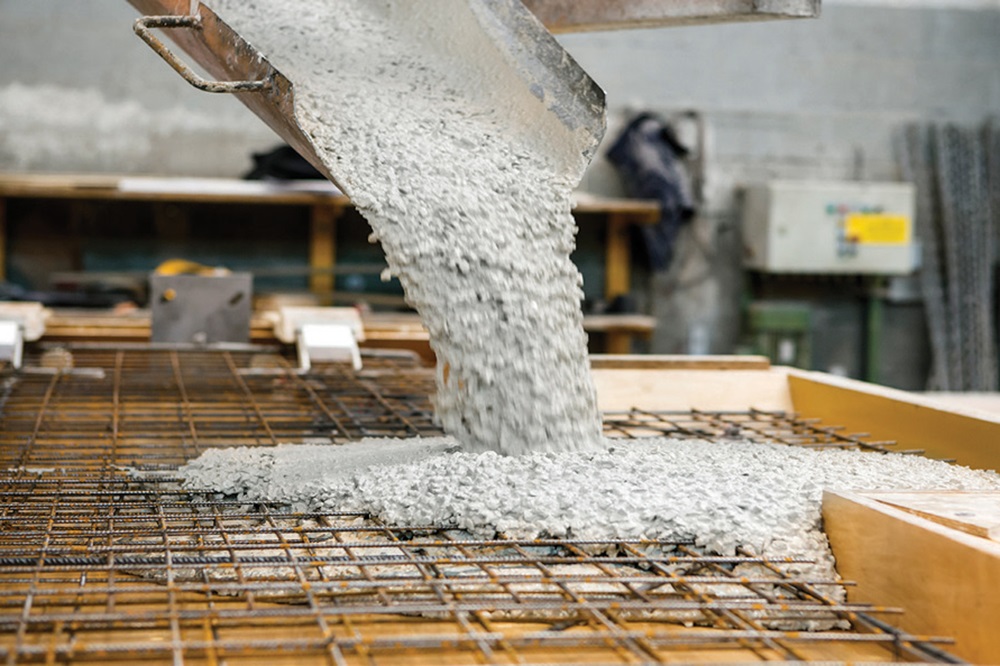
5.1. Cement Industry – Grinding Aid (Primary Use – Most Important)
| Application | Function |
|---|---|
| Cement Grinding Aid | Improves grinding efficiency, prevents agglomeration, reduces energy consumption |
| Strength Enhancer (Late Age) | Significantly increases 28-day compressive strength (up to 45% increase at 0.1% dosage) |
| Water Reducer | Reduces water demand in concrete formulations |
| Pore Structure Refinement | Improves pore distribution, resulting in durable, low-permeability concrete |
Mechanism: TIPA adsorbs on cement particle surfaces, reducing agglomeration and improving grindability. It also enhances the hydration of belite (C₂S), increasing late-age strength without affecting early strength.
5.2. Polyurethane Industry
| Application | Function |
|---|---|
| Cross-linking Agent | Improves PU foam quality, mechanical properties, and heat resistance |
| Catalyst | Acts as a catalyst in polyurethane reactions |
5.3. Rubber Industry
| Application | Function |
|---|---|
| Chain Terminator | Used in isoprene polymerization |
| Cross-linking Agent | Improves rubber mechanical properties |
5.4. Metalworking Fluids
| Application | Function |
|---|---|
| Corrosion Inhibitor | Protects metal surfaces from rust and corrosion |
| Neutralizing Agent | Neutralizes acidic components in metalworking fluids |
| Antioxidant | Used in metal annealing and quenching processes |
5.5. Paints & Coatings
| Application | Function |
|---|---|
| pH Adjuster | Regulates pH in coating and paint formulations |
| Stabilizer | Improves water resistance, weather resistance, and chemical stability |
| Cross-linker | Used in coating formulations as cross-linking agent |
5.6. Surfactants & Emulsifiers
| Application | Function |
|---|---|
| Emulsifier | Provides good emulsifying properties for various formulations |
| Wetting Agent | Improves wetting and cleaning efficacy |
| Industrial Cleaners | Added to industrial and household cleaning products |
5.7. Agrochemicals (Pesticides & Herbicides)
| Application | Function |
|---|---|
| Neutralizing Agent | Neutralizes acidic components of herbicides |
| Stabilizer | Stabilizes pesticide formulations |
| Emulsifier & Dispersant | Improves formulation stability |
5.8. Pharmaceutical & Cosmetics
| Application | Function |
|---|---|
| Excipient | Used as an auxiliary substance in some pharmaceutical preparations |
| Emulsifier | Used as emulsifying agent in cosmetics |
| pH Adjuster | Regulates pH in cosmetic formulations |
5.9. Textile Industry
| Application | Function |
|---|---|
| pH Regulator | Adjusts pH in dye formulations for uniform and stable color |
6. BENEFITS IN CEMENT APPLICATIONS
| Parameter | Without TIPA | With TIPA (0.1% dosage) |
|---|---|---|
| 28-Day Compressive Strength | Baseline | Up to 45% increase |
| Grinding Efficiency | Baseline | Up to 19% increase |
| Energy Consumption | Baseline | Significant reduction |
| Pore Structure | Standard | Refined, lower permeability |
Comparison with TEA (Triethanolamine):
-
TIPA provides superior late-age strength (28 days) compared to TEA
-
TIPA shows better thermal stability for high-temperature curing
-
TIPA is preferred for tropical infrastructure projects
7. QUALITY SPECIFICATIONS
| Parameter | Typical Value (98% Grade) | Test Method |
|---|---|---|
| Purity (TIPA) | ≥ 98.0% | – |
| MIPA Content | ≤ 0.5% | – |
| DIPA Content | ≤ 0.5% | – |
| Water Content | ≤ 0.5% | – |
| Appearance | White to brown solid / clear liquid | Visual |
| Color (Pt-Co) | ≤ 50 | |
| Freezing Point | ≥ 45 °C | |
| Density (60°C) | ~0.994 g/cm³ |
8. GRADES AVAILABLE
| Grade | Purity | Form | Applications |
|---|---|---|---|
| TIPA 85% | 85% (in water) | Liquid | Cement grinding aids, general industrial |
| TIPA 90% | 90% (in water) | Liquid | Cement grinding aids |
| TIPA 97% | 97% | Solid/Liquid (melted) | Industrial applications |
| TIPA 98% | 98% | Solid/Liquid | High-purity applications |
| TIPA 99% | 99% | Solid/Liquid | Premium cement additives, specialty |
9. STORAGE & HANDLING
| Parameter | Information |
|---|---|
| Storage Conditions | Cool, dry, well-ventilated area; protect from moisture |
| Container Requirements | Tightly closed, corrosion-resistant containers (HDPE, lined drums, stainless steel) |
| Protect From | Moisture, strong acids, strong oxidizing agents |
| Shelf Life | 6-12 months (higher purity grades have shorter shelf life; 98%: 6 months ) |
| Hygroscopicity | Hygroscopic – absorbs moisture; keep container tightly sealed |
| Incompatible Materials | Strong acids, strong oxidizing agents |
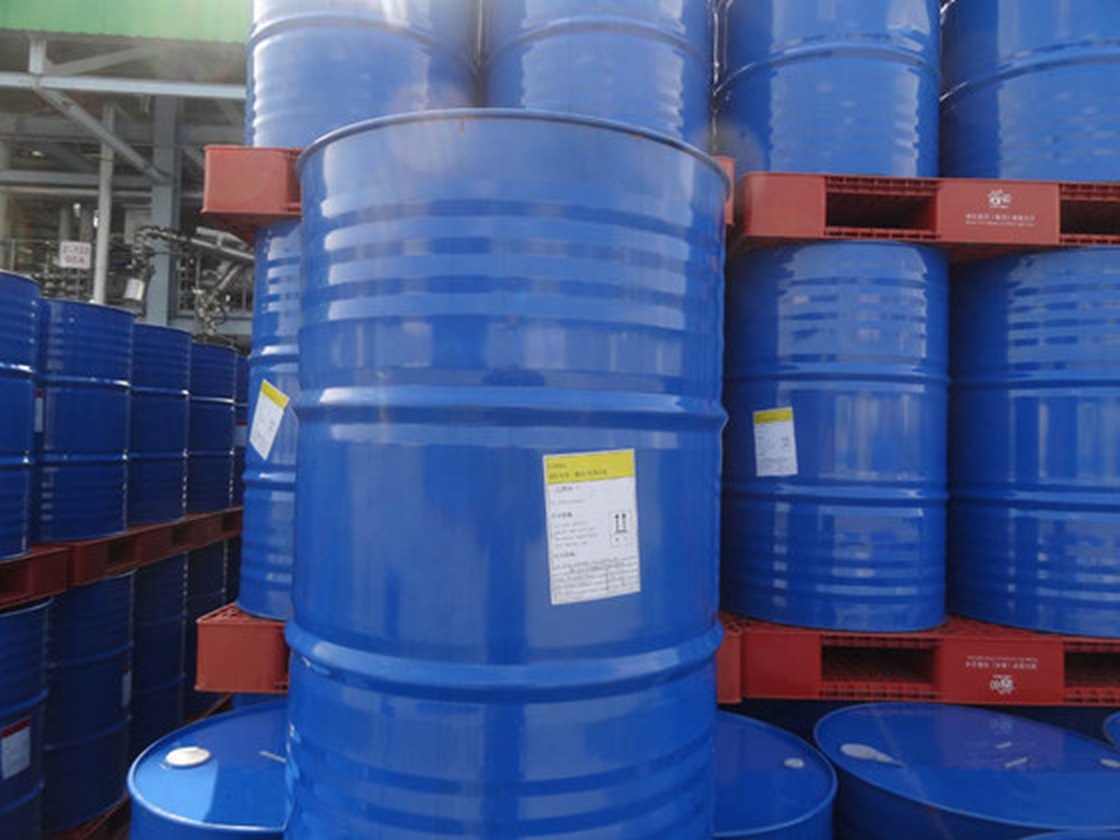
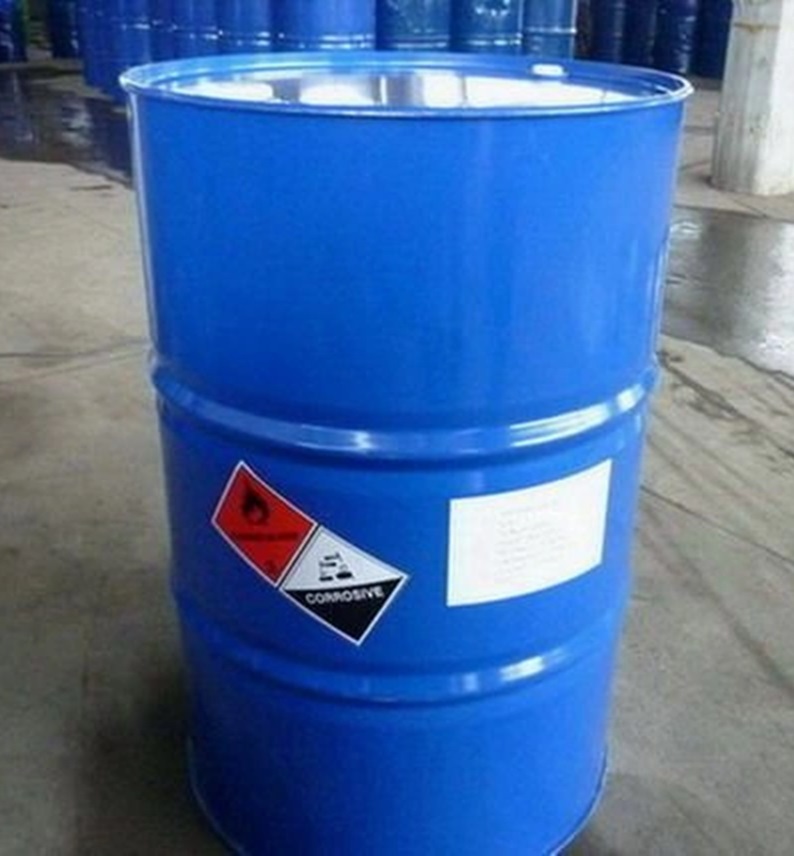
| Packaging Options | 200 kg drums, 215 kg drums, 20 kg small containers, IBC totes, ISO tanks, bulk tankers |
Storage Notes:
-
Product solidifies below 45°C. To liquefy, warm to 50-60°C.
-
Solidification is normal and does not affect product quality.
-
Store in dry environment to prevent moisture absorption.
10. SAFETY & HEALTH INFORMATION
GHS Classification
| Hazard Class | Category |
|---|---|
| Skin Corrosion/Irritation | Category 2 (H315) |
| Serious Eye Damage/Irritation | Category 2A (H319) |
| Acute Aquatic Toxicity | Category 3 (H402) |
| Chronic Aquatic Toxicity | Category 3 (H412) |
Hazard Statements (H-Codes)
| Code | Statement |
|---|---|
| H315 | Causes skin irritation |
| H319 | Causes serious eye irritation |
| H402 | Harmful to aquatic life |
| H412 | Harmful to aquatic life with long-lasting effects |
Precautionary Statements (P-Codes)
| Code | Statement |
|---|---|
| P261 | Avoid breathing dust/mist |
| P264 | Wash thoroughly after handling |
| P273 | Avoid release to the environment |
| P280 | Wear protective gloves, protective clothing, eye protection, face protection |
| P302+P352 | IF ON SKIN: Wash with plenty of water |
| P305+P351+P338 | IF IN EYES: Rinse cautiously with water for several minutes |
Toxicological Information
| Parameter | Value |
|---|---|
| Acute Toxicity | Generally considered low toxicity; nearly non-toxic |
| Skin Irritation | Mild to moderate irritant |
| Eye Irritation | Severe eye irritant |
| Skin Sensitization | Not reported as sensitizer |
| Mutagenicity | No evidence of mutagenicity |
Health Effects:
-
Eyes: Causes serious eye irritation
-
Skin: Causes skin irritation; generally not a sensitizer
-
Inhalation: May cause respiratory tract irritation
-
Ingestion: Low toxicity
NFPA 704 (Estimated)
| Health (Blue) | Fire (Red) | Reactivity (Yellow) | Special (White) |
|---|---|---|---|
| 2 | 1 | 0 | None |
Personal Protective Equipment (PPE)
| Equipment | Recommendation |
|---|---|
| Respiratory Protection | Dust mask when handling solid form (if ventilation inadequate) |
| Hand Protection | Chemical-resistant gloves (nitrile, neoprene) |
| Eye Protection | Chemical safety goggles |
| Body Protection | Lab coat, chemical-resistant apron |
First Aid Measures
| Exposure Route | Action |
|---|---|
| Inhalation | Remove to fresh air. Seek medical attention if respiratory irritation occurs. |
| Skin Contact | Wash with plenty of water and soap for at least 15 minutes. Remove contaminated clothing. |
| Eye Contact | Rinse immediately with plenty of water for at least 15 minutes. Remove contact lenses if present. Seek medical attention if irritation persists. |
| Ingestion | Rinse mouth. Do NOT induce vomiting. Seek medical attention if large amount ingested. |
11. FIRE FIGHTING MEASURES
| Parameter | Information |
|---|---|
| Flash Point | 154-160 °C (closed cup) |
| Auto-ignition Temperature | Not established |
| Fire Hazard | Combustible but not easily ignited; non-explosive |
| Extinguishing Media | Foam, dry chemical powder, carbon dioxide, water spray |
| Special Hazards | May release toxic gases (nitrogen oxides) when heated to decomposition |
| Protective Equipment | Self-contained breathing apparatus (SCBA), full protective clothing |
12. ENVIRONMENTAL INFORMATION
| Parameter | Information |
|---|---|
| Aquatic Toxicity | Harmful to aquatic life with long-lasting effects |
| Biodegradability | Expected to be biodegradable |
| Bioaccumulation | Low potential (Log P = -0.5) |
| Waste Disposal | Dispose according to local regulations. Avoid release to the environment. |
13. TRANSPORT INFORMATION
| Parameter | Information |
|---|---|
| UN Number | 3259 (for solid form) |
| Hazard Class | 8 (Corrosive solid, n.o.s. – Amines, solid, corrosive) |
| Packing Group | III |
| Proper Shipping Name | AMINES, SOLID, CORROSIVE, N.O.S. (Triisopropanolamine) |
| Marine Pollutant | No |
| Transport Classification | Not regulated for liquid solutions typically |
14. REGULATORY INFORMATION
| Region | Status |
|---|---|
| EU | REACH registered |
| Turkey (KKDIK) | Mandatory compliance; requires registration |
| USA (TSCA) | Listed |
| Canada (DSL) | Listed |
| Australia (AICS) | Listed |
| EINECS | 204-528-4 |
15. SYNONYMS & OTHER NAMES
| Turkish Name | English Name |
|---|---|
| Triizopropanolamin | Triisopropanolamine |
| TIPA / TİPA | TIPA |
| Tris(2-hidroksipropil)amin | Tris(2-hydroxypropyl)amine |
| 1,1',1''-Nitrilotri-2-propanol | 1,1',1''-Nitrilotri-2-propanol |
| Tri-2-propanolamine | Tri-2-propanolamine |
| Tri-iso-propanolamine | Tri-iso-propanolamine |
Database Identifiers:
-
CAS: 122-20-3
-
EC: 204-528-4
-
MDL: MFCD00004533
-
PubChem CID: 24730
-
Beilstein Reference: 1071570
-
UNII: W9EN9DLM98
16. SUMMARY
Triisopropanolamine (TIPA, CAS 122-20-3) is a tertiary alkanolamine widely used as a cement grinding aid and strength enhancer. It improves grinding efficiency, reduces energy consumption, and significantly increases late-age compressive strength (28-day) in concrete.
Key Features:
| Feature | Description |
|---|---|
| Appearance | White to pale yellow solid / clear liquid |
| Melting Point | 45-52 °C |
| Flash Point | 154-160 °C |
| Water Solubility | 83 g/100 mL (20°C) |
| Chemical Class | Tertiary alkanolamine |
Main Application Areas:
| Sector | Applications |
|---|---|
| Cement Industry | Grinding aid, strength enhancer, water reducer |
| Polyurethane | Cross-linking agent, catalyst |
| Rubber Industry | Chain terminator, cross-linking agent |
| Metalworking | Corrosion inhibitor, antioxidant |
| Paints & Coatings | pH adjuster, stabilizer |
| Agrochemicals | Neutralizing agent, emulsifier |
| Cosmetics | Emulsifier, pH adjuster |
| Textiles | pH regulator in dyeing |
Key Safety Points:
-
EYE IRRITANT – Causes serious eye irritation
-
SKIN IRRITANT – Causes skin irritation
-
AQUATIC TOXICITY – Harmful to aquatic life with long-lasting effects
-
HYGROSCOPIC – Absorbs moisture; store in sealed containers
17. IMPORTANT NOTES
-
Cement Grinding Aid Specialist: TIPA is specifically known for enhancing late-age strength (28 days and beyond) in cement, whereas TEA (Triethanolamine) is better for early strength . This makes TIPA particularly valuable for high-performance concrete and infrastructure projects.
-
Physical State: TIPA is a solid at room temperature (melting point 45-52°C). It is commonly handled as a molten liquid (heated to 50-60°C) or as an aqueous solution (85%, 90%). Solidification is normal and does not indicate quality issues.
-
Dosage in Cement: Typical TIPA dosage in cement grinding is 0.01-0.1% of cement weight. Higher dosages may be used for specific performance requirements.
-
Synergy with TEA: TIPA is often used in combination with TEA (Triethanolamine) in cement grinding aid formulations to achieve both early and late strength benefits.
-
Not a Superplasticizer: While TIPA is used as a cement additive, it is primarily a grinding aid and strength enhancer, not a high-range water reducer (superplasticizer). However, it does provide moderate water reduction.
-
Hygroscopicity: TIPA absorbs moisture from air. For moisture-sensitive applications, keep containers tightly sealed. Moisture absorption may affect product performance in critical applications.
-
Storage Life: Higher purity grades (98%+) have shorter shelf life (typically 6-12 months). Lower purity grades (85%) in aqueous solution have longer stability .
-
Handling Temperature: When handling solid TIPA, warm to 50-60°C to liquefy. Use appropriate heating methods (drum heaters, warm room). Do not overheat above 80°C to prevent degradation.
-
Environmental Considerations: TIPA is harmful to aquatic life. Avoid release to water bodies. Industrial effluents containing TIPA should be treated before discharge .
-
Alternatives: For cement applications, alternatives include:
-
TEA (Triethanolamine): Better for early strength, lower cost
-
DEIPA (Diethanolisopropanolamine): Similar performance profile
-
Polycarboxylate ethers: Superplasticizers for water reduction
-
Important Disclaimer: This Technical Data Sheet (TDS) is for informational purposes only. For complete safety, handling, storage, and regulatory compliance information, always refer to the official Safety Data Sheet (SDS) provided by the manufacturer/supplier.