We unleash your business potential by maximize the business innovation.
Send EmailGum Rosin, Colophony Resin, Staybelite Resin, Hydrogenated Rosin, Disproportionated Rosin, Pine Rosin, 8050-09-7
GUM ROSIN (COLOPHONY / COLOPHONIUM)
Pine Rosin / Staybelite Resin / Hydrogenated Rosin / Disproportionated Rosin / E915
CAS Number: 8050-09-7
EC Number: 232-475-7
1. IDENTIFICATION
| Property | Information |
|---|---|
| Chemical Name | Gum Rosin (Colophony) |
| Synonyms | Colophonium, Pine rosin, Staybelite resin, Hydrogenated rosin, Disproportionated rosin, Rosin |
| Chemical Formula (Representative) | C₁₉H₂₉COOH (abietic acid – main component) |
| CAS Number | 8050-09-7 |
| EC Number (EINECS) | 232-475-7 |
| E Number | E915 (Food additive – glazing agent) |
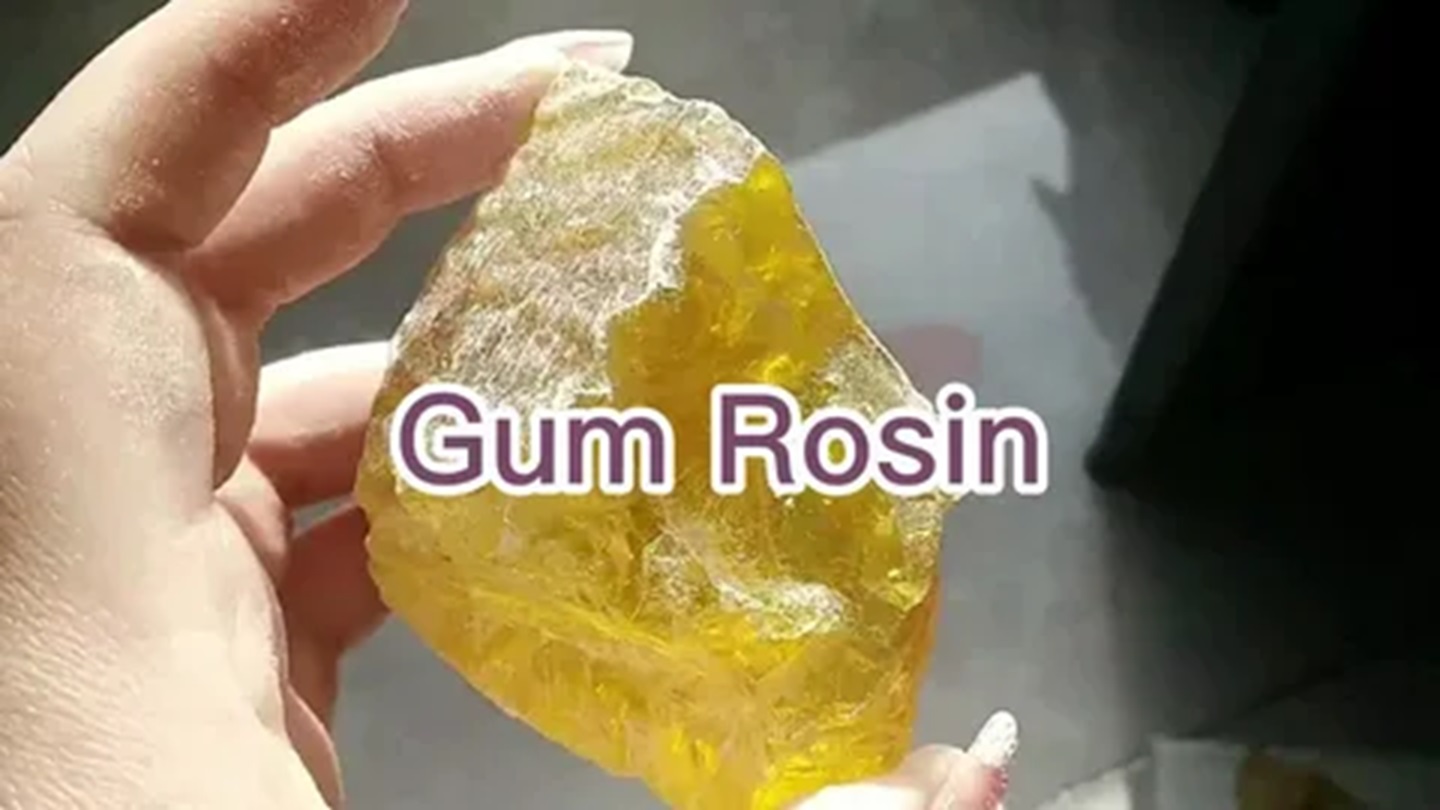
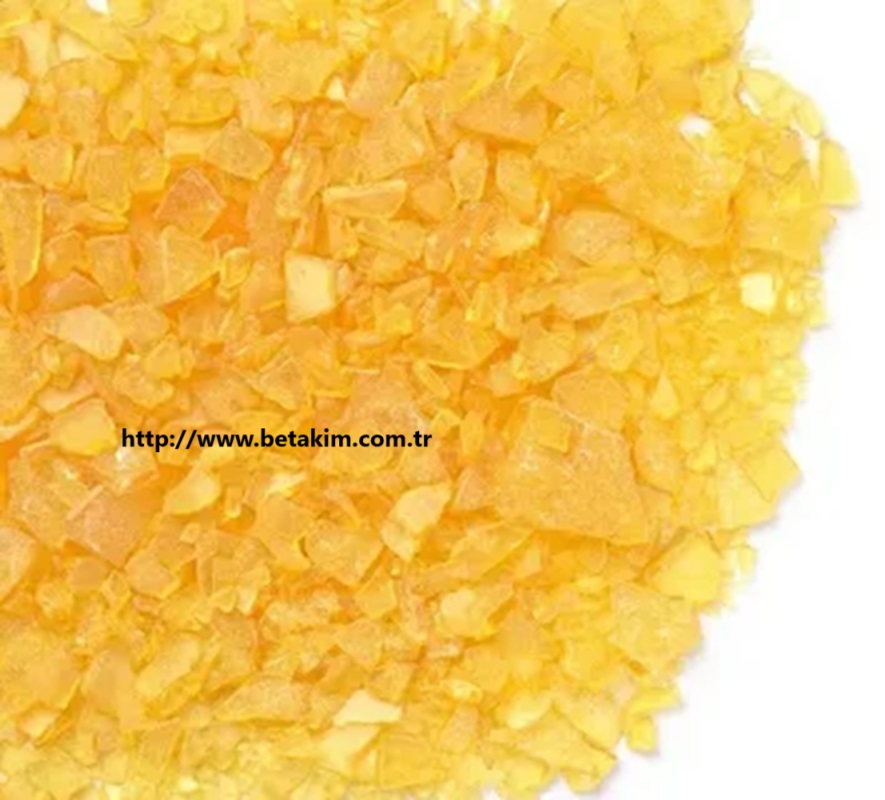
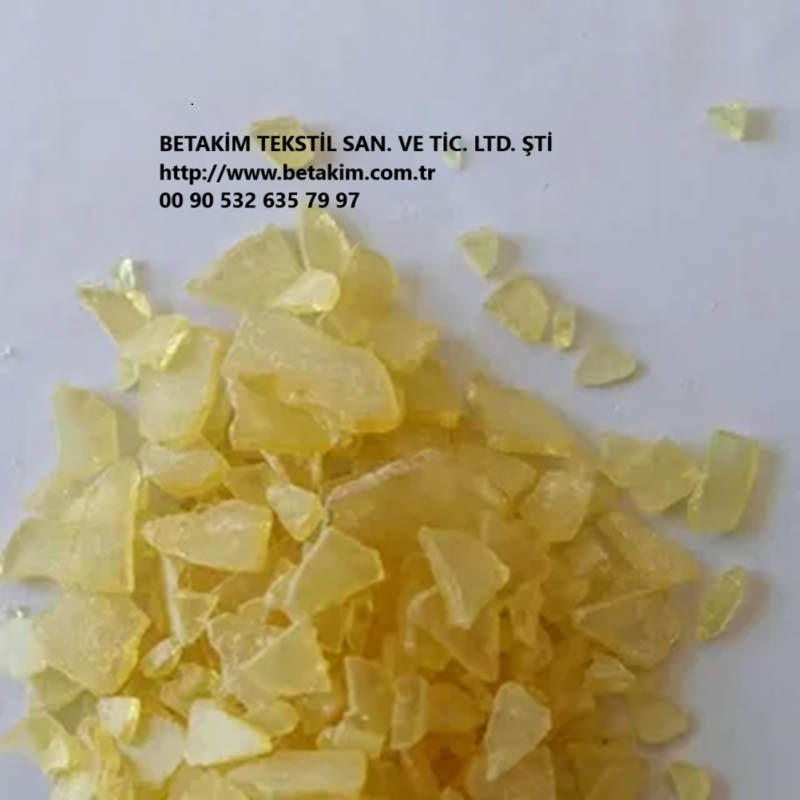
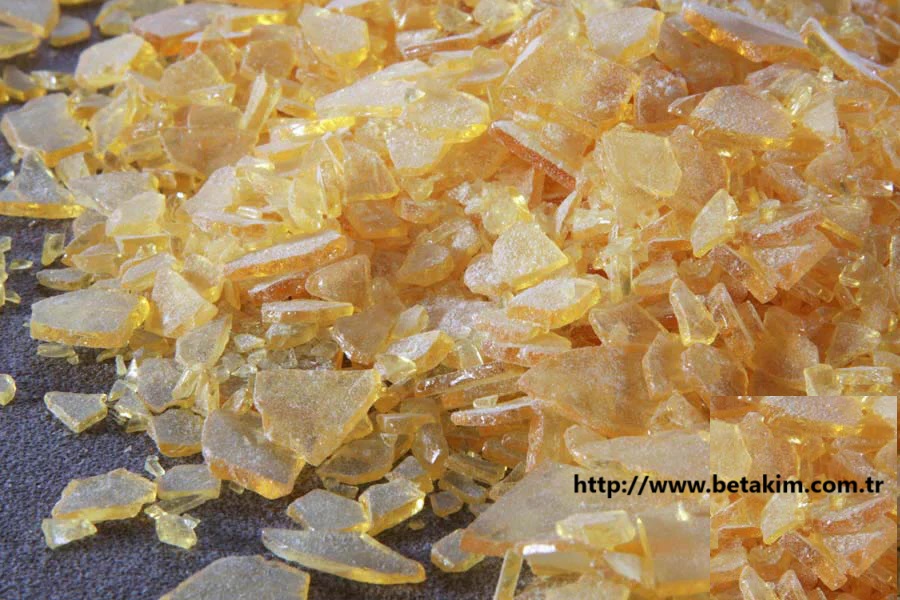
| Appearance | Yellow to amber, translucent solid (color ranges from yellow to dark brown/black) |
| Odor | Characteristic pine-like odor |
| Source | Pine trees (Pinus species) |
2. PHYSICAL PROPERTIES
| Property | Value |
|---|---|
| Physical State (20°C) | Solid (brittle, glassy) |
| Appearance | Yellow to dark amber, translucent to opaque solid |
| Odor | Characteristic pine/terpene odor |
| Melting Point | 50 – 85 °C (varies by grade) |
| Softening Point | 65 – 80 °C (Ring & Ball method) |
| Density (20°C) | 1.07 – 1.10 g/cm³ |
| Acid Value | 160 – 180 mg KOH/g |
| Saponification Value | 160 – 185 mg KOH/g |
| Iodine Value | 100 – 180 |
| Solubility in Water | Insoluble |
| Solubility in Organic Solvents | Soluble in alcohol, acetone, ether, benzene, turpentine, oils |
| Flash Point | ~180 °C |
| Ignition Temperature | ~300 °C |
| Refractive Index (20°C) | 1.545 – 1.550 |
3. CHEMICAL COMPOSITION
| Component | Approximate Percentage |
|---|---|
| Abietic Acid | 30 – 40% |
| Neoabietic Acid | 10 – 20% |
| Palustric Acid | 5 – 15% |
| Dehydroabietic Acid | 5 – 10% |
| Pimaric Acid | 5 – 10% |
| Isopimaric Acid | 5 – 10% |
| Other Resin Acids | 10 – 20% |
Main Resin Acids (C₁₉H₂₉COOH):
-
Abietic acid (primary component)
-
Pimaric acid
-
Isopimaric acid
-
Dehydroabietic acid
4. PRODUCTION PROCESS
| Stage | Description |
|---|---|
| 1. Tapping | Pine trees are tapped to collect liquid oleoresin |
| 2. Collection | Liquid oleoresin is collected from the trees |
| 3. Distillation | Oleoresin is heated to remove volatile turpentine oil |
| 4. Filtration | Molten rosin is filtered to remove impurities (bark, insects) |
| 5. Cooling | Filtered rosin is cooled and solidified |
| 6. Grading | Solid rosin is graded by color (from X (palest) to B (darkest)) |
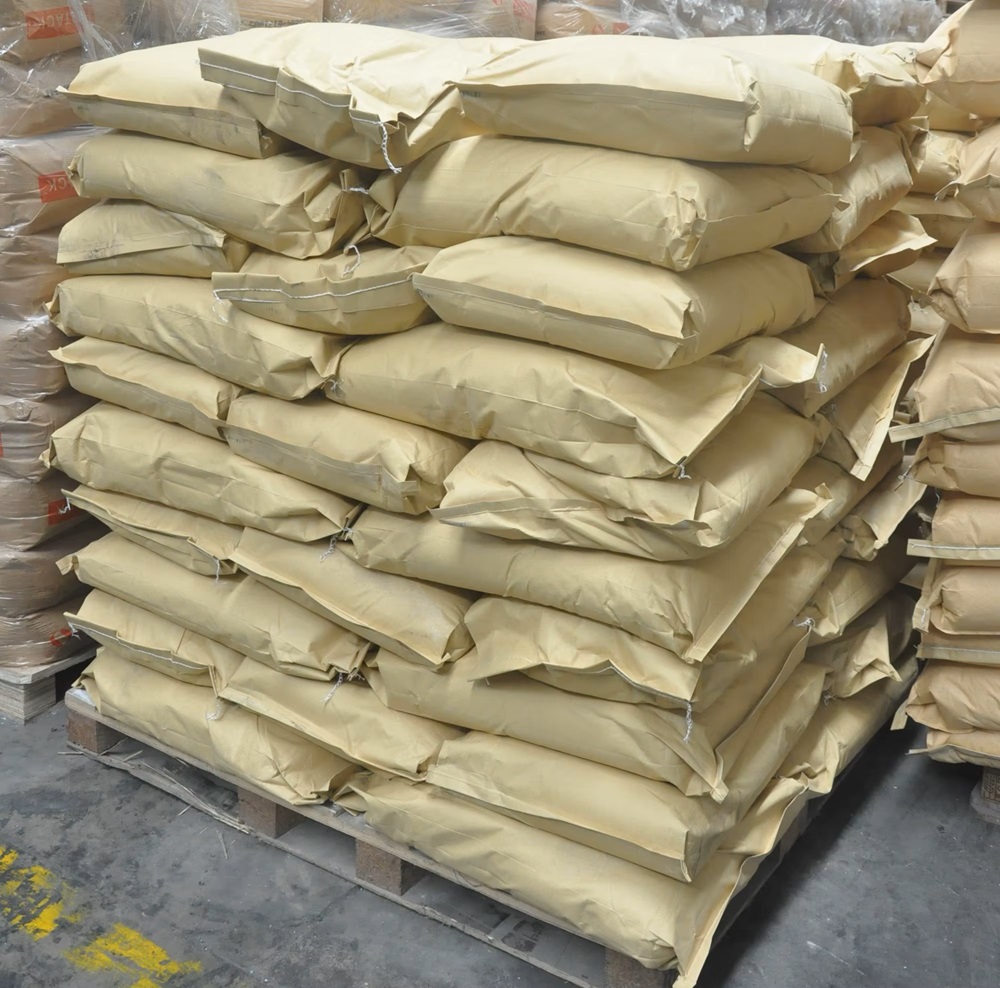
| 7. Packaging | Product is packaged in drums, bags, or blocks |
Source: Pine trees (Pinus palustris, Pinus elliottii, Pinus massoniana, etc.)
5. GRADES & TYPES
| Grade | Color | Acid Value | Softening Point | Application |
|---|---|---|---|---|
| X (Extra Pale) | Very pale yellow | 165-175 | 70-76°C | High-grade adhesives, coatings |
| WW (Window Glass) | Pale yellow | 165-175 | 70-76°C | General adhesives, printing inks |
| WG (Window Glass) | Pale yellow | 165-175 | 70-76°C | General applications |
| N (N) | Light yellow | 165-175 | 70-76°C | Industrial applications |
| K (K) | Yellow | 165-175 | 70-76°C | Industrial applications |
| I (I) | Dark yellow | 165-175 | 70-76°C | Lower-grade applications |
| H (H) | Amber | 165-175 | 70-76°C | Rubber, paper sizing |
| G (G) | Dark amber | 160-170 | 70-76°C | Soap, lower-grade |
| F (F) | Brown | 155-165 | 70-76°C | Industrial |
| E (E) | Dark brown | 150-160 | 70-76°C | Industrial |
| B (B) | Black | 145-155 | 70-76°C | Industrial |
Modified Rosin Types:
| Type | Description | Applications |
|---|---|---|
| Hydrogenated Rosin | Hydrogenation reduces color and improves stability | Adhesives, coatings, electronics |
| Disproportionated Rosin | Improves thermal stability | Synthetic rubber, adhesives |
| Staybelite Resin | Stabilized, hydrogenated rosin | Chewing gum, adhesives |
| Esterified Rosin | Reacted with glycerol/pentaerythritol | Pressure-sensitive adhesives |
6. APPLICATIONS
6.1. Chemical & Industrial (Primary Use)
| Application | Function |
|---|---|
| Printing Inks | Binder, film former, gloss enhancer |
| Varnishes | Film former, hardness, gloss |
| Adhesives | Tackifier, binder (pressure-sensitive adhesives, hot-melt adhesives) |
| Soaps | Saponification, additive |
| Waxes & Polishes | Hardness, gloss, water resistance |
| Paper Sizing | Water resistance, printability |
| Rubber | Softener, tackifier |
6.2. Food & Pharmaceutical (E915)
| Application | Function |
|---|---|
| Food Additive (E915) | Glazing agent, chewing gum base |
| Ester Gum (E445) | Glycerol ester of rosin – emulsifier in soft drinks (beverage clouding agent) |
| Chewing Gum | Base component, texture modifier |
| Pharmaceutical Ointments | Base, thickening agent, adhesive |
| Plasters | Adhesive base |
6.3. Music Industry
| Application | Function |
|---|---|
| Bow Rosin (Violin, Viola, Cello) | Increases friction between bow hair and strings; improves sound quality |
| Instrument Maintenance | Cleaning and polishing |
6.4. Sports & Dance
| Application | Function |
|---|---|
| Dance Shoes | Increases floor grip and traction |
| Sports Equipment | Improves grip (gymnastics, climbing) |
| Baseball | Improves bat grip |
6.5. Epoxy & Adhesives
| Application | Function |
|---|---|
| Epoxy Adhesives | Viscosity modifier, increases bonding strength |
| Hot-melt Adhesives | Tackifier, improves adhesion |
| Pressure-sensitive Adhesives | Tackifier |
6.6. Wood & Varnish
| Application | Function |
|---|---|
| Wood Varnishes | Protective coating, gloss, water resistance |
| Furniture Polish | Gloss, protection |
| Violin Varnish | Traditional instrument varnish |
6.7. Electronics
| Application | Function |
|---|---|
| Soldering Flux | Corrosion inhibitor, removes oxidation, improves solder wetting |
| PCB Manufacturing | Flux in wave soldering and reflow soldering |
6.8. Other Applications
| Application | Function |
|---|---|
| Candles | Hardness, burn characteristics |
| Linoleum | Binder |
| Oil Well Drilling | Additive in drilling fluids |
| Road Marking Paints | Hardness, durability |
7. MODIFIED ROSIN COMPARISON
| Type | CAS (Example) | Color | Stability | Primary Use |
|---|---|---|---|---|
| Gum Rosin (Standard) | 8050-09-7 | Yellow-amber | Moderate | General purpose |
| Hydrogenated Rosin | 65997-06-0 | Pale | High | Adhesives, electronics |
| Disproportionated Rosin | 68152-68-1 | Pale | High | Synthetic rubber |
| Esterified Rosin | 8050-31-5 | Pale | High | PSA, chewing gum |
| Staybelite Resin | 8050-09-7 (modified) | Pale | Very high | High-end adhesives |
8. SECTORAL SUITABILITY
| Sector | Suitability | Notes |
|---|---|---|
| Chemical & Industrial | High | Inks, varnishes, adhesives, soaps |
| Food & Pharmaceutical | High | E915, E445 (ester gum), ointments |
| Music | High | Bow rosin for string instruments |
| Sports & Dance | High | Floor grip, equipment tackifiers |
| Epoxy & Adhesives | High | Tackifier, viscosity modifier |
| Wood & Varnish | High | Protective coatings, polishes |
| Electronics | High | Soldering flux |
| Cosmetics | Limited | Some formulations (lipsticks, mascara) |
9. E915 – FOOD ADDITIVE SPECIFICATIONS
| Parameter | Specification |
|---|---|
| E Number | E915 |
| Acid Value | 160 – 180 mg KOH/g |
| Saponification Value | 160 – 185 mg KOH/g |
| Melting Point | 50 – 85 °C |
| Unsaponifiable Matter | ≤ 5% |
| Ash Content | ≤ 0.1% |
| Lead (Pb) | ≤ 1 ppm |
| Arsenic (As) | ≤ 1 ppm |
| Heavy Metals | ≤ 10 ppm |
10. STORAGE & HANDLING
| Parameter | Information |
|---|---|
| Storage Conditions | Cool, dry, well-ventilated area; avoid high temperatures |
| Container Requirements | Sealed drums, bags, or fiber drums |
| Protect From | Heat (melts above 50°C), moisture, strong oxidizing agents |
| Shelf Life | 24-36 months (when stored properly) |
| Flammability | Combustible (flash point ~180°C) |
| Incompatible Materials | Strong oxidizing agents, strong bases |
| Packaging Options | 25 kg bags, 225 kg steel drums, 1000 kg FIBC, 25 kg blocks |
11. SAFETY & HEALTH INFORMATION
GHS Classification
| Hazard Class | Category |
|---|---|
| Skin Sensitization | Category 1 (H317) |
| Specific Target Organ Toxicity (Single exposure) | Category 3 (H335) |
| Chronic Aquatic Toxicity | Category 2 (H411) |
Hazard Statements (H-Codes)
| Code | Statement |
|---|---|
| H317 | May cause an allergic skin reaction |
| H335 | May cause respiratory irritation |
| H411 | Toxic to aquatic life with long-lasting effects |
Precautionary Statements (P-Codes)
| Code | Statement |
|---|---|
| P261 | Avoid breathing dust/fumes |
| P272 | Contaminated work clothing should not be allowed out of the workplace |
| P280 | Wear protective gloves and eye protection |
| P302+P352 | IF ON SKIN: Wash with plenty of water |
| P333+P313 | If skin irritation or rash occurs: Seek medical attention |
Allergen Information
| Parameter | Information |
|---|---|
| Allergenicity | Colophony is a known contact allergen |
| Sensitization | Can cause allergic contact dermatitis |
| High-Risk Occupations | Musicians (string players), hairdressers, printers, electronics workers |
First Aid Measures
| Exposure Route | Action |
|---|---|
| Inhalation | Remove to fresh air. Seek medical attention if respiratory irritation occurs. |
| Skin Contact | Wash with plenty of water and soap. Remove contaminated clothing. |
| Eye Contact | Rinse immediately with plenty of water for at least 15 minutes. Seek medical attention. |
| Ingestion | Rinse mouth. Do NOT induce vomiting. Seek medical attention if large amount ingested. |
Personal Protective Equipment (PPE)
| Equipment | Recommendation |
|---|---|
| Respiratory Protection | Dust mask (when grinding/handling powder) |
| Hand Protection | Chemical-resistant gloves (nitrile) |
| Eye Protection | Safety glasses |
| Body Protection | Lab coat or protective clothing |
12. ENVIRONMENTAL INFORMATION
| Parameter | Information |
|---|---|
| Biodegradability | Readily biodegradable (natural product) |
| Aquatic Toxicity | Toxic to aquatic life with long-lasting effects (H411) |
| Bioaccumulation | Low potential |
| Source | Renewable (pine trees) |
| Waste Disposal | Can be incinerated (energy recovery) or landfilled (non-hazardous) |
13. TRANSPORT INFORMATION
| Parameter | Information |
|---|---|
| UN Number | Not regulated (non-hazardous for transport) |
| Hazard Class | None |
| Packing Group | Not applicable |
| Marine Pollutant | No |
14. ALTERNATIVES COMPARISON
| Alternative | Type | Advantages | Disadvantages |
|---|---|---|---|
| Synthetic Resins | Petroleum-based | More stable, consistent | Non-renewable, less environmentally friendly |
| Polymer-based Tackifiers | Petroleum-based | High performance | Non-renewable |
| Shellac | Natural (insect-derived) | Food-grade | More expensive |
| Carnauba Wax | Natural (plant) | Food-grade | Different properties |
| Polyurethane | Synthetic | Higher durability | Chemical-based |
15. SYNONYMS & OTHER NAMES
| Turkish Name | English Name |
|---|---|
| Kolofon Reçine | Colophony / Gum Rosin |
| Çam Reçinesi | Pine Rosin |
| Staybelite Reçine | Staybelite Resin |
| Hidrojene Reçine | Hydrogenated Rosin |
| Disproportionated Rosin | Disproportionated Rosin |
| E915 | E915 |
Database Identifiers:
-
CAS: 8050-09-7
-
EC: 232-475-7
-
E Number: E915
-
MDL: MFCD00132803
-
PubChem CID: 22833223
16. SUMMARY
Gum Rosin (Colophony, CAS 8050-09-7, E915) is a natural resin obtained from pine trees. It is a yellow to amber, translucent solid with a characteristic pine odor. It is composed primarily of resin acids (abietic acid, pimaric acid) and is widely used in adhesives, inks, varnishes, soldering flux, food additives, and music applications.
Key Features:
| Feature | Value |
|---|---|
| Appearance | Yellow to amber solid |
| Melting Point | 50-85°C |
| Acid Value | 160-180 mg KOH/g |
| Source | Renewable (pine trees) |
Main Application Areas:
| Sector | Applications |
|---|---|
| Chemical & Industrial | Printing inks, varnishes, adhesives, soaps |
| Food & Pharmaceutical | E915 (glazing agent), E445 (ester gum), ointments |
| Music | Bow rosin for string instruments |
| Sports & Dance | Floor grip, equipment tackifiers |
| Electronics | Soldering flux |
| Wood & Varnish | Protective coatings, polishes |
Key Safety Points:
-
ALLERGEN – May cause allergic skin reactions (contact dermatitis)
-
COMBUSTIBLE – Flash point ~180°C
-
RESPIRATORY IRRITANT – May cause respiratory irritation
-
RENEWABLE – Derived from pine trees
-
BIOBASED – Natural, environmentally friendly
17. IMPORTANT NOTES
-
Natural Renewable Resource: Gum rosin is obtained from pine trees through tapping. It is a renewable, biobased material, unlike petroleum-based synthetic resins.
-
Allergenicity: Colophony is a known contact allergen. People with existing allergies (especially to adhesives, cosmetics, or musical instruments) may develop allergic contact dermatitis. In the EU, products containing colophony may require labeling for certain applications.
-
E915 – Food Additive: Gum rosin is approved as food additive E915 (glazing agent) in the EU and other countries. E445 (glycerol ester of rosin) is used as a beverage clouding agent (emulsifier) in soft drinks.
-
Bow Rosin for String Instruments: For violin, viola, and cello, rosin is applied to bow hair to increase friction against strings. Different grades (light/dark) are available for different instruments and climates.
-
Soldering Flux: Rosin is the traditional flux for electronics soldering. It removes oxidation, improves wetting, and prevents corrosion. "Rosin core" solder contains rosin flux inside the solder wire.
-
Heat Sensitivity: Gum rosin softens and melts at relatively low temperatures (50-85°C). Store away from heat sources. For high-temperature applications, use hydrogenated or disproportionated rosin.
-
Color Grading: Rosin is graded by color from X (extra pale, best quality) to B (black, lowest quality). Paler rosin has higher purity and is used for high-grade applications (adhesives, coatings). Darker rosin is used for industrial applications (soap, rubber).
-
Modified Rosin: For improved stability (oxidation resistance, color stability), rosin can be hydrogenated or disproportionated. Hydrogenated rosin (Staybelite) is much more stable and is used in chewing gum and high-end adhesives.
-
Compatibility: Gum rosin is compatible with many natural and synthetic polymers, waxes, oils, and solvents. It is used as a tackifier in pressure-sensitive adhesives (PSA) and hot-melt adhesives (HMA).
-
Cleaning: Rosin residues can be removed with alcohol (ethanol, isopropanol) or commercial rosin removers. For musical instruments, specialized rosin removers are recommended to avoid damage to varnish.
Important Disclaimer: This Technical Data Sheet (TDS) is for informational purposes only. For complete safety, handling, storage, and regulatory compliance information, always refer to the official Safety Data Sheet (SDS) provided by the manufacturer/supplier.