We unleash your business potential by maximize the business innovation.
Send EmailGum Rosin, Colophony Resin, Staybelite Resin, Disproportionated rosin, Pine rosin, 8050-09-7
Gum Rosin (Colophony Resin)
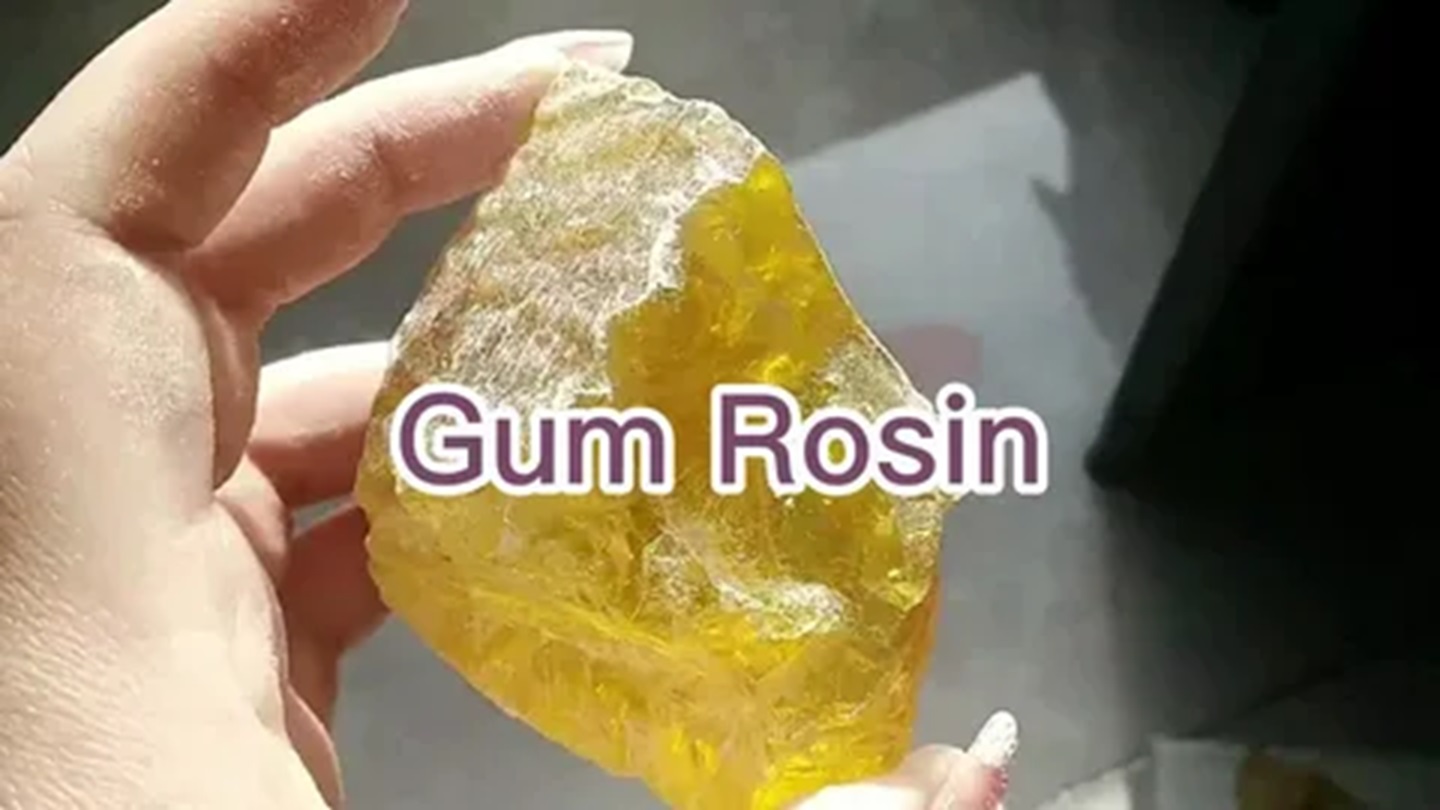
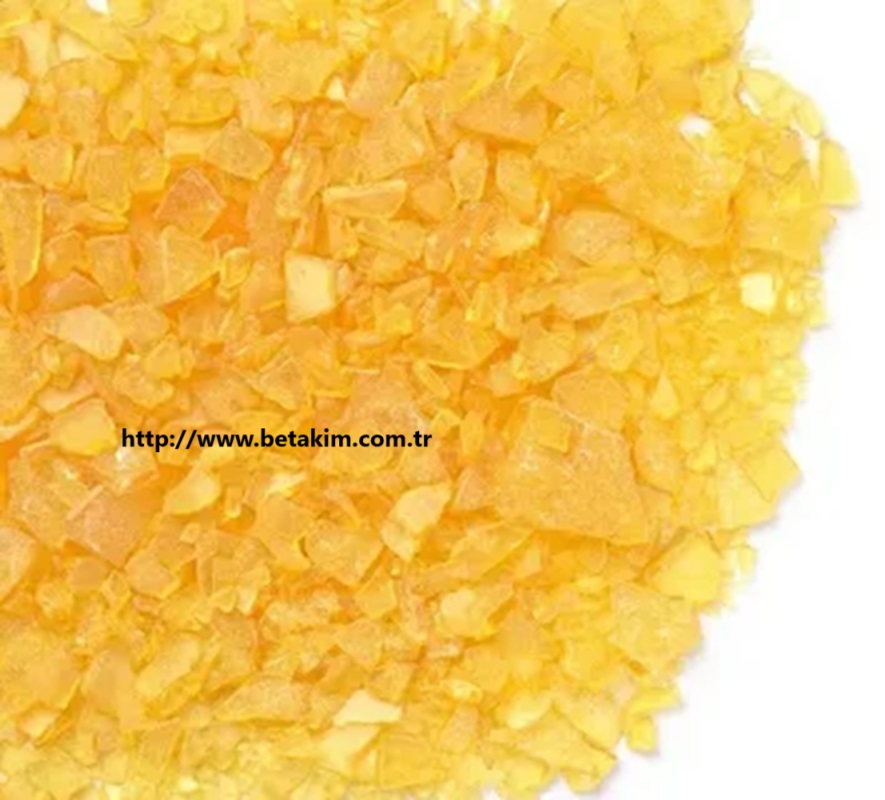
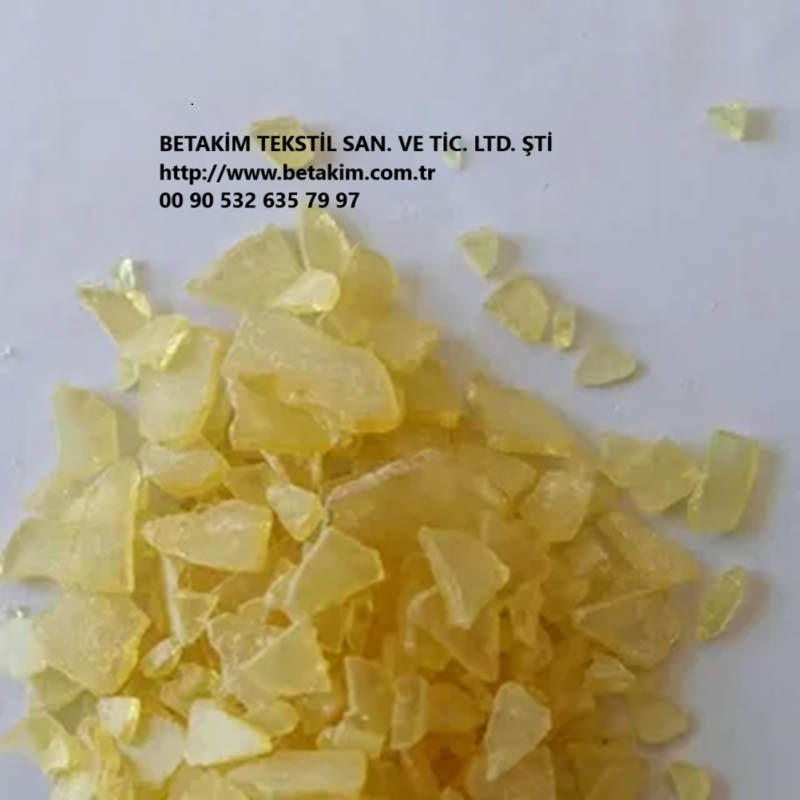
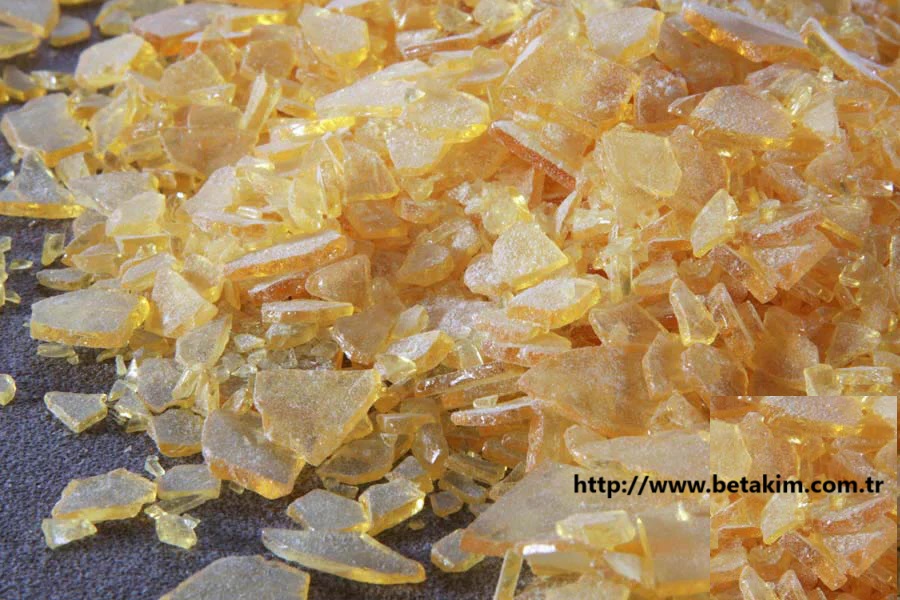
Chemical Name: Colophony Resin, Gum Rosin Chemical Formula: C₁₉H₂₉COOH CAS Number: 8050-09-7 Appearance: Yellow, semi-transparent (color may vary from yellow to black)
Description
Gum rosin, also known as colophony, is a natural resin obtained from pine trees and certain plants. It is produced by heating fresh liquid resin to evaporate volatile terpenes, leaving behind a solid resin. Due to its natural structure and hardening properties, gum rosin is widely used across various industries.
Applications
-
Chemical & Industrial: Printing inks, photocopy papers, varnishes, adhesives, soaps, soda, and waxes.
-
Food & Pharmaceuticals: Used as a food additive (E-code: E915). Related compounds such as glycerol esters (E445) serve as emulsifiers in soft drinks. Also used in ointments as a pharmaceutical component.
-
Music Industry: Essential for string instruments (violin, viola, cello). Enhances bow grip on strings, improves sound quality, and optimizes performance.
-
Sports & Dance: Applied to dance shoes, gymnastic equipment, and sports footwear to improve floor grip and stability.
-
Epoxy & Adhesives: Improves viscosity and bonding strength in epoxy adhesives.
-
Wood & Varnish: Forms a protective coating on wooden surfaces, adding shine and durability.
Key Properties
-
Natural hardening agent
-
Semi-transparent resin with variable color
-
Eco-friendly and biodegradable
Frequently Asked Questions
Q1: What is gum rosin? A1: Gum rosin is a natural resin derived from pine trees. It is obtained by drying the sap that flows from the tree bark.
Q2: Where is gum rosin used? A2: It is widely used in musical instruments, chemical industry, food additives, epoxy adhesives, and sports equipment.
Q3: Does gum rosin have health effects? A3: Gum rosin may cause allergic reactions in sensitive individuals. Inhalation of rosin fumes can irritate the respiratory tract, so it should be used in well-ventilated areas.
Q4: How can gum rosin be cleaned?
Sectoral Suitability & Alternatives Comparison
| Sector | Use of Gum Rosin | Alternatives | Comparison Notes |
|---|---|---|---|
| Chemical & Industrial | Printing inks, varnishes, adhesives, soaps, soda, waxes | Synthetic resins, polymer-based hardeners | Gum rosin is natural and eco-friendly; synthetics offer higher stability but are non-biodegradable. |
| Food & Pharmaceuticals | Food additive (E915), glycerol esters (E445) as emulsifiers, ointment component | Synthetic emulsifiers, natural resins (e.g., shellac) | Gum rosin is natural; shellac is more common in food, synthetics are cheaper but less natural. |
| Music Instruments | Enhances bow grip on strings, improves sound quality | Synthetic rosin, wax-paraffin blends | Gum rosin is traditional and preferred; synthetic rosin provides more consistent performance. |
| Sports & Dance | Improves floor grip in dance shoes and sports equipment | Rubber-based grip enhancers, specialized sports resins | Gum rosin is natural and cost-effective; rubber-based alternatives last longer. |
| Epoxy & Adhesives | Increases viscosity and bonding strength in epoxy adhesives | Synthetic polymer additives, phenolic resins | Gum rosin is eco-friendly; phenolic resins offer higher heat resistance. |
| Wood & Varnish | Protective coating on wood surfaces, adds shine | Polyurethane varnishes, acrylic coatings | Gum rosin provides natural finish; polyurethane is more durable but chemical-based. |
| Electronics | Used as flux in soldering, prevents corrosion | Synthetic flux agents | Gum rosin is traditional; synthetic flux leaves fewer residues and offers better control. |