We unleash your business potential by maximize the business innovation.
Send EmailCoco Fatty Acid, Distilled Coco Fatty Acid, Coconut Oil Acid, DCFA, DTFA, CFA, 61788-47-4
DISTILLED COCONUT FATTY ACID (DCFA / DTFA / CFA)
Coco Fatty Acid / Coconut Oil Acid
CAS Number: 61788-47-4
1. IDENTIFICATION
| Property | Information |
|---|---|
| Chemical Name (INCI) | Distilled Coconut Fatty Acid |
| Common Names | Coco Fatty Acid, Coconut Oil Acid, Distilled Coco Fatty Acid (DCFA/DTFA), CFA |
| CAS Number | 61788-47-4 |
| Chemical Formula (Representative) | C₁₈H₃₄O₂ (Oleic Acid – main unsaturated component) |
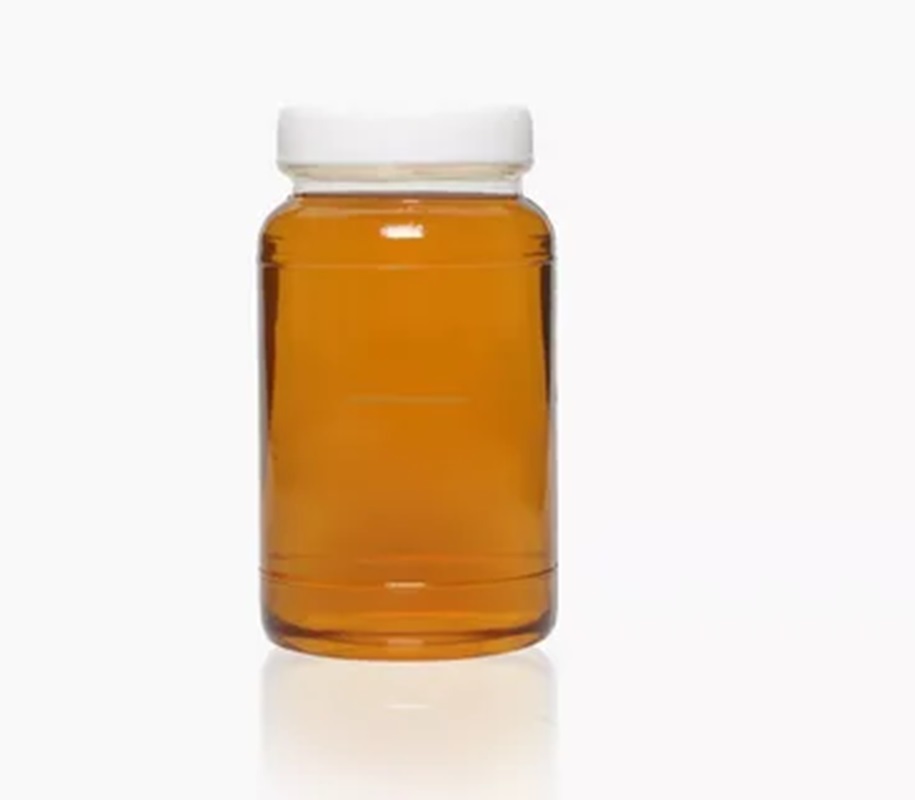
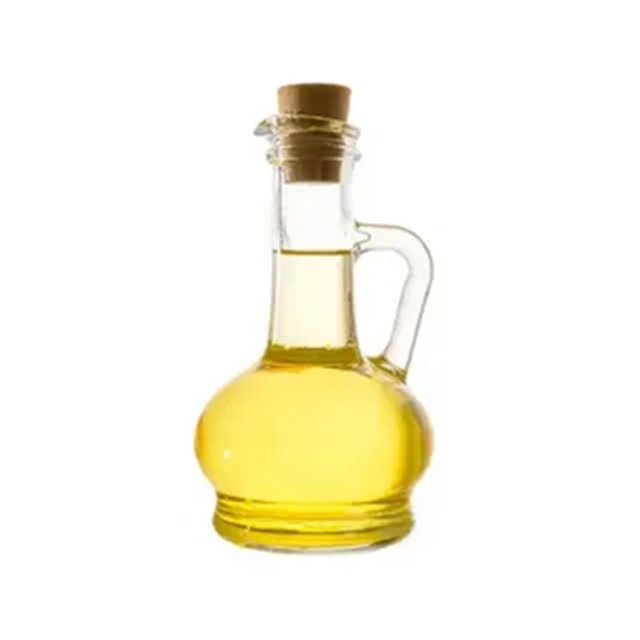
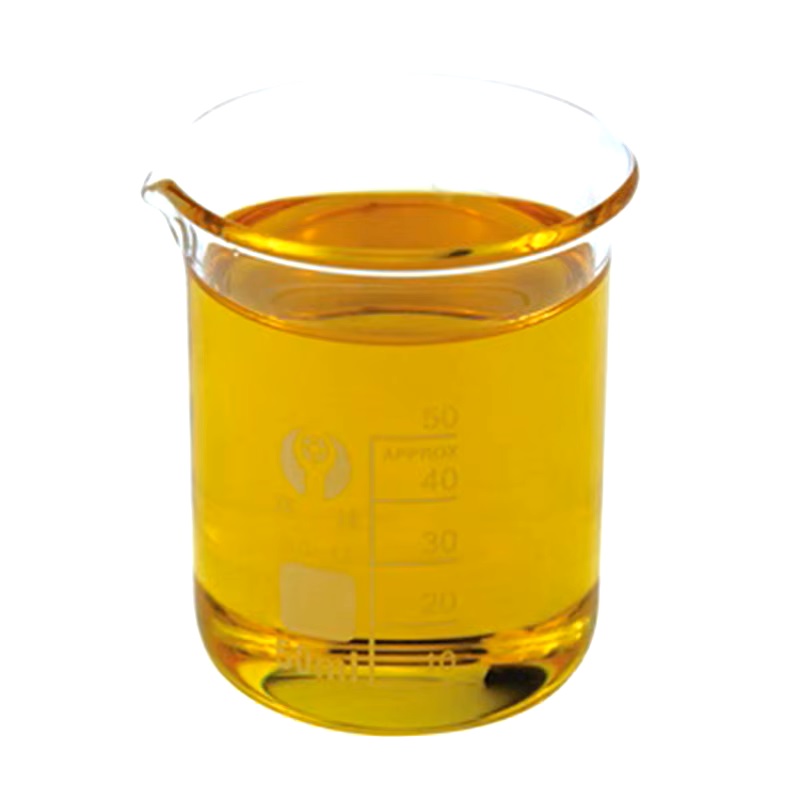
| Appearance | Pale yellow, semi-solid to liquid (depending on temperature/grade) |
| Odor | Characteristic fatty odor |
| Source | Natural – derived from coconut oil (Cocos nucifera) |
Trade Names / Brand Variants:
-
PALMERA Coconut Acid
-
ALMERA Coconut Acid
-
Jordapon® SB II
-
CremerAC® C 8-18
-
CremerAC® C12-18 Organic
-
Prifac™ 7901 (D)
-
Prifac™ 7904
-
Prifac™ 7907
-
BAFRORII T60
-
VegePol PF (D)
-
Lonza
-
Mascid 1012
2. PHYSICAL & CHEMICAL PROPERTIES
| Property | Value |
|---|---|
| Physical State (20-25°C) | Semi-solid to liquid (depends on temperature) |
| Appearance | Pale yellow clear to hazy liquid/semi-solid |
| Color | Pale yellow |
| Odor | Characteristic fatty odor |
| Acid Value | 265 – 275 mg KOH/g |
| Saponification Value | 266 – 275 mg KOH/g |
| Iodine Value | 7 – 11 |
| Titer (Melting Point) | 22 – 26 °C |
| Moisture Content | Max. 0.2% |
| Solubility in Water | Insoluble |
| Solubility in Organics | Soluble in alcohol, ether, organic solvents |
| Density (approx.) | 0.88 – 0.92 g/cm³ (at 40°C) |
3. FATTY ACID COMPOSITION (% TYPICAL)
| Fatty Acid | Carbon Chain | Typical Range (%) |
|---|---|---|
| Caproic Acid | C6 | Max. 1 |
| Caprylic Acid | C8 | 5 – 8 |
| Capric Acid | C10 | 5 – 8 |
| Lauric Acid | C12 | 47 – 53 (dominant component) |
| Myristic Acid | C14 | 15 – 21 |
| Palmitic Acid | C16 | 8 – 12 |
| Stearic Acid | C18 | Max. 4 |
| Oleic Acid | C18:1 | 5 – 12 |
| Linoleic Acid | C18:2 | Max. 2 |
Key Characteristics of Composition:
-
High Lauric Acid (C12) content (47-53%) – provides excellent foaming and cleansing properties
-
Medium-chain fatty acids (C8-C10) – contribute to rapid biodegradability
-
Low unsaturated content – good oxidative stability
4. CHARACTERISTICS & PROPERTIES
| Parameter | Information |
|---|---|
| Natural Origin | Derived from coconut oil (Cocos nucifera) |
| Biodegradability | Readily biodegradable – environmentally friendly |
| Emollient Properties | Provides moisturizing and softening effects in cosmetics |
| Surfactant Properties | Acts as a cleansing and foaming agent |
| Compatibility | Compatible with anionic and non-ionic surfactants |
| Oxidative Stability | Good due to low iodine value (7-11) |
| Solubility | Insoluble in water; soluble in organic solvents |
5. APPLICATIONS
5.1. Personal Care & Cosmetics
| Application | Function |
|---|---|
| Soaps (Toilet & Laundry) | Base material for soap production (saponification) |
| Creams & Lotions | Emollient, skin conditioning agent |
| Shampoos & Shower Gels | Surfactant, cleansing agent, foam booster |
| Facial Cleansers | Mild cleansing properties |
| Lip Balms & Lipsticks | Emollient, texture enhancer |
| Shaving Creams | Lubricant, foam stabilizer |
5.2. Pharmaceutical Industry
| Application | Function |
|---|---|
| Liquid Formulations | Natural fatty acid source in liquid pharmaceutical preparations |
| Topical Preparations | Emollient and penetration enhancer |
| Suppositories | Base component |
| Excipient | As a pharmaceutical excipient |
5.3. Industrial Applications
| Application | Function |
|---|---|
| Metallic Soaps | Production of metal soaps (Zn, Ca, Mg stearates) |
| Rubber Processing | Activator, processing aid, mold release agent |
| Textile Industry | Lubricant, softener, antistatic agent |
| Polishes & Waxes | Component in shoe, floor, and car polishes |
| Chemical Intermediates | Raw material for esters, alkanolamides, and other derivatives |
5.4. Other Applications
| Application | Function |
|---|---|
| Detergents | Raw material for surfactant production |
| Plastics | Lubricant and release agent |
| Paints & Coatings | Drying agent component |
| Animal Feed | Fatty acid source (limited applications) |
6. SECTORAL SUITABILITY
| Product | Cosmetics / Personal Care | Pharmaceutical | Industrial (Soap, Rubber, Polish, Textile) | Food / Nutrition |
|---|---|---|---|---|
| DTFA (Coconut Fatty Acid) | High suitability (soap, cream, lotion) | Natural fatty acid formulations | Soap, rubber, textile, polish | Limited direct food additive |
| PKFA (Palm Kernel Fatty Acid) | Similar use (soap, surfactant) | Less preferred | Industrial soap and detergents | Limited food use |
| PFAD (Palm Fatty Acid Distillate) | Limited (low quality) | Not suitable | Industrial fatty acid source | Not suitable for food |
| Tallow Fatty Acid | Limited (animal origin) | Not suitable | Soap and industrial applications | Not suitable for food |
| Soy Fatty Acid | Less preferred | Chemical intermediates | Industrial chemistry | Limited food additive |
| Oleic Acid (Pure) | Emollient, cosmetic formulations | Pharmaceutical and medical | Limited industrial use | Food and nutrition |
7. COMPARISON WITH ALTERNATIVE FATTY ACIDS
| Property | DTFA (Coconut) | PKFA (Palm Kernel) | PFAD | Tallow Fatty Acid | Oleic Acid (Pure) |
|---|---|---|---|---|---|
| Lauric Acid (C12) Content | 47-53% | 45-50% | <5% | <5% | <1% |
| Iodine Value | 7-11 | 10-18 | 50-60 | 40-50 | 85-95 |
| Oxidative Stability | Excellent | Good | Poor | Moderate | Poor |
| Main Use | Cosmetics, soap | Industrial soap | Industrial | Industrial | Pharmaceutics, food |
| Source | Plant (coconut) | Plant (palm kernel) | Plant (palm) | Animal | Plant |
| Biodegradability | Excellent | Excellent | Good | Good | Excellent |
8. STORAGE & HANDLING
| Parameter | Information |
|---|---|
| Storage Temperature | 25 – 35 °C (to maintain liquid state) |
| Container Requirements | Tightly closed, moisture-proof containers |
| Protect From | Moisture, heat, strong oxidizing agents |
| Shelf Life | 12-24 months when stored properly in unopened packaging |
| Packaging Options | 180 kg drums, IBC (1000L), flexibag, bulk |
| Hygroscopicity | Low – but protect from moisture |
| Incompatible Materials | Strong oxidizing agents, alkalis (may cause saponification) |
9. SAFETY & HEALTH INFORMATION
GHS Classification (Typical)
| Hazard Class | Category |
|---|---|
| Skin Irritation | Category 3 (mild irritation) |
| Eye Irritation | Category 2 (causes eye irritation) |
Hazard Statements (H-Codes)
| Code | Statement |
|---|---|
| H315 | Causes skin irritation |
| H319 | Causes serious eye irritation |
| H335 | May cause respiratory irritation (if heated) |
Precautionary Statements (P-Codes)
| Code | Statement |
|---|---|
| P261 | Avoid breathing mist/vapors |
| P264 | Wash thoroughly after handling |
| P280 | Wear protective gloves and eye protection |
| P302+P352 | IF ON SKIN: Wash with plenty of water |
| P305+P351+P338 | IF IN EYES: Rinse cautiously with water for several minutes |
First Aid Measures
| Exposure Route | Action |
|---|---|
| Inhalation | Remove to fresh air. Seek medical attention if irritation persists. |
| Skin Contact | Wash with plenty of water and soap. |
| Eye Contact | Rinse immediately with plenty of water for at least 15 minutes. Seek medical attention. |
| Ingestion | Rinse mouth. Do NOT induce vomiting. Seek medical attention if large amount ingested. |
10. ENVIRONMENTAL INFORMATION
| Parameter | Information |
|---|---|
| Biodegradability | Readily biodegradable (OECD 301) |
| Aquatic Toxicity | Low toxicity; avoid large releases to waterways |
| Bioaccumulation | Low potential |
| Waste Disposal | Dispose according to local regulations |
| Eco Label | Suitable for natural/organic cosmetic formulations |
11. REGULATORY INFORMATION
| Region | Status |
|---|---|
| EU | REACH registered (CAS 61788-47-4); INCI listed |
| USA | Generally recognized as safe (GRAS) for specified uses |
| Turkey | Compliant with local chemical and cosmetic regulations |
| Cosmetic Regulation (EC) 1223/2009 | Approved for use in cosmetic products |
| Halal/Kosher | Halal and Kosher certified (depending on supplier) |
12. OTHER NAMES & SYNONYMS
| Name | Description |
|---|---|
| Coco Fatty Acid | Most common name |
| Coconut Oil Acid | Alternative name |
| Distilled Coco Fatty Acid (DCFA/DTFA) | Process-specific name |
| PALMERA Coconut Acid | Brand name |
| ALMERA Coconut Acid | Brand name |
| Jordapon® SB II | Brand name |
| CremerAC® C 8-18 | Brand name |
| Prifac™ 7901 (D) / 7904 / 7907 | Brand names |
| BAFRORII T60 | Brand name |
| VegePol PF (D) | Brand name |
| Mascid 1012 | Brand name |
Database Identifiers:
-
CAS: 61788-47-4
-
EINECS: 262-978-7
-
INCI: Coconut Acid
13. SUMMARY
Distilled Coconut Fatty Acid (DCFA / DTFA / CFA, CAS 61788-47-4) is a natural, distilled fatty acid derived from coconut oil. It is a key raw material for the cosmetic, personal care, soap, pharmaceutical, and industrial sectors.
Key Features:
| Feature | Description |
|---|---|
| Natural Origin | Derived from coconut oil (Cocos nucifera) |
| Lauric Acid Rich | 47-53% C12 – excellent foaming properties |
| Biodegradable | Environmentally friendly, readily biodegradable |
| Versatile | Wide range of applications |
| Mild | Suitable for sensitive skin formulations |
Main Application Areas:
| Sector | Applications |
|---|---|
| Cosmetics & Personal Care | Soaps, creams, lotions, shampoos, shower gels, facial cleansers |
| Pharmaceuticals | Liquid formulations, topical preparations, suppositories |
| Industrial | Metallic soaps, rubber processing, textiles, polishes |
| Others | Detergents, plastics, paints, animal feed |
14. IMPORTANT NOTES
-
Natural Origin: This product is derived from coconut oil (Cocos nucifera) and is suitable for natural and organic cosmetic formulations.
-
Temperature Sensitivity: Product is semi-solid at room temperature (titer 22-26°C). Store and handle at 25-35°C to maintain liquid state.
-
CAS Consistency: CAS number 61788-47-4 must be used consistently across all documents for this product.
-
Alternative Products:
-
PKFA (Palm Kernel Fatty Acid): Strong alternative for industrial soaps and detergents
-
PFAD: Lower cost, more suitable for industrial use only
-
Tallow Fatty Acid: Animal origin – limited acceptance in cosmetics and food
-
-
Health Benefits (Research): Studies suggest coconut fatty acids may have cardiovascular benefits, insulin-sensitizing effects, and potential protective roles against certain cancers.
-
Packaging Risk: Check drum integrity and hazardous material labeling before use.
-
ERP Integration: Prepare COA (Certificate of Analysis) and quotation tables in directly uploadable formats.
Important Disclaimer: This Technical Data Sheet (TDS) is for informational purposes only. For complete safety, handling, storage, and regulatory compliance information, always refer to the official Safety Data Sheet (SDS) provided by the manufacturer/supplier.