We unleash your business potential by maximize the business innovation.
Send EmailCoco Fatty Acid, Distilled Coco Fatty Acid, Coconut Oil Acid, Coconut Acid, DCFA, DTFA, CFA, 61788-47-4
DISTILLED COCO FATTY ACID (DCFA / DTFA / CFA)
1. Chemical Identity and Material Classification
-
Chemical Name (INCI): Coconut Acid, Coco Fatty Acid
-
Synonyms: Distilled Coco Fatty Acid, Coconut Oil Acid, DCFA, DTFA, CFA, Coco Acid
-
CAS Number: 61788-47-4
-
EINECS Number: 262-978-7
-
Source: Natural – derived from coconut oil (Cocos nucifera)
-
Typical Chemical Formula (Representative): C₁₈H₃₄O₂ (Oleic Acid – main unsaturated component)
-
Molecular Weight (Representative): ~200–280 g/mol (mixture)
2. Physical Properties
| Property | Value |
|---|---|
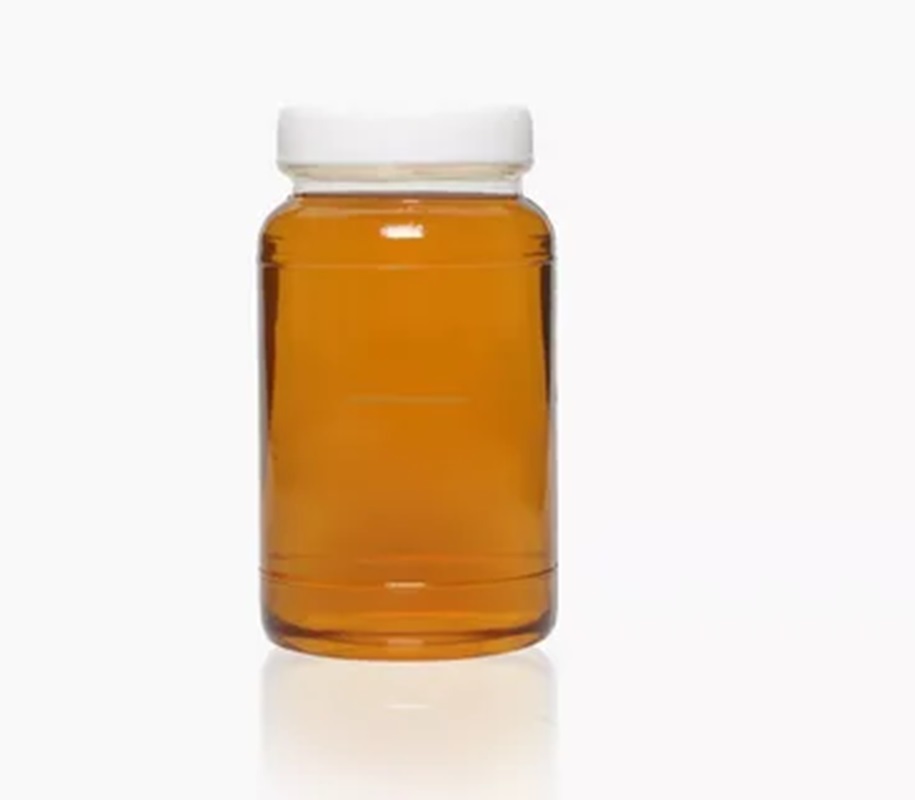
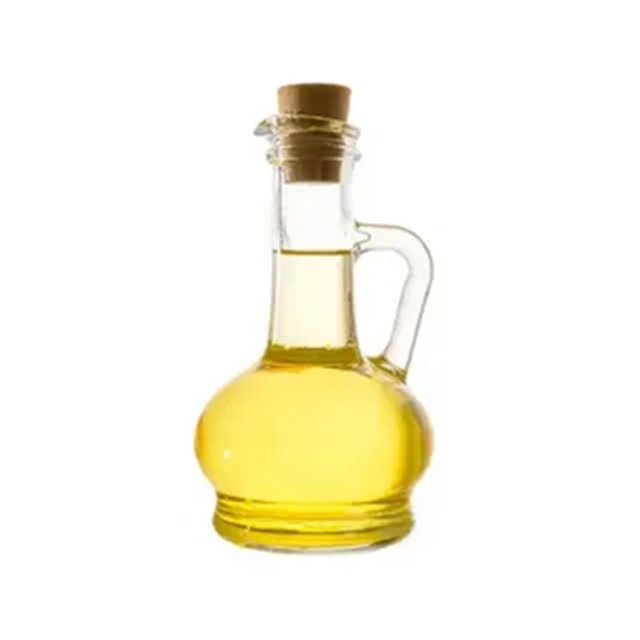
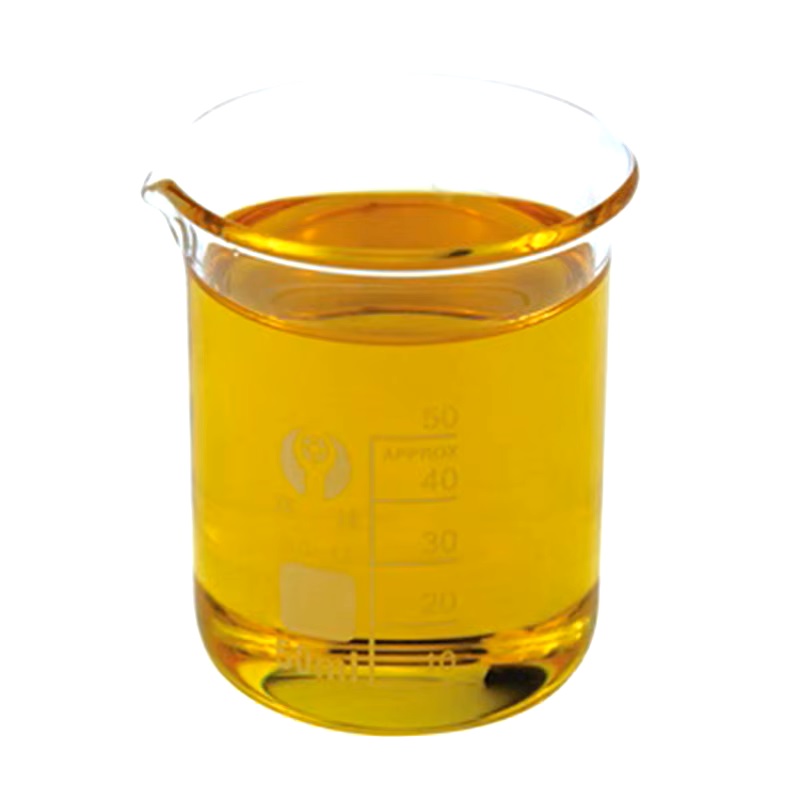
| Appearance | Light yellow clear to slightly hazy liquid or semi-solid |
| Physical state (20–25°C) | Semi-solid to liquid (temperature dependent) |
| Color | Light yellow |
| Odor | Characteristic fatty odor |
| Density (40°C) | 0.88–0.92 g/cm³ |
| Melting point (Titre) | 22–26°C |
| Solubility in water | Insoluble |
| Solubility in organic solvents | Soluble in alcohol, ether, organic solvents |
| Moisture content | ≤ 0.2% |
| Iodine value | 7–11 |
| Saponification value | 266–275 mg KOH/g |
| Acid value | 265–275 mg KOH/g |
3. Fatty Acid Composition (Typical, % w/w)
| Fatty Acid | Carbon Chain | Typical Range (%) |
|---|---|---|
| Caproic Acid | C6 | Max. 1 |
| Caprylic Acid | C8 | 5–8 |
| Capric Acid | C10 | 5–8 |
| Lauric Acid | C12 | 47–53 (dominant component) |
| Myristic Acid | C14 | 15–21 |
| Palmitic Acid | C16 | 8–12 |
| Stearic Acid | C18 | Max. 4 |
| Oleic Acid | C18:1 | 5–12 |
| Linoleic Acid | C18:2 | Max. 2 |
Key Features of Composition:
-
High Lauric Acid (C12) content (47–53%) – provides excellent foaming and cleansing properties
-
Medium-chain fatty acids (C8–C10) – contribute to rapid biodegradability
-
Low unsaturated content – good oxidative stability
4. Quality Specifications
| Parameter | Specification |
|---|---|
| Acid value | 265–275 mg KOH/g |
| Saponification value | 266–275 mg KOH/g |
| Iodine value | 7–11 |
| Titre (melting point) | 22–26°C |
| Moisture | ≤ 0.2% |
| Color (Lovibond) | ≤ 20Y / ≤ 3R |
| Unsaponifiable matter | ≤ 1.5% |
| Total fatty matter | ≥ 98% |
5. Chemical Properties and Characteristics
| Parameter | Value |
|---|---|
| Source | Natural – from coconut oil (Cocos nucifera) |
| Biodegradability | Readily biodegradable – environmentally friendly |
| Emollient properties | Provides moisturizing and softening effects in cosmetics |
| Surfactant properties | Functions as a cleansing and foaming agent |
| Compatibility | Compatible with anionic and non-ionic surfactants |
| Oxidative stability | Good (due to low iodine value 7–11) |
| Reactivity | Reacts with alkalis to form soaps; reacts with alcohols to form esters |
6. Production Process
| Step | Description |
|---|---|
| 1 | Coconut oil is hydrolyzed (splitting) under high pressure and temperature |
| 2 | Crude mixed fatty acids are obtained |
| 3 | Fractional distillation under vacuum separates fatty acids by carbon chain length |
| 4 | Distilled Coco Fatty Acid (DCFA) is collected |
| 5 | Quality control testing (acid value, iodine value, composition, color) |
7. Industrial Applications – Cosmetics and Personal Care
7.1 Soaps (Toilet and Laundry)
| Parameter | Value |
|---|---|
| Function | Primary raw material for soap production (saponification) |
| Typical concentration | 50–95% of fatty acid blend |
| Properties | High foaming, good hardness, creamy lather |
7.2 Creams and Lotions
| Parameter | Value |
|---|---|
| Function | Emollient, skin conditioning agent |
| Typical concentration | 1–10% |
| Benefits | Moisturizing, softening, improves spreadability |
7.3 Shampoos and Shower Gels
| Parameter | Value |
|---|---|
| Function | Surfactant intermediate (after conversion to sulfate or betaine) |
| Typical use | Building block for sodium cocoyl isethionate, cocamidopropyl betaine, etc. |
| Benefits | Mild cleansing, rich foaming |
7.4 Facial Cleansers
| Parameter | Value |
|---|---|
| Function | Mild cleansing agent |
| Properties | Gentle on skin, non-stripping |
7.5 Lip Balms and Lipsticks
| Parameter | Value |
|---|---|
| Function | Emollient, texture improver |
| Typical concentration | 2–10% |
7.6 Shaving Creams
| Parameter | Value |
|---|---|
| Function | Lubricant, foam stabilizer |
8. Pharmaceutical Applications
| Application | Function |
|---|---|
| Liquid formulations | Natural fatty acid source in pharmaceutical liquid preparations |
| Topical preparations | Emollient and penetration enhancer |
| Suppositories | Base component |
| Excipient | Pharmaceutical excipient |
9. Industrial Applications
9.1 Metallic Soaps (Stabilizers)
| Parameter | Value |
|---|---|
| Application | Production of metallic soaps (Zn, Ca, Mg stearates) |
| Reaction | Coco fatty acid + metal oxide/hydroxide → metal soap + water |
| Products | Zinc stearate, calcium stearate, magnesium stearate |
9.2 Rubber Processing
| Parameter | Value |
|---|---|
| Application | Activator, processing aid, mold release agent |
| Function | Improves rubber processing, reduces stickiness |
9.3 Textile Industry
| Parameter | Value |
|---|---|
| Application | Lubricant, softener, antistatic agent |
| Benefits | Improves fiber processing, reduces static buildup |
9.4 Polishes and Waxes
| Parameter | Value |
|---|---|
| Application | Component in shoe, floor, and car polishes |
| Function | Provides gloss, hardness, and water resistance |
9.5 Chemical Intermediates
| Parameter | Value |
|---|---|
| Application | Raw material for esters, alkanolamides, and other derivatives |
| Products | Methyl esters, glycerol esters, alkanolamides |
10. Other Applications
| Sector | Application |
|---|---|
| Detergents | Raw material for surfactant production |
| Plastics | Lubricant and mold release agent |
| Paints and Coatings | Drier component |
| Animal Feed | Fatty acid source (limited applications) |
| Agricultural chemicals | Surfactant intermediate |
11. Comparison with Alternative Fatty Acids
| Property | DCFA (Coco) | PKFA (Palm Kernel) | PFAD | Tallow FA | Oleic Acid (Pure) |
|---|---|---|---|---|---|
| Lauric Acid (C12) content | 47–53% | 45–50% | <5% | <5% | <1% |
| Iodine value | 7–11 | 10–18 | 50–60 | 40–50 | 85–95 |
| Oxidative stability | Excellent | Good | Poor | Moderate | Poor |
| Primary use | Cosmetics, soap | Industrial soap | Industrial | Industrial | Pharmaceutical, food |
| Source | Vegetable (coconut) | Vegetable (palm kernel) | Vegetable (palm) | Animal | Vegetable |
| Biodegradability | Excellent | Excellent | Good | Good | Excellent |
12. Sectoral Suitability Summary
| Product | Cosmetics / Personal Care | Pharmaceutical | Industrial (Soap, Rubber, Polish, Textile) | Food |
|---|---|---|---|---|
| DCFA (Coco Acid) | High suitability | Natural fatty acid formulations | High suitability | Limited direct |
| PKFA (Palm Kernel Acid) | Similar use | Less preferred | Industrial soap, detergents | Limited |
| PFAD | Low quality | Not suitable | Industrial fatty acid source | Not suitable |
| Tallow Fatty Acid | Limited (animal source) | Not suitable | Soap, industrial | Not suitable |
| Oleic Acid (Pure) | Emollient, cosmetic | Pharmaceutical, medical | Limited industrial | Food, nutrition |
13. Storage and Handling
| Parameter | Information |
|---|---|
| Storage temperature | 25–35°C (to maintain liquid state) |
| Container requirements | Tightly closed, moisture-resistant containers |
| Protect from | Moisture, heat, strong oxidizers |
| Shelf life (unopened) | 12–24 months in original packaging under proper storage |
| Packaging options | 180 kg drums, IBC (1000L), flexibags, bulk |
| Hygroscopicity | Low – but should be protected from moisture |
| Incompatibilities | Strong oxidizers, alkalis (may cause saponification) |
14. Safety and Toxicology
14.1 GHS Classification (Typical)
| Hazard Class | Category |
|---|---|
| Skin irritation | Category 3 (mild irritation) |
| Eye irritation | Category 2 (causes eye irritation) |
14.2 Hazard Statements (H-Codes)
| Code | Statement |
|---|---|
| H315 | Causes skin irritation |
| H319 | Causes serious eye irritation |
| H335 | May cause respiratory irritation (when heated) |
14.3 Precautionary Statements (P-Codes)
| Code | Statement |
|---|---|
| P261 | Avoid breathing mist/vapors |
| P264 | Wash thoroughly after handling |
| P280 | Wear protective gloves and eye protection |
| P302+P352 | IF ON SKIN: Wash with plenty of water |
| P305+P351+P338 | IF IN EYES: Rinse cautiously with water for several minutes |
14.4 Acute Toxicity
| Parameter | Value |
|---|---|
| Oral LD₅₀ (rat) | >5,000 mg/kg (low toxicity) |
| Skin irritation | Mild irritant |
| Eye irritation | Moderate to severe irritant |
15. First Aid Measures
| Exposure Route | Action |
|---|---|
| Inhalation | Remove to fresh air. If irritation persists, seek medical attention. |
| Skin contact | Wash with plenty of soap and water. |
| Eye contact | Rinse immediately with plenty of water for at least 15 minutes. Seek medical attention. |
| Ingestion | Rinse mouth. Do NOT induce vomiting. If large amount swallowed, seek medical attention. |
16. Environmental Information
| Parameter | Value |
|---|---|
| Biodegradability | Readily biodegradable (OECD 301) |
| Aquatic toxicity | Low toxicity; avoid large releases to waterways |
| Bioaccumulation potential | Low potential |
| Waste disposal | Dispose of in accordance with local regulations |
| Eco-label | Suitable for natural/organic cosmetic formulations |
17. Regulatory Information
| Region | Status |
|---|---|
| EU | REACH registered (CAS 61788-47-4); INCI listed |
| USA | GRAS for certain uses (Generally Recognized as Safe) |
| Turkey | Compliant with local chemical and cosmetic regulations |
| Cosmetic Regulation (EC) 1223/2009 | Approved for use in cosmetic products |
| Halal/Kosher | Halal and Kosher certified depending on supplier |
18. Synonyms and Common Names
| Name | Description |
|---|---|
| Coco Fatty Acid | Most common name |
| Coconut Oil Acid | Alternative name |
| Distilled Coco Fatty Acid (DCFA/DTFA) | Process-based name |
| PALMERA Coconut Acid | Brand name |
| ALMERA Coconut Acid | Brand name |
| Jordapon® SB II | Brand name (for derivative) |
| CremerAC® C 8-18 | Brand name |
| Prifac™ 7901 (D) / 7904 / 7907 | Brand names |
| Mascid 1012 | Brand name |
Database Identifiers:
-
CAS: 61788-47-4
-
EINECS: 262-978-7
-
INCI: Coconut Acid
19. Why Choose Distilled Coco Fatty Acid?
| Advantage | Description |
|---|---|
| Natural origin | Derived from renewable coconut oil (Cocos nucifera) |
| High Lauric acid content (47–53%) | Provides excellent foaming and cleansing properties |
| Excellent oxidative stability | Low iodine value (7–11) ensures long shelf life |
| Readily biodegradable | Environmentally friendly, suitable for eco-label products |
| Versatile applications | Cosmetics, soaps, pharmaceuticals, industrial chemicals |
| Mild on skin | Suitable for sensitive skin formulations |
| Good compatibility | Works well with anionic and non-ionic surfactants |
| Consistent quality | Distilled grade ensures batch-to-batch consistency |
| Halal/Kosher options | Available depending on supplier |
Limitations:
-
Semi-solid at room temperature (melting point 22–26°C) – requires warm storage (25–35°C) to maintain liquid state
-
Insoluble in water – requires neutralization or derivatization for water-soluble applications
-
Limited direct food use – primarily used as intermediate, not direct food additive
20. Summary Table – Key Specifications at a Glance
| Parameter | Value |
|---|---|
| Product Name | Distilled Coco Fatty Acid (DCFA / DTFA / CFA) |
| CAS Number | 61788-47-4 |
| INCI Name | Coconut Acid |
| Source | Coconut oil (Cocos nucifera) |
| Appearance | Light yellow liquid/semi-solid |
| Acid Value | 265–275 mg KOH/g |
| Saponification Value | 266–275 mg KOH/g |
| Iodine Value | 7–11 |
| Titre (Melting Point) | 22–26°C |
| Lauric Acid (C12) Content | 47–53% |
| Main Applications | Soaps, cosmetics, pharmaceuticals, metallic soaps, rubber, textiles, polishes |
| Biodegradability | Readily biodegradable |
| Storage Temperature | 25–35°C |
| Shelf Life | 12–24 months |
This TDS is prepared in compliance with ISO 11014-1 format and is intended for cosmetic formulators, soap manufacturers, pharmaceutical chemists, industrial lubricant formulators, and procurement professionals. Certificates of Analysis (CoA), Safety Data Sheets (SDS), and sample validation reports are available upon request.