We unleash your business potential by maximize the business innovation.
Send EmailSodium Hexameta Phosphate, Glassy Sodium, E452i ,SHMP, 10124-56-8
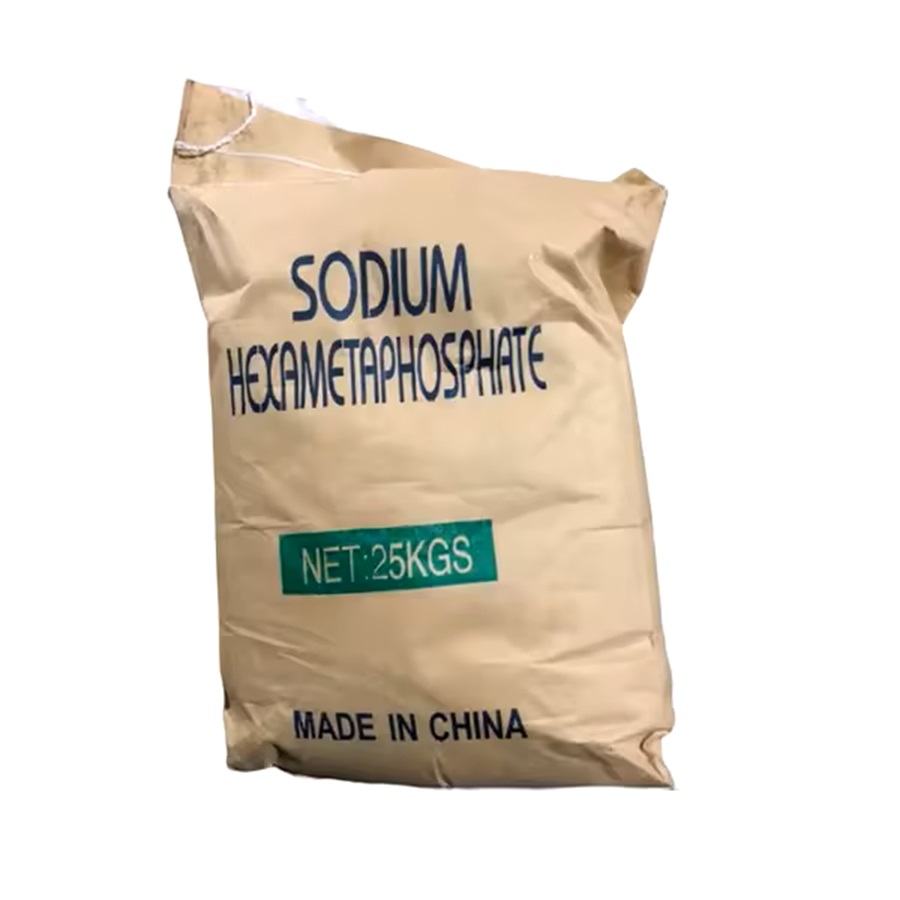
Sodium Hexametaphosphate (SHMP, E452i, CAS 10124-56-8)
Description
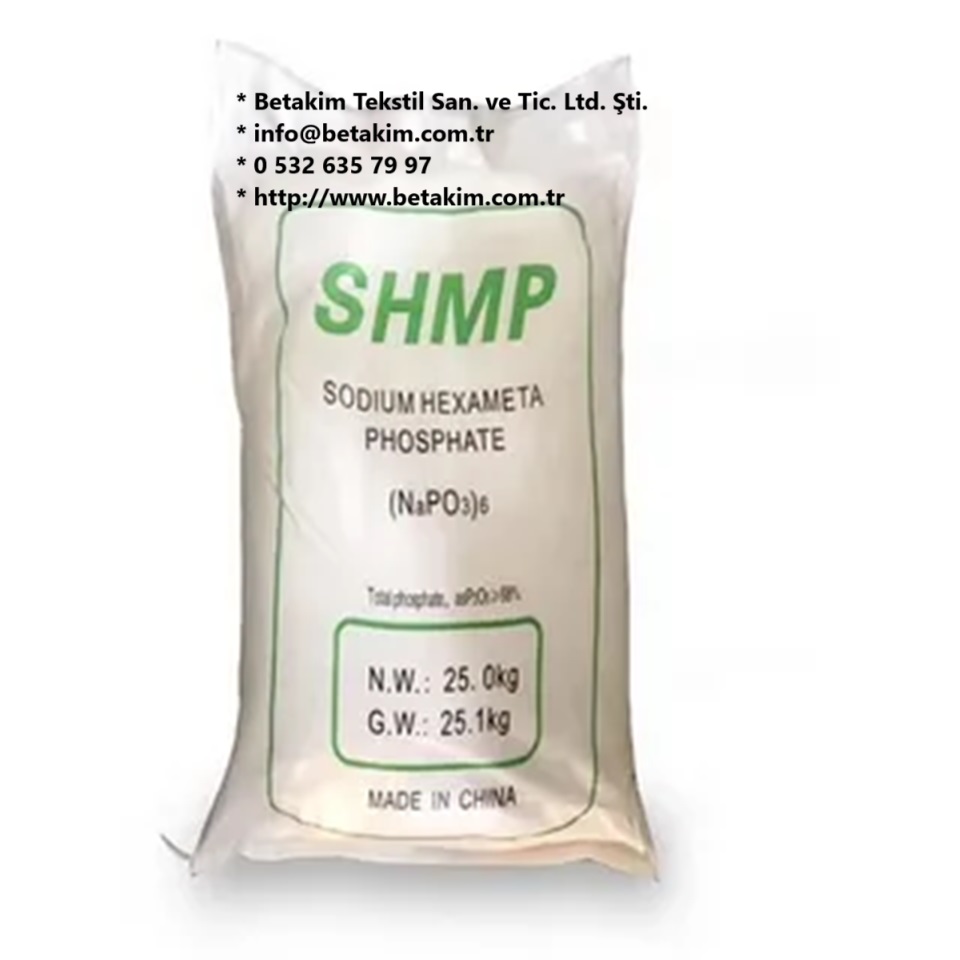
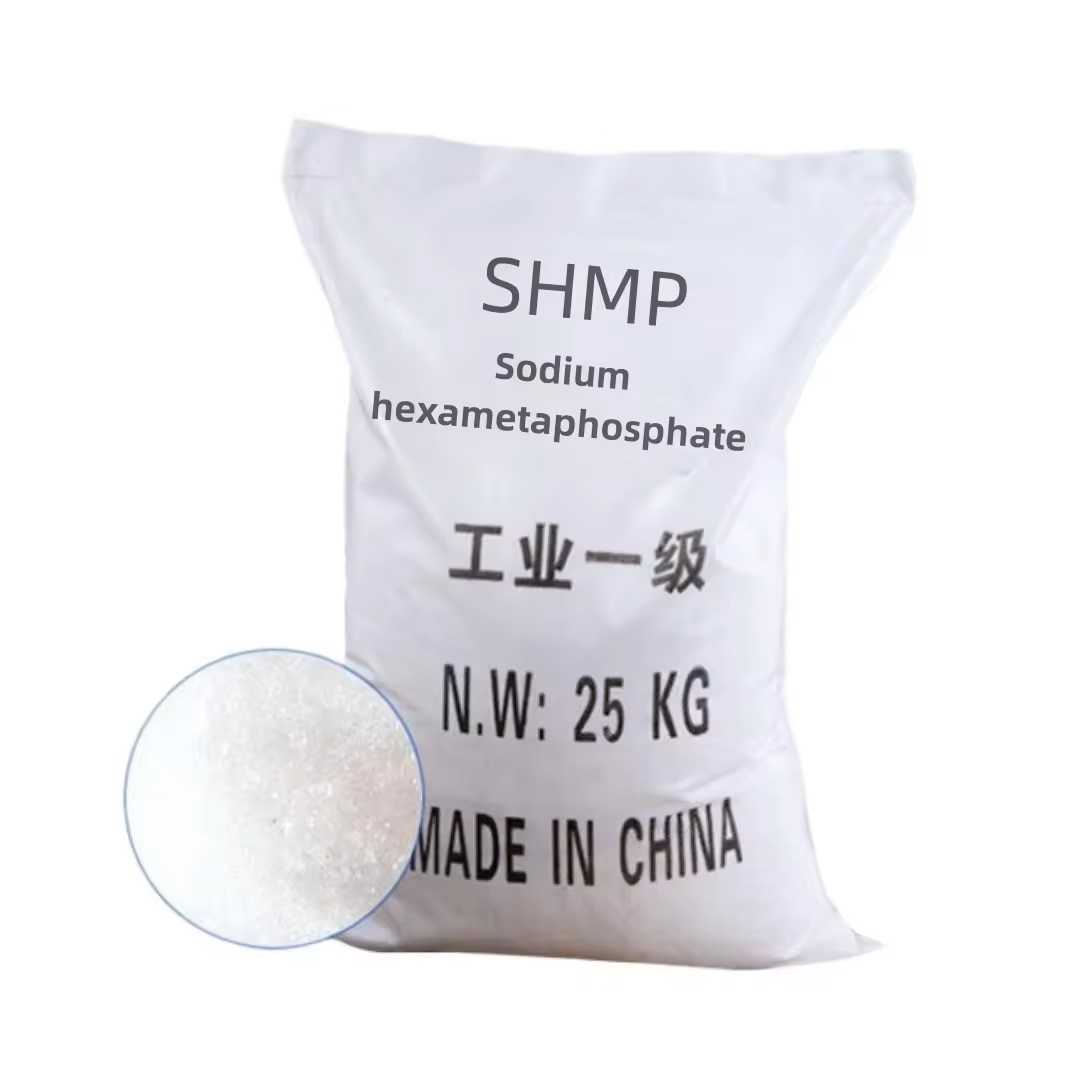
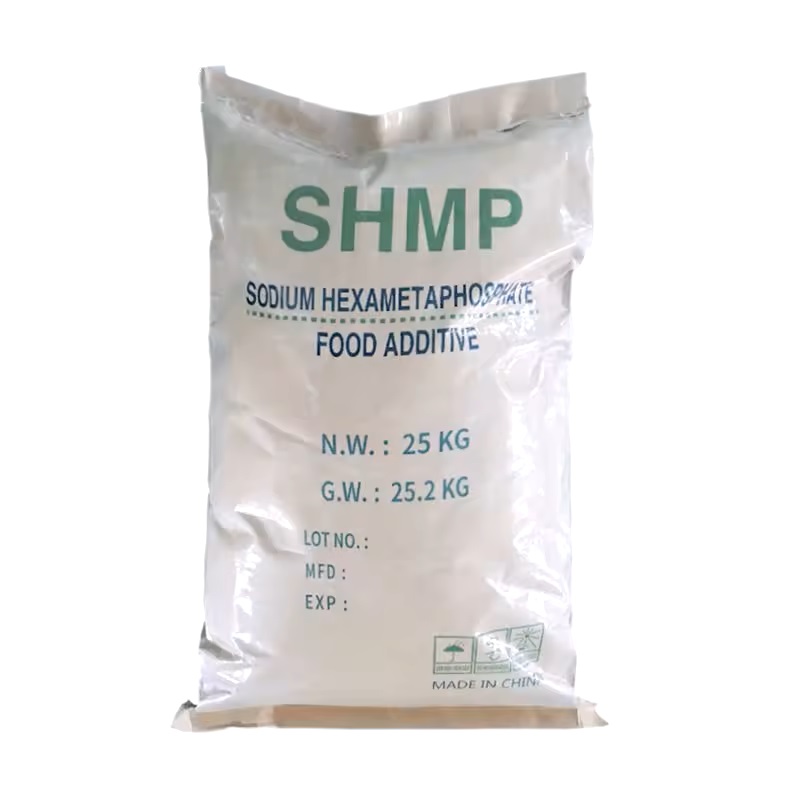
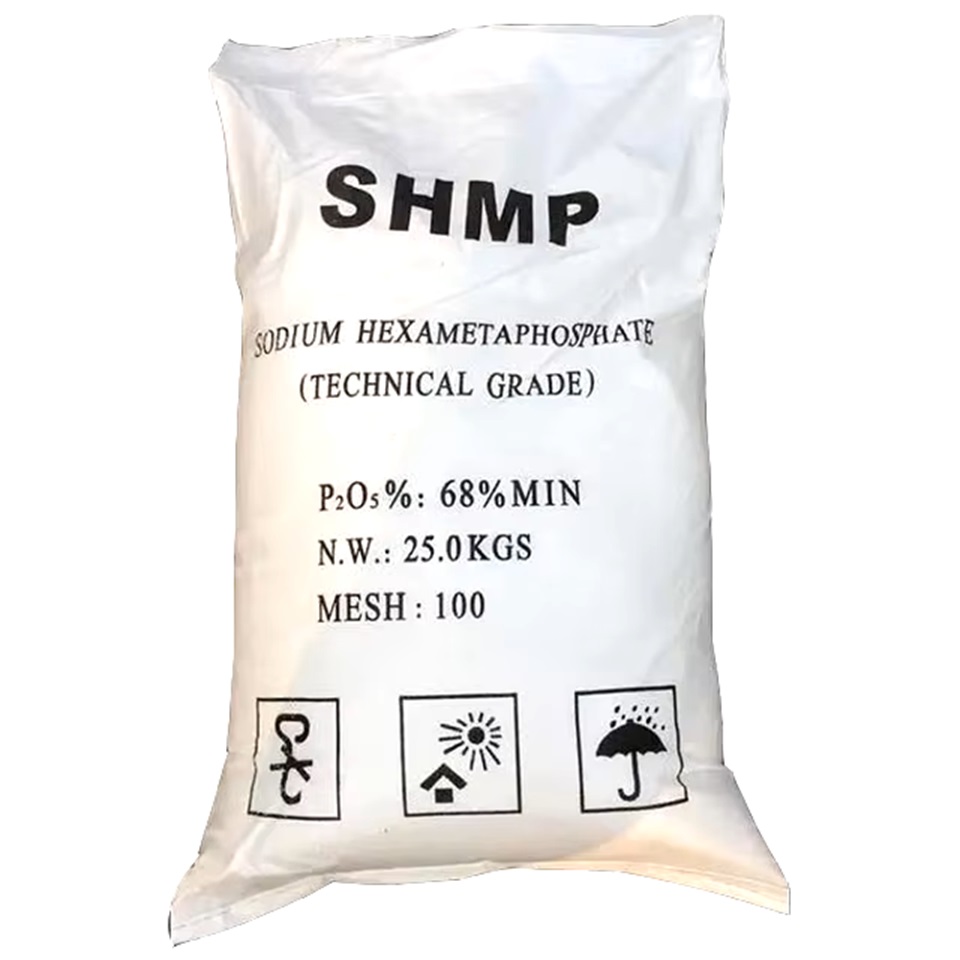
Sodium Hexametaphosphate (SHMP) is a white, glassy, granular, or powdery inorganic compound that is highly soluble in water. It is widely recognized for its strong chelating properties, enabling it to bind metal ions effectively.
Applications
-
Water Treatment: Acts as a sequestrant, preventing scale formation and improving water softening.
-
Detergents & Cleaning Products: Enhances cleaning efficiency by binding calcium and magnesium ions, ensuring better performance of soaps and detergents.
-
Food Industry (E452i): Approved as a food additive, used as an emulsifier, stabilizer, and moisture-retention agent in processed meats, dairy products, and beverages.
-
Textile & Paper Industry: Functions as a dispersing agent, ensuring uniformity in production processes.
-
Mining & Metal Processing: Applied as a corrosion inhibitor and flotation agent.
Advantages
-
Strong chelating capacity for metal ions.
-
High solubility and rapid effectiveness.
-
Versatile use across multiple industries.
-
Approved internationally as a safe food additive (E452i).
Storage & Safety
-
Store in a cool, dry place, away from moisture.
-
Use protective equipment to avoid skin and eye irritation.
-
Follow regulatory guidelines for dosage when used in food applications.
Sodium Hexametaphosphate (SHMP) – Production, Sectoral Suitability, and Usage Rates
Production
-
SHMP is produced by heating monosodium phosphate or disodium phosphate at high temperatures (around 500–600 °C).
-
The process leads to polymerization, forming long-chain polyphosphates.
-
The final product is a glassy, white granular or powdery material, easily soluble in water.
Sectoral Suitability Table
| Sector | Suitability & Function |
|---|---|
| Water Treatment | Excellent sequestrant; prevents scale formation, improves water softening. |
| Detergents | Strong chelating agent; enhances cleaning efficiency by binding Ca²⁺ and Mg²⁺ ions. |
| Food Industry | Approved additive (E452i); stabilizer, emulsifier, moisture-retention in meat/dairy. |
| Textile | Dispersing agent; ensures uniform dyeing and processing. |
| Paper Industry | Improves dispersion of fibers and fillers; enhances paper quality. |
| Mining/Metals | Corrosion inhibitor; flotation agent in mineral processing. |
Typical Usage Rates (Indicative Ranges)
-
Water Treatment: 5–20 mg/L depending on hardness and application.
-
Detergents: 1–5% of total formulation.
-
Food Industry (E452i): Generally 0.1–0.5% in processed meats, dairy, and beverages (subject to local regulations).
-
Textile/Paper: 0.2–2% depending on process requirements.
-
Mining/Metals: Variable; often 0.1–1% as flotation or corrosion inhibitor.
Note: Exact usage rates depend on local regulations, product formulation, and process conditions. For food applications, compliance with Codex Alimentarius and EU/US FDA limits is mandatory.
Sodium Hexametaphosphate (SHMP) – Types, Synonyms, and CAS Numbers
Synonyms / Other Names
-
SHMP
-
Graham’s Salt
-
Calgon / Kalgon
-
Sodium Polyphosphate
-
Hexasodium Metaphosphate
Types (Forms)
-
Glassy Form: Transparent, glass-like solid, commonly used in industrial applications.
-
Granular Form: Easier to dose, widely used in water treatment and detergents.
-
Powder Form: Preferred in food additives and laboratory applications.
-
Polymer Chain Variants: Different chain lengths of polyphosphates provide varying properties.
CAS Numbers
-
Main CAS Number: 10124-56-8 (Sodium Hexametaphosphate)
-
Related Polyphosphates:
-
Sodium Tripolyphosphate (STPP): CAS 7758-29-4
-
Sodium Tetrapolyphosphate: CAS 7722-88-5
-
Other polyphosphate derivatives have distinct CAS identifiers depending on chain length.
-