We unleash your business potential by maximize the business innovation.
Send EmailTransformer Oil, Insulating Oil, Dielectric Oil, Mineral Oil, Transformer Fluid, 8042-47-5
TRANSFORMER OIL (INSULATING OIL)
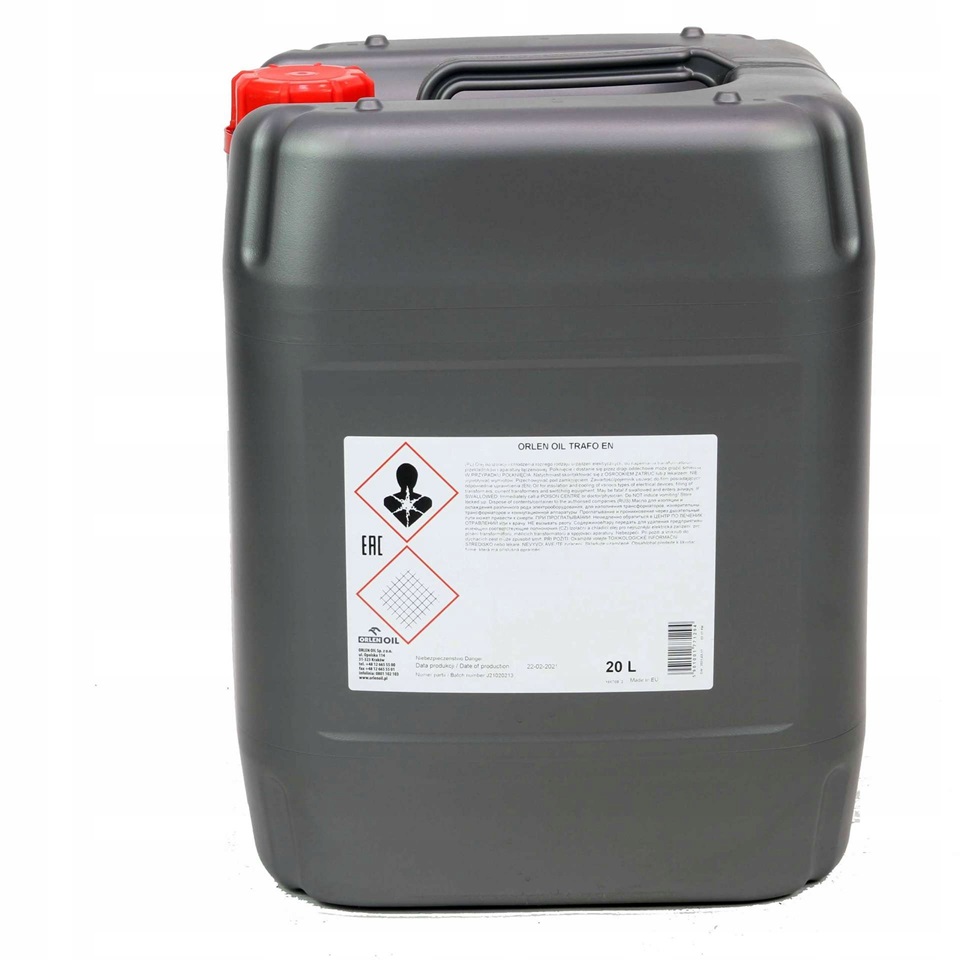
Transformer Oil / Insulating Oil / Dielectric Oil / Mineral Oil
CAS Numbers: 8042-47-5 (Mineral Oil), 68475-11-6 (Synthetic Ester), 63148-62-9 (Silicone Oil)
1. IDENTIFICATION
| Property | Information |
|---|---|
| Product Name | Transformer Oil (Insulating Oil) |
| Synonyms | Dielectric oil, insulating oil, mineral insulating oil, transformer fluid |
| Chemical Type | Highly refined mineral oil (naphthenic or paraffinic) or synthetic ester/silicone |
| CAS Number (Mineral Oil) | 8042-47-5 |
| CAS Number (Synthetic Ester) | 68475-11-6 |
| CAS Number (Silicone Oil) | 63148-62-9 |
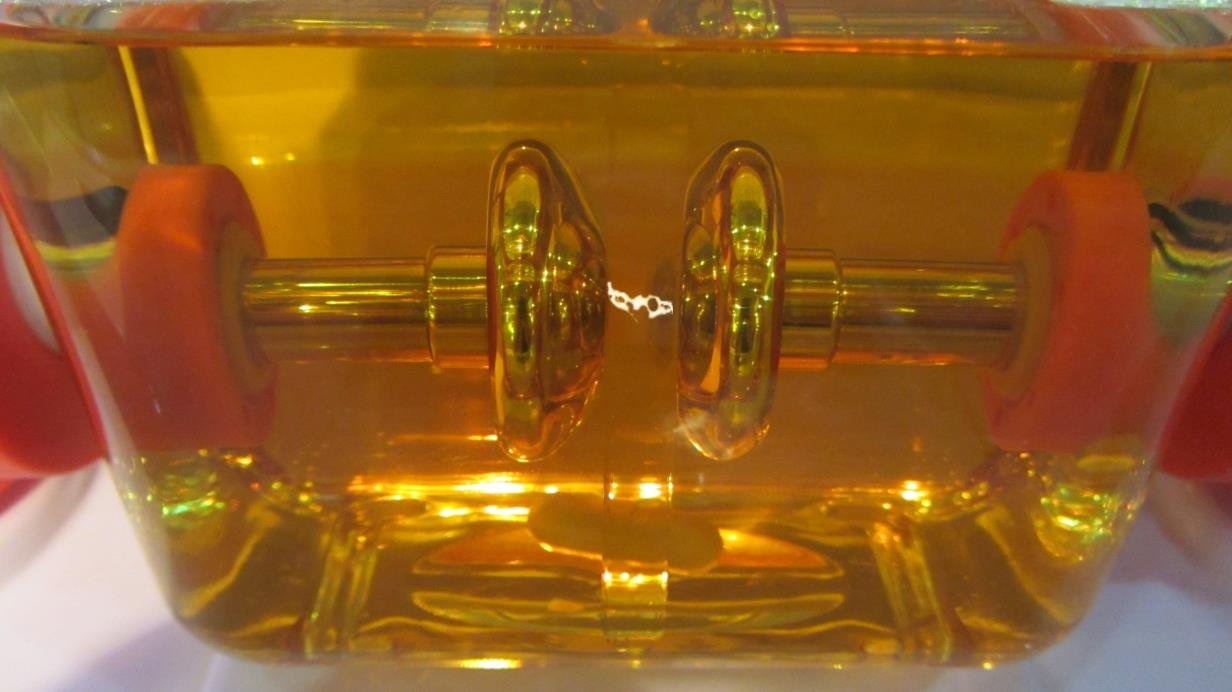
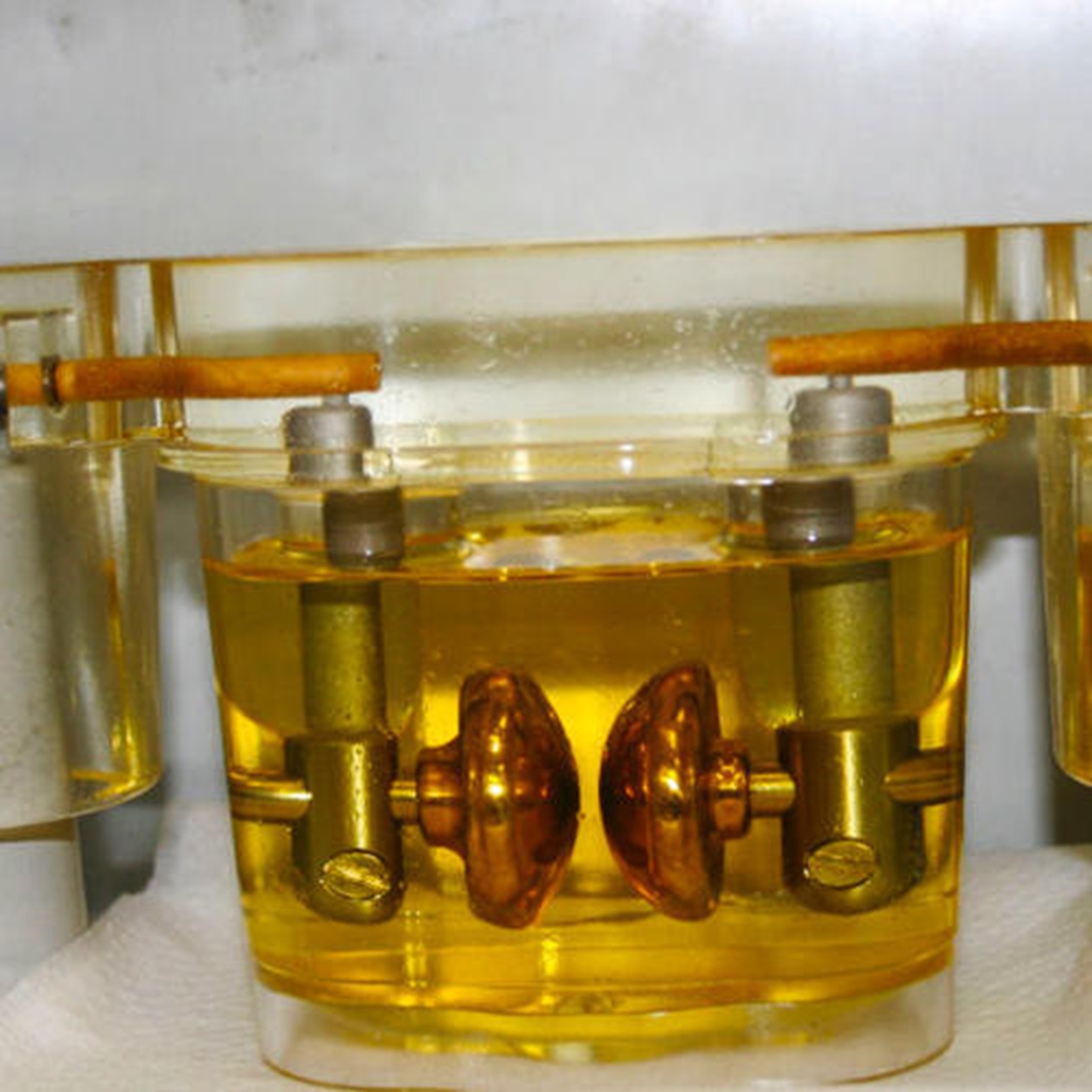
| Appearance | Clear, bright, light yellow to colorless liquid |
| Odor | Characteristic petroleum odor (mineral oil) or mild odor (synthetic) |
2. TYPES OF TRANSFORMER OIL
| Type | CAS Number | Base | Key Characteristics | Applications |
|---|---|---|---|---|
| Naphthenic Mineral Oil | 8042-47-5 | Naphthenic crude | Low pour point, good heat transfer, wide availability | Distribution transformers, power transformers |
| Paraffinic Mineral Oil | 8042-47-5 | Paraffinic crude | Good oxidation stability, higher pour point | Power transformers, high voltage applications |
| Inhibited Mineral Oil | 8042-47-5 | Mineral + antioxidants | Extended service life, oxidation resistance | Critical transformers, long-life applications |
| Uninhibited Mineral Oil | 8042-47-5 | Mineral oil only | No additives, lower cost | Standard applications |
| Synthetic Ester Oil | 68475-11-6 | Synthetic ester | High thermal stability, biodegradable, high fire point | Indoor transformers, environmentally sensitive areas |
| Natural Ester Oil | Varies | Vegetable oil-based | Biodegradable, high fire point (>300°C), renewable | Eco-friendly transformers |
| Silicone Oil | 63148-62-9 | Silicone polymer | Very high thermal stability, fire resistance | Specialty transformers, high temperature applications |
3. PRIMARY FUNCTIONS OF TRANSFORMER OIL
| Function | Description |
|---|---|
| Electrical Insulation | Provides dielectric insulation between high voltage components; prevents arcing and short circuits |
| Heat Transfer (Cooling) | Dissipates heat generated in the transformer core and windings; circulates to cool the unit |
| Arc Quenching | Extinguishes electrical arcs that may form during operation |
| Protection | Protects metal parts (core, windings, tank) from oxidation and corrosion |
| Moisture Protection | Absorbs and suspends moisture, preventing it from reaching critical insulation components |
4. PHYSICAL & CHEMICAL PROPERTIES (TYPICAL – MINERAL OIL)
| Property | Typical Value | Test Method |
|---|---|---|
| Appearance | Clear, bright, free of sediment | Visual |
| Color | Light yellow to colorless (ASTM < 1.0) | ASTM D1500 |
| Density (20°C) | 0.85 – 0.90 g/cm³ | ASTM D1298 |
| Kinematic Viscosity (40°C) | 8 – 12 cSt | ASTM D445 |
| Kinematic Viscosity (-20°C) | ≤ 1,800 cSt | ASTM D445 |
| Pour Point | -40°C to -20°C | ASTM D97 |
| Flash Point | ≥ 140°C (mineral); ≥ 250°C (ester) | ASTM D92 |
| Fire Point | ≥ 150°C (mineral); ≥ 300°C (ester) | ASTM D92 |
| Breakdown Voltage (Dielectric Strength) | ≥ 30 kV (new oil); ≥ 50 kV (after treatment) | IEC 60156 |
| Dielectric Dissipation Factor (tan δ, 90°C) | ≤ 0.005 | IEC 60247 |
| Specific Resistivity (90°C) | ≥ 1 × 10¹² Ω·cm | IEC 60247 |
| Water Content | ≤ 30 ppm (new oil) | IEC 60814 |
| Acid Value (Total Acidity) | ≤ 0.03 mg KOH/g | IEC 62021 |
| Interfacial Tension (25°C) | ≥ 35 mN/m | ASTM D971 |
| Oxidation Stability | ≤ 0.2 mg KOH/g after 164h | IEC 61125 |
| Corrosive Sulfur | Non-corrosive | ASTM D1275 |
| PCB Content | Non-detectable | EPA Method 8082 |
| Sulfur Content | < 0.05% | ASTM D2622 |
5. PHYSICAL & CHEMICAL PROPERTIES – COMPARISON BY TYPE
| Property | Mineral Oil (Naphthenic) | Mineral Oil (Paraffinic) | Synthetic Ester | Natural Ester | Silicone Oil |
|---|---|---|---|---|---|
| Flash Point (°C) | ≥ 140 | ≥ 140 | ≥ 250 | ≥ 300 | ≥ 300 |
| Fire Point (°C) | ≥ 150 | ≥ 150 | ≥ 300 | ≥ 350 | ≥ 340 |
| Pour Point (°C) | -40 to -30 | -20 to -10 | -30 to -20 | -20 to -10 | -50 to -40 |
| Viscosity (40°C, cSt) | 8-12 | 10-15 | 25-35 | 30-40 | 20-50 |
| Dielectric Strength (kV) | ≥ 30 | ≥ 30 | ≥ 30 | ≥ 30 | ≥ 30 |
| Biodegradability | Low (< 20%) | Low (< 20%) | High (> 60%) | Very high (> 95%) | Low |
| Water Saturation (ppm) | 50-100 | 50-80 | 800-1,500 | 800-1,500 | 50-100 |
| Relative Cost | Low | Low-Medium | Medium-High | Medium-High | High |
6. QUALITY STANDARDS & SPECIFICATIONS
| Standard | Organization | Application |
|---|---|---|
| IEC 60296 | International Electrotechnical Commission | Mineral insulating oils for transformers |
| ASTM D3487 | ASTM International | Mineral insulating oil for electrical apparatus |
| IEC 61099 | IEC | Synthetic ester insulating oils |
| IEC 62770 | IEC | Natural ester insulating oils |
| IEEE C57.111 | IEEE | Acceptance and maintenance of transformer oil |
| IEEE C57.147 | IEEE | Natural ester oils in transformers |
| TSE K 131 | Turkish Standards | Transformer oil standards (Turkey) |
7. APPLICATIONS
7.1. Power & Distribution Transformers
| Application | Description |
|---|---|
| Power Transformers (Large) | High voltage transmission (110 kV, 220 kV, 400 kV) |
| Distribution Transformers | Medium voltage distribution (10 kV, 35 kV) |
| Pad-mounted Transformers | Ground-level distribution |
| Substation Transformers | Grid substations |
7.2. Specialty Transformers
| Application | Description |
|---|---|
| Railway Transformers | Traction power supplies |
| Wind Turbine Transformers | Renewable energy applications |
| Industrial Furnace Transformers | High temperature environments |
| Rectifier Transformers | Industrial power supplies |
7.3. Electrical Equipment
| Application | Description |
|---|---|
| Voltage Regulators | Voltage regulation equipment |
| Circuit Breakers (Oil Type) | Arc interruption |
| Capacitors | Dielectric fluid |
| Cable Oil | High voltage cable insulation |
8. SECTORAL COMPATIBILITY
| Sector | Compatibility | Preferred Oil Type |
|---|---|---|
| Energy (Power Generation) | ✅ High | Mineral oil, Ester oils |
| Energy (Transmission & Distribution) | ✅ High | Mineral oil (most common) |
| Industrial (Factories, Mining) | ✅ High | Mineral oil, Inhibited oil |
| Railways | ✅ High | Mineral oil, Ester oils |
| Renewable Energy (Wind, Solar) | ✅ High | Ester oils (fire safety) |
| Construction | ✅ Medium | Mineral oil |
| Food & Beverage | ✅ High (Ester oils only) | Natural/Synthetic Ester oils |
| Healthcare (Hospitals) | ✅ High (Ester oils) | Ester oils (fire safety) |
| Defense | ✅ High | Silicone oil, Ester oils |
| Metallurgy | ✅ Medium | Mineral oil |
9. COMPARISON – MINERAL OIL vs ESTER OILS
| Parameter | Mineral Oil | Natural Ester | Synthetic Ester |
|---|---|---|---|
| Flash Point (°C) | 140-170 | >300 | >250 |
| Fire Point (°C) | 150-190 | >350 | >300 |
| Biodegradability | < 20% (28 days) | > 95% (28 days) | > 60% (28 days) |
| Moisture Tolerance | Low (50-100 ppm saturation) | High (800-1500 ppm) | High (800-1500 ppm) |
| Oxidation Stability | Good (with inhibitors) | Moderate | Good |
| Cost | Low | Medium-High | Medium-High |
| Service Life | 20-30 years | 15-25 years | 20-30 years |
| Renewable Content | 0% | 100% | 0-50% |
| Fire Risk | Medium | Very Low | Very Low |
10. ALTERNATIVES TO TRANSFORMER OIL
| Alternative | CAS Number | Advantages | Disadvantages | Suitability |
|---|---|---|---|---|
| Gas Insulation (SF₆) | 2551-62-4 | Excellent dielectric, compact design | High GWP (23,500x CO₂), phased out | Being replaced |
| Dry-type Transformers | N/A | No fluid, no fire risk | Limited voltage/rating, larger size | Low-medium voltage |
| FR3 Natural Ester | Varies | Biodegradable, high fire point | Higher cost, hygroscopic | Eco-friendly applications |
| Midel Synthetic Ester | 68475-11-6 | Excellent thermal stability, fire safe | Higher cost | Indoor/offshore |
11. PROPERTIES OF DIFFERENT OIL TYPES (DETAILED)
11.1. Naphthenic Mineral Oil (Most Common)
| Property | Value |
|---|---|
| Base | Naphthenic crude oil |
| Viscosity Index | Low (20-40) |
| Pour Point | -40°C to -30°C |
| Advantages | Excellent low-temperature properties, good heat transfer |
| Disadvantages | Lower oxidation stability than paraffinic |
11.2. Paraffinic Mineral Oil
| Property | Value |
|---|---|
| Base | Paraffinic crude oil |
| Viscosity Index | High (90-110) |
| Pour Point | -20°C to -10°C |
| Advantages | Good oxidation stability, higher flash point |
| Disadvantages | Higher pour point (less cold-tolerant) |
11.3. Inhibited Mineral Oil
| Property | Value |
|---|---|
| Additives | Antioxidants (e.g., DBPC – 2,6-di-tert-butyl-p-cresol) |
| Inhibitor Content | 0.1 – 0.5% |
| Service Life | Longer than uninhibited |
| Applications | Critical transformers, long-life equipment |
11.4. Synthetic Ester Oil
| Property | Value |
|---|---|
| Base | Synthetic organic ester |
| Biodegradability | > 60% (OECD 301) |
| Fire Point | > 300°C |
| Applications | Indoor transformers, offshore wind, environmentally sensitive |
11.5. Natural Ester Oil (Vegetable-based)
| Property | Value |
|---|---|
| Base | Vegetable oil (soybean, rapeseed, sunflower) |
| Biodegradability | > 95% (OECD 301) |
| Fire Point | > 350°C |
| Applications | Green transformers, eco-friendly installations |
12. MAINTENANCE & TESTING
| Test | Frequency | Purpose | Standard |
|---|---|---|---|
| Dielectric Strength (Breakdown Voltage) | Annual | Insulation capability | IEC 60156 |
| Water Content | Annual | Moisture level | IEC 60814 |
| Acid Value (Total Acidity) | Annual | Oxidation by-products | IEC 62021 |
| Dissipation Factor (tan δ) | Annual | Dielectric losses | IEC 60247 |
| Interfacial Tension | Annual | Contamination | ASTM D971 |
| Color | Annual | Oxidation level | ASTM D1500 |
| Corrosive Sulfur | 3-5 years | Copper corrosion risk | ASTM D1275 |
| PCB Analysis | 5-10 years | Toxic contaminant | EPA 8082 |
| Dissolved Gas Analysis (DGA) | As needed | Fault detection | IEC 60567 |
| Furan Analysis | As needed | Paper degradation | IEC 61198 |
Critical Limits for Maintenance:
| Parameter | Good Condition | Maintenance Required | Replace |
|---|---|---|---|
| Breakdown Voltage | ≥ 50 kV | 30-50 kV | < 30 kV |
| Water Content | < 20 ppm | 20-40 ppm | > 40 ppm |
| Acid Value | < 0.1 mg KOH/g | 0.1-0.2 mg KOH/g | > 0.2 mg KOH/g |
| tan δ (90°C) | < 0.005 | 0.005-0.01 | > 0.01 |
13. STORAGE & HANDLING
| Parameter | Information |
|---|---|
| Storage Conditions | Cool, dry, well-ventilated area; protect from moisture |
| Container Requirements | Clean, dry, sealed tanks or drums (carbon steel, stainless steel) |
| Protect From | Moisture, dust, direct sunlight, extreme temperatures |
| Shelf Life | 3-5 years (if stored properly in sealed containers) |
| Handling Precautions | Avoid water contamination; prevent static discharge |
| Packaging Options | 200 L drums, 1,000 L IBC totes, flexibags, bulk tankers (road/rail) |
14. SAFETY & HEALTH INFORMATION
Hazard Classification (Mineral Oil)
| Parameter | Information |
|---|---|
| GHS Classification | Not classified as hazardous (under normal use) |
| Health Hazards | May cause skin irritation (prolonged contact); aspiration hazard |
| Environmental Hazards | Harmful to aquatic life; slow biodegradation |
| Flammability | Combustible (Flash point ≥ 140°C) |
First Aid Measures
| Exposure Route | Action |
|---|---|
| Inhalation | Remove to fresh air. Seek medical attention if respiratory irritation occurs. |
| Skin Contact | Wash with soap and water. Remove contaminated clothing. |
| Eye Contact | Rinse with plenty of water for 15 minutes. Seek medical attention. |
| Ingestion | Do NOT induce vomiting. Rinse mouth. Seek immediate medical attention (aspiration risk). |
Personal Protective Equipment (PPE)
| Equipment | Recommendation |
|---|---|
| Respiratory Protection | Not normally required (use in well-ventilated areas) |
| Hand Protection | Chemical-resistant gloves (nitrile, neoprene) |
| Eye Protection | Safety glasses with side shields |
| Body Protection | Chemical-resistant apron (if splashing possible) |
15. ENVIRONMENTAL INFORMATION
| Parameter | Mineral Oil | Synthetic Ester | Natural Ester |
|---|---|---|---|
| Biodegradability (OECD 301) | < 20% | > 60% | > 95% |
| Aquatic Toxicity | Harmful | Low | Very Low |
| Bioaccumulation Potential | Moderate | Low | Low |
| Spill Clean-up | Absorbent materials (Pads, booms) | Absorbent / Bioremediation | Absorbent / Bioremediation |
| Waste Disposal | Used oil recycling (Classified as hazardous waste in many jurisdictions) | Recycling or energy recovery | Composting or energy recovery |
16. TRANSPORT INFORMATION
| Parameter | Mineral Oil | Ester Oils |
|---|---|---|
| UN Number | Not regulated (usually) | Not regulated |
| Hazard Class | Not classified (combustible) | Not classified |
| Packing Group | III (if regulated) | III |
| Proper Shipping Name | Mineral oil (non-hazardous) | Insulating oil (non-hazardous) |
| Marine Pollutant | No | No (natural ester – low) |
17. REGULATORY INFORMATION
| Regulation | Mineral Oil | Ester Oils |
|---|---|---|
| REACH (EU) | Registered | Registered |
| Turkey (KKDIK) | Mandatory compliance | Mandatory compliance |
| TSCA (USA) | Listed | Listed |
| RoHS | Compliant | Compliant |
| PCB Content | Non-detectable (< 2 ppm) | Non-detectable |
| WEEE Directive | Not applicable | Not applicable |
18. SYNONYMS & OTHER NAMES
| Turkish Name | English Name |
|---|---|
| Trafo Yağı | Transformer Oil |
| İzolasyon Yağı | Insulating Oil |
| Dielektrik Yağ | Dielectric Oil |
| Mineral Yağ | Mineral Oil |
| Yalıtım Yağı | Insulation Oil |
| Soğutma Yağı | Cooling Oil |
19. SUMMARY
Transformer Oil (Insulating Oil, CAS 8042-47-5) is a highly refined mineral oil or synthetic ester/silicone fluid used in electrical transformers for electrical insulation and heat dissipation (cooling).
Key Features:
| Feature | Mineral Oil | Ester Oils |
|---|---|---|
| Primary Function | Insulation + Cooling | Insulation + Cooling + Fire Safety |
| Flash Point | ≥ 140°C | ≥ 250°C |
| Biodegradability | Low (<20%) | High (>60-95%) |
| Cost | Low | Medium-High |
Main Application Areas:
| Sector | Applications |
|---|---|
| Power Generation | Generator step-up transformers |
| Transmission & Distribution | Power and distribution transformers |
| Industry | Furnace, rectifier, railway transformers |
| Renewable Energy | Wind turbine, solar farm transformers |
| Specialty | Indoor transformers (ester oils), offshore |
20. IMPORTANT NOTES
-
Not Just "Oil": Transformer oil is a specialized engineering fluid with stringent quality requirements. Standard hydraulic or lubricating oils cannot be used as transformer oil.
-
PCB Risk: Older transformers (pre-1980) may contain PCBs (Polychlorinated Biphenyls) – a toxic, persistent environmental contaminant. Modern transformer oils are PCB-free (< 2 ppm).
-
Ester Oils vs Mineral Oils: Ester oils (natural or synthetic) are preferred for environmentally sensitive locations (near water bodies, indoors) due to their biodegradability and high fire point.
-
Moisture is Critical: Water content is the single most important factor affecting dielectric strength. New oil should have < 30 ppm; oil in service should be < 40 ppm.
-
Inhibitor Depletion: Over time, oxidation inhibitors (e.g., DBPC) are consumed. Regular testing of acid value and inhibitor content is essential.
-
Dissolved Gas Analysis (DGA): DGA is the most important diagnostic test for detecting internal faults in operating transformers (arcing, overheating, partial discharge).
-
Fire Safety: For indoor installations, use ester oils (fire point > 300°C) instead of mineral oil (fire point ~150°C) to meet fire codes.
-
Cold Climate Performance: Naphthenic oils have lower pour points (-40°C) than paraffinic oils (-10°C), making them suitable for cold climates.
-
Re-refining: Used transformer oil can be re-refined (vacuum distillation, clay treatment) to restore properties and extend service life.
-
Corrosive Sulfur: Some transformer oils may contain corrosive sulfur compounds that attack copper windings. Always specify "non-corrosive sulfur" oil.
Important Disclaimer: This Technical Data Sheet (TDS) is for informational purposes only. For complete safety, handling, storage, and regulatory compliance information, always refer to the official Safety Data Sheet (SDS) provided by the manufacturer/supplier.