We unleash your business potential by maximize the business innovation.
Send EmailTransformer Oil, Insulating Oil, Dielectric Oil, Mineral Oil. 8042-47-5
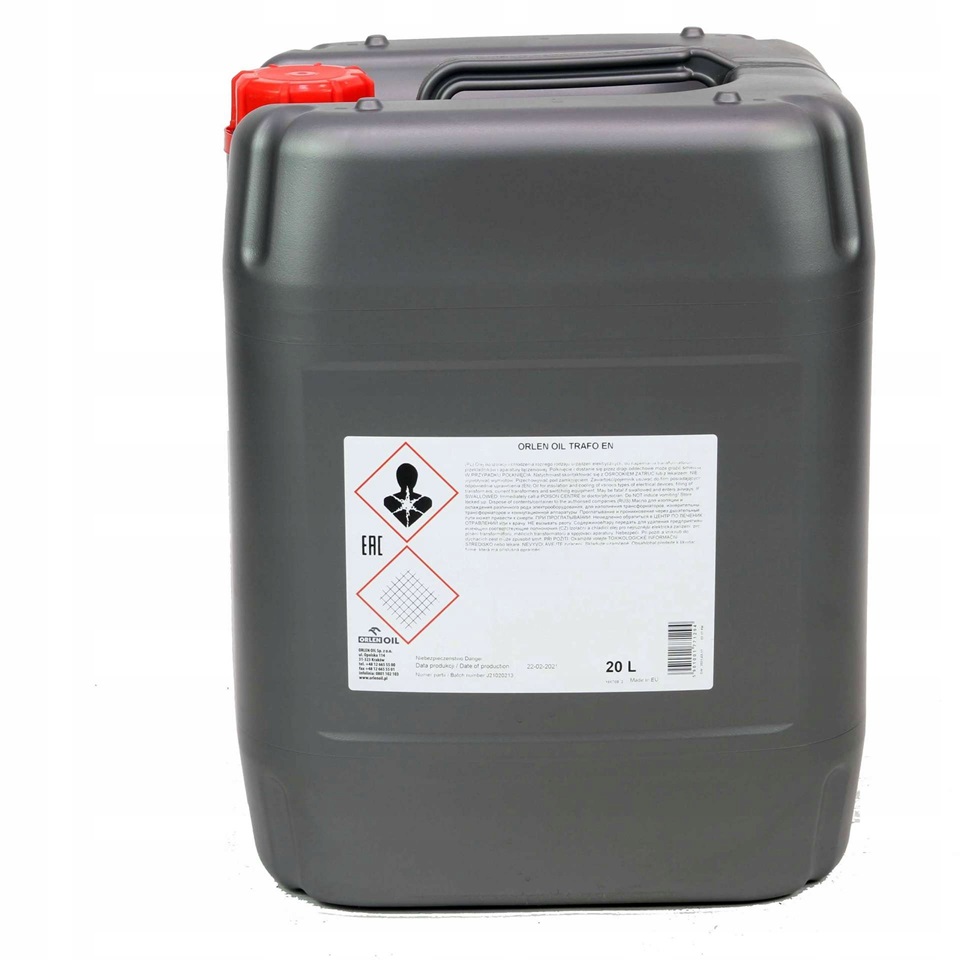
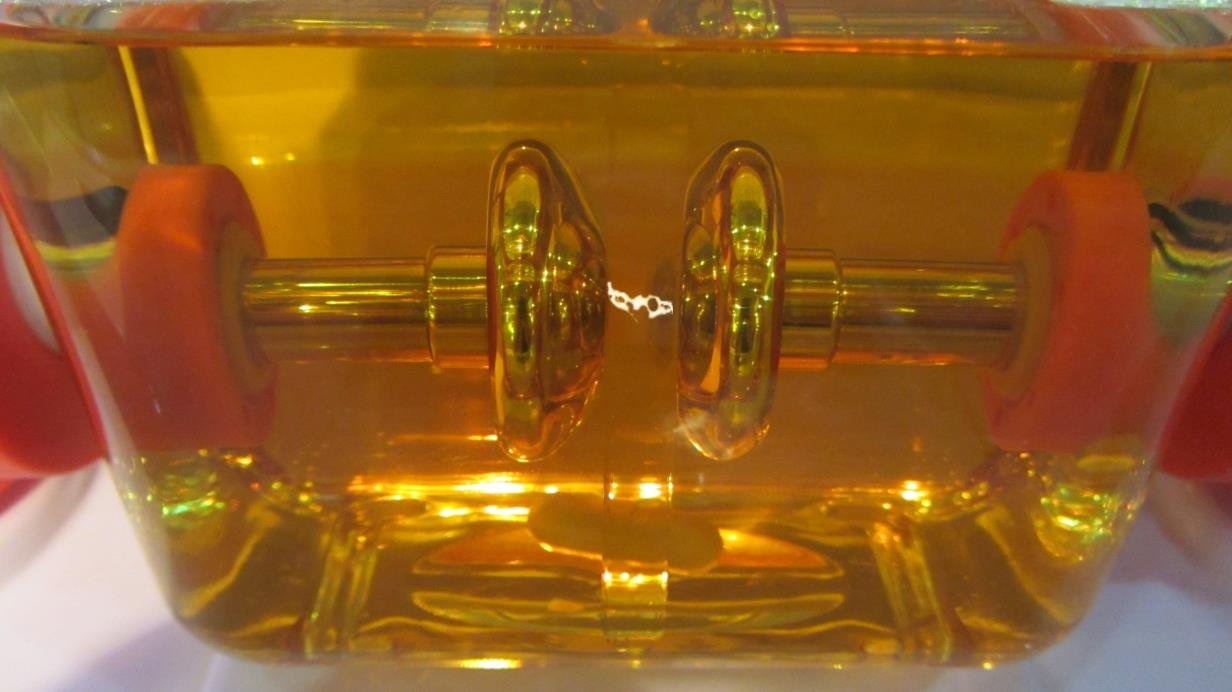
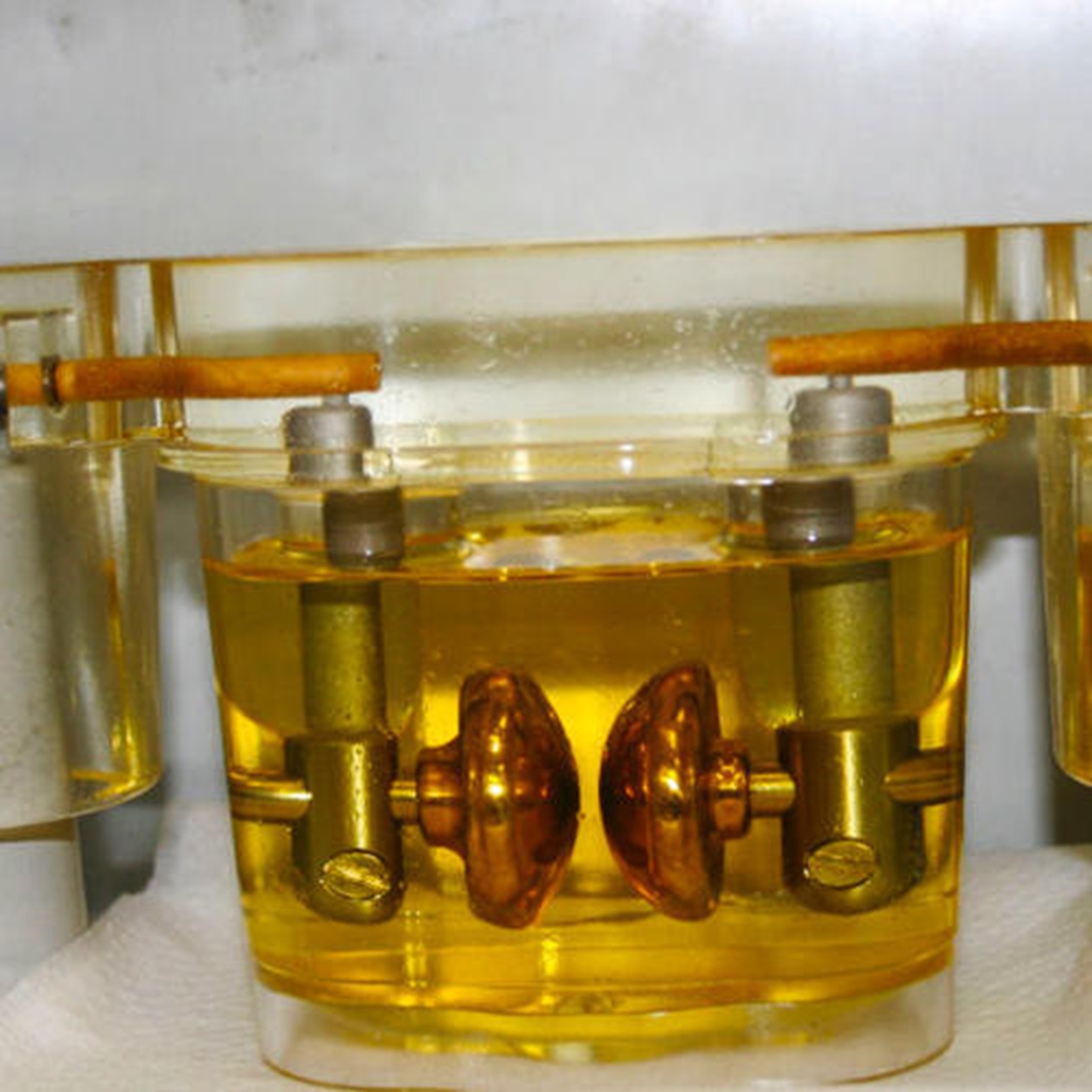
Transformer Oils – Types, Production, Other Names, CAS Numbers, Alternatives
Transformer oils are essential for insulation and cooling in electrical transformers. They come in several types:
-
Mineral-based oils (naphthenic/paraffinic): The most common, derived from petroleum refining.
-
Inhibited oils: Contain additives to slow oxidation.
-
Uninhibited oils: Pure mineral oils without additives.
-
Synthetic oils: Silicone or ester-based, designed for high-temperature resistance.
-
Natural ester oils: Plant-based, biodegradable, and environmentally friendly.
Production:
-
Mineral oils are refined from crude petroleum.
-
Synthetic oils are chemically synthesized.
-
Natural esters are modified vegetable oils.
Other Names: Transformer oil, insulating oil, dielectric oil, mineral oil.
CAS Numbers:
-
Mineral oil: 8042-47-5
-
Synthetic ester oils: 68475-11-6 (example)
-
Silicone oils: 63148-62-9
Alternatives: Natural ester oils (e.g., Envirotemp FR3), synthetic esters (MIDEL series), silicone oils, or even gas insulation (SF₆, though environmentally risky).
Sectoral Suitability Table
This table compares transformer oil types by CAS number, advantages, disadvantages, and suitable industries:
| Oil Type | CAS No | Advantages | Disadvantages | Suitable Sectors |
|---|---|---|---|---|
| Mineral (Naphthenic) | 8042-47-5 | Cheap, widely available, strong dielectric | Environmental risk, not biodegradable | Energy, Metal |
| Mineral (Paraffinic) | 8042-47-5 | Good oxidation resistance | Limited cooling capacity | Energy, Construction |
| Inhibited Mineral | 8042-47-5 | Longer life, oxidation protection | Additive stability decreases over time | Energy, Mining |
| Synthetic Ester | 68475-11-6 | High thermal resistance, eco-friendly | Expensive | Energy, Food |
| Natural Ester | Plant-based | Biodegradable, environmentally safe | Sensitive to moisture, costly | Energy, Food |
| Silicone Oils | 63148-62-9 | Excellent high-temperature resistance | Very expensive, niche applications | Energy, Defense |