We unleash your business potential by maximize the business innovation.
Send EmailSoy Oil Powder, Powdered Soybean Oil, Microencapsulated Soybean Oil, Spray-Dried Soybean Oil, Glycine Max (Soybean) Oil, 8001-22-7
SOYBEAN OIL POWDER 🌱
Microencapsulated Glycine Max Oil
1. PRODUCT DESCRIPTION
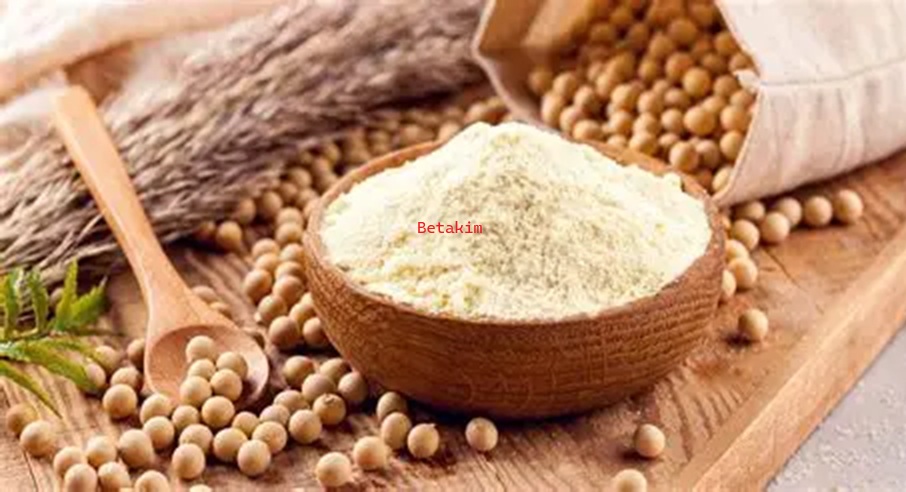
Soybean Oil Powder is a cream-white to pale yellow, free-flowing powder produced by encapsulating refined soybean oil within a protective carrier matrix (typically maltodextrin) using advanced spray-drying technology. Soybean oil is one of the most widely produced and economical vegetable oils globally. This powder form offers a practical solution for incorporating its balanced fatty acid profile—rich in linoleic acid (Omega-6) and a source of plant-based alpha-linolenic acid (Omega-3 ALA)—into dry formulations. Its competitive price point makes it the leading choice for large-scale feed production, cost-sensitive food manufacturing, and industrial applications.
2. CHEMICAL IDENTIFICATION
| Parameter | Detail |
|---|---|
| Chemical Name | Glycine Max (Soybean) Oil |
| INCI Name | Glycine Soja (Soybean) Oil (Powder) |
| CAS Number | 8001-22-7 |
| Physical Form | Free-flowing powder (Microencapsulated) |
Alternative Trade Names:
-
Spray-Dried Soybean Oil
-
Microencapsulated Soybean Oil
-
Soy Oil Powder
-
Glycine Max Oil Powder
-
Powdered Soybean Oil
3. MANUFACTURING TECHNOLOGY
-
Method: Microencapsulation via Spray Drying.
-
Process: Refined, bleached, and deodorized (RBD) soybean oil is emulsified with a food-grade carrier (typically maltodextrin, optionally soy protein or gum arabic) and homogenized under high pressure. The fine emulsion is atomized in a spray-drying chamber, where rapid moisture evaporation forms a solid matrix encapsulating the oil droplets.
-
Benefit: The encapsulation shell physically protects the polyunsaturated fatty acids (linoleic and linolenic) from atmospheric oxygen, dramatically slowing oxidation and extending shelf life compared to bulk liquid soybean oil, which is notoriously prone to rancidity.
4. FUNCTIONAL PROPERTIES & ADVANTAGES
-
Most Economical Oil Powder (Tied with Palm): Soybean oil is one of the most abundant and cheapest vegetable oils worldwide. Its powder form maintains this cost leadership, making it the go-to choice for high-volume, cost-driven applications, especially in feed.
-
Balanced Fatty Acid Profile: Naturally rich in polyunsaturated linoleic acid (Omega-6, ~50%) and provides a moderate amount of plant-based alpha-linolenic acid (Omega-3 ALA, ~7%), often offering a ready-made PUFA balance without complex blending.
-
Product Versatility: Suitable for both food and technical applications with a neutral, though sometimes characteristic, flavor profile.
-
Protein Synergy: In feed and food systems, soybean oil powder is often used alongside soy protein (soy flour, soy protein isolate), creating a synergistic "protein + energy" combo from a single botanical source.
-
Good Dispersibility: The powder wets easily and disperses in aqueous systems, forming a typical opaque emulsion.
5. TYPICAL TECHNICAL SPECIFICATIONS
| Parameter | Typical Value | Description |
|---|---|---|
| Appearance | Cream-white to pale yellow, free-flowing powder | Visual |
| Total Oil Content | 40% – 50% | Encapsulated soybean oil (customizable) |
| Moisture Content | ≤ 5.0% | Post-spray drying |
| Carrier Material | Maltodextrin (also available with soy protein or starch) | Allergen declaration required if soy protein is the carrier |
| Particle Size | On 80 Mesh Screen ≤ 5% | Standard powder |
| Peroxide Value | ≤ 2 meq O₂/kg | Initial freshness indicator |
| Iodine Value | 120 – 140 (of the oil) | Indicates high polyunsaturation |
| Linoleic Acid (Omega-6) | ~25% (of total powder) | Key essential fatty acid |
| Alpha-Linolenic Acid (Omega-3) | ~3.5% (of total powder) | Plant-based essential omega-3 |
| Taste / Odor | Neutral to faintly beany | Degree of refinement determines profile |
Note: Non-GMO soybean oil powder is available and must be requested via a dedicated supply chain. Standard global supply uses approved GM varieties; check regional labelling regulations.
6. APPLICATION AREAS
| Industry | Application |
|---|---|
| Agriculture & Feed | Milk replacers for calves and lambs, broiler and layer feed energy supplement, aquaculture feed (popular in carp and tilapia), dry pet food kibble coating and blending. |
| Food | Economical cake and bread mixes, instant noodle seasoning oil, affordable dry creamers and whiteners, margarine powder bases, cheap sauce/bouillon cubes. |
| Pharma & Nutra | Excipient in cost-sensitive softgel capsules, lipid source in generic nutritional supplements. |
| Industrial | Powdered lubricants for metalworking, dust control binders, technical oleochemical powders. |
7. COMPETITIVE LANDSCAPE & SELECTION GUIDE
| Oil Powder | Best Suited For | Key Advantage |
|---|---|---|
| 🌱 Soybean Oil Powder | Feed, economical food, industrial | Lowest cost tier, high PUFA, protein synergy |
| 🌴 Palm Oil Powder | Economical production, instant foods, feed | Lowest cost, highest oxidative stability |
| 🌾 Canola Oil Powder | Heart-health, low saturated fat formulas | Lowest saturated fat, balanced Omega-3 ALA |
| 🌻 Sunflower Oil Powder | Infant formula, medical foods | High Omega-6, regulatory compliance, neutral taste |
| 🥥 Coconut Oil Powder | Sports nutrition, keto diet, rapid energy | Rich in MCTs, thermogenic effect |
8. PACKAGING & STORAGE
-
Packaging: Food-grade multi-wall kraft bag with inner PE liner. Standard: 25 kg net. Big bag (FIBC) options for bulk feed and industrial orders.
-
Storage Conditions: Store in a cool (15-25°C), dry, and well-ventilated environment, away from direct sunlight and strong odors. Due to its polyunsaturated nature, strict temperature control is recommended. Promptly reseal opened bags.
-
Shelf Life: 18-24 months from the date of manufacture in original, unopened packaging under recommended conditions. Accelerated storage tests are advised for tropical climates.
-
Transportation: Non-hazardous dry cargo. No special tankers or heated containers are necessary, unlike bulk liquid soybean oil.
9. REGULATORY COMPLIANCE & SAFETY
-
Food/Feed Grade: Manufactured in HACCP/FSSC 22000 certified facilities in compliance with Codex Alimentarius and relevant feed regulations.
-
GMO Status: The default global commodity supply is derived from GM soy. A dedicated non-GMO supply chain (Identity Preserved) is available for markets requiring it (e.g., EU organic, certain retail brands). Specify at inquiry.
-
Allergens: The base oil is refined and typically free from soy protein allergens. However, if the carrier includes soy protein, it is a major allergen (soy). Standard maltodextrin-carried versions are allergen-free unless cross-contamination exists. Always check the supplier’s allergen statement.
-
Halal & Kosher: Certification available.
-
INCI Labeling: Listed as Glycine Soja (Soybean) Oil.
Disclaimer: This document reflects typical product characteristics and does not constitute a binding specification. A current Certificate of Analysis (COA) must accompany each shipment. The end-user is responsible for testing the product's suitability in their own formulation and ensuring regulatory compliance.
COMPREHENSIVE APPLICATION GUIDE: SOYBEAN OIL POWDER
1. SECTOR SUITABILITY TABLE
| Sector | Suitability | Description |
|---|---|---|
| Animal Feed (Cattle, Poultry, Aqua) | Highly Suitable | The #1 choice for large-scale feed. Lowest cost per energy unit; easy to handle in powder dosing systems. Excellent PUFA source for animal growth. |
| Dry Pet Food | Highly Suitable | Provides essential fatty acids for skin and coat health; acts as a palatability enhancer in kibble coating blends. |
| Economical Food (Instant Noodles, Bouillon) | Suitable | Standard oil source for budget food products; neutral taste when well-refined. |
| Bakery (Economical Lines) | Suitable | Works well in industrial cake and bread mixes where cost is the primary driver. |
| Infant Formula / Medical Foods | Not Suitable | Soybean oil is rarely used as the primary fat in infant formula due to beany off-note risk and allergen policy (soy protein traces). Premixes usually favor Sunflower, Coconut, or High-Oleic Canola. |
| Pharma (Cost-Sensitive) | Limited | Usable in generic softgels but not preferred for premium supplements due to potential oxidation and GMO perception. |
| Industrial / Metalworking | Suitable | Effective and economical alternative to liquid oils in powdered lubricant formulations. |
2. BENEFITS (Summary)
-
Absolute Cost Leader: Alongside palm, it defines the lowest price bracket for oil powders, making high-volume formulations commercially viable.
-
Rich in Polyunsaturated Fats (PUFA): Delivers a high level of linoleic acid (Omega-6), an essential fatty acid that must be supplied in the diet.
-
Source of Plant-Based Omega-3 (ALA): Provides a non-animal omega-3 source, useful for enriching the nutritional profile of feed and affordable foods.
-
Operational Simplicity: Flows freely, meters accurately, and eliminates the heated tanks and piping required for liquid soybean oil in factories.
-
Natural Lecithin Content: Soybean oil naturally contains lecithin, which provides an in-situ emulsifying advantage, helping the encapsulated oil disperse rapidly in gut or liquid environments.
3. ALTERNATIVE NAMES
Common / Trade Names:
-
Soybean Oil Powder
-
Spray-Dried Soybean Oil
-
Microencapsulated Soybean Oil
-
Soy Oil Powder
-
Powdered Soy Oil
Regional / Industry Terms:
-
In feed contexts often called Soy Oil Powder or Spray-Dried Soy Oil.
-
In cheaper cosmetic applications, may be listed under its INCI name.
INCI Labeling:
-
Glycine Soja (Soybean) Oil
4. ALTERNATIVE PRODUCTS & COMPARISON
| Feature | 🌱 Soybean Oil Powder | 🌴 Palm Oil Powder | 🌻 Sunflower Oil Powder | 🌾 Canola Oil Powder |
|---|---|---|---|---|
| Cost | Very Low | Very Low | Mid-to-High | Mid |
| Dominant Fatty Acid | Linoleic (Omega-6, ~50%) | Palmitic (Saturated, ~44%) | Linoleic (Omega-6, ~60%) | Oleic (Omega-9, ~60%) |
| Omega-3 ALA Content | ~7% of oil | None | None | ~10% of oil |
| Oxidative Stability | Low (needs good encapsulation) | Excellent | Moderate (good when encapsulated) | Moderate (good when encapsulated) |
| Taste | Neutral to slightly beany | Neutral, waxy | Neutral | Neutral, very clean |
| GMO-Free Supply | Requires IP certification | Naturally non-GMO | Naturally non-GMO | Requires IP certification (in some regions) |
| Best Application | Feed, economical food, industrial | Instant foods, low-cost food, feed | Infant formula, premium food | Heart-health, dietetic food |
5. APPLICATION RECIPE EXAMPLES
A. Economical Calf Milk Replacer (High-Energy Formula)
-
Dried whey: 400 kg
-
Skim milk powder: 250 kg
-
Soy protein concentrate: 150 kg
-
🌱 Soybean Oil Powder (50% oil): 180 kg → (Provides 90 kg of milk-replacer fat, a perfect energy boost for young ruminants)
-
Vitamin/Mineral premix: 20 kg
*Instructions: Blend dry ingredients thoroughly. Reconstitute 125 g of powder with warm water (45°C) to make 1 litre. The soybean oil powder provides a stable, non-clumping fat source.*
B. Carp / Tilapia Floating Feed (Extruded Pellet)
-
Soybean meal: 300 kg
-
Wheat flour (binder): 200 kg
-
Corn gluten meal: 100 kg
-
Rice bran: 150 kg
-
🌱 Soybean Oil Powder: 80 kg → (Replaces liquid oil injection; improves extruder barrel lubrication and pellet floatability)
-
Vitamin premix: 10 kg
Instructions: Dry mix all ingredients, condition with steam, and extrude. The encapsulated oil releases inside the extruder barrel, resulting in a more buoyant, low-dust pellet compared to post-extrusion liquid oil coating.
C. Budget-Friendly Instant Noodle Seasoning Oil
-
Maltodextrin: 400 g
-
🌱 Soybean Oil Powder: 350 g
-
Hydrolyzed vegetable protein (HVP): 50 g
-
Salt, MSG, spices, garlic powder: 200 g
Instructions: Blend into a homogeneous powder. Sachets of this mix added to drained noodles create a slick, savory, and satisfying oily coating without the need for a liquid oil sachet, cutting packaging costs.
D. Powdered Metalworking Lubricant (Industrial)
-
Calcium carbonate (carrier/filler): 700 g
-
🌱 Soybean Oil Powder: 250 g → (Acts as the boundary lubricant, reducing friction and heat)
-
Graphite powder: 50 g
Instructions: Premix all powders. Applied via dusting or electrostatic spray to metal surfaces before stamping or drawing. Provides a cleaner, safer alternative to liquid oil baths without VOCs.
6. RECOMMENDATIONS
-
GMO Management: The default global market supply is GM soybean-based. If you need a non-GMO Soybean Oil Powder, you must stipulate an “Identity Preserved” (IP) supply chain at the contracting stage. This comes at a premium cost and longer lead times.
-
Maximizing Oxidative Stability: Soybean oil is highly polyunsaturated, making it susceptible to rancidity. For products requiring a shelf life over 12 months:
-
Demand low initial Peroxide Value (PV ≤ 1 meq/kg).
-
Ensure the encapsulation matrix is robust (high-quality maltodextrin).
-
Consider adding a natural antioxidant like mixed tocopherols (Vitamin E) or rosemary extract to the formulation, or request it pre-added to the powder.
-
-
Flavor Masking: The "beany" or "grassy" reversion note of soybean oil can develop over time. In food applications, always conduct accelerated shelf-life sensory testing (e.g., 40°C / 75% RH). Strong flavors like vanilla, cocoa, garlic, or savory notes effectively mask mild beany tones.
-
Allergen Labelling Check: Although the oil itself contains negligible protein, the "soy" label may still be required under precautionary allergen labelling (e.g., "contains soy"). If using a soy-protein-based carrier, it is a definite allergen declaration. For clean-label allergen avoidance, choose a maltodextrin carrier.
-
Feed Mill Advantage: Switching from liquid soybean oil to its powder form in feed milling eliminates expensive heated oil storage, piping, and spraying nozzles, reducing capex and maintenance. It also results in a more durable, less dusty pellet.
7. FREQUENTLY ASKED QUESTIONS (FAQ)
Q: Is Soybean Oil Powder the cheapest oil powder?
A: Yes, along with Palm Oil Powder, it belongs to the most economical tier. The exact price fluctuates based on global commodity markets, but soybean oil is highly abundant and competitively priced for large-volume applications, especially in animal feed.
Q: How do I avoid the "beany" or "fishy" taste?
A: The "beany" note comes from natural precursors in the oil itself; the "fishy" note is a classic sign of omega-3 oxidation. Using well-refined oil (RBD), ensuring strong microencapsulation, and keeping the product cool and dry during storage will minimize this. In finished recipes, use flavors that naturally pair well and mask it.
Q: Is it suitable for vegan products?
A: Yes, provided a plant-based carrier like maltodextrin or gum arabic is used. If soy protein is the carrier, it is still vegan but must be labelled as containing soy. Always verify with the supplier that no dairy-based carriers (sodium caseinate) have been used.
Q: Does it contain soy allergens?
A: Highly refined soybean oil typically contains negligible amounts of soy protein, the allergenic component. However, trace protein can sometimes be present. Moreover, if the encapsulating matrix itself is soy protein, it will contain allergens. Always check the exact specification and allergen statement from the manufacturer.
Q: Can I use it in clear beverages?
A: No. Like all encapsulated oil powders, it is designed to create an opaque, milky dispersion. It is perfect for turbid systems like milk replacers, meal replacement shakes, and creamy beverages, but unsuitable for transparent drinks.
Q: What is the difference between Soybean Oil Powder and Soy Lecithin Powder?
A: They are completely different products. Soybean Oil Powder is pure vegetable fat encapsulated for energy and emollient use. Soy Lecithin Powder is an emulsifier (phosphatidylcholine, etc.) extracted from soybean oil, used in much smaller amounts to help oils and water mix. Soybean oil naturally contains lecithin (1-3%), but a specific lecithin powder is a functional additive, not a primary energy source.