We unleash your business potential by maximize the business innovation.
Send EmailCarboxymethyl Tamarind Kernel Powder, Tamarind Seed Gum, Tamarind Gum, 68647-15-4
CARBOXYMETHYL TAMARIND KERNEL POWDER (CMT / CMTKP)
PRODUCT IDENTIFIER INFORMATION
| Parameter | Information |
|---|---|
| Product Name | Carboxymethyl Tamarind Kernel Powder (CMT / CMTKP) |
| Chemical Name | Sodium Carboxymethyl Tamarind Kernel Powder |
| CAS Number | 68647-15-4 |
| EC Number (EINECS) | 271-943-5 |
| Class | Modified natural polymer / Anionic water-soluble polysaccharide |
SECTION 1: CHEMICAL IDENTITY AND DESCRIPTION
| Parameter | Information |
|---|---|
| Chemical Name | Sodium Carboxymethyl Tamarind Kernel Powder |
| Synonyms | Carboxymethyl Tamarind Powder, Cold Water Soluble Tamarind Kernel Powder, Modified Tamarind Seed Powder, Modified Natural Polymer, Tamarind Gum, Anionic Tamarind Gum, CMT, Na-CMT, Sodium Carboxymethyl Tamarind Gum, Textile Printing Thickener |
| Abbreviations | CMT, CMTKP, Na-CMT, Na-CMTKP |
| CAS Number | 68647-15-4 |
| EC Number (EINECS) | 271-943-5 |
| Chemical Class | Anionic modified polysaccharide (carboxymethyl ether) |
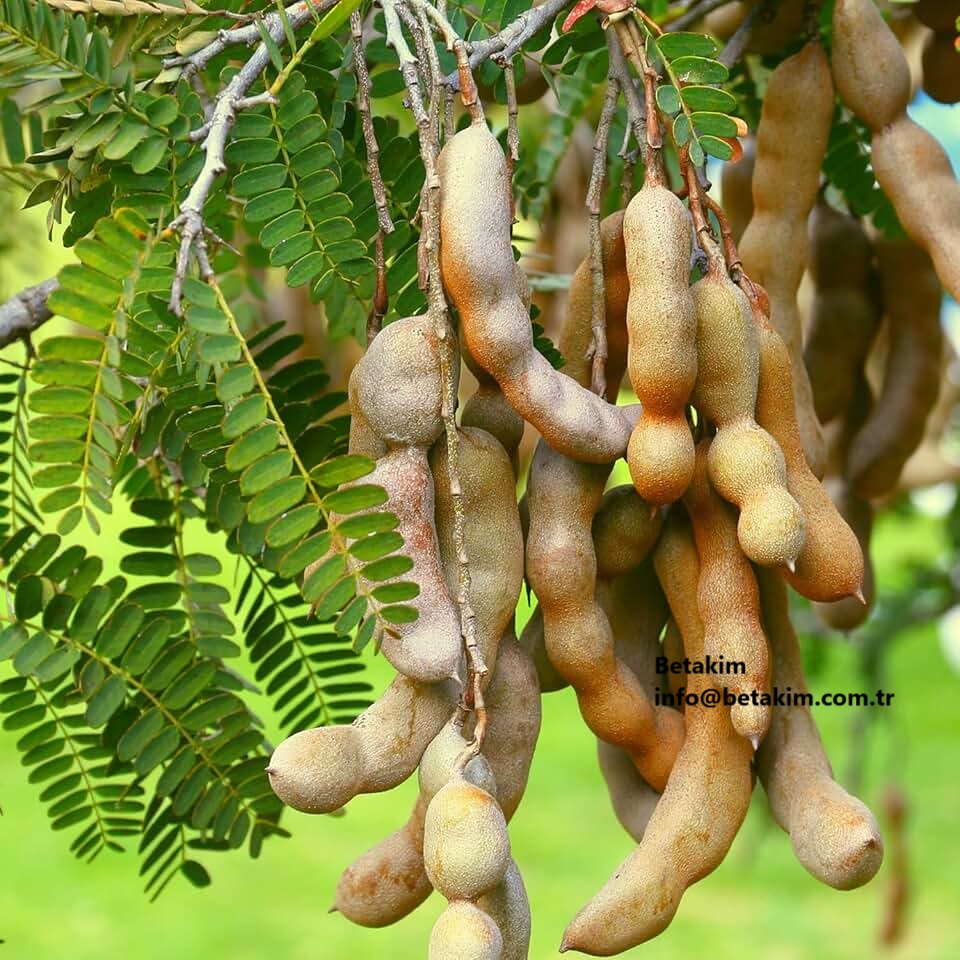
| Source | Seeds of Tamarind Tree (Tamarindus Indica) |
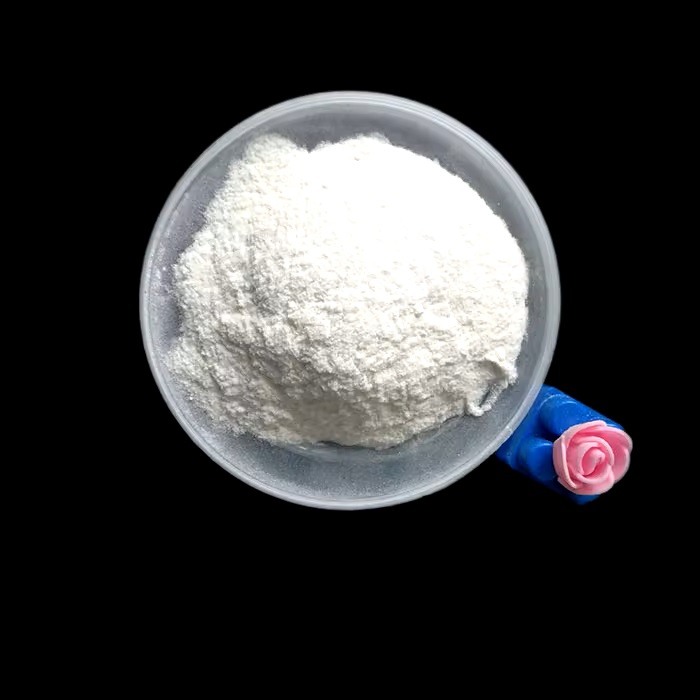
| Physical State (20°C) | Solid (cream-white to light yellow powder) |
| Odor | Characteristic, slight |
SECTION 2: PHYSICAL AND CHEMICAL PROPERTIES
| Property | Value | Test Method |
|---|---|---|
| Appearance | Cream-white to light yellow powder | Visual |
| Odor | Characteristic, slight | Olfactometric |
| pH (1% solution, 25°C) | 6.0 – 8.0 (neutral-slightly alkaline) | pH Meter |
| Solubility in Water (Cold) | Soluble (modified); clear-viscous solution | Visual |
| Solubility in Water (Hot) | Soluble | Visual |
| Viscosity (1% solution, 25°C) | 800 – 6000 cP (Brookfield, 20 rpm) | Brookfield Viscometer |
| Ionic Character | Anionic | - |
| Biocompatibility | Biocompatible | - |
| Biodegradability | Biodegradable | - |
| Toxicity | Non-toxic | - |
| Stability | Stable under normal conditions; protect from moisture |
SECTION 3: CHEMICAL STRUCTURE AND COMPOSITION
| Parameter | Information |
|---|---|
| Chemical Structure | Carboxymethylated polysaccharide (carboxymethyl groups (-CH2-COOH) attached to polysaccharide chain) |
| Polysaccharide Ratio | Glucosyl : Xylosyl : Galactosyl = 3 : 2 : 1 |
| Modification | Carboxymethylation (CM) – provides cold water solubility |
| Anionic Character | Carboxymethyl groups provide anionic character |
| Non-Newtonian Flow | Aqueous solutions exhibit non-Newtonian flow behavior |
| Viscosity Advantage | Higher viscosity than most starch derivatives at equivalent concentrations |
SECTION 4: PRODUCTION METHOD
| Stage | Process | Description |
|---|---|---|
| 1 | Raw Material | Seeds of Tamarind Tree (Tamarindus Indica) (mainly from India) |
| 2 | Seed Selection | Selection of quality seeds |
| 3 | Hull Removal | Mechanical removal of seed coat |
| 4 | Separation | Separation of hull and endosperm |
| 5 | Grinding | Coarse grinding in hammer mill → Tamarind Kernel Powder (TKP) |
| 6 | Chemical Treatment (Carboxymethylation) | Carboxymethylation reaction applied to TKP (-CH2-COOH groups added) |
| 7 | Drying | Dried under controlled conditions |
| 8 | Milling and Sieving | Brought to desired particle size |
SECTION 5: NATURAL MODIFIED POLYSACCHARIDES COMPARISON
| Property | CMT / CMTKP | Guar Gum | Xanthan Gum | Carboxymethyl Cellulose (CMC) | Starch Derivatives |
|---|---|---|---|---|---|
| Source | Tamarind seed | Guar bean | Fermentation | Wood pulp/Cotton | Corn, potato, wheat |
| Ionic Character | Anionic | Non-ionic | Anionic | Anionic | Non-ionic/Anionic |
| Cold Water Solubility | Yes (modified) | Yes | Yes | Yes | Variable |
| Viscosity (Equiv. Conc.) | Very High | High | High | Medium-High | Medium |
| Biodegradability | Yes | Yes | Yes | Yes | Yes |
| Cost | Low | Medium | High | Medium | Low |
| Primary Use | Textile printing, explosives | Food, oil drilling | Food, cosmetics | Food, detergents | Food, adhesives |
SECTION 6: FUNCTIONAL PROPERTIES AND MECHANISM OF ACTION
| Property | Description |
|---|---|
| Thickener / Viscosity Builder | Provides high viscosity in aqueous solutions; non-Newtonian flow behavior |
| Water Binding | High water holding capacity due to hydrophilic carboxymethyl groups |
| Film Forming | Forms smooth and flexible film layer on surfaces |
| Binder | Holds particles together; in slurry explosives and foundries |
| Dispersing Agent | Ensures homogeneous distribution of pigments and particles |
| Sizing | Coats yarn/fiber surface in textile and paper industries providing strength |
| Soil Stabilizer | Provides soil stabilization in oil drilling |
| Rheological Modifier | Controls flow properties; shear thinning in printing paste |
SECTION 7: PRIMARY APPLICATION AREAS
| Sector / Application | Use | Typical Concentration |
|---|---|---|
| Textile - Printing | Reactive dye printing paste thickener | 1 – 5% |
| Textile - Sizing | Jute yarn and cotton warp sizing | 2 – 8% |
| Paper Industry | Sizing material, viscosity builder | 1 – 5% |
| Explosive Industry | Binder in slurry explosives (replacing guar gum) | 2 – 10% |
| Foundry | Core binder | 2 – 8% |
| Oil Drilling | Soil stabilizer, drilling mud additive | 1 – 5% |
| Mosquito Repellent Coils | Binder | 5 – 15% |
| Adhesives | Natural-based adhesive formulations | 5 – 20% |
SECTION 8: QUALITY SPECIFICATIONS (TECHNICAL GRADE)
| Parameter | Specification | Test Method |
|---|---|---|
| Appearance | Cream-white to light yellow powder | Visual |
| Odor | Characteristic, slight | Olfactometric |
| pH (1% solution, 25°C) | 6.0 – 8.0 | pH Meter |
| Moisture Content | ≤ 12% | Gravimetric (105°C) |
| Viscosity (1% solution, 25°C, 20 rpm) | 800 – 6000 cP (per specification) | Brookfield Viscometer |
| Particle Size | Per customer specification (typical: 100-200 mesh) | Sieve Analysis |
| Ash Content | ≤ 5% | Gravimetric (600°C) |
| Protein Content | ≤ 3% | Kjeldahl |
| Fat Content | ≤ 1% | Soxhlet Extraction |
| Water Insoluble Matter | ≤ 5% | Gravimetric |
| Total Microbial Count | ≤ 10,000 CFU/g | ISO 4833 |
| Yeast and Mold | ≤ 1,000 CFU/g | ISO 21527 |
| Salmonella spp. | Negative in 25g | ISO 6579 |
| E. coli | Negative in 10g | ISO 16649 |
SECTION 9: TOXICOLOGICAL PROFILE AND SAFETY
| Parameter | Value |
|---|---|
| Toxicity | Non-toxic (natural modified polymer) |
| Biocompatibility | Biocompatible |
| Biodegradability | Biodegradable |
| Skin Irritation | Not irritating |
| Eye Irritation | Mild mechanical irritation (dust) |
| Respiratory Irritation | Inhalation of dust may cause mechanical irritation |
| Allergenicity | Allergen-free |
| GMO Status | Non-GMO (naturally sourced) |
SECTION 10: GHS CLASSIFICATION AND LABELING
GHS Classification (compliant with 1272/2008/EC):
| Hazard Class | Category | H-Statement |
|---|---|---|
| Not classified | - | Natural modified polymer; not classified as hazardous |
Signal Word: No signal word
Hazard Pictograms: No pictograms required
Precautionary Statements:
| Code | Statement |
|---|---|
| P261 | Avoid breathing dust |
| P280 | Wear protective goggles (in dusty environments) |
SECTION 11: FIRST AID MEASURES
| Exposure Route | Action to Take |
|---|---|
| Inhalation | Move to fresh air. Seek medical attention if respiratory irritation persists. |
| Skin Contact | Wash with plenty of water and soap. |
| Eye Contact | Rinse immediately with plenty of water for at least 15 minutes. Seek medical attention if irritation persists. |
| Ingestion | Rinse mouth with water. Drink plenty of water. |
SECTION 12: FIREFIGHTING MEASURES
| Parameter | Information |
|---|---|
| Fire Hazard | Combustible organic dust; explosion risk if dust accumulates |
| Hazards During Fire | CO, CO2, water vapor |
| Suitable Extinguishing Media | Water mist (fog), CO2, dry chemical powder, foam |
| Special Protective Equipment | Self-contained breathing apparatus (SCBA), full protective clothing |
| Special Precautions | Prevent dust accumulation; avoid sparks |
SECTION 13: STORAGE AND SHELF LIFE
| Parameter | Information |
|---|---|
| Storage Conditions | Cool (15-25°C), dry, well-ventilated area |
| Container Requirements | Tightly closed, moisture-proof containers |
| Keep Away From | Moisture, direct sunlight, pests |
| Shelf Life | 24 months (unopened original packaging under appropriate storage conditions) |
| Stability Note | Hygroscopic; cakes in humid environment; store in airtight containers |
SECTION 14: PACKAGING OPTIONS
| Packaging Type | Quantity | Material |
|---|---|---|
| PP/HDPE laminated paper bag (with PE inner liner) | 25 kg | PP/HDPE + Paper + PE |
| PP/HDPE bag (with PE inner liner) | 25 kg | PP/HDPE + PE |
| Big-Bag | 500-1000 kg | Polypropylene (with PE inner liner) |
SECTION 15: TRANSPORTATION INFORMATION
| Parameter | Information |
|---|---|
| UN Number | Not regulated (not hazardous) |
| Hazard Class | Not applicable |
| Packing Group | Not applicable |
| ADR/RID | Not regulated |
| IMDG Code | Not regulated |
| IATA (Air) | Not regulated |
| Marine Pollutant | No |
| Transport Temperature | Ambient; protect from moisture |
SECTION 16: REGULATORY STATUS
| Region / Authority | Status |
|---|---|
| European Union | Registered under REACH (if applicable) |
| USA (EPA/TSCA) | Listed as industrial chemical |
| Turkey | Suitable for industrial use |
| Halal | Available (plant-derived) |
| Kosher | Available |
| Vegetarian/Vegan | Suitable (plant-derived) |
| GMO | Non-GMO |
SECTION 17: OTHER NAMES AND SYNONYMS
| Type | Name |
|---|---|
| Common Names | Carboxymethyl Tamarind Powder, Cold Water Soluble Tamarind Kernel Powder, Modified Tamarind Seed Powder, Modified Natural Polymer, Tamarind Gum, Anionic Tamarind Gum, Textile Printing Thickener |
| Chemical Names | Sodium Carboxymethyl Tamarind Gum, Anionic Carboxymethyl Tamarind Gum, Carboxymethyl Tamarind Sodium Salt |
| Abbreviations | CMT, CMTKP, Na-CMT, Na-CMTKP |
| CAS Number | 68647-15-4 |
| EC Number | 271-943-5 |
SECTION 18: SUMMARY TABLE
| Parameter | Value |
|---|---|
| Product | Carboxymethyl Tamarind Kernel Powder (CMT / CMTKP) |
| CAS Number | 68647-15-4 |
| Chemical Name | Sodium Carboxymethyl Tamarind Kernel Powder |
| Source | Seeds of Tamarind Tree (Tamarindus Indica) |
| Appearance | Cream-white to light yellow powder |
| pH (1% solution) | 6.0 – 8.0 |
| Primary Function | Textile printing thickener, binder, viscosity builder, soil stabilizer |
| Shelf Life | 24 months |
| GHS Signal Word | Not classified |
SECTION 19: CRITICAL WARNINGS AND BEST PRACTICES
CRITICAL WARNINGS:
-
Dust Explosion Risk: Fine dust may form explosive mixtures with air. Prevent dust accumulation.
-
Moisture Sensitivity: Hygroscopic; cakes in humid environment. Store in tightly closed containers.
-
Slippery Surface: When spilled on wet floor, creates a slippery surface. Sweep up dry.
-
Biodegradable: Natural modified polymer; environmentally friendly and non-toxic.
BEST PRACTICE RECOMMENDATIONS:
-
Solution Preparation: Soluble in cold water; add slowly with stirring to prevent lumping.
-
Textile Printing Paste: Use at 1-5% as thickener; adjust viscosity to desired level.
-
Slurry Explosive: Use at 2-10% as binder replacing guar gum.
-
Storage: Store in dry and cool environment, protected from moisture; use airtight containers.
-
Dosage Optimization: Determine optimum dosage by testing viscosity requirement according to application.
LEGAL DISCLAIMER:
The information provided in this document is presented in good faith based on our current knowledge and experience; however, since all usage conditions are beyond our control, it does not constitute a binding specification or warranty. This Technical Data Sheet is for informational purposes only. Users are obligated to test the suitability for their own applications. For complete safety, storage, handling, transportation, disposal, and regulatory compliance information, refer to the official Safety Data Sheet (SDS/MSDS) provided by the manufacturer/supplier.