We unleash your business potential by maximize the business innovation.
Send EmailCaustic Soda Beads, Caustic Soda, Sodium Hydroxide, NaOH, 1310-73-2
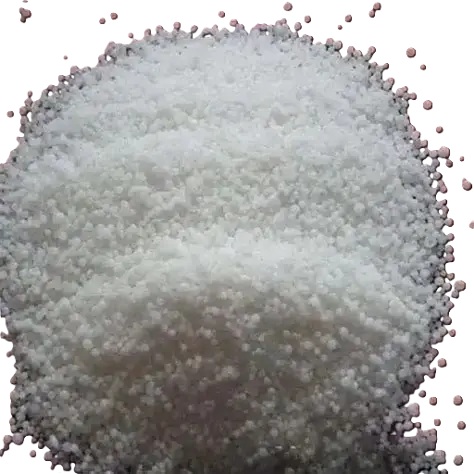
Caustic Soda Beads (Boncuk Kostik)
Chemical Identity
-
Name: Sodium Hydroxide
-
Formula: NaOH
-
CAS Number: 1310-73-2
-
Appearance: White, round beads or pellets, highly hygroscopic (absorbs moisture from air).
Physical & Chemical Properties
-
Strongly alkaline, corrosive substance.
-
Melting point: ~318 °C.
-
Highly soluble in water, releasing significant heat (exothermic dissolution).
-
Reacts with acids to form salts and water.
Applications
-
Industrial Cleaning: Removes grease, oils, and heavy deposits.
-
Water Treatment: Used to adjust pH levels.
-
Pulp & Paper Industry: Essential in cellulose processing.
-
Textiles: Applied in dyeing, bleaching, and finishing processes.
-
Chemical Manufacturing: Key raw material for soaps, detergents, and various organic/inorganic chemicals.
-
Food Industry: In controlled conditions, used as a pH regulator (requires food-grade certification).
Packaging & Storage
-
Typically supplied in 25 kg bags.
-
Must be stored in dry, well-ventilated areas, away from moisture and acids.
-
Protective equipment (gloves, goggles, mask) is mandatory during handling.
Safety Notes
-
Highly corrosive: causes severe burns on skin and eyes.
-
Inhalation of dust can irritate respiratory tract.
-
Always add caustic soda beads slowly into water (never the reverse) to avoid splashing due to heat release.
Production of Caustic Soda Beads (Boncuk Kostik)
Caustic soda beads are essentially solid sodium hydroxide (NaOH) formed into small spherical pellets. Their production involves several industrial steps:
1. Raw Material Preparation
-
Sodium hydroxide is usually produced from brine (sodium chloride solution) via the chlor-alkali process.
-
This process uses electrolysis to split brine into chlorine gas, hydrogen gas, and sodium hydroxide solution.
2. Concentration
-
The sodium hydroxide solution obtained from electrolysis is typically around 30–35% concentration.
-
It is then evaporated under controlled conditions to increase concentration up to ~50%.
3. Solidification
-
The concentrated NaOH solution is cooled and solidified.
-
Depending on the method, it can be cast into flakes, prills, or beads.
-
For beads, the molten NaOH is sprayed or dripped into a cooling chamber, where it solidifies into small spherical pellets.
4. Packaging
-
The beads are collected, screened for uniform size, and packaged in moisture-proof bags (commonly 25 kg).
-
Since NaOH is highly hygroscopic, packaging must be airtight to prevent absorption of moisture and CO₂ from the air.
Key Notes
-
The production process is energy-intensive and requires corrosion-resistant equipment (nickel, special alloys).
-
Safety is critical: molten NaOH is extremely corrosive and dangerous to handle.
-
By-products of the chlor-alkali process (chlorine, hydrogen) are valuable chemicals themselves, often used in PVC production, bleaching, and fuel applications.
Caustic Soda Beads (Boncuk Kostik) – Applications in Detail
1. Textile Industry
-
Used in mercerization of cotton to improve strength, luster, and dye uptake.
-
Essential in dyeing and bleaching processes for both natural and synthetic fibers.
-
Helps in removing natural waxes and oils from raw cotton.
2. Pulp & Paper Industry
-
Key chemical in the Kraft process for separating lignin from cellulose.
-
Applied in bleaching stages to enhance paper whiteness.
-
Used for pH control in paper production lines.
3. Chemical Manufacturing
-
Fundamental raw material for soap and detergent production.
-
Involved in synthesis of organic chemicals (e.g., epichlorohydrin, propylene oxide).
-
Used in inorganic chemical production, such as sodium hypochlorite and sodium phosphate.
4. Water Treatment & Environmental Applications
-
Adjusts pH levels in municipal and industrial water systems.
-
Neutralizes acidic waste streams before discharge.
-
Regenerates ion-exchange resins in water softening processes.
5. Petroleum & Energy Sector
-
Removes acidic impurities (like hydrogen sulfide and organic acids) from petroleum products.
-
Applied in refining processes to purify fuels and lubricants.
6. Food Industry (Food-Grade NaOH Only)
-
Used in olive processing to remove bitterness.
-
Applied in baking pretzels to give their characteristic crust.
-
Functions as a pH regulator in certain food formulations.
7. Pharmaceutical & Cosmetic Industry
-
In pharmaceuticals, used in drug synthesis and pH adjustment.
-
In cosmetics, regulates pH in creams, lotions, and cleansers.
-
Essential in the production of glycerin and other intermediates.
8. Other Applications
-
Strong degreaser in industrial cleaning.
-
Used in aluminum production to dissolve bauxite ore.
-
Plays a role in rubber recycling and biodiesel production.
Boncuk Kostik (Sodyum Hidroksit – NaOH) Sektörel Uygunluk Tablosu (Türkçe)
Aşağıdaki tablo, boncuk kostik kullanım alanlarını sektörlere göre kalite gereklilikleri ve sertifikasyon standartlarıyla birlikte özetlemektedir. Bu yapı ERP entegrasyonlarında doğrudan kullanılabilir ve tedarikçi tekliflerini benchmark ederken kalite ayrımlarını netleştirir.
| Sektör | Kullanım Alanı | Gereken Kalite | Sertifikasyon / Standart |
|---|---|---|---|
| Tekstil | Merserizasyon, boyama, ağartma | Teknik kalite | ISO 9001, REACH |
| Kağıt & Selüloz | Kraft prosesi, beyazlatma | Teknik kalite | ISO 9001, REACH |
| Kimya & Deterjan | Sabun, deterjan, organik/inorganik sentez | Teknik kalite | ISO 9001, REACH |
| Su Arıtma | pH düzenleme, atık nötralizasyon | Teknik kalite | ISO 14001, REACH |
| Petrol & Enerji | Rafineri işlemleri, asit giderme | Teknik kalite | ISO 9001, REACH |
| Gıda | Zeytin işleme, pretzel üretimi, pH kontrol | Gıda kalite (Food grade) | FCC, E524, ISO 22000, HACCP |
| İlaç | İlaç sentezi, pH ayarlama | İlaç kalite (Pharma grade) | GMP, USP/EP (Farmakope) |
| Kozmetik | Kremler, losyonlar, temizleyiciler | Kozmetik kalite | GMP, ISO 22716, INCI uyumu |
| Alüminyum | Boksit çözeltisi | Teknik kalite | ISO 9001, REACH |
| Çevre & Atık | Asidik atıkların nötralizasyonu | Teknik kalite | ISO 14001, REACH |