We unleash your business potential by maximize the business innovation.
Send EmailLavender Essence, Lavender Essential Oil, Lavender Flavoring, 8000-28-0
LAVENDER ESSENTIAL OIL (LAVANDULA ANGUSTIFOLIA)
1. PRODUCT DEFINITION AND CHEMICAL IDENTITY
| Parameter | Description |
|---|---|
| Product Name | Lavender Essential Oil (Lavender Essence) |
| Botanical Name | Lavandula angustifolia Mill. (syn. Lavandula officinalis Chaix) |
| INCI Name | Lavandula Angustifolia (Lavender) Oil |
| CAS Number | 8000-28-0 (general lavender oil); 84776-65-8 (L. angustifolia specific) |
| EINECS Number | 289-995-2 |
| Extraction Method | Steam distillation of the flowering tops |
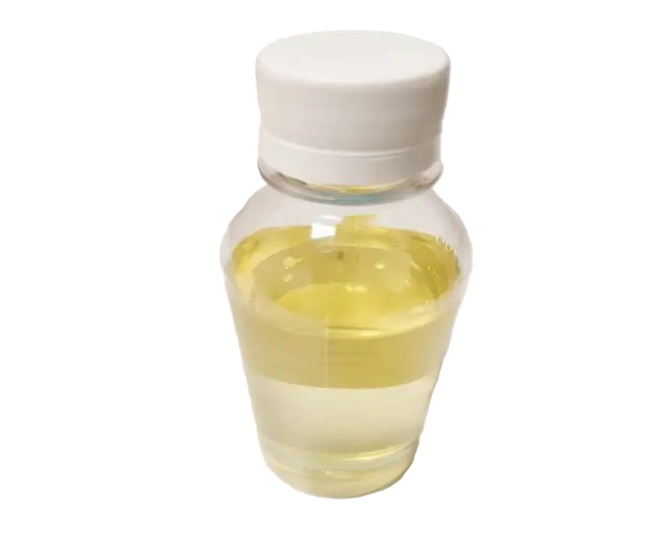
| Appearance | Clear, colourless to pale yellow liquid |
| Odour | Fresh, floral, herbaceous, characteristic lavender aroma |
Note: Lavender essential oil is a natural volatile oil obtained by the steam distillation of the fresh flowering tops of Lavandula angustifolia, a member of the Lamiaceae (mint) family. The primary regions of production are France (Provence), Spain, Bulgaria, and England. Its chemical profile is defined by the ISO 3515 standard. Due to its therapeutic properties and pleasant fragrance, it is widely used in aromatherapy, cosmetics, pharmaceuticals, and the perfumery industry.
2. PHYSICAL AND CHEMICAL PROPERTIES
| Property | Value / Description |
|---|---|
| Physical form | Clear, mobile liquid |
| Colour | Colourless – pale yellow |
| Odour | Fresh, floral, herbaceous, with a subtle woody undertone |
| Density (20 °C) | 0.878 – 0.892 g/cm³ |
| Refractive index (n²⁰/D) | 1.455 – 1.466 |
| Optical rotation ([α]D²⁰) | -12.5° to -7.0° |
| Flash point | ~65 °C (closed cup) |
| Solubility in water | Practically insoluble; trace water-soluble components form the hydrosol during distillation |
| Solubility in organic solvents | Miscible in all proportions with ethanol, fixed oils, and other essential oils |
3. CHEMICAL COMPOSITION (Typical ranges per ISO 3515:2002)
| Component | Typical Content (%) | Role / Property |
|---|---|---|
| Linalool | 25 – 38 | Primary alcohol; sedative, antimicrobial, defines the floral character |
| Linalyl acetate | 25 – 45 | Primary ester; relaxing, anti-inflammatory, imparts a fruity-floral note |
| Lavandulyl acetate | ≥ 2.0 | Key quality indicator for true lavender |
| Terpinen-4-ol | 2.0 – 6.0 | Potent antimicrobial and antifungal agent |
| 1,8-Cineole | ≤ 1.0 | Fresh, balsamic; higher levels indicate lower quality |
| Camphor | ≤ 1.0 | Sharp, medicinal odour; higher levels indicate lower quality |
| Geraniol | Trace – 2% | Sweet, rose-like odour; antimicrobial |
| Borneol | Trace – 1.5% | Woody, fresh; anti-inflammatory |
Quality Note: A high-quality L. angustifolia essential oil is characterized by a high ester content (linalyl acetate, lavandulyl acetate) and a low camphor/cineole ratio. Oils with a sharp, camphoraceous odour are typically derived from Lavandula x intermedia (Lavandin) and are considered to have a lower therapeutic value.
4. FUNCTIONAL PROPERTIES AND MODE OF ACTION
-
Sedative and Anxiolytic (Psychological): Linalool and linalyl acetate act as modulators on GABA (gamma-aminobutyric acid) receptors in the central nervous system, reducing anxiety, promoting relaxation, and improving sleep quality. Effective via diffusion or inhalation.
-
Antimicrobial and Antiseptic: Monoterpenes such as linalool, terpinen-4-ol, and camphor exhibit broad-spectrum antimicrobial activity against bacteria (Gram-positive), fungi, and some viruses. They act by disrupting cell membrane integrity.
-
Anti-inflammatory and Analgesic (Physical): Linalyl acetate and linalool inhibit cyclooxygenase (COX) and lipoxygenase (LOX) pathways, reducing the synthesis of prostaglandins and leukotrienes. This provides relief from local inflammation and pain.
-
Skin Regenerative and Wound Healing: Stimulates fibroblast activity and collagen synthesis, accelerating wound healing. Its antiseptic property reduces the risk of infection. It provides a soothing effect on acne, eczema, and minor burns.
-
Insect Repellent: The volatile components of lavender oil exhibit a repellent effect against certain insect species, particularly mosquitoes.
5. SECTORAL APPLICATIONS AND USAGE RATES
| Sector | Application Area | Typical Usage Rate | Notes |
|---|---|---|---|
| Cosmetics & Personal Care | Perfumes, creams, lotions, shampoos, soaps, shower gels, body sprays | 0.5 – 2% | Provides a pleasant fragrance, antiseptic, and soothing properties. Acts as an active ingredient in skincare. |
| Aromatherapy | Diffusers, massage oil, bath additive, inhalation | 2–3% in a carrier oil; 3–5 drops in a diffuser | Promotes relaxation, reduces stress, enhances sleep quality. Dilute with jojoba or almond oil for massage. |
| Pharmaceutical | Ointments, creams, inhalation blends, aromatherapy preparations | 1 – 3% | Supports wound healing, headache relief, and mild anxiety. Must use pharmacopoeia-grade oil. |
| Textile | Scented sachets, aromatic pillows, fabric sprays | 0.2 – 1% | Requires encapsulation or microemulsion technology for a long-lasting effect. |
| Food & Beverage | Flavouring agent (rare, controlled use) | 0.01 – 0.1% (max. 0.5% in specialty products) | Only food-grade essential oil must be used; listed on the FEMA GRAS list. Used in limited specialty products. |
| Household Cleaning | Natural room spray, disinfectant additive as an alternative to bleach | 0.1 – 0.5% | Preferred for its antimicrobial property and pleasant scent. |
| Insect Repellent | Natural fly and mosquito repellent lotion/spray | 1 – 3% (diluted) | Apply to the skin diluted in a carrier oil. |
6. EXAMPLE FORMULATIONS
A. Relaxing Massage Oil:
-
Lavender essential oil: 2% (e.g., 2 mL / ~40 drops per 100 mL of carrier oil)
-
Carrier oil (jojoba, sweet almond, grapeseed): 98%
-
Mix and store in a dark-coloured glass bottle.
B. Sleep-Supporting Diffuser Blend:
-
Lavender essential oil: 3 drops
-
Roman Chamomile essential oil: 2 drops
-
Add to a diffuser with water; operate 30 minutes before bedtime.
C. Soothing Bath Salts:
-
Sea salt (or Epsom salt): ~1 cup (~250 g)
-
Lavender essential oil: 5 – 10 drops
-
Carrier oil (optional, to help the essential oil mix with the salt): 1 teaspoon
-
Combine all ingredients and add to bath water.
7. SAFETY, STORAGE, AND REGULATORY INFORMATION
-
GHS Classification (CLP Regulation):
-
Signal Word: Warning
-
Hazard Statements: H315 (Causes skin irritation), H317 (May cause an allergic skin reaction), H319 (Causes serious eye irritation), H304 (May be fatal if swallowed and enters airways – aspiration hazard).
-
Precautionary Statements: P261, P264, P272, P280, P301+P310, P302+P352, P305+P351+P338, P333+P313, P337+P313, P501.
-
-
Skin Application: Must never be applied to the skin undiluted (neat). Always dilute to 1-3% in a suitable carrier oil.
-
Eye Contact: Causes serious irritation. In case of contact, rinse immediately with plenty of water for at least 15 minutes and seek medical attention.
-
Ingestion: May be fatal due to aspiration hazard. If swallowed, do not induce vomiting; seek immediate medical attention.
-
Pregnancy and Breastfeeding: It is recommended to avoid use during the first trimester of pregnancy. Can be used in low doses and under medical supervision in later stages.
-
Storage:
-
Store in a cool (<25 °C), dry, and dark place in tightly sealed, dark-coloured glass bottles.
-
Heat, light, and oxygen cause oxidation and degradation of the essential oil.
-
Keep out of reach of children.
-
-
Shelf Life: 2-3 years in an unopened bottle under proper storage conditions. Once opened, it is recommended to use within 12 months.
8. FREQUENTLY ASKED QUESTIONS
Q1: What is the difference between lavender essence and lavender oil?
They are generally used synonymously. "Lavender essence" is more commonly used in the perfumery and cosmetics context, while "lavender essential oil" is preferred in aromatherapy and natural health. Chemically, they refer to the same product.
Q2: Can lavender oil be applied directly to the skin?
No, pure essential oils contain highly concentrated active compounds and can cause irritation, sensitization, and even chemical burns on the skin. It must always be diluted in a carrier oil (such as jojoba, almond, or coconut oil) before topical application.
Q3: Does lavender oil genuinely help with sleep?
Yes, clinical studies have shown that inhalation of lavender oil (e.g., via a diffuser) improves sleep quality, shortens the time to fall asleep, and reduces nighttime awakenings. Its effect is based on the sedative action of linalool and linalyl acetate on the central nervous system.
Q4: What is the difference between Lavender and Lavandin oil?
Lavender oil (Lavandula angustifolia) has a higher ester (linalyl acetate) and lower camphor content; its scent is sweeter, more floral, and softer. Lavandin oil (Lavandula x intermedia) has a higher camphor and cineole content; its scent is sharper and more camphoraceous. Lavender oil is preferred for therapeutic purposes, while lavandin is used more in cleaning products and industrial fragrances.
Q5: What is the shelf life of lavender oil?
Under proper storage conditions (cool, dark, sealed glass bottle), lavender oil can last 2-3 years. Over time, especially when exposed to light and heat, the esters can hydrolyze, and the oil's fragrance and therapeutic properties can degrade.
9. QUICK REFERENCE TABLE
| Property | Value / Description |
|---|---|
| CAS | 8000-28-0 |
| Botanical Name | Lavandula angustifolia |
| Extraction | Steam distillation |
| Main Components | Linalool (25-38%), Linalyl acetate (25-45%) |
| Appearance | Colourless – pale yellow liquid |
| Fragrance | Fresh, floral, herbaceous |
| Main Functions | Sedative, antimicrobial, anti-inflammatory, skin regenerative |
| Topical Use | Only diluted (1-3%) |