We unleash your business potential by maximize the business innovation.
Send EmailPolyaluminum Chloride, Poly Aluminium Chloride, Aluminum Hydroxychloride, PAC Powder, PAC30, 1327-41-9, 101707-17-9
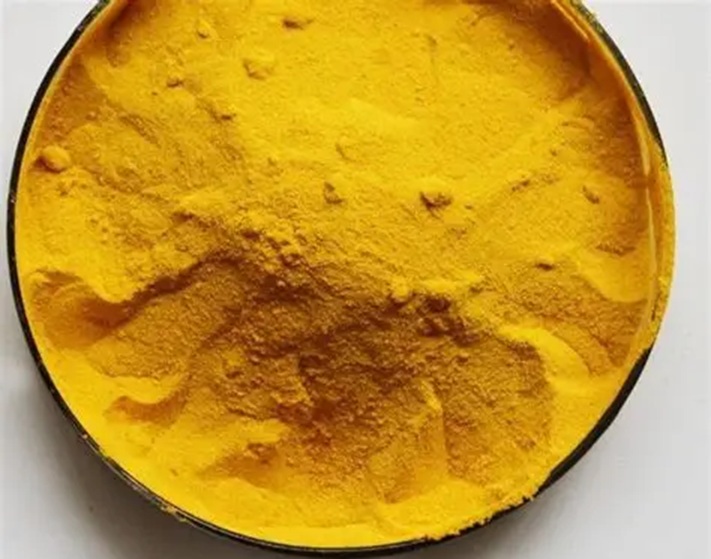
Poly Aluminium Chloride (PAC) Powder
Chemical Identity
-
Formula: Alₙ(OH)ₘCl(3n–m)
-
CAS Numbers: 1327-41-9 (most common), 101707-17-9 (alternative)
-
EC (EINECS) No: 215-477-2
-
Synonyms: Poly Aluminium Chloride, Basic Aluminum Chloride, Aluminum Hydroxychloride, Polymeric Aluminum Chloride, Aluminum Chlorohydrate
-
Typical Al₂O₃ Content: 28–31% (powder form)
-
Basicity: 40–90%, depending on application
Physical Properties
-
Available in powder or liquid form.
-
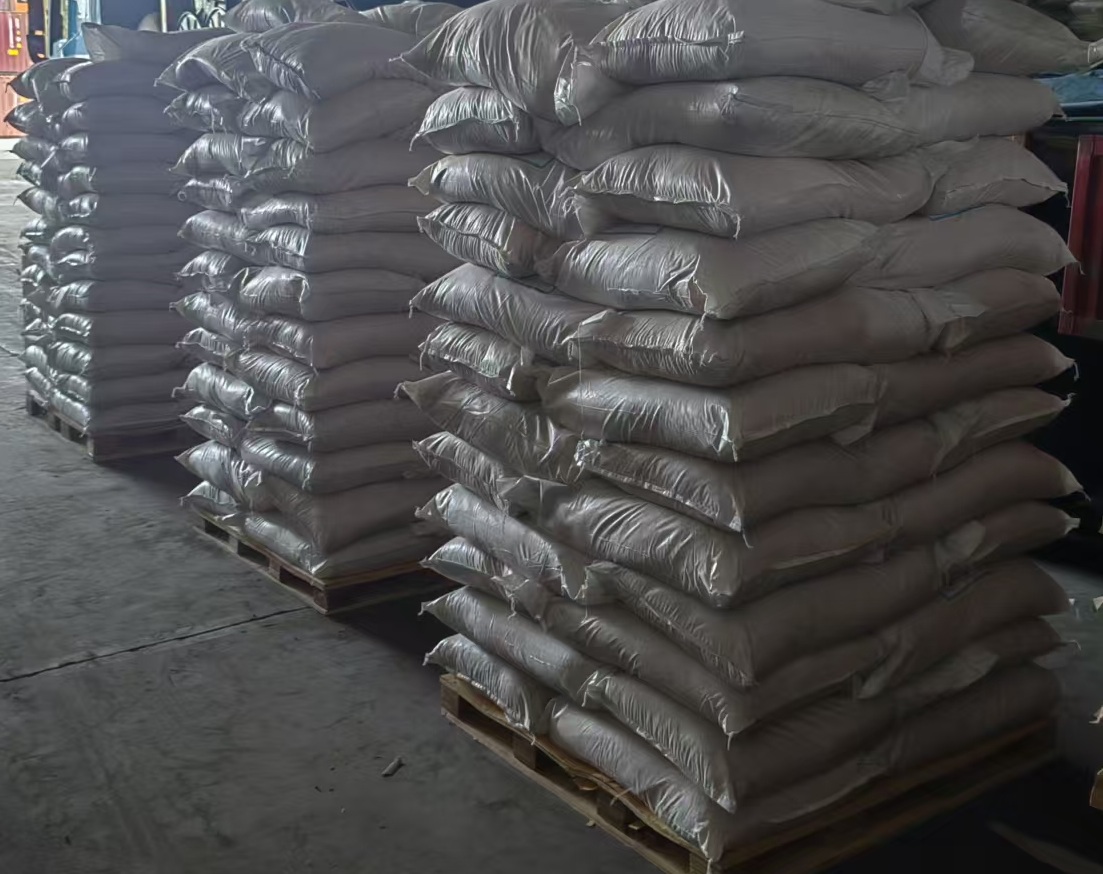
Powder form: higher concentration, longer shelf life.
-
Liquid form: easier handling, but more sensitive to storage conditions.
Advantages
-
High efficiency at low dosage.
-
Effective across a wide pH range (4–9).
-
Produces less sludge compared to conventional coagulants.
-
Faster floc formation compared to iron or aluminum sulfate.
-
Leaves lower residual aluminum in treated water.
Applications
-
Drinking water treatment: Turbidity and color removal, reduction of organic matter.
-
Wastewater treatment: Removal of suspended solids and organic load in industrial and municipal effluents.
-
Paper industry: Acts as a retention aid for fillers and dyes.
-
Textile industry: Removes dye residues and chemical contaminants.
-
Other industries: Used in food processing water, chemical manufacturing, and metallurgy as a coagulant aid.
Grades of PAC
-
Drinking water grade PAC: Low heavy metal content, safe for potable water.
-
Industrial grade PAC: Broader application range, not suitable for drinking water.
Usage Guidelines
1. Dosage
-
Drinking water: 5–50 mg/L
-
Wastewater: 50–200 mg/L
-
Industrial processes: 30–150 mg/L
-
Dosage must be optimized through jar tests or pilot trials to avoid overdosing or insufficient flocculation.
2. Solution Preparation
-
PAC powder should not be added directly to water; prepare a solution first.
-
Dissolve PAC slowly in clean water under continuous moderate stirring.
-
Allow 30–60 minutes for complete dissolution.
-
Recommended solution concentration: 5–10%.
-
Use prepared solution within 24–48 hours to maintain effectiveness.
3. Application Method
-
Dosing is typically done via balance tanks and dosing pumps.
-
Optimum pH for treatment: 6–7.
-
Mixing sequence:
-
Rapid mixing for initial floc nucleus formation.
-
Slow mixing for floc growth and settling.
-
Summary
Poly Aluminium Chloride (PAC) powder is a high-performance inorganic coagulant widely used in water and wastewater treatment, as well as in paper and textile industries. It should be prepared as a 5–10% solution, dosed in the range of 5–200 mg/L depending on water quality, and applied under controlled pH and mixing conditions to achieve optimal flocculation and sedimentation.
Sectoral Applications of Poly Aluminium Chloride (PAC) – Detailed Explanation
1. Drinking Water Treatment
-
Objective: Removal of turbidity, color, and organic matter.
-
Process: PAC is dosed into raw water at 5–50 mg/L. Rapid mixing disperses the coagulant, followed by slow mixing to allow floc growth.
-
Outcome: Formation of dense flocs that settle quickly, producing clear water with reduced residual aluminum compared to alum.
-
Advantages: Effective across varying raw water qualities, lower sludge volume, and faster clarification.
2. Municipal and Industrial Wastewater Treatment
-
Objective: Reduction of suspended solids, COD/BOD, and heavy metals.
-
Process: PAC is applied at 50–200 mg/L depending on pollution load. It destabilizes colloids and aggregates organic matter.
-
Outcome: Improved sedimentation, reduced sludge handling costs, and enhanced downstream biological treatment efficiency.
-
Applications: Textile dye effluents, food industry wastewater, tannery effluents, and chemical process discharges.
3. Paper Industry
-
Objective: Retention of fillers, pigments, and dyes during papermaking.
-
Process: PAC acts as a cationic coagulant, binding negatively charged fibers and additives.
-
Outcome: Increased retention efficiency, improved paper strength, and reduced chemical losses.
-
Advantages: Works synergistically with cationic starch and other retention aids.
4. Textile Industry
-
Objective: Removal of dye molecules, surfactants, and finishing chemicals from wastewater.
-
Process: PAC is dosed at 30–150 mg/L, often combined with polymers (e.g., cationic polyacrylamide) for enhanced flocculation.
-
Outcome: Significant reduction in color, COD, and suspended solids.
-
Advantages: Faster floc formation compared to iron salts, lower sludge volume, and better decolorization efficiency.
5. Construction and Concrete Applications (Indirect Use)
-
PAC is not a plasticizer or water reducer, but in construction water treatment it plays a role:
-
Clarification of process water used in concrete batching.
-
Treatment of aggregate washing water.
-
Recycling of slurry water in ready-mix plants.
-
-
Outcome: Cleaner process water, reduced environmental discharge, and compliance with regulations.
6. Other Industrial Uses
-
Food Industry: Clarification of process water, sugar refining.
-
Mining/Metallurgy: Removal of suspended solids and heavy metals from process streams.
-
Chemical Industry: Pre-treatment of process water to protect downstream equipment.
Key Notes for Sectoral Application
-
Dosage Optimization: Always determined by jar tests or pilot trials.
-
Solution Preparation: PAC powder must be dissolved into 5–10% solution before dosing.
-
pH Control: Optimum range is 6–7, though PAC works between 4–9.
-
Combination with Polymers: Often paired with polyacrylamide (anionic or cationic) to enhance floc strength and settling.
-
Sludge Management: PAC generates less sludge compared to alum or ferric salts, reducing disposal costs.