We unleash your business potential by maximize the business innovation.
Send EmailPolyaluminum Chloride, Poly Aluminium Chloride, Aluminum Hydroxychloride, Aluminum Chlorohydrate, PAC Powder, PAC30, 1327-41-9, 101707-17-9
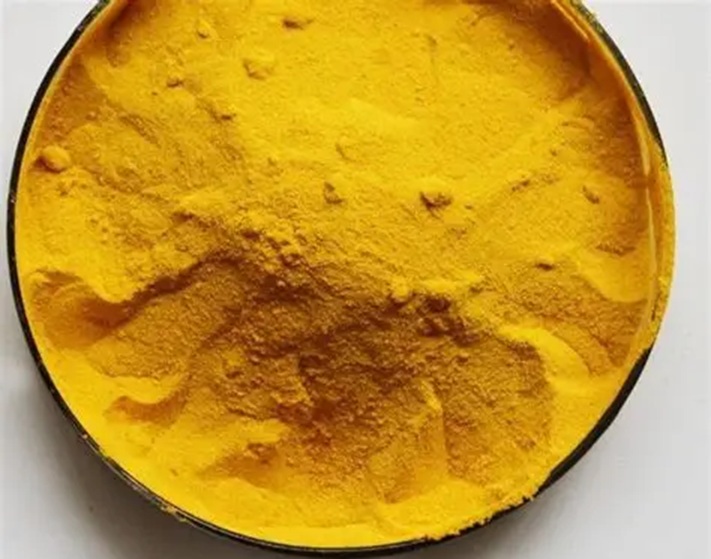
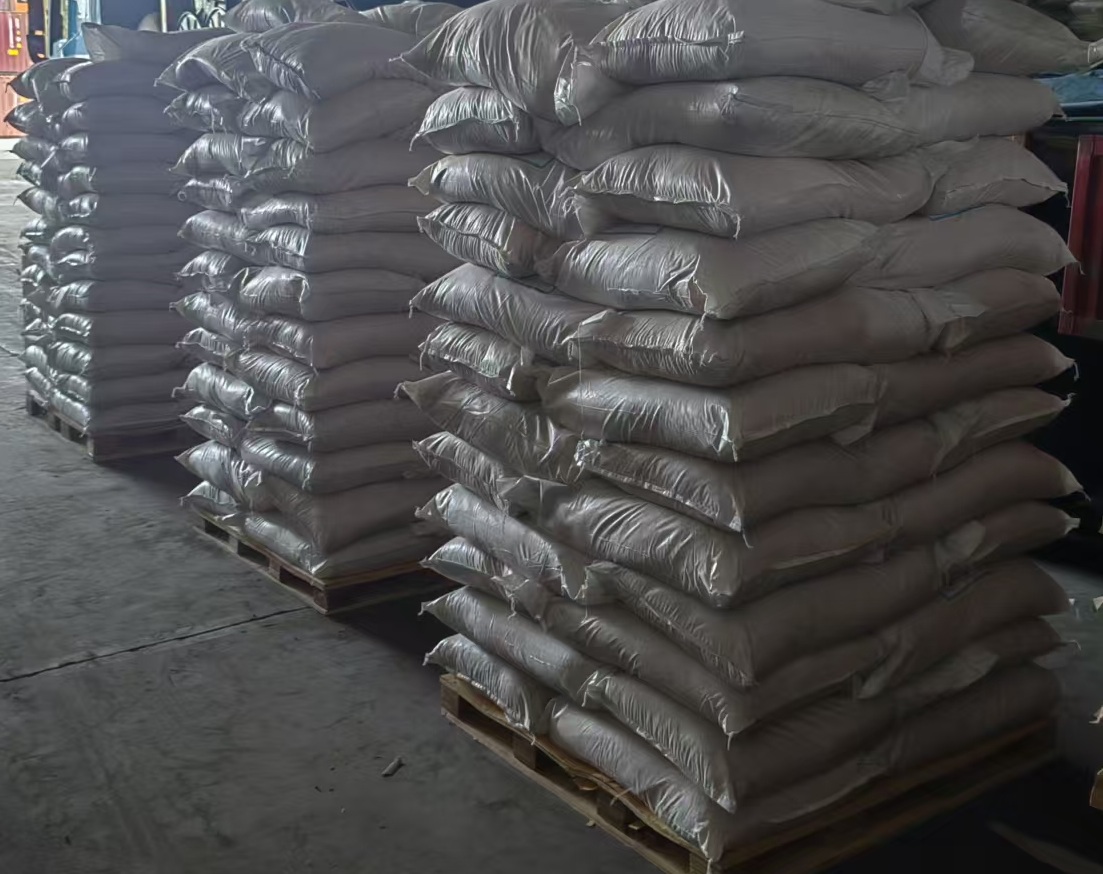
PAC Powder (Polyaluminum Chloride)
Description: PAC powder is a highly efficient inorganic polymer coagulant widely used in water treatment, wastewater purification, and industrial processes. It is produced by the polymerization of aluminum salts and is effective in both coagulation (destabilizing suspended particles) and flocculation (aggregating them into larger flocs for removal).
Key Features:
-
Chemical formula: Aln(OH)mCl(3n–m)
-
Available in powder or liquid form
-
Works across a wide pH range (4–9)
-
Reduces sludge volume compared to traditional coagulants
-
Rapid floc formation and high removal efficiency
Applications:
-
Drinking water treatment: removal of turbidity, color, and organic matter
-
Wastewater treatment: effective for suspended solids and COD reduction
-
Industrial use: textile dye removal, paper industry retention aid, swimming pool water treatment
Advantages:
-
Lower dosage compared to alum or ferric salts
-
Produces less residual aluminum in treated water
-
Stable performance under varying water conditions
PAC powder (Polyaluminum Chloride) focusing on its dosage, preparation, and application:
1. Dosage
The required amount depends on water quality and treatment goals:
-
Drinking water treatment: typically 5–50 mg/L.
-
Wastewater treatment: usually 50–200 mg/L, higher if turbidity or organic load is significant.
-
Industrial processes (textile, paper, etc.): 30–150 mg/L.
Exact dosage should always be optimized through jar tests or pilot trials.
2. Preparation
PAC powder must be dissolved before use:
-
Solution preparation:
-
Slowly add PAC powder into clean water while stirring.
-
Maintain continuous mixing to avoid clumping.
-
Allow 30–60 minutes for complete dissolution.
-
-
Concentration:
-
Standard working solutions are 5–10%.
-
Higher concentrations may cause stability issues.
-
-
Storage:
-
Prepared solutions should be used within 24–48 hours.
-
Longer storage reduces effectiveness.
-
3. Application
-
Dosing equipment: balance tanks and dosing pumps are commonly used.
-
pH range: PAC is effective between pH 4–9, with optimum performance around pH 6–7.
-
Mixing process:
-
Rapid mixing at first to disperse the coagulant.
-
Slow mixing afterward to allow flocs to grow and settle.
-
CAS Numbers
-
1327-41-9 → Most widely referenced CAS number for PAC.
-
101707-17-9 → Alternative CAS number, also used in chemical databases.
Synonyms / Other Names
-
Poly Aluminium Chloride (PAC)
-
Polyaluminum Chloride
-
Basic Aluminum Chloride
-
Aluminum Hydroxychloride
-
Polymeric Aluminum Chloride
-
Aluminum Chlorohydrate (sometimes used interchangeably in industrial contexts)
Notes
-
PAC is registered under EINECS (EC#) 215-477-2.
-
The empirical formula is often written as [Al₂(OH)nCl₆–n]m, where n indicates basicity (typically 1–5).