We unleash your business potential by maximize the business innovation.
Send EmailPolyaluminum Chloride, Aluminum Hydroxychloride, PAC Powder, PAC30, 1327-41-9, 101707-17-9
POLYALUMINIUM CHLORIDE (PAC) POWDER
PRODUCT IDENTIFICATION INFORMATION
| Parameter | Information |
|---|---|
| Product Name | Polyaluminium Chloride Powder |
| Chemical Names | Polyaluminium Chloride, Basic Aluminum Chloride, Aluminum Hydroxychloride |
| Synonyms (Turkish) | Polialüminyum Klorür, PAC Tozu, Polimerik Alüminyum Klorür, Alüminyum Klorohidrat |
| Synonyms (English) | Polyaluminium Chloride, PAC, Polymeric Aluminum Chloride, Aluminum Chlorohydrate |
| CAS Numbers | 1327-41-9 (primary), 101707-17-9 (alternative) |
| EC Number (EINECS) | 215-477-2 |
| General Formula | Alₙ(OH)ₘCl₍₃ₙ₋ₘ₎ |
| Molecular Weight | Very high due to polymeric structure (typical ~5,000–50,000 g/mol) |
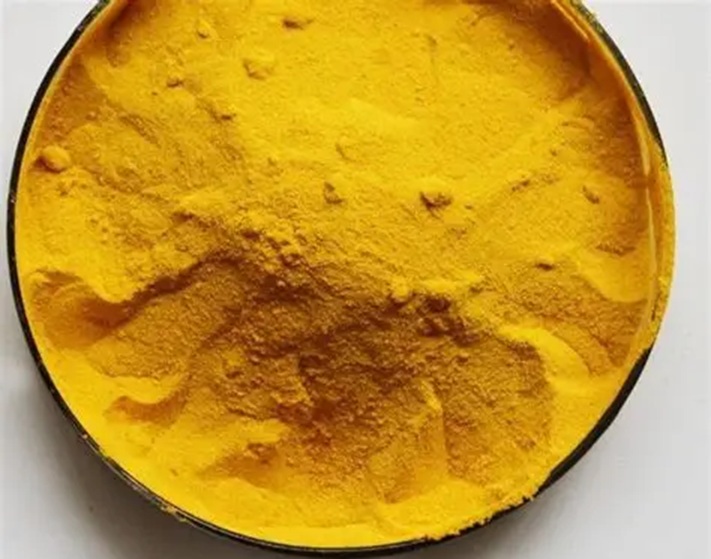
| Appearance | White to light yellow, free-flowing powder |
CHEMICAL STRUCTURE
Polyaluminium Chloride (PAC)
[Al₂(OH)nCl₆₋ₙ]ₘ
General Formula: Alₙ(OH)ₘCl₍₃ₙ₋ₘ₎
Structure: Polymeric inorganic coagulant with variable polynuclear aluminium species; High positive charge; Degree of polymerization and basicity (OH/Al ratio) determine performance characteristics; Contains pre-polymerized aluminium species (Al₁₃ Keggin ions).
SECTION 1: CHEMICAL IDENTITY AND DESCRIPTION
| Parameter | Information |
|---|---|
| Product Name | Polyaluminium Chloride Powder |
| Chemical Names | Polyaluminium Chloride, Basic Aluminum Chloride, Aluminum Hydroxychloride |
| Synonyms (Turkish) | Polialüminyum Klorür, PAC Tozu, Polimerik Alüminyum Klorür, Alüminyum Klorohidrat |
| Synonyms (English) | Polyaluminium Chloride, PAC, Polymeric Aluminum Chloride, Aluminum Chlorohydrate |
| CAS Numbers | 1327-41-9 (primary), 101707-17-9 (alternative) |
| EC Number (EINECS) | 215-477-2 |
| General Formula | Alₙ(OH)ₘCl₍₃ₙ₋ₘ₎ |
| Molecular Weight | 5,000 – 50,000 g/mol (grade dependent) |
| Chemical Class | Inorganic polymer; Pre-hydrolyzed coagulant; Polyelectrolyte |
| Physical State (20°C) | Solid (free-flowing powder) |
| Odor | Odorless |
| Color | White to light yellow |
SECTION 2: PHYSICAL PROPERTIES
| Property | Value | Test Method / Note |
|---|---|---|
| Appearance | White to light yellow, free-flowing powder | Visual |
| Odor | Odorless | Olfactometric |
| Bulk Density (20°C) | 0.65 – 0.85 g/cm³ | ASTM D1895 |
| True Density | ~2.0 – 2.2 g/cm³ | ASTM D792 |
| Melting Point | >200°C (decomposes) | DSC |
| Hygroscopicity | Moderate (absorbs moisture) | – |
| Particle Size (D50) | 10 – 150 μm (grade dependent) | Laser Diffraction |
| Solubility in Water | Fully soluble (exothermic) | General Method |
| pH (1% Solution, 20°C) | 3.5 – 5.0 | pH Meter |
| Al₂O₃ Content (w/w) | 26 – 31% | Titrimetric |
| Basicity | 40 – 90% (typical 45-75%) | Titration |
| Chloride Content | 8 – 12% | Titrimetric |
| Water Insolubles | ≤ 0.1% (drinking water grade) | Gravimetric |
SECTION 3: QUALITY SPECIFICATIONS
3.1 Drinking Water Grade Specifications
| Parameter | Value |
|---|---|
| Al₂O₃ Content (w/w) | 28 – 31% |
| Basicity | 40 – 90% (typical 45-75%) |
| pH (1% Solution, 20°C) | 3.5 – 5.0 |
| Iron (Fe) | ≤ 0.01% |
| Heavy Metals (Pb, Cd, Hg, Cr) | ≤ 1 – 5 ppm |
| Water Insolubles | ≤ 0.1% |
| Chloride (Cl) | 8 – 12% |
| Sulfate (SO₄) | ≤ 0.05% |
| Arsenic (As) | ≤ 0.5 ppm |
3.2 Industrial Grade Specifications
| Parameter | Value |
|---|---|
| Al₂O₃ Content (w/w) | 26 – 30% |
| Basicity | 40 – 85% |
| pH (1% Solution) | 3.0 – 4.5 |
| Iron (Fe) | ≤ 0.1% |
| Heavy Metals (as Pb) | ≤ 50 ppm |
| Water Insolubles | ≤ 0.5% |
SECTION 4: BASICITY AND ITS IMPORTANCE
Definition: Basicity (%) = [OH⁻] / (3 × [Al³⁺]) × 100
| Basicity Range | Characteristics |
|---|---|
| Low Basicity (30-50%) | Lower polymerization; Faster hydrolysis; Lower molecular weight; Suitable for low turbidity waters |
| Medium Basicity (50-75%) | Balanced performance; Standard for most water treatment applications; Good floc formation |
| High Basicity (75-90%) | High polymerization; Higher molecular weight; Higher charge density; Suitable for high turbidity and colored waters |
Basicity Effect on PAC Performance:
| Property | Low Basicity (30-50%) | Medium Basicity (50-75%) | High Basicity (75-90%) |
|---|---|---|---|
| Polymerization Degree | Low | Medium | High |
| Al₁₃ Content | Low | High | Very High |
| Charge Density | Low | Medium | High |
| Flocculation Speed | Fast | Medium | Slow |
| Floc Size | Small | Medium | Large |
| pH Range Stability | Narrow | Wide | Wide |
| Residual Aluminium | Medium | Low | Very Low |
SECTION 5: POLYMERIZATION AND ALUMINIUM SPECIATION
5.1 Aluminium Species (Ferron Method)
| Al Species | Description | Typical Ratio in PAC |
|---|---|---|
| Alₐ (Monomeric) | Al³⁺, Al(OH)²⁺, Al(OH)₂⁺ | < 5-10% |
| Al_b (Medium Polymer) | Al₁₃O₄(OH)₂₄⁷⁺ (Keggin ion) | 40 – 70% |
| Al_c (High Polymer/Colloidal) | Al(OH)₃ and high polymers | 20 – 50% |
5.2 Polymerization Mechanism
| Stage | Description |
|---|---|
| 1. Hydrolysis | Al³⁺ + H₂O → Al(OH)²⁺ + H⁺ |
| 2. Polymerization | Al(OH)²⁺ + Al(OH)²⁺ → Al₂(OH)₂⁴⁺ |
| 3. Maturation | Formation of high polymer species (Al₁₃, Al₃₀) |
5.3 Keggin Ion (Al₁₃) Structure:
[Al₁₃O₄(OH)₂₄(H₂O)₁₂]⁷⁺
-
Highly charged polynuclear aluminium species
-
Most effective species for coagulation
-
Pre-formed during production (not in-situ)
SECTION 6: COAGULATION MECHANISM
6.1 Basic Mechanisms
| Mechanism | Description | Effectiveness in PAC |
|---|---|---|
| Charge Neutralization | Cationic polymer neutralizes negatively charged particles | High |
| Bridging (Flocculation) | Polymer chains bind multiple particles | Medium-High |
| Precipitation (Sweep) | Al(OH)₃ precipitate physically captures particles | High |
| Adsorption | Organic matter attaches to polymer surface | Very High |
6.2 Comparison with Alum (Al₂(SO₄)₃)
| Property | PAC | Al₂(SO₄)₃ (Alum) |
|---|---|---|
| Al Species | Pre-polymerized (Al₁₃ etc.) | Monomeric Al³⁺ |
| Rapid Mixing Requirement | Low | High |
| pH Effective Range | 5.0 – 9.0 | 6.0 – 7.5 |
| pH Drop (when added to water) | Low (0.1-0.5 units) | High (0.5-1.5 units) |
| Low Temperature Performance (~5°C) | Excellent | Poor |
| Aluminium Residual (Effluent) | Low (<0.1 mg/L Al) | Medium-High |
| Sludge Volume | Low (50-70% of alum) | High |
| Dosage Requirement (as Al₂O₃) | Low (30-50% of alum) | High |
SECTION 7: USAGE AND DOSING GUIDELINES
7.1 Solution Preparation (from Powder)
| Step | Description |
|---|---|
| 1 | Prepare clean water (ideally drinking water quality) |
| 2 | Add PAC powder slowly to water with continuous moderate stirring |
| 3 | Mix for 30-60 minutes for complete dissolution |
| 4 | Typical storage concentration: 5-10% (w/w) |
| 5 | Use immediately after stirring stops (particles may settle) |
7.2 Dosage Table (Product basis, not Al₂O₃ basis)
| Application | Typical Dosage (mg/L product) | Typical Al₂O₃ Dosage (mg/L) |
|---|---|---|
| Drinking Water (Low Turbidity) | 5 – 15 | 1.5 – 4.5 |
| Drinking Water (Medium Turbidity) | 15 – 40 | 4.5 – 12 |
| Drinking Water (High Turbidity) | 40 – 100 | 12 – 30 |
| Municipal Wastewater (Phosphorus Removal) | 50 – 150 | 15 – 45 |
| Industrial Wastewater | 50 – 200 | 15 – 60 |
| Paper Industry | 100 – 500 g/ton paper | 30 – 150 g/ton |
| Textile Wastewater | 30 – 150 | 9 – 45 |
7.3 Optimum Operating Conditions
| Parameter | Value |
|---|---|
| Optimum pH Range | 6.0 – 7.5 |
| Effective pH Range | 5.0 – 9.0 |
| Rapid Mixing Time | 1 – 3 minutes |
| Slow Mixing Time | 10 – 20 minutes |
| Sedimentation Time | 30 – 60 minutes |
| Temperature Range | 2 – 40°C |
SECTION 8: SECTOR APPLICATIONS - DRINKING WATER TREATMENT
8.1 Application Details
| Parameter | Value |
|---|---|
| Purpose | Turbidity, color, organic matter removal |
| Typical Dosage | 5 – 50 mg/L (product) |
| Turbidity Removal | 95 – 99% (inlet <500 NTU) |
| Color Removal | 80 – 95% |
| COD Removal | 40 – 70% |
| Aluminium Residual | <0.1 mg/L (WHO limit 0.2 mg/L) |
| Standard Compliance | NSF/ANSI 60 certified (drinking water grade) |
8.2 Advantages over Alum
-
Lower dosage (30-50% of alum)
-
Less sludge (50-70% of alum)
-
Lower aluminium residual
-
Wider pH range operation
-
Better low temperature performance
SECTION 9: SECTOR APPLICATIONS - MUNICIPAL & INDUSTRIAL WASTEWATER
9.1 Application Details
| Parameter | Value |
|---|---|
| Purpose | Suspended solids (SS), COD, BOD, phosphorus, heavy metal removal |
| Typical Dosage | 50 – 200 mg/L (product) |
| SS Removal | 85 – 95% |
| COD Removal | 40 – 70% |
| Phosphorus Removal | 80 – 95% |
| Heavy Metal Removal (Pb, Cu, Cd, Ni) | 70 – 95% |
9.2 Sectoral Wastewater Applications
| Industry | Pollutants | Typical Dosage (mg/L) |
|---|---|---|
| Textile | Dye, color, COD | 30 – 150 |
| Paper & Pulp | COD, SS, color | 20 – 100 |
| Leather | Chromium, COD, color | 50 – 200 |
| Metal Plating | Heavy metals (Ni, Cu, Zn) | 30 – 150 |
| Food | Oil, COD, SS | 20 – 100 |
| Petroleum | Emulsified oils, COD | 50 – 250 |
SECTION 10: SECTOR APPLICATIONS - PAPER INDUSTRY
10.1 Application Details
| Parameter | Value |
|---|---|
| Purpose | Retention of fillers (calcium carbonate, clay) and pigments |
| Typical Dosage | 100 – 500 g/ton paper (product) |
| Retention Efficiency Increase | 10 – 30% |
| Cationic Demand | High (neutralizes negative charge of pulp) |
| Synergists | Cationic starch, polyacrylamide |
SECTION 11: SECTOR APPLICATIONS - TEXTILE INDUSTRY
11.1 Application Details
| Parameter | Value |
|---|---|
| Purpose | Removal of dyes, surfactants, finishing chemicals |
| Typical Dosage | 30 – 150 mg/L (product) |
| Color Removal | 80 – 95% |
| COD Removal | 40 – 70% |
| Polymer Combination | With cationic or anionic polyacrylamide |
SECTION 12: SECTOR APPLICATIONS - CONSTRUCTION & CONCRETE
12.1 Indirect Uses
| Application | Description |
|---|---|
| Process Water in Concrete Plants | Clarification and recovery of water |
| Aggregate Wash Water | Suspended solids removal |
| Ready-Mix Concrete Plants | Treatment of muddy water and reuse |
| Result | Cleaner process water; Less discharge; Regulatory compliance |
SECTION 13: SECTOR APPLICATIONS - OTHER INDUSTRIES
| Industry | Application |
|---|---|
| Food | Sugar refining, process water treatment |
| Mining / Metallurgy | Heavy metal and suspended solids removal |
| Chemicals | Process water pretreatment, equipment protection |
| Oil / Gas | Injection water treatment, produced water treatment |
SECTION 14: COMPARISON WITH CONVENTIONAL COAGULANTS
| Property | PAC (Powder) | Alum (Al₂(SO₄)₃) | FeCl₃ | Poly-DADMAC |
|---|---|---|---|---|
| Al/Fe Content | Medium (15-17% Al) | High (8-9% Al) | High (20% Fe) | Very Low (organic) |
| pH Effective Range | 5.0 – 9.0 | 6.0 – 7.5 | 5.0 – 8.0 | 4.0 – 9.0 |
| Basicity | 40 – 90% | 0% | 0% | Organic |
| Sludge Volume | Low | High | Medium | Low |
| Aluminium Residual | Very Low | High | None | None |
| Low Temperature Performance | Excellent | Poor | Good | Good |
| Color Removal | Excellent | Medium | Good | Poor |
| Phosphorus Removal | Excellent | Good | Excellent | None |
| Heavy Metal Removal | Good | Medium | Excellent | None |
| Cost | Medium | Low | Low | Medium |
SECTION 15: ADVANTAGES AND REASONS FOR PREFERENCE
| Advantage | Description |
|---|---|
| High Coagulation Efficiency | Pre-polymerized Al species (>40% Al₁₃) – rapid floc formation |
| Wide pH Range Effectiveness | Effective at pH 5-9 (alum: pH 6-7.5) |
| Minimizes pH Change | High basicity → pH drop <0.5 units when added to water |
| Low Sludge Production | 30-50% less sludge volume compared to alum |
| Low Aluminium Residual | Effluent Al <0.1 mg/L (WHO limit 0.2 mg/L) |
| Excellent Low Temperature Performance | Effective even at ~5°C (alum is poor) |
| Easy Dosing | No dilution required – prepare 5-10% solution |
| Low Dosage Requirement | 30-50% less Al₂O₃ requirement compared to alum |
| Nitrogen & Phosphorus Removal | Effective for eutrophication control |
| Heavy Metal Removal | 70-95% removal for Pb, Cu, Cd, Ni |
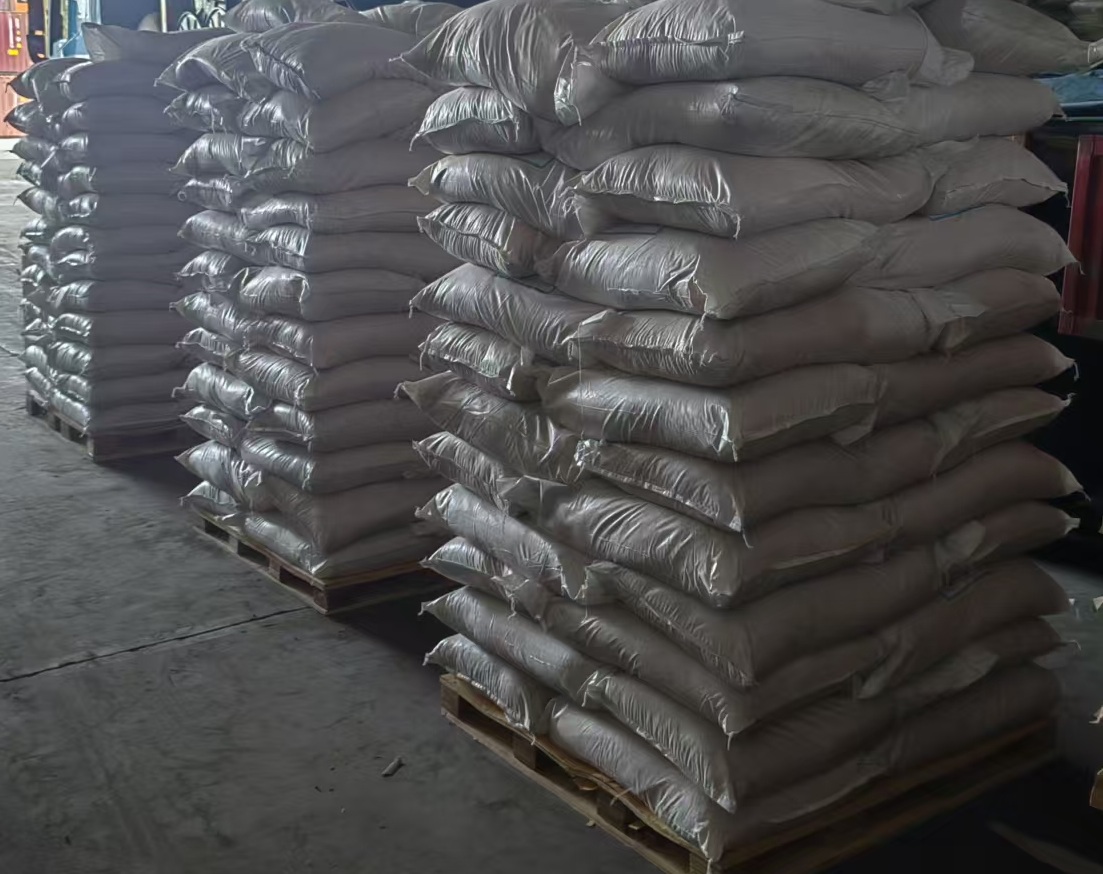
| Long Shelf Life (Powder Form) | 24 months in closed packaging |
| Lower Transportation Cost | More concentrated compared to liquid forms |
SECTION 16: LIMITATIONS AND PRECAUTIONS
| Limitation | Description / Solution |
|---|---|
| Powder Handling Difficulty | Protect from moisture; Use appropriate dust control measures |
| Hygroscopic | Store in closed containers; Do not expose to air for extended periods |
| Dissolution is Exothermic | Temperature may rise – use wide-mouth containers, avoid overheating |
| High Alkalinity (>200 mg/L CaCO₃) | Higher dosage may be required (to prevent pH rise) |
| Very Low Temperature (<2°C) | Viscosity increase – mixing optimization may be required |
| Metal Equipment | Corrosive – use plastic or lined equipment |
| Dilution Stability | Dilute solutions (<5%) are not stable – use immediately |
SECTION 17: SAFETY AND TOXICOLOGY
| Parameter | Value |
|---|---|
| Oral LD₅₀ (Rat) | >5,000 mg/kg (low toxicity) |
| Dermal LD₅₀ (Rabbit) | >2,000 mg/kg |
| Skin Irritation | Mild irritant |
| Eye Irritation | Irritant |
| Skin Sensitization | Not sensitizing |
| Mutagenicity | Negative |
| Carcinogenicity | Not classified |
| Aluminium Toxicity | Potential neurotoxicity at high doses (drinking water residual regulated) |
| Drinking Water Al Limit (WHO) | 0.1 – 0.2 mg/L |
| Drinking Water Al Limit (EU) | 0.2 mg/L |
SECTION 18: SAFETY PRECAUTIONS AND PPE
Hazards:
-
Acidic – causes skin and eye irritation
-
May be harmful if swallowed
-
Dust inhalation may cause irritation
Reactivity:
-
Neutralization with strong alkalis (exothermic)
-
May generate hydrogen gas upon contact with most metals
-
Acidic solution when mixed with water (exothermic)
PPE (Recommended):
-
Chemical-resistant gloves (nitrile or neoprene)
-
Safety goggles (EN 166)
-
Dust mask (FFP1 or N95) – in dusty environments
-
Protective clothing (acid-resistant)
Engineering Controls:
-
Local exhaust ventilation (LEV) for dusty operations
-
Dust collection systems
-
Eyewash stations
First Aid:
-
Inhalation: Remove to fresh air
-
Skin Contact: Wash with plenty of water
-
Eye Contact: Rinse with water for 15 minutes
-
Ingestion: Drink plenty of water; Seek medical attention
SECTION 19: STORAGE AND SHELF LIFE
Storage Conditions:
-
Cool, dry, well-ventilated area (5-30°C)
-
Store in original closed packaging
-
Protect from moisture and direct sunlight
-
Acid-resistant plastic containers (HDPE, PP, PVC) – DO NOT USE metal containers
-
Store separately from other chemicals (especially alkalis)
Shelf Life:
-
Original closed packaging: 12 – 24 months
-
Diluted solution: 24 – 48 hours (use immediately)
Degradation Indicators:
-
Caking (moisture absorption)
-
Darkening of color (partial hydrolysis)
-
Decrease in solubility
SECTION 20: SECTOR SUITABILITY SUMMARY TABLE
| Industry | Application | Typical Dosage (mg/L product) | Notes |
|---|---|---|---|
| Drinking Water Treatment | Turbidity, color, organic removal | 5 – 50 | Must be NSF/ANSI 60 compliant |
| Municipal Wastewater | Phosphorus removal, COD reduction | 50 – 150 | Chemical precipitation |
| Textile Wastewater | Color removal, COD reduction | 30 – 150 | Effective for azo dyes |
| Paper Industry | Retention aid, dry strength | 100 – 500 g/ton paper | Synergy with cationic starch |
| Metal Plating Wastewater | Heavy metal removal (Ni, Cu, Zn) | 30 – 150 | Precipitation at pH 7-9 |
| Leather Wastewater | Chromium removal, COD reduction | 50 – 200 | pH optimization required |
| Food Process Water | SS and organic removal | 20 – 100 | Food grade equipment required |
| Mining | SS removal | 50 – 200 | Tailings ponds |
| Oil / Gas | Injection water treatment | 50 – 250 | High salinity tolerance |
| Construction | Process water treatment (aggregate washing) | 50 – 200 | Closed-loop water systems |
SECTION 21: CRITICAL WARNINGS AND BEST PRACTICES
CRITICAL WARNINGS:
-
Acidic nature – causes skin and eye irritation. Wear protective equipment.
-
Hygroscopic – absorbs moisture from air. Store in tightly closed, moisture-proof containers.
-
Dissolution is exothermic – temperature may rise significantly. Add slowly to water with mixing.
-
Corrosive to metals – use plastic or lined equipment (HDPE, PP, PVC). DO NOT use metal containers.
-
Dust may cause respiratory irritation – use dust control measures and respiratory protection.
-
Incompatible with alkalis – violent neutralization reaction (exothermic). Store separately.
-
Drinking water applications – must be NSF/ANSI 60 certified. Ensure Al residual <0.2 mg/L.
-
Dilute solutions are not stable – prepare fresh and use within 24-48 hours.
-
Dosage must be optimized – jar test is mandatory for each application.
-
Overdosing – may cause aluminium residual and environmental issues.
BEST PRACTICE RECOMMENDATIONS:
Solution Preparation:
-
Always add PAC powder to water, never add water to PAC powder.
-
Use clean water (pH 6-7) for dissolution.
-
Use moderate stirring (200-400 rpm) – avoid vigorous mixing.
-
Allow 30-60 minutes for complete dissolution.
-
Prepare 5-10% stock solution.
-
Use fresh solutions within 24-48 hours.
Dosage Optimization:
-
Jar test is mandatory for each application.
-
Start with 5-50 mg/L for drinking water; 20-200 mg/L for wastewater.
-
Optimum dosage: largest flocs + clearest supernatant.
-
Overdosing → floc dispersion, turbid water, Al residual.
-
Factors affecting dosage: turbidity, pH, temperature, organic content.
Equipment Selection:
-
Use plastic or lined equipment (HDPE, PP, PVC) – avoid metals.
-
Use chemical-resistant pumps (peristaltic, diaphragm).
-
Use static mixers or low-shear mixing.
-
Calibrate dosing pumps regularly.
Handling:
-
Use in well-ventilated areas.
-
Avoid dust formation.
-
Use dust masks (N95/FFP2) when handling powder.
-
Use gloves and safety goggles.
-
Wash hands thoroughly after handling.
Storage:
-
Store in tightly closed, moisture-proof containers.
-
Store in a cool, dry, well-ventilated area (5-30°C).
-
Protect from direct sunlight, moisture, and high humidity.
-
Opened packages should be resealed immediately.
-
Do not store near alkalis or metals.
Spill Management:
-
Sweep or vacuum (HEPA) and place in suitable sealed container.
-
Avoid dust formation.
-
Do NOT wash with water (creates slippery surface, exothermic).
-
Neutralize with sodium bicarbonate or lime (if safe).
-
Do not allow entry into drains or waterways.
Disposal:
-
Dispose of in accordance with local, regional, and national regulations.
-
Non-hazardous waste (powder).
-
Neutralize before disposal if required.
-
Consider recycling for liquid waste (if possible).
JAR TEST PROCEDURE FOR DOSAGE OPTIMIZATION:
| Step | Description |
|---|---|
| 1 | Prepare PAC stock solution (1% or 10 g/L) |
| 2 | Take water samples (1 L each) in 6 beakers |
| 3 | Add different dosages to each beaker (e.g., 5, 10, 20, 30, 40, 50 mg/L for drinking water; 20, 50, 100, 150, 200, 300 mg/L for wastewater) |
| 4 | Rapid mix (200-400 rpm) for 1-3 minutes |
| 5 | Slow mix (20-40 rpm) for 10-20 minutes |
| 6 | Allow settling for 10-30 minutes |
| 7 | Observe floc formation, settling rate, and supernatant clarity |
| 8 | Select optimum dosage – largest flocs, fastest settling, clearest supernatant |
| 9 | Measure residual aluminium and pH to ensure compliance |
PAC vs ALUM: PERFORMANCE COMPARISON SUMMARY
| Parameter | PAC | Alum | Advantage |
|---|---|---|---|
| Dosage (as Al₂O₃) | Low | High | PAC |
| pH Range | 5-9 | 6-7.5 | PAC |
| Sludge Volume | 50-70% of alum | High | PAC |
| Al Residual | <0.1 mg/L | High | PAC |
| Low Temperature | Excellent | Poor | PAC |
| Rapid Mixing | Low requirement | High requirement | PAC |
| pH Drop | 0.1-0.5 units | 0.5-1.5 units | PAC |
| Cost | Medium | Low | Alum |
REGULATORY COMPLIANCE:
| Region | Standard | Aluminium Limit (mg/L) |
|---|---|---|
| European Union | Directive 98/83/EC | 0.2 |
| USA | EPA Secondary Standards | 0.05 – 0.2 |
| WHO | WHO Guidelines | 0.2 |
| Turkey | İçme Suyu Yönetmeliği | 0.2 |
Certifications Required:
-
Drinking Water: NSF/ANSI 60 certification
-
Food Contact: FDA compliance, Food Grade certification
-
Cosmetics: EC 1223/2009 compliance
LEGAL DISCLAIMER:
The information provided in this document is based on our current knowledge and experience and is presented in good faith. However, as all conditions of use are beyond our control, it does not constitute a binding specification or warranty. This Technical Data Sheet is for informational purposes only. Users are responsible for testing the suitability for their own applications. For complete safety, storage, use, handling, waste, and regulatory compliance information, please refer to the official Safety Data Sheet (SDS/MSDS) provided by the manufacturer/supplier. Specific applications require laboratory jar tests and field trials. For drinking water applications, ensure compliance with local regulations (Al <0.2 mg/L). For food contact applications, only certified food grade products should be used.