We unleash your business potential by maximize the business innovation.
Send EmailHydroxyethyl Methyl Cellulose, Methyl 2-hydroxyethyl Cellulose, Methoxyhydroxyethylcellulose, Hymetellose, Tylose MH, HEMC, 9032-42-2
Technical Properties of Hydroxyethyl Methyl Cellulose (HEMC)
General Information
-
CAS Number: 9032-42-2
-
Chemical Name: Methyl 2-hydroxyethyl cellulose
-
Other Names: Hydroxyethyl Methyl Cellulose, Hymetellose, Tylose MH
-
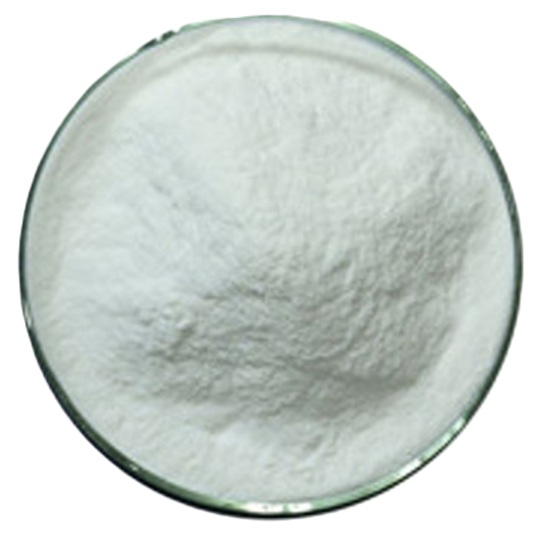
Appearance: White to off-white powder
Physical Properties
-
Density: 1.28–1.30 g/cm³ (at 20 °C)
-
Bulk Density: ~350 kg/m³
-
Solubility: Soluble in cold water, forming clear or slightly turbid solutions
-
Viscosity:
-
2% solution at 20 °C: 600–1500 mPa·s
-
Brookfield measurement (2% solution, spindle #6, 20 rpm): 15,000–20,500 cP
-
-
Surface Tension: 45–55 dyn/cm (0.1% solution at 20 °C)
-
Gel Temperature (Flocculation Range): 60–90 °C (0.5% solution)
Chemical Substitution
-
Methoxy Content: ~26 wt.%
-
Hydroxyethyl Content: ~8 wt.%
-
Degree of Substitution (DS): 1.3–2.2 mol methyl groups per mol cellulose
-
Molar Substitution (MS): 0.06–0.50 mol hydroxyethyl groups per mol cellulose
Functional Characteristics
-
Water Retention: Prevents rapid water loss in cement and plaster formulations
-
Thickening Agent: Provides viscosity and improves workability in solutions
-
Film Formation: Creates thin protective films in coatings and pharmaceutical tablets
-
Emulsion Stabilizer: Maintains stability in cosmetic and pharmaceutical emulsions
Applications
-
Construction: Used in mortar, plaster, and cement-based products for water retention and workability
-
Pharmaceuticals: Tablet binder and coating agent
-
Cosmetics: Viscosity regulator and stabilizer in creams and lotions
-
Food Industry: Thickener and stabilizer in certain formulations
Handling & Storage
-
Storage Conditions: Keep below 30 °C, in a dry environment
-
Precautions: Protect from moisture to avoid clumping and loss of solubility
-
Preparation: Dissolve slowly in water with gentle stirring to prevent lump formation
Sectoral Usage & Suitability Table:
| Sector | Usage Ratio (%) | Typical Applications | Key Requirements | HEMC Suitability |
|---|---|---|---|---|
| Construction | 65–70% | Mortars, plasters, tile adhesives, cement-based mixes | High water retention, viscosity control, anti-sagging | Excellent |
| Pharmaceuticals | 10–15% | Tablet binders, coatings, controlled-release formulations | Film formation, biocompatibility, regulatory compliance | Good |
| Cosmetics | ~10% | Creams, lotions, shampoos, gels | Emulsion stability, smooth texture, viscosity regulation | Good |
| Food Industry | 5–10% | Thickener, stabilizer in processed foods | Food-grade safety, texture improvement, shelf-life extension | Moderate–Good |
Key Insights
-
Construction dominates due to large-scale demand and cost efficiency.
-
Pharma and cosmetics rely on HEMC for film-forming and stabilizing properties.
-
Food industry use is limited compared to other cellulose derivatives (like CMC or HPMC) because of stricter safety regulations.
-
Viscosity grade selection is critical: high viscosity for construction, medium for pharma/cosmetics.
Diğer İsimler (Synonyms)
| English Synonyms | Turkish Synonyms |
|---|---|
| Hydroxyethyl Methyl Cellulose (HEMC) | Hidroksietil Metil Selüloz |
| Methyl 2-hydroxyethyl cellulose | Metil 2-hidroksietil selüloz |
| Hymetellose | Hymetellose (ticari isim, genelde çevrilmez) |
| Tylose MH | Tylose MH (ticari marka adı) |
| Cellulose, 2-hydroxyethyl methyl ether | Selüloz, 2-hidroksietil metil eter |
| Methoxyhydroxyethylcellulose | Metoksi-hidroksietil selüloz |
Sectoral Suitability & Usage Levels
| Sector / Application | HPMC | HEMC | HEC |
|---|---|---|---|
| Construction (mortars, tile adhesives, plasters) | ✅ Highly suitable – water retention, workability, extended open time | ✅ Highly suitable – slip resistance, sag control | ⚠️ Limited – not ideal for cementitious systems |
| Typical dosage | 0.2–0.7% of dry mix weight | 0.2–0.7% | Rarely used (<0.1%) |
| Pharmaceuticals (tablets, coatings, capsules) | ✅ Widely used – binder, film former, controlled release | ⚠️ Rare – limited use | ⚠️ Rare – limited use |
| Typical dosage | 2–5% in tablet formulations | ||
| Food industry (thickener, stabilizer) | ✅ Approved – emulsifier, stabilizer | ⚠️ Limited | ⚠️ Limited |
| Typical dosage | 0.1–0.5% | ||
| Cosmetics & personal care (lotions, shampoos, toothpaste) | ✅ Viscosity control, smooth texture | ✅ Foam stability, viscosity | ✅ Thickener, stabilizer |
| Typical dosage | 0.3–1% | 0.3–1% | 0.3–1% |
| Paints & coatings (latex paints, emulsions) | ⚠️ Moderate – secondary thickener | ✅ Rheology control | ✅ Primary thickener |
| Typical dosage | 0.2–0.5% | 0.2–0.5% | 0.3–1% |
| Oilfield drilling fluids | ⚠️ Rare | ⚠️ Rare | ✅ Thickener, fluid-loss reducer |
| Typical dosage | 0.3–0.8% | ||
| Textiles & paper | ⚠️ Limited | ⚠️ Limited | ✅ Rheology modifier, binder |
| Typical dosage | 0.3–0.7% |
Key Insights
-
HPMC & HEMC dominate construction: Both are indispensable in cement-based mortars and adhesives.
-
HEC dominates paints & coatings: It is the primary thickener in latex paints, while HPMC/HEMC play secondary roles.
-
Pharma & food rely on HPMC: Regulatory approvals and functional versatility make HPMC the standard.
-
Cosmetics use all three: Choice depends on desired rheology and foam stability.
-
HEC is unique in oilfield & paper: Its salt tolerance and film-forming ability make it suitable.